
The Real Bird Who Was

I am not a real bird, says the bird that is,
His coiled intestines heavy in his soft belly.
He gathers bark flakes and wooly hair for his nest,
Gathering with wings that should fly.
If I were a real bird, says the bird,
I would do what they do. The bird
watches a trigon of his feather-kin in the sky,
And presses his pinioned wingtips into the wet ground.

The bird plops heavy onto the earth,
Swallowing a worm as he saturates in nutrient packed dirt.
The worm sticks, glued to his tonsils,
And he develops a smell as he rolls over, crushing his wings beneath him.

He gazes with an ache at the seasonally disappearing flocks,
Claws at himself from the inside.
Real birds fly, says the bird who doesn’t,
As he pushes his head in the water and remains just a second too long.

On a branch, he lifts a wing, raises a leg.
He tilts slowly off and the world seems to spin,
But it spins until it doesn't, until the bird recoils,
Nosediving into his breast and imagining what the others would say
If they saw him.

I’m not a real bird, thinks the bird,
I can't be seen if it is like this.
He feels a phantom pain at the gone tip of his wing,
And quietly sheds both tear and feather.
Poetry from Pascal Lockwood-Villa
Lost in my own city

I can manage to find gold in a cigarette
Bet you didn’t know that, did you?
I’ll teach you how, but you must swear on your hometown
You’ll never have the nerve to tell another soul
Ok

Are you ready?
The trick is simple as pie and twice as sweet
First off, be born
You may think you’ve got that one down already
But unless you came here through the wrung-out sorrow of you father blasting into your
mother’s womb
You’d be mistaken

Second
Learn everything this world has to offer, quickly as you can
Don’t bother fact-checking, you know your friends in big media aren’t here to lie to you
Third
Find out the truth
You feel that don’t you?

The loss of every direction you thought you new
But its still somehow beautiful outside
Now go buy that first cigarette
You can thank me later
Poetry from Alma Ryan
Open Eyes


the rocks echo giddy laughter

a radio balanced unsteadily upon a paddle board

splashes of a dogs paws in the water

as he skitters in circles

soaked with warmth to the bone


music on the beach sends ripples through the lake

small fishes bobbing along

disturbed only by grabbing hands

shrieks replace laughter

as a minnow squirms in your palms


the boat rocks and

we flip

plunging into the cold

bubbles erupting under our bodies

your hair floats around your face

prompting thoughts of eels and gods


my admiration stays mine

as my mind melts into water

your beauty for only me alone to hold


you tug me back to the surface

and the water in my brain slides away

the rocks echo giddy laughter
Poetry from Marley Manalo
flower girl

some see objects in the earth where I see lungs.
eyes in the oceanic sky peering down on my
limp overturned body.
i see golden beetles in pupils and stardust on skin,
though nobody will see me like that.

not when i have grown moss out of hair follicles and
flowers out of fingertips.
So that i can blend into the ground.
the floating eyelids above blink to find me but now

i am breathing inside the earth.
where footsteps and handprints on my flesh fire marks
and bruises that don’t appear in the night.
the moon is the only one who’s truly heard my cry
seen my hurt and listened to my poetry.

the shriveled-up poetry that only have
fragments of me.
tiny remnants that shout “i was here”
and although i’m almost down to dirt,
people pick my flowers.
and every person i’ve ever met has taken a piece a me.
Poetry from Ari Nystrom Rice
1:00 AM Light


I Lie.

Restless in bed.

Each time I feel my eyes droop,

I am compelled

to watch the golden light beside my bed

fade away

each time I bundle up in blankets

only to realize the perfect seal

keeping the solitary 1am light

at bay is gone.

I fiddle with the strings

on my blinds

trying to replicate

the blinding comfort my bedside sun in a jar

had produced.

pushing the fidgeting engine beneath my skin

towards a moment to lie down

I whisper to myself to ignore

the ice plunging deep into my pupils

yet the pressure of the night

creates cracks in the walls

lines sewn across imperfect darkness.

suffocating in it

my night

I understand what it must be like

to be in a car crash

for time to expand

like the pupil of my eye

and yet I lay lonely.
Poetry from Gustavo M. Galliano

SUSURROS DE LA NOCHE

El aura de la noche
gime en avalanchas,
serpenteante, candorosa,
transpirando color.
Montada sobre nubes
tus brazos, cual férreas aspas,
emprenden cabalgatas, eternas,
por sobre el éxtasis del amor.
Remolinos de seda,
entrelazados al gozo,
mientras espasmos fragorosos
beben aguardiente del crear.


WHISPERS OF THE NIGHT


the aura of the night
moans in avalanches,
meandering, candid,
sweating colour.
mounted on clouds
your arms, which iron blades,
they embark on cavalcades, eternal,
above the ecstasy of love.
silk swirls,
intertwined with joy,
while roaring spasms
they drink brandy of creation.

---------------
BREVE BIOGRAFÍA de:
Prof. Gustavo Marcelo GALLIANO.
Nacido en Gödeken, Santa Fe, República Argentina. Escritor, poeta, Jurado en certámenes literarios Internacionales. Periodismo digital. Docente Universitario de la Facultad de Derecho de la UNR, en la asignatura Historia Constitucional Argentina. Miembro del CICSO (Centro de investigaciones en Ciencias Sociales). Secretario Técnico de REDIM.
Se ha desempeñado como Corresponsal Especial en diversas revistas internacionales de Arte y Literatura (Cañ@santa, Sinalefa, ViceVersa, Long Island al Día, RosannaMúsica, etc).
Integra la Red de Escritores en Español (REMES), Poetas de Mundo, Unión Hispano-Mundial de Escritores (UHE), la Fundación César Égido Serrano, Naciones Unidas de las Letras (Ave Viajera y Proyecto Mundial Semillas de Juventud), entre otras. Actualmente es colaborador especial de Revista Poética AZAHAR (España), Revista Literaria-artístico PLUMA y TINTERO (España), Revista Literaria KENAVÒ (Italia) y Revista OFRANDA LITERARA (Rumania) donde también integra el Colegio Editorial.
Ha obtenido distinciones y premios en certámenes y concursos internacionales de cuentos, narrativa, micro relato y poesía. Publicó libros (LA CITA, 5 AUTORES) y participe de antologías y revistas publicadas y traducidas en más de 100 países.
Ha sido designado como Embajador de la Palabra y la Paz por diversas instituciones: WWPO (USA), Círculo de Embajadores Universales de la Paz (Francia / Suiza), Fundación César Égido Serrano y Museo de la Palabra (España).
Reside en Rosario, Santa Fe, República Argentina.
BRIEF BIOGRAPHY of:
Prof. Gustavo Marcelo GALLIANO
Born in Gödeken, Santa Fe, Argentine Republic. Writer, poet, jury in international literary contests. Digital journalism. University Professor at the Faculty of Law of the UNR, in the subject Argentine Constitutional History. Member of CICSO (Social Sciences Research Center). REDIM Technical Secretary.
He has worked as a Special Correspondent for various international Art and Literature magazines (Cañ @ santa, Sinalefa, ViceVersa, Long Island al Día, RosannaMúsica, etc).
She is a member of the Red de Escritores en Español (REMES), Poetas de Mundo, Union Hispano-Mundial de Escritores (UHE), the César Égido Serrano Foundation, the United Nations of Letters (Ave Viajera and the World Seeds of Youth Project), among others. Currently he is a special contributor to AZAHAR Poetic Magazine (Spain), PLUMA and TINTERO Literary-artistic Magazine (Spain), KENAVÒ Literary Magazine (Italy) and OFRANDA LITERARA Magazine (Romania) where he is also a member of the Editorial College.
He has obtained distinctions and prizes in international contests and contests for short stories, narrative, short story and poetry. He published books (LA CITA, 5 AUTORES) and participated in anthologies and magazines published and translated in more than 100 countries.
He has been designated as Ambassador of the Word and Peace by various institutions: WWPO (USA), Circle of Universal Ambassadors of Peace (France / Switzerland), César Égido Serrano Foundation and Museum of the Word (Spain).
He resides in Rosario, Santa Fe, Argentine Republic.
Z.I. Mahmud explores the world of Charlotte Bronte’s Jane Eyre
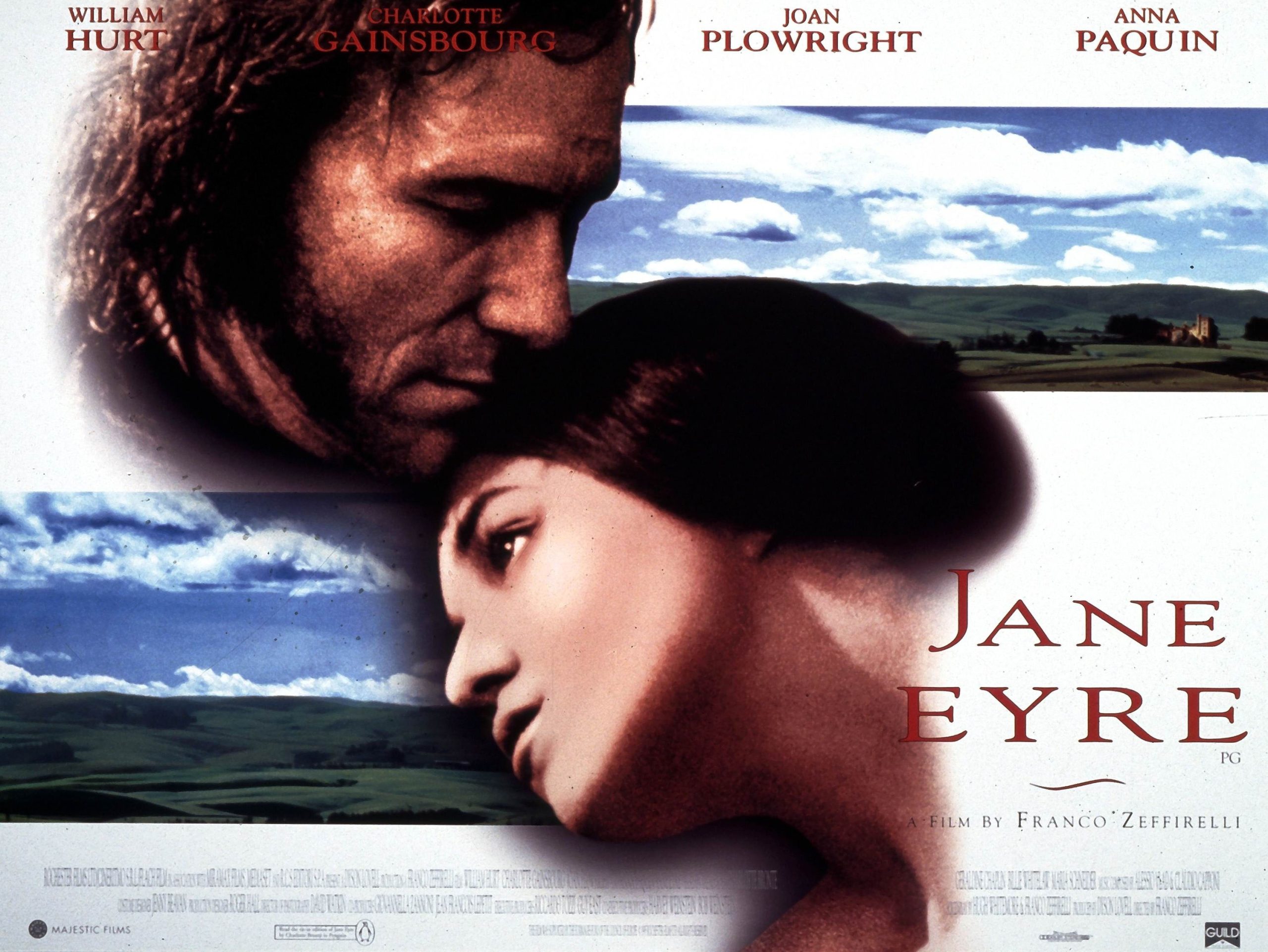
Victorian Literature: Charlotte Bronte’s Novel Jane Eyre

•	Jane Eyre is a bildungsroman which follows the experiences of its eponymous heroine, including her growth to adulthood and her for Mr. Rochester, the brooding master of Thornfield Hall.
•	”I grieve to leave Thornfield Hall….I I love it because I have lived in it full and delightful. I have not been trampled on. I have not been petrified. I have not been buried in inferior minds and excluded from the companion of what is bright, energetic and white. I have talked face to face——-with an original, a vigorous and an expanded mind”/

•	The novel revolutionizes prose fiction by focusing the protagonist’s moral and spiritual development through an intimate first person narrative, where actions and events are coloured by a psychological intensity.
•	Charlotte Bronte has been the first female historian of the private consciousness. She is the literary ancestors of writers like James Joyce and Michael Proust.

•	Along with Jane Austen’s Pride and Prejudice romance novel depicts social commentary critiquing gender relations, class hierarchy, sexual orientation, religious aspects and feminist discourses.
•	At Gateshead Hall Jane is detested and tormented by her aunt Mrs. Sarah Reeds and cousins Georgiana and Eliza both emotionally and physically.
•	Her education at Lowood School gains her friends and role models but she suffers oppression.

•	Her time as a governess at Thornfield Hill, where she falls in love with the mysterious employer Mr. Edward Fairfax Rochester, her time at the Moor House, during which her earnest but cold clergyman cousin St. John Rivers proposes to her; ultimately leads to her reunion with and marriage to her beloved Mr. Rochester.
•	The Red Room of the Gateshead Hall is symbolic of the ambiguous relationship that exists between the parents and children which plays out in all of Jane’s relationships with male figures throughout the novel.

•	Bessy and the apothecary Mr. Lloyds were Jane’s amicable acquaintances at Gateshead Hall.
•	Mrs. Sarah Reeds beseeches the aid of Mr. Brocklehurst in enrolling Jane Eyre to Lowood Institution, a charity school for girls.
•	Jane blames that Mrs. Sarah Reeds and Eliza as well as Georgiana were the ones who had been deceitful in unacknowledged of the dying wish of late Mr. Reeds.
•	Helen Burns’ poor stance and dirty nails exposes her to harsh lashing at Lowood institution.

•	Miss Temple, the kind hearted woman superintendent facilitates Jane’s self-defense and vindicates her any wrongdoing.
•	The 80 pupils of Lowood were subjected to poor meals, thin clothing and cold rooms.
•	Many students fall ill when a typhus epidemic strikes; Helen Burns dies of consumption in Jane’s arms.

•	When Mr. Brocklehurst’s maltreatment of the students is discovered, several benefactors erect a new building and formulate a sympathetic management committee.
•	Alice Fairfax provides feedback to Jane’s advertisement in the newspaper offering services as a governess.
•	Jane is recruited to be the mentor and governess of the French beau Adele Varens.

•	Jane was carrying a letter to the post from Thornfield Hall and encounters Edward Fairfax Rochester—-the master of Thornfield Hall dismounted by his galloping horse fallen over a iceberg.
•	Despite Mr. Rochester’s strange behaviour, they revelry in the merriment of the Eden of Thornfield together embellishing evening….
•	Eccentric and peculiar phenomena coincide at Thornfield Hall with the hysteric maniacal laughter and hilarity of the locked chamber’s mystery, a blazing flame in Rochester’s bed-chamber and Mr. Mason’s fallen victim to violence.

•	Mr. Rochester returns with Blanche Ingram, the heartless and snobbish maiden.
•	Mrs. Sarah Reeds’ stroke summons Jane and she receives letter from Mr. John Eyre in which he implores Jane to reside with him and be his heiress.
•	Jane is skeptical of Mr. Rochester’s haughtiness in wooing her to betrothed her and aftermath of both the lover’s confession; the former writes letter to her uncle stating the proposal of wedding.

•	A strange woman intrudes Jane’s bedchamber and rips the wedding veil into two foreshadowing impossibility of marriage by the harrowing grotesquery. Mr. Edward Fairfax Rochester cloaks the clandestine mystery to be the work of Grace Poole.
•	The Lawyer and Mr. Mason dispels the prospects the wedding revealing the fact of Mr. Rochester’s betrothal to Bertha Mason.
•	When Grace Poole gets drunk, Mrs. Bertha descends to congenital madness and causes the strange happenings at Thornfield Hall.

•	Jane is tempted and realizes that she will wreck her integrity if she privileges her desires and passions for the sake of a married man; she must stay a virgin in following Christianity.
•	Jane accidentally leaves possessions on the coach and forced to sleep on the moors. She unsuccessfully attempts to trade her gloves and handkerchief for food.

•	Exhausted and starving Jane eventually makes her way to the home of Diana and Mary but is turned away by the housekeeper.
•	Clergyman St. John admits Jane to the home of Diana and Mary and encourages her livelihood with a new employment at a local school.
•	St John astounds Jane by telling her of her uncle John Eyre’s death, who left behind a legacy of UK pounds 20000.
•	Professing marriage confession to the pious and conscientious Jane, St. John Rivers implores Jane to be a missionary’s wife and travel to India.

•	Jane Eyre learns of Mrs. Alice Fairfax’s retirement and Adele Varens’ schooling a few months following her departure’s aftermath.
•	Mr. Rochester lost a eyesight and a hand in attempting to rescue the householders from the blazing flame that Mrs. Rochester inflicted by sabotage.
•	Jane asserts herself financially independent and promises never to forlorn Mr. Rochester. /”Am I hideous, Jane?”…”You, always were, you know.”/

•	/”To be together for us is to be at once as free as in solitude and as gay as in company…we are precisely suited in character—-the perfect concord is the result.” They live blissfully in an old house in the weeds called Ferndean Manor; they are visited by relations such as Diana and Mary with their newly wedded husbands; St. John Rivers archives salvation by sacrificing his life in the ailments of the colonial epidemics; and the couple stay in touch with Adele Varens eventually.

Blinded and crippled Mr. Edward Fairfax Rochester cannot believe that Jane Eyre had returned to the Ferndean Manor. His suspicion and incredulousness is[D1]  symbolic of the abrupt movement and mannerism: quickened gesture, he demanded, distressing attempt, he ordered, imperiously and aloud: “What is it? Who is it? Who speaks?”——These monosyllabic questions further creates tensions and suspense clinging to the mysterious incarnation of Jane Eyre.

Rochester hyperbolizes that his heart will stop and brain burst and this helplessness and the awful circumstances is conveyed by the verbs groping and wandering. The frustration of blindness is enhanced by the exclaimed speech, “Oh! I cannot see.” In this sense, figment of imagination pervades the scene as evidenced by alliterative diction: “Great God!” emphasizes his disbelief, believing that he has gone mad in daring to think that Jane has returned: “what delusion!” “sweet madness”. Finally he touches Jane’s hands and exclaims with delight that ‘This is her shape——this is her size’—–nonetheless the use of dashes and repeated phrases further illustrates her incredulity: “Her very fingers…her small slight fingers”.

Perhaps a figment of his imagination or the supernatural presence: ‘in the flesh?’ ‘My living Jane?’ ‘is it a dream?’….
 He’s [Edward Rochester] every woman’s fantasy man. He has a threatening past, and seems untameable, but in the end, is tamed by a girl [Jane Eyre] who makes his pain go away.

Here are the major and minor characters who feel unhappy, miserable, depressed or nihilistic at certain extent in the novel:
Jane Eyre is exploited and manipulated by her ambivalent and roguish cousins including Georgiana and John that she eventually becomes fiery tempered to outwit and overthrow tyrannical Gateshead Hall; by throwing to hit her inimical brother with the book.
Even in Lowood Charity institute for orphaned girls, she dissociates herself from the association of Mr. Brocklehurst for being nefarious brute towards her. Helen Burns’ tragic death from typhus is striking in the poignancy of pathos throughout the educative and reformative years.

Thornfield becomes questioned as the graveyard or burial ground of her fanciful imagination in achieving romantic desires while courting her master Edward Fairfax Rochester. Jane Eyre becomes despondent by the intrusive appearance of Blanche Ingram, who has become the inevitable thorn exposing her to mortification and petrification.
Adele Varens' being sent to boarding school and Mrs. Alice Fairfax’s retirement are furthermore glossed as unfavourable for her sustenance in acquaintanceship. Jane eventually throws herself into extreme poverty and inhumane destitution wandering recluse in the moors with coaches and walks.

Jane’s wedding with Rochester are symbolic auguries in the multiplicity of narrative perspectives as envisioned in the foreshadowing of Bertha Mason’s lunacy to tear away the wedding attire. Mrs. Alice Fairfax’s forewarning reveals mysterious past since she is aware of Edward’s sullen gloominess concealed in the Thornfield Hall: “I do fear there will be something found to be different to which either you or I expect.” Bertha Mason’s brother heralding the solicitor Briggs in proving the witness to testify Edward Rochester’s unfortunate marriage to Bertha Mason.

Saint John River’s melancholic death in the missionary abroad is symbolic testimony to Christ’s crucifixion and Jane Eyre’s rejection of him renders pitifulness ambience.