
SALIVARY GLANDS AND THEIR IMPORTANCE
Abstract
Salivary glands are exocrine glands that secrete saliva into the oral cavity. They play an important role in the human body in digestion, moisturizing mucous membranes, protection against microbes, and serving as a source of biomarkers for research purposes. This article discusses the anatomical structure and types of salivary glands, characteristics of their secretions, the mechanism of saliva secretion, their physiological functions, as well as pathological conditions (such as inflammation of the glands, stone formation, Sjögren’s syndrome) and their clinical significance. According to research results, salivary glands perform important roles in protecting mucous membranes interacting with the external environment, initiating digestion, regulating oral microbiota, and providing useful biomarkers for diagnostics. In conclusion, the proper functioning of salivary glands is emphasized as crucial for oral and overall health.
Keywords: salivary glands, secretion, anatomical structure, salivary enzymes, pathology, biomarkers, oral health
Introduction
Saliva is a liquid, primarily water-based secretion produced by the salivary glands in the oral cavity, consisting of up to 99% water, as well as various organic (enzymes, immune components) and inorganic compounds. On average, a human produces 0.5–1.5 liters of saliva per day. Salivary glands perform several essential functions for the oral cavity and the entire body: assisting in chewing and swallowing food, partially breaking down food molecules, maintaining oral microbiota and pH balance, moisturizing and protecting mucous membranes, and serving as bioindicators through secreted saliva. Despite their small size, salivary glands are biologically very important organs in the human body.
Discussion
1. Anatomical and Histological Structure:
Salivary glands are classified into major and minor glands. They include parotid, submandibular, sublingual, and other minor glands.
2. Salivary Secretion and Composition:
Saliva is a complex fluid composed of water, electrolytes, enzymes, and immune components.
3. Physiological Functions:
Saliva initiates digestion, facilitates swallowing, protects oral mucosa, and combats microbial infections.
4. Pathologies:
Diseases affecting salivary glands include sialadenitis, Sjögren’s syndrome, sialolithiasis, tumors, and xerostomia.
5. Regeneration Prospects:
Approaches for restoring gland function are being developed through gene therapy, cell transplantation, and biomarker research.
Results
1. Salivary glands are essential for initiating digestion, protecting mucous membranes, and controlling microbes.
2. Their anatomical and histological structure is adapted to perform various functions.
3. The composition of saliva and its secretion mechanism maintain oral balance.
4. Pathologies disrupt gland functions and negatively affect oral health.
5. Research on regeneration represents a promising direction.
Conclusion
Despite their small size, salivary glands play a vital biological role in the human body. They are crucial not only for initiating digestion but also for protecting mucous membranes and defending against microbes. Additionally, saliva serves as a useful diagnostic biomarker. In the future, research on regeneration and functional restoration of salivary glands is expected to develop further.
References
1. Anatomy, Head and Neck, Salivary Glands — StatPearls, NCBI.
2. Review of the Major and Minor Salivary Glands — PMC.
3. Physiology, Pathology and Regeneration of Salivary Glands — MDPI.
4. Salivary gland function, development, and regeneration — PMC.
5. Salivary glands (Wikipedia, uz).
6. Saliva (Wikipedia, uz).
7. Pathogenesis and Molecular Genetic Aspects of Salivary Gland Tumors — CyberLeninka.
8. Serous demilune — Wikipedia.
9. Progress in Salivary Glands: Endocrine Glands with Immune Functions — Frontiers.
10. Overview of Human Salivary Glands: Morphology and Histology — Wiley.
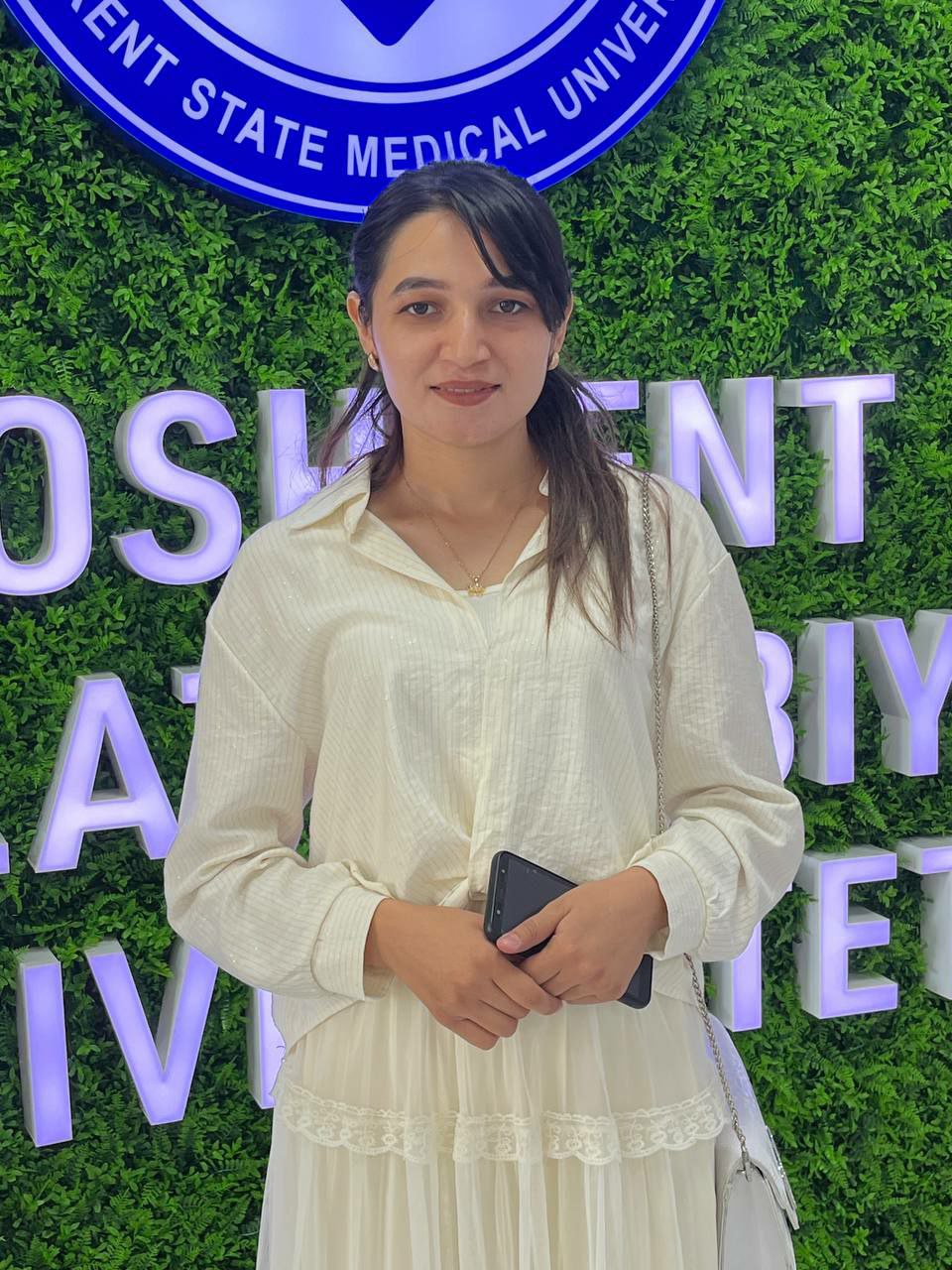
O‘roqova Nargiza, born on March 26, 2001, in Ishtikhon District, Samarkand Region. She is currently a first-year grant-funded student at Tashkent State Medical University.
Her professional activity includes working as a Biology teacher at Secondary School No. 33 in Ishtikhon District, Samarkand Region, during the 2024/2025 academic year. She graduated from Jizzakh State Pedagogical University, Faculty of Biology, in the 2020–2024 academic years. She has an excellent command of English, Russian, Arabic, and Turkish.
Pingback: Synchronized Chaos First of January 2026: What Makes Us Human | SYNCHRONIZED CHAOS