
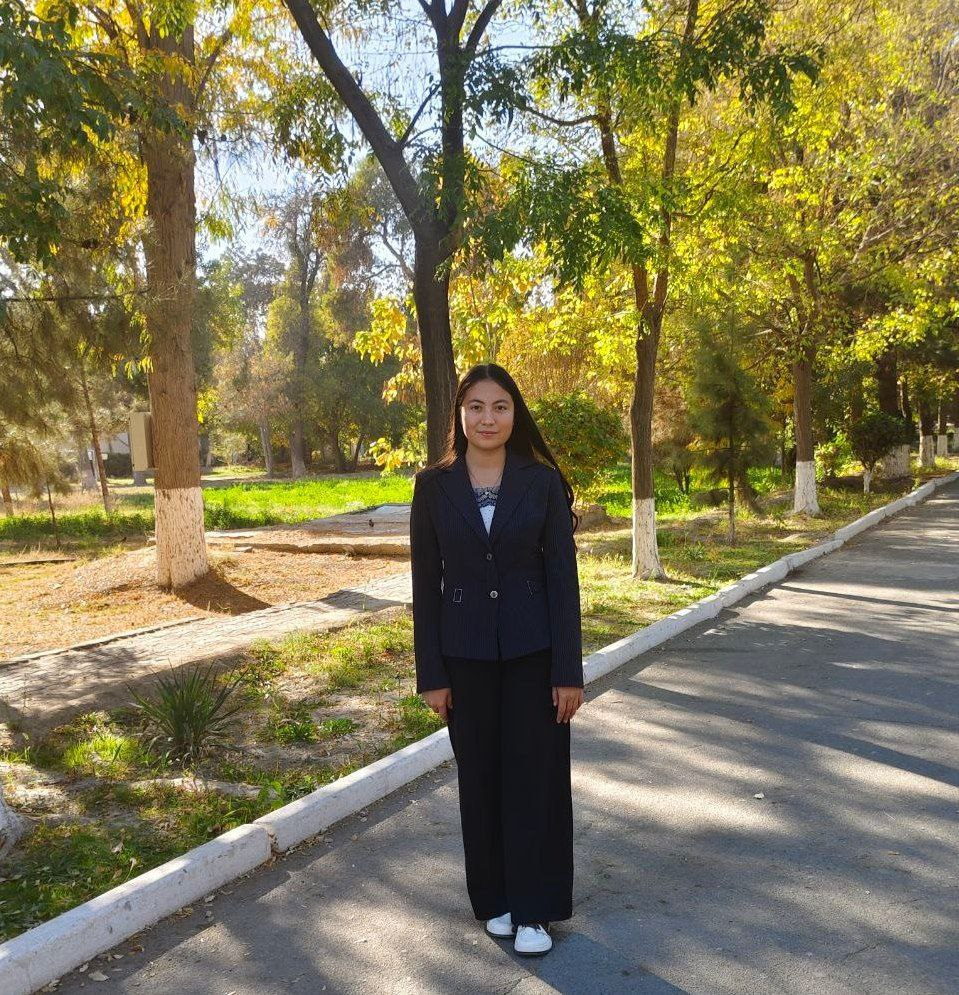
Sevinch Farxodova Buxoro davlat pedagogika instituti Xorijiy til va adabiyoti ta’lim yo‘nalishi 1-kurs talabasi
Annotation: This article highlights the importance of gender equality in social development, the challenges to achieving it, and the reforms undertaken in Uzbekistan. It also proposes measures to promote gender equality.
Keywords: Gender equality, human rights, education, women’s rights, economic opportunities, legislation, Uzbekistan.
Gender Equality: The Foundation of Social Development
One of the key factors in societal development is gender equality. Gender equality means that men and women have equal rights, opportunities, and conditions in all aspects of life. It is not only a matter of human rights but also an essential part of social, economic, and cultural progress. Unfortunately, many countries around the world have yet to achieve full gender equality. In Uzbekistan, while changes are taking place, there are still challenges that need to be addressed.
The Importance of Gender Equality Gender equality is not just about protecting women’s rights; it also contributes to the well-being and prosperity of society as a whole. Countries where women actively participate in the economy develop more rapidly because half of the population is engaged in social and economic processes. Moreover, societies that promote gender equality tend to have better education systems, more stable families, and lower levels of violence.
Research has shown that companies led by both men and women perform more efficiently, as diverse perspectives lead to better decision-making. Therefore, gender equality is not only a matter of fairness but also a factor that drives progress and productivity.
Challenges and Causes of Gender Inequality
One of the biggest obstacles to gender equality is deep-rooted historical and cultural traditions. In many societies, women have traditionally been expected to take care of household duties and raise children, while men have been seen as the primary breadwinners. These stereotypes still persist in many places today.
Another major challenge is limited access to education for women. In some families, girls are still not given the same educational opportunities as boys, and early marriage is often prioritized over their academic and career growth. As a result, women are unable to fully develop their potential in fields such as science, business, and politics.
Gender inequality is also evident in the workplace. Women often receive lower salaries than men, have fewer opportunities for promotion, and face discrimination throughout their careers. These issues remain major barriers to achieving full gender equality.
Gender Equality in Uzbekistan: Current Situation and Achievements
In recent years, Uzbekistan has made significant progress in promoting gender equality. More attention is being given to female education, programs supporting women entrepreneurs have been introduced, and gender-related legislation is being improved. Schools are encouraging girls to pursue education, and various initiatives aim to increase female participation in the workforce.
Additionally, the government has launched financial support programs for women entrepreneurs, and the number of women in public service is steadily increasing. These developments are important steps toward achieving gender equality in the country.
However, full gender equality has not yet been reached. In rural areas, many women still have limited social and economic opportunities. Domestic violence and gender discrimination remain pressing issues that require further action.
What Needs to Be Done to Achieve Gender Equality?
To achieve gender equality, societal attitudes must change. This transformation should start with education. From an early age, both boys and girls should be given equal opportunities to explore different fields and pursue their dreams.
Laws protecting women’s rights should be strengthened, and effective mechanisms for enforcing gender equality must be put in place. Employers should ensure fair working conditions for both men and women, providing equal pay and opportunities for career advancement.
Furthermore, respect for women should be promoted within families and society as a whole. Women should be encouraged to participate in economic and social activities, and they should believe in their own potential, seeking education and career development.
Conclusion:
Gender equality is not just a human rights issue; it is also a driving force for social progress. Ensuring equal rights for men and women contributes to the overall development of society, leading to stability and prosperity. Each of us has a role to play in this process—whether in education, the workplace, or within our families. Only by working together can we achieve true equality and build a fair and just society for future generations.
References:
1. United Nations Development Programme (UNDP). (2023). Gender Equality Strategy 2022-2025. New York: UNDP.
2. World Economic Forum. (2023). Global Gender Gap Report 2023. Geneva: WEF.
3. **Uzbekistan National Statistics Committee.
4. United Nations Development Programme (UNDP). (2023). Gender Equality Strategy 2022-2025. New York: UNDP.
5. World Economic Forum. (2023). Global Gender Gap Report 2023. Geneva: WEF.
6. Uzbekistan National Statistics Committee. (2022). Gender Equality and Women’s Rights in Uzbekistan: Progress and Challenges. Tashkent.
Ajoyib 🔥