
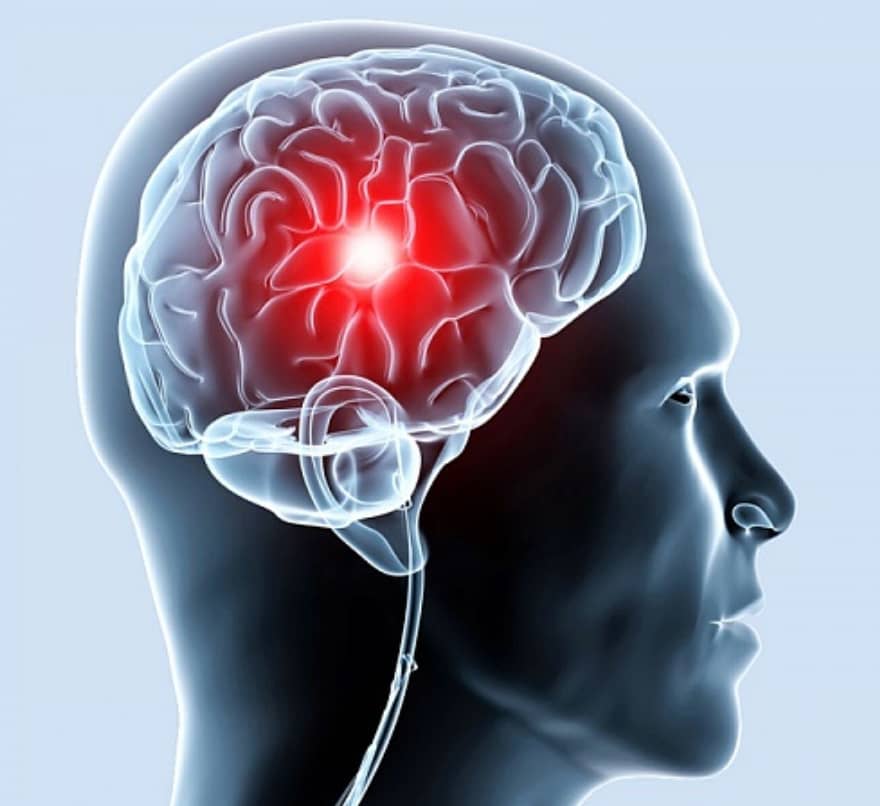
NEUROLOGICAL DISORDERS: CAUSES, TYPES, AND MODERN APPROACHES TO TREATMENT
Abstract
This article analyzes the causes, main types, clinical manifestations, and modern diagnostic and therapeutic approaches to neurological disorders. Diseases of the nervous system significantly affect human health and reduce quality of life. Therefore, early diagnosis and a comprehensive treatment approach are essential for preventing complications and improving patient outcomes.
Keywords: nervous system, neurology, stress, neuron, psychosomatic disorders.
Introduction
The nervous system is one of the most complex and vital systems of the human body, responsible for regulating and coordinating the functions of all organs. Disorders of the central and peripheral nervous systems lead to various neurological diseases. In recent years, increased stress levels, environmental factors, unhealthy lifestyles, and excessive information load have contributed to the growing prevalence of neurological disorders worldwide.
Causes of Neurological Disorders
The development of neurological disorders may be associated with the following factors:
chronic psychological stress and emotional tension;
genetic predisposition;
traumatic injuries to the brain and spinal cord;
infectious diseases such as meningitis and encephalitis;
impaired blood circulation;
toxic exposure and harmful habits;
hormonal and metabolic imbalances.
These factors negatively affect neuronal function and disrupt the transmission of nerve impulses.
Main Types of Neurological Disorders
Neurological disorders present in various clinical forms. The most common include:
Neuroses – functional disorders of the nervous system, often related to stress;
Neuritis and neuralgia – inflammatory conditions of nerve fibers;
Epilepsy – a chronic disorder characterized by abnormal electrical activity in the brain;
Parkinson’s disease – a neurodegenerative condition associated with tremors and slowed movements;
Stroke – an acute disruption of cerebral blood circulation.
Clinical Manifestations
Neurological disorders may present with the following symptoms:
headaches and dizziness;
sleep disturbances and chronic fatigue;
decreased memory and concentration;
numbness or tremors in the limbs;
rapid mood changes;
speech and motor impairments.
The severity and combination of symptoms depend on the type and stage of the disease.
Diagnosis and Treatment Methods
Diagnosis of neurological disorders involves clinical examination supported by laboratory and instrumental methods such as electroencephalography (EEG), magnetic resonance imaging (MRI), and computed tomography (CT). Treatment is based on a comprehensive approach, including:
pharmacological therapy (sedatives, neuroprotective agents);
physiotherapy;
psychotherapy;
adoption of a healthy lifestyle.
Early diagnosis and appropriate treatment significantly reduce the risk of complications.
Conclusion
Neurological disorders remain a significant medical challenge in modern society. Preventive measures such as stress management, balanced nutrition, regular physical activity, and routine medical check-ups play a crucial role in maintaining nervous system health. Timely intervention and proper care contribute to improved physical and mental well-being.
Author: Fahriddin Akramov Uzbekistan