
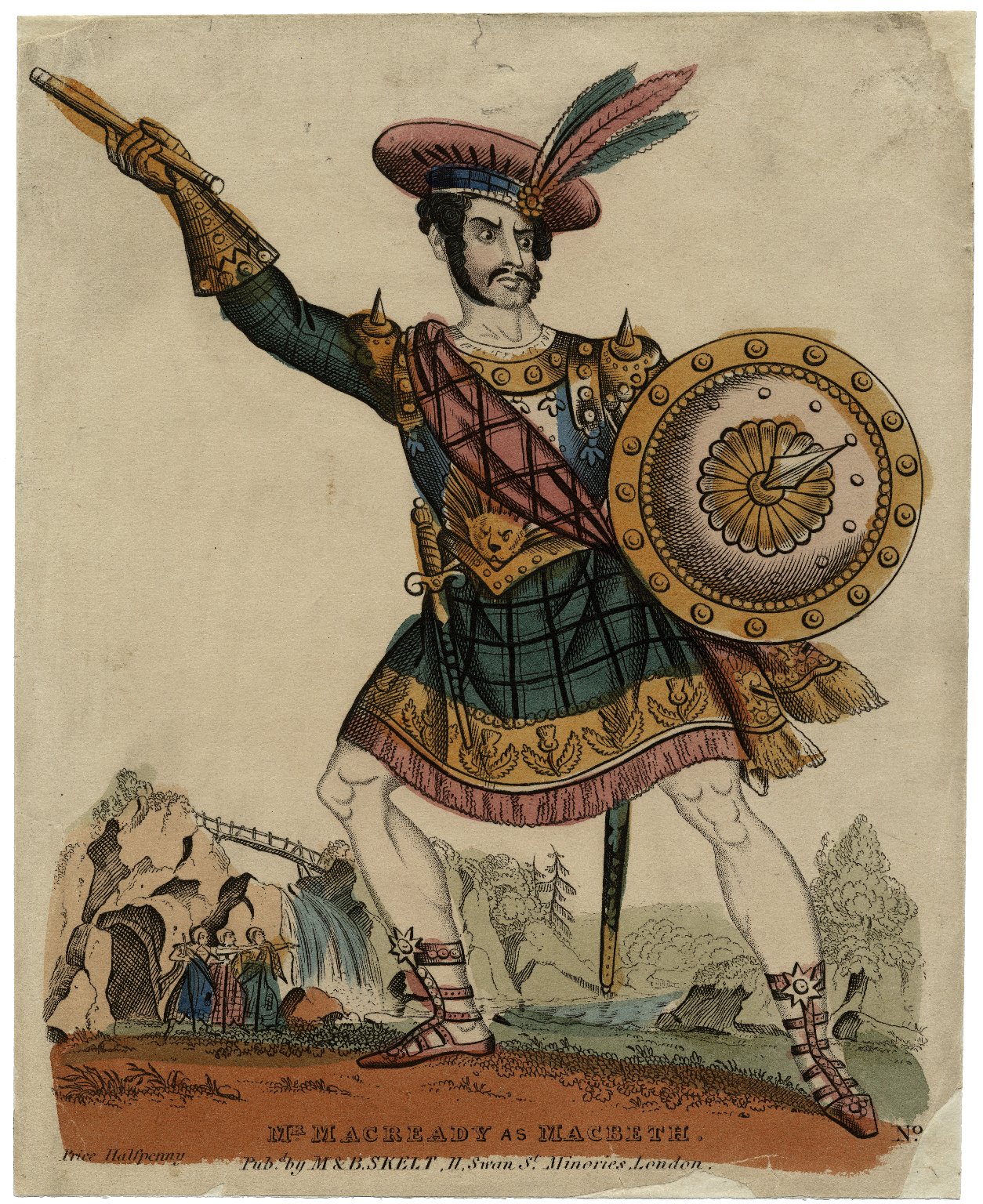
According to Shakespeare's Macbeth,
Life "is a tale
Told by an idiot, full of sound and fury,
Signifying nothing."
First, some announcements: In February, on Saturday the 28th at 2pm, Synchronized Chaos Magazine partners with the Hayward Lit Hop to co-host the Hayward Coffee Hop.
Join with us to hear poems and sample the wares of four different local coffee shops in downtown Hayward, California (Zocalo’s, Snappy’s, Concha Dreams, and the Old City Roastery). Advance tickets required, reserve your spot here.

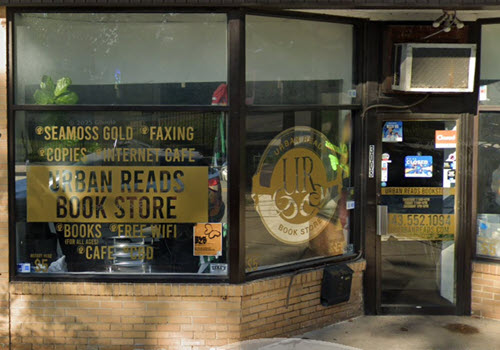
In March we will have a presence at the Association of Writing Programs conference in Baltimore which will include a free public offsite reading at Urban Reads on Friday, March 6th at 6 pm. All are welcome to attend!
So far the lineup for our reading, the Audible Browsing Experience, includes Elwin Cotman, Katrina Byrd, Terry Tierney, Terena Bell, Shakespeare Okuni, and our editor, Cristina Deptula. If there’s time, an open mic will follow.
Poet Marin Angel, of Finland and Bulgaria, is forming a new, vast, international poetry society, the Poetic Political Party for Transparency, that will publish books and which seeks editors and writers.
Published poet and contributor Tao Yucheng is still hosting a poetry contest, open to all readers of Synchronized Chaos Magazine.
Synchronized Chaos Poetry Contest: We seek short, powerful, imaginative, and strange poetry. While we welcome all forms of free verse and subject matter, we prefer concise work that makes an impact.
Guidelines: Submit up to five poems per person to taoyucheng921129@proton.me. Each poem should not exceed one page (ideally half a page or less). All styles and themes welcome. Deadline for submissions will be in early March.
Prizes: First Place: $50 Second Place: $10, payable via online transfer. One Honorable Mention. Selected finalists will be published in Synchronized Chaos Magazine.
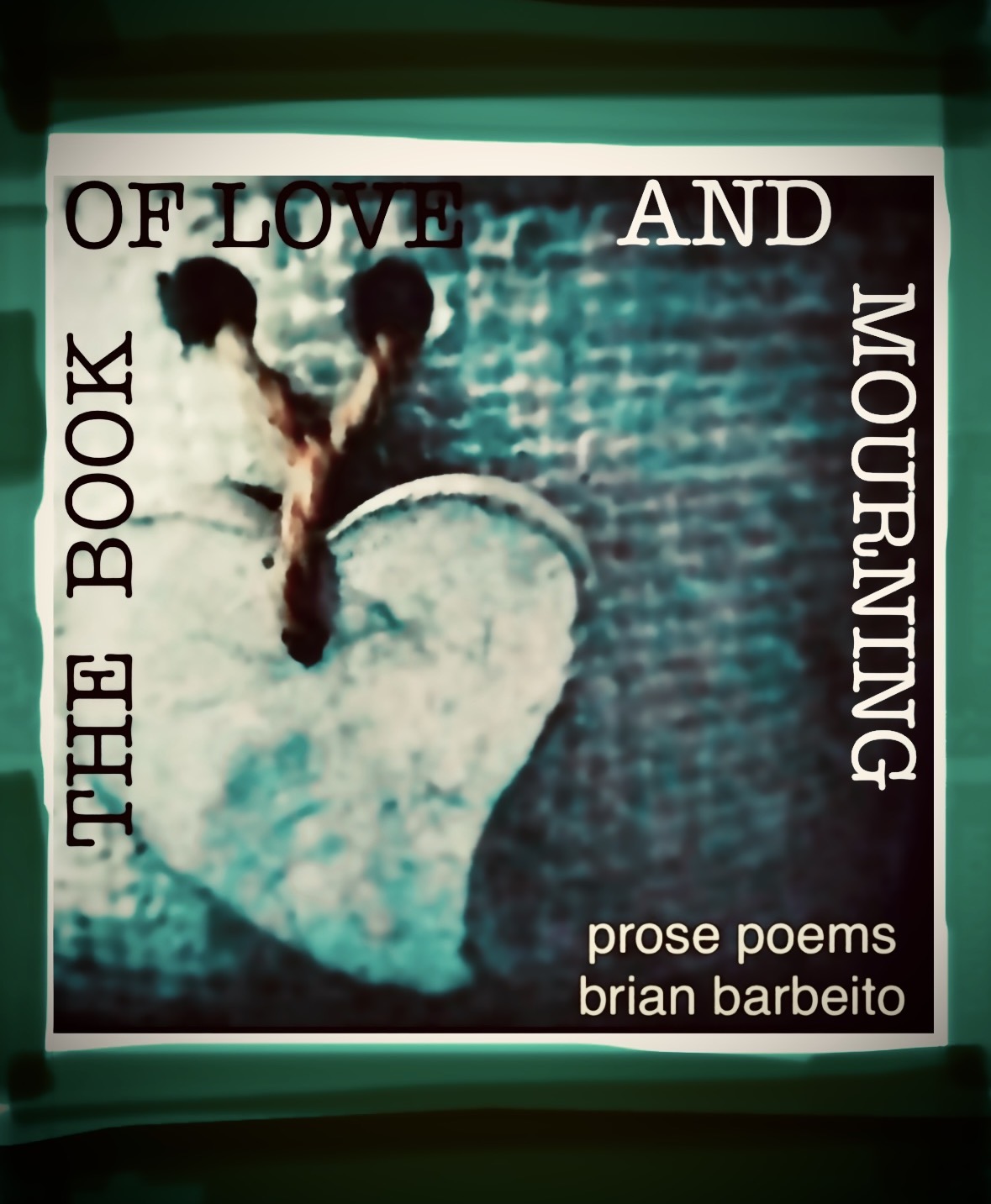
We’re also announcing the release of contributor Brian Barbeito’s new book The Book of Love and Mourning.
From Brian: These prose poems and photos are a journey that celebrate memory and colour and the near and far. Please travel along and explore both the written word and the visual narrative. The content will include but not be limited to, forest trails, meadows and skies, grasshoppers and wild clovers, electric light, and various seasons. And at times we will dream, reminisce, and wonder about the world, its form, content, and continual movement.
The Book of Love and Mourning can be ordered here.
Now, for February’s second issue! This issue, Sound and Fury, Signifying Everything, as opposed to Macbeth’s feelings of meaninglessness, points to the importance of individual people and relationships, to ordinary settings and personal life stories.

Dmitriy Kogan asserts the value of ordinary words from understandable poets. Mykyta Ryzhykh’s micropoems hit on different nerves: money, guilt, tradition, speech, silence. Christopher Bernard’s first installment of Senor Despair explores the search for hope and meaning in a complex world.
Terry Trowbridge’s speakers inhabit and listen to time, rather than shouting their existences into the world. Mahbub Alam’s speaker slowly awakens from a deep sleep. On the other hand, Aurelia Preskill’s speaker desires to fully inhabit her universe and her own body. Michael Todd Steffen’s pieces concern observation: seeing our world, and the instability of what we see. Janaea Rose Lyn takes us on a poetic journey from grief to cognition to embodiment and, finally, to translucence. Taro Aizu finds gentle peace in everyday blessings and beauty. Jumanazarova Mohlaroyim Islombek qizi explicates the deep and stormy inner world behind Said Ahmad’s ironically titled novel Silence. Timothee Bordenave explores the emotional territory of pleasure, escape, rebirth, and devotion.
J.J. Campbell depicts the debris of soul damage from a long and weary life, but continues living, as he has little choice. Mahbub Alam evokes the solemn weariness of insomnia in an elegant poem. Taylor Dibbert reflects on turning points in a relationship that went south. John Edward Culp’s work quietly dares without becoming showy, as a person eases into the risk of loving and being loved. Kalipada Ghosh celebrates a gentle and inspiring love. Dr. Fernando Martinez Alderete presents the comfort and care of a steady, long-term love. Lan Xin’s love poetry carries a spiritual bent, drawing on metaphors of angels and ancient Chinese temples. Cai Zhenyuan ties love into universal compassion and making moral choices.
Alexa Grospe speaks to the visceral pain of someone struggling to be seen and loved in their ordinary humanness. Jacques Fleury advises readers to become comfortable and at home in their own identities and bodies. Eva Lianou Petropoulou reminds humans not to lose sight of our hearts and creativity in the age of artificial intelligence.
Bill Tope and Doug Hawley contribute a co-written bleak, funny, and tender short story that highlights the humanity not only of disabled people, but all those who age and change with time. Noah Berlatsky comments with humor on physical aging. Dilafro’z Sultanova aspires to health and wellness in her advertising jingle to the Central Asian health drink Beleever. Diyora Abduolimova and Jurayeva Aziza Rakhmatovna discusses the importance of and methods for inclusive education for children with disabilities.

Shoshana Vegh speaks to a mythical love that endures through time. Mesfakus Salahin promises his commitment to his loved one throughout his life journey. Jamal Garougar affirms a quiet, humble love. Mandy Pistikou’s poetry outlines a romantic relationship that grows and deepens with time. Sabo Jurayeva urges people to marry for the right reasons, building strong families on love and commitment rather than infatuation.
Iroda Abdusamiyeva pays tribute to her kind, tenderhearted mother as Ibodimova Lobar Muzzafar qizi mourns the loss of her loving mother. Eshmatova Charos offers her love and respect to her mother through a prayer. Akramova Sarvinoz pays tribute to the love and strength of her parents. Dildorakhon Tursunboyeva tenderly expresses her love for her dear mother.
Jerrice J. Baptiste’s colorful artwork celebrates the joy of female friendship and sisterhood. Graciela Noemi Villaverde highlights the transformative power of both friendship and love. Sayani Mukherjee explores interpersonal love through the lenses of memory, religion, myth, and culture. Hanaan Abdelkader Ashour honors the love she shared with those who are departed and feels their continued presence.
Safarqulova Iroda and Maja Milojkovic celebrates the beauty of their heritages and mother tongues. Abdusaidova Jasmina expresses her pure joy and pride in her Uzbek homeland. Isaac Dominion Aju’s personal essay describes his journey towards accepting, creating, and claiming his identity as a Black African man. Normuminova Charos Shamshoshodovna looks deep in her heart and soul to find the meaning of “homeland.”
Halilova Rukshona Abdufattohovna honors the scientific and philosophical legacy of ancient scholar Abu Nasr al-Farabi. Sevara Jo’raqulova highlights the love for Uzbek heritage, nature, and culture in Alexander Faynberg’s poetry.
Duane Vorhees also addresses nature as a theme, speaking to spring’s regrowth in a natural, unsentimental way. Aziza Xazamova shares fun and colorful winter memories. Christina Chin celebrates the clear, pure beauty of winter. Ananya S. Guha’s poetry speaks to natural cycles and resilience, places that keep a hold on people even after they leave. Yongbo Ma constructs an interior landscape built through a variety of objects, places and natural creatures: rocks, tadpoles, frogs, a person’s hometown.
Brian Michael Barbeito’s nature-based prose is quietly luminous, reflective, and tender, reminding us to see the grace in the everyday. Soumen Roy compares the ebbs and flows of relationships to waves at sea. Dr. Jernail S. Anand’s essay highlights the cosmic and natural power balances of the universe.
G’afforova Hadichaxon Abduhamid qizi also writes from a wide perspective, addressing the importance of addressing air pollution on systemic as well as individual levels. Jalolova Charos weighs various sustainable design models for our world’s growing cities. Mamatraimova Khadicha Eshali qizi discusses toponymy, the science of naming places and landforms, in a certain area of Uzbekistan. Dildora Xo’jyozova appreciates Uzbekistan’s rich and multilayered history and culture. Shahnoza Ochildiyeva celebrates the literary legacy of Uzbek writer and social theorist Chol’pon.
Egamberdiyeva Diloromxon highlights the importance of Uzbeks’ understanding their nation’s constitution. Jumayev Sanjar Ilyos ogli also explores the wisdom and importance of the Uzbek constitution in shaping the country. Bai Gengsheng’s poetry, translated by Lan Xin, highlights the enduring power of fortitude and wisdom in China’s cultural heritage. Zubayda Tursunboyeva illuminates themes in Uzbek poetess Zulfiya’s work: love, family, patriotism, and peace. Shermamatova Kamola Azizbek qizi discusses ways to incorporate epic world literature into the classroom.
Razzokova Feruza’s essay discusses how language and culture influence emotional expression. Mahmudjonova Rushonabonu outlines the global importance of the English language. Qobiljonova Hurixon compares advantages of blended and traditional education for those learning English as a second language. Sultonova Shahlo Baxtiyor qizi discusses ways to overcome cognitive and psychological barriers to language learning. Axramonova Laylo O’ktam qizi discusses the impact of bilingualism on personality.

Sultonmurodova Aqida identifies and offers solutions to problems students face with learning foreign languages. Shodiqulova Dilorom Niymatulla qizi highlights the value of teachers’ classroom preparation and evaluation tasks in helping students learn languages and other subjects. Mahamqulova Ruhshona Rustam qizi discusses the cultural and psychological benefits of joint educational programs, where a student may receive academic credit from institutions in different countries. Mominova Nozimakhon highlights the many ways education benefits society at large.
Xolmurotova Gulzoda outlines roles of digital platforms in language learning. Jumanazarova Nafisa discusses roles for artificial intelligence in learning English. Mamatova Mahbuba Abdulboqi qizi addresses the proper pedagogical conditions for using project-based technology in teaching literature. To’g’ilova Dinora shows how mobile apps can help students learn the Korean language. Abduhamidova Nihola shares methodological foundations for multimedia tools in language lessons. Madinaxon Tu’ychiyeva explores the efficacy of digitally based learning. Olimova Marjona Ubaydullayevna discusses how artificial intelligence can help with language learning.
To’laganova Muxlisa G’ulomovna discusses the role of artificial intelligence in teaching critical thinking skills. Ne’matullayeva Mukhlisa Sherali kizi outlines ways college professors can encourage students to develop their critical thinking skills. Zamira Moldiyeva Bahodirovna highlights the importance of teaching critical thinking skills in higher education.
Erkinov Dilmurod Adham o’g’li points out linguistic conventions in scientific writing. Azamova Kumushoy Akramjon qizi highlights the role of scientific research in modern society. Bafoyev Mirzabek Mirvohidovich reflects on how medical diagnostics has advanced and become more refined with time.
Saida Turdiboyeva reflects on how artificial intelligence is changing our lives. Azimov Mirsaid Salimovich highlights the growing importance of computer code in global infrastructure. Nematova Zarina Ochilboyevna points to the emerging trend of digitization in the labor market. Toshbekova Nozima offers suggestions to address youth unemployment. Abdiyeva Mahbuba Rahmiddinova advocates for increased attention to women’s entrepreneurship as a pathway to economic development and empowerment. Zarina Yorboboyeva discusses ways to improve strategic management in business enterprises in Central Asia. Shonazarov Shohjaxon outlines advantages and disadvantages of modern consumer credit.

J.K. Durick’s pieces speak to automation and modern life, the slow erasure of the self. Bozorboyeva Nasiba Ergashboy qizi urges wisdom and foresight in the development and rollout of artificial intelligence technology. Mo’minova Rukhshona highlights how science should not be separated from ethics.
Gaurav Ojha encourages revolutionaries and activists to keep up their spirit and idealism. Norman J. Olson’s drawing conveys the current atmosphere of Minneapolis. Patricia Doyne highlights inconsistencies in American public policy regarding firearms and cultural violence. Kujtim Hajdari laments the destruction and sorrow war causes.
Mauro Montacchiesi highlights themes of moral and psychological choices in the here and now in Dr. Jernail Singh’s book Beyond Heaven, Beyond Hell. James Tian excoriates religion enforced through fear and moral blackmail. Mohammad Sedigh Haghighi reminds us that meaning cannot be outsourced, we are all tasked with a long and personal quest to find what matters.
Angelina Muniz Huberman reviews Beatriz Saavedra Gastelum’s new book Alfonso Reyes: Cartography of the Spirit and the Word, which dramatizes estrangement and exile. Shammah Jeddypaul’s piece evokes the dislocation of trauma through a narrator whose situation we gradually begin to grasp. David Kokoette’s raw, furious, and wounded poetry looks at systemic and personal violation and invasion.
Luis Cuauhtemoc Berriozabal’s work probes spaces where meaning becomes unreliable and sensory overload collapses into numbness. Grzegorz Wroblewski’s asemic scrawls reflect intuitive thought maps or emotional streams of consciousness. Mark Young’s pieces feel geometric, like a meditation on latency. Rus Khomutoff contributes a chant, a waking dream, a data-streamed prayer. Poet Yongbo Ma interviews writer Jeffrey Cyphers Wright about his fun, freeflowing, and experimental poetry craft.
Ruziyeva Nigina Sanat kizi delves into the moral and spiritual aspects of O’tkir Hoshimov’s work. Jakhongir Nomozov interviews Azerbaijani poet, translator, and journalist Aysel Khanlargizi Safarli on beauty, meaning, and spiritual understanding in her work.
Sevinch Botirjonova explicates the power of words in an increasingly connected world. Stephen Jarrell Williams speaks to memory, faith, and history. Nozima Gofurova highlights the thoughtful literary criticism of Ozod Sharafiddinov and how he examined literature as a force to mold and inspire society as well as elegant entertainment. Jumayev Sanjar Ilyos ogli celebrates the many roles of Uzbekistan’s young people in shaping the country’s future.
Dustmurodova Marjona Doniyorovna illuminates the value of lifelong learning as Türkan Ergör urges us to forget past sorrows and grudges and Opeyemi Oluwayomi asserts his steady belief in the value and beauty of tomorrow.
We hope that this issue helps you keep growing, thinking, and believing in our shared future.