
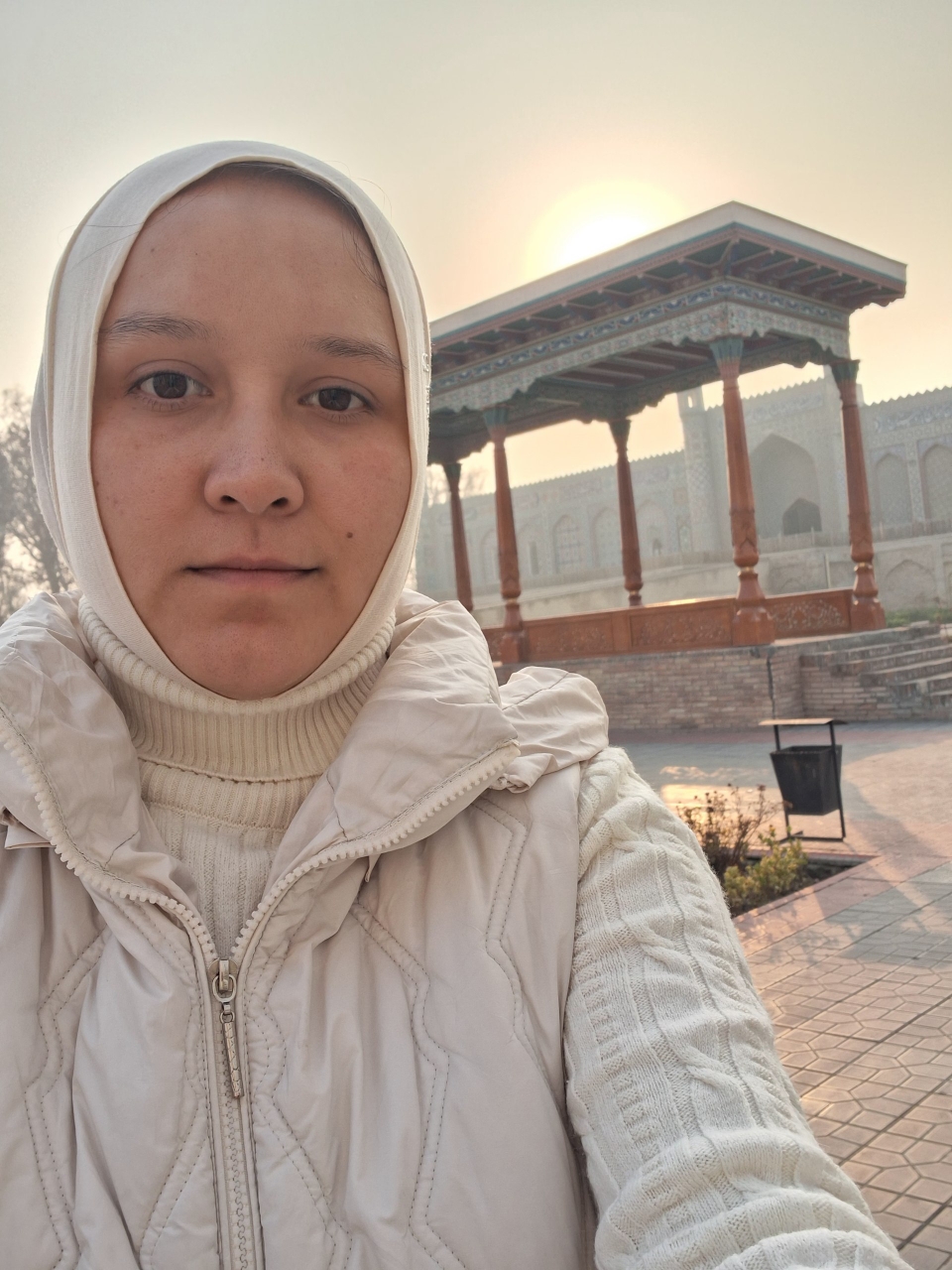
My name is Hikmatova Nigorakhon Hasanboy qizi. I am a student of Kokand State University, Faculty of Arts and Sports, majoring in Physical Education, group 08/24. I have one scientific article published in a German journal.
MODERN PHYSICAL EDUCATION: TRANSITION FROM TRADITIONAL LESSONS TO INTERACTIVE ACTIVITIES
Hikmatova Nigorakhon Hasanboy qizi
Kokand State University
Faculty of Arts and Sports
Department of Physical Culture, Student of Group 08/24
Abstract
This article highlights the issues of transforming modern physical education lessons from traditional, command-based, and repetitive exercise formats into interactive, student-centered activities. The study analyzes the significance of interactive methods, game technologies, the station method, differentiated approaches, project-based learning, and the use of digital technologies in increasing the effectiveness of physical education lessons. In addition, the article demonstrates the opportunities for developing healthy lifestyle skills, increasing motivation, and fostering social competencies among students through the innovative organization of physical education classes. The advantages of the interactive approach are substantiated, and practical recommendations for the effective organization of physical education lessons are proposed.
Keywords: physical education, interactive lessons, innovative approach, game technologies, station method, differentiated approach, project-based learning, digital technologies, healthy lifestyle, student engagement.
In the modern education system, the role of physical education is steadily increasing. Today, strengthening students’ physical health, guiding them toward a healthy lifestyle, and educating them as active, socially mature individuals are considered among the top priorities of the education system. From this perspective, there is a growing need to transform physical education lessons from traditional formats based on commands and repetitive exercises into innovative, interactive, and student-centered activities.
In traditional physical education classes, the teacher often occupies a central role by demonstrating exercises, while students simply repeat them. Such an approach can sometimes reduce students’ interest and lead to indifference toward the lesson. Modern pedagogical approaches, however, view students as active participants, emphasizing the use of interactive methods that consider their interests, needs, and individual abilities. As a result, physical education lessons become more engaging, meaningful, and effective for students.
In the Republic of Uzbekistan, the development of physical education and sports is regarded as one of the key directions of state policy. In particular, the Law of the Republic of Uzbekistan “On Education” stipulates the necessity of organizing the educational process based on modern pedagogical technologies and ensuring the comprehensive development of students. This law places special emphasis on raising a healthy generation and developing physical education and sports as an integral part of the educational process [1].
Similarly, the Law “On Physical Education and Sports” aims to popularize physical culture, encourage regular participation in sports among young people, and improve the quality of physical education classes in educational institutions. This document identifies the modernization of the physical education system and the introduction of new methods and technologies as essential tasks [2]. Furthermore, a number of decrees and resolutions issued by the President of the Republic of Uzbekistan demonstrate the strategic importance of this field. In particular, Presidential Decree No. PF–5924 dated January 24, 2020, provides for the further development of physical education and sports, the promotion of a healthy lifestyle among the population—especially youth—and the improvement of sports infrastructure in educational institutions through the implementation of modern teaching methods [3].
These documents emphasize the introduction of innovative approaches, interactive methods, and active student engagement as key directions in physical education.
Thus, the transition from traditional to interactive physical education lessons is not only a pedagogical necessity but also a task supported at the level of state policy. Therefore, organizing modern physical education lessons based on innovative methods, increasing student interest, and fostering a healthy lifestyle are scientifically and pedagogically relevant issues. This article analyzes the theoretical foundations and practical possibilities of transitioning physical education lessons from traditional formats to interactive activities.
In the modern education system, the approach to physical education is undergoing fundamental change. Previously, physical education lessons mainly focused on repetitive exercises, strict commands, and standard performance norms. Today, however, organizing these lessons through student-centered, engaging, interactive, and innovative activities has become an urgent task. Modern students are viewed not merely as executors of instructions but as active participants, collaborators, and initiators.
In traditional physical education lessons, the teacher occupies a central role, demonstrating exercises that students replicate. In this model, students’ individual interests, physical capabilities, and psychological characteristics are not always taken into account. As a result, some students become passively involved, and negative attitudes toward physical education may develop [4].
Interactive physical education lessons, on the other hand, are based on students’ active participation. In such lessons, students engage in team games, solve problem-based tasks, participate in sports quests, evaluate their own results, and actively collaborate throughout the learning process. This interactive approach transforms lessons not only into a physical training space but also into a platform for social and psychological development [5].
Game technologies play a vital role in modern physical education. Game elements enable exercises to be performed in an engaging and natural manner. For instance, relay races, movement-based games, sports quests, and mini-competitions foster qualities such as competitiveness, cooperation, agility, and endurance. Such activities positively influence students’ emotional states and increase their interest in lessons. Additionally, the station method represents one of the most effective modern formats of physical education classes. In this method, the gym or field is divided into several exercise stations, each designed for a specific physical activity. Students are grouped and rotate through stations at set intervals, enhancing lesson dynamics, ensuring active participation, and enabling balanced physical load distribution [6].
Differentiated and individualized approaches also constitute essential components of interactive physical education. Since students vary in physical preparedness, exercises must be adapted accordingly. Providing easy, moderate, and advanced versions of tasks allows students to participate at their own levels, increasing self-confidence and encouraging active involvement [7].
The use of digital technologies represents another important innovation in modern physical education [8]. For example, mobile applications for step counting, fitness bracelets for heart rate monitoring, and video analysis of sports techniques help students track their performance, motivating them to engage independently in physical activity.
Project-based learning is also an effective interactive method in physical education. Projects such as “Healthy Lifestyle Day,” “Sports Week,” and “My Personal Training Plan” enable students to develop not only physical skills but also knowledge and habits related to healthy living.
Main Advantages of Interactive Physical Education Lessons
Increased student interest in lessons
Higher levels of physical activity
Formation of healthy lifestyle habits
Development of social and communicative competencies
Consideration of individual abilities
Creation of a positive emotional learning environment
Transitioning physical education lessons from traditional formats to interactive activities is a key requirement of modern education. This approach promotes students’ physical development while enhancing their motivation, social engagement, and conscious attitude toward healthy living. Interactive physical education lessons serve as an effective tool for organizing meaningful, engaging, and productive educational processes.
In conclusion, transforming physical education lessons from traditional to interactive formats is a crucial pedagogical task in modern education. While traditional lessons rely mainly on commands and repetitive exercises, interactive approaches emphasize active student participation, engagement, and individual capabilities. This enhances lesson effectiveness and contributes to students’ physical, social, psychological, and motivational development. Interactive methods, game technologies, station-based instruction, project-based learning, and digital tools enable lessons to be engaging, meaningful, and effective. Such approaches foster conscious healthy lifestyle attitudes, promote regular physical activity, and develop essential social skills such as teamwork, competition, and cooperation. Consequently, interactive physical education plays a vital role in comprehensive student development, health promotion, and educational effectiveness.
Recommendations Based on the Study
Regular use of interactive methods and game technologies in physical education lessons.
Wider implementation of station methods, mini-competitions, and group exercises.
Application of differentiated and individualized approaches based on students’ physical preparedness.
Gradual integration of digital technologies, mobile applications, and sports monitoring tools.
Organization of professional development courses for physical education teachers on innovative methods.
Improvement of sports infrastructure and provision of modern equipment in educational institutions.
Regular organization of projects and events such as “Healthy Lifestyle Day” and “Sports Week” to increase student activity.
Implementing these recommendations will enhance lesson quality, transform physical education classes into engaging and effective activities, and contribute to raising a healthy, active, and well-rounded generation.
References
Law of the Republic of Uzbekistan “On Education.” Tashkent, 2020.
Law of the Republic of Uzbekistan “On Physical Education and Sports.” Tashkent, 2015 (with amendments).
Decree of the President of the Republic of Uzbekistan No. PF–5924 dated January 24, 2020, “On Measures to Further Develop Physical Education and Sports.”
Ashmarin, B.A. Theory and Methodology of Physical Education. Moscow: Prosveshchenie, 2006.
Matveev, L.P. Theory and Methodology of Physical Culture. Moscow: Fizkultura i Sport, 2008.
Kerimov, F.A. Theory and Methodology of Physical Education. Tashkent: O‘qituvchi, 2010.
Khojayev, F., Abdullayev, A. Methodology of Physical Education. Tashkent: Fan va Texnologiya, 2018.
Tolipov, O‘., Usmonboyeva, M. Theoretical Foundations of Pedagogical Technologies. Tashkent: Fan, 2012.
Pingback: Synchronized Chaos First March Issue: Fingering the Spines | SYNCHRONIZED CHAOS