
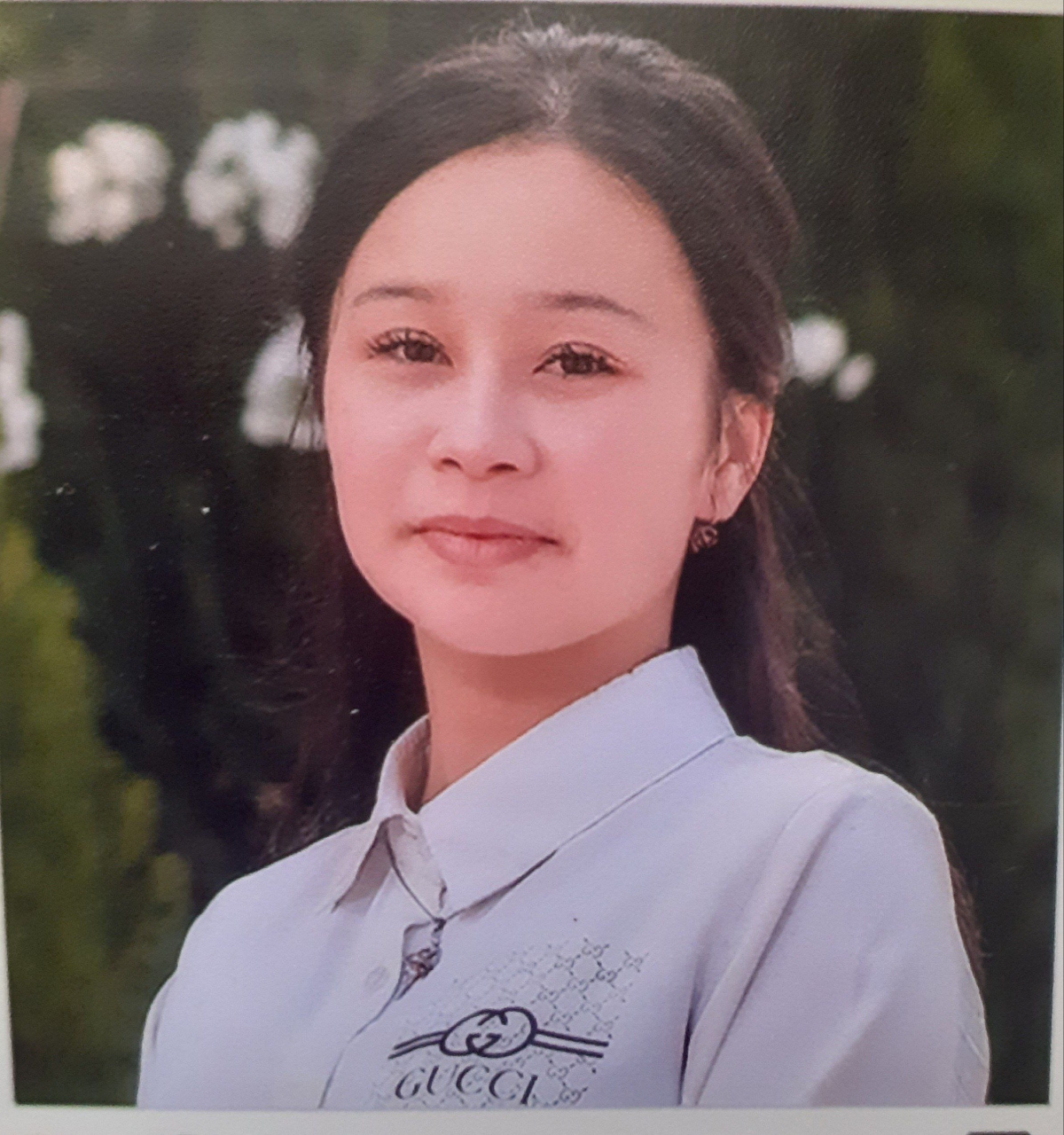
1st-year student, Faculty of Humanities and Languages, Kokand State University, Uzbek Language and Literature program, Jahonobod village, Rishton District, Fergana Region
THE COMPOSITION OF THE NOVEL “OLTIN ZANGLAMAS”
Annotation:
This article analyzes the artistic and ideological aspects of Shuhrat’s novel Oltin zanglamas, one of the major representatives of Uzbek literature. The novel explores important issues such as the difficult social environment during and after the war, repressions (qatag‘onlar), human destiny, conscience (vijdon), faith (e’tiqod), and loyalty (sadoqat). Through the novel, the author depicts the trials faced by the people, their perseverance, and the enduring nature of human virtues. Through the central characters of the work, ideas of honesty, patriotism (vatanparvarlik), humanity (insoniylik), and spiritual resilience are highlighted.
Keywords: War (urush), repression (qatag‘on), patriotism (vatanparvarlik), humanity (insoniylik), faith (e’tiqod), perseverance (matonat), family (oila), loyalty (sadoqat), spirit (ruhiyat), justice (adalat).
Shuhrat (real name and surname: G‘ulom Aminjonovich Alimov) was born on April 19, 1918, in Tashkent. He was the son of an artisan. He debuted as a poet in 1936 with the poetry collection Mehrol. He is the author of the novels Rustam, Bir kechaning fojiasi, Shinelli yillar, Oltin zanglamas, and Jannat qidirganlar. Many of Shuhrat’s works have been translated into foreign languages. He also translated the poems of Pushkin, M. Lermontov, T. Shevchenko, as well as Japanese, Vietnamese, and Azerbaijani poets. Shuhrat once wrote about his work: “I have always been inside this life, not around it. If I had not created something on this topic, my heart would not have been at peace.”
The novel was written between 1963 and 1965 and published in 1967. Its main idea emphasizes the strength of human faith, belief, and moral values. The characters do not lose their faith even when faced with severe trials such as war and hardships. This is expressed through the phrase “oltin zanglamas” – like real gold, pure human virtues never rust and survive trials. Its educational significance lies in fostering patriotism, honesty, family affection, and the upbringing of a healthy generation. The novel depicts the tragedies of war and repression, teaches the value of peace, and stresses the importance of maintaining humane relationships. It also provides moral and ethical guidance through values such as family harmony, love, and mutual support during difficulties.
The novel covers themes including war and its victims, effects on families and human psyche, human character revealed under trials, love, friendship and family relations, defense of the homeland (Vatan himoyasi), courage (mardlik), and the opposition between loyalty and betrayal (sotqinlik).
Character system in the novel:
Characters differ in their ideological and aesthetic significance. They are categorized as main (bosh), secondary (ikkinchi darajali), and episodic (epizodik) characters.
Main characters:
Sodiq – The protagonist. An honest, conscientious, straightforward, and intelligent teacher. As a school director and in life, he is active, demanding, and strict, which causes some lazy, immoral, and low-level staff to dislike him. Misunderstanding his impartial advice, they conspire with Mirsalim to accuse and imprison him. Sodiq never bends under life’s trials and values justice and truth above all.
Jannat – Sodiq’s life companion and symbol of loyalty. She does not fear difficulties, trusts her spouse, and supports his honest path. Her patience, humility, and dedication stand out throughout the novel. She is depicted as a moral pillar maintaining family harmony. Her only unfulfilled wish is to have children.
Adolat xola – A wise, experienced woman guiding everyone on the right path. Despite being childless, she lives happily for fifteen years with Sodiq and Jannat, giving advice and nurturing them. She treats Sodiq and Jannat as her own children.
Qodir – Sodiq’s younger brother. Open-hearted and in love with Aziza. Due to false accusations against Sodiq, he is expelled from school and cannot find work. He does not succumb to hardships and believes the truth will eventually prevail.
Aziza – A pure and modest young woman. She values sincere emotions and rejects lies and betrayal. She expresses this in her father’s words: “Are you afraid? Will you lose your position?” She desires to be spiritually close to honest people like Sodiq.
Mirsalim – Aziza’s father. Cunning, ambitious, envious, and self-interested. He seeks personal gain in every interaction. Skilled in manipulation, he betrays his wife and homeland and ultimately meets his end for treachery against the homeland.
Musharraf – Sodiq’s second wife. Opportunistic and deceitful. Initially shy, her true manipulative nature emerges, especially during pregnancy and Sodiq’s imprisonment.
Marat – Son of Sodiq and Musharraf. Though born from Musharraf, he is raised with maternal care by Jannat.
Dilovarxo‘ja – Former bandit using multiple identities to avoid capture. A traitor meeting a tragic end.
Pushkaryov – NKVD officer, Sodiq’s investigator. Younger than others, compassionate, and fair.
Bogun – Sodiq’s friend, killed by Dilovarxo‘ja. Known for his kindness and thoughtfulness.
Secondary characters:
Mirsalim’s wife – Kind and forgiving, sympathizes with Jannat.
Mikola – Sodiq’s friend.
Sodiq’s uncle – The kindest of his five uncles, keeps in touch during Sodiq’s school years, has five children.
Shukurov – Alcoholic, neglectful of family, fears Sodiq.
Episodic characters:
Ikrom ota – Elderly school staff, provides assistance to Sodiq’s family.
Sobiraxon – Middle-aged teacher, busy with household, five-year-old son.
Mavjuda Abdurahmonova – Candidate for female student representative.
Plot components:
Exposition – Introduction. Begins with Qodir meeting Aziza. The village environment, Sodiq’s life, social conditions, and relationships are described. Themes of honest work, loyalty, and humanity are established.
Rising action – Sodiq goes to the city, encounters Mirsalim, and gains a position. Self-interest and injustice in society intensify conflicts.
Climax – Sodiq remains on the path of honesty and justice, faces envy, false accusations, imprisonment, yet fights for the homeland.
Resolution – Truth prevails. Sodiq dies bravely but is vindicated, his son Marat continues the lineage. Mirsalim dies; Qodir and Aziza marry; Adolat xola dies contentedly.
Conflicts:
Interpersonal:
Sodiq vs. Musharraf – honesty vs. self-interest.
Sodiq vs. Mirsalim – justice vs. deceit.
Adolat xola vs. Musharraf – righteousness vs. opportunism.
Jannat vs. Musharraf – love and family vs. manipulation.
Internal (psychological):
Sodiq’s conscience struggles during family and separation crises.
Jannat’s endurance and suffering for her happiness.
Character vs. environment:
Musharraf’s actions affect family dynamics and societal expectations.
Artistic devices:
Antithesis – Honesty vs. corruption, conscience vs. self-interest, truthfulness vs. lies.
Simile (Tashbeh) – Sodiq’s will is as strong as gold; his conscience is pure like a mirror.
Personification (Jonlantirish) – Adolat jim turmadi (Justice does not remain silent).
Metaphor – Soft broom, bitter grief, sweet memory, peak of hope, sharp tongue, river of life, wounded heart, heavy day, black day, voice of conscience, wind bride, etc.
Conclusion:
The novel portrays the fate of many people, particularly emphasizing the honorable and challenging profession of teaching. Sodiq’s devotion, loyalty, and love for students, his steadfast conscience, readiness to sacrifice for honor and homeland, are highlighted. Readers can gain valuable lessons from the life and virtues of Sodiq.
References:
Shuhrat. Oltin zanglamas. “SHARQ” NASHRIYOT-MATBAA AKSIYADORLIK KOMPANIYASI BOSH TAHRIRIYATI. Toshkent, 1995.
Shuhrat (2018). Oltin zanglamas. Yangi asr avlodi.
Shuhrat. Oltin zanglamas. Toshkent: Zukko kitobxon, 2023. 512b.