
SPECIAL INTERVIEW: A CONVERSATION WITH ANKICA ANCHIA
Croatian writer and poet Ankica Anchia is a master of words. She is not only a writer for adults but also considered a children’s author. The poems she has written reach the hearts of people. Through her poetry, Ankica Anchia can sometimes make readers laugh, sometimes bring them to tears, and at times leave them deep in thought.
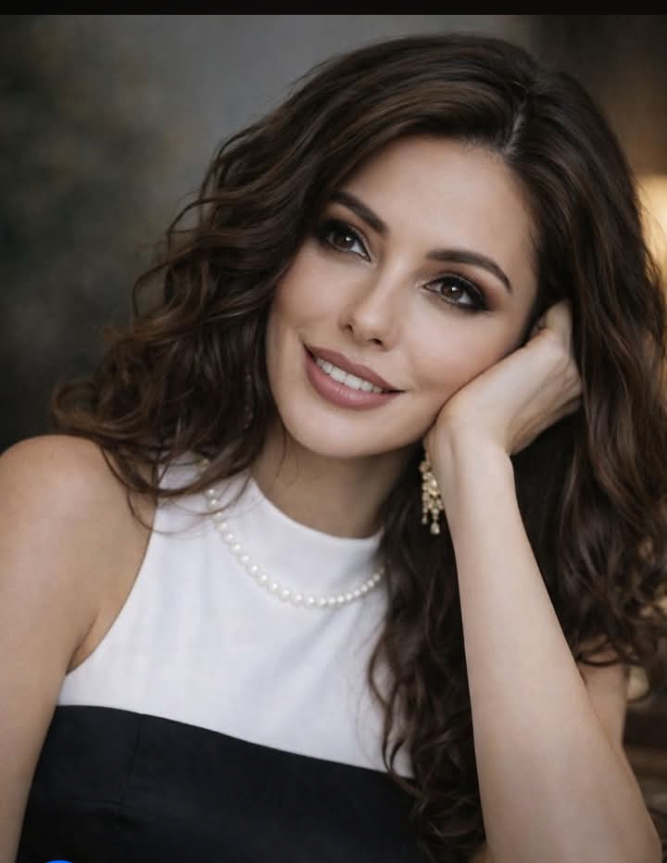
Q1: To begin with, tell us a few things about yourself, introduce yourself briefly to those who don’t know you?
A1: I was born in the beautiful Dalmatian city of Split, where the sun and the sea intertwine with stories of times long gone. My childhood was filled with the smiles of my parents, the warmth of home, and a sense of safety. But everything changed when I was twenty.
In that youth, suddenly without my parents, I felt a deep emptiness, as if the world around me had collapsed. I fell often, faced with pain that seemed endless. Betrayals came like storms—my heart shattered, trust wounded. Yet through those painful moments of breaking, I learned how to rise again.
The betrayals left scars, but they shaped me. I realized that those who make promises are often the ones who hurt the fastest. Pain became a teacher, a reminder that true value lies in those who stay, who do not turn their backs when things are hardest.
But the falls were not the end of my journey. They were simply the path toward awakening, toward the lessons one cannot learn without struggle. In my verses and stories, memories of those ups and downs came alive—moments of pain, sorrow, and emptiness, but also the strength that grew from every fall.
With each rise, I felt the blessings of my own resilience. The path was not without battles, sleepless nights, and tears. But in every fall and every betrayal, I discovered my own beauty—the kind not measured by success, but by the endurance of the spirit. My words are a testament to everything I have been through, everything I have become:
Life writes the words, but you choose the music!
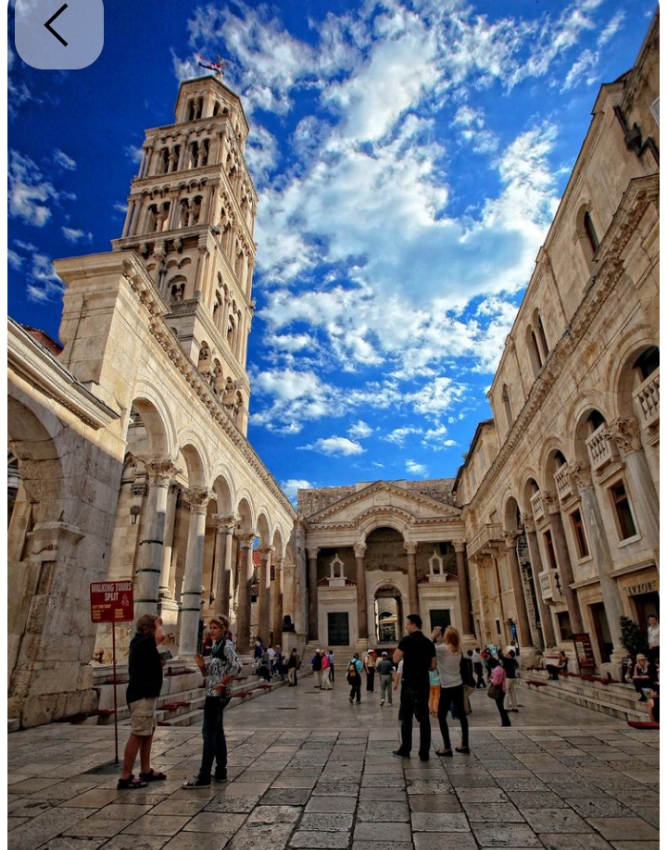
Croatian Dalmatian city
Q2: When did you start writing, and why? What does writing mean to you?
A2: I began writing poetry and prose as I was growing up, but the true intensity of my poetic expression reached its peak over the last 20 years.
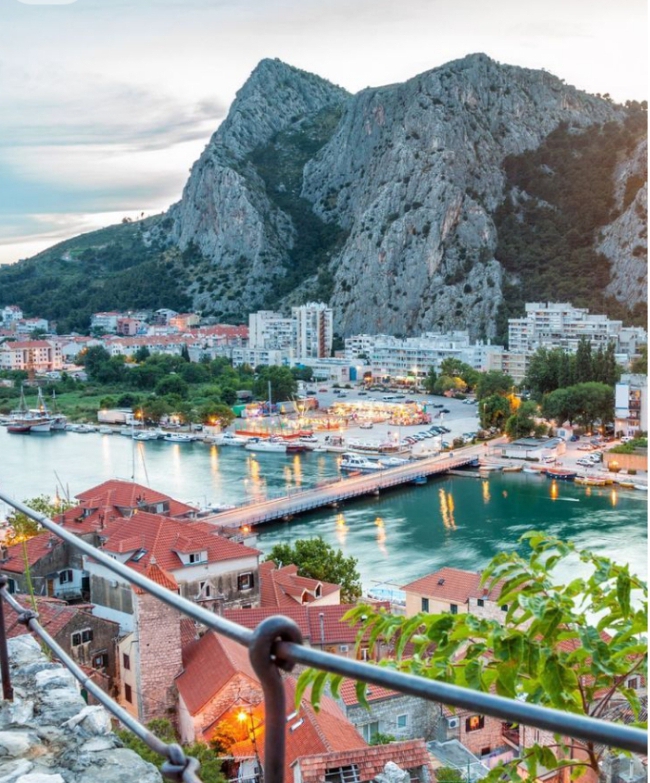
Drunk on the love for Dalmatia, my homeland, and driven by deep respect for tradition, I tried to preserve that richness from fading away. My poems are filled with Dalmatian expression, images of the land, the scent of the sea, and the soul of the people. My love poetry leads us through romantic imaginings wrapped in everyday moments of life. The verses are filled with emotion—from joy to sorrow, from happiness to pain.
Writing never felt like a decision—it was a natural continuation of something I carried within me. Writing has always been my way of expressing what cannot easily be said, a way to touch the emotions and images hidden in silence.
Why do I write? Because each sentence brings me closer to who I truly am. Writing is my bridge to the world and to myself, my way of capturing fleeting moments and turning them into something eternal. In every letter, I find refuge, passion, and boundless freedom.
—
Q3:Did you dream of seeing your work on the shelves of bookstores, libraries, or readers?
A3: Of course I did—not out of vanity, but from the desire that my thoughts, feelings, and words find a home in the hearts of others. I dreamed that the pages I write would become a bridge between me and unfamiliar faces, that my stories and verses would serve as refuge, inspiration, or comfort.
To imagine my work resting on bookstore shelves, in readers’ hands, or in quiet library corners that safeguard stories—that feels like a quiet longing fulfilled, proof that words are not in vain, that they can reach someone and touch them, even for a moment. That is the beauty of it: sharing a piece of your soul with those who seek something similar within themselves.
—
Q4: How did the idea for your first poetry collection come about? Who or what inspired it?
A4: The idea for my first collection, “Beside jedne Dalmatinke” (“The Verses of a Dalmatian Woman”), was born from my love for the land I come from—for its rocky paths, the scent of the sea, and the timeless beauty Dalmatia carries. Every poem, every word, was my way of preserving the stories told by the waves, the whisper of olive trees, and the old stone walls.
Q5:What was it like preparing your first book for print? Describe the moment when you held it in your hands for the first time.
A5:Preparing my first book for print felt like waiting for the birth of something precious. Every decision—from the cover design to the final full stop—carried both excitement and gentle worry. It was a mixture of joy, pride, and responsibility, because I knew those pages would become a bridge between me and my readers.
And when I held my book for the first time, my heart stopped. It felt like meeting a part of myself for the first time outside my own mind. Touching the covers, feeling the weight of the pages that were once only thoughts—that is indescribable. I thought: This is a part of me that will live on—in the hands, minds, and hearts of others.
It was a moment of pure happiness, wrapped in gratitude.
—
Q6: Which of your collections is your favorite, and why?
A6:Each of my collections carries a part of me and holds a special place in my heart. But if I had to choose, my favorite is always the one that most deeply reflects the moment of life in which it was created.
“Beside jedne Dalmatinke” is dear to me because it carries not only my love for Dalmatia, but also nostalgia for childhood, memories of those who shaped me, and the strength of the emotions I lived back then.
Yet I always feel that my favorite collection is the next one—the one still being written.
“Kleknut htjedoh učitelju” holds a special place because it was created out of deep respect for wisdom, knowledge, and spiritual growth. It honors the teachers in our lives—the visible ones and the invisible ones.
On the other hand, “Zvjezdana prašina” (“Stardust”) is dear because it was written with childlike joy and imagination. Writing for children means letting go of all boundaries and returning to simplicity and wonder.
Both collections tell their own story—one speaks to the deep reflections of adults, the other plays with the stars and opens the door to childhood imagination.
Interviewed by:
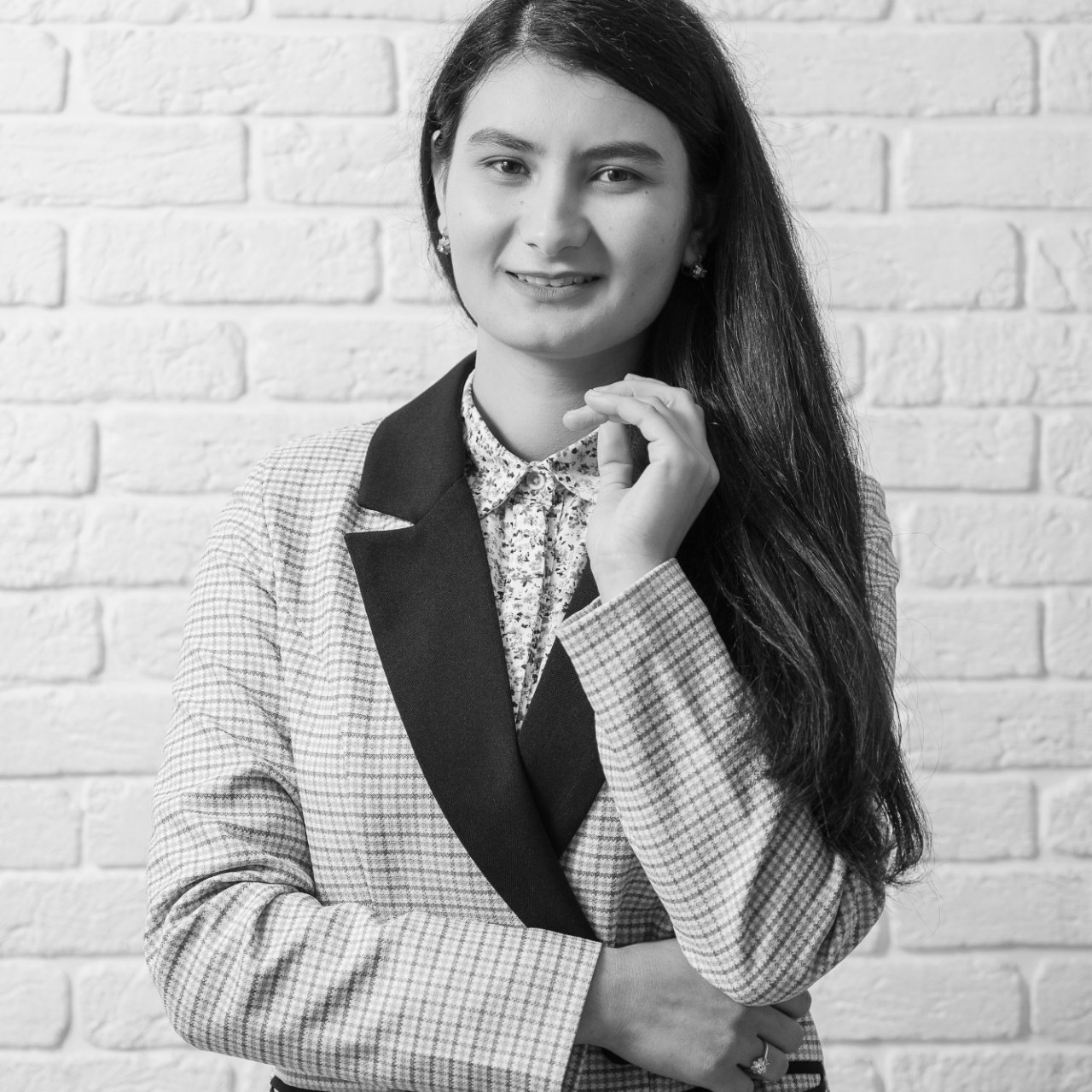
Juraeva Aziza Rakhmatovna, who is a young poet from Uzbekistan.
Pingback: Synchronized Chaos’ Second April Issue: A Chorus at the Threshold | SYNCHRONIZED CHAOS