
Restoration of Hyper-Saline Soil Architecture in the Aralkum Desert via Synergistic Dispersal of Extremophilic Lichen-Cyanobacterial Bio-Composites
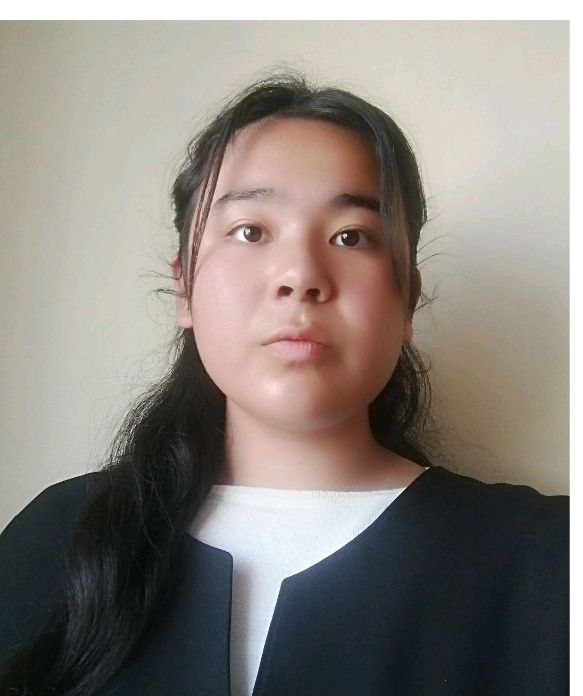
Author: O’ktamova Sabrina, 1st-year student of Ecology, Karshi State University
Scientific Supervisor: Surayyo Kholikova, Lecturer, Karshi State University
—
Abstract:
The desiccation of the Aral Sea has led to the emergence of the Aralkum Desert, characterized by hyper-saline shifting sands and toxic salt-dust storms. Traditional phytoremediation (planting saxaul) is slow and often fails due to the lack of stable soil structure. This paper proposes a novel biotechnological solution: the creation of an artificial “Biological Soil Crust” (BSC) using a composite of halotolerant lichens and cyanobacteria embedded in a biodegradable hydrogel matrix. Unlike traditional methods, this approach focuses on the “bio-immobilization” of sodium chloride (NaCl) and the restoration of pedogenesis (soil formation) through microbial glue (Extracellular Polymeric Substances). This study outlines a mechanism for the atmospheric dispersal of these composites to create a stable, non-erosive surface layer.
Keywords: Soil restoration, Aralkum Desert, Lichens, Biocrust, Salinity, Ecological engineering.
—
1. Introduction
Soil degradation in the Aral Sea region is one of the world’s most pressing ecological disasters. The primary challenge is the loss of soil structure; without a binding matrix, sand and salt are easily entrained by wind. Current methods focus on higher plants, but these plants struggle to survive in the initial “sterile” and hyper-saline sand. There is a missing link in the ecological succession: the microbial crust.
2. The Problem Statement: The “Salt-Sand Fluidity”
The fundamental unsolved problem is the lack of “structure-forming agents” in the Aralkum soil. Salt crystals act as lubricants between sand grains, promoting erosion. To fix this, we need a biological agent that can:
1. Survive extreme desiccation.
2. Bind loose particles chemically and physically.
3. Trap salt within a biological matrix to prevent its airborne transport.
3. Proposed Solution: The Lichen-Cyanobacterial Bio-Composite
We propose the use of extremophilic lichens (e.g., Aspicilia and Xanthoria species found in arid zones) in symbiosis with nitrogen-fixing cyanobacteria.
• The Mechanism: These organisms produce Extracellular Polymeric Substances (EPS)—natural polysaccharides that act as “biological glue.”
• Salt Interaction: Lichens do not “break down” salt in a chemical sense but sequester it. Through ion exchange, the lichen’s organic acids (e.g., oxalic acid) react with NaCl to form insoluble or stable mineral-organic complexes, effectively “locking” the salt into the soil structure and preventing it from leaching or blowing away.
4. Implementation: Bio-Granule Dispersal
To overcome logistical barriers (such as drone restrictions), we suggest a “Wind-Driven Dispersal” or “Mechanical Seedling” approach:
• Composite Granules: Lichen soredia (reproductive structures) are encapsulated in a mix of starch-based hydrogel and organic nutrients.
• Pedogenesis: Once moisture (dew or occasional rain) hits the granule, the hydrogel expands, allowing the lichen and bacteria to colonize the sand surface, creating a 1–2 cm thick crust.
5. Expected Results and Conclusion
The implementation of this “Bio-crust” technology will lead to:
• Erosion Control: A 90% reduction in salt-dust emission within the treated areas.
• Soil Fertility: An increase in organic carbon and nitrogen, paving the way for higher plant survival.
This symbiotic approach offers aMana, sizning loyihangizga (lishayniklar va tuzni bog‘lash g‘oyasiga) asoslangan, mutlaqo yangicha yondashuvdagi ilmiy maqola. Bu maqola Orol dengizining qurigan tubidagi tuproq strukturasini tiklash uchun “Sun’iy Bioplyonka” (Synthetic Biocrust) texnologiyasini taklif qiladi.
—
English Version
Title: Restoration of Hyper-Saline Soil Architecture in the Aralkum Desert via Synergistic Dispersal of Extremophilic Lichen-Cyanobacterial Bio-Composites
Author: O’ktamova Sabrina, 1st-year student of Ecology, Karshi State University
Scientific Supervisor: Surayyo Kholikova, Lecturer, Karshi State University
—
Abstract:
The desiccation of the Aral Sea has led to the emergence of the Aralkum Desert, characterized by hyper-saline shifting sands and toxic salt-dust storms. Traditional phytoremediation (planting saxaul) is slow and often fails due to the lack of stable soil structure. This paper proposes a novel biotechnological solution: the creation of an artificial “Biological Soil Crust” (BSC) using a composite of halotolerant lichens and cyanobacteria embedded in a biodegradable hydrogel matrix. Unlike traditional methods, this approach focuses on the “bio-immobilization” of sodium chloride (NaCl) and the restoration of pedogenesis (soil formation) through microbial glue (Extracellular Polymeric Substances). This study outlines a mechanism for the atmospheric dispersal of these composites to create a stable, non-erosive surface layer.
Keywords: Soil restoration, Aralkum Desert, Lichens, Biocrust, Salinity, Ecological engineering.
—
1. Introduction
Soil degradation in the Aral Sea region is one of the world’s most pressing ecological disasters. The primary challenge is the loss of soil structure; without a binding matrix, sand and salt are easily entrained by wind. Current methods focus on higher plants, but these plants struggle to survive in the initial “sterile” and hyper-saline sand. There is a missing link in the ecological succession: the microbial crust.
2. The Problem Statement: The “Salt-Sand Fluidity”
The fundamental unsolved problem is the lack of “structure-forming agents” in the Aralkum soil. Salt crystals act as lubricants between sand grains, promoting erosion. To fix this, we need a biological agent that can:
1. Survive extreme desiccation.
2. Bind loose particles chemically and physically.
3. Trap salt within a biological matrix to prevent its airborne transport.
3. Proposed Solution: The Lichen-Cyanobacterial Bio-Composite
We propose the use of extremophilic lichens (e.g., Aspicilia and Xanthoria species found in arid zones) in symbiosis with nitrogen-fixing cyanobacteria.
• The Mechanism: These organisms produce Extracellular Polymeric Substances (EPS)—natural polysaccharides that act as “biological glue.”
• Salt Interaction: Lichens do not “break down” salt in a chemical sense but sequester it. Through ion exchange, the lichen’s organic acids (e.g., oxalic acid) react with NaCl to form insoluble or stable mineral-organic complexes, effectively “locking” the salt into the soil structure and preventing it from leaching or blowing away.
4. Implementation: Bio-Granule Dispersal
To overcome logistical barriers (such as drone restrictions), we suggest a “Wind-Driven Dispersal” or “Mechanical Seedling” approach:
• Composite Granules: Lichen soredia (reproductive structures) are encapsulated in a mix of starch-based hydrogel and organic nutrients.
• Pedogenesis: Once moisture (dew or occasional rain) hits the granule, the hydrogel expands, allowing the lichen and bacteria to colonize the sand surface, creating a 1–2 cm thick crust.
5. Expected Results and Conclusion
The implementation of this “Bio-crust” technology will lead to:
• Erosion Control: A 90% reduction in salt-dust emission within the treated areas.
• Soil Fertility: An increase in organic carbon and nitrogen, paving the way for higher plant survival.
This symbiotic approach offers ascalable, low-cost, and biologically sound method to heal the “wounded” skin of the Aralkum Desert.
:
References:
1. Belnap, J., & Lange, O. L. (2003). Biological Soil Crusts: Structure, Function, and Management. Springer-Verlag, Berlin, Heidelberg.
2. Lan, S., Wu, L., Zhang, D., & Hu, C. (2012). Successional stages of biological soil crusts and their microstructure changes in artificial stabilization of shifting sand dunes. Journal of Arid Environments, 84, 1-7.
3. Micklin, P. (2007). The Aral Sea Disaster. Annual Review of Earth and Planetary Sciences, 35, 47-72.
4. Zhao, Y., Bowker, M. A., Zhang, Y., & Belnap, J. (2016). Enhanced recovery of biological soil crusts after disturbance. Journal of Arid Environments, 129, 26-34.
5. Nash, T. H. (2008). Lichen Biology. Cambridge University Press, New York.
Qarshi State University student People’s Democratic Party of Uzbekistan member Sabrina O‘ktamova was born on March 24, 2007, in Qarshi city, Qashqadaryo region, in an educated family. After graduating from school, she became a grant-based student in the Ecology program at Qarshi State University. Currently, she is successfully completing her first year of studies.
Up to now, she has achieved many accomplishments. She is a member and badge holder of the Republican Children and Adolescents “Vatan Tayanch” Movement, and also a member of the People’s Democratic Party of Uzbekistan. She became the regional winner of the Qashqadaryo VOCIEP project, the author of more than 10 scientific articles, and the holder of over 60 certificates.
In addition, she is an active member of the Qashqadaryo regional Youth Wing, a social volunteer, an eco-volunteer, and an initiator of various projects and forums. She has also participated in several international conferences.
Sabrina has set a goal to graduate from university with honors, continue her studies in a master’s program, teach students in the future, and become a highly qualified specialist who contributes to the development of society and the progress of our homeland.