
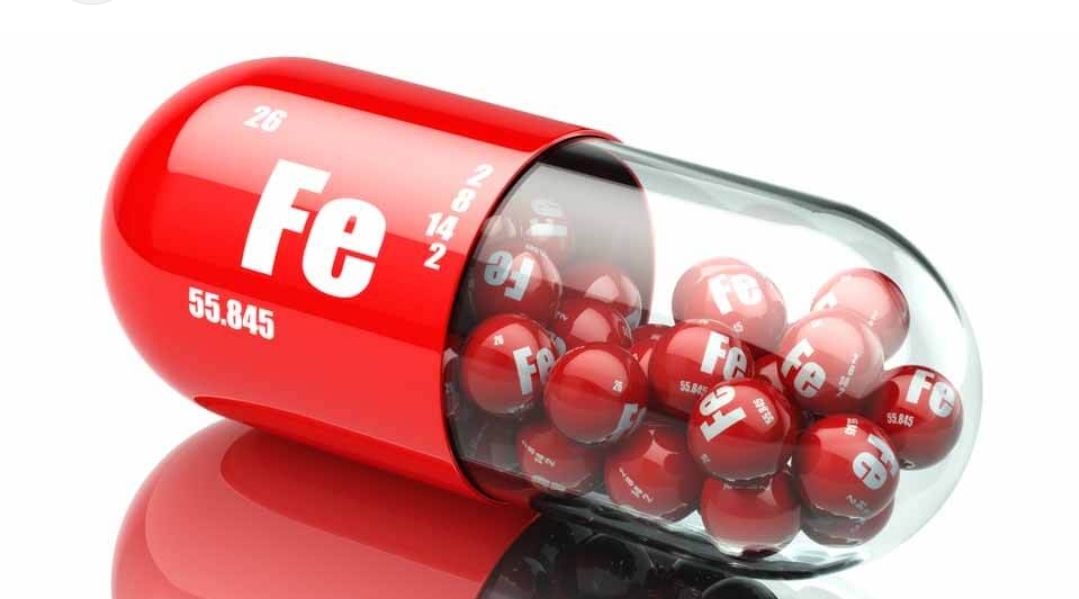
Iron Metabolism in the Human Body
Mirzajonova Sabokhon
Assistant of the Department of Physiology
Mahammadjonova Mohlaroy Doniyorbek qizi
Student of Fergana Medical Institute of Public Health
Introduction
Iron is one of the most essential microelements for the human body. It plays an important role in normal cellular activity, oxygen transport, energy metabolism, and enzyme functions. A deficiency of iron in the body leads to anemia, while excess iron may cause various toxic conditions. Therefore, iron metabolism is considered a strictly regulated biological process.
Iron is mainly found in hemoglobin. Hemoglobin is a protein contained in erythrocytes (red blood cells) that transports oxygen from the lungs to tissues. In addition, iron is also a component of myoglobin, cytochromes, and many enzymes. The body of an adult human contains approximately 3–5 grams of iron.
Absorption and Transport of Iron
Iron enters the body through food products. The main dietary sources of iron include meat, liver, egg yolk, legumes, spinach, and cereals. Dietary iron exists in two forms: heme iron and non-heme iron. Heme iron is mainly found in animal products and is more easily absorbed by the body. Non-heme iron is found in plant products and is absorbed less efficiently.
Most iron absorption occurs in the duodenum and the upper part of the small intestine. Ascorbic acid (vitamin C) enhances iron absorption, whereas phytates, as well as tannins found in tea and coffee, reduce iron absorption.
Within intestinal cells, iron passes into the bloodstream with the help of special proteins. In the blood, iron binds to the protein transferrin, which transports it to the bone marrow, liver, and other tissues.
Functions of Iron in the Body
One of the main functions of iron is its participation in oxygen transport. Iron in hemoglobin binds oxygen molecules and delivers them to all organs and tissues. Iron in myoglobin creates an oxygen reserve in muscles.
In addition, iron is a structural component of many enzymes involved in oxidation-reduction reactions. It plays an important role in energy production, immune system function, and cell growth. Iron deficiency weakens the immune system and may lead to fatigue, dizziness, and reduced working capacity.
Storage of Iron
Excess iron in the body is stored in the forms of ferritin and hemosiderin. The main iron reserves accumulate in the liver, spleen, and bone marrow. Ferritin is a water-soluble protein that safely stores iron, whereas hemosiderin represents a more concentrated storage form of iron.
Iron metabolism in the body is regulated by hormones and biologically active substances. In particular, the hormone hepcidin controls the absorption of iron from the intestine and its release into the bloodstream. When hepcidin levels increase, iron transfer into the blood decreases and slows down.
Iron Deficiency and Iron Overload
Iron deficiency is one of the most common micronutrient deficiencies worldwide. It may result from poor nutrition, chronic blood loss, pregnancy, or intestinal diseases. In iron deficiency anemia, the hemoglobin level decreases, and oxygen delivery to tissues becomes impaired.
Excessive accumulation of iron may lead to hemochromatosis. In this condition, iron accumulates in the liver, heart, and pancreas, disrupting the function of these organs. Therefore, maintaining a normal level of iron in the body is extremely important.
Conclusion
In conclusion, iron is an essential microelement necessary for the normal functioning of the human body. It plays a vital role in oxygen transport, enzyme activity, and energy metabolism. Both iron deficiency and iron overload are dangerous for the body. Therefore, consuming iron-rich foods in moderation and maintaining a healthy diet are crucial for preserving overall health.