

DIDACTIC ANALYSIS OF THE STORIES IN ALISHER NAVOI’S SAB’AI SAYYOR
Introduction
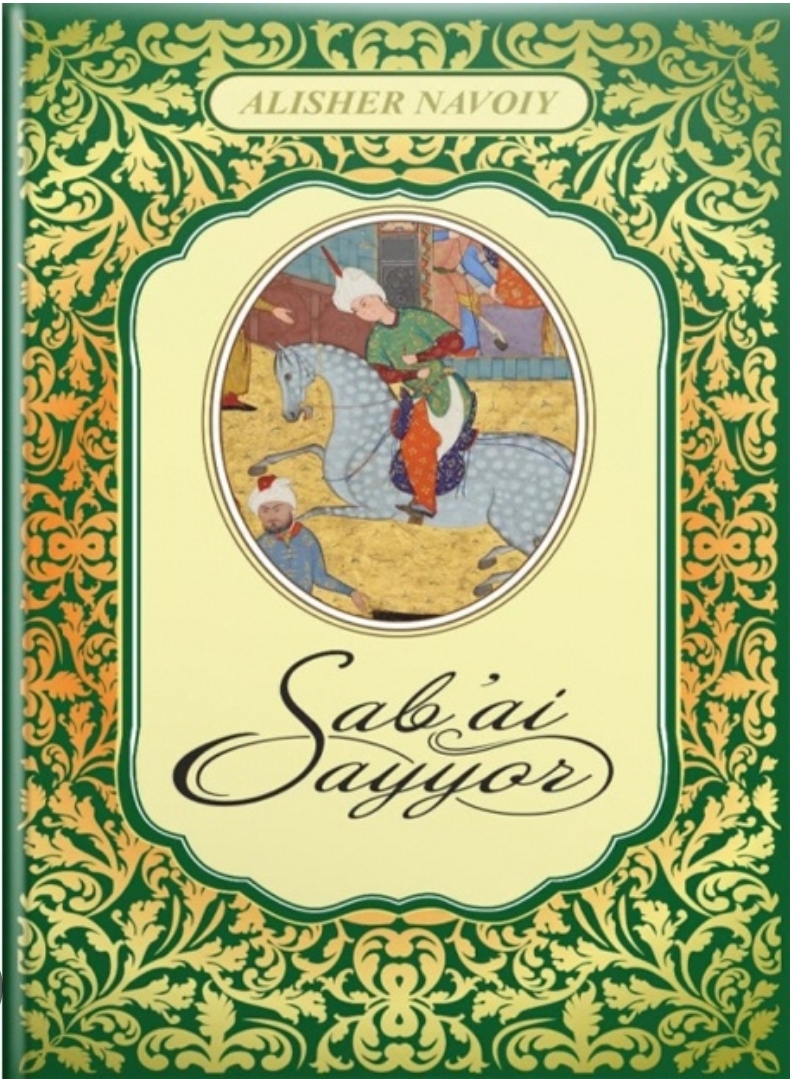
One of the greatest representatives of Uzbek classical literature, Alisher Navoiy, occupies a unique place in the spiritual and cultural life of the Uzbek people. His literary masterpiece, the Khamsa (Quintet), is considered one of the most valuable treasures of Eastern literature. Each poem within this cycle possesses not only high artistic merit but also profound educational and moral significance. Sab’ai Sayyor is the fourth poem of the Khamsa, in which the adventures of Bahram and Dilorom are used to explore themes such as human morality, spiritual perfection, justice, love, knowledge, loyalty, and ethical development.
A distinctive feature of the poem is the inclusion of seven stories narrated by seven princesses from different regions of the world. These stories enrich the ideological and artistic content of the work and serve as an important means of expressing Navoi’s didactic views. Through these narratives, the poet presents significant conclusions about human virtues, spiritual values, and social responsibilities. Therefore, the stories in Sab’ai Sayyor can be regarded not only as artistic elements of the poem but also as a unique school of moral and educational instruction.
This article analyzes the didactic essence of the stories in Sab’ai Sayyor, their educational orientation, and their role in cultivating the ideal human being.
Main Body
The Role of the Stories in the Composition of the Poem
Sab’ai Sayyor possesses a complex compositional structure. While the central plot revolves around the life of Bahram and his adventures related to Dilorom, the stories told in the seven pavilions enrich the ideological framework of the poem. Each story conveys a particular moral and philosophical idea and contributes to Bahram’s spiritual growth.
Navoi does not present these stories as isolated events; rather, they function as essential components of the poem’s overall ideological system. Through them, he depicts various challenges encountered in human life, the struggle between good and evil, and the power of love and loyalty. As a result, readers not only enjoy the artistic narrative but also derive valuable moral lessons from it.
The Didactic Interpretation of Justice
One of the most important didactic aspects of the stories is the glorification of justice. Navoi presents justice as the fundamental principle of both governance and human relationships. In the stories, virtuous and just individuals ultimately achieve success and happiness, while those who choose oppression, deceit, or betrayal face punishment.
Through these examples, the poet emphasizes that justice is an essential requirement of life. The destinies of the characters demonstrate that people should remain faithful to truth and fairness under all circumstances. This significantly enhances the educational value of the stories.
The Moral Significance of Love and Loyalty
Love is a central theme in many of the stories found in Sab’ai Sayyor. However, Navoi does not portray love merely as an emotional experience. Instead, he presents it as a force that purifies the human soul and guides individuals toward spiritual perfection.
The lovers in these stories undergo numerous trials and hardships. Their patience, devotion, and perseverance serve as exemplary models for readers. Overcoming obstacles in the path of love reveals inner strength and moral maturity. Through these narratives, Navoi demonstrates that true love is based on loyalty, patience, and self-sacrifice.
From a didactic perspective, these stories encourage young readers to remain faithful in relationships, to act sincerely, and to pursue their goals with determination.
The Glorification of Knowledge and Wisdom
The promotion of knowledge and enlightenment is one of the fundamental principles of Navoi’s literary and philosophical outlook. In the stories of Sab’ai Sayyor, intelligence and wisdom are portrayed as humanity’s greatest treasures. The success of many characters is directly connected to their knowledge, insight, and sound judgment.
Navoi condemns ignorance as a major obstacle to human progress. Characters who rely on reason and wisdom successfully overcome difficult situations, whereas those who act impulsively often encounter regret and failure.
This aspect enhances the didactic value of the stories and encourages readers to seek education, develop critical thinking skills, and approach life’s challenges rationally.
Moral Perfection and Human Education
The primary objective of the stories is the cultivation of the ideal human being. According to Navoi, a perfect person should not only be knowledgeable but also morally pure, just, generous, and compassionate. Throughout the stories, positive virtues and negative traits are contrasted with one another.
Generosity is opposed to greed, loyalty to betrayal, and honesty to falsehood. Ultimately, goodness triumphs over evil, allowing readers to distinguish clearly between desirable and undesirable forms of behavior.
Through these narratives, Navoi emphasizes the importance of self-discipline, striving for noble goals, and placing the interests of society above personal gain. These ideas remain relevant in contemporary society.
Symbolism and Its Didactic Function
The stories in Sab’ai Sayyor are rich in symbolic and allegorical imagery. Navoi frequently employs symbolic representation rather than direct expression, encouraging readers to engage in deeper reflection and interpretation. Symbolism enhances not only the artistic quality of the narratives but also their educational impact.
Motifs such as journeys, roads, trials, lovers, and beloveds symbolize humanity’s quest for spiritual growth and self-realization. These symbols deepen the philosophical meaning of the stories and strengthen their didactic message.
Conclusion
In conclusion, the stories contained in Sab’ai Sayyor embody Alisher Navoi’s profound didactic and philosophical ideas. Through these narratives, universal values such as justice, knowledge, love, loyalty, generosity, and moral perfection are promoted. The stories not only enrich the plot of the poem but also contribute significantly to the moral and spiritual education of readers.
Navoi employs storytelling as a powerful tool for shaping human character and presenting his ideal of the perfect individual. Each story conveys a distinct ethical lesson, guiding readers toward virtue, purity, and enlightenment. Therefore, the stories of Sab’ai Sayyor remain an important source of moral and spiritual wisdom not only for their own era but also for modern society. Their didactic significance makes them valuable resources for educating younger generations in the spirit of both national and universal values.
About the Author
Ahmedova Zamira Shokirjon qizi was born on July 12, 1991, in Varzik village, Chust district, Namangan region, Uzbekistan. She completed her secondary education at School No. 58 in her native village and later graduated from the Faculty of Philology at the Tashkent State Pedagogical Institute. Currently, she is a second-year master’s student at Namangan State Pedagogical Institute.
From an early age, Zamira demonstrated a strong interest in language and literature. Her stories and literary works on various topics have been regularly published in district and national media outlets, reflecting her creative talent and dedication to literature. Through her academic and creative activities, she continues to contribute to the promotion of literary and cultural values.
Zamira’s primary goal is to become a highly qualified specialist in the field of philology and to share her knowledge and experience with the younger generation, inspiring them to appreciate language, literature, and lifelong learning.
Pingback: Synchronized Chaos’ First June Issue: Endurance and Survival | SYNCHRONIZED CHAOS