
A SKILLED TEACHER – A PERSONALITY WHO EDUCATES THE FUTURE OF THE NATION
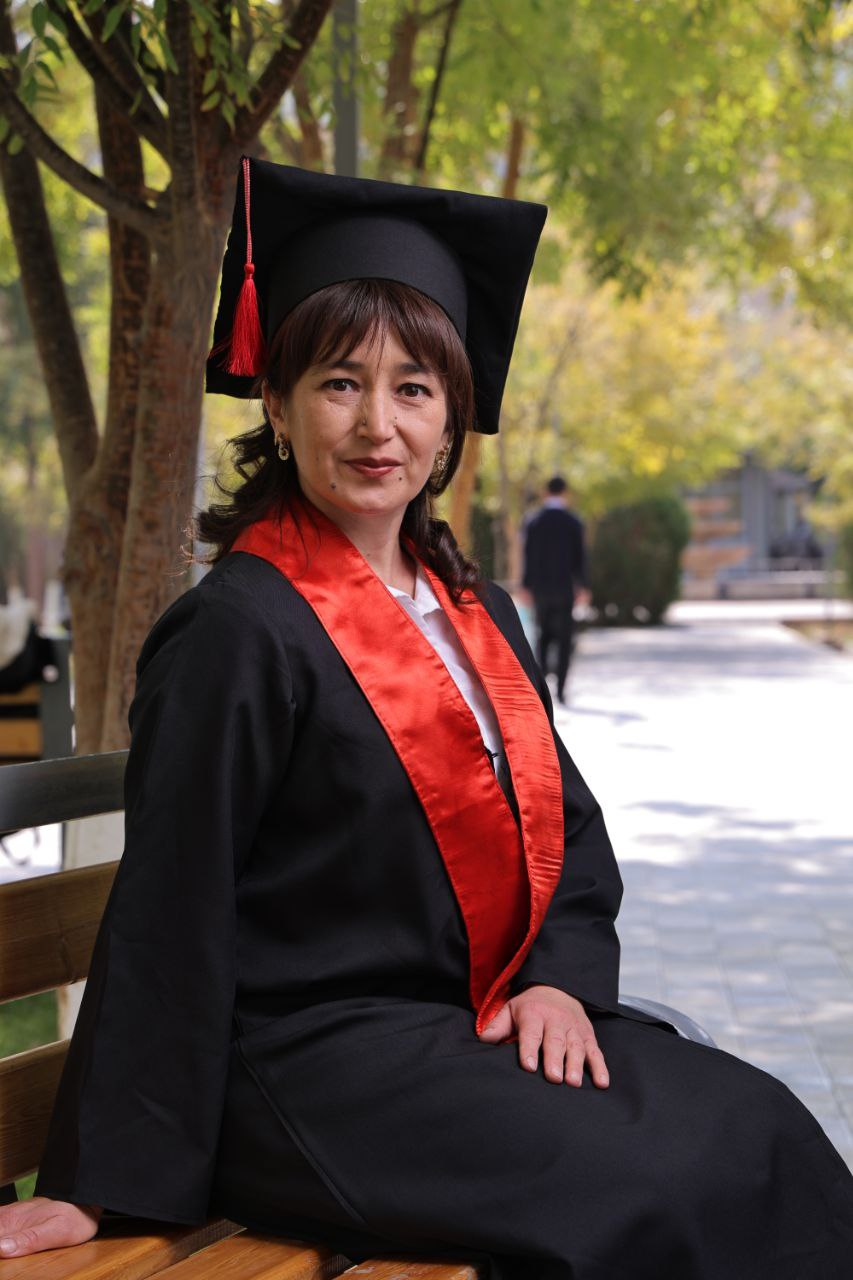
Karimova Navbaxar Mahmudjanovna
Educator at Multidisciplinary Specialized Preschool Educational Institution No. 9, Gurlan District, Khorezm Region, under the National Agency for Social Protection under the President of the Republic of Uzbekistan
Abstract
A skilled teacher is a leading figure in an educational institution who harmonizes enlightenment, professional excellence, and moral values. In the educational process, teachers develop students’ intellectual abilities, patriotism, and social responsibility. This article analyzes teachers’ professional competencies, pedagogical technologies, their role in patriotic education, and their adaptation to modern educational requirements. Through practical examples and recommendations, the article demonstrates ways to achieve both personal and professional growth for educators.
Keywords: skilled teacher, homeland, future, education, patriotism, methodology, pedagogical technology, moral values, learning motivation.
Introduction
Pedagogical mastery is revealed through the teacher’s professional activity. It is considered the highest level of pedagogical performance that can be achieved within a certain period and produces effective results. Pedagogical mastery is demonstrated through the successful solution of educational tasks and the creative organization of teaching and learning processes.
The teacher is responsible for organizing the educational process, understanding its principles, structure, and mechanisms. Educating, teaching, providing knowledge, and shaping learners’ personalities are among the teacher’s primary responsibilities. Personality development is one of the central concepts of pedagogy. It reflects the collaborative efforts of families and society aimed at nurturing a well-rounded generation.
Education plays a vital role in developing an individual’s spiritual qualities, beliefs, worldview, kindness, and appreciation of beauty. Every child who comes into a teacher’s care is like a blank sheet of paper. What is written on that paper largely depends on the teacher.
Children who first enter school often struggle to adapt to a new environment and may quickly lose interest in lessons. Therefore, teachers should organize engaging classes and apply diverse teaching methods to maintain students’ attention and motivation.
Teaching has always been one of the most respected professions in society. The great scholar Abu Nasr Al-Farabi described a teacher as a person who possesses wisdom, eloquence, and the ability to express ideas clearly and accurately. He further stated that the teacher’s role resembles that of a wise leader who carefully considers every action. A teacher should be fair, preserve personal dignity and honor, and strive for the highest level of humanity and knowledge.
According to Abu Ali Ibn Sina (Avicenna), a teacher should be pure-hearted, strong-willed, knowledgeable, conscientious, honest, morally upright, and skilled in educational methods.
Pedagogical Challenges and Contradictions
The analysis of spiritual and educational activities in higher educational institutions reveals both positive factors and pedagogical challenges influencing students’ professional development. Certain contradictions hinder the effectiveness of educational systems. These contradictions can be divided into three groups:
- External contradictions reflecting the relationship between the educational system and the social environment.
- Internal pedagogical contradictions reflecting interactions among structural elements and components of the educational system.
- Procedural contradictions related to the establishment, functioning, and development of the educational system.
Researchers identify four key components that form the foundation of pedagogical mastery:
- Commitment to humanitarian principles in education.
- Dedication to the teaching profession.
- Excellent knowledge of teaching methodology.
- The ability to demonstrate pedagogical skills effectively.
Thus, teaching is a highly responsible and complex profession.
Main Responsibilities and Professional Competencies of Teachers
The primary responsibilities of teachers include:
- Ensuring the harmony of education and upbringing.
- Supporting students’ intellectual and moral development.
- Developing patriotism and national identity.
- Adapting to societal needs and modern educational standards.
Professional competencies include:
Pedagogical and Methodological Competence
- Lesson planning and assessment.
- Differentiated instruction.
- Effective teaching methodologies.
Communication and Social Skills
- Effective interaction with students, parents, and colleagues.
Innovative Competence
- Integration of modern educational technologies and digital resources.
Ethical and Cultural Competence
- Demonstrating exemplary behavior and professional ethics.
Pedagogical Technologies and Methods
Modern teaching requires the use of active learning methods, including:
- Problem-based learning.
- Project-based learning.
- Collaborative group work.
- Integrated lessons that combine history, literature, and culture.
- Digital resources such as interactive presentations, online platforms, and multimedia tools.
- Modern assessment methods, including portfolios, presentations, and criterion-based evaluation.
The Teacher’s Role in Patriotic Education
Teachers play a significant role in fostering patriotism through:
- Teaching national history, culture, and traditions.
- Organizing patriotic events, social projects, and educational activities.
- Developing students’ critical thinking and emotional attachment to their homeland.
- Introducing students to the lives and achievements of national heroes.
- Cooperating with local communities, museums, veterans, and neighborhood organizations.
Personal and Professional Development of a Skilled Teacher
Continuous professional growth is essential for every teacher. This includes:
- Participating in training courses, workshops, and seminars.
- Conducting research and publishing academic articles.
- Reflecting on teaching practices and engaging in self-improvement.
- Participating in mentoring programs.
- Sharing experiences with colleagues through professional communities.
Examples of effective educational initiatives include:
- Organizing a “Local History” course and educational visits to museums and historical sites.
- Implementing social projects focused on community development and charity activities.
- Creating digital portfolios to showcase students’ creative achievements.
Conclusion
A skilled teacher is one of the most important factors in shaping the future of the nation. Teachers cultivate not only knowledge but also morality, spirituality, and patriotism. Through professional competence and innovative approaches, educators prepare a generation that is knowledgeable, responsible, and devoted to their homeland. Therefore, investing in teachers’ professional development is an investment in the future prosperity of society and the nation.
References
- Ergashev, B.A. Modern Teacher.
- Yusupova, P. Preschool Pedagogy.
- Nedopekina, T. At the School Threshold.
- Ochilov, E. Alisher Navoi: Wisdoms. Tashkent: Uzbekistan Publishing House, 2011.
- Bobur. Boburnoma. Tashkent: Yulduzcha Publishing House, 1989.
- Vohidov, R., Mahmudov, M. Spirituality – The Happiness of Perfection. Tashkent: Ma’naviyat, 1997
Karimova Navbaxar Mahmudjanovna
Karimova Navbaxar Mahmudjanovna was born on March 25, 1984, in Gurlan District, Khorezm Region, Uzbekistan, into an intellectual family.
From 1990 to 1998, she studied at Secondary School No. 1 in Gurlan District. From 1998 to 2001, she continued her education at Gymnasium No. 6 in Gurlan District and successfully graduated with excellent academic results.
From 2001 to 2003, she studied Nursing at the Electromedical Technical College in Tashkent, the capital city of Uzbekistan, and graduated with honors.
Between 2020 and 2025, she successfully completed her Bachelor’s degree in Preschool Education at Urgench State University.
Currently, she works as an educator at the Multidisciplinary Specialized Preschool Educational Institution No. 9 in Gurlan District, Khorezm Region, which operates under the National Agency for Social Protection under the President of the Republic of Uzbekistan.
She is fluent in Russian and Turkish languages. In addition, she is currently pursuing a Master’s degree in Pedagogy at the Asian International University.
Awards and Achievements
- In 2023, she was awarded the “Dedicated Professional of the Year” badge.
- In 2024, she received the “Best Scientific Researcher of the Year” badge.
- In 2025, she was honored with the “Excellent Worker of Preschool and School Education” badge.
Publications
Karimova Navbaxar Mahmudjanovna is the author of the methodological guidebook entitled “Inclusive Education in Preschool Educational Institutions.”
She has also published several books, including:
- “Towards My Goals”
- “For You, Dear Child”
- “Explorer Children”
Many of her scientific articles have been published in international newspapers and academic journals.
Her article entitled “STEAM Technologies in Preschool Educational Institutions” was published in the book “Leader Women of Uzbekistan”, which was released in Türkiye. Through her professional activities, scientific research, and educational contributions, she continues to make a significant impact on the development of preschool education in Uzbekistan