
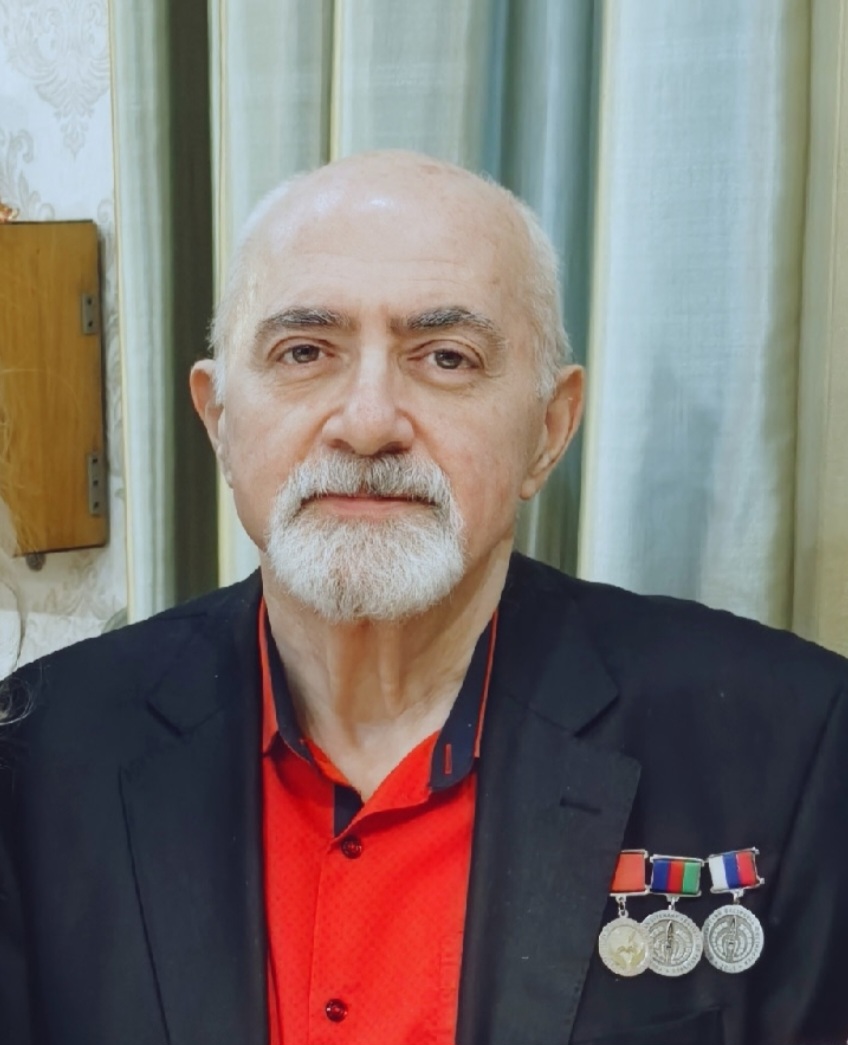
Eldar Akhadov
Conversation in the language of immortality
From the series Creating the Image of the Human of the Future in Literature
Friends! I invite all of us, following the outstanding Egyptian writer Ashraf Abu al-Yazid, to take a friendly literary journey through the works of some of our colleagues, poets and writers, in order, through this small study, to try to understand how the image of the future arises from the fabric of the literary process both for an individual person and for the entire human civilization. Let’s start with Ashraf himself…
Ashraf Abu al-Yazid, Egypt
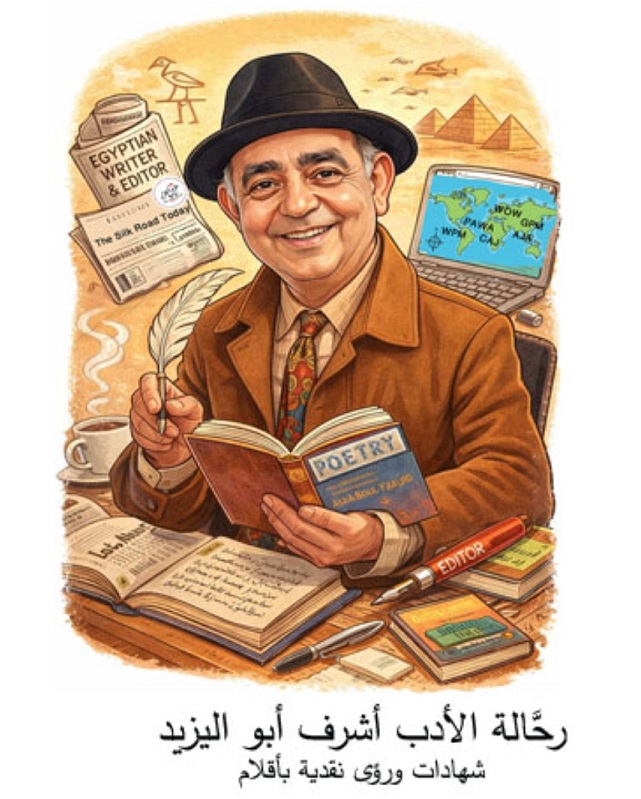
Reviews and comments about the literary travels of Ashraf Dali were left by dozens of respected poets and writers, including such big names as Ko Eun, Cao Shui, Olga Medvedko, Anna Stelia, Mariela Cordero, Ismail Diadier Haidara, Keshab Sigdel, Taghrid BouMerhi… The new book about the literary traveler Ashraf brings together dozens of literary and intellectual voices from the Arab world, Asia, Europe, Africa and Latin America, forming a rich human and creative panorama around the author of The Silk Road, A Street in Cairo and Shamus.
For some, he is primarily a poet; for others it is a traveler, translator, journalist or cultural ambassador. Yet all participants agree on one important truth: he is the architect of a cultural project that transcends national boundaries and embraces a broader human horizon. Readers of The Literary Traveler come to the clear conclusion that the book is much more than just a tribute to an individual. This is documentary evidence of the extensive network of friendships and cultural connections that Ashraf Abul-Yazid built over decades of work and creativity. This is a book that tells through the writer’s travels the power of literature to build bridges between peoples, and the ability of the written word to cross continents, like real travelers.
Shirani Rajapakse, Sri Lanka
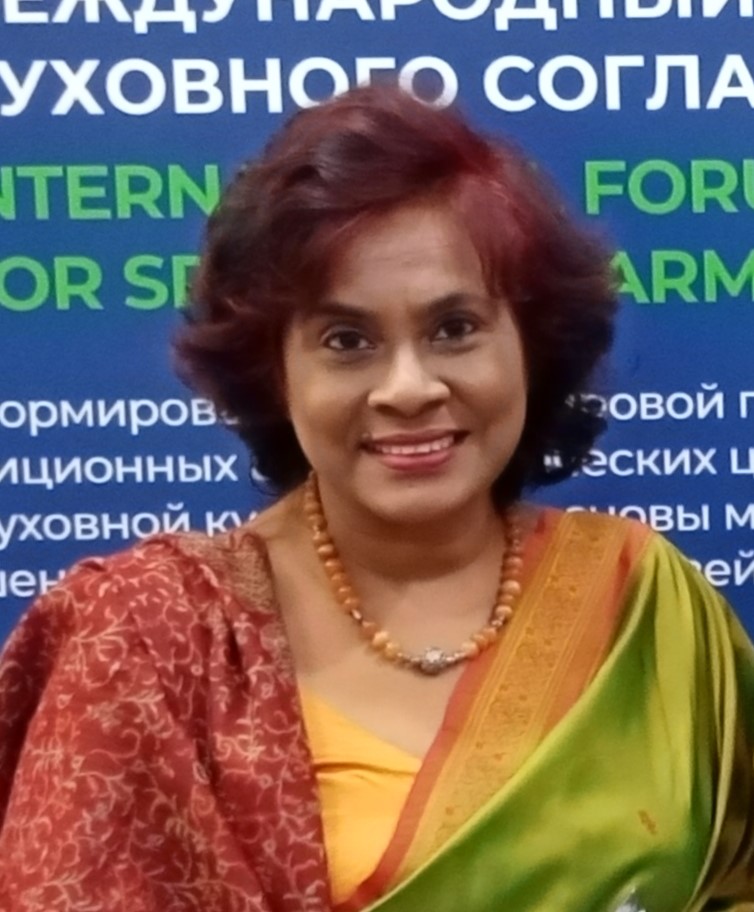
Sri Lankan poet Shirani Rajapakse’s literary landscape unfolds at the intersection of human rights, social justice, and the aftermath of conflict. Her narratives trace the subtle threads of migration and cultural identity, weaving the nuances of women’s experience and the broader human condition into the cosmic cycle of samsara through a deep Buddhist lens.
Refusing to be limited by geographic boundaries, Rajapakse’s pen bridges the local and the global, examining contemporary crises that resonate around the world. Her work is marked by a fierce commitment to correcting systemic imbalances, examining the sociocultural forces that shape women’s identities, and depicting the psychological scars of war.
Eden Soriano Trinidad, Philippines
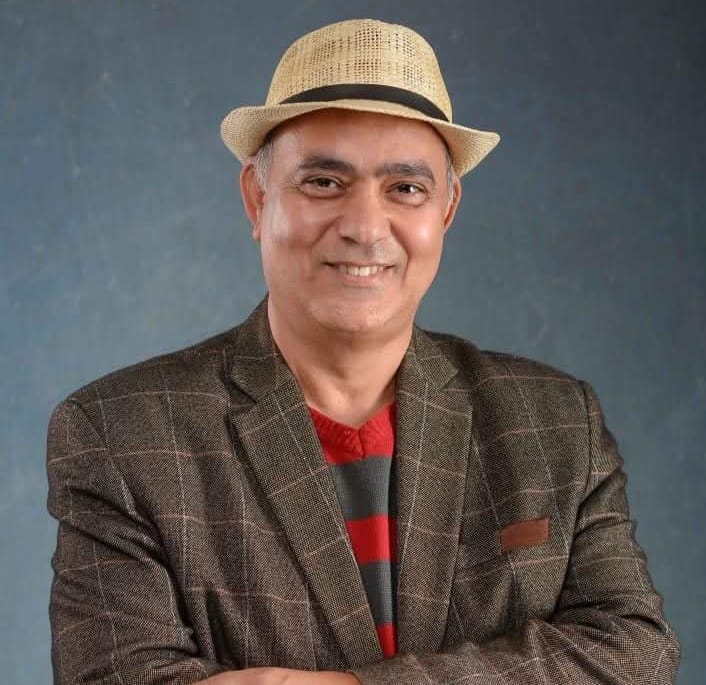
Eden Soriano Trinidad is a Filipino poet, writer, editor, translator and passionate advocate of peace, cultural harmony and humanitarian values. Widely known for her lyrical depth and unwavering commitment to unity across caste, creed and racial lines, she has become a distinctive voice in contemporary world literature. Her poetry celebrates love, reconciliation and the common humanity that unites us. Through her words and actions, Queen Eden—as she is affectionately known in literary circles—continues to build bridges between cultures and inspire hearts around the world. Her poetry is not just art; it is a call for compassion, dialogue and lasting peace.
Eldar Akhadov, Azerbaijan / Russia
Eldar Akhadov is an explorer with the soul of a poet, who created many essays, stories, fairy tales and poems: North and South, cold and warmth, reality and myth, experience and memory – all these opposites in his works do not oppose each other, but form a single coordinate system. A person in this world is not just an observer, but a connecting link between various dimensions of existence. The value and power of Akhadov’s work lies in the fact that it not only describes life, but also helps the reader understand it. At the same time, according to the critic Alexander Karpenko, “The joy of life dominates the works of Eldar Akhadov. In his work, he returns the fragmented world to a state of original unity.”
Adel Khozam, UAE
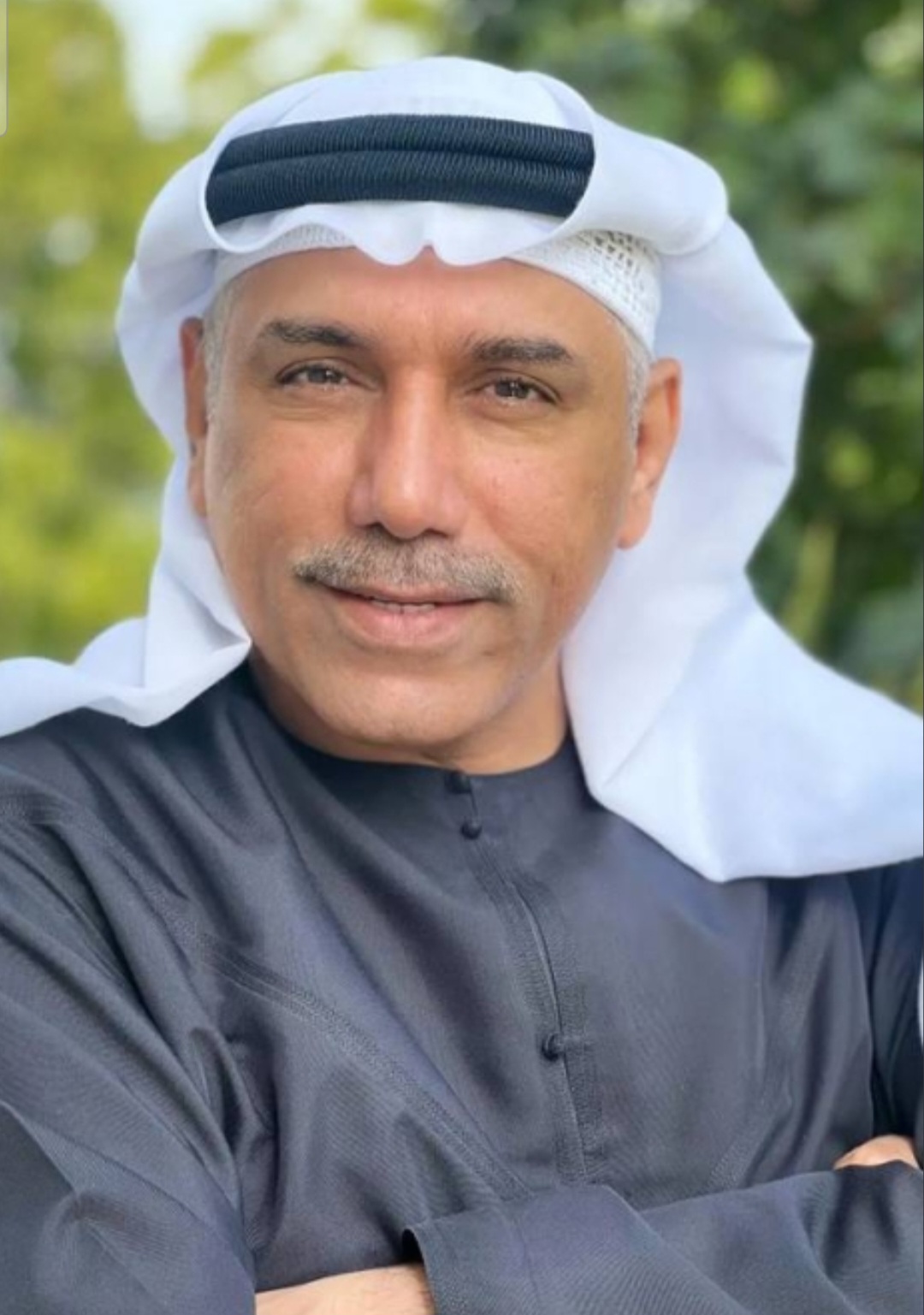
Adel Khozam is a prominent poet and media personality from the United Arab Emirates. known for its innovative high-level international initiatives. Among them is Mansira, a cosmic poetic epic co-written by 86 poets from around the world. Khozam belongs to the modernist generation in the UAE, having played a seminal role in the development of Arabic prose poetry with a group of poets in the early 1980s. His creative legacy includes books covering not only poetry, but also philosophical works, novels, studies and translations. His significant contribution to increasing the global importance of poetry should be noted. In the Arab literary community, his work is recognized as one of the most innovative and profound among all Arab poetry of the first quarter of the 21st century.
Ayo Ayoola-Amale, Nigeria
Ayo Ayoola-Amale – multiple award winner, Nigerian
Ayo is a poet, artist, storyteller, and peacemaker whose work combines profound emotional honesty with figurative illustrations, creating a new language of liberation.
The founder of the poetry foundation Splendors of Dawn and the initiator of the global exhibition The Canvas for Peace, Ayo harnesses the power of imagination to deconstruct the systemic. She is also the creator of the acclaimed children’s series Every Child, which promotes the power of storytelling as a source of inspiration for future generations. Grounded in principles of inclusivity and compassion, Ayo’s literary and performance work seeks to transcend self-expression, actively amplifying the voices of marginalized groups and transforming social tensions into profound human connection.
Luis Carlos Prestes Jr., Brazil
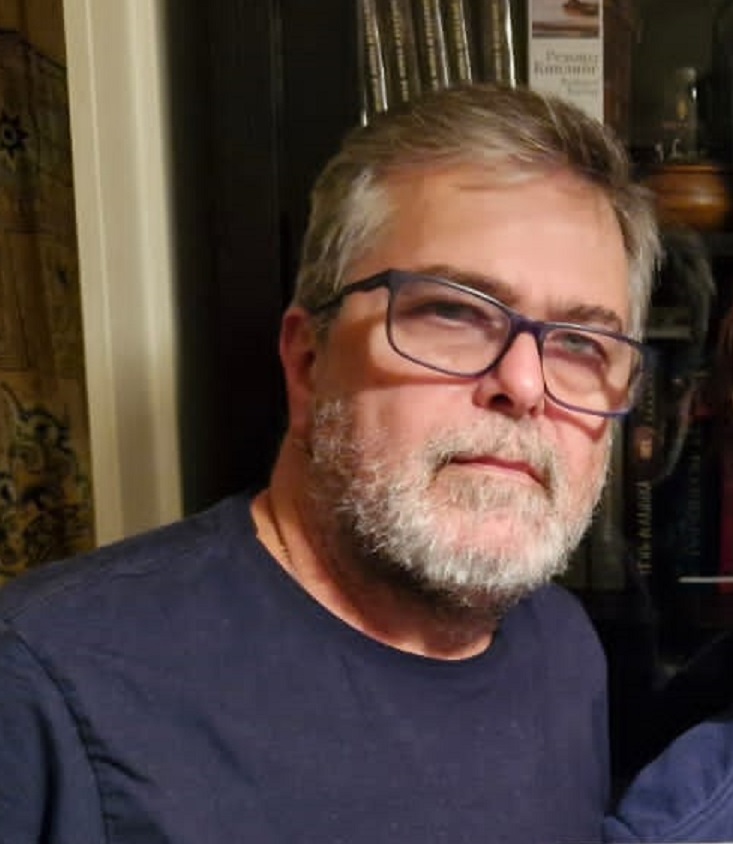
Composer, film director, lyricist, journalist, writer, poet, actor, illustrator, and expert on cultural and economic development issues, Luis Carlos Prestes Jr. is the author of numerous literary and poetic works, including “The Heroic Trilogy.”
This book is utterly Brazilian in every sense of the word! It is a fusion of prose, poetry, philosophy, songs, music, graphics, and photographs that you can gaze upon and see a living, moving, carnival-lit, ocean-scented being called Rio de Janeiro! This book is a veritable carnival of folk heroic stories, a book imbued with metaphysics and the incredible reality of place and time. The work of Luis Carlos Prestes Jr. is simultaneously beautiful and dangerous, like love at first sight, in the sense that once you fall in love with these rhythms and lines, it is impossible to unlove them.
Nia Amira Osman (Kurnia Suprihatin), Indonesia
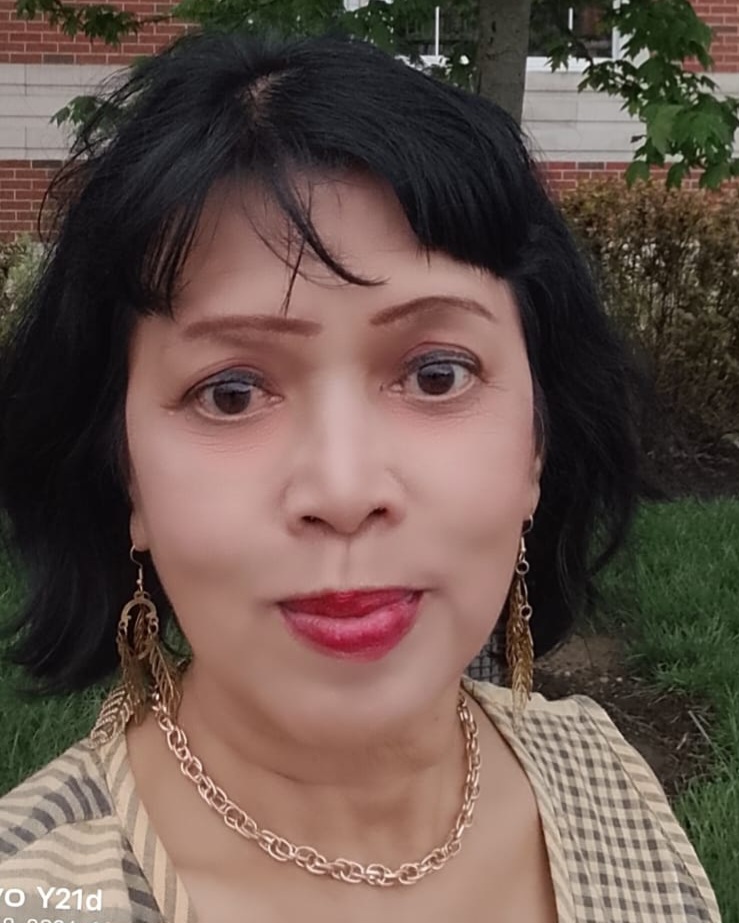
The value of her work is defined not only by its undoubted artistic merits, but also by the qualities that make it undeniably unique and relevant in our challenging times of change and upheaval!
The poet’s lines are imbued with a grateful, reverent, and profound love for all life on earth. Nia travels extensively and knows firsthand the lands and countries she writes about. Invisible threads of spiritual kinship connect people on Earth, and this is clearly felt by everyone who has encountered Nia’s works, presented simultaneously in several languages! Stories from around the world are intertwined in Nia Amira Osman’s lines, glowing with the light of love! Her poems are filled not only with joy, but also with deep compassion and sadness… “From Indonesia with Love…” is a great book about Amira Osman’s love, which cannot belong to one person, because it belongs to the whole world. And the whole world belongs to her!
Margarita Al, Russia
Margarita Al’s postfuturistic cosmopoetics is directed toward the ontological and spiritual space of the future. According to the thinker and poet Konstantin Aleksandrovich Kedrov, her work is “poetic words awakened to life, thinking matter woven from light, time, and memory…”
Margarita Al’s vertical eight-step ladder—from phantasmagoria to synergy (Phantasmagoria, Frustration, Demassification, Discordia, Metamorphoses, Agape, Epiphany, Synergy)—is the ascent of the word through the states of being. The poet here is not an observer, but an operator of space. He is a discoverer, for whom consciousness is the microscope, and existence itself is the object of study. How can one retain the eternal in the finite? How can one enter infinity without losing oneself? There is only one answer: only through poetry. Language becomes an organ of memory and an organ of insight. Margarita Al is a rare poet. She cannot be compared. This is a vision, an insight, an art of living in the tension between eternity and the moment, between inhalation and exhalation.
Thought disintegrates to the state of a primordial particle, a primordial atom, and then—before the reader’s eyes—reassembles. This is not an image, but a vision, a form of vision dreamed of by the visionaries of the Silver Age. Margarita Al was predicted in many of the Futurists’ theoretical works. They were not allowed to bring this poetry to its culmination. But the 21st century has picked up their voice. And now it resonates… at a frequency where poetry becomes the only language of immortality.”
Summarizing our short literary journey, we can say:
– about the power of literature to build bridges between peoples, and the ability of the written word to cross continents like true travelers;
– about poetry’s ability to trace the subtle threads of migration and cultural identity between people’s feelings and thoughts; – that poetry is not just art, but also a call for compassion, dialogue, and lasting peace;
– that humans in this world are not just observers, but a link between different dimensions of existence; and that creativity can influence the return of the fragmented world to its original state of harmony and unity;
– the global significance of poetry and the literary word in general for the future of civilization;
– the power of contemporary narratives as sources of inspiration for future generations;
– that literary creativity can be at once permeated with metaphysics and the incredible reality of the places and times described;
– that great literature cannot belong to one person, for it belongs to the whole world;
– that poetry is becoming the only language of immortality.–