
IRON DEFICIENCY ANEMIA DURING PREGNANCY: IMPACT ON MATERNAL AND FETAL HEALTH
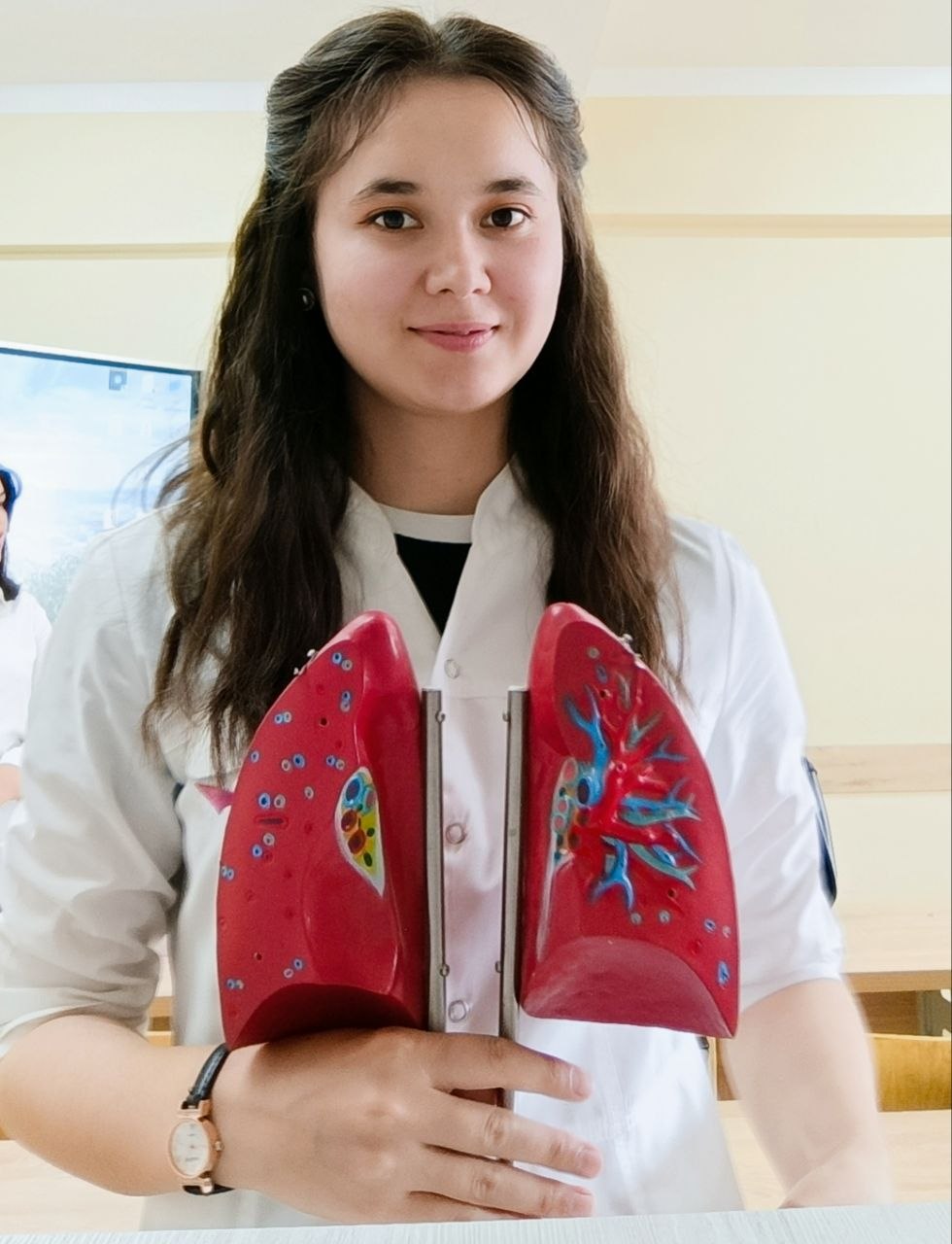
Feruza Jumanazar qizi Boymurodova
Student, Faculty of Medicine, Karshi State University
ABSTRACT
This article analyzes the etiological factors, pathogenesis, clinical manifestations, diagnosis, impact on maternal and fetal health, as well as modern approaches to the prevention and treatment of iron deficiency anemia during pregnancy. Iron deficiency anemia is one of the most significant hematological conditions encountered during pregnancy and can substantially affect both maternal and fetal health. The expansion of maternal blood volume during pregnancy, along with increased iron requirements for placental and fetal development, heightens the risk of developing iron deficiency. According to the World Health Organization (WHO), more than 40% of pregnant women worldwide suffer from anemia, with at least half of these cases attributed to iron deficiency.
Keywords: pregnancy, iron deficiency, anemia, hemoglobin, ferritin, fetus, maternal health, prevention, iron supplements.
INTRODUCTION
Pregnancy represents a period marked by complex physiological adaptations within the female body. Significant changes occur in the circulatory system, endocrine system, metabolism, and hematopoiesis during this period. To support fetal growth and development, maternal requirements for iron, folate, and other essential trace elements increase.
Anemia ranks among the most common hematological disorders during pregnancy, primarily caused by iron deficiency. According to data from the American College of Obstetricians and Gynecologists, failure to maintain adequate iron stores amid heightened physiological demands can lead to adverse maternal and fetal outcomes.
Iron deficiency leads not only to reduced hemoglobin synthesis but also impairs tissue oxygenation. Therefore, early detection, identification of underlying causes, and timely management of anemia remain vital priorities in obstetric practice.
MATERIALS AND METHODS
In preparing this paper, modern clinical guidelines and scientific literature regarding iron deficiency anemia during pregnancy were evaluated. The diagnostic significance of hemoglobin and ferritin levels, as well as preventive strategies and iron supplementation protocols, were examined. The WHO highlights serum ferritin concentration as the primary biomarker for evaluating body iron stores.
RESULTS AND DISCUSSION
Increased Iron Requirement During Pregnancy
Maternal blood volume expands substantially throughout pregnancy. Concurrently, adequate iron supply is required for placental and fetal growth. Consequently, the demand for iron increases significantly compared to pre-pregnancy levels. Inadequate dietary intake or depleted baseline iron stores accelerate the progression of iron deficiency.
Primary Causes of Iron Deficiency Anemia:
Inadequate dietary iron intake;
Low baseline iron reserves prior to pregnancy;
Unrestored iron stores following previous pregnancies and deliveries;
Impaired intestinal iron absorption;
Chronic blood loss.
Diagnostics
A complete blood count plays a key role in identifying iron deficiency anemia. Reduced hemoglobin levels confirm the presence of anemia. However, serum ferritin remains the definitive parameter for accurately assessing iron reserves. Depending on the clinical scenario, suspected iron deficiency warrants the following evaluations:
Complete blood count;
Hemoglobin concentration;
Red blood cell indices;
Serum ferritin levels;
Additional iron metabolism parameters as clinically indicated.
Not all cases of anemia should automatically be attributed to iron deficiency. Folate or vitamin B12 deficiencies, acute or chronic hemorrhage, hemoglobinopathies, and other underlying pathologies can also precipitate anemia.
Prevention and Management
Preventing iron deficiency anemia relies on balanced nutrition, continuous medical monitoring starting from preconception planning, and adherence to prescribed iron-folic acid supplementation. Prophylactic administration of 30–60 mg of elemental iron and 400 mcg of folic acid daily is recommended for pregnant women. This regimen lowers the risk of maternal anemia, postpartum infections, low birth weight, and preterm labor.
Therapeutic management must be established strictly by a physician, tailored to the severity of anemia, confirmed iron status, gestational age, gastrointestinal tolerance, and individual patient profile. Self-administration of iron supplements is strongly discouraged.
CONCLUSION
Iron deficiency anemia during pregnancy remains a major clinical challenge directly influencing maternal and fetal well-being. Early identification requires routine monitoring of hemoglobin levels and serum ferritin assessments when indicated. Timely diagnosis and targeted treatment improve maternal physiological status and mitigate the risk of adverse obstetric outcomes. Prophylactic strategies, including healthy nutrition, family planning, antenatal care, and physician-guided iron and folic acid supplementation, are critical components of optimal maternal-child healthcare.
Feruza Jumanazar qizi Boymurodova was born on May 22, 2005, in the Kitob district of the Qashqadaryo region. Currently a student at the Faculty of Medicine at Karshi State University, she engages in scientific research at the intersection of medicine and social projects.
She has actively participated in the “AI Girls Bootcamp” startup program held in Tashkent, as well as on the “RISE&GLOW” and “Kelajak” platforms. She has served as a volunteer in organizations such as “Salomatlik,” “Vitamed,” and “Oltin Qanot,” and took part in the “Best Promoter” (Eng yaxshi targ‘ibotchi) contest.
On an international level, she has been accepted as a member of the Argentine Society of Writers. Her scientific articles have been published in international academic proceedings
Pingback: Synchronized Chaos’ Mid-September Issue: The Human Atlas: An Essay in Maps | SYNCHRONIZED CHAOS