
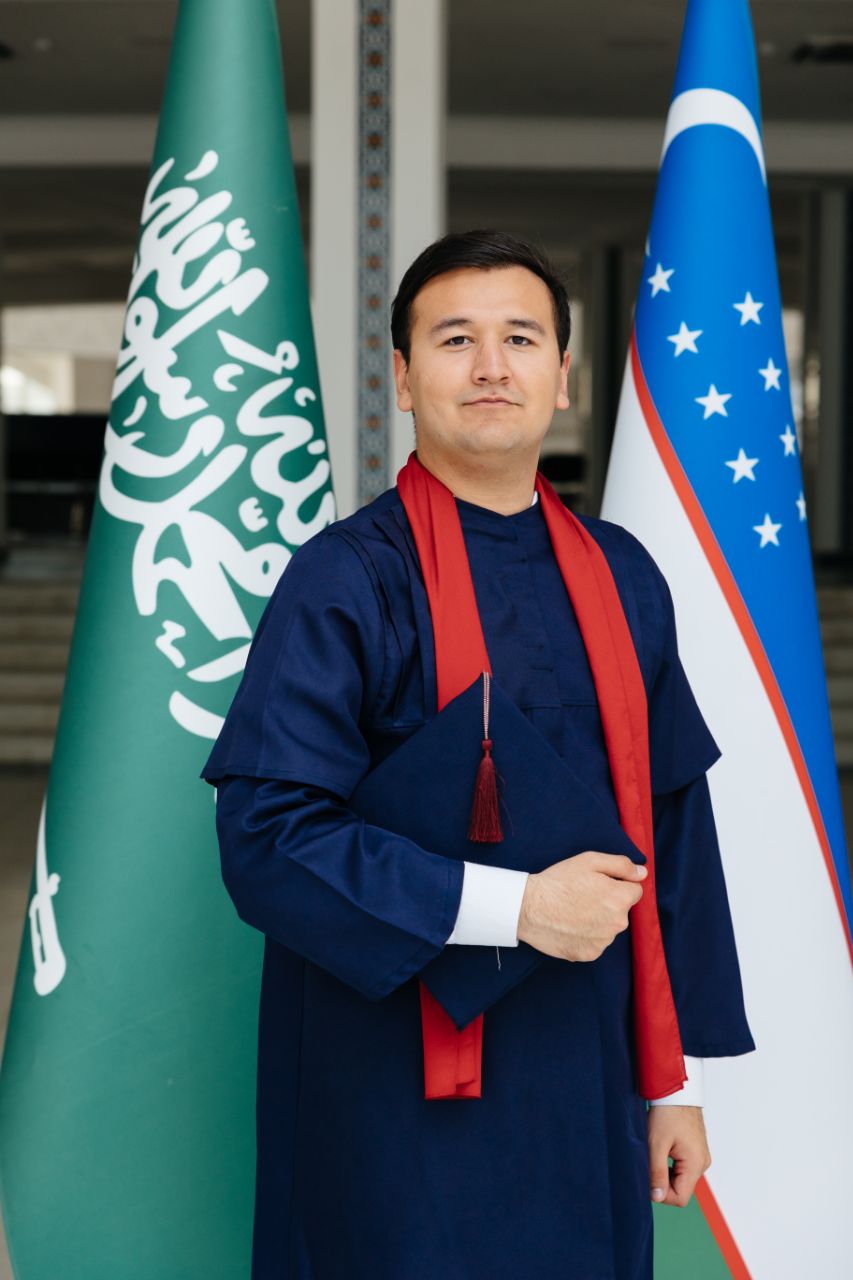
Author: Umurbaev Rustam Shakirjanovich
Teacher (Trainer) of the Academy «STRATEG»
Tashkent
E-mail: urustam316@gmail.com
Tel.: +998946995982
Scientific Supervisor: Umurbaeva Lola Ismatullaevna
Primary school teacher at secondary comprehensive school №242 in Almazar district, Tashkent
Tashkent
E-mail: lolaumurbaeva@gmail.com
Tel.: +998946898308
«GENDER EQUALITY»
Abstract. This article reflects the need for gender equality in the world, at a time of global growth, the lack of education of women in some countries and the decline in the level of education of the next generation. The main directions and indicators of building a gender equality society in Uzbekistan are also indicated. UNICEF Women’s Low Value Index, ways to prevent sexual violence.
Key words: gender equality, gender differences, women’s happiness index, sexual violence, UNICEF programmes.
Introduction
Empowering women and accelerating the process of sustainable development is an extremely important principle. The elimination of all forms of discrimination against women and girls is important not only from the point of view of human rights protection, but is also one of the powerful factors influencing the development of other spheres.
In the modern era of global development, issues of ensuring equal rights of women and men in all spheres of public life are becoming one of the priorities of the processes of human development, human rights and freedoms, social justice, and human security. This issue remains relevant not only in our republic, but also throughout the world.
The issues of ensuring equal rights and equal opportunities for men and women are reflected in the following key international documents: «The Rio Declaration “On Environment and Development”» (1992), «The Cairo Conference “On Population and Development”» (1994), «The Beijing Conference “On the Status of Women”» (1995) and «The Istanbul Conference “On Human Settlements”» (1996). These are «The Universal Declaration of “Human Rights”», «The Convention “On the Elimination of All Forms of Violence against Women”», «The Millennium Development Goals», and others.
For UN Member States, fully fulfilling their national obligations to ensure equality between women and men means making a significant contribution to achieving «The Millennium Development Goals» and supporting the principles of the United Nations.
The equality of women and men is enshrined in the Constitution of the Republic of Uzbekistan, the basic law of our country, as stated in its article 18, «In the Republic of Uzbekistan, all citizens have equal rights and freedoms, regardless of gender, race, nationality, language, religion, regardless of social origin, religion, personal and social status, they are equal before the law» (part of a democratic government). The processes taking place in the world confirm that the policy of economic development cannot be gender neutral, there is a direct link between gender equality and economic efficiency. Taking into account the needs and interests of the sexes, the creation of equal opportunities for women and men improves the situation of women and men, strengthens the family, promotes the physical and mental development of children and, ultimately, strengthens the potential and opportunities for economic development of the nation. On the other hand, economic development also creates great opportunities for improving gender equality in the long term.
At the same time, fundamental changes are taking place in Uzbekistan in the socio-economic, spiritual and intellectual life of the country, gender equality, that is, equality of women and men, remains an urgent issue.
Here the question arises, what does the term «gender» mean?
The term «gender» was introduced into scientific use in 1968 by the American psychologist, Dr. Robert J. Stoller and means «gender».
In order to ensure gender equality, «the Law “On Women and Men Have Equal Rights”» was adopted and «the Law “On Guarantees of Opportunities”» was adopted for good reason.
Considering the opportunity to receive education, vocational training, and the development of small skills as a decisive factor in empowering women and girls and improving their well-being, the right to education in the Republic of Uzbekistan is guaranteed to all citizens regardless of gender, the Constitution of the Republic of Uzbekistan (article 41) is a witness. The equal rights of women and men to education are determined by «the Law of the Republic of Uzbekistan “On Education”», and in terms of physical development and sports – by the Law «On Physical Culture and Sports”» (article 2). In order to further expand the participation of women and girls at the decision-making level, the President of the Republic of Uzbekistan issued a decree «On Measures to Enhance the Role of Women in State and Public Construction of the Republic of Uzbekistan» dated March 2, 1995 and «Additional Measures to Ensure the Activities of the Women’s Committee of Uzbekistan» dated May 25, 2004. The equality of women and men is enshrined in the basic law of our country – the Constitution of the Republic of Uzbekistan, as stated in the article 46: «Women and Men Have Equal Rights». The Constitution of the Republic of Uzbekistan guarantees every person a full set of personal, social, political, cultural, and economic rights under «the International Convention “On Human Rights”». Our basic law enshrines the inviolability of the rights and freedoms of every person, and no one has the right to restrict them. Since the first days of independence, the Republic of Uzbekistan has supported democratic principles and joined almost 70 major international human rights instruments. These are «The Universal Declaration of “Human Rights”», «the Convention “On the Elimination of All Forms of Violence against Women”», «The Millennium Development Goals», and others.
A number of international laws have also been adopted to protect women’s rights and freedoms, in particular, «the Convention “On the Political Rights of Women”», adopted in 1954, «the Convention “On the Nationality of Married Women”», approved in 1958, and «the Convention “On the Elimination of All Forms of Discrimination against Women”» the basis of the legal reforms of the countries of the world in this area.
Today, almost 80% of women in our republic work mainly in two social spheres – education and healthcare. But now the number of women in important positions in public administration, such as politicians, diplomats, and ministers, is expected.
Material and Methods
Gender equality is achieved when equal conditions, equal treatment, and equal opportunities are created for women and men. It allows women and men to show their abilities; to fully express the value of human rights and their value; to contribute to the economic, social, cultural, and political development of their societies; and the benefits of such development are achieved. Gender equality is based on the fact that both sexes have equal rights and opportunities at home and in society. This is a process of justice and a means to achieve gender equality.
Ensuring gender equality, the empowerment of women and girls, and increasing their role in society occupy an important place in the organization’s list. This requires addressing gender practices – discriminatory policies, power structures, socialization processes, etc. Critics of this concept argue that the concept of equality is to provide everyone with equal opportunities. Detractors of the concept of gender equality consider this impossible because «men and women are different from each other, and not only physically, but also mentally, because if women are forced to do what men do, then this is their hobby» – taking care of children, shopping, putting makeup on their faces, they do not they can go about their own business, such as cooking different dishes, and as a result, they are not happy. If women perform only men’s work in society: chopping firewood, repairing cars, driving bulldozers, they feel both mentally and physically stressed. However, proponents of the theory of gender equality argue that this idea is patriarchal for many generations and has a great influence on people’s perception of anti-scientific teachings, stereotypes, and public opinion. According to some psychologists and sociologists, in modern society, there is a widespread idea that the psyche, character, behavior, and way of thinking depend on gender. Although, critics of the concept of equality generally recognize the essence of this concept.
In 2015, the UN Office for Gender Equality and Women’s Empowerment in Pakistan prepared a report. This report is known as the UN Women Framework. One of the important issues of the report was the issue of women’s employment. According to the authors of the report, despite the fact that the number of women with higher education has reached the maximum level than before, their employment situation looks sad. Young women, who graduated from universities with honors, especially in subjects such as medicine and mathematics, are increasingly unable to find work, despite the fact that they are increasingly ahead of young men in academic performance. Even those, who manage to find work suffer from insecurity and insufficient pay. This issue is especially relevant in developing countries, where 75% of women’s jobs are not protected by legal obligations of the employer. As noted in the report, the situation with gender equality in developed countries is also not at an ideal level. For example, in France and Sweden, women earn 31% less than men, in Germany – 49%, and in Turkey – 75%. According to the authors of the report, the main measures to combat gender inequality are women all over the world. The situation with gender equality in developed countries is not ideal.
There are also work programmes developed by UNICEF on gender equality:
1. Gender discrimination. This program gives preference to both sexes, which can lead to a deepening of inequality.
2. Gender-blind programming. Programming that ignores gender can maintain the status quo or exacerbate inequality.
3. Gender-sensitive program – recognizes, but does not seriously eliminate inequality.
4. A gender-sensitive program. Identifies and meets the diverse needs of girls and boys, women and men, helping to achieve equal results for all.
5. Gender transformation. It is clearly aimed at eliminating gender inequality, removing systemic barriers and empowering disadvantaged groups.
Results
The results of this study showed that the program motivated teachers to change their attitude towards girls and helped reduce the number of absenteeism at school.
An external assessment showed that more than 90% of female and male club members expressed self-confidence, willingness to express their opinions and desire to get higher education, boys reported more respect for girls, and girls reported less harassment from boys. The monitoring approach is becoming increasingly institutionalized in modern systems. In Australia, for example, this program has led to the following: Australia has made great strides over the past decade. After Julia Gillard became the country’s first female prime minister in 2010, Julie Bishop became the country’s first female foreign minister in 2013, and Marise Payne became the country’s first female defense minister in 2015. Since 2016, the number of women among Australia’s diplomatic staff has been steadily increasing. In 2021, 49 of the 118 heads of Australia’s overseas missions (ambassadors, consuls, General and High commissioners) are women. This represents 40% of the total number of positions. In addition, Australia has reaffirmed its commitment to support women in conflict and disaster zones by adopting a new national action plan on women, peace, and security. To do this, Australia has committed to increasing women’s participation and leadership in the security and foreign policy sectors.
Discussion
These work programs were necessary not only for developed countries, but also for underdeveloped countries. Practical studies show that the educational potential of girls is poor, including incomplete secondary education and a lower level of skill development than boys. The main reasons: girls in relationships get pregnant and leave, 3 out of 4 are physically abused and leave. 1 out of 3 people is sexually assaulted. To prevent this, work programs have applied their strategic directions in different countries, for example, members of the gender-transforming working group in Tanzania introduced free meals and free buses for girls to go to school, in addition to psychological training in schools, and for teachers, gender-equal classes, a sorority, were organized events dedicated to self-esteem. In other countries, the happiness index of women was very low, so we can use these methods to create many programs related to increasing the happiness index and ensuring gender equality in Uzbekistan, because when women have a high level of education, there will be development in the country, and the unborn child will be born mentally and physically healthy. Of course, these indicators are also growing in Uzbekistan, for example, the issue of gender equality has been raised to the level of state policy, 25 legislative documents related to the sphere have been adopted. A Committee on Women and Girls’ Affairs and Gender Equality Issues has been established in the Senate of the Supreme Council of the Republic of Uzbekistan.
Conclusion
In conclusion, it should be noted that everyone is equal regardless of gender and has the right to use opportunities both in society and in the family. It has been documented in experiments that inequality leads to depression and insecurity among women. Research shows that the main causes of inequality, namely underemployment of women and lower wages compared to men, are a serious problem, and gender mainstreaming is the right way to solve this problem. Solving these problems will lead to an increase in the level of higher education in society. It is also worth mentioning that when mothers are educated, their children, that is, the future of the country, will also be educated, which will have a significant impact on the development of society.
Acknowledgement
For the first time in the history of Uzbekistan, the number of women in parliament reached a level consistent with UN recommendations, the number of women in parliament reached 32% and rose to 37th place among 190 parliaments in the world. The situation is certainly encouraging: the proportion of women in leadership positions has reached 27%, in parties – 44%, in universities – 40%, in entrepreneurship – 35%. In order to provide socio-economic support to women and individual work with them, the «Women’s Register» system was introduced, 300 billion soums were allocated annually from the state budget to low-income girls, who lost their parents or one of them, who do not have a breadwinner. A system of tuition fees for single women has been introduced, and the number of scholarships for girls from low-income families for admission to higher education institutions has been doubled. In order to develop women’s entrepreneurship, more than 224 thousand women have been allocated preferential loans in the amount of 6.9 trillion soums. The reforms carried out in this area have a positive impact on the international rankings of our country, and in the World Bank’s Women, Business, and Law Index, Uzbekistan is among 27 countries that have implemented significant reforms to improve the status of women’s rights and gender equality. In 2020, Uzbekistan entered this list and rose 5 places, taking 134th place among 190 countries.
References:
1. UNICEF Foundation for Gender-Transformational Approaches. https://cutt.ly/6hatOke.
2. Decision of the Senate of the Supreme Council of the Republic of Uzbekistan No. SQ-297-IV dated 05.28.2021.
3. https://lex.uz/docs/-5466673.
4. https://uz.wikipedia.org/wiki/Gender_equality.
5. heconversation.com/tudge-stands-aside-while-claim-of-kicking-former-staffer-investigated-173064.
6. Tohirov A.I. “WRITING CONTROL PROGRAMS FOR CNC” // Universe: Technical Sciences: Electronic Scientific Journal. 2021. 5 (86). URL:https://7universum.com/ru/tech/archive/item/11810.DOI 10.32743/UniTech.2021.86.5.11810.
7. Tohirov A.I. “THE PROCEDURE FOR USING CAD/CAM/CAE SYSTEMS IN SCIENTIFIC RESEARCH” // Universe: Technical Sciences: Electronic Scientific Journal. 2021. 6 (87). URL:https://7universum.com/ru/tech/archive/item/11836.DOI 10.32743/UniTech.2021.87.6.11836.
UMURBAYEV RUSTAM SHAKIRJANOVICH
Graduate of Tashkent State University of Oriental Studies
Umurbayev Rustam Shakirjanovich was born on November 11, 2001, in Yangiyer, Syrdarya Region, Uzbekistan.
2008 – He was admitted to the 1st grade of Secondary School No. 242 in the Almazar District of Tashkent and graduated from the 9th grade in 2017.
2017 – He was admitted to the Tashkent City Law College in the Uchtepa District and graduated in 2020, obtaining a qualification in Law.
2020 – After successfully passing the state entrance examinations, he was admitted to Tashkent State University of Oriental Studies, Faculty of Economics, Politics and Tourism of Eastern Countries, majoring in Political Science.
2024 – He graduated from Tashkent State University of Oriental Studies.
He is proficient in Arabic, English, and Russian.