Poetry from Türkan Ergör

Blonde Turkish woman with a headscarf, long green necklace, and black sweater seated on a couch.

I LEARNED A LOT FROM THIS LIFE 

I learned a lot from this life 

That some things are variable 

That some things are unreliable 

That some things Aren’t as they seem 

I learned a lot from this life 

That goodness is the greatest gain 

That our hearts have found peace with kindness 

That life is complicated 

That life is incomprehensible 

I learned a lot from this life 

I learned 

That this life is temporary.

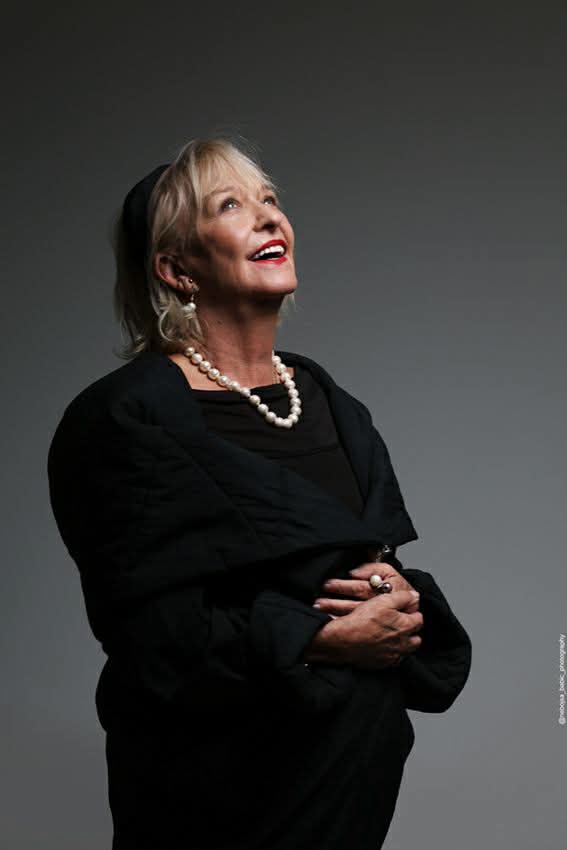
Türkan Ergör, Sociologist, Philosopher, Writer, Poet, Art Photography Model. Türkan Ergör was born 19 March 1975 in the city of Çanakkale, Turkey. She was selected International “Best Poet 2020”. She was selected as International “Best Poet, Author/Writer 2021”. She was selected as International “Best Poet, Writer/Author 2022”. She was awarded the FIRST PRIZE FOR THE OUTSTANDING AUTHOR IN 2022. She was awarded the 2023 “Zheng Nian Cup” “National Literary First Prize” by the Beijing Awareness Literature Museum. She was awarded the “Certificate of Honor and Appreciation” and “Crimean Badge” by the İSMAİL GASPRİNSKİY SCIENCE AND ART ACADEMY. She was awarded the “14k Gold Pen Award” by ESCRITORES SIN FRONTERAS ORGANIZACIÓN INTERNACIONAL.

Poetry from Graciela Noemi Villaverde

Middle aged Latina woman with mid-length curly light brown hair and a black jacket.

Summer Solstice, My Birthday 

Today the sun stands like a giant 

beacon in the center of the sky—it 

doesn’t walk, it doesn’t bend, it 

simply is: the heart of all that breathes. 

I was born in that instant 

when its light becomes taut and 

ready to unleash the longest day 

like an unwrapped gift. 

My body is a field of wheat 

germinating in the warmth of its gaze, 

each hair a stalk seeking the blue fire of the sky. 

I am not just another day among days: 

I am the whisper of the sun when it realizes 

it has arrived home, the space 

where time stops to take a sip of solar honey. 

The air fills with tiny shadows, like 

letters in a letter the sun writes to the earth—

and I am the last word,

the one not read but felt on the skin, 

like a warm kiss that doesn’t fade. 

My lungs are windows open to the light, 

each breath a thread harvesting the entire day, 

weaving it into the fabric of my being. 

Today the world doesn’t revolve around the sun: 

it revolves around this instant in which 

I am the point where the sun meets itself, 

where summer becomes a heartbeat, 

where birth is the reflection of all that shines. 

December 21st, my birthday

GRACIELA NOEMI VILLAVERDE is a writer and poet from Concepción del Uruguay (Entre Rios) Argentina, based in Buenos Aires She graduated in letters and is the author of seven books of poetry, awarded several times worldwide. She works as the World Manager of Educational and Social Projects of the Hispanic World Union of Writers and is the UHE World Honorary President of the same institution’s Activa de la Sade, Argentine Society of Writers. She is the Commissioner of Honor in the executive cabinet in the Educational and Social Relations Division of the UNACCC South America – Argentina Chapter.

Poetry from Maja Milojkovic

Younger middle aged white woman with long blonde hair, glasses, and a green top and floral scarf and necklace.
Maja Milojkovic

To Archangel Michael 

To You, exalted Angel, 

I pray and give thanks even in happiness. 

Your eyes are a path, 

your eyes are deep as the ocean. 

Your sword is sharp,

cutting through all knots, 

all pain and injustice. 

Your wings are my protection — 

with them, mercifully and without touch, 

you embraced my soul. 

You have your army, 

your path is the path of righteousness. 

You granted me mercy 

which I open only in the secrecy of the heart. 

Last night, Your feather touched me, 

sent through a guide — 

it makes incisions, 

it hurts, yet it liberates. 

My words flew like comets 

in different directions, 

seeking forgiveness. 

Your words of comfort 

guarded my secrets. 

My heart is a witness 

that coincidences do not exist: 

with every wound there is a healer, 

with every tear — a hand holding a handkerchief, 

with every cry — a word of solace. 

I know You protect me. 

I know that when I wish to fall asleep, 

Your prayer 

becomes a call to awakening.

Maja Milojković was born in Zaječar and divides her life between Serbia and Denmark. In Serbia, she serves as the deputy editor-in-chief at the publishing house Sfairos in Belgrade. She is also the founder and vice president of the Rtanj and Mesečev Poets’ Circle, which counts 800 members, and the editor-in-chief of the international e-magazine Area Felix, a bilingual Serbian-English publication. She writes literary reviews, and as a poet, she is represented in numerous domestic and international literary magazines, anthologies, and electronic media. Some of her poems are also available on the YouTube platform. Maja Milojković has won many international awards. She is an active member of various associations and organizations advocating for peace in the world, animal protection, and the fight against racism. She is the author of two books: Mesečev krug (Moon Circle) and Drveće Želje (Trees of Desire). She is one of the founders of the first mixed-gender club Area Felix from Zaječar, Serbia, and is currently a member of the same club. She is a member of the literary club Zlatno Pero from Knjaževac, and the association of writers and artists Gorski Vidici from Podgorica, Montenegro.

Poetry from Mahbub Alam

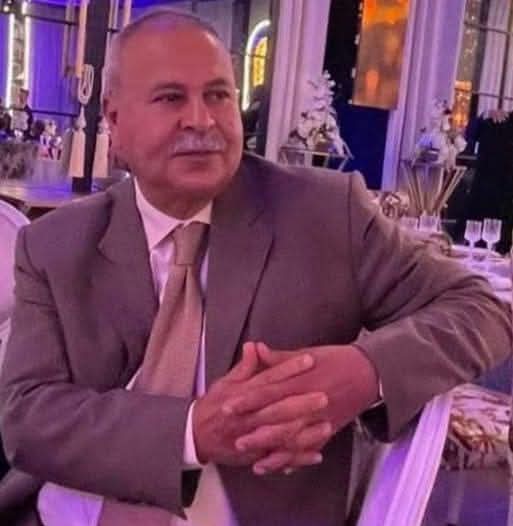
Middle aged South Asian man with reading glasses, short dark hair, and an orange and green and white collared shirt. He's standing in front of a lake with bushes and grass in the background.
Mahbub Alam

Knowledge

To the real world with the mind’s connection

What should be or not

To face anything good or bad

Wrong or right

Presents unseen

To the conscience with the light to justice

No other than human being it possesses

It is set up to live better in life

Like the starry light on the garden

The smooth way to go

The world is decorated in such a way

We think and make our own design

Not to see the devastation on Gaza

Or other country’s death in fight

Or in racial conflict in our country or others

Or in starvation in Africa

Let all the birds die and only we live

Knowledge, how are you always being used to lead? 

Md. Mahbubul Alam is from Bangladesh. His writer name is Mahbub John in Bangladesh. He is a Senior Teacher (English) of Harimohan Government High School, Chapainawabganj, Bangladesh. Chapainawabganj is a district town of Bangladesh. He is an MA in English Literature from Rajshahi College under National University. He has published three books of poems in Bangla. He writes mainly poems but other branches of literature such as prose, article, essay etc. also have been published in national and local newspapers, magazines, little magazines. He has achieved three times the Best Teacher Certificate and Crest in National Education Week in the District Wise Competition in Chapainawabganj District. He has gained many literary awards from home and abroad. His English writings have been published in Synchronized Chaos for seven years.

Poetry from Imran Khan

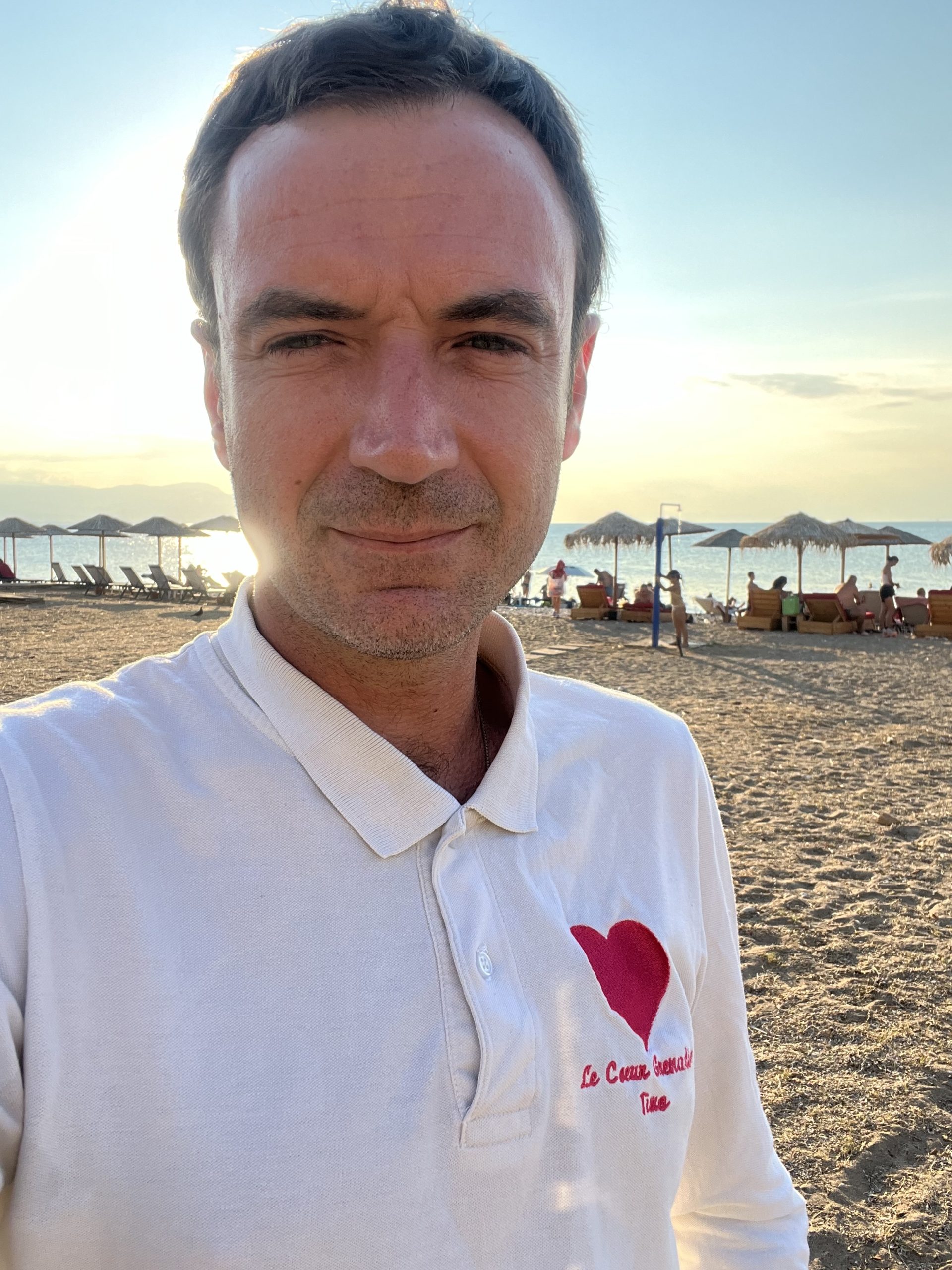
Middle aged South Asian man with short dark hair, beard, and mustache and a gray, black, white and red sweater standing in a field of grass at dawn or dusk.

New oath 

New year anew 

calling again, 

Forgetting past memories 

Be careful now. 

As wrong as before 

Clean it up, 

First for the country 

go ahead. 

In a new day of new light 

Take a new oath, 

No matter how many obstacles come 

No one will be misled. 

Name: Imran Khan Raj 

Writer And Journalist.

Alumni, B.B.S., Padma Government College, 

Dohar, Dhaka, Bangladesh. 

Imran Khan Raj was born on 12th October to a noble Muslim family in Dohar Upazila of Dhaka District In Bangladesh. He Passed HSC from Government Padma College of Dohar Upozila and completed graduation from the same college. Later, he enrolled in Masters in Management Department at Sheikh Borhanuddin Post Graduate College, Dhaka, Bangladesh.

So far, many stories, rhymes, poems written by him have been published in various newspapers and magazines. His favorite hobby is writing.

His published collective poetry books are – 71’s Raktasnat Bangla, Padma, Konkhane Rakhib Pranaam, Shrestha Bickeler Kavita, Bhasha Shahid, Diganter Neelima, Susheel Kavyasambahar, Humanity’s Demand and his published collective story book is – Nagar Phul.

The e-books published by Imran Khan Raj are destination unknown, motivation to move forward, illuminated rhymes. More of his books are on the way.

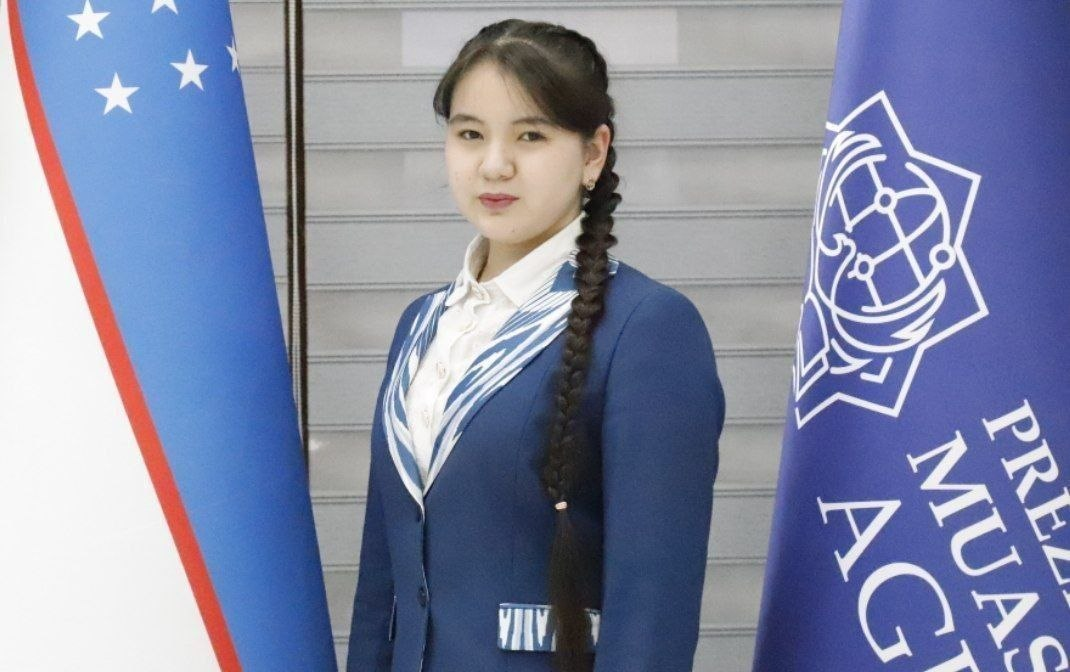
Essay from Ruziyeva Sitora Odil qizi

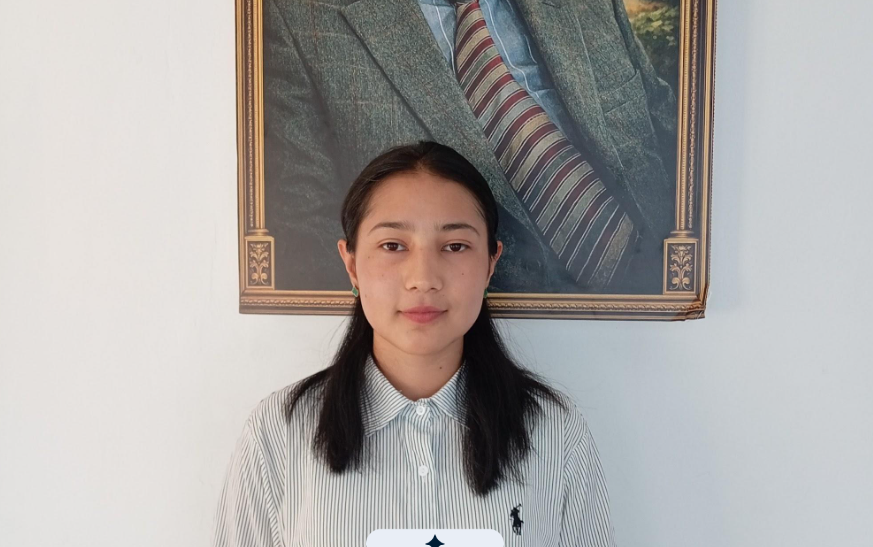
Young Central Asian woman with long slightly curly dark hair, brown eyes, a black topo and a wristwatch.

Why is English considered a Global Language?

National University of Uzbekistan
Faculty of Foreign Languages and Philology
Department of Philology and Language Teaching (English)
Student of Group 2505, Ruziyeva Sitora Odil qizi

Annotatsiya: Bugungi globallashuv davrida ingliz tili faqatgina oddiy muloqot vositasi emas, balki butun dunyoni bog‘lovchi tilga aylangan. Ushbu maqolada ingliz tilining dunyo tili sifatida shakllanish sabablari, uning tarixiy ildizlari hamda sabablari, uning tarixiy ildizlari hamda zamonaviy jamiyatdagi o‘rni yoritilgan. Aynan shu til orqali xalqlar o’rtasida bilim almashinuvi, madaniy yaqinlashuv va xalqaro hamkorlik ishlari amalga oshirilmoqda.

Kalit so‘zlar: ingliz tili, globallashuv, dunyo tili, xalqaro muloqot.

Abstract: In today’s era of globalization, the English language is not merely a simple means of communication, but has become a language that connects the entire world. This article examines the reasons behind the formation of English as a global language, its historical roots, and its role in modern society. Through this language, the exchange of knowledge between nations, cultural rapprochement, and international cooperation are actively carried out.

Keywords:  English language, globalization, global language, international communication, cultural integration.

Аннотатция: В современную эпоху глобализации английский язык является не просто средством повседневного общения, но и превратился в язык, объединяющий весь мир. В данной статье освещаются причины формирования английского языка как мирового языка, его исторические корни, а также его роль в современном обществе. Именно через этот язык осуществляется обмен знаниями между народами, культурное сближение и развитие международного сотрудничества.

Ключивие слова: глобализация, английский язык, мировой язык, международное общение, культурный обмен

      Introduction. In today’s rapidly developing era of globalization, languages play a crucial and leading role in communication among people. Among them, the English language holds a special place and is currently used as the primary means of international communication in many countries around the world. According to statistical data, the number of English speakers has exceeded 1.5 billion, making it one of the most widely spoken languages globally. The use of English as one of the main working languages in major international organizations such as the United Nations, the European Union, and the World Trade Organization clearly demonstrates its global significance. Moreover, a large proportion of contemporary scientific publications, modern technological developments, and internet content are produced in English.

The renowned linguist David Crystal, discussing the English language, states that “the language associated with powerful political and economic centers is the one that achieves global leadership.” In addition, the relatively simple structure, flexibility, and ease of learning of the English language have made it more accessible compared to many other languages.

In Uzbek literature, the power and importance of language have also been strongly emphasized. The great thinker Alisher Navoi promoted the idea that “respect for language is respect for the nation,” viewing language as the most valuable asset of a people. Today, learning English serves as an important tool for acquiring knowledge, understanding the world, and developing intercultural communication. Indeed, learning and knowing languages is never a burden for individuals; the more languages a person knows, the broader their worldview becomes.

     Review of the Literature

  1. Crystal, David (2003). In English as a Global Language, the author states that the emergence of English as a global language was mainly influenced by the political and economic dominance of the British Empire and the United States.
  2. McCrum, Robert (2003). In The Story of English, McCrum explains that the adaptability of the English language and its ability to quickly adopt new words played a key role in its development as a global language.
  3. Ethnologue Research (2022). According to Ethnologue, English is spoken by approximately 1.4 billion people worldwide as either a native or a second language.
  4. UNESCO Reports. UNESCO reports indicate that 60–70 percent of scientific articles are published in English, which highlights the leading position of English in the field of science.
  5. Graddol, David (2006). In his work English Next, Graddol demonstrates with evidence that English holds a dominant position as the language of the internet, technology, and international education.

Research Methodology

This study is aimed at scientifically examining the process through which the English language has developed into a global language, its historical roots, and its role in society on a global scale. In the course of the research, a theoretical and analytical method was employed. Through this method, scholarly literature on the formation of English as a global language, the views of linguists, and contemporary research findings were thoroughly analyzed.

In addition, a sociolinguistic approach was used to investigate the functional roles of English in modern society, including its use in international communication, science, education, cultural exchange, and information technology. This approach serves to demonstrate that English functions as an important tool for the exchange of knowledge and mutual understanding among different nations and cultures.

The study also applies a comparative method, through which English is compared with other widely spoken languages. This allows for a scientific examination of the simplicity, adaptability, and rapid global acquisition of the English language.

As the methodological foundation of the research, theories concerning the close relationship between language and society were taken into account, along with ideas found in Uzbek literature regarding the role of language in the life of a nation and its culture. In particular, the concept of respect for language put forward by the great writer Alisher Navoi is considered an important theoretical perspective for understanding the significance of the English language in the modern world.

 Analysis and Results

The results of the analysis indicate the following:

  1. The English language has become firmly established as a global means of communication through political and economic influence on a worldwide scale.
  2. The dominance of English in the fields of science, technology, and business has positioned it as an essential international tool.
  3. The spread of the English language through culture and media plays a significant role in shaping global social and cultural dynamics.
  4. As a result, English is used not only as an official international language but also as a universal means of communication across numerous fields.

Conclusion

This article examined the status of the English language as a global language. Today, English is considered one of the most important languages on a global scale, as it facilitates effective communication in the fields of international interaction, science, education, and technology. Learning English is a key factor in personal development, professional growth, and competitiveness in the global arena. The research focused on identifying the problem of the global spread of English and the factors contributing to it.

The results of the analysis indicate that political and economic power, dominance in science and technology, as well as dissemination through culture and media have significantly contributed to the formation of English as an international means of communication. On this basis, it has been confirmed that English is not only effective in international communication but also serves as a practical and efficient tool across various fields.

Furthermore, the widespread global use of English continues to strengthen its position worldwide. The rapid development of information technologies, the expansion of international education programs, and the growing demand for highly qualified professionals in the global labor market have made proficiency in English a necessity. From this perspective, mastering the English language plays an important role in broadening the worldview of the younger generation and shaping them into competitive specialists who meet the demands of the modern world. Therefore, the scientific study of the factors that reinforce the status of English as a global language remains a relevant and essential task today.

References

  1. Jalolov, J. J. (2012). Methodology of Teaching Foreign Languages. Tashkent: O‘qituvchi Publishing House, pp. 45–47.
  2. Iriskhulov, M. T. (2009). Introduction to Linguistics. Tashkent: Fan Publishing House, pp. 112–114.
  3. Turakulov, A. (2015). The Importance of Learning the English Language. Tashkent: Ma’naviyat Publishing House, pp. 27–29.
  4. Rahmatullayev, Sh. (2010). Fundamentals of Modern Linguistics. Tashkent: University Publishing House, pp. 89–91.
  5. Khudayberganova, D. (2018). Language and Society. Tashkent: Academic Publishing House, pp. 63–65.
  6. Yuldashev, B. (2016). Language and Speech Culture. Tashkent: O‘qituvchi Publishing House, pp. 18–21.

Essay from Eshpo’latova Xilola

Young Central Asian woman with long dark hair, a white ruffled blouse, and dark pants. She's standing near flowers indoors at an event.

DEVELOPING STUDENTS’ ORAL SPEECH THROUGH AUDIO-VISUAL MATERIALS IN THE PROCESS OF LEARNING FRENCH


Samarkand State Institute of Foreign Languages
Philology and Language Teaching (French)
1st year student
Eshpo’latova Khilola Davron kizi
0009-0005-9329-4347

Annotatsiya: Mazkur maqolada fransuz tilini o’rganayotgan talabalarning og’zaki nutqini rivojlantirishda audiovizual materiallarning tutgan o’rni va samaradorligi tahlil qilinadi. Bu tilni o’rganishda audiovizual vositalar talabalarning muloqot kompeteniyasini rivojlantiradi va bu til egalari bilan bo’lgan amaliy suhbatlarga tayyorlaydi. Tadqiqot davomida audiovizual materiallar, xususan, videoroliklar, filmlar, podkastlar, television ko’rsatuvlar va video ma’ruzalardan foydalanishning afzalliklari ko’rsatib beriladi.


Keywords: audiovisual materials, oral speech, pronunciation development, speech activity, educational effectiveness, authentic materials


Аннотация: В статье анализируется роль и эффективность аудиовизуальных материалов в развитии устной речи студентов, изучающих французский язык. При изучении языка аудиовизуальные средства развивают коммуникативную компетенцию учащихся и готовят их к практическому
общению с носителями языка. В ходе исследования будут
продемонстрированы преимущества использования аудиовизуальных материалов, в частности видеороликов, фильмов, подкастов, телевизионных шоу и видеолекций.
Ключевые слова: аудиовизуальные материалы, устная речь, развитие произношения, речевая активность, эффективность обучения, аутентичные материалы


Abstract: This article analyzes the role and effectiveness of audiovisual materials in developing oral speech in students learning French. Audiovisual aids in learning this language develop students’ communicative competence and prepare them for practical conversations with native speakers. The study highlights the benefits of using audiovisual materials, particularly videos, films, podcasts, television shows, and video lectures.


Keywords: audiovisual materials, oral speech, speech development, speech activity, educational effectiveness, authentic materials


INTRODUCTION
Today, due to the growing interest in the French language in many parts of the world, the use of modern methods is required in the process of learning this language. Especially one of the pressing issues is the development of speaking skills, which is the main way of communicating in a foreign language. Therefore, a number of studies are currently being carried out on improving the ability to speak orally. However, we are facing several problems in their practical application.

The main purpose of this article is to improve the ability of spoken speech among students with a particular specialty of young people studying French, to adapt them to live communication and to analyze the effective aspects of the use of audiovisual materials in the formation of the skills of not only speaking French but also thinking. The results of this study provide an opportunity to develop oral speech in the process of learning French by using audiovisual tools correctly and purposefully.

RESEARCH METHODOLOGY
This study was conducted in a practical and experimental direction, using audiovisual tools to improve students’ oral skills and develop their ability to speak independently, as if they were native speakers of the language. First of all, to analyze theoretical approaches to the topic.

Important scientific articles such as Karimov’s “The Role of Video Lessons in the Educational Process” and Jo’rayeva Mohina’s “Linguodidactic Foundations of Developing Students’ Oral Speech” were collected and studied. At the same time, international experiences were summarized based on the article “The Use of Audio-Visual Materials as Strategies to Enhance Speaking Skills among ESL Young Learners”, prepared under the global collaboration of Keeth Kthirvel and Harvati Hashim.

In the practical stage, pedagogical observation, comparison, and experimental methods were widely used. During this experiment, audiovisual materials (video clips, films, podcasts, and subtitled videos) were used in French language lessons. Changes were
observed and analyzed in depth during the lessons and exams. The methods chosen based on these observations are fully consistent with the main goal of the study and serve to determine the importance of audiovisual materials in developing the oral
speech of students learning French.

In the final stage, the useful and harmful aspects of these methods were fully studied and suggestions and recommendations
were developed for the purposeful use of the above tools.


REVIEW OF LITERATURE USED

Today, the use of audiovisual materials in modern pedagogy and education is one of the most important of the issues that is at the center of current and heated discussions. In recent years, many practical and theoretical studies have been conducted on this topic,
confirming the usefulness of these tools (audiovisual materials) in the learning process, especially in developing speaking skills.


In the scientific article of Karimova “the role of video cameras in the
educational process”. Videodars and presentations have scientifically substantiated the development of independent thinking and talkative skills. Also, in her article “Linguodidactic Foundations of Developing Students’ Oral Speech” by KarSU doctoral student Jo’rayeva Mohina, she emphasizes the use of audiovisual materials as an effective method of developing oral speech.


At the global level, Keeth Kthirvel and Harvati Hashim conducted a study on the use of audiovisual materials as strategies to enhance speaking skills among ESL students and young learners in their article “The Use of Audiovisual Materials as Strategies to
Enhance Speaking Skills among ESL Young Learners.” The article provides a scientific basis for the use of videos, podcasts, and audio-video tasks to improve students’ oral communication skills.


Studying the above studies, we can see that although the importance of audiovisual materials has been thoroughly analyzed, there is a lack of methodological approach to using these tools. This article examines this issue.


ANALYSIS AND RESULTS
The results of the experiments conducted showed that the regular and purposeful use of audiovisual materials is important in improving students’ oral speech. And it came to my stop taking into account the percentage indicators of the following experiment.

In the first stage of the experiment, two groups of New simple and experimental groups were formed from 1st year students with a homogeneous level of knowledge. In normal gruhs, classes were held in the traditional style of Experimental while in gruhi, classes were held using audiovisual materials. In 2 months of favomi, changes in these groups were monitored and deeply observed. 2
months later, an examination was carried out and their level of knowledge was assessed. According to preliminary results, 30% of students in ordinary Gruh satisfactorily underestimated the skills of oral speech.48% showed an average of while 22% of students performed low. In the case of experimental gruhi, the results
were significantly improved. Specifically, 50% of students returned satisfactory grades, 35% returned average grades, and 15% returned low grades.

According to the results obtained, the learning effectiveness in the group using audiovisual materials was higher and more effective than in the control group. In particular, students who achieved satisfactory results were 20 percent higher, while those who achieved low results were 7 percent lower. These percentages are clear evidence
that audiovisual materials are useful in developing oral speech.

This study showed that audiovisual materials are extremely necessary and useful for every student studying French. The above figures are a clear proof.


In a typical group, a large proportion of students (58%) reported a low average of 22%. This result suggests that traditional teaching methods are inadequate in the development of student oral speech. This situation was mainly explained by the limited opportunities for real-world and auditory-visual learning during the lesson.


In the experimental group, the proportion of students who showed satisfactory results reached 50%, indicating that audiovisual materials increased students’ speech activity. Through video materials and audio recordings, as well as various films and podcasts, students can better master the pronunciation, speaking style, and speed of speech in French. Furthermore, the 15% reduction in the proportion of students who performed poorly in the experimental group showed that audiovisual materials are an important pedagogical factor in the development of oral speech.

CONCLUSION
In conclusion, audiovisual materials are important in studying the natural world because they demonstrate the pronunciation, speaking style, and cultural characteristics of the French language.
Through video materials, podcasts, films, and shows, students’ vocabulary and pronunciation improve. From the results of the study, we can know that the use of audiovisual materials in the course of the lesson increases the interest of students in relation to the lesson and forms the skills of free communication. This serves as an
important foundation in tending them to a real-life environment.

It is also worth noting that these methods are an important guide in the process of interactive learning and an important factor in the development of students’ communicative skills and competencies. Pedagogical research has shown that each student should use
additional materials on the language they are learning, which will be beneficial to their perspective and their ability to communicate freely in that language. In addition, each language that needs to be learned requires regular development and work on itself. If every student uses advanced methodologies such as audiovisual materials on a regular basis, they will make great progress in this field. This is the main goal of the study.


LITERATURE USED

  1. Karimovan B. Y. Videodarslarning ta’lim jarayonidagi o‘rni // Zamonaviy ta’lim muammolari. – 2022. – №3. – B. 45–52.
  2. Jo‘rayeva M. Talabalarning og‘zaki nutqini rivojlantirishning lingvistik asoslari // Til va adabiyot ta’limi. – 2021. – №4. – B. 33–39.
  3. Khirivel K., Hashim H. The Use of Audio-Visual Materials as Strategies to Enhance Speaking Skills among ESL Young Learners // International Journal of Language Education. – 2020. – Vol. 4, №2. – P. 120–128.
    4.TV5 Monde. Apprendre le français avec des vidéos [Elektron resurs]. – Kirish rejimi: https://apprendre.tv5monde.com (murojaat sanasi: 25.12.2025).
    5.RFI Savoirs. Le français par l’audio et la vidéo [Elektron resurs]. – Kirish rejimi: https://savoirs.rfi.fr
  4. YouTube platformasi. Fransuz tilini o‘rganish uchun autentik audiovizual materiallar [Elektron resurs]. – Kirish rejimi: https://www.youtube.com