
dragon boat
drumbeats vibrate
the regatta

Bring Me the Head

By Anonymous

Mister Trillionaire today
Juggernauts the rest of us.
Cut him down to size, I say.
Bring me the head of Elon Musk.

Be no master in his pay,
follow no will-o’-the-wisp in the dusk.
lash the slaves who to him pray,
but bring me the head of Elon Musk.

Tell the predator from the prey
caught in ivory on a bloody tusk
or scatter the bones at the end of the play,
only bring me the head of Elon Musk.

Capital is here to stay.
Workers, bend your knee to Us.
Give it up! It’s bombs away!
Just give me the head of Elon Musk.

Dance on the grave of hope: it’s A
I that hollows the human husk.
Nasdaq’s the Auschwitz of our day.
It drums in the head of Elon Musk.

Stand and stare for now and aye,
comrades, or conquer for the good and the just.
Bring us victory, or make them pay!
And bring me the head of Elon Musk!
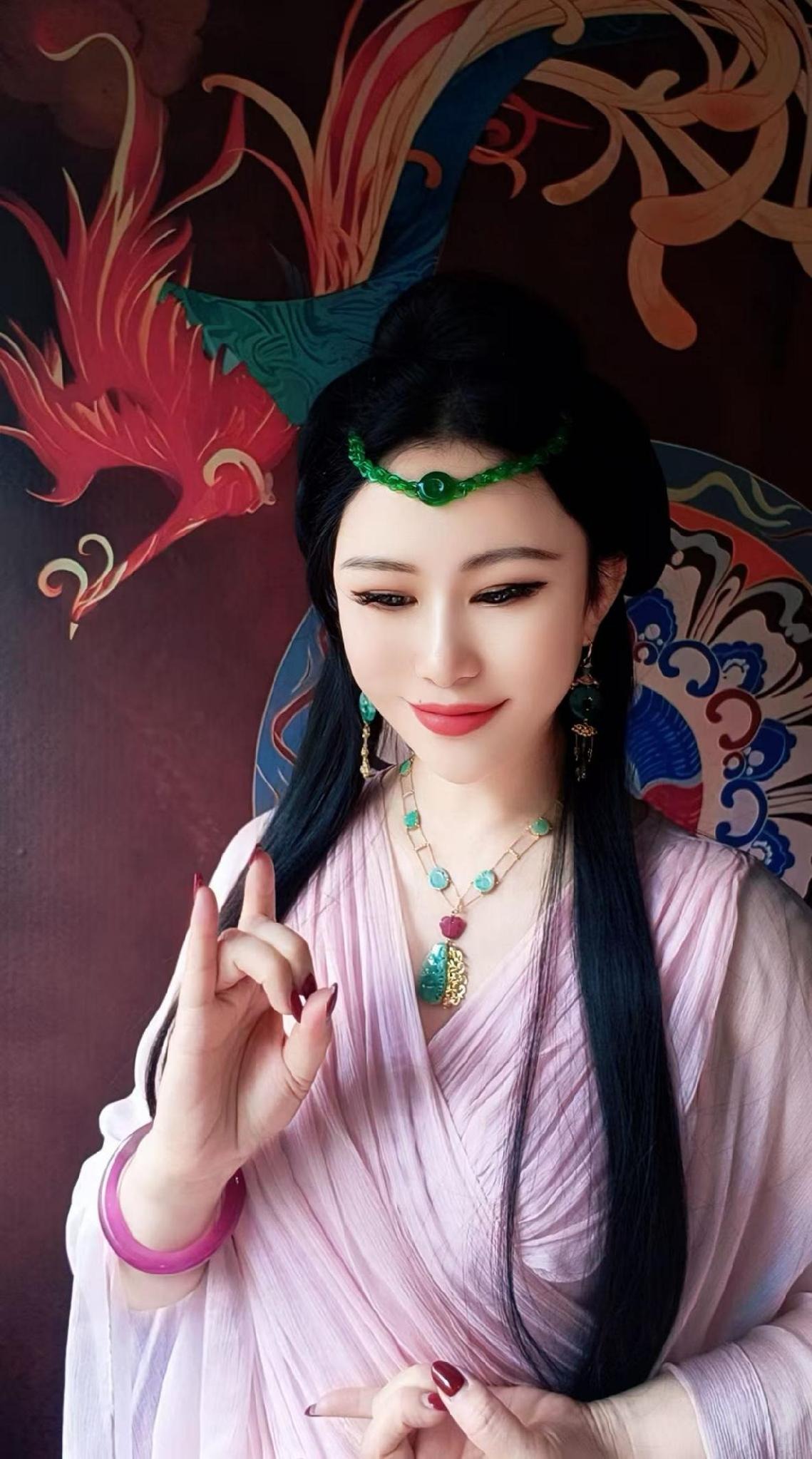
Your Love Will Eventually Come
Poet / Lan Xin (Lan Xin Sa Mei)
The hardships and perplexities encountered in life
Are often hard to embrace in the moment
Later you will suddenly realize
Everything is destined for the best
Heaven never makes you lose give up or wait without cause
It merely leads you toward something finer
I always believe
To miss someone not meant for you
Is a deliberate trial and design from above
Stay true to who you are
A better soulmate will come for you
To miss things not meant to be
Is a thoughtful test and arrangement
It sees if you can grow stronger through setbacks
Keep striving march forward and walk the right path
You will gather strength and reap remarkable achievements
May someone dear
Heal all your wounds
Settle all your grievances
Untie all your tangles
Fill all your emptiness
Make up for all your regrets
May you meet the one your heart longs for and let go of life’s unfairness
May you embrace the sweetest love and leave past sorrows behind

Dead Grandmas Are Universal
“I joined the dead grandma club.
Now that she’s gone, I feel closer to her.
I’m torn between remembering her
for the woman she was
and forgiving her
for the empty shell she became.”
Candlelight Lover
“She was my candlelight lover
but I never thought loving her
would mold me into a woman of wax.”
To all the Antidepressants I’ve Ingested Before
“Wellbutrin
I wish I could call you a fling.
Truly, I wish I’d never swallowed.
My mind had never been in such a state.
Let’s leave our memories in the past
and never speak of them again.”
These poems are excerpts from Marisa LaPorte’s recently published collection Dead Grandmas are Universal.

PART I: ENGLISH
THE ROLE OF MODERN TECHNOLOGICAL INNOVATIONS IN ENHANCING SOIL FERTILITY THROUGH THE EFFICIENT MANAGEMENT OF ORGANIC MATTER
Author: Oʻktamova Sabrina Mahmud qizi
1st-year Student of Ecology, Faculty of Geography and Agronomy, Qarshi State University, Qarshi, Uzbekistan
Abstract
Soil organic matter (SOM) and humus depletion represent major ecological and agronomic crises in arid and semi-arid agroecosystems, particularly in the irrigated lands of the Qashqadaryo region of Uzbekistan. While traditional application of raw animal manure and crop residues has been the historical norm, its efficiency is severely limited by rapid mineralization, greenhouse gas emissions, nutrient leaching, and pathogen transmission. This paper reviews and analyzes the transformative role of modern green technologies in maximizing the efficiency of organic matter to restore soil fertility. We examine advanced paradigms such as biochar-blended co-composting, microbial-inoculated vermitechnology, anaerobic digestate recycling, and nano-formulated organic carrier systems. Integrating these biotechnological advances into local agricultural systems can stabilize soil aggregates, suppress erosion, improve water-use efficiency, and facilitate carbon sequestration, paving the way for sustainable, climate-smart agriculture in Uzbekistan.
Keywords: Soil organic matter, humus recovery, biochar co-composting, vermitechnology, anaerobic digestate, nano-organic fertilizer, sustainable agriculture.
——————————
1. Introduction
Soil organic matter (SOM), primarily represented by the complex fraction known as humus, is the biological engine of soil fertility. It dictates soil structure, cation exchange capacity (CEC), water retention, and microbial biodiversity. In arid and semi-arid regions like the Karshi Steppe in Uzbekistan, high temperatures combined with intensive tillage accelerate the mineralization of organic carbon, leading to a critical decline in humus levels (often dropping below 0.8%). This depletion triggers a cascade of ecological degradation: soil compaction, salinity, loss of biodiversity, and vulnerability to wind and water erosion.
To mitigate this, returning organic matter to the soil is imperative. However, the direct application of raw organic wastes (such as fresh manure or untreated crop stalks) is highly inefficient in hot climates. Raw organic inputs undergo rapid decomposition, releasing large amounts of carbon dioxide (CO_2) and methane (CH_4) into the atmosphere while yielding minimal stable humus. Furthermore, they can introduce weed seeds, pathogens, and temporary nitrogen immobilization (due to high C:N ratios). Therefore, modern agricultural ecology must transition from simple organic recycling to advanced technogenic and biological processing of organic matter before soil application.
——————————
**2.Modern Technological Paradigms in Organic Soil Management**
2.1. Biochar-Blended Co-Composting (Biokoʻmirli birgalikda kompostlash)
Co-composting organic waste (manure, straw, food waste) with biochar (derived from pyrolysis of agricultural residues like cotton stalks) is a cutting-edge technology.
• Mechanism: Biochar acts as a porous carbon scaffold during the composting process. It adsorbs volatile ammonia (NH_3), reducing nitrogen loss by up to 50%, and physically protects composting microorganisms from temperature fluctuations.
• Impact on Fertility: The resulting biochar-compost complex is highly stable. When applied to the soil, it does not rapidly decompose, thus providing long-term carbon storage while slowly releasing nutrients to plant roots.
2.2. Vermitechnology with Customized Microbial Inoculation
Vermicomposting utilizing earthworms (e.g., Eisenia fetida) has been upgraded through the introduction of specific Plant Growth-Promoting Rhizobacteria (PGPR) and mycorrhizal fungi.
• Mechanism: Earthworms mechanically grind organic waste, while the inoculated beneficial bacteria (such as Azotobacter and Pseudomonas) enrich the worm cast (vermicompost) with plant hormones (auxins, gibberellins) and fix atmospheric nitrogen.
• Impact on Fertility: This bio-organic fertilizer significantly enhances the soil’s biological fertility, suppressing soil-borne plant pathogens and promoting vigorous root development.
2.3. Anaerobic Digestate Recycling (Biogaz digestati)
The byproduct of biogas production from animal manure and agricultural biomass, known as anaerobic digestate, is an underutilized organic goldmine.
• Mechanism: Anaerobic digestion converts complex organic compounds into highly plant-available mineralized forms (specifically ammonium-nitrogen, NH_4^+-N) while preserving the humic substances.
• Impact on Fertility: Applying liquid digestate through modern drip irrigation systems (fertigation) provides immediate organic nutrition to crops, improves soil microbial respiration, and prevents the volatilization of valuable nitrogen.
2.4. Nano-Formulated Organic Carriers (Smart Organic Fertilizers)
Nanotechnology is now being integrated with organic materials to create “smart” fertilizers.
• Mechanism: Organic humic and fulvic acids are encapsulated or bound with inorganic nanoparticles (like nano-zinc, nano-iron, or nano-silica).
• Impact on Fertility: These nano-organic complexes prevent nutrients from leaching into groundwater or becoming locked in saline soils. They release nutrients slowly, matching the exact physiological demands of the crops, thus increasing nutrient-use efficiency by over 200%.
——————————
3. Ecological and Agronomic Relevance for Qashqadaryo
In the Qashqadaryo province, where water scarcity is acute and soil salinity is widespread, these modern organic technologies are highly relevant:
1. Water Conservation: Organic carbon processed through co-composting and vermicomposting increases soil moisture retention. Every 1% increase in SOM allows the soil to hold up to 20,000 gallons of extra water per acre, crucial for the Karshi Steppe.
2.Salinity Mitigation: Humic acids from processed organic fertilizers bind excess sodium (Na^+) ions, reducing osmotic stress on cotton and wheat crops.
3. Circular Bioeconomy: Utilizing millions of tons of local cotton stalks (gʻoʻzapoya) to produce biochar and composting ingredients prevents open-field burning, reduces air pollution, and turns agricultural waste into economic assets.
——————————
4. Conclusion
The transition from traditional, raw organic manure application to advanced, technologically processed organic inputs is a vital ecological shift required for Uzbekistan’s soils. Biochar co-composting, advanced vermitechnology, digestate utilization, and nano-organic formulations represent the future of sustainable soil management. These technologies not only restore the degraded humus layer and improve soil physical and biological properties but also mitigate climate change through carbon sequestration. Implementing these practices will secure soil fertility, enhance water-use efficiency, and ensure agricultural sustainability in the face of ongoing climate changes.
——————————
References
1. Ahmad, M., et al. (2014). “Biochar as a sorbent for contaminant management in soil and water: A review.” Chemosphere, 99, 19–33.
2. Lehmann, J., & Joseph, S. (2015). Biochar for Environmental Management: Science, Technology and Implementation. London: Routledge.
3. Tang, J., Bu, H., & Liu, G. (2020). “Combined biochar and phytoremediation for remediation of contaminated soils: A review.” Journal of Environmental Management, 277, 111446.
4. Tan, X., et al. (2016). “Application of biochar-based materials in environmental remediation: A review.” Journal of Environmental Management, 168, 234–248.
5. Gulyamova, M. B. (2021). “The dynamics of soil organic matter under conservation agriculture in drylands of Uzbekistan.” Uzbekistan Journal of Agriculture and Forestry, 2(3), 44–51.
6. Lal, R. (2016). “Beyond COP21: Potential and challenges of the ‘4 per Thousand’ initiative.” Journal of Soil and Water Conservation, 71(1), 20A–25A.
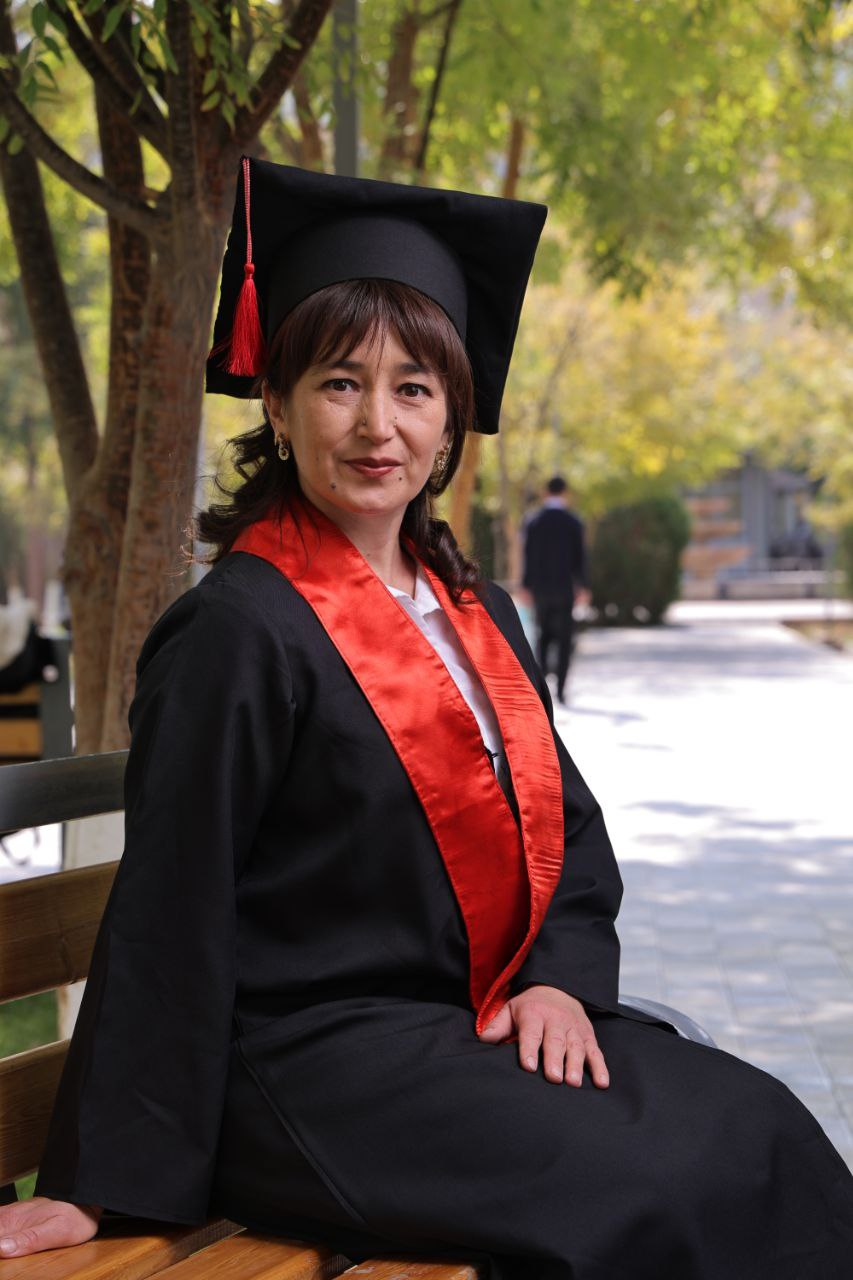
Karimova Navbaxar Mahmudjanovna
Educator at Multidisciplinary Specialized Preschool Educational Institution No. 9, Gurlan District, Khorezm Region, under the National Agency for Social Protection under the President of the Republic of Uzbekistan
A skilled teacher is a leading figure in an educational institution who harmonizes enlightenment, professional excellence, and moral values. In the educational process, teachers develop students’ intellectual abilities, patriotism, and social responsibility. This article analyzes teachers’ professional competencies, pedagogical technologies, their role in patriotic education, and their adaptation to modern educational requirements. Through practical examples and recommendations, the article demonstrates ways to achieve both personal and professional growth for educators.
Keywords: skilled teacher, homeland, future, education, patriotism, methodology, pedagogical technology, moral values, learning motivation.
Pedagogical mastery is revealed through the teacher’s professional activity. It is considered the highest level of pedagogical performance that can be achieved within a certain period and produces effective results. Pedagogical mastery is demonstrated through the successful solution of educational tasks and the creative organization of teaching and learning processes.
The teacher is responsible for organizing the educational process, understanding its principles, structure, and mechanisms. Educating, teaching, providing knowledge, and shaping learners’ personalities are among the teacher’s primary responsibilities. Personality development is one of the central concepts of pedagogy. It reflects the collaborative efforts of families and society aimed at nurturing a well-rounded generation.
Education plays a vital role in developing an individual’s spiritual qualities, beliefs, worldview, kindness, and appreciation of beauty. Every child who comes into a teacher’s care is like a blank sheet of paper. What is written on that paper largely depends on the teacher.
Children who first enter school often struggle to adapt to a new environment and may quickly lose interest in lessons. Therefore, teachers should organize engaging classes and apply diverse teaching methods to maintain students’ attention and motivation.
Teaching has always been one of the most respected professions in society. The great scholar Abu Nasr Al-Farabi described a teacher as a person who possesses wisdom, eloquence, and the ability to express ideas clearly and accurately. He further stated that the teacher’s role resembles that of a wise leader who carefully considers every action. A teacher should be fair, preserve personal dignity and honor, and strive for the highest level of humanity and knowledge.
According to Abu Ali Ibn Sina (Avicenna), a teacher should be pure-hearted, strong-willed, knowledgeable, conscientious, honest, morally upright, and skilled in educational methods.
The analysis of spiritual and educational activities in higher educational institutions reveals both positive factors and pedagogical challenges influencing students’ professional development. Certain contradictions hinder the effectiveness of educational systems. These contradictions can be divided into three groups:
Researchers identify four key components that form the foundation of pedagogical mastery:
Thus, teaching is a highly responsible and complex profession.
The primary responsibilities of teachers include:
Professional competencies include:
Modern teaching requires the use of active learning methods, including:
Teachers play a significant role in fostering patriotism through:
Continuous professional growth is essential for every teacher. This includes:
Examples of effective educational initiatives include:
A skilled teacher is one of the most important factors in shaping the future of the nation. Teachers cultivate not only knowledge but also morality, spirituality, and patriotism. Through professional competence and innovative approaches, educators prepare a generation that is knowledgeable, responsible, and devoted to their homeland. Therefore, investing in teachers’ professional development is an investment in the future prosperity of society and the nation.
Karimova Navbaxar Mahmudjanovna
Karimova Navbaxar Mahmudjanovna was born on March 25, 1984, in Gurlan District, Khorezm Region, Uzbekistan, into an intellectual family.
From 1990 to 1998, she studied at Secondary School No. 1 in Gurlan District. From 1998 to 2001, she continued her education at Gymnasium No. 6 in Gurlan District and successfully graduated with excellent academic results.
From 2001 to 2003, she studied Nursing at the Electromedical Technical College in Tashkent, the capital city of Uzbekistan, and graduated with honors.
Between 2020 and 2025, she successfully completed her Bachelor’s degree in Preschool Education at Urgench State University.
Currently, she works as an educator at the Multidisciplinary Specialized Preschool Educational Institution No. 9 in Gurlan District, Khorezm Region, which operates under the National Agency for Social Protection under the President of the Republic of Uzbekistan.
She is fluent in Russian and Turkish languages. In addition, she is currently pursuing a Master’s degree in Pedagogy at the Asian International University.
Awards and Achievements
Publications
Karimova Navbaxar Mahmudjanovna is the author of the methodological guidebook entitled “Inclusive Education in Preschool Educational Institutions.”
She has also published several books, including:
Many of her scientific articles have been published in international newspapers and academic journals.
Her article entitled “STEAM Technologies in Preschool Educational Institutions” was published in the book “Leader Women of Uzbekistan”, which was released in Türkiye. Through her professional activities, scientific research, and educational contributions, she continues to make a significant impact on the development of preschool education in Uzbekistan
My dear brothers and sisters, always by my side,
May no sorrow in our hearts reside.
Our dreams are united under one sky,
My dear siblings, may you always thrive.
Our mother is our paradise so bright,
Our father is our strength and guiding light.
Let us ease their worries and their pain,
My dear siblings, may you always remain.
They place great hopes in each of us,
May they stay healthy, without distress.
They pray for us every moment and day,
My dear siblings, may you always stay safe.
You are my everything in this world,
My pride, my patient and precious pearl.
My shield, my strength, my protection strong,
My dear father, whose love has never been wrong.
You have suffered many hardships in life,
Yet bravely endured every struggle and strife.
For your children, you gave your heart and soul,
My dear father, whose love makes us whole.
You raised us with care, never letting us fall,
Patiently guiding us through it all.
You traveled the world, near and far,
My dear father, our brightest star.
With advice and kindness, you showed us the way,
Your love is like magic that brightens each day.
May you always be honored by your children dear,
My beloved father, forever near.
Today I write songs in your praise,
My heavenly homeland, deserving of praise.
Whenever I sing of you, my heart feels delight,
My beloved nation, my homeland so bright.
Our ancestors gave their lives for your name,
Qodiriy, Cho‘lpon, and Behbudiy of fame.
May our Commander-in-Chief protect peace forever,
My beloved nation, my homeland forever.
Though I am still young, I will guard you with care,
My flourishing homeland, beyond compare.
May no enemy ever disturb your peace and light,
My beloved nation, my homeland so bright.
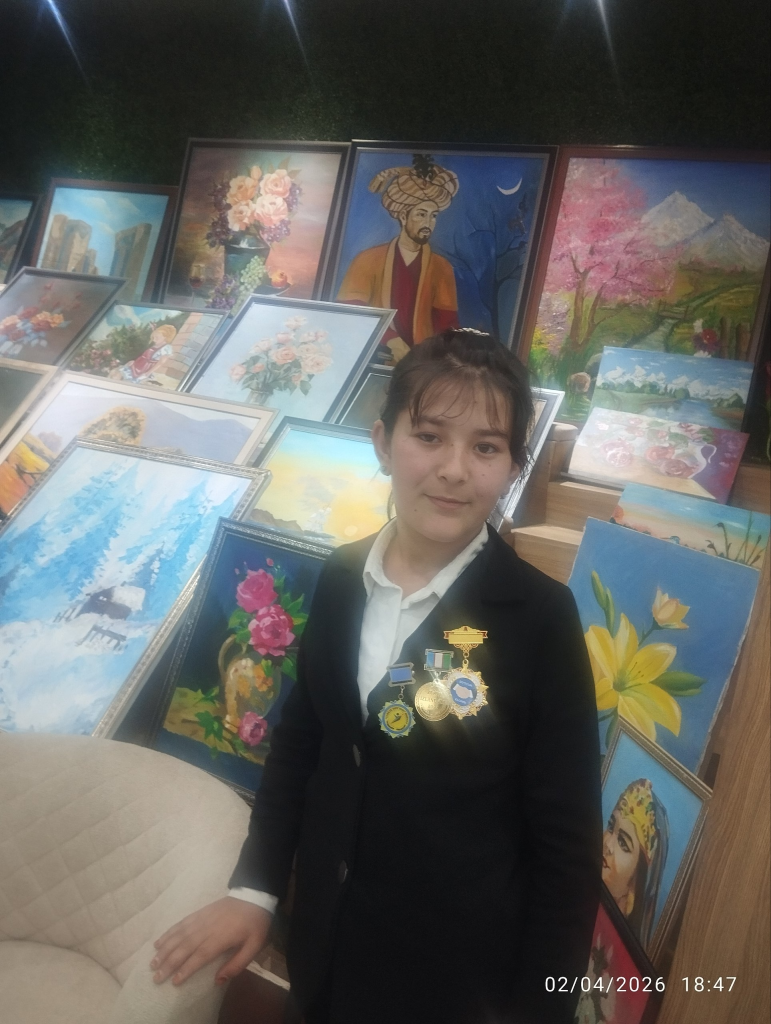
Qahramonova Zahro Qahramonovna
Qahramonova Zahro Qahramonovna was born on April 15, 2013, in O‘rmontepa village, Abziyat MFY, Shahrisabz district, Kashkadarya region, Uzbekistan.
She is currently a 6th-grade student of School No. 22 in Shahrisabz district. Zahro began her journey in poetry at the age of eight and has shown remarkable talent in literature from an early age.
Her authorial book, “Butterfly” (Kapalak ) and “You Are My Friend, Book” (Kitob mening do‘stimsan), has been published. Her poems have also been included in several literary collections, including “I Am a Child of Kashkadarya”, “Smart Researcher” (Zukko izlanuvchi), “Gift of Spring” (Bahor tuhfasi), and “Renaissance Builders” (Renesans bunyodkorlari).
Her poems and articles are regularly published in the Navqiron and Kesh newspapers. She has been a guest on the television program “Fayzli Kun” several times.
Zahro’s poems have been published internationally, including in the United States and Italy, and are indexed on Google.
She is the recipient of the “Smart Researcher” (Zukko izlanuvchi) badge and the “Friendship Ambassador” (Do‘stlik elchisi) badge.
Among her achievements:
She also manages her own creative channel called “Zaxroxon Sherlari” (Zahro’s Poetry Channel). In 2026, she was awarded the prestigious “Renaissance Builders” (Renesans Bunyodkorlari) badge established by the President. In March 2026, she was also honored with the “High Talent” (Yuksak Istedod) badge in recognition of her outstanding achievements and creative contributions.