Salivary glands are exocrine glands that secrete saliva into the oral cavity. They play an important role in the human body in digestion, moisturizing mucous membranes, protection against microbes, and serving as a source of biomarkers for research purposes. This article discusses the anatomical structure and types of salivary glands, characteristics of their secretions, the mechanism of saliva secretion, their physiological functions, as well as pathological conditions (such as inflammation of the glands, stone formation, Sjögren’s syndrome) and their clinical significance. According to research results, salivary glands perform important roles in protecting mucous membranes interacting with the external environment, initiating digestion, regulating oral microbiota, and providing useful biomarkers for diagnostics. In conclusion, the proper functioning of salivary glands is emphasized as crucial for oral and overall health.
Saliva is a liquid, primarily water-based secretion produced by the salivary glands in the oral cavity, consisting of up to 99% water, as well as various organic (enzymes, immune components) and inorganic compounds. On average, a human produces 0.5–1.5 liters of saliva per day. Salivary glands perform several essential functions for the oral cavity and the entire body: assisting in chewing and swallowing food, partially breaking down food molecules, maintaining oral microbiota and pH balance, moisturizing and protecting mucous membranes, and serving as bioindicators through secreted saliva. Despite their small size, salivary glands are biologically very important organs in the human body.
Discussion
1. Anatomical and Histological Structure:
Salivary glands are classified into major and minor glands. They include parotid, submandibular, sublingual, and other minor glands.
2. Salivary Secretion and Composition:
Saliva is a complex fluid composed of water, electrolytes, enzymes, and immune components.
Diseases affecting salivary glands include sialadenitis, Sjögren’s syndrome, sialolithiasis, tumors, and xerostomia.
5. Regeneration Prospects:
Approaches for restoring gland function are being developed through gene therapy, cell transplantation, and biomarker research.
Results
1. Salivary glands are essential for initiating digestion, protecting mucous membranes, and controlling microbes.
2. Their anatomical and histological structure is adapted to perform various functions.
3. The composition of saliva and its secretion mechanism maintain oral balance.
4. Pathologies disrupt gland functions and negatively affect oral health.
5. Research on regeneration represents a promising direction.
Conclusion
Despite their small size, salivary glands play a vital biological role in the human body. They are crucial not only for initiating digestion but also for protecting mucous membranes and defending against microbes. Additionally, saliva serves as a useful diagnostic biomarker. In the future, research on regeneration and functional restoration of salivary glands is expected to develop further.
References
1. Anatomy, Head and Neck, Salivary Glands — StatPearls, NCBI.
2. Review of the Major and Minor Salivary Glands — PMC.
3. Physiology, Pathology and Regeneration of Salivary Glands — MDPI.
4. Salivary gland function, development, and regeneration — PMC.
5. Salivary glands (Wikipedia, uz).
6. Saliva (Wikipedia, uz).
7. Pathogenesis and Molecular Genetic Aspects of Salivary Gland Tumors — CyberLeninka.
8. Serous demilune — Wikipedia.
9. Progress in Salivary Glands: Endocrine Glands with Immune Functions — Frontiers.
10. Overview of Human Salivary Glands: Morphology and Histology — Wiley.
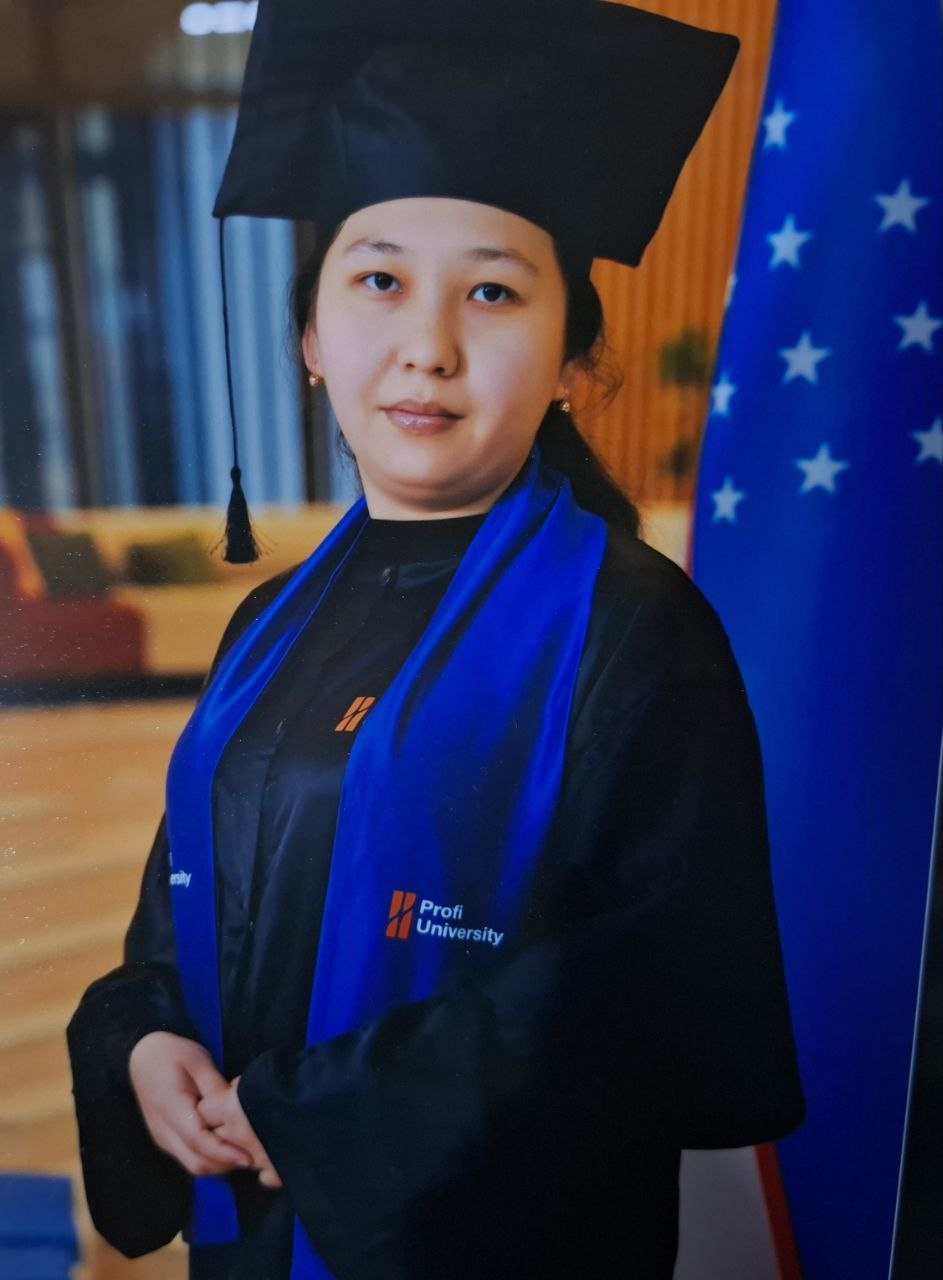
O‘roqova Nargiza, born on March 26, 2001, in Ishtikhon District, Samarkand Region. She is currently a first-year grant-funded student at Tashkent State Medical University.
Her professional activity includes working as a Biology teacher at Secondary School No. 33 in Ishtikhon District, Samarkand Region, during the 2024/2025 academic year. She graduated from Jizzakh State Pedagogical University, Faculty of Biology, in the 2020–2024 academic years. She has an excellent command of English, Russian, Arabic, and Turkish.
THE BALAKAVI VISIONARY: AN INTERVIEW WITH MR. BALACHANDRAN NAIR C.S.
BY RUPA RAO
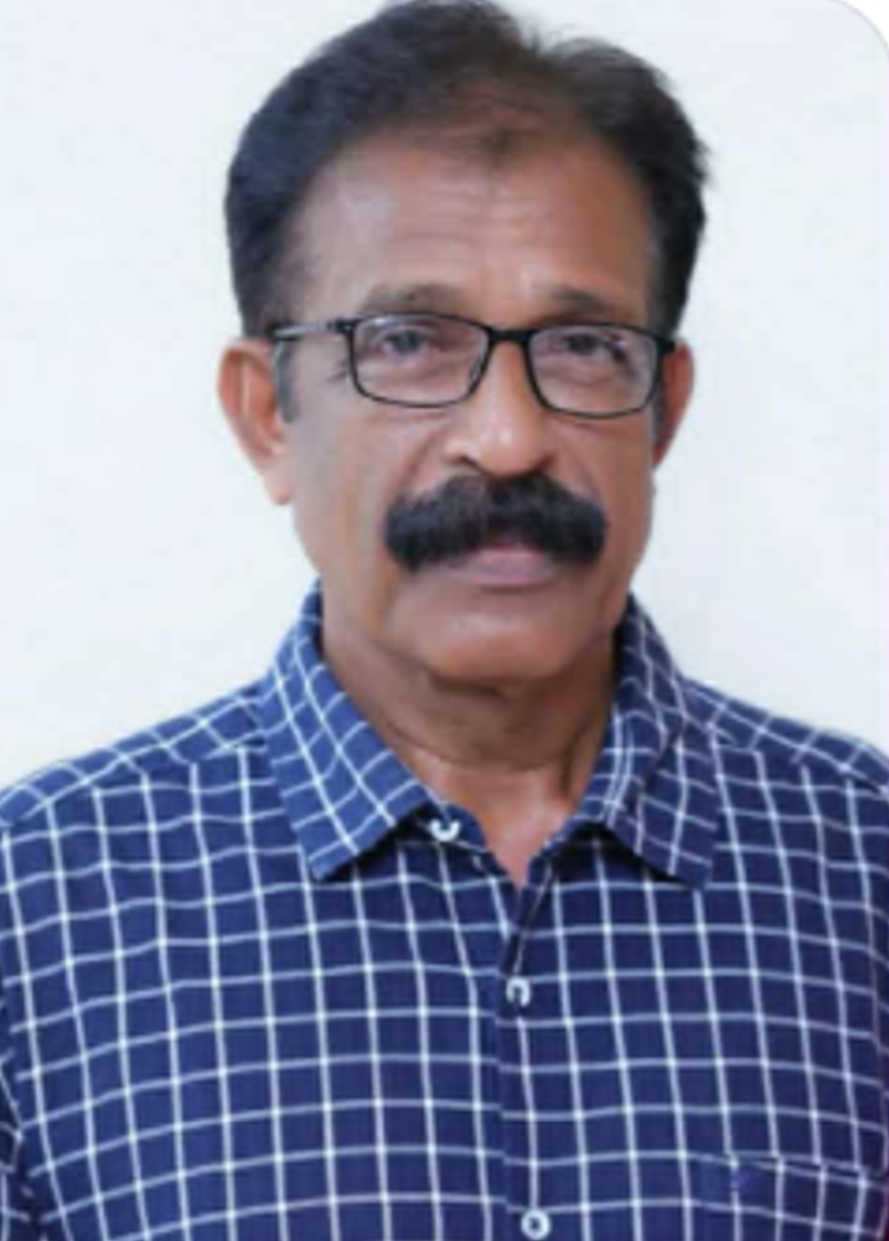
Rupa RaoBalachandran Nair
Introduction
Some individuals quietly reshape the world around them, not through grand speeches or positions of power, but through persistent acts of love, conviction, and service. Mr. Balachandran Nair C.S. — poet, mentor, retired CRPF officer, and the driving force behind the BALAKAVI School Level New Poets Initiative — is one such figure.
From a childhood shaped by hardship to a life dedicated to nurturing young voices across India and beyond, his journey is a testament to resilience, creativity, and unwavering belief in the transformative power of literature. This interview captures his story, his mission, and the extraordinary movement he has built — one child, one poem, one dawn at a time.
INTERVIEW
Q1. What inspires you to focus your energies on encouraging children across states and countries to write and recite poetry?
BN: No one knows, nor has anyone recorded, who first stood facing which direction and witnessed the beautiful dawn. Yet people still gather on hilltops and seashores to watch the sunrise. I am not the sun, a hill, or the sea, but I am still able to help literary enthusiasts witness the rising of schoolchildren as new poets—reciting poems they have written for the first time in their lives. Appearing in colourful school uniforms, sounding like chirping birds. I simply capture a small bit of their talent, cupping my palms around it like a firefly, revealing it when you open your eyes in the early morning. The happiness on children’s faces when you look at them in awe keeps me going, inspiring me to collect another firefly for your next dawn.
Q2. When and how did you come up with this concept?
BN: The 14th of November, the birthday of India’s first Prime Minister, Pandit Jawaharlal Nehru, is celebrated as Children’s Day. I received an invitation to speak to the students of Government High School, Njekkad (Kerala) on that day in 2021. From childhood, I always wanted to be different. So I made a request to the school authorities: I would collect and send poems authored by a few living poets, and the students would recite them during the celebration. In return, I promised to gift each student a poetry book. They agreed, and I collected poems and books from my Facebook friends and forwarded them to the school. The programme was a grand success—many children reciting poems by living, established poets, and those poets watching online. More than a hundred books were gifted to the students and the school library. It was then that it occurred to me: if a student writes and recites their own poem, it will benefit them in many ways. That was the first seed, and I decided to move forward with the idea.
Q3. When did you step into your creative writing phase, and how did it happen?
BN: I am from Kerala, and my mother tongue is Malayalam. I learned Tamil by reading cinema posters. My last four years of schooling were in Madras. I was obsessed with cinema and watched almost every film released at that time. Cinema articles were the first things I read in newspapers. After joining the Central Reserve Police, I hardly had time to write. But the urge to write film scripts slept deeply within me. When I received promotions and had more time, I finally sat down to write scripts—mostly at night. I wrote two or three and approached several well‑known studios between 1990 and 1992. There were promises, but nothing worked out. Later, I discovered that one of my scripts had been made into a film without credit. I ran out of the theatre crying. The same thing happened again with another script in Malayalam. That film won National and State Awards. Though devastated, I gained confidence that I can write. But I didn’t write again for fifteen years.
Q4. What is your family background?
BN: My father served in the British Indian Military. During World War II, he deserted the camp with a few friends to join the Indian Independence Movement and the INA. After independence, he returned home and became a hardcore Communist. He lost everything fighting court cases but ensured we never starved. None of us could study beyond matriculation. I lost my father in 1999 and my mother in 2004. I am from Attingal, Kerala. I married in 1977 and have two daughters, aged 46 and 44. The elder is a homemaker; the younger is a Headmistress. Both have two children each. My eldest grandchild works in IT; the others are studying.
Q5. Who inspired your love for poetry?
BN: I began using Facebook in 2016. Poet Anushka Sharma, a Punjabi settled in South Africa, was my first Facebook friend. I commented humorously on her poems, and she often said my comments outshone her writing. One day she insisted I write a poem myself. I wrote my first English poem at the age of sixty‑six.
Q6. How did you juggle writing and your career?
BN: In my early days as a soldier, I had no time or space to write. But I had access to a library and read extensively. Later, after promotions, I wrote at night. Writing film scripts was my passion.
Q7. Does anyone in your family follow in your footsteps?
BN: My youngest grandchild, Ashwin B. Nair, now fourteen, writes better than me. He published his first poetry anthology Darling Doodles in 2023 and his second, Dwelling Desires, in 2025. He attended online poetry meets with me and received appreciation from veteran poets. Now in high school, he writes during vacations.
Q8. What role does your wife play in your mission?
BN: My wife, Maheswari Amma, is a devoted homemaker. She constantly worries about my health, which suffers because I skip meals, drink little water, and hold my urine during school visits. I have undergone multiple renal stone surgeries and still undergo physiotherapy for a stiff neck caused by mobile‑phone use during the 2022 drive. As a pensioner, I spend much of my pension on travel and project expenses. She endures my endless phone calls and irregular routines without complaint. Her worries are justified… but I am not obedient. I have work to do—for the children. My dream is to give her one day free from my painful aaahhhs and woooohs.
Q9. Who supported you when you began, and who supports you now?
BN: The HaVen International literary platform, founded in 1999, was my first base. I began introducing schoolchildren through it on 1 January 2022. I contacted hundreds of poets worldwide and collected their biodata and simple poems for children to recite. The idea clicked. The 2022 programme ran for 365 days and created world records for:
· 407 New Poets introduced
· 357 living poets featured
· 87 countries involved
Certificates, prizes, and an annual function followed. After a break due to health issues, I revived the project in 2025, expanding it to include differently abled children. With HaVen inactive, I partnered with the International Academy of Ethics (IAE), led by Dr. Jernail S. Anand. The 2025 programme is broadcast daily through IAE and 21 global literary platforms.
Q10. Tell me about the children involved.
BN: Every child is a gem. In BALAKAVI, most New Poets are under ten. One school in Bangalore—East West Public School—has produced 92 New Poets, thanks to teacher Grace Sitharaman. As of 24.12.2025, 287 New Poets have been introduced in 152 days. Adding the 2022 drive, the total is 694. If all schools had cooperated, the number would be in the thousands.
Q11. What do you envision next?
BN: I run BALAKAVI single‑handedly. It is a massive daily task. If a global body that values literature, education, and peace recognizes this effort, it would fulfil my mission. Such recognition would inspire literary communities worldwide to think and act differently in a rapidly changing world.
Q12. What do you enjoy reading and writing?
BN: I love detective and fiction novels—Robert Ludlum, Stephen King, Ken Follett, Frederick Forsyth, Alistair MacLean, Wilbur Smith, Irving Wallace. I write Malayalam short stories and English poems, often with unexpected twists.
Q13. Anything more you’d like to add?
BN: I want to bring differently abled children into the limelight. Many parents hide them from society. I want to change that. And I wish I could give my wife a peaceful day… but I know that may remain a dream.
Q14. How did your partnership with IAE begin?
BN: I was introduced to IAE and its Director, Dr. Jernail Singh Anand, by Dr. Molly Joseph. Dr. Anand supported BALAKAVI wholeheartedly. He visited Kerala twice—once to distribute prizes to 100 students, and again with international scholars to meet New Poets. IAE broadcasts the programme daily, followed by 21 global platforms.
Q15. Any influencers or heroes you follow?
BN: My heroes are the children. They are like honey bees—buzzing, gathering nectar, never stinging, always singing. I simply help extract honey from their writings for the world to taste.
Q16. What dreams remain?
BN: I have published seven books—five poetry anthologies, one Malayalam short‑story collection, and one translated anthology. My poems appear in 92 books. One poem was translated into 89 languages. My dream is to continue guiding children to write and publish their own books.
* Bio of Mr. Balachandran Nair C.S.**
Mr. Balachandran Nair C.S. is a retired CRPF officer, poet, mentor, and the visionary behind the BALAKAVI School Level New Poets Initiative. Born in Attingal, Kerala, he overcame early hardships to become a passionate advocate for children’s literary expression. His work has introduced hundreds of young poets to the world, bridging cultures across 87 countries. A multilingual writer and translator, he has published seven books and contributed to over ninety anthologies worldwide. His mission remains simple yet profound: to nurture young voices, especially those often overlooked, and to spread literature, peace, and hope through the innocence of children.
Closing Note
Some people plant trees whose shade they will never sit under. Mr. Balachandran Nair plants poets.
Through his unwavering dedication, he has created a movement that transcends borders, languages, and limitations. His work reminds us that the future of literature does not lie in grand institutions, but in the small hands of children holding their first poem.
May his journey continue to inspire generations — and may the dawn he brings to young minds never fade.
Rupa Rao holds an MBA and a Law degree. She serves as an administrator at the Literary Warriors Group and as Chief Coordinator for the International Academy of Ethics. Her writings appear in global poetry anthologies, magazines, and literary platforms. She balances writing with hosting poetry sessions and author chats online. A lover of nature walks and yoga, she continually seeks to nurture her soul. She has completed an eminent author’s biography and has co‑authored, curated, and edited seven poetry anthologies and one prose work. She has also edited a novella and three poetry collections for writer friends.
Field of study: Preschool Education and Methodology
Puchon University
Master’s student in Educational Management
Types of Visual Activities in Preschool Educational Institutions
Puchon University
Field of Study: Educational Management
Student of Group 1-C
Abdullayeva Feruza Khayrulla qizi
Middle group teacher at Preschool Educational Institution No. 18,
Gulistan City, Syrdarya Region
ABSTRACT
This article highlights the role of visual activities in the comprehensive development of children in Preschool Educational Institutions (PEIs), as well as their importance in the formation of aesthetic knowledge. Visual activities contribute significantly to the intellectual, emotional, and creative growth of preschool children.
In preschool educational institutions, visual activities help develop analytical and synthetic thinking skills in children whose cognitive abilities are still insufficiently developed. Through visual activities, children are taught to perceive and represent the world through various colors, enrich their imagination, and learn to protect and care for nature and animals.
Object of the Research
The process of conducting visual activity lessons in preschool educational institutions and the observance of safety rules by teachers during the organization of these activities.
Main Part
A. Types of Visual Activities
Types of visual activities refer to the process of depicting objects, phenomena, or imagined images from the surrounding environment using various tools. This is a creative activity primarily based on visual perception and representation, and it is manifested in the following forms:
1. Drawing – Graphics and painting are widely used in preschool educational institutions within this field.
2. Sculpting – The use of three-dimensional forms. This method is applied when children create various objects using clay. It contributes to the development of fine motor skills and sensory perception. For example, children learn to distinguish between hard and soft, big and small objects.
3. Decorative and Applied Art (patterns and ornaments) – This type is mainly used with senior and preparatory group children, as they are capable of decorating with aesthetic taste. Considering the creative thinking and ability of older preschool children to create images, this activity can be effectively implemented.
White paper, colored paper, and cardboard – Essential materials for creating visual works. In preschool educational institutions, white and colored paper and cardboard are widely used in visual activities.
Handout materials – Cards or various objects appropriate to the age group and topic, which help children acquire new knowledge.
Construction sets – LEGO blocks and sets designed for assembling parts, such as Mosaic, Tangram, and the Columbus Egg. These sets enable children to learn unconventional forms of sculpting.
Herbariums – Collections of dried plants commonly used in education, scientific research, or decorative and applied art. Flowers, leaves, and various plants collected during walks with preschool children can be dried and used in creative activities. For example, dried straw can be used to create decorative fairy-tale characters or animate certain scenes.
Colored pencils – Pencils of various colors used for drawing, coloring, and creative activities. They are generally divided into three types:
1. Standard colored pencils – Wooden pencils used for coloring.
2. Watercolor pencils – Coloring tools that produce color when mixed with water.
3. Pastel pencils – Soft pencils that produce bright and vivid colors.
Porcelain dough – Due to its properties, such as softness, flexibility, smoothness, and ability to take any desired shape, it is convenient for creative activities.
In preschool educational settings, children can also be shown that natural dyes can be obtained by cutting red beetroot into pieces and applying it to paper.
Conclusion
The conducted analysis shows that through various types of visual activities, children enrich their inner world, develop aesthetic taste, learn to perceive nature and the environment, and are taught not to harm them. In addition, visual activities help children understand changes occurring in the surrounding world, including seasonal changes in nature.
Expected Results
During visual activity sessions, children learn to complete tasks in an orderly manner without disturbing others, respect one another, share learning materials, and work collaboratively. Upon completion of the activity, children experience satisfaction and joy from their own work.
References
1. Sakulina, N. R. Drawing, Appliqué, and Clay Work in Kindergarten.
2. Kamorova, T. S. Visual Arts Lessons.
3. Khasanova, T. Sh. Teaching Visual Activities. Tashkent, 2020.
4. Mahmudova, O. A., & Mahmudova, S. A. Technologies of Working with Plastic Materials in the Preschool Education System (Textbook). Tashkent, 2019.
5. Abdirasilov, S. F. Methods of Teaching Visual Arts. Tashkent, 2012.
6. Shodiyev, A. S. Preschool Education Pedagogy. Tashkent, 2018.
Kattakurgan State Pedagogical Institute Uzbek language and literature 25.03-Group student Aliyeva Zulaykho
Annotatsiya: Maqolada til va adabiyot yo‘nalishi talabalari uchun muhim bo‘lgan ifodali o‘qish praktikumi haqida,uning spetsifik xususiyatlari to‘g‘risida bayon qilingan. Bundan maqsad bo‘lajak o‘qituvchi-pedagoglarda nutqiy savodxonlikni oshirish,ifodali o‘qish ko‘nikmalarini shakllantirishdir. Nafas,ovoz va tembrdan foydalanish yo‘llari bo‘yicha tadqiqot natijalari bilan bo’lishish. Kalit so‘zlar: Mashq,ovoz,tembr,urg‘u,nafas,pauza,tadqiqot,nafas olish yo‘llari.
Аннотация: В статье описывается практика выразительного чтения, актуальная для студентов филологического факультета, и её особенности. Целью статьи является повышение речевой грамотности и развитие навыков выразительного чтения у будущих учителей. Представлены результаты исследований по использованию дыхания, голоса и тембра. Ключевые слова: Упражнение, голос, тембр, акцент, дыхание, пауза, исследование, дыхательные пути.
Abstract: The article discusses important issues for students of language and literature. The expressive reading practicum and its specific features are described. The goal is to improve speech literacy and develop expressive reading skills in future teachers. Sharing the results of research on the use of breath, voice, and timbre. Keywords: Exercise, voice, timbre, accent, breath, pause, research, respiratory tract.
INTRODUCTION
To read texts, works of art in an expressive, expressive way, it is necessary to pay attention to such physiological phenomena as Breath, pronunciation, voice, timbre-that is, the most important of these is breath. In the process of speech, breath adjustments between words and sentences arise-from the need to take a new reserve of air and restore a weakened breath.
Professor Nizamiddin Mahmudov,in his book “Culture of Teacher Speech”, cites the information that the famous ancient Greek orator Demosthenes could not speak beautifully and impressively, initially with a low voice, poor pronunciation, short breath. In social communication intervention, beautiful, clean and touching speech has always taken its place from the center of topical issues. Even today, there are such shortcomings among young speakers, that is, educators. Most of our scholars have conducted their own research on these issues. In particular, the teaching manual “Basics of expressive reading”, created by the S.Inomkhojayev and A.Zunnunov, recommended certain types of breathing exercises to improve breathing activity. In today’s study, we used an experimental study and tried to find solutions to issues such as breathing methods, how to get it right. This study was conducted among members of the community who were just starting to study speech science, and the results were obtained.
RESEARCH METHODOLOGY
In this experimental study, two high school seniors were selected, and during an expressive reading session, breathing exercises were performed in two different ways, and then the text was taught, in order to check who had a deeper breath, did not break quickly. In this, the first teenager was compared with the method of concentrating breathing through a counting exercise, and the second-with methods of collecting breathing through a abdominal pulling exercise. That is, a counting exercise is an exercise that initially counts from one to five. After one to five counts, the breath is taken and the exercise is continued again. The number is then increased to ten, followed by 15.20.25.The next abdominal pull-up exercise was also mastered by the second student. In this case, air will accumulate, filling the lungs with the abdomen pulled into it, and the resulting breath will have to be exhaled in sections. Through these two types of exercises, the skills of getting, Holding and controlling breathing correctly are generated. And proper control of breathing is the basis of expressive reading practice.
REVIEW OF USED LITERATURE
In the literature of medicine, three different types of breathing are indicated: 1.Breathing from the gift; 2.Chest – breathing through the abdomen; 3. Mixed breathing. When speaking, it is necessary to breathe smoothly, naturally without hoarseness, spend it at the request of the desired tone. In the tutorial “Basics of expressive reading”, created by S.Inomkhojayev and A.Zunnunov, the following five different breathing exercises are recommended to improve breathing activity:
1.Control exercise. In this case, it is carried out with the aim of controlling the correct intake of breath in a diaphragm-mixed way. In this case, while standing freely and pressing two ribs with both hands, a slow, deep breath is taken, and again slowly exhale. A deep breath raises the arm placed on the rib to two sides.
2.Abdominal pulling exercise. This is an exercise in pulling the abdomen up while “holding “ the air filled with the lungs. 3.Counting exercise (in which the methodology of studies was given in part). 4.Musajja ‘ exercise. In this case, the saj’ texts are pronounced freely, taking a breath in two or three places, and then a long breath is taken. In S.Karimov’s book” The culture of speech and the art of Mutola”, it is said about breathing: the correct way to breathe-release is the physical basis of sound resonance. Incorrect breathing negatively affects the sound ringing, sound polishing is impaired. By developing the skill of diaphragmatic-rib breathing and using sound amplification devices, you can improve the quality of sound and make it more resonant.
ANALYSIS AND RESULTS
Experimental research results: breath-holding skills in expressive reading of texts have tested positive through both exercises. However, it should be noted-that the second of these methods, that is, the control of breathing through a counting exercise, showed a relatively superior result. After the rehearsals, both testers were given the text of the lecture and a request was made to read it expressively. Recent results have shown that the student who breathed through the counting exercise did not make false interruptions in the text. The purpose of this was not to read the text in one breath, but to reach the point where the thought completion was given, not to “patch” the end of the text, and in this the second method prevailed. This is due to the fact that in a counting exercise, there is a gradual increase, that is, a state of holding the breath for a longer period of time, so that each breathing interval is extended. When speaking with an expression, it is recommended to do such exercises regularly, and not at that time frame.
CONCLUSION
In conclusion, the characteristic that determines the spiritual status of a person is his speech. When speech loses its affectivity, logic, clarity and purity, and expressiveness, it also spontaneously affects our level among society. And in order to increase the concentration of these signs in our speech, we need to regularly perform the exercises presented above. In order to properly control breathing, it is recommended to mention riddles in combination with the above exercises, also increasing the number in one breath. Of course, there are also special guides and exercise books for speakers, the use of which will not be of use to ourselves. The platform” you tube “also has ten” Lesson of Sukhandon ” of the speaker and singer Shuhrat Qayumov. It was also in these lessons that breathing techniques were taught in detail. Hence, the main weapon of expressive speech is the ability to control breathing.
FOYDALANILGAN ADABIYOTLAR RO‘YXATI
1.Nizomiddin Mahmudov (2009). O‘qituvchi nutqi madaniyati. Alisher Navoiy nomidagi O‘zbekiston Milliy kutubxonasi nashriyoti. 2.Nor’qul Bekmikrzayev (2007).Nutq madaniyati va notiqlik asoslari.O’zbekiston Respublikasi Fanlar Akademiyasi ‘Fan” nashriyoti. 3.R.Rasulov, Q.Mo‘ydinov (2015).Nutq madaniyati va notiqlik san’ati.Toshkent. 4.Suyun Karimov (2020).Nutq madaniyati va mutolaa san’ati.Samarqand:SamDu nashri. 5.Ziyoda Masharipova (2011).Ifodali o‘qish praktikumi.Alisher Navoiy nomidagi O‘zbekiston Milliy kutubxonasi nashriyoti. 6.Suxandonlik darslari. You Tube Registon TV. https://www.youtube.com/watch?v=G2TP8Mg_Nyw
Andijan State University Faculty of History and Social Sciences Student of Applied Psychology Tolqinova Marifatoi Shavkatjon qizi Email: aprmaaprov@gmail.com Tel:+998930759404
Annotation: This article mainly focuses on the process of upbringing, namely the essence, content, and significance of the upbringing process. The content of the article is upbringing is understood as a system of knowledge, skills, beliefs, personal qualities, character traits, and patterns of behavior that learners are expected to acquire in accordance with the set goals and objectives. The main purpose of upbringing is to form a well-rounded and harmonious individual. In other words, the primary goal of upbringing is to educate a person who is fully developed in the spiritual, scientific, moral, and social aspects.
The main task of upbringing is to ensure the purposeful development of members of society and to create appropriate conditions for meeting their various needs. When one need is satisfied, another emerges. If these needs are chosen and developed based on proper upbringing, an individual can achieve the necessary successes and levels of personal development. For example, a person who chooses the path of education and knowledge has certain needs that can be explained step by step: the first step is admission to a bachelor’s program, the second step is entering a master’s program, the third step is enrollment in doctoral studies, followed by further stages of academic and professional growth.
Keywords: educational process, content of education, essence of education, significance of education, well-rounded personality, personal development, goals of education and objectives, knowledge and skills, belief, personal qualities, behavior, social needs, continuous development, motivation, professional growth.
Аннотация:В данной статье в основном рассматриваются процессы воспитания, а именно содержание, сущность и значение воспитательного процесса. Содержание воспитания понимается как система знаний, умений, убеждений, личностных качеств, характера и поведенческих установок, которые обучающиеся должны усвоить в соответствии с поставленными целями и задачами.Основная цель воспитания заключается в формировании всесторонне развитой личности. То есть главной целью воспитания является становление личности, гармонично развитой в духовном, научном и коллективном аспектах.
Основной задачей воспитания является создание условий для целенаправленного развития членов общества, а также для удовлетворения их различных потребностей. Иными словами, при удовлетворении одной потребности возникает следующая, и если данные потребности формируются на основе правильно организованного воспитания, личность способна достигать необходимых успехов и уровней развития.В качестве примера можно привести образовательный путь личности: первая ступень — поступление в бакалавриат, вторая ступень — обучение в магистратуре, третья ступень — поступление в докторантуру, а также последующие этапы профессионального и научного роста.
Ключевые слова:воспитательный процесс, содержание воспитания, сущность воспитания, значение воспитания, всесторонне развитая личность, развитие личности, цели и задачи, знания и умения, убеждения, личностные качества, поведение, социальные потребности, непрерывное развитие, мотивация, профессиональный рост.
Introduction
Throughout the historical development of society and pedagogy, various approaches have emerged to explain the concept of upbringing. First of all, a distinction is made between upbringing in its broad and narrow senses. In the broad sense, upbringing refers to the overall influence of society on an individual, in which the process of upbringing is closely interconnected with socialization. In this context, a person’s development occurs through continuous interaction with social norms, values, and cultural traditions. In the narrow sense, upbringing is understood as the purposeful educational activity carried out by educators, which is commonly referred to as educational or upbringing work.
This approach emphasizes the intentional and organized influence of pedagogical efforts aimed at shaping an individual’s moral, intellectual, and social qualities. This article examines views and reflections on upbringing presented in the works of prominent scholars such as Jan Amos Comenius, Anton Makarenko, and Abu Nasr al-Farabi, highlighting their contributions to the understanding of the essence and significance of upbringing in human development.
Review of the Literature In his work “The Virtuous City”, Abu Nasr al-Farabi considers upbringing to be a fundamental factor in the formation of a morally perfect individual. This viewpoint is highly valid, as upbringing can be regarded as the foundation upon which knowledge is built. An individual who has received proper upbringing tends to acquire knowledge more quickly and effectively.
According to al-Farabi, upbringing plays a crucial role in developing moral virtues, intellectual maturity, and abilities that enable a person to contribute positively to society. This idea appears well grounded, since the development of such qualities indeed leads to the formation of individuals who are beneficial to society. However, upbringing should not be limited solely to these aspects; it is also essential to cultivate additional abilities in children, such as communication skills, social interaction, appropriate behavior, and the ability to speak and act suitably in different social contexts.
Jan Amos Comenius viewed upbringing as a natural, continuous, and systematic process. He emphasized that education and upbringing should be equal and compulsory for all individuals. While this perspective is partially acceptable, excessive enforcement and rigid compulsion may lead to fatigue and resistance among children. Treating all individuals identically in the process of upbringing can diminish the diversity and meaning of human life.
Every individual requires upbringing, but not in the same manner, as people differ in their personalities, needs, challenges, and developmental conditions. Therefore, forced uniformity in upbringing is inappropriate. Nevertheless, in collective and public environments, adherence to common rules and norms is necessary. Thus, when Comenius’s views are examined from both objective and subjective perspectives, they can be considered largely valid and well-founded.
Research Methodology In order to determine the effectiveness of the upbringing process, this study employs several research methods widely used in pedagogical science, including historical-pedagogical analysis, descriptive analysis, comparative analysis, and pedagogical experimentation. As the methodological foundation of the research, A. S. Makarenko’s concept of upbringing through the collective was selected.
Makarenko’s practical experience in collective education was implemented during the 1920s–1930s at the M. Gorky Labor Colony located in Ukraine. This pedagogical experiment primarily involved orphaned children, adolescents prone to delinquent behavior, and individuals belonging to socially vulnerable groups. During the research process, the participants were educated on the basis of collective labor, strict discipline, responsibility, and mutual respect.
The central idea of the experiment was that the collective, as a leading educational tool, exerts a strong influence on personal development. According to Makarenko’s theory, the harmony between high demands and respect within the upbringing process ensures effective outcomes. This approach contributed to the formation of such qualities as social responsibility, diligence, discipline, and social usefulness among the participants.
The analysis of the experimental results indicates that approximately 80–85 percent of the participants successfully achieved social adaptation and developed into individuals who found their place in society. At the same time, 15–20 percent of the participants continued to experience various social difficulties. This situation can be explained by the large number of participants involved in the experiment, the complexity of their psychological conditions, and differences in their ability to accept and respond to educational influence.
Overall, Makarenko’s methodology of upbringing through the collective demonstrated high effectiveness and was scientifically substantiated as one of the most significant pedagogical approaches for fostering social development and personal maturity. The findings of the study highlight the necessity of strengthening the role and importance of the collective within the upbringing process.
Analysis and Results During the research process, the effectiveness of the pedagogical approach based on A. S. Makarenko’s concept of upbringing through the collective was analyzed using criteria for assessing personal development. The evaluation focused on key indicators such as changes in the participants’ social adaptation, level of discipline, sense of responsibility, and skills of cooperation within the collective.
The results of the conducted pedagogical experiment revealed that approximately 80–85 percent of the participants demonstrated positive changes. Within this group, clear improvements were observed in adaptation to collective activities, awareness of social responsibility, a more positive attitude toward labor, and the development of personal discipline. These findings confirm the practical effectiveness of Makarenko’s theoretical view that regards the collective as a leading instrument of upbringing.
At the same time, the study identified that 15–20 percent of the participants did not achieve the expected level of outcomes. This result can primarily be explained by the individuals’ psychological characteristics, negative social experiences, and a low level of receptiveness to educational influence.
Additionally, the large number of participants limited the possibility of fully implementing an individualized approach during the research process.
Discussion
The discussion indicates that although the approach of upbringing through the collective demonstrates high effectiveness, applying it uniformly to all learners is not advisable. This method can fully achieve the expected outcomes only when it is integrated with individual and differentiated approaches. In this regard, the findings are consistent with the ideas proposed by Jan Amos Comenius concerning the continuous and systematic nature of upbringing.
The analysis of the results shows that the model of collective upbringing remains highly relevant within the modern educational system. It serves as an effective means of fostering social activity, self-awareness, and motivation to attain a достойное place in society. At the same time, it has been scientifically substantiated that successful implementation of this approach requires careful consideration of the learners’ individual characteristics and psychological conditions.
Conclusion
The findings of the study indicate that pedagogical activities organized through the collective play a significant role in ensuring personal development within the upbringing process. The concept of collective upbringing developed by A. S. Makarenko remains relevant and applicable in contemporary pedagogical contexts. The results of the experimental research demonstrate that upbringing based on collective activity contributes to the formation of essential qualities such as social adaptation, responsibility, discipline, cooperation, and diligence.
At the same time, the necessity of incorporating elements of an individual approach into the upbringing process has been scientifically substantiated. The limitations identified during the study highlight the need to further improve the upbringing process by harmonizing collective and individual approaches, as well as by developing methodological recommendations aimed at increasing the effectiveness of educational influence.
The outcomes of this research have practical significance for general education institutions, educational and upbringing organizations, and the training of pedagogical personnel, contributing to the overall enhancement of the upbringing process.
References
1 Al-Farabi, A. N. The Virtuous City. Tashkent: Fan Publishing House, 1993, pp. 45–52. 2.Comenius, J. A. The Great Didactic (Didactica Magna). Tashkent: O‘qituvchi Publishing House, 1975, pp. 88–96. 3.Makarenko, A. S. The Pedagogical Poem. Tashkent: O‘qituvchi Publishing House, 1988, pp. 134–156. 4.Mavlonova, R., & Vohidova, N. Pedagogy: A Textbook for Higher Education. Tashkent: Fan va Texnologiya Publishing House, 2010, pp. 201–215. 5.Xolmatova, M. Pedagogical Foundations of Personality Development. Tashkent: Nizami Tashkent State Pedagogical University, 2015, pp. 67–79.