Scripture: Hebrews 11:6 (MSG) – “It’s impossible to please God without faith. Anyone who wants to approach God must believe both that he exists and that he cares enough to respond to those who seek him.”
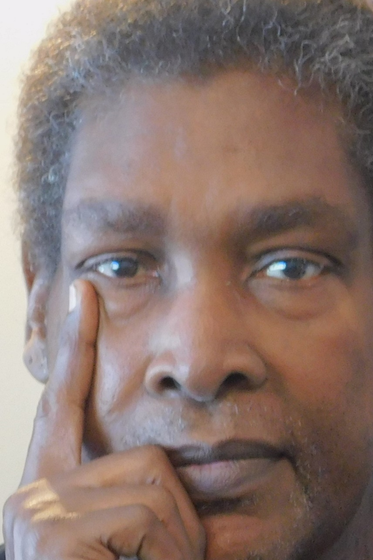
Message: My Christian walk started in childhood. I felt alone in the middle of the street, not knowing where I was to go. I was about eight or so at the time.
I remember that night and the fear and the confusion and the uncertainty. My foster mother, Dee, spoke of Jesus often. In my fear and loneliness, Jesus came to me. I thought about dying. There were many times since then that I felt alone.
The tears often fell down my cheeks. Throughout the years I always prayed for God to “Help me!” I can only describe a sense of peace and comfort as I prayed. This feeling remains with me to this day at the age of sixty-seven.
I always thought that only God could give me the sense that I was not alone when I prayed my “Help me!” prayer. The comfort and peace and wholeness was strongest in the sanctuary of my heart.
Today, no matter where I am I know Jesus is walking with me. I often return to the sanctuary of my heart seeking His comfort and peace which came that night as a child standing on the corner. It is there where I still find His comfort, His peace and His guidance for which I am most grateful.
Prayer: My Heavenly Father who created me, You have given me Your Holy Son to walk with me throughout my life. You have never forsaken me, nor have You left me to die in the streets. You have poured out Your love for me and placed it in my heart. I praise You and vow to continue to love and cherish You for all eternity.
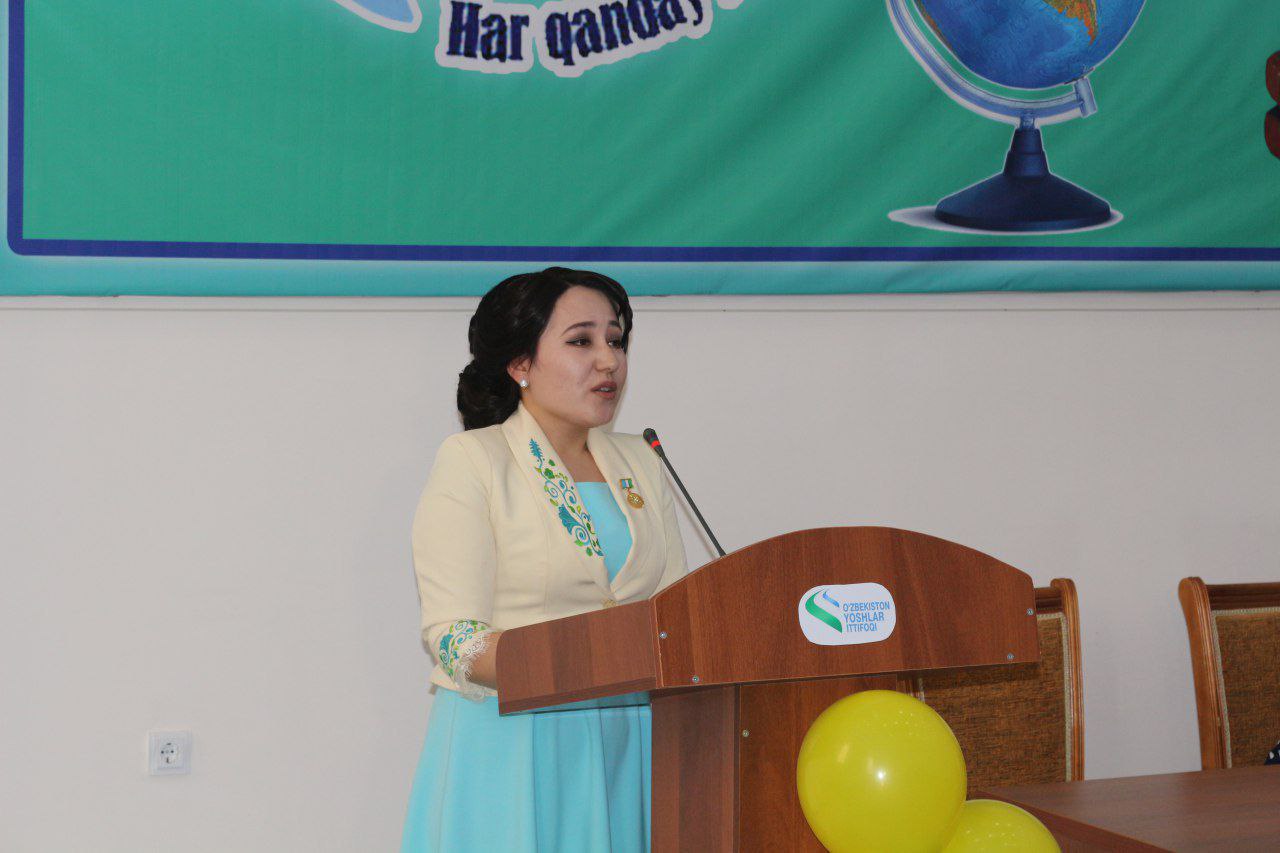
Elmaya Jabbarova was born in Azerbaijan. She is a poet, writer, reciter, and translator. Her poems were published in the regional newspapers «Sharginsesi», «Ziya», «Hekari», literary collections «Turan», «Karabakh is Azerbaijan!», «Zafar», «Buta», foreign Anthologies «Silk Road Arabian Nights», «Nano poem for Africa», «JuntosporlasLetras 1;2», «Kafiye.net» in Turkey, in the African’s CAJ magazine, Bangladesh’s Red Times magazine, «Prodigy Published» magazine. She performed her poems live on Bangladesh Uddan TV, at the II Spain Book Fair 1ra Feria Virtual del Libro Panama, Bolivia, Uruguay, France, Portugal, USA.
Everyone faces various difficulties and obstacles in their life. In such situations, a person sees himself as a helpless servant who can do nothing and becomes depressed.
So, what kind of people do you think can overcome difficult situations and endure difficulties?
“Behind every work there is good.” as they say, only people who believe in their knowledge and strength, who have full faith in their hearts, who strive forward despite any obstacles, will achieve success…
You can see someone’s life and achievements and say, “Oh, I wish I could achieve such achievements.”
But the work is not done with enthusiasm, it takes effort and self-confidence. Your goal in life is not to be like someone else, it is important to be yourself, to have your own place, your own self. In this way, working tirelessly and acquiring new knowledge will help you.
Have you set a goal, try to achieve it! You can do it! You are a successful person! Move forward to great goals in life!
Tuliyeva Sarvinoz is the winner of the state award named after Zulfia (2019). She’s a teacher of native language and literature at Shaikhontohur District Vocational School, Tashkent and the author of the poetry books “Song of Peace”, “I am a Girl of Truth”, “Morning Poem”.
------------------------------------------------------------------------------------
your dead father must be proud


flick a booger

across the room


somewhere in hell

your dead father

must be proud


i still catch a

glimpse of him

when i look in

the mirror or

i can hear him

when i start to

laugh at times


it takes everything

i have to not punch

glass or slit my throat


not every crisis

can be solved

with just a few

deep breaths


i have learned

over the years


a glass of something

strong and a woman

willing to put her heels

into the pit of your soul


can do the trick every

time
---------------------------------------------------------------------
a few years at least


trying not to stare

at this beautiful

black woman

with curves in

all the right

places


i have a little

time left before

i am truly a

dirty old man
----------------------------------------------------------------
an overpass down by the river

i am not looking

forward to dying

alone


but the odds aren't

in my favor of that

ever changing


i figure i might have

a few twists and turns

in the works,


but knowing my luck


that will include dirty

cardboard and living

under an overpass

down by the river


i'm probably a few

years away from

being a springsteen

song
---------------------------------------------------------------
where even the animals


you'd cry yourself

to sleep if you could

only find the tears


broken,

discarded


a blues song in a

gutter where even

the animals don't

dare to piss


she was this drop

dead beauty


soft, angelic skin


a laugh that immediately

made you feel safe


she'd kiss you like her

life depended on it


as usual in this too

busy fucking world


you lose touch


days become months


and one day you feel

the urge to check the

obituaries


caught dancing with

a train


holes in the carpet


tomorrow makes

no sense
---------------------------------------------------------------
agony says i love you


think of the pain

as a hug from an

old lover


she brushes her hand

across your jeans and

your heart begins to

flutter


of course,


the pain is never

like that


a large knife driven

into your soul, twisted

until agony says i love

you


they tell me i have

a high pain tolerance


not sure what good

that does me anymore


i would pray for death

but i have been disappointed

enough already


break out the watercolors


put on some john coltrane


pretend the talent is still there


how does one paint out

a depression


shallow lines on cardboard


exhaustion hopefully will win


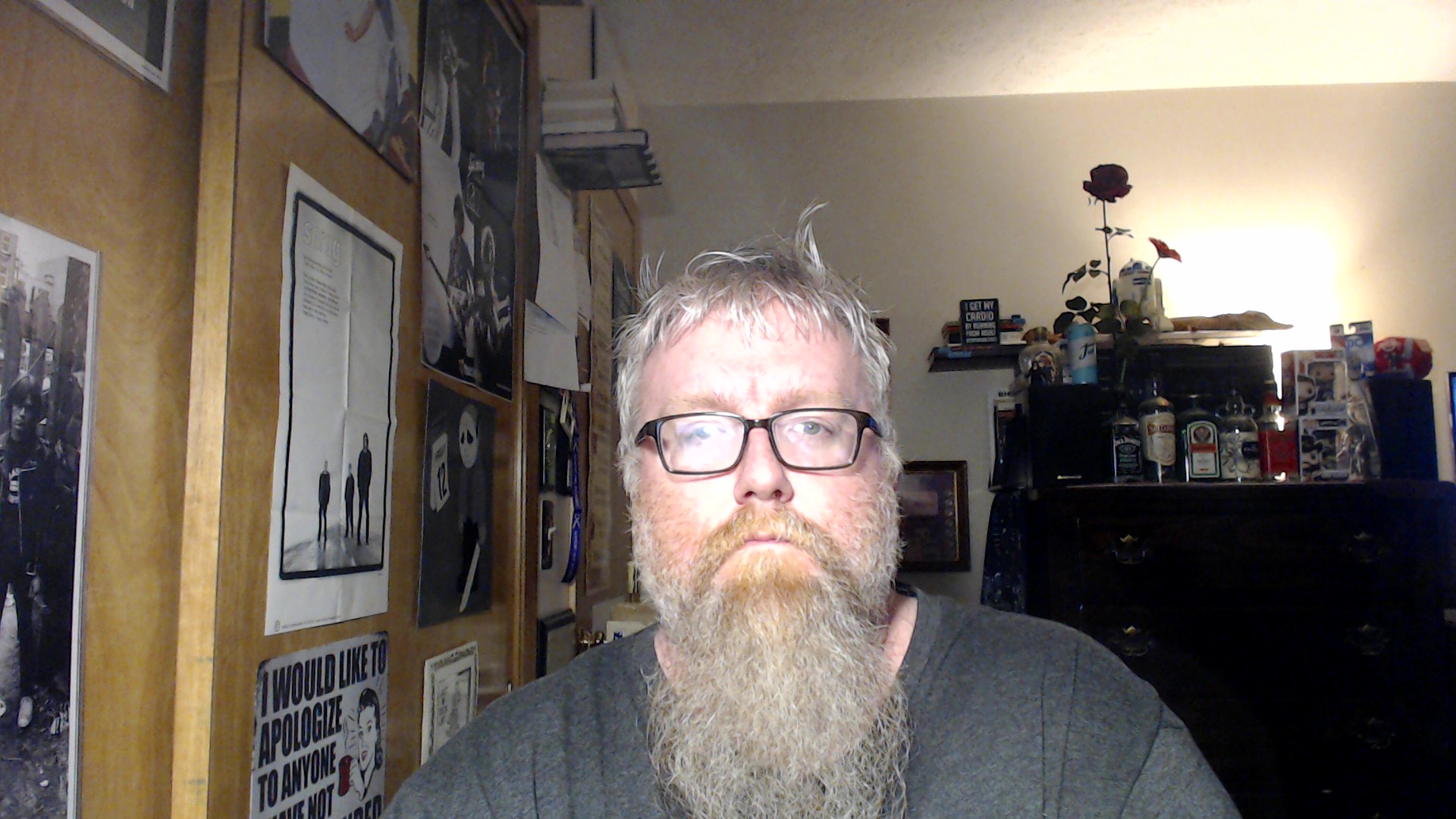
J.J. Campbell (1976 - ?) is old enough to know better. He's been widely published over the years, most recently at Horror Sleaze Trash, Mad Swirl, The Beatnik Cowboy, Disturb the Universe Magazine and The Rye Whiskey Review. His most recent chapbook, with Casey Renee Kiser, Altered States of The Unflinching Souls, is now out in the world. You can find him most days on his mildly entertaining blog, evil delights. (https://evildelights.blogspot.com)
Since time immemorial, the four elements of the world – water, fire, earth and air – have been highly revered among the people. According to the story, fire and water have their own history. Thousands of years ago, these two elements lived without conflict and respected each other. Water did not prevent the fire from burning cheerfully, did not extinguish it, and fire did not stop the water from flowing, did not evaporate it. Until feelings arise between them that other elements do not understand. This feeling that breaks the ties between them is Hate. Another elements analyzing this and the rest of they could not oppose this work, and they decided the Water that extinguished the Fire absorbed to the Earth, and the Fire that caused the Water to evaporate became incombustible without Air. Hate is such a subtle emotion that it can change the whole being. Hate is an emotion that leads to weakness and dependence and ends up being abstract. There is weakness as fire does not burn without air, and abstraction as water soaks into the soil.
Scientists say that all the objects around us are colorless. The green, red, blue and other colors that we see are all from our imagination. So, I want to say that how person looks to the environment, the environment looks like that to him. The positive and negative view is in our hands. They say that a cow collects milk and a snake collects poison from the same grass. If we make our thoughts and minds beautiful and enrich our thinking with wonderful things, we have the opportunity to make life beautiful not only for ourselves, but also for those around us. Therefore, as mentioned above, we should try to make our eyes and mind beautiful. Try what I said based on your own experience and may be you come to say “Thank you”.
Jorabayeva Ezoza Otkir was born on March 16, 2006 in Chirchik, Tashkent region. Secondary education. After graduating from the 28th general secondary school in the Qibray district of Tashkent region, in 2023 she became a student of the “Management of Culture and Art” field of the State Institute of Arts and Culture of Uzbekistan. participated with her article on the subject and was awarded with a certificate. In 2023, at the “Young border guards” military-sports competition held by the State Security Service of the Republic of Uzbekistan, she ran 100 meters and set a record with a result of 14.1 seconds, winning the nomination “The strongest girl”. 2nd place in the national stage of the “Patriots” military-sports competition among non-organized youth for the cup of the Minister of Defense under the slogan “Our National Army – in the eyes of the youth” for 2022, “Science researchers center” on December 20, 2023 took an active part in the “Student of the Year” competition, organized in cooperation with the scientific press center and the “Ziyoli pedagoglar” channel, and became the winner, awarded with a statuette and a certificate, within the framework of the 2024 neighborhood youth 5 initiative Olympiad, table tennis type of sport won the 1st place in the sector and district stages of the competition held on awarded. Her works have been published in international and republican magazines and newspapers.