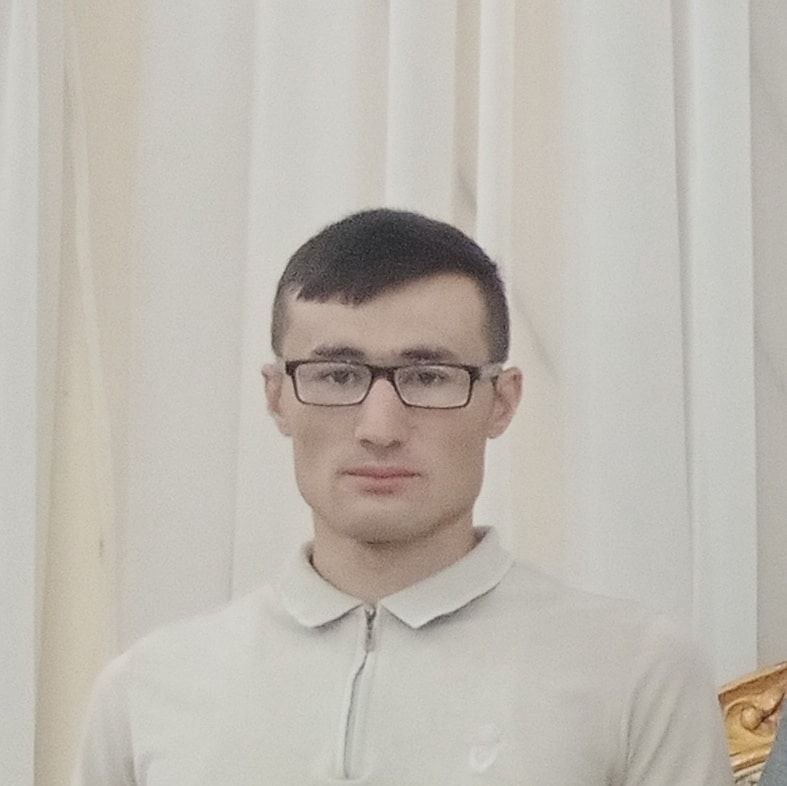
THE SYSTEM OF LEGAL INCENTIVES FOR EMPLOYING YOUNG SPECIALISTS: A FACTOR IN ENSURING LABOR MARKET STABILITY Jumayev Akmal G‘ulom o‘g‘li Student of the Public Security University of the Republic of Uzbekistan
The legal foundation of youth policy in Uzbekistan and the analysis of constitutional reforms demonstrate significant progress in strengthening the protection of youth rights. The new edition of the Constitution of the Republic of Uzbekistan, adopted by referendum on April 30, 2023, has elevated the system of youth rights protection to a qualitatively new level. Unlike the previous version, the new Constitution explicitly enshrines youth rights in a separate article.
Analysis of Article 79 of the Constitution — the “Charter of Youth Rights”: This article imposes an obligation on the state to ensure the protection of the personal, political, economic, and social rights of young people, as well as to create conditions for their active participation in the life of society and the state. From a legal perspective, Article 79 elevates the issue of youth employment from a mere social measure to the level of a constitutional obligation of the state.
Labor guarantees: Article 42 of the Constitution guarantees every individual the right to work, to freely choose a profession, and to work under fair labor conditions. For young specialists, the realization of this right is ensured through a “system of legal incentives” facilitating their transition from education to the labor market. Constitutional reforms legally confirm the transformation of the state’s role from a “passive observer” to an “active facilitator” in youth-related issues. This serves as a higher legal basis for establishing quotas and tax preferences for youth in subordinate legislation.
Socio-legal necessity of ensuring youth employment under demographic growth: Uzbekistan is currently considered one of the youngest countries in the world, with nearly 60% of its population consisting of young people. This demographic situation implies that more than 600,000 new entrants join the labor market annually.
The “first job” problem: Although graduates of higher and secondary specialized education institutions possess theoretical knowledge, they often lack practical experience, making them less competitive in the labor market. Legal mechanisms (such as preferential probation conditions) are essential to bridge this gap and protect young people from discrimination.
Labor market stability: Youth unemployment is not only an economic loss but also a social risk (including increased migration and crime). Therefore, a system of incentives for employing young specialists serves as a key tool for maintaining the balance between supply and demand in the labor market.
Elimination of legal conflicts: In practice, contradictions arise between employers’ demand for experienced workers and legal obligations to hire graduates. Before analyzing the system of incentives, it is necessary to clarify the legal meaning of the term “young specialist.”
Legal status of “young specialist” and “graduate” in national legislation: The term “young specialist” has a specific legal status closely related to, but distinct from, the concept of a “graduate.”
“Graduate” refers to an individual who has completed higher, secondary specialized, or vocational education programs. According to the Law “On State Youth Policy,” youth are defined as individuals aged 14 to 30.
“Young specialist” is a narrower legal concept, typically referring to a person who, within three years after graduation, enters employment for the first time. In some cases, this period may vary depending on the sector or program.
Connection with incentives: The status of a “young specialist” provides certain legal benefits, such as employment without a probation period and assistance in job placement. While “graduate” indicates completion of education, “young specialist” reflects entry into professional activity and eligibility for legal protection.
Distinguishing between these two concepts is important for both employers and young individuals. Employers must comply with legally established benefits when hiring young specialists, ensuring fairness and transparency in the employment process.
International Labour Organization (ILO) standards and their transformation into national law: As a member of the International Labour Organization (ILO), Uzbekistan has ratified several conventions and recommendations aimed at promoting youth employment. These standards serve as an important legal guideline for improving national legislation.
In ILO documents, “youth employment” implies not only job creation but also ensuring decent work conditions, protection of rights, and opportunities for professional growth. The ILO generally defines youth as individuals aged 15 to 24, although this range may extend to 30 in national contexts.
Key aspects include:
Conventions and Recommendations: Ratified ILO conventions (e.g., on employment promotion) form an integral part of national legislation and may have direct applicability.
Best practices: International experiences, such as Germany’s dual education system and Japan’s lifetime employment principles, serve as models for shaping Uzbekistan’s youth employment policy.
ILO standards ensure protection against forced labor, prohibition of discrimination, and the right to fair wages, reinforcing the concept of “young specialist” within both national and international legal frameworks.
Thus, the legal determination of the term “young specialist” is based on both national and international legal norms. It refers not merely to age but to a qualified individual entering the labor market who requires special legal protection. This concept forms the basis for applying all benefits and guarantees aimed at youth employment.
Incentives for employers: Ensuring youth employment requires not only providing benefits to young people but also incentivizing employers. This helps maintain labor market balance and facilitates youth employment.
Tax incentives are among the most effective tools. Legal frameworks should allow reductions in social tax rates for enterprises hiring young employees. Relevant provisions of the Tax Code of Uzbekistan (such as those related to personal income tax and social tax) may include mechanisms for granting such benefits.
Currently, these incentives may take the following forms:
Social tax benefits: Partial reimbursement or reduced rates of social tax for companies employing young specialists under certain conditions.
Income tax benefits: In some cases, enterprises implementing youth employment projects may receive tax preferences.
These measures compensate employers’ additional costs and make hiring young specialists economically beneficial, especially for small and medium-sized businesses.
Conclusion: Youth employment today is not merely an economic issue but a crucial legal element of Uzbekistan’s national security and constitutional stability. Therefore, studying the system of legal incentives for young specialists is of great theoretical and practical importance. Economic-legal mechanisms such as tax incentives, subsidies, and mentorship systems accelerate the integration of young specialists into the labor market. This system serves as an essential legal instrument for implementing state youth policy and encourages employers to invest in young human capital.
Unable to serve with honor and to earn their peace.
From the long path of life,
legs have begun to give out
and to create problems for the body,
and to inflict pain in the soul of my being.
My dear old age, you come to me from behind,
go, I beg you, away.
I know that you come for what is yours
and I know that this body is yours.
Do not torment my soul,
which does not belong to you,
let it go, to let the light pass its rays
and to allow the heart a rest.
Oh, my dear old age,
must you come to me right now.
Know that it drives a knife into my heart.
Oh, old age, my dear old age.
Maja Milojković was born in Zaječar, Serbia. She is the deputy editor at “Sfairos” publishing house in Belgrade, Serbia. She is the vice-president of the association “Rtanj and Mesečev poetski krug”. She is the author of 2 books: “The Circle of the Moon” and “Trees of Desire” She is the editor of the International Anthology “Rtanjski stihopevi” One of the founders of the poetry club “Area Felix” from Zaječar, Serbia and the editor of an international e-magazine for creative literature and culture “Area Felix”.
NEW TYPES OF VIRUSES. THEIR DANGERS AND PREVENTION
Urokova Nargiza daughter of Sherali
1st year student of the Faculty of Medicine, Tashkent State Medical University
ABSTRACT
The article analyzes the causes of the emergence of these new types of viruses and the problems associated with human factors. After the COVID-19 pandemic, the rapid mutation of viruses and the emergence of new strains is a global problem. The article covers the ways of transmission of viruses, their effects on the body and the severity of the disease. , the importance of vaccination and preventive treatment, obtaining immunity – the importance of observing personal hygiene rules. In this, researchers serve to update the monitoring and management of a healthy lifestyle among the population.
In recent virology and epidemiology, the evolution of strains and the emergence of new strains are a serious problem for the global health system. The high level of mutational activity of viruses changes pathogenicity, the process of spread and epidemiological support, adapting to new infectious conditions. This was especially evident after the COVID-19 pandemic, which confirmed the ability of viruses to adapt to new variants in a short time and spread around the world. In modern conditions, in-depth study of the mechanisms of origin of viruses, biological problems and their subsequent pathophysiological effects on the human body has a great scientific and practical impact. At the same time, the development of measures for the prevention of diseases, early and effective treatment of viruses remains one of the stable directions of science.
MAIN PART
Understanding viruses:
Viruses are non-cellular, very small infectious agents that reproduce only inside the cells of a living organism. They are obligate intracellular parasites, that is, they cannot independently carry out their vital activity. Viruses structurally consist of genetic material (DNA or RNA) and a protein shell – capsid – surrounding it. Some viruses also have an additional lipid shell. Viruses have unique biological properties; when they enter a cell, they control its genetic apparatus and force it to synthesize new virus particles. As a result of this process, the cell’s activity is disrupted or completely destroyed. Viruses are causative agents of various diseases. For example, diseases such as influenza, measles and hepatitis B are caused by viruses. They can be transmitted to the human body through airborne droplets, blood, food or direct contact. One of the unique properties of viruses is their rapid changeability, that is, their tendency to mutation. This leads to the emergence of new virus strains and the further complication of existing diseases. Therefore, the study of viruses, the analysis of their structure and life cycle is one of the important directions of modern medicine.
Bird flu (type A influenza, H5N1)
Type A influenza viruses are found in both humans and many animals and mutate very quickly. In 2009, it was this type of virus, H1N1, that caused a global pandemic and killed more than 280,000 people worldwide in its first year. This virus is known as “swine flu” and was first identified in pigs in Mexico.
The experience with swine flu today is increasing concerns about bird flu. Because type A influenza viruses have the ability to jump from animals to humans, mix with each other, and form new and more dangerous forms. Therefore, in recent years, experts have been paying special attention to the H5N1 bird flu virus. The virus was first reported in humans in southern China in 1997. It spread to several countries through wild birds. In 2024, it was first detected in dairy cattle in the United States, spreading to several states.
The virus’s jump from birds to mammals, such as cattle, is a major concern for experts. It could be a repeat of the 2009 swine flu outbreak. Studies have also shown that it has been transmitted from cows to humans.
Infectious disease doctor Patrick Jackson said that in 2026, scientists will closely monitor whether the H5N1 virus has reached the stage of human-to-human transmission. If the virus reaches this stage, it could cause a new global pandemic, like swine flu. Currently, existing flu vaccines do not fully protect against H5N1, and experts are working on new vaccines against this virus.
Mpox
Previously known as “monkey pox”, the mpox virus was first identified in the 1950s. It mainly spreads among rodents and occasionally infects humans. Mpox is similar to smallpox and causes a fever and a painful rash that lasts for several weeks. There are two main types of the virus: clade I, which is more severe, and clade II, which is milder. There is a vaccine for mpox, but there is no effective treatment.
In 2022, clade II mpox spread globally, reaching more than 100 countries where the virus had not previously been reported. Spread occurred through close physical contact, including sexual contact. Since 2024, there has been an increase in clade I mpox cases in Central Africa. As of August 2025, four cases of clade I mpox have been identified in the United States, including in people who had not traveled to Africa. It is not yet clear how mpox will develop in 2026.
Oropouche
This virus is transmitted by insects. It was first identified in the 1950s on the island of Trinidad. The virus is transmitted by mosquitoes and very small biting flies, which are invisible to the naked eye. The disease is accompanied by fever, headache and muscle aches, and in some cases, weakness can last for several weeks. Sometimes the disease recurs after recovery. There is no specific treatment or vaccine for the virus. Previously, the spread of the infection was limited to the Amazon region. However, since the 2000s, cases have also been detected in South America, Central America and the Caribbean. In the United States, it is more common in tourists returning from abroad. In 2026, the Oropouche virus could pose a risk to travelers to the United States. The insects that carry the virus are also found in North and South America, including the southeastern United States.
Other viral threats
There are many viruses that could pose a threat to human health in 2026. One of them is the chikungunya virus. This virus is transmitted by mosquitoes and has been spreading rapidly in various regions in recent years. It is considered especially dangerous for those traveling to tropical and subtropical regions. Vaccination against this virus is recommended in some countries.
In addition, against the background of declining vaccination rates, measles cases are increasing in the United States and other regions of the world. Measles is highly contagious and can cause serious complications in unvaccinated children and adults. Another worrying situation is the possibility of a resurgence of HIV infection. Experts attribute this to the interruption of international financial and medical assistance programs in some regions. If treatment and prevention programs are disrupted, the risk of a large-scale spread of the virus increases.
Viruses often jump from animals to humans or appear in new areas due to climate and environmental changes. Experts say that in order to prevent such risks, it is necessary to strengthen constant epidemiological surveillance, develop new vaccines and effective treatment methods.
The effect of viruses on the human body:
Viruses are obligate (obligatory, necessary, able to live only in such conditions) intracellular parasites, which are able to multiply only inside living cells. After entering the human body, viruses bind to special receptors on the cell membrane and enter the cell, introducing their genetic material (DNA or RNA).
As a result, the normal metabolic processes of the cell are disrupted, and the synthesis of virus components begins. This leads to structural and functional damage to the cell, and in some cases, its death.
The effect of viruses on the body depends on their biological properties, virulence and the state of the body’s immune system. Some viruses damage the respiratory system, while others affect the nervous system, liver or blood cells. For example, the influenza virus mainly affects the respiratory system and causes inflammation, while the hepatitis B virus damages liver cells. In response to a viral infection, the body develops immune responses. During this process, lymphocytes become activated, produce antibodies, and try to destroy the virus. However, in some cases, excessive activation of the immune system can lead to additional tissue damage
Clinically, viral infections are manifested by various symptoms: fever, general weakness, muscle pain, the development of inflammatory signs and functional disorders. Some viruses cause acute diseases, while others can be chronic and cause the development of long-term complications. Therefore, a thorough study of the pathogenesis of viruses is important for improving diagnostic, treatment and preventive measures.
Prevention of viral infections:
Prevention of viral infections is one of the important areas of modern medicine, which includes a set of preventive measures. First of all, compliance with personal hygiene rules is a key factor in reducing the spread of viruses. Regular hand washing with soap, the use of antiseptic agents and avoiding direct contact with dirty surfaces significantly reduce the risk of infection.
Also, to prevent airborne transmission of viruses, it is recommended to wear masks in public places, ventilate rooms frequently and avoid crowded places as much as possible. Reducing contact with the source of infection is an important component of epidemiological control.
One of the effective methods of prevention is vaccination. Vaccines create artificial immunity in the body, forming protective mechanisms against viruses. At the same time, leading a healthy lifestyle, proper nutrition, physical activity and sufficient rest increase the body’s resistance to viruses by strengthening the immune system.
In addition, compliance with sanitary and hygienic requirements, ensuring food safety and regular medical examinations are important in the early detection and prevention of viral diseases. Therefore, the comprehensive implementation of preventive measures is effective in reducing the spread of viral infections.
LIST OF REFERENCES:
1. Jawetz Ernest, Melnick Joseph, Adelberg Edward Medical Microbiology. New York: McGraw-Hill, 2019. – In English.
2. Murray Patrick, Rosenthal Ken, Pfaller Michael Medical Microbiology. – Philadelphia: Elsevier, 2020. – In English.
3. Ryan Kenneth, Ray George 1. Jawetz Ernest, Melnick Joseph, Adelberg Edward Medical Microbiology. – Sherris Medical Microbiology. – New York: McGraw-Hill, 2018. – In English.
4. Madigan Michael, Bender Kelly Brock Biology of Microorganisms. – USA: Pearson, 2021. – In English.
5. World Health Organization Virus infections and prevention guidelines. – 2023. – In English.
6. Centers for Disease Control and Prevention Principles of Epidemiology and Viral Diseases. – 2022. – In English.
7. Abdurakhmonov A., Khudoyberdiyev T. Microbiology, virology and immunology. – Tashkent: Uzbekistan, 2021. – In Uzbek.
8. Karimov Sh., Rasulov I. Fundamentals of medical microbiology. – Tashkent, 2020. – In Uzbek
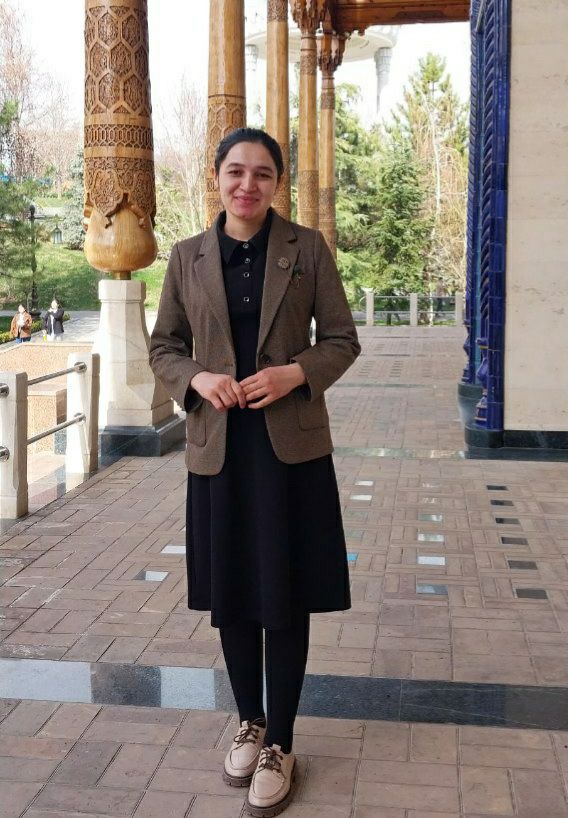
O‘roqova Nargiza was born on March 26, 2001, in the Ishtikhon district of Samarkand region. She is currently a first-year grant-based student at Tashkent State Medical University.
Her professional career includes working as a biology teacher at School No. 33 in the Ishtikhon district of Samarkand region during the 2024–2025 academic year. She graduated from the Faculty of Biology at Jizzakh State Pedagogical University in the 2020–2024 academic years.
She is proficient in English, Russian, Arabic, and Turkish languages. She has published an anthology book on Lulu.com. She is the author of more than 10 articles and the holder of nearly 30 certificates, and she is recognized as a young researcher.
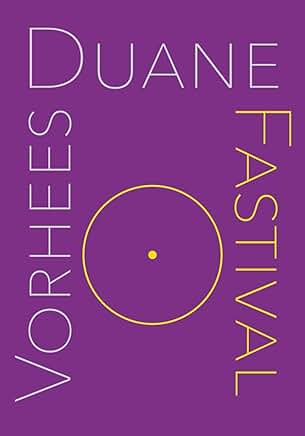
Fastival, the latest book of poems from Duane Vorhees, reads as anything but the poet’s final word and contains multitudes of playful exploration for the restless mind.
Covering a dizzying array of themes, this substantial tome delivers an intellectual and spiritual feast. He explores dichotomies — such as sex/love, profane/holy, and life/death — that are suitable for meditation by sinner and saint, as well as by day laborer and tenured professor alike.
Vorhees, in his poem “The Importance of Word Association,” proclaims anyone can write poetry but notes, “But only a true poem can feel the sun on your face as the snow commandos parachute in behind enemy lines. A real poem contains stone syllables standing against a rain-striped horizon.” — John Stephen Howard
Yucheng Tao thanks everyone who entered his poetry contest and announces that the prizes will be paid out in April.
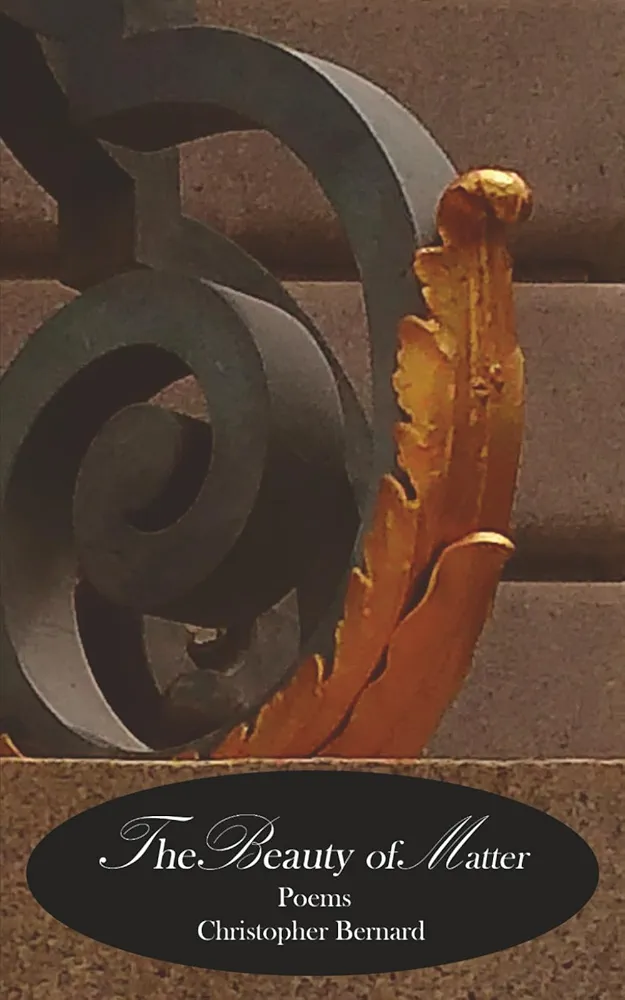
Christopher Bernard announces his new book The Beauty of Matter (out from A Press of Rabble) and invites people to read and review it. Please email us at synchchaos@gmail.com if you’re interested.
A lyrical journey into nature, spirit, and the quiet mysteries of being aliveIn this contemporary poetry collection, Christopher Bernard invites readers into a world where ordinary moments reveal extraordinary depth. With the grace of lyrical verse and the clarity of philosophical insight, these poems move through landscapes of memory, nature, beauty, and our shared human search for meaning.This is poetry for readers who crave emotional richness, mindful presence, and poetic meditations that illuminate both the fragile and the eternal. Through imagery rooted in wild earth, myth, and the intimate spaces of everyday life, the poems contemplate existence, loss, renewal, and the astonishing beauty hidden within matter itself.
A Celebration of Life in Every Grain of Being
Here are poems where the natural world speaks, where silence becomes revelation, and where spirit and earth touch.
Bernard explores mortality not with despair, but with wonder, reminding us that every breath, every shadow, every passing moment is charged with significance. Readers will find nature inspired writing that moves between tenderness and awe, between solitude and belonging, revealing how deeply our lives are shaped by the world around us and the world within us.
For Lovers of Reflective and Soulful Poetry
Perfect for readers of lyrical verse collection and philosophical poetry, this book speaks to those who seek: poems about nature and life, existential poems, meditations on life, spiritual poetic reflections, poetry about mortality and rebirth, poems about memory and meaning.
If you believe poetry can open the heart and sharpen the senses, if you are drawn to poetic meditations that deepen presence and expand awareness, this collection belongs in your hands.
Discover a voice that honors the beauty of existence and the mystery of being human.
Now, for March’s second issue, which forms a polyphonic archive of the contemporary human condition, fragmented, globalized, anxious, but full of people searching for meaning, beauty, and connection. A chorus of voices from different countries, cultures, ages, and backgrounds, all speaking to how we can remain human in a complicated age.
First, we address war, violence, and illegitimate political power. These pieces do not merely document suffering; they interrogate the structures that produce it. They ask what it means to live under systems that distort truth, normalize destruction, and erode empathy. Yet even here, amid devastation, there is an undercurrent of resistance—a refusal to accept violence and injustice as inevitable.
Patricia Doyne lambasts the United States’ blowing up a girls’ school during the war in Iran. Stephen Jarrell Williams laments the coldness and human tragedy that leads to war. Ibrahim Honjo calls for peace by cursing those who wish for war. Bhagirath Choudhary’s poem, translated to French by Samar Al-Deek, also critiques war through the dramatization of violence against women and children. Poet Billy Bin celebrates women and laments war and human rights violations. Mykyta Ryzhykh’s work comments on human fragility and the internal and external destruction caused by vaulting ambition and greed for power. Farzaneh Dorri laments the war and the current government of Iran while recollecting the nation’s vast cultural heritage. Molly Joseph’s piece presents the tragedy of war through a clever piece that hides its profundity in a childlike style. Ri Hossain critiques war by showing the absurdity of having to kill strangers. Bill Tope’s short story presents a tragicomic farce that reveals itself as a lament for those lost to the recent Iranian war. Dessy Tsvetkova joins the chorus of those who call for peace as Hadaa Sendoo presents a child’s song for peace with nature and with themselves as well as in the world. Gulhayo Egamberganova creates a tale of a wise king with the welfare of his people in mind. Dianne Reeves Angel’s political poem describes how callous leadership can lead to internal, structural damage to our shared “house,” even when we don’t see outright collapse. Yuray Tolentino Hevia asserts his freedom of thought and personal dignity even in a wounded homeland. Imma Schiema presents the flag of peace as strong, but stiff, unnatural, and difficult to maintain. Peace takes maintenance and care.
Some contributors explore how systems of power, or our cultural vantage points and perceptions, shape how we think and view the world. Rich Murphy’s work explores how power and hierarchy can distort reality and get in the way of critical thinking. Dr. Jernail Singh Anand lampoons the hypocrisy of those who seek to bury their own misdeeds among those of celebrities. Stephen Schwei’s clever work meditates on how we assign meanings to things and aspects of the universe. Wan Yilong dramatizes the absurdity of a world full of technology but with no soul. Mark Young’s speaker assembles meaning from fractured cultural debris, his mind moving through fragments. Ag Davis’ poetry blurs the guidelines of semantics to generate meaning through pattern recognition rather than text. S.C. Flynn explores different ways we disconnect from the fully intense human experience to make it more manageable, whether through pills or screens.
Türkan Ergör’s piece breaks apart language and puts it back together, questioning whether reason can adequately explain human experience. Maja Milojkovic explores the tension between imagination and reality in her reflective poem on making a wish. Mark DuCharme’s poem explores thirst and desire that twists and morphs but is never quite satiated. J.J. Campbell’s poems read like cigarette smoke in a dim room, unfiltered, bitter, and honest. Patrick Sweeney’s work explores memory, shame, art, invention, nature, and tenderness as the Chinese elementary school students’ works, compiled by Su Yun, show a developing poetic consciousness as they address nature and dreams.
Dr. Jernail S. Anand considers how much we as humans project our own failings onto other creatures through our concept of natural law. Sevinch Rustamova explores human projection, lamenting the loss of a no longer idealized unfaithful love. James Tian reflects on how we choose to speak of our dead can say as much about us as the living as it does about the deceased. Nirasha D’Almeida speaks to memory, reflection, power, and class and ethnic tensions. In Emeniano Acain Somoza Jr.’s elegiac poem, time continues to move, even as the speaker remains within memory. Sheryl Bize-Boutte’s poem and short story excerpt highlight how connection can persist even when we reject it. Qo’narova Yulduz mourns and regrets the loss of her loved one and of her life to grief.
Some writers highlight resilience and personal growth, the journey to become who we are, all that we could become. Nazokat Jumaniyozova traces a character’s personal growth and development. Danijela Ćuk encourages people to believe in themselves and persevere through hard times. Zilola Qutlimurotva calls out the role of challenges in building strong character. Priyanka Neogi urges people who seek to achieve something in life to keep their priorities straight. Ruxshona Shahobiddinova shares how she learned to achieve for her own sake and not compare herself to others. Rashidova Shakhrizoda’s short story celebrates a brave kitten who becomes a hero of the forest. Muslimbek Abdurakhimov reminds us that anyone can act with integrity, regardless of nationality. Zilola Qutlimurotva points out reactions one may receive to developing self-respect. Juraeva Aziza Rakhmatovna urges people to persevere towards their goals even through obstacles. Gabriel T. Saah encourages us to stay humble, stay kind and make the most of our lives.
Others discuss education, youth, and the future. Rakhmonova Gulzoda Sodiq qizi discusses how to help depressed young students. Daminova Sevinch highlights the importance of childhood to personal development. Choriyeva Oynur discusses the importance of sleep in personal health and academic performance. Dildora Xo’jyozova remembers earning recognition and a laptop in an Uzbek academic competition and reflects on the importance of encouraging the world’s youth. Ibragimova Orzigul Sharobiddinova’s poem celebrates her university and its educational opportunities. Alimqulova Munisa Abdurayimovna discusses how students can best prepare themselves for international scholarship competition. Bekturdiyeva Nargizabonu and Xayitova Mehribon discuss positive and negative impacts of social media in young people’s lives.
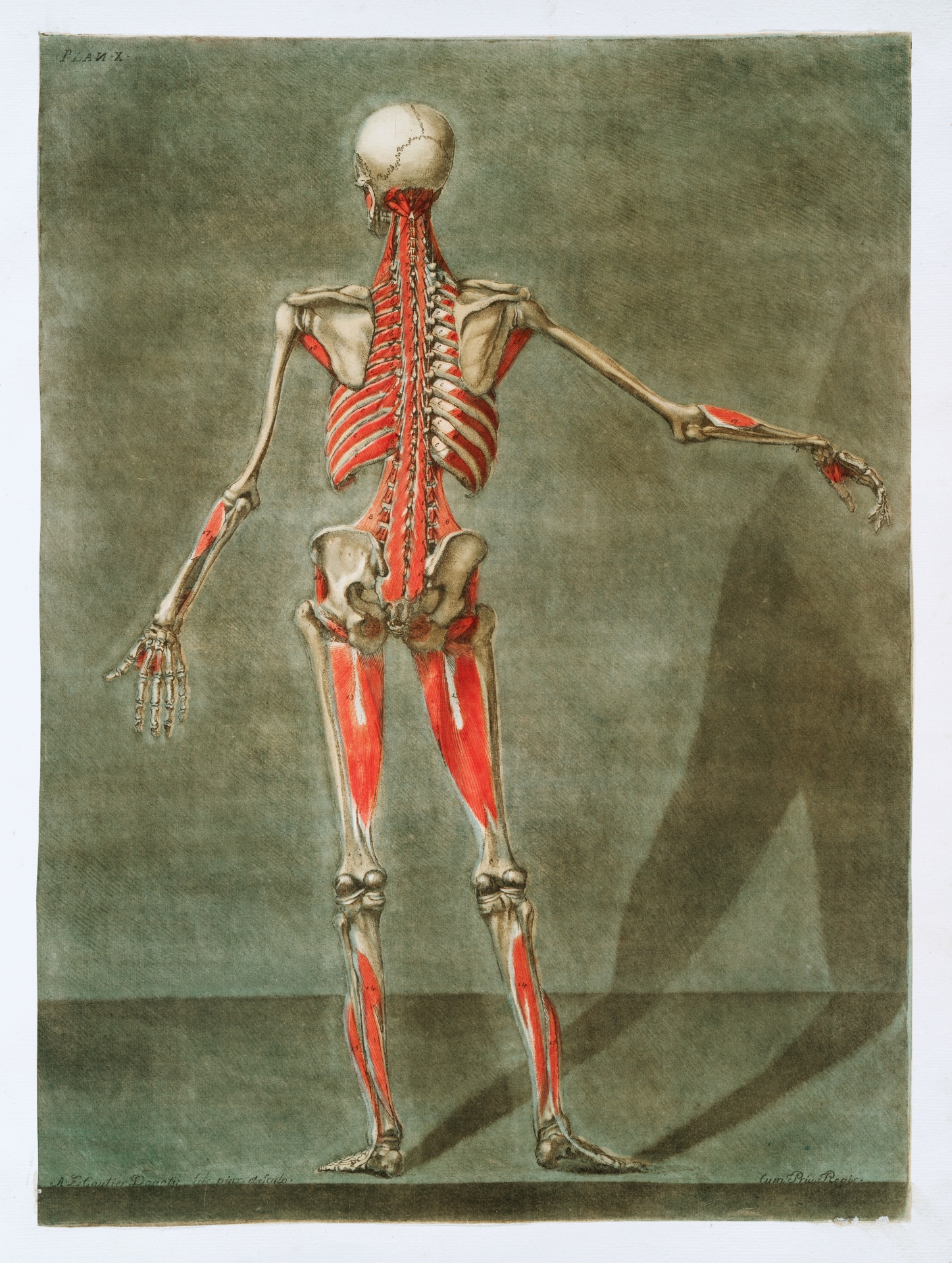
Several contributors apply their intellects to the real world, science, mathematics, economics, and medicine. Oroqova Nargiza outlines roles for artificial intelligence in health care. Tadjiboyeva Marxaboxon Sherzodbek qizi discusses diagnosis and treatment of chronic heart failure. Inomova Kamola discusses diagnosis and treatment of breast cancer. Durdona Shafqatullayeva Olimqizi outlines the structure and function of the human skeleton. Dr. Jitender Singh dispels embarrassment and shame surrounding menstruation and promotes hygiene. Sardorjon Ahmadjon o’g’li Ergashev discusses various ways of analyzing and interpreting statistics. Mamatkulova Muklisa outlines opportunities and risks within the maturing microcredit industry. Tuychiyeva Odinaxon Ahmadjon qizi outlines ways to standardize the preparation of graphical documents in school drafting classes.
Who we are, in large part, comes from our family and cultural heritage. Yulduz Niyazova highlights the history and meaning of Uzbekistan’s Nawruz spring celebration. Jacques Fleury’s photographs capture the spirit and energy of Boston’s St. Patrick’s Day celebration. Sardorjon Nabiyev remembers a tale of singing for neighbors at Ramadan that ended with his father’s tender love. Begijonova Marjonabonu shares a tender thought for her mother. Eshmatova Charos speaks of her gratitude to her caring mother and father. Turg’unov Alisher Yordamali o’g’li expresses his respect for his hardworking mother. Ahmadov Bekzodjon Obidjon ogli highlights the literary and cultural importance of Uzbek writer and philosopher Chol’pon. Damilova Sevinch Tuychi qizi highlights the cultural and dramatic contributions of historical Uzbek writer Abdulla Avloni. Halilova Ruxshona Abdufattohovna provides an overview of the scientific work of Abu Nasr al-Farabi, an Uzbek thinker who espoused rational inquiry and built upon Greek thought. Sottiyeva Gulshan celebrates the Uzbek constitution’s protections of liberty. Marvaridabonu Abdumalikov discusses Uzbekistan’s current environmental initiatives, including a vast program to plant tree seedlings and civic waste sorting and recycling efforts. Otamurodova Asal highlights the role of strong families in building a strong culture in Uzbekistan. Kholbekov Ozodbek Makhammatovich’s poem celebrates the sacred and worthy heritage of Uzbekistan’s national heroes and scholars.
Sitora Siroj qizi Usmonova looks at the use of emojis in text messages and social media as a case study of Uzbek linguistic evolution in real time. Jerome Berglund’s stream of consciousness poems illuminate how things hidden – people, truth, meaning – don’t disappear, but wait to be seen. Joey Whitton’s poems move across very different terrains, such as mysticism, memory, existential philosophy, and political satire, but they’re unified by a restless, searching voice. Alan Catlin builds a poetic cathedral of collapse, a symphonic logic of accumulation. Duane Vorhees contributes a symphony of voices that find a way to hang together.
Art, literature, and culture are integral parts of our heritage, and many people look into how we understand stories and art. Christopher Bernard discusses poignant themes of masculinity, love, aggression, and redemption in Beauty and the Beast and the somewhat awkward presentation in Opera Parallele’s live stage remix of the Jean Cocteau film. Maxmasharifova Shodiyabegim looks at the theme of fear in Abdulla Qahhor’s short story Dakshat as a way of critiquing governmental and social oppression. Abdugʻaniyeva Muhlisa Abdunabi qizi analyzes Jack London’s winter wilderness survival tale Love of Life in terms of literary motifs and themes of free will and individual struggle in harsh conditions. J.T. Whitehead reviews Margaret Randall’s Letters That Breathe Fire, an anthology of literary correspondence among the editors who submitted to the journal El Corno Emplumado (The Plumed Horn) in the 1960s. He views the work as a crucial cultural artifact documenting poetry’s becoming more democratic and international. Alexander Klujev outlines various ways to understand music: as a venue for spiritual contemplation, as an abstract study in sound, or as direct participation in the sounds and rhythms of nature. Dennis Vannatta reflects on a life shaped and punctuated by music. Virginia Aronson celebrates the complex work and life of Japanese visual artist Yayoi Kusama.
Art and culture can lead us to a lyrical, restorative place, where we consider love, nature, and the human spirit. Eva Lianou Petropoulou affirms the largeness and vastness of the human spirit, much larger than any attempt by society to contain it. JoyAnne O’Donnell takes joy in poetry on World Poetry Day. Eva also urges humans not to abandon empathy for and relationships with each other. Slava Božičevic celebrates poetry and encourages poets to write to bring love into the world. Prasanna Kumar’s poetry reflects how he needs love to make sense of existence. Abigail George’s work shows characters choosing love, kindness, and forgiveness, even when they are not strong enough to stop trauma and violence. Mahbub Alam contributes a piece on waiting, restraint, and the persistence of the inner light of love as Su Yun encourages a young child to grow and develop courage and embrace a world of love.
Genevieve Guevara presents a poetic manifesto about ending violence against women. Sherdonayeva Ozoda Mahmarajab qizi’s short story highlights the obstacles facing women leaving abusive relationships. Lan Xin also honors International Women’s Day, softly and gently urging women to value and take care of themselves. Mahmoud Said Kawash outlines the political and cultural history of International Women’s Day. Dr. Jitender Singh celebrates the virtues of many women he admires. Dr. Ahmed Al-Qaisi evokes the poetic beauty of a woman’s tender love. Tasneem Hossain discusses the historical and cultural meanings of flowers as gifts and urges people to consider flowers as an International Women’s Day gift for women.
Image c/o Brian Barbeito
Brian Barbeito revels in the mystical and thoughtful connection he has built with the land he regularly visits, how time alone in nature invites contemplation. Adham Boghdady celebrates the beauty of a forest lake through his contemplative persona poem. Soumen Roy rejoices with the hope of a fresh spring season. Ananya Guha’s incantatory poem claws out hope from the starkness of winter.
Sometimes a small sensation, image, or moment counts for everything. Mohira Mirzayeva celebrates the joys of silent reading from a physical book. Bonu Jurayeva reminds us of the sensory pleasures of physical books. Noah Berlatsky celebrates the wealth of love that he finds in his affectionate cat and dog. David Sapp contributes gentle, pensive moments of family and domesticity. Christina Chin’s haikus transport us to the sounds and feel of summer. Tammy Higgins’ photographs present life as surprising, highlighting disparate elements and unusual colors and perspectives. Jacques Fleury’s poem travels between the worlds of belonging and isolation, wealth and poverty, anchored by the recurring image of ships. Nuraini Usman’s photos capture moments of mystery: dim light, and a foot stepping into the unknown. In Sayani Mukherjee’s poem, rain, letters, memory, and love all blend together into one immersive experience. Graciela Noemi Villaverde welcomes the autumn to her Argentinian home with lush, atmospheric prose about transitions. Elaine Murray finds connection across millennia with humans and other creatures who have walked the same beach.
The final pieces return us to the act of creation itself. They ask what responsibility the artist bears in a world marked by injustice and fragmentation. If we can imagine, can we also rebuild? If we can name what is broken, can we help to mend it? These are not questions with easy answers, but they are questions that must be asked.
Christopher Bernard’s final installment of Senor Despair ends with an affirmation of a creator’s radical responsibility. Jose Luis Alderete’s work suggests the possibility of rebuilding society through intentional acts of human creativity. Tokhtaboyeva Nilufar Nomonjon qizi urges her fellow Uzbeks to move forward with courage to build up their newly independent country. Mesfakus Salahin speaks to the hope of global renewal through love and insight. Hanaan Abdelkader affirms her determination to find hope in a world full of injustice, yet leafy and sunlit.
What emerges from this collection is not resolution, but recognition. We hope that you recognize yourselves somewhere in the issue.