
SOLACE OF MOONLIGHT

To be kissed by the moonlight
Is such a glowing grace
To be caressed by stars
Is such a life
Draped In darkened blue
Dancing from mercury to Venus
What an honest dance.

To be found by the light of the moon
And loved under a blackened sky
Let the sun forget about me
It never heard me crying
Not today.

As there is something so special
about the moonlight
Like it was made just for me
Because no matter how bad things go
I have the moon as my company.
Category Archives: CHAOS
Poetry from Yahia Lababidi

Exile is like the Desert, a homeland for God. *
The Desert’s nakedness is borrowed from the sky’s. *
Freedom is like the Desert: we only dwell in it in order to transcend it. *
The Desert’s enchantment is borrowed from that of eternity. *
The Desert, homeland for the spirit, exile for the body. *
We go to the Desert in order to quench our thirst for freedom.
—Ibrahim al-Koni, A Sleepless Eye: Aphorisms from the Sahara
When I lived in Cairo, Egypt, over a decade and a
half ago, I would head to the desert periodically: to empty
myself of the city’s noise, overhear myself, and then lose myself.
I approached these desert pilgrimages with the
earnest intention and passionate belief that I was going
to encounter that part of myself not entirely accessible in
other circumstances. In the desert, there is nothing to hide
behind, nowhere and no one to turn to. It is where all those mad
hermits and mystics—my people!—had their visions.

It’s an extreme environment, and I suppose I felt that if I
 flirted with that extremity, in a committed, honorable way, a
breakthrough might be granted to me. (If you were somehow
avoiding yourself, and you went to the desert, somehow you
would meet.) The rumblings of Eternity were there, if you could
just be still enough, quiet enough, and indifferent enough
to your self, your many selves, your many frivolous selves.
Walking, reading, musing, I felt outside space and time
and came to realize the necessity of aloneness: Aloneness as a
prerequisite for the sublime sensations or epiphanies I sought.
Sure, you could be alone around people, alone in your living
room, but if you reached toward this elemental aloneness—one
with the sand, the rock, the water, the stars, and the sea—you
could experience a deeper innocence and purity of perception
and as a result become a better witness to the life inside you
and around you. The desert doesn’t, really, care much for you.
It may, perhaps, want you there, but it doesn’t need you there. It
doesn’t seek to appease you in any way. It only wants to declare
its harsh, bold truths, and if you can stand it, then you might stay.

What you hold in your hands is a slender packet of
yearning; poems inspired by my desert retreats over the years.
I did not, fully, recognize at the time the nascent thirst in these
poetic meditations, or how the profound spiritual longing in
these reflections was to mystically point for me the way towards
a spiritual and religious life—a path I am exploring with wonder,
and humbly deepening, nearly two decades later. It means a
great deal to me that this poetry collection is bilingual and that
my words will return to the part of the world that inspired them
in its native language. I’m, especially, grateful that the Arabic is
rendered by Osama Esber, a respected Syrian poet, translator and
publisher whom I’m fortunate to call a friend and who, previously,
has translated poetry of mine for Jadaliyya. All of the remarkable
photographs accompanying my poems are by a gifted young
Moroccan photographer I admire, Zakaria Wakrim, a kindred
spirit who knows well the mystery and magic of the desert.

Thank you, Rowayat, for bringing my words back Home,
to my beloved Egypt.

Yahia Lababidi, 2021
Solitude and the
Proximity
to Infinite Things

The Desert is a cemetery
picking its teeth with bones
littered with brittle stones
marked by a grave air.
Mourning its myriad souls
it murmurs threnodies, while
winds scatter desert lament.

Guarded, hostile growths
defensive and aggressive
martyrs to their desert mother
they all wear crowns of thorns.
Tortured trees break desert skin
protruding stiff, bloodless veins
blades of grass, yellow and dry
shuffle from side to side, rigidly.

Wanderers travel to see and hear
Death-in-Life and Life-in-Death
To see Stillness, to hear Silence
Nothingness-punctuated-by-Space.
Pitting its stare against the Sun
the Desert returns it, pitiless
unblinking, exchanging secrets
of terrible, Eternal matters.

Indifferent, like Time,
to time resigned, without heart
proximity to infinite things
sets apart, makes remote.
Underfoot, twigs and rocks crumble
crack with ill humor and dry wit
taking perverse pleasure in pain
like one past suffering, yet bitter.

The desert has its dark jokes
over which it smiles alone,
Mirage is the word for desert humor.
Yahia Lababidi is an Egyptian author of ten books. His most recent work is: Learning to Pray, aphorisms and poems (Kelsay Books, 2021), and Desert Songs, a bilingual photographic account of his mystical experiences in the deserts of Egypt (Rowayat, 2022) You can learn more about his work, here: https://www.goodreads.com/author/show/205852.Yahia_Lababidi
Readers can receive an aphorism of mine, daily, sent to their phone by signing up, here: https://dailywisdomtexts.com/yahia_lababidi
Story from Jim Meirose
Gimme Some Pope Bone

Welcome, James Mason. What moves you to come sit with us today?
I am looking for funding to allow me to deal with the current crisis involving the pope.
I, uh—we have no knowledge of any current crisis involving the pope. Please elaborate.

Sure. The pope’s not only the head of a very huge church but is also a fish of the perch family, with a greenish-brown back and yellow sides pope and pope underparts pope pope pop po p pe poe pope ope pe e pop po pop p’pe epop pope pope pope. And also, its no coincidence that the hard whitish tissue making up both pope’s skeleton bones is called bone pope bone pope bone pop bon po bo p b pe be poe boe pope bone ope bon pe bo e b pop one po ne pop one p’pe b’ne epop enob pope bone pope bone pope bone lasso.

Okay. But, I’m a bit lost. Back up and elaborate.

Sure. More’s that the fish-pope’s diet mainly consists of small aquatic bugs and larvae meat chops steaks cognac and wine such masses of which are consumed daily it’s as though theses popes are constantly crying out gimme some more pope bone gimm som more please pope bone imm om pop bon catholic chicken is imme ome po bo mme me roman guitar p b gim so pe be gime soe poe boe im’e soe ‘e gumbo pope bone ‘e me ope bon e m’ e b m’ gm’ pop one om’ po ne gim’ som’ pop one gimm’ some Charlie the chicken p’pe b’ne gimme some epop enob gim so pope bone imm om pope bone gimm ome more pope bone gimme some gimme some deep acceleration please pope bone gimme some pope gimme some bone gimme but some the popefish gimme some do you see now, lasso lasso?

It's coming along. I think I might see, but, the viewers might need more. As in some games’ big Cuba. Popular hereabouts. So; go on.

Absolutely. In some aquatic environments where they’ve been irresponsibly introduced the popes have become so damaging to their environment that scientists have been frantically searching for a way to bid them a final bon voyage, as Dr. Matthews-son, biologically academic big shot frontman has put it bon voyage pope bone n e gimm som b v pope bone on ge imm om o ya pop bon on yag imme ome bon oyag roman hard catholic skeleton gumbo po bo b’n vo’ge mme me ‘on ‘oyage p b nob egayov bno gim so oyaeg obn pe be ovyage ob gime soe ov-yag b’ poe boe oyage’ non im’e soe ‘e e-oyage vo pope bone yage b’ ‘e me on ope bon no eg’ e m’ ban vayoge e b nib yivoge m’ gm’ the goal is to kill off the species b0n v0yage pop one b om’ =n vo=ge po ne bin viy’ge gim’ som’ von coyage pop one bob voyagw gimm’ some simmering cooked roman gumbo anna chicken from electric buzz buz bln vl-yage p’pe b’ne cpo wpzbhf gimme some opc fhbzpw epop enob ‘p’ ‘ya’ gim so the goal is to kill off the species entirely bon voyage pope bone bon voyage imm om hey hey entirely bon pope bone hey hey voyage pope bone hey hey hey gimm ome while the gumbo is simmering remove church tissue from the danger site more pope bone hey entirely bone the gimme some cooked chicken quick and slick gimme some pope bone hey hey kill off entirely gimme some pope gimme some bone gimme but some the popefish gimme gimme remove church tissue lasso from the lasso lasso from the danger site, lasso.

In fact, the pope is the first invasive species to have been classified as a nuisance by the non-indigenous nuisance prevention and control program. As such it needs to be killed off entirely. So, do you see? Do you?

Oh, yes—but this non-indigenous nuisance prevention and control program you mention. I have not heard of this. What of it?
What of it is; it is me all over.
All right. So then—

And that’s why I need money. To begin work on a solution. An this work gimme money must bon voyage gime mony begin immediately pope bone gimm mone n e imme oney gimm som mm ne b v gime moey pope bone on ge imm because om o ya pop bon on yag imme ome bon oyag po bo b’n vo’ge mme me ‘on ‘oyage gmme mney p b e y nob egayov bno me ey gim so mme ney oyaeg obn imme because man is oney pe be gie mey ovyage ob ge my gime soe g y ov-yag b’ gi ey poe boe gim ney oyage’ non gimm oney im’e soe gimme money ‘e e-oyage gimm oney vo pope bone gimme money yage b’ gimme money ‘e me because man is in the forest gimme money on ope mm ne bon no gimme money Bambi hey Bambi eg’ e gimme money pope bone hey hey gimme some because man is in the forest Bambi gimme money because man is in, because!

I am sorry, but. Can you repeat that a bit clearer?
No; it’s as simple as pope bone pope bone pope bone pope bone pope bone pope bone—
Stop! Hold it—you—

—pope bone pope bone pope bone pope bone pope bone pope bone pope bone pope bone pope bone pope bone pope bone pope bone pope bone pope bone pope bone pope bone pope bone pope bone—

Mister Mason, Plaese!
—pope bone pope bone pope bone—
Hey Sal! Cut the juice right now!
—pop bone pope—

Okay Jack, you’re the boss!
—bone.
Jesus Christ, thank God.

Whew.
Lights out.
Poetry from J.K. Durick
                 Neighborly

This is a neighborhood of gardens

garage sales and lawn art and, of

course, slogans, like “black lives

matter” and the ones that bring

together a set of slogans covering

all the bases, black lives again and

something about women’s rights,

immigrants, and gay rights, and they

remind us that love is love. Now

there are an endless supply of flags

some U.S. but mostly Ukrainian. We

live the times and capture the mood,

flowers of various shades and sizes

and now since it’s primaries time we

set up lawn signs endorsing one or

another of the candidates, Becca

seems to carry one street and Molly

another. We divide up along liberal

lines, signs, slogans and flowers, and

people sitting in lawn chairs trying so

hard to sell off things they no longer

have a use for and a few cars pull up

looking for a bargain. This neighbor-

hood has never been much of a bargain

basement but an easy spender of words.

                                     In Line
Perhaps it’s instinct, perhaps it’s one of those cultural things

That grow up with us, become part of us through training and

Discipline, something passed on, parent to child generation to

Generation. We all know the rules, what we must do, and what

We must not do if we want to belong, fit in, like everyone else

Around us. We gather and quickly learn our place. This is what

Lining up is all about. It’s time passing, it’s standing and waiting

For something, the something we must believe comes next. This

Is how we belong, become members of the group, the group in

Line for the next show at the movie theater, in line waiting to

Check into our flight, in line for the cruise ship, in line for just

About anything we see as an objective, and they have the ability

Thwart our desire or need. They depend on our instinct and on

Our willingness to go along and be part of a group lined up in

Order, first come, first served. This keeps everything so civilized,

No crashing, no pushing and shoving, no demanding attention,

None of those things. Now we are in line, and we wait. We might

Complain but never too loudly. We were trained to do this and

Half of our lives will be used up this way.


              Airport Waiting
Standard advice says arrive two hours before
Your flight, but in a small airport

The advice seems ironic.

Here we are two hours early

And now we wait

Collect in surprising numbers

Sit together by the assigned gate

And wait

Are we being set up?

Set up for a mass shooting?

Can’t we picture the gunman going by

The TSA oddly enough still armed.

The news will say something about our group

Husbands and wives, parents and children

Friends and relatives

All there

Following the standard advice

Two hours early, so why not become big news

We listened so carefully

And so here we are

Sitting ducks wanting anything beyond

This two hour wait

Two hours we’ll never get back!
J. K. Durick is a retired writing teacher and online writing tutor. His recent poems have appeared in Third Wednesday, Black Coffee Review, Literary Yard, Sparks of Calliope, Synchronized Chaos, Madswirl, Journal of Expressive Writing, Lightwood, and Highland Park Poetry.
Poetry from Kimberly Kuchar and Christina Chin
the shrill wail

of a siren


skinny bodies

the place fills

with ghosts


head bowed

she lights

a candle


at the tomb

footsteps in the mist


a shadow crosses

Mary's stone face


mourning moon

the bare trees

spread skeletal arms


two saucers of milk

for mewling cats...

the witch's eyes


a corner spider

you cannot see


I try to reanimate

his old stories

bones in the ground


his soul has left

this body
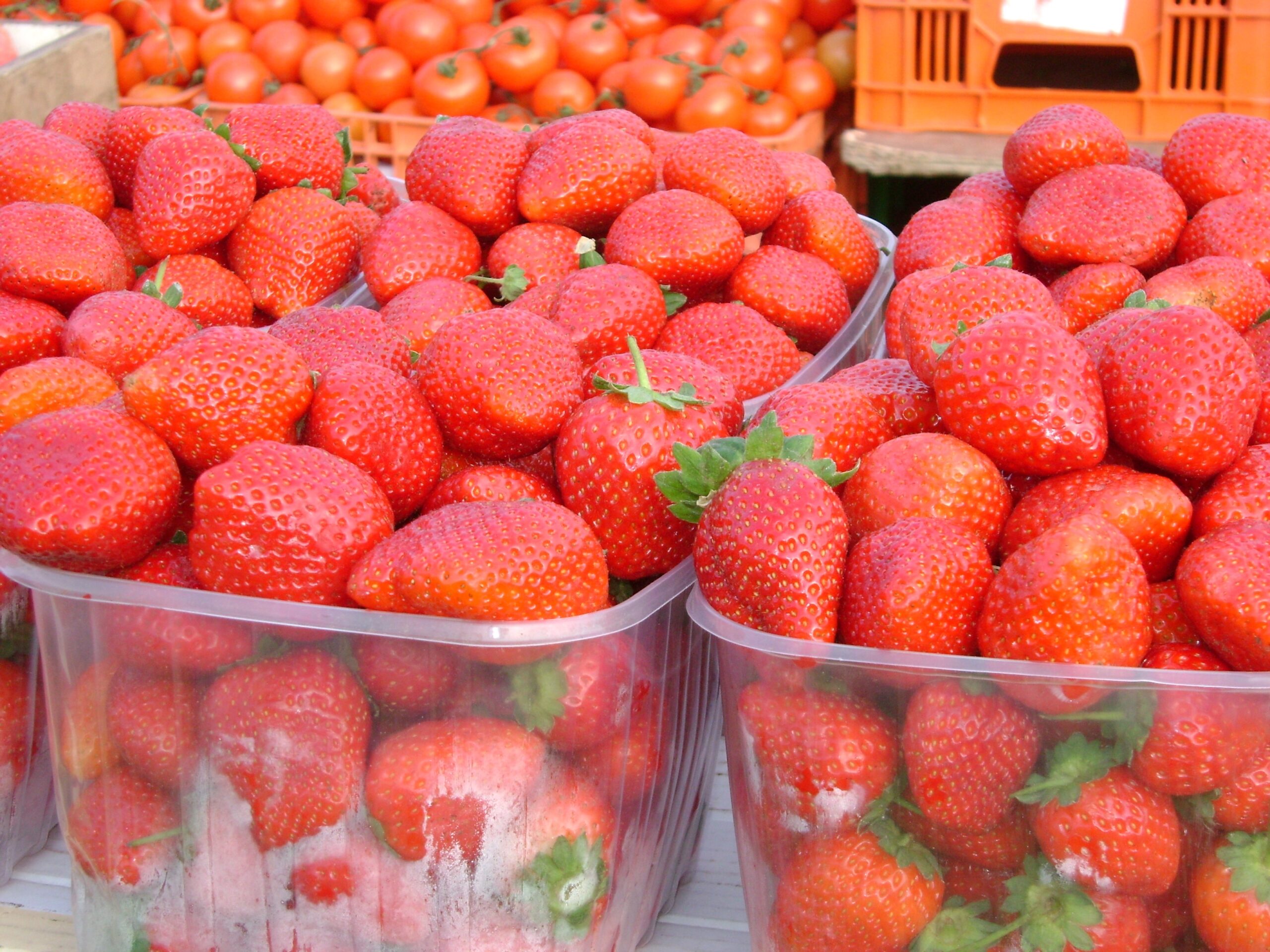
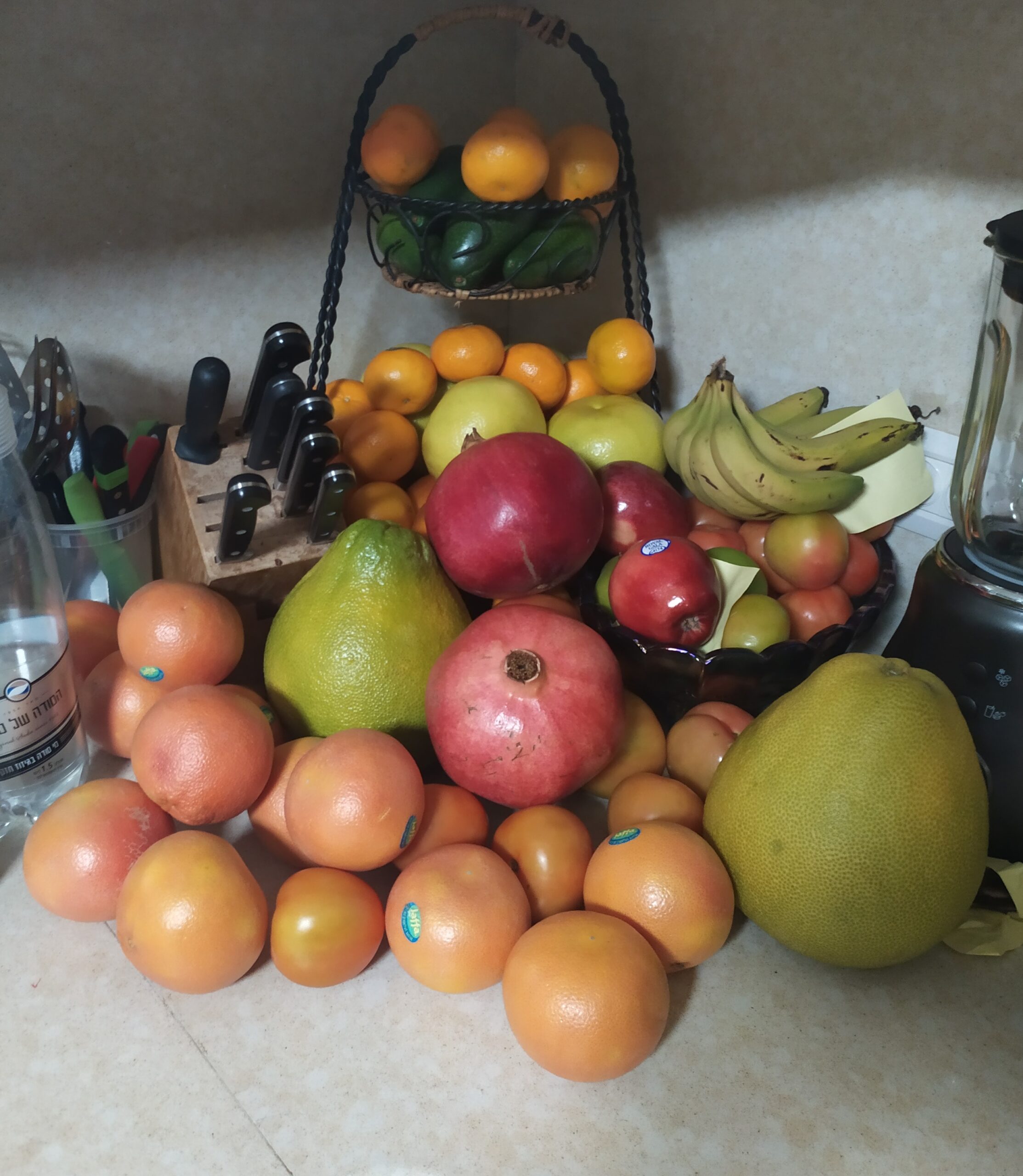
Photos from Channie Greenberg


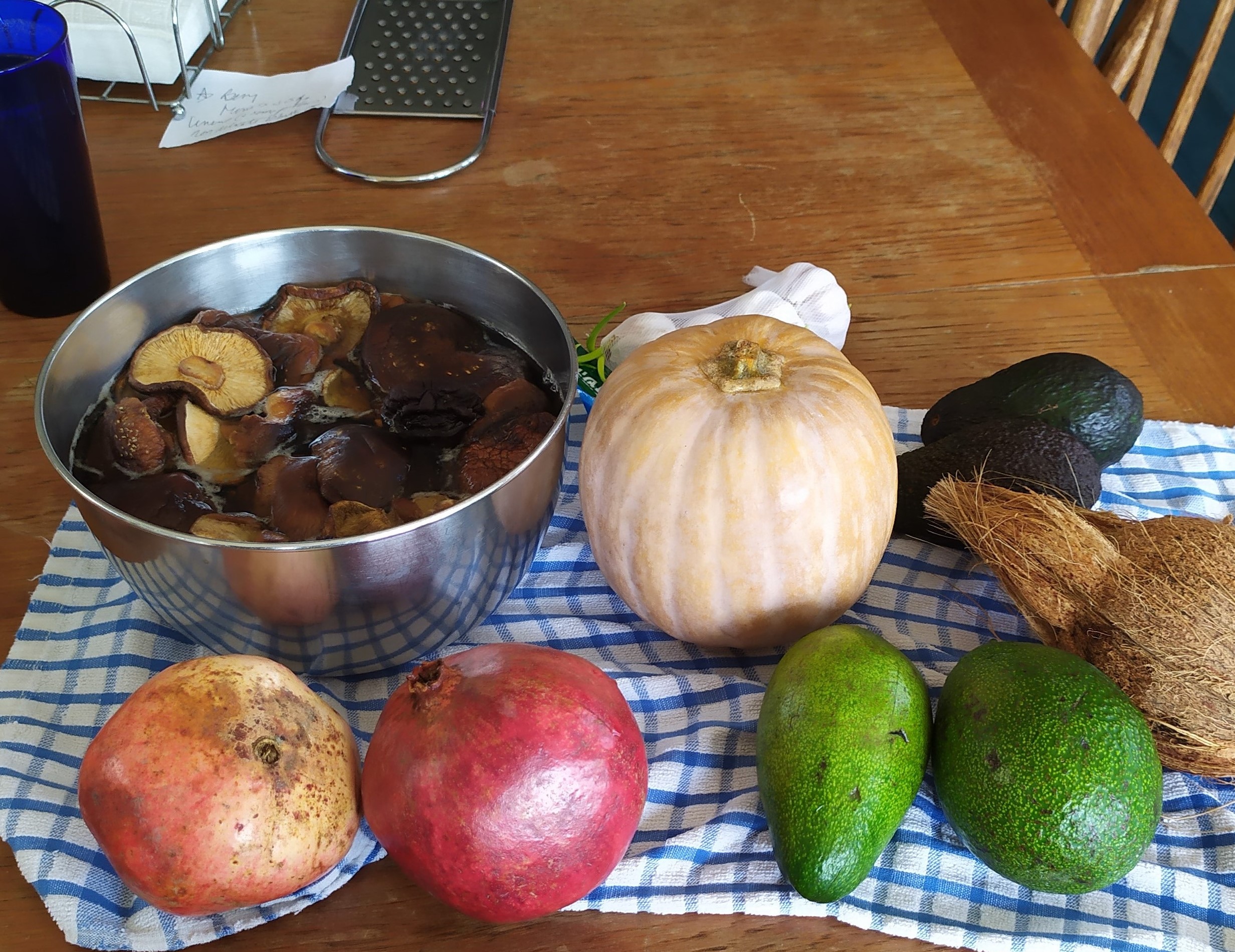
Short story from Peter Cherches
Not Quite Stories


1.	My name is Sampson. Chester Sampson. People call me Sampson.
	“But how did you know about me and Danvers?” the conniving little blond called back to me, as they were taking her away.
	“It wasn’t difficult, sweetheart,” I told her. “Considering.”

2.	Daisy hadn’t given him a second thought, yet there he was, on her doorstep, carrying a potted plant.
	“Remember me?” he asked.

3.	“Things was hard back then,” the old man told the visiting nurse.
	The nurse, who hadn’t asked a question, didn’t bother to wonder when “back then” was.

4.	The brothers hadn’t seen each other in over 20 years. Identical twins, they’d had a falling out, and they lived far from each other, on opposite coasts. This particular day, Tom had gone to shop for khakis at the Banana Republic in the mall near his home. When he entered the store, all eyes turned to him. He wondered why.
	Tim came out of the dressing room to look at himself in the full-length mirror, in his new khakis. As he looked into the mirror, Tim noticed Tom behind him, in the distance.
	Tim wondered how the reunion would go, but to his relief, still staring into the mirror, he saw Tom turn around and leave the store.

5.	My son-in-law found me in the kitchen, after my husband was gone. I asked him if he wanted a cup of coffee. He sat.
	We sat together at the table, drinking coffee. Not another word passed between us.

6.	“It was after the war,” she told him.
	“So, all of a sudden everything changed?”
	“No,” she replied, “not all and not so sudden.”

7.	After weeks of indecision, Cora finally decided to call that number. She pulled the piece of paper out of her purse and made the call. When it connected at the other end, she was surprised to be greeted by one of those pre-recorded menus. The choices were very confusing. She relied upon her instincts to tell her which path to choose. Unfortunately, it was the wrong one.

8.	“Mr. Thorndike will see you now,” the secretary told the man sitting on the blue-upholstered bentwood chair in the anteroom. The man’s palms had been sweating, and he’d been rubbing them along his slacks above the knees.
	The man got up and knocked on Thorndike’s door.
	“Come in,” Thorndike yelled, in a neutral tone of voice.
	The man went in.
	He never came out.

9.	He was driving. On the freeway. He looked up at the sign, above and ahead. Belford 20 miles, Grainger next exit. He got off at the next exit.
	She’d just have to wait.

10.