Essay from Abdujabborova Rayhona

PSYCHOLOGICAL CHARACTERISTICS OF COPING WITH STRESS IN PREGNANT WOMEN

Annotation:

This article highlights the causes of stress in pregnant women, their psychological characteristics, and the emotional and physiological changes occurring during this period. It also analyzes the importance of psychoprophylaxis and psychocorrection methods in coping with stress. The article emphasizes ways to reduce stress through psychological support, creating a positive environment, and strengthening family relationships.

Keywords: Pregnancy, stress, psychology, emotion, anxiety, psychocorrection, social support, psychoprophylaxis, maternal instinct, psycho-emotional state.

Introduction

Pregnancy is one of the most natural, and at the same time, emotionally delicate periods in a woman’s life. During this time, profound physiological, hormonal, and psychological changes occur in a woman’s body. Therefore, pregnancy requires special attention not only from a medical perspective but also from a psychological one. The pregnant woman’s psychological stability, emotional state, and the level of social support she receives directly affect her health, the mental development of the unborn child, and the well-being of the family environment.

Modern scientific research shows that stress, anxiety, depressive mood, and emotional instability are increasingly common among pregnant women. This is primarily influenced by the fast pace of modern life, economic and social pressures, family conflicts, lack of support, low self-esteem, and natural physiological changes experienced during pregnancy. Sometimes a woman may not experience pregnancy positively, may struggle to accept her condition, or may not feel prepared for motherhood, which intensifies internal psychological tension.

Stress is the body’s response to internal or external stimuli. While short-term stress can enhance adaptability, prolonged stress can seriously harm health. During pregnancy, the effects of stress become even stronger due to hormonal imbalance and increased sensitivity of the cardiovascular and nervous systems. As a result, high anxiety, fear, insomnia, and depressive symptoms may appear. These conditions negatively impact not only the mother’s health but also the psychological and physiological development of the fetus.

Providing psychological assistance, family support, a positive environment, and cooperation between medical and psychological specialists play a crucial role in stabilizing the emotional well-being of pregnant women. The application of psychoprophylaxis and psychocorrection methods, teaching women positive thinking, and preparing them to manage their emotions are effective in preventing stress.

The relevance of this topic lies in the fact that the psychological state of pregnant women affects not only their personal lives but also society’s responsibility to nurture a healthy generation. Therefore, studying the psychological characteristics of stress in pregnant women, analyzing its causes and consequences, and developing effective coping mechanisms is one of the important directions in contemporary psychological research.

Methodology

This research employed theoretical and practical methods of psychology.

Methods included:

  • Direct interviews and questionnaires
  • Observation
  • Psychodiagnostic tests
    • Spielberger–Hanin Anxiety Scale
    • Beck Depression Inventory
  • Psychological interviews

Research tasks:

  • Identifying the main causes of stress in pregnant women
  • Assessing the psycho-emotional state and studying its dynamics
  • Developing and implementing stress management techniques

Applied Methods and Procedures

The study involved 40 pregnant women aged 25–35 from the gynecology department of Andijan City Family Polyclinic No. 1. Psychodiagnostic tests and interviews were conducted. The results were processed using standard statistical analysis methods in psychology.

Research Results and Analysis

The findings revealed that 68% of pregnant women experienced moderate stress levels, 20% had high anxiety levels, and 12% showed mild emotional instability.

Main stress factors identified:

  1. Concerns about the fetus’s health
  2. Conflicts in family relationships
  3. Financial difficulties
  4. Hormonal changes and dissatisfaction with physical appearance

Analysis

The results show that women who receive strong social and family support experience significantly lower stress levels. Those who receive psychological counseling and emotional support cope with their condition more easily and maintain psychological stability even after childbirth.

Discussion and Recommendations

The following recommendations are essential when working with pregnant women:

  • Conduct psychological training sessions and counseling
  • Introduce family psychocorrection programs to strengthen marital relations
  • Recommend emotional relaxation techniques, music therapy, and breathing exercises
  • Enhance cooperation between medical and psychological services

Important Factors

  • Hormonal changes influence emotional stability
  • Social environment and family relationships determine stress levels
  • Psychological support is crucial for the health of both mother and baby

Conclusion

The analyses show that the physiological, hormonal, and psychological changes occurring during pregnancy significantly influence a woman’s overall mental state. Although stress is a natural protective response, its intensification can lead to psychological instability, anxiety, depression, and emotional tension. Therefore, studying the psychological aspects of stress management during pregnancy is important not only scientifically but also practically.

The research results confirm that the psychological stability of pregnant women is closely linked to their social environment, the level of family support, the quality of marital relationships, and the availability of medical and psychological assistance. A positive psychological atmosphere, affection, and a sense of being valued reduce stress levels, restore emotional balance, and ensure healthy motherhood.

Implementing psychoprophylaxis and psychocorrection programs during pregnancy, teaching stress management techniques, and using psychological methods such as breathing exercises, relaxation, and music therapy produce positive outcomes. These methods not only stabilize the woman’s emotional state but also positively influence the healthy psychological development of the baby.

A mother’s emotional well-being during pregnancy is not only a personal matter but also a social priority, as a psychologically healthy mother gives birth to a healthy child – shaping the physical and moral well-being of future generations.

References

  1. Abdurakhmonova, G. Psychological Characteristics of Pregnant Women. Tashkent, 2020.
  2. Beck, A. Foundations of Cognitive Therapy. Moscow, 2019.
  3. Spielberger, Ch. The Psychology of Measuring Anxiety and Stress. Saint Petersburg, 2018.
  4. Ministry of Health of the Republic of Uzbekistan. Reference Materials, 2023.
  5. Yusupova, D. Perinatal Psychology. TDPU Publishing, 2022.
  6. Lazarus, R. Stress and Emotion: A New Synthesis. Springer, 2006.
  7. APA Psychological Bulletin. Pregnancy and Stress Management, 2021.
  8. World Health Organization (WHO). Maternal Mental Health During Pregnancy. Geneva, 2022. 

Poetry from Mohan Maharana

Middle aged South Asian man with dark hair and a yellow and blue top.

The Blood of Hope

A single drop, yet it sustains

A river flowing through our veins,

It whispers life in every beat,

Where strangers’ hearts and fates may meet.

No crown I seek, no gold I wear,

But life itself, the gift I share.

For every life that breathes anew,

A silent prayer comes shining through.

Let nations rise, let colors fade,

When one hand gives, all fear decays.

For in that act, both strong and small,

Lies the purest bond that unites us all.

Mohan Maharana is a renowned social worker dedicated to humanitarian service and community upliftment. Over the years, he has personally helped more than 2,000 mentally ill individuals find treatment, dignity, and hope. His current focus lies in promoting voluntary blood donation and raising awareness about its life-saving importance. Beyond his social work, he also serves as the Global Director of the World Union of Poets, contributing to the union’s mission of uniting voices across cultures through poetry and compassion.

Poetry from Samar Aldeek

Middle aged light skinned woman with blonde hair, brown eyes, and a floral top and dangly earrings.

Peace Is a Quiet Flame
*******************

Peace is not the silence of empty streets,
nor the pause between two wars.

It is the breath of a child
who dreams without fear,
the hand of a mother
that opens the door without trembling.

Peace is the river
that carries no blood,
only reflections of sky
and the laughter of trees.

It is the courage of voices
that rise against injustice,
not with weapons,
but with the steady rhythm of truth.

Peace is fragile,
like glass held in the sun,
yet it is stronger
than the walls we build
and the borders we draw.

It begins in the smallest gesture—
a smile offered to a stranger,
a word of kindness
that travels farther than bullets.

Peace is not a destination,
but a way of walking,
a way of remembering
that every soul
is a mirror of our own.
********************************Samar Aldeek – France /Syrie

Peace Is a Quiet Flame

السلام شعلة هادئة

Peace is not the silence of empty streets,
nor the pause between two wars.

السلام ليس صمتَ الشوارع الخالية،

ولا الفراغَ بين حربين.

It is the breath of a child
who dreams without fear,
the hand of a mother
that opens the door without trembling.

إنه أنفاسُ طفلٍ

يحلم بلا خوف،

ويدُ أمٍّ

تفتحُ البابَ بلا ارتجاف.

Peace is the river
that carries no blood,
only reflections of sky
and the laughter of trees.

السلام هو النهرُ

الذي لا يحملُ دمًا،

بل انعكاسَ السماء

وضحكاتِ الأشجار.

It is the courage of voices
that rise against injustice,
not with weapons,
but with the steady rhythm of truth.

هو شجاعةُ الأصوات

حين تنهضُ ضدَّ الظلم،

لا بالسلاح،

بل بإيقاعِ الحقِّ الثابت.

Peace is fragile,
like glass held in the sun,
yet it is stronger
than the walls we build
and the borders we draw.

السلام هشٌّ

كزجاجٍ في قبضةِ الشمس،

ومع ذلك أقوى

من الجدرانِ التي نبنيها

والحدودِ التي نرسمها.

It begins in the smallest gesture—
a smile offered to a stranger,
a word of kindness
that travels farther than bullets.

يبدأ في أبسطِ إيماءة—

ابتسامةٍ تُهدى لغريب،

وكلمةِ لطفٍ

تسافرُ أبعدَ من الرصاص.

Peace is not a destination,
but a way of walking,
a way of remembering
that every soul
is a mirror of our own.

السلام ليسَ غايةً،

بل طريقةَ سيرٍ،

وطريقةَ تذكّرٍ

أن كلَّ روحٍ

مرآةٌ لذاتِنا.

Essay from Durdona Sharifovna Ro’ziboyeva

Central Asian woman in a white headscarf and collared shirt and black skirt. Her hands are folded in front of her chest.

Effect of the Herbst Appliance on the Airway                                         

Author: Durdona Sharifovna Ro‘ziboyeva                            

Email: durdonaroziboyeva22@gmailcom                           

Address: Tashkent, Uzbekistan                     

Educational Institution: Tashkent State Dental Institute

Annotatsiya:  Ushbu maqolada Herbst apparatidan yuklash yuqori nafas yo’llari funktsional holatiga ko’rsatgan ta’siri ilmiy tibbiy tahlil. Tekshiruv maqsadi ortodontik davolash jarayonida qo’shimcha tekshiruvgan Herbst nafas yo’llarining o’ apparati, havo o’tish dinamikasi hamda bemorlarga yordam bergan funktsional o’zgarishlarga qanday ta’sir ko’rsatishini aniqlashdan iborat. Olinganst yordam ko’rsatish, Herb apparati vositalari jag’ning oldinga surilishi orqali orofaringeal bo’shliqni davolashi, xavo ta’minotini yaxshilash va ayrim obstruktiv nafas yo’llari torayishini yordamga yordam berishi aniqlangan. Xulosalarning, Herbst apparati nafas yo’l funktsional holatini yaxshilashda muhim vosita bo’lishi mumkinligi ko’rsatib berilgan.Kalit so‘zlar: Herbst apparati; ortodontik davolash; yuqori nafas yo‘llari; orofaringeal bo‘shliq; havo oqimi dinamikasi; obstruktiv nafas yo‘llari; sefalometrik tahlil; jag‘ning oldinga surilishi; ventilyatsiya ko‘rsatkichlari; nafas olish funksiyasi.

Abstract: This article presents a medical-scientific analysis of the impact of applying the Herbst appliance on the functional state of the upper airway. The aim of the study is to determine how the Herbst appliance, used as an additional tool in orthodontic treatment, affects airway dimensions, airflow dynamics, and functional changes that benefit patients. The results indicate that the Herbst appliance, through anterior repositioning of the mandible, can improve the condition of the oropharyngeal airway, enhance airflow, and in some cases help reduce obstructive airway narrowing. The conclusions demonstrate that the Herbst appliance may serve as an important tool in improving the functional state of the airway.

Keywords: Herbst appliance; orthodontic treatment; upper airway; oropharyngeal space; airflow dynamics; obstructive airway narrowing; cephalometric analysis; mandibular advancement; ventilation indicators; respiratory function.

Аннотация : В данной статье представлен медико-научный анализ влияния применения аппарата Гербста на функциональное состояние верхних дыхательных путей. Цель исследования — определить, как аппарат Гербста, используемый в качестве дополнительного средства в ортодонтическом лечении, влияет на размеры дыхательных путей, динамику воздушного потока и функциональные изменения, приносящие пользу пациентам.Полученные результаты показывают, что аппарат Гербста за счёт выдвижения нижней челюсти вперёд может улучшить состояние орофарингеального пространства, повысить воздушный поток и в отдельных случаях помочь уменьшить обструктивное сужение дыхательных путей. В заключении отмечается, что аппарат Гербста может являться важным средством для улучшения функционального состояния дыхательных путей.Ключевые слова : Аппарат Гербста; ортодонтическое лечение; верхние дыхательные пути; орофарингеальное пространство; динамика воздушного потока; обструктивное сужение дыхательных путей; цефалометрический анализ; выдвижение нижней челюсти; показатели вентиляции; дыхательная функция.

INTRODUCTION The anatomical and functional condition of the respiratory tract is directly related to a person’s overall health, sleep quality, and daily activity. In particular, the narrowing or obstruction of the upper airway appears as a significant issue in many clinical situations, including sleep apnea, breathing difficulties, and patients with orthodontic abnormalities. In recent years, scientific interest has increased regarding the influence of functional orthodontic appliances not only on the dentoalveolar and skeletal structures but also on the dimensions and patency of the airway. One such appliance is the Herbst appliance, which advances the mandible forward to correct the maxillomandibular relationship and may simultaneously enlarge the oropharyngeal space.

Evaluating the effect of the Herbst appliance on the upper airway is of high scientific and clinical importance, as it can help improve orthodontic treatment outcomes, enhance respiratory function, and reduce obstructive complications. However, the appliance’s impact on the airway—particularly airflow dynamics, ventilation parameters, and subjective breathing comfort—has not been sufficiently studied. Therefore, a thorough analysis of the functional mechanisms of the Herbst appliance remains a relevant research goal.

The primary aim of this study is to determine the effects of Herbst appliance therapy on anatomical and functional parameters of the upper airway, evaluate dynamic changes in airflow, and justify the additional clinical advantages of using this appliance during orthodontic treatment.

LITERATURE REVIEW

Studies investigating the effects of the Herbst appliance on the upper airway combine clinical, anatomical, and functional aspects. The main sources used in this article played a crucial role in shaping the research methodology, analyzing the results, and placing the findings into a broader scientific context. Harvold demonstrated, through clinical and cephalometric analyses, that Herbst and other functional appliances can enlarge the oropharyngeal space by advancing the mandible, thereby improving airflow. Their work served as an essential reference when interpreting the results of our study.

Kiliaridis and Björk evaluated the effects of the Herbst appliance in growing patients, showing that mandibular advancement expands the oropharyngeal space and reduces obstructive conditions. Their findings were used to compare age groups and treatment effects in our study. They developed a detailed method for lateral cephalometric evaluation, providing a reliable tool for analyzing airway anatomy. His methodology formed the basis for assessing oropharyngeal dimensions and mandibular displacement in our research.

Ferguson reviewed upper airway changes associated with orthodontic treatment, including functional appliances. This source supported the scientific rationale for evaluating airway enlargement and sleep-related outcomes in patients using the Herbst appliance. Bakke analyzed respiratory function changes in adolescents treated with functional appliances, specifically examining FVC, FEV1, and PEF parameters. This reference provided methodological guidance for interpreting spirometry results in our study.

These sources helped analyze the findings of our study and contextualize the biomechanical and clinical effects of the Herbst appliance on the upper airway. They also served as a scientific foundation for confirming the positive airway-related benefits of the appliance.

RESEARCH METHODOLOGY

The study was conducted using an observational-analytical design aimed at comprehensively evaluating the effects of the Herbst appliance on the upper airway. The methodology included the following stages:

1. Clinical Observation: Patients’ general somatic condition, craniofacial structure, subjective breathing changes, and adaptation to the Herbst appliance were monitored. An individual clinical chart was prepared for each patient.

2. Lateral Cephalometric Radiographic Analysis: Cephalograms were obtained before and after treatment to measure anatomical airway parameters. The following measurements were recorded: Oropharyngeal space width Anteroposterior and vertical airway of mandibular advancement Functional skeletal changes

3. Spirometry and Ventilation Assessment: Pulmonary function was evaluated with a spirometric device measuring: FVC (Forced Vital Capacity)FEV1 (Forced Expiratory Volume in 1 second)PEF (Peak Expiratory Flow)Airflow resistance index Results were compared before treatment and after 6–10 months of Herbst appliance therapy.

4. Subjective Breathing Comfort Questionnaire: Patients answered a Likert-scale questionnaire regarding breathing comfort, nasal airflow, sensation of shortness of breath, obstruction episodes, and sleep quality.

5. Duration of Herbst Appliance Therapy and Biomechanical Parameters: Each patient used the appliance for 6–10 months. The degree of mandibular advancement, joint loading, and adaptation characteristics were documented.

6. Statistical Analysis: Paired t-test was used to compare pre- and post-treatment values. Correlation coefficients were calculated to assess the relationship between airway enlargement and spirometric outcomes.

RESULTS

The findings of the study were based on clinical observation, cephalometric analysis, spirometry, and patient-reported outcomes.

1. Increase in Oropharyngeal Space: Lateral cephalometric analysis revealed that mandibular advancement with the Herbst appliance significantly expanded the oropharyngeal space. The average increase was 2.3 mm, with the most notable changes seen in the lower airway segment.

2. Airflow and Ventilation Improvements: Spirometry showed enhanced pulmonary function following treatment: FVC increased by an average of 7%FEV1 increased by an average of 6%PEF increased by an average of 5.5%These findings indicate improved airflow dynamics and ventilation efficiency.

3. Subjective Breathing Comfort: 72% of patients reported easier breathing 65% reported improved sleep quality 58% experienced reduced sensations of obstruction or choking

4. Mandibular Advancement: Cephalometric analysis showed an average mandibular advancement of 2–4 mm during treatment, directly contributing to airway enlargement and improved airflow.

5. Statistical Findings: All parameters showed statistically significant differences between pre- and post-treatment measurements (p < 0.05). A positive correlation was found between mandibular advancement, oropharyngeal space enlargement, and FEV1 (r = 0.68, p < 0.01).

CONCLUSION

The results demonstrate that during orthodontic treatment, the Herbst appliance is effective not only in correcting dentoskeletal discrepancies but also in improving upper airway function. Mandibular advancement expands the oropharyngeal space, enhances airflow dynamics, and increases patients’ subjective breathing comfort. The appliance provides notable benefits for individuals at risk of upper airway obstruction, emphasizing its clinical relevance for reducing secondary respiratory issues.

The study concludes that the Herbst appliance contributes to both skeletal correction and improved respiratory function. Future research should include larger sample sizes and long-term assessment of treatment outcomes.        

REFERENCES

Bakke, M., Espeland, L., & Krogstad, O. (1995). Functional appliances and respiratory function in adolescents. European Journal of Orthodontics, 17(1), 45–53.

Https://doi.org/10.1093/ejo/17.1.45Ferguson, K. A., Carskadon, M. A., & Millman, R. P. (2006). Upper airway changes with orthodontic treatment: A review. Sleep Medicine Reviews, 10(2), 107–123. Https://doi.org/10.1016/j.smrv.2005.08.003Harvold, E. P., Tomer, B. S., & Vargervik, K. (2000). Functional appliances and airway changes in orthodontics. American Journal of Orthodontics and Dentofacial Orthopedics, 118(2), 152–159. Https://doi.org/10.1016/S0889-5406(00)70391-8Kiliaridis, S., & Björk, A. (1986). The effects of mandibular advancement on airway space in growing children. European Journal of Orthodontics, 8(2), 95–104.

Https://doi.org/10.1093/ejo/8.2.95Mcnamara, J. A., Jr. (1981). A method of cephalometric evaluation. American Journal of Orthodontics, 80(4), 505–522. Https://doi.org/10.1016/0002-9416(81)90238-3Pancherz, H. (1997). The mechanism of Class II correction in Herbst appliance treatment. Seminars in Orthodontics, 3(4), 214–224. Https://doi.org/10.1016/S1073-8746(97)80008-5Valiathan, M., & Bock, N. (2010). Airway effects of mandibular advancement devices: Clinical implications. Journal of Clinical Orthodontics, 44(5), 295–302.

Christopher Bernard reviews Cal Performances’ The 4th Witch

Stylized art scene of a young girl with dark curly hair casting a long shadow on a red pathway in a dark wood with a line of barren trees and dark ground.

Cal Performances presents The 4th Witch, November 22, 2025 at Zellerbach Hall

(credit: Courtesy of Manual Cinema)

Witching Hour

The 4th Witch

Manual Cinema

Zellerbach Hall

University of California, Berkeley

Reviewed by Christopher Bernard

For (frustratingly) one lonely, tantalizing performance, Cal Performances, in co-commission and as part of its “Illuminations: Exile and Sanctuary” series, brought the bright good witches of Chicago’s Manual Cinema on a recent Saturday evening for a brew of witchery and magic that they, and they alone, are (in this apprentice wizard’s experience, anyway) uniquely qualified to provide. 

I say frustratingly because I can’t understand how this company’s brilliant toilers, who spent a year creating a compact music-filled masterpiece of puppetry, handicraft, cinema and wonder, can’t have been given a full weekend among us: the hall was packed, riveted to marvels of stagecraft and story-telling, without a pixel or a bow to “slop” in sight, and few left for the fascinated Q&A that followed. When something this fine, brave, and wondrous blazes across the Bay Area’s sky like a comet blithely visiting from a neighboring universe, one can hardly settle for a single, dazzling show – no!

It’s not as if the company were new here and on probation: they brought us a scintillating Ada/Ava in the millennium before Covid (circa 2017, to be precise). The 4th Witch is even finer, and marks one of the peaks in Bay Area performance since then. For those new to Manual Cinema, a brief description may be in order. The creative heart of the company is given to inventing live performances of puppetry, hand-crafted backgrounds, body prostheses, and props and the techniques of shadow plays projected onto large screens and accompanied by live music.

One of the most intriguing aspects of the performance is that, rather than seeing only the end result onscreen, we also see, in the background onstage, the combined actions of actors, puppets, prop managers, projectors, and musicians as they bring the final result about. It’s a bit like a combination of Bunraku puppeteering and an open kitchen at a small five-star restaurant. Far from undermining the magic, it paradoxically makes the end result seem like pure alchemy, as the mind is cast into the liminal space between the quotidian reality and the magical effect. The result is a profoundly poetic form of animation that has the high-wire thrills of live performance.  

The premise of Saturday’s show is as beautiful in its simplicity as it is timely without being brow-beating. As described by one of the members in the Q&A, they took a page from Tom Stoppard’s famous play from the 1960s, Rosencrantz and Guildenstern Are Dead, which retells the story of Hamlet through the eyes of his half-clueless, half-traitorous school fellows, and reimagined another famous play by the Bard – in this case, Macbeth , though, in keeping with sacred theatrical tradition, the tragedy is referred to onstage only as “the Scottish play”– from the point of view of one of the Thane of Cawdor’s victims. 

The story is updated to an imaginary, mid-twentieth-century war in a French-speaking country, and the victim is a young girl whose parents run a little restaurant in a town piled up a steep, isolated hill, much like Mont-Saint-Michel on the Normandy coast of France. The girl’s parents are killed in a raid by Macbeth’s air force. The town is left in ruins, and she runs away after a futile attempt to bring down the mocking, glow-eyed, gas-masked, Darth Vader-like Macbeth by striking him with her stuffed bunny rabbit, her sole possession saved from the wreckage of her home. 

Lost in  the surrounding forest, wandering for days, reduced to hunger and rags, she discovers a mysterious house, where she is met by a sinister old woman who takes her in and sets her to work. The old lady turns out, naturally, to be a witch – indeed, she is one of three, magically embodied in the one, who have a mysterious relation to Macbeth and his powers, a relation that shall not be revealed here, for those seeking spoilers. After the girl, taking a sip of a spell-casting soup, has a sorcerer’s apprentice moment in the witch’s kitchen, the old one decides to teach her witches’ ways – a fourth to add to the three.

And the powers in magic that the girl gains – black as the night, from making magic potions from mushrooms of the forest, to night flying on broomsticks, to commanding daggers to fly to the hearts of their victims – feed the dreams she cultivates of revenge against the murderer of her parents. We’ll leave it at that.

Whoever knows “the Scottish play” can guess much, but not everything: not how famous elements of the play – from floating daggers to the bitter washing of hands, from the assassinations of kings to the executions of assassins – are mixed and blended, with imagination and wit, nor how the amalgam of the imaginary, the remembered, and the hoped for is finally annealed into a satisfying whole – a Gesamtkunstwerk (forgive my German) held light and bright, from acting as rich as a puppet’s to puppetry as nuanced as a great actor’s, to potently low-tech sound design and music from a trio of instrumentalists seconding as vocalists, to world-creating as lyrical and witty as it is suggestive of its own self-contained universe.

Play on, Manual Cinema! And blessed be those Who bring ye back for more than one more show!

Christopher Bernard is an award-winning poet, novelist, playwright, and essayist. His most recent book is The Beauty of Matter: A Pagan’s Verses for a Mystic Idler. 2025 is the twentieth anniversary of the publication of his celebrated debut novel, A Spy in the Ruins.

Synchronized Chaos Mid-November 2025 Issue: Throughlines

Welcome to November’s second issue of Synchronized Chaos Magazine! This month’s issue, Throughlines, contains a wide variety of submissions in a diverse array of styles on many different topics.

That said, there are a few common narrative motifs that emerge and return throughout this issue: pride in and reclaiming of culture, family, parental, and romantic love, artistic craft and creativity, and resilience and determination to achieve one’s dreams.

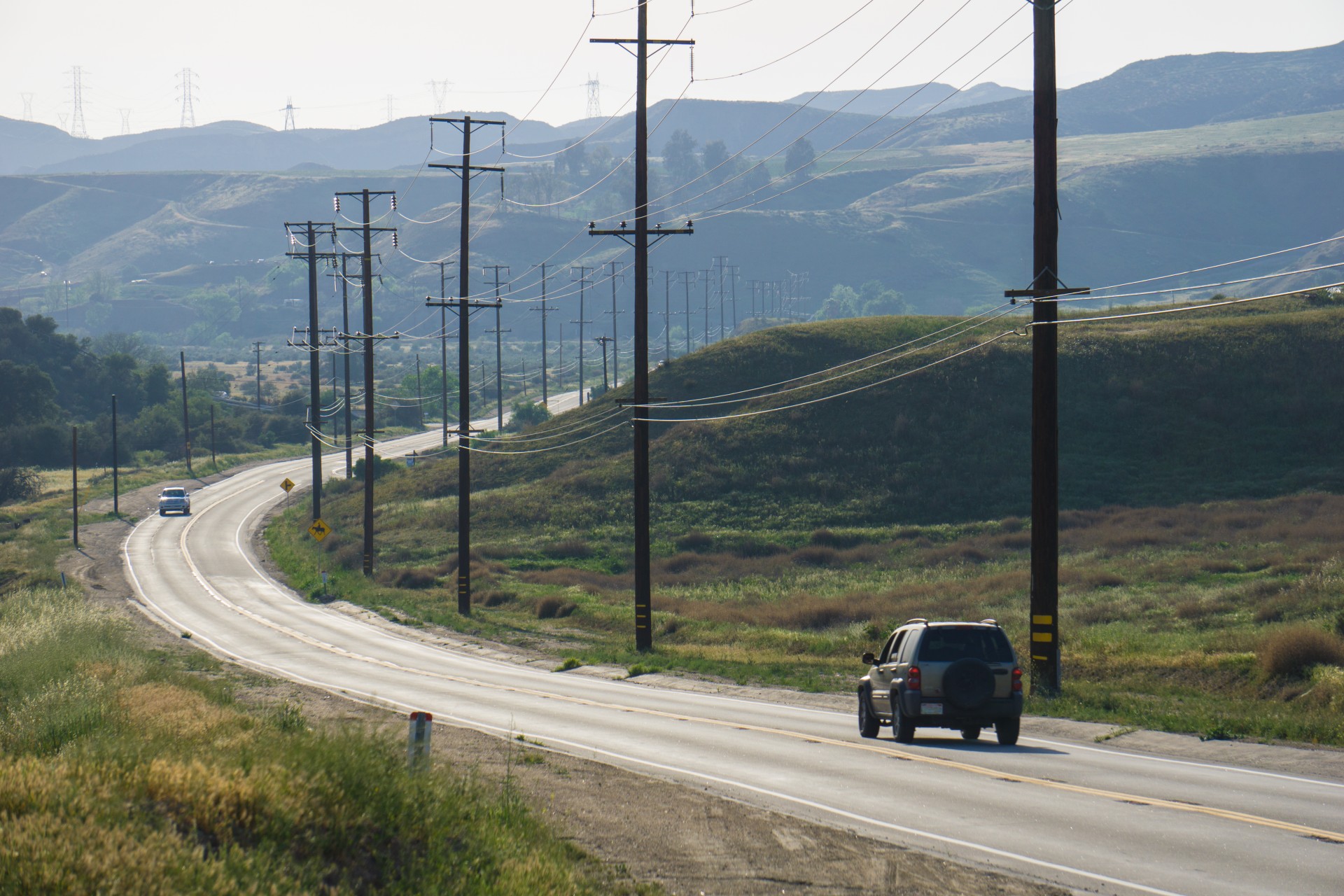
A few cars making their way down a curve in a country road near green grassy hills and trees and telephone poles.
Image c/o Ken Kistler

Olga Levadnaya reflects on how people build new memories and add to the fabric of history in elegant and old cities. Dr. Reda Abdel-Rahim highlights the wonder of the Great Egyptian Museum to showcase history and archaeology. Maftuna Rustamova regales us with her pride in her national Uzbek flag.

We can celebrate and take joy in cultures other than our own. Tourist Anna Keiko poetizes with grace and warmth on the beauty she finds in French society and culture. Maftuna Davlatova traces the development of tourism as an industry in Uzbekistan. Solijonova Dildorakhon outlines methods to improve the service and efficacy of Uzbekistan’s tourism industry.

Jacques Fleury reviews the Boston Center for the Arts’ production of Kim’s Convenience, a play about a Korean immigrant family’s convenience store that speaks to what it means to become a family and how that meaning changes over time.

Rustamova Shakhnoza’s poignant stories celebrate patience, dedication, and intergenerational family love. James Whitehead embraces his American girlfriend while contemplating American vintage art. Izabela Zubko plays in her poetry with love and memory. Royal Rhodes speaks in a reserved, thoughtful manner about memory and nostalgia: trick-or-treating, aging photos and furniture, notable storms.

Nozanin Bahodirova links the Uzbek language and the Uzbek culture, advocating the preservation of both. Zarina Murodova discusses possible roles for technology in language learning. Sevinch Hoshimova outlines advantages and disadvantages of online education and advocates for a balance between screens and traditional classrooms. Tuchiyeva Dilso’z discusses the emerging role of AI technology in student learning. Rayhona Nurdinjonova discusses potential roles for artificial intelligence in foreign language instruction. Kamolova Mashhura compares the possibilities and drawbacks of digital and in-person learning. Sotivoldiyeva Nargiza Shokirjon traces the effects of increased global migration and communications technologies on the field of linguistics. G’ulomova Rukhshona outlines evidence-based teaching methodologies for primary school students to learn their native languages.

Stylized image of a pink human brain surrounded by light blue spheres on a dark blue background, overlaid with light blue ones and zeroes (binary code)
Image c/o Gerd Altmann

Nurmetova Orzu points out the importance of and methods for teaching young children their native language. Dildora Saidjonova explores various methods to learn foreign languages. Khasanova Azizabonu highlights the presence of similar cognate words in English and Uzbek. Maftuna Hayitboyeva outlines the importance of grammar instruction in many different theories of language learning. G’afforova Hadichaxon highlights insights from philosophy that can inform and enhance language learning classrooms. Isaac Aju pays tribute to a special teacher who inspired his studies. Sobirjonova Rayhona pays tribute to a special teacher who possessed compassion and dedication. Jumanazarova Zuxra outlines fresh strategies for teaching language to young children.

Oynur Azimova speaks to the power of literature to inspire emotional resonance and creativity. Faleeha Hassan suggests ways to get beyond initial disinterest to find meaning in seemingly boring novels.

Horror writer Kandy Fontaine puts forth an artist’s manifesto about the complex female characters she creates and how that sets her apart from other writers. Alan Catlin contributes sketches of the soft and vulnerable underbelly of life: refugees, the homeless, bioluminescence, long-disused lighthouses, birds of prey without enough food. Luis Fernando Quiroz captures a witch at the very moment when her powers are interrupted at the break of dawn, revealing character while capturing a bit about the limits of anyone’s power in the face of a complex and cyclical world.

Shahina Olimova honors the poetic legacy of Uzbek writer Alexander Feinberg, who captured the national character and became internationally known. Odina Bahodirova also pays tribute to the legacy of Uzbek poet Alexander Feinberg: his attention to details of craft, his integration of feeling and form, his capturing of ordinary Uzbek life. Journalist Jakhongir Nomozov interviews Azerbaijani writer and academic Vuqar Akhmed about how childhood, patriotism, classic literature, and the methods of scientific research all inspire his own work and that of many other modern Azeri writers. Choriyeva Oynur celebrates the poetic heritage of Uzbek writer Zulfiya Isroilov and the tenderness and beauty of her work.

Abdukahhorova Gulhayo honors the tender spirit of Otkir Hoshimov’s The Works of the World, a collection of short stories about mothers. Zarina O’rinboyeva highlights the perseverance and accomplishments of a young and hardworking Uzbek girl and her caring mother. Hassan Musa Dakasku celebrates a mother’s love and kindness. Fiza Amir’s short story evokes the joy and wonder of maternal love and early childhood. Hassan Musa Dakasku celebrates a mother’s love and kindness. Shokhida Nazirova highlights the psychological and physical health benefits of breastfeeding for parents and infants. Abdukakhorova Gulhayo highlights Islamic teachings about respect for parents.

Image of two adults and three children walking near a lake and trees at sunset or sunrise. Pink and purple clouds, people are silhouetted.
Image c/o Kai Stachowiak

Brajesh Kumar Gupta’s poem reaffirms a lasting love, even in tough times. Mesfakus Salahin revels in the beauty and tenderness of springtime love.

Moustapha Misau’s poetry celebrates romantic love, before and after death. James Tian urges us to love and bless and care for the living while we still have them with us. Tea Russo’s piece highlights the absence of a family member by showing us various unusual things and people included during a time of grief. Taylor Dibbert reflects on how he still misses his beloved dog London. Jelvin Gipson depicts a woman’s internal sorrow over a heartbreak.

Turkan Ergor reflects on how nothing lasts forever, a lesson illustrated in nature. Christina Chin’s haiku dramatize how nature continually changes: someone’s always moving, being born, or dying. Mahbub Alam revels in the beauty of nature, in the elegance of snails in a slough. Dessy Tsvetkova revels in going outdoors on a brilliant sunny day. Aura Echeverri Uribe laments the environmental destruction of a natural mountain landscape. Dildora Xojyozova discusses the growing consciousness of tourists about traveling to scenic areas in ways that respect and protect nature. Yangibiyeva Iroda emphasizes the need for student and public education on environmental protection. Brian Barbeito reflects on the state of peace he finds as a hiker in deserted brown fall marshlands. Sayani Mukherjee recollects the many sights and sounds of a grove of trees near the ocean.

Bill Tope’s feline narrator, Felix, chronicles his life and times with his favorite ‘two-leggers.’ Maria Cecilia Mazza describes the beginning of another cross-species emotional connection, between a human and a robot. Eva Petropoulou Lianou encourages us to preserve the core of what makes us human as artificial intelligence begins to take over human activities: love, friendship, and hope.

Adrina Esparas-Hope explores the multifaceted nature of the metaphorical human heart. Rus Khomutoff brings us to a state of ecstasy that just elides reason. Stykes Wildee incorporates a fresh and wild sound into his rock compositions. Mark Young’s artistry blends the carefully controlled and the wild and vast.

Abstract image of various colors, pink, magenta, orange, blue, light blue, yellow, in paint snatches overlaid with black musical notes.
Image c/o Linnaea Mallette

Harry Stammer plays with traditional format, assembling his work from an assortment of scrap punctuation and gathered semiotics. Patrick Sweeney regales us with morsels of short-form that inspire us to imagine a scene or mood. Ari Nystrom-Rice serenades us with a rollicking wave of party sound. Darren Demaree contributes a bit of whimsy to his Dickinson-esque poems for his wife Emily. Jim Meirose presents a hodgepodge of radio signal and static as sports players stop for a bit to listen.

Duane Vorhees poetizes in a longer format on history, mythology, and sensuality with a touch of whimsy. Tanisha Keefe describes various aspects of human relationships and love: steady friendship, recovery after abuse and loss, self-love and self-respect. Kassandra Aguilera steps out of the circus of a failed relationship that never materialized into what she hoped.

Eleanor Hill’s piece provides a dark and visceral take on Cinderella, illustrating stepping into a glass slipper that doesn’t fit. Daniela Chourio-Soto renders subjugation, repression, isolation, and immobilization into intense physical experiences. Nicholas Gunther describes a state of stasis, mental purgatory. J.J. Campbell brings his brand of wry sadness, humor, and resignation for a fresh set of poems. Habiba Malumfashi’s poetry explores how home can both welcome and embrace and trap and imprison. Khadija Ismail spotlights the pain many women endure due to intimate partner violence and urges us not to excuse it because of religion or culture. Bill Tope’s poem dramatizes the pain of sexual abuse survivors in a world denying them agency.

Dr. Jernail S. Anand highlights the value of compassionate and ethical living, causing no harm to self or others, as opposed to simple rule following. Perwaiz Shaharyar puts forth a plea to the world’s leaders to choose peace. Dr. Ashok Kumar calls for peace, unity, and oneness among humanity. Rand Morsy calls the world and humanity to peace. Andres Loriente acknowledges the unity of the world’s people, how we are more alike due to common experiences than we are different because of race. Dianne Reeves Angel’s short story illuminates how she began to understand and oppose the injustices in South Africa while in the country making what was going to be a glamorous film.

Najmiddinova Shahinabonu encourages us to pursue virtues such as perseverance, resilience, and family love, even more than we strive for riches. Luz Myriam Moreno Puerta speaks to overcoming rejection with perseverance. Zamira Moldiyeva Bahodirovna speculates on the psychology behind why we remember negative experiences more so than positive ones and encourages us to strive for mental and emotional balance. Wansoo Kim sends up poems of personal, social, and natural hope and renewal.

Robot with a full metal body holding a daisy in a rocky desert landscape during a purple sunset or sunrise.
Image c/o Kai Stachowiak

Zikrillo Latipov’s short story highlights the value of our hopes and dreams. Bekturdiyeva Nargizabonu emphasizes the importance of youth to society and therefore, the responsibilities of young people to learn and contribute. Aisha MLabo reflects on the inner drive and energy in the heart of a young person. Guzliebo Matniyozova rededicates herself to self-discipline and self-improvement as a writer and a student. Dilnoza Rakhimova celebrates her personal journey towards academic and professional success. Amonboyeva Shahnoza Yusupboy speaks to how one can build lifelong character through the habits one develops as a student. Dildora Toshtemirova urges people to have perseverance in pursuing their dreams.

Omonova Shakhzoda considers how extracurricular activities shape student leaders. Priyanka Neogi celebrates the many women joining the ranks of cricket players. Nidia Garcia speaks to an artistic partnership between a musician and her violin.

Z.I. Mahmud highlights the artistry of older American cinema, some iconic acting performances in particular. Actor and critic Federico Wardal spotlights the movie in which he most recently appears, Anita, which is being shown in San Francisco and receiving the Italian Courage for Freedom film award.

Film is one form of human creative endeavor, and there are many more we celebrate in this issue. Sotvoldiyeva Muslima affirms the crucial nature of the rule of law to a civilized society. Odilova Odinakhon discusses the need for lawyers to receive continuing education. Aziza Toshpo’latova goes in depth about the roles and responsibilities of translators and proposes ways to strengthen the field. Emran Emon presents himself to the world as a qualified international journalist. Boboqulova Durdona presents technical solutions for improving the efficiency of the electrical grid in Uzbekistan. Nordona Norqulova outlines problems with and suggests solutions for the administration of Uzbek public institutions.

Our knowledge can enhance our capacities for protection and wisdom as well as for expansive creation. Baxronova Vasila urges moderation in prescription of antibiotics to children. Nurboboyeva Dilshoda’s essay highlights strategies to intervene and lessen the risk of youth suicide in our age of social media. Nazirova Madinakhon outlines strategies for protecting our digital data from online miscreants.

Old rusty metal lock on a wooden door, close up.
Image c/o Anonymous User

We hope this issue will serve as a guard against the dangers of boredom, alienation, loneliness, and lack of inspiration. Please enjoy our pages!

Poetry from Sayani Mukherjee

Memory

A large promenade over my head
The sound escapes as riverfalls
Bright blue steamy like the divine ocean
My mind blows over the Meadows
The chickens chirp as evening goes by
The ocean mast fall over its deduction of masses
The prairies blow high over the alters 
I skim and pine for the forests 
The nature's handgrown misery till it saddles over my 
Ghost naming diaries
The fisher queen stays at night
Between the bright barricades
The sylvan spree took a leap high
For it