Marin Angel, a writer from Finland and Bulgaria, seeks volunteer writers and editors for a newly forming international poetry society.
Hello, poets, poetesses, and friends of poetry!
I created a WhatsApp group called ‘PPPT’, which you can join if you are interested (actively and/or positively) in poetry. There, in our ‘PPPT’ group, I will publish information about how our party should work, with the sole purpose of helping to preserve poetry around the world for ourselves and especially for future generations. I will mention one very important point related to my desire to create this poetic political party ‘Transparent’… A few months ago, a friend of mine (at this stage, he doesn’t want me to reveal his name) told me that he was willing to give away a significant portion of his money. He is a widower and has no children. The amount he is willing to allocate to this idea – the rescue and preservation of poetry – is approximately 6,700,000 US dollars. Before giving me this money, he stated his conditions: The PPPT party must have at least 8,000 members. Four thousand of them must be active members (proofreaders and editors) who, for at least 12 months, will demonstrate how they all work together for the benefit of POETRY. Inactive (so-called sponsor) members of the PPPT must constantly promote our party among their relatives, friends and acquaintances. For more information, write to me here marinangel.fi@gmail.com, in our general group https://chat.whatsapp.com/EJKeUxZNzHr6YjZJJs6Z9s?mode=gi_t or in a private message on WhatsApp! I look forward to your reply! Marin +358456924499 Finland
I would be grateful if you could share this message with your family, friends and acquaintances! Thank you in advance for your help. Marin
Active members of the Poetic Political Party ‘Transparency’ (abbreviated as PPPT) will receive the following BENEFITS:
1) Within (maximum) 2 years, your works will become known in 75 countries around the world. By becoming an active member (EDITOR) of PPPT, you will be able to publish 2 of your poems per month in our group, which will be translated into 12 languages completely free of charge.
2) Our first book, ‘The Colour, Smell and Taste of White Snow,’ will be distributed in these 75 countries by the end of April 2027. The recipients of our book will include more than 500,000 people, including more than 300 presidents (current and former), all prime ministers, ministers of culture, current and former politicians, the largest and most important libraries, all leading literary and art publishers, more than 5,000 companies and many other individuals.
What will each editor’s job entail?
The editor will be required to professionally edit (in the language or languages he or she is fluent in) eight poems each month, which we will send to him or her for editing.
I am writing on behalf of the Poetic Political Party ‘Transparent’ (abbreviated PPPT) to invite you to join our shared cultural exchange, which celebrates our family traditions and unique customs, both of your culture and of all cultures around the world.
We believe that sharing amazing stories and family rituals can create a wonderful bridge between our rich cultural traditions. Our goal is to develop relationships that enrich the lives of all peoples and/or nations through open dialogue and the exchange of experiences.
We believe that cultural diversity is crucial in today’s globalised market, and by sharing these experiences, local traditions and knowledge, we can contribute to
creating a more diverse environment for ourselves and future generations.
Your personal reputation as someone interested in cultural diversity and your reputation for understanding (e.g., poetry, folk art, visual arts, etc.) make you an ideal partner in our joint initiative.
As part of our joint efforts to create a more diverse and dynamic community, we are planning a series of events — for example, our first book, in which we will collect all of our amazing memories that highlight the beauty and richness of different cultures.
We believe that by uniting as ONE, we can learn from the stories of others and create a stronger sense of unity.
Türkan Ergör, Sociologist, Philosopher, Writer, Poet, Art Photography Model. Türkan Ergör was born 19 March 1975 in the city of Çanakkale, Türkiye. She was selected International “Best Poet 2020”. She was selected International “Best Poet, Author/Writer 2021”. She was selected International “Best Poet, Writer/Author 2022”. She was awarded the FIRST PRIZE FOR THE OUTSTANDING AUTHOR IN 2022. She was awarded the 2023 “Zheng Nian Cup” “National Literary First Prize” by Beijing Awareness Literature Museum. She was awarded the “Certificate of Honor and Appreciation” and “Crimean Badge” by İSMAİL GASPRİNSKİY SCIENCE AND ART ACADEMY. She was awarded the “14k Gold Pen Award” by ESCRITORES SIN FRONTERAS ORGANIZACIÓN INTERNACIONAL.
Enhancing Women’s Employment and Entrepreneurship – A Factor of Socio-Economic Development
Today, women’s active participation plays a crucial role in ensuring the sustainable development of society, the growth of the economy, and the well-being of families. Women’s active involvement in the labor market not only increases their personal income but also expands the country’s economic potential and contributes to job creation. Therefore, it remains one of the most important social issues.
The Importance of Increasing Women’s Employment
Women’s employment is closely linked to their social activity, economic independence, and growing status in society. An employed woman:
Contributes to the economic stability of her family; Creates opportunities for raising healthy and educated children; Participates actively in social life; Realizes her talents and abilities.
Furthermore, the effective utilization of women’s labor leads to an increase in the number of skilled professionals in the labor market. Women’s potential is especially high in fields such as education, healthcare, services, handicrafts, and innovation.
Entrepreneurship – Expanding Opportunities for Women In recent years, special attention has been paid to the development of women’s entrepreneurship.
Starting their own businesses allows women to: Achieve financial independence; Work in areas of personal interest; Create additional employment opportunities; Strengthen their social engagement.
Small business and family entrepreneurship, in particular, serve as favorable directions for women living in rural areas. Traditional and profitable activities such as tailoring, cooking, livestock breeding, carpet weaving, gold embroidery, and needlework remain key sources of income for women.
State Support for Women’s Development To support women’s empowerment, the following measures are being implemented:
Organization of vocational and professional training courses; Provision of preferential loans, subsidies, and grants; Implementation of projects enabling remote work; Establishment of business advisory centers; Introduction of special programs for socially vulnerable women.
These initiatives are creating a solid foundation for women’s active participation in the economic sphere.
Challenges and Solutions However, in certain regions, several challenges persist in increasing women’s employment:
Insufficient qualifications and education; Limited access to financial resources; Social stereotypes and psychological barriers; Time constraints due to family responsibilities. To overcome these barriers, it is essential to: Provide women with training in modern professions; Develop their entrepreneurial skills; Expand remote work opportunities; Strengthen mentorship and advisory systems; Promote gender equality within families.
Conclusion Women’s employment and entrepreneurship are vital indicators of social progress.
By supporting women economically: Family welfare is strengthened; Poverty rates decline; New jobs are created; The national economy develops sustainably.
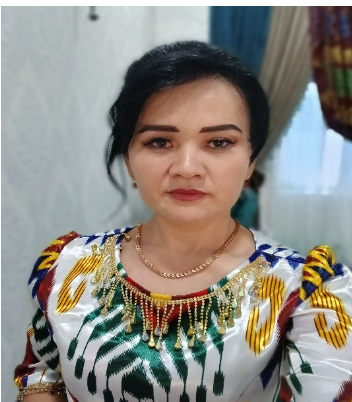
Abdiyeva Mahbuba Rahmiddinovna was born on September 22, 1989, in Nishon district, Kashkadarya region. She studied at secondary schools No. 31 and No. 11 in her district, and later graduated from the Faculty of Natural Sciences at Qarshi State University, majoring in Geography (2013–2017). She is married. From 2019 to 2022, she worked as an educator at Preschool No. 23 and as a teacher at Secondary School No. 11 in Nishon district.
Since 2022, she has been serving as the Women’s Activist of the Paxtaobod and Jalajin neighborhoods of Nishon district, Kashkadarya region. She is currently learning English and Turkish. Her articles titled “Developing Beekeeping in Uzbekistan” and “Uzbek National Handicrafts” have been published. She actively participates in ecological projects and is a member of the Association of Artisans. Her future goals include pursuing a master’s degree at a foreign university, working in the field of management, establishing a handicraft center and assisting in the legalization of women entrepreneurs’ activities.
Annotation: In today’s rapidly evolving world, knowledge and skills quickly become outdated, demanding continuous personal and professional development. Lifelong learning—the ongoing, voluntary, and self-motivated pursuit of knowledge—has become crucial for adapting to societal, technological, and economic changes. Unlike traditional education, which is time-bound and often confined to youth, lifelong learning emphasizes continuous growth, critical thinking, and adaptability throughout one’s life (Candy, 2002). This paper explores the significance of lifelong learning in the 21st century, its benefits, challenges, and strategies for fostering a culture of continuous learning.
Key words: strategies, paper exploring, continuous learning, pursuit learning
Understanding Lifelong Learning3
Lifelong learning is not about going to school. It is also about learning from experiences taking classes going to workshops getting professional training and studying on your own. Lifelong learning helps people grow in ways including how they think, feel and get along with others. In today’s world, where new things are being discovered all the time and technology is changing the kinds of jobs that’re available lifelong learning is something that people really need to do. This is because knowledge is growing at a fast rate and technology is changing the world of work so lifelong learning is no longer something that you can choose to do or not do it is something that you have to do as the Organisation for Economic Co-operation and Development said in 2019 and Peter Jarvis wrote about in 2007.
Learners should take charge of their growth. They need to be curious and get used to changing situations.
Lifelong learners are people who take action think about what they do and bounce back from times. These are qualities that make people happy and help society too. Lifelong learners are important, for satisfaction and societal progress because lifelong learners are always learning and growing
Importance of Lifelong Learning
1. Adapting to Technological Change
Lifelong learning is very important. The main reason for this is that technology is always changing. New machines and computer systems are being used in the workplace. This means that people need to learn things to do their jobs well. They have to keep learning skills to stay up to date. Lifelong learning helps people get the skills they need for jobs. It helps them stay competitive and have careers. People can work in different fields throughout their lives. Lifelong learning is the key, to making this happen. Technological advancement is a part of lifelong learning. It is changing the way people work and the skills they need to have
So software engineers have to keep learning programming languages all the time. This is because things are always changing.
Healthcare professionals also need to stay updated on medical technologies.
Lifelong learning is really important because it helps software engineers and healthcare professionals adapt to things. This means they are less likely to become outdated, in fields that are changing fast like the field of software engineers and the field of healthcare professionals
2. Enhancing Employability and Career Growth
In today’s world being able to learn things all the time is really important for doing well in your job. Employers, like people who’re flexible, resourceful and committed to self-improvement as Field said in 2006. People who keep learning can find opportunities get certifications and move up in their careers without having to wait for formal training programs. Lifelong learners, like these people can really take control of their careers. Make progress. They can learn skills and get better at what they do which is what lifelong learners do.
Lifelong learning is really good because it helps people learn skills that they can use in lots of situations like solving problems and talking to others. It also helps people think critically which is important for being a leader and coming up with new ideas. People who always try to learn and get better at their jobs are usually happier. Have more stable careers. Lifelong learning is important for leadership and innovation. It helps people, like professionals have a better life.
3. Fostering Personal Growth and Well-bein
Lifelong learning is really good for you not for your career. It helps you grow as a person. When you do things that challenge your mind like learning things it is good for your mental health and it helps you deal with your emotions. Things like reading, learning languages or trying out arts and crafts can make your life more interesting and help you feel better about yourself. Lifelong learning can really make a difference, in your life it can make you feel more confident and happy.
Lifelong learning is really good because it helps people get involved with their communities and meet others who like the things. People can join groups that’re interested in the same things and work together to learn new things. This is great because it can help people feel less alone and more connected to others. It can also help people understand and care about others more. Overall lifelong learning and social participation can make people feel better and happier. Lifelong learning is important for people to feel good, about themselves and their lives.
4. Supporting Societal Progres
Learning is something that people should do their lives. It is good for each person. It is also good for the community. When people keep learning they help create things make the economy stronger and get involved in their communities. The United Nations Educational, Scientific and Cultural Organization said this in 2016. Countries that make sure adults can keep learning use computers and technology. Get better at their jobs have people who can deal with problems know what is going on and can compete with others. Learning is important for people and, for societies it helps countries make informed communities and it helps people get better jobs and do new things like what the United Nations Educational, Scientific and Cultural Organization said in 2016 about learning and its importance.
Education systems that teach people to keep learning their lives can help make citizens who are good at thinking carefully solving problems and making good choices. This is important for dealing with problems like climate change, inequality and technological disruption that affect the Education systems and the people in them. Education systems that focus on learning can really make a difference, in how citizens of Education systems think and act.
Challenges of Lifelong Learning
Lifelong learning has a lot of things, about it but there are some big problems that get in the way of lifelong learning
1. Accessibility and Inequality
People do not all have the chance to learn throughout their lives. Some things get in the way like not having money not having good enough roads and buildings and not being treated fairly. These things can make it hard for people to take classes go to workshops and use things they find online as the Organisation for Economic Co-operation and Development said in 2019. Some people like those who do not have a lot of money and those who live in the country may have a tough time taking part in programs that help them keep learning. Lifelong learning opportunities are just not the same for everyone. This is especially true, for marginalized groups, including low-income populations and rural residents when it comes to continuous education initiatives and lifelong learning opportunities.
2. Motivation and Self-Discipline
Learning things your whole life requires you to really want to do it and be able to control yourself. If you do not have a plan to follow people may have a time keeping up with learning especially when they have to deal with work, family and other things they have to do (Field, 2006). Lifelong learning is not easy that is why people need to be motivated to keep going and learning things.
3. Rapid Knowledge Obsolescence
The speed at which technology and science are changing is really fast. This makes it tough for people who want to keep learning to stay to date. People who want to learn their lives have to be ready to change and plan ahead so they can focus on the skills and knowledge that are important, for technology and science. They have to think about what they need to learn and make a plan to learn it.
4. Institutional and Policy Support
The success of learning really depends on having supportive policies, good infrastructure and recognition of non-formal education. If the government and institutions do not provide support it can be very hard for people to access lifelong learning programs and the quality of these programs can be poor. This can also affect the incentives for learners.
References
1. Candy, P. C. (2002). Lifelong Learning and Information Literacy. White House Conference on School Libraries.
2. Field, J. (2006). Lifelong Learning and the New Educational Order. Trentham Books.
3. Jarvis, P. (2007). Globalization, Lifelong Learning and the Learning Society: Sociological Perspectives. Routledge.
4. OECD. (2019). Skills for 2030: Lifelong Learning and Competence Development. OECD Publishing.
5. Schleicher, A. (2018). World Class: How to Build a 21st-Century School System. OECD Publishing.
6. UNESCO. (2016). Education 2030: Incheon Declaration and Framework for Action. UNESCO Publishing.
7. Merriam, S. B., & Bierema, L. L. (2013). Adult Learning: Linking Theory and Practice. Jossey-Bass.
8. Livingstone, D. W. (2001). Adult Education, Lifelong Learning and the Knowledge Society. Canadian Journal for the Study of Adult Education, 15(1), 5-26.
9. Cross, K. P. (1981). Adults as Learners: Increasing Participation and Facilitating Learning. Jossey-Bass.
10. Tough, A. (1971). The Adult’s Learning Projects: A Fresh Approach to Theory and Practice in Adult Learning. Ontario Institute for Studies in Education.
My name is Marjona Dostmurodova. I was born on September 7, 2006, in Karshi city, Kashkadarya region, Republic of Uzbekistan. Currently, I am a second-year student at Uzbekistan State World Languages University. From an early age, I have been deeply interested in learning foreign languages, especially English, and I aim to work in an international environment in the future.
Alongside my academic studies, I actively participate in social and volunteer activities. I have taken part as a volunteer in various government events, concerts, ballet performances, shows, and sports events. In addition, I have volunteered in adaptive sports projects and social initiatives organized for children with disabilities, where I assisted in organizing activities and supporting participants. I have also worked with volunteers from different countries and cultural backgrounds, which helped me develop strong communication, teamwork, and leadership skills.
Moreover, I am interested in social media marketing (SMM) and have completed several courses in this field. I consider myself responsible, motivated, and adaptable, and I always strive for personal and professional growth. In the future, I plan to participate in international volunteer programs and build my career in the fields of education or aviation.
The Role of Mobile Applications in Learning Korean
Tashkent state university of oriental studies Institute of oriental languages and literature Korean – English philology, 1st year student — To‘g‘ilova Dinora
Annotatsiya: Mazkur maqolada koreys tilini xorijiy til sifatida o‘rganishda mobil ilovalarning roli hamda foydali tomonlari tahlil qilinadi. Tadqiqotda zamonaviy texnologiyalarning yangi tilni o‘rganish jarayoniga ta’siri, xususan, mobil ilovalar orqali til o‘rganish ko‘nikmasini rivojlantirish imkoniyatlari yoritiladi. Shuningdek, Duolingo, Memrise hamda Hellotalk kabi ommabop ilovalarning samarali xususiyatlari ko‘rib chiqilib, ularning o‘quvchilarning mustaqil ta’lim olishidagi samaradorligi o‘rganiladi. Maqolada mobil ilovalardan foydalanishning afzalliklari hamda ayrim cheklovlari tahlil qilinib, koreys tilini o‘rganishda ularni an’anaviy ta’lim olish usullari bilan uyg‘unlashtirish lozimligi ochib beriladi.
Kalit so‘zlar: Yangi tilni o‘rganish,koreys tili, mobil ilovalar, zamonaviy ta’lim tizimi, an’anaviy ta’lim tizimi, ta’lim sifatini oshirish, Duolingo, Memrise, Hellotalk.
Annotation: This article analyzes the role and advantages of mobile applications in learning Korean as a foreign language. The study highlights the impact of modern technologies on the language learning process, particularly the opportunities to develop language skills through mobile applications. Popular apps such as Duolingo, Memrise, and Hellotalk are examined for their effective features and their contribution to independent learning. Furthermore, the article discusses the benefits and certain limitations of using mobile applications, emphasizing the need to integrate them with traditional teaching methods in the process of learning Korean.
Keywords: Learning a new language, Korean language, mobile applications, modern education system, traditional education system, improving the quality of education, Duolingo, Memrise, Hellotalk.
Аннотация: В данной статье рассматривается роль и преимущества мобильных приложений в изучении корейского языка как иностранного. В исследовании освещается влияние современных технологий на процесс изучения языка, в частности возможности развития языковых навыков посредством мобильных приложений. Анализируются эффективные особенности популярных приложений, таких как Duolingo, Memrise и Hellotalk, а также их вклад в самостоятельное обучение. Кроме того, в статье обсуждаются преимущества и некоторые ограничения использования мобильных приложений, подчеркивается необходимость их интеграции с традиционными методами обучения при изучении корейского языка.
Ключевые слова: Изучение нового языка, корейский язык, мобильные приложения, современная система образования, традиционная система образования, повышение качества образования, Duolingo, Memrise, Hellotalk.
Introduction. It is no secret that in today’s era of globalization, the use of digital technologies brings convenience and ease to every field. In particular, mobile gadgets and platforms are widely used in mastering foreign languages. For example, in a study conducted by Sun Young Choo, it was emphasized that due to the COVID-19 pandemic, most learners of the Korean language effectively used various electronic applications. He also evaluated mobile applications as educational tools, noting that they are not limited by space and time, and that they increase opportunities for independent learning. In learning Korean, mobile applications such as Duolingo, Memrise, and Hellotalk are widely used. While they help accelerate and make the language learning process more engaging, some shortcomings cannot be denied. In particular, learners who use mobile devices for long periods face eye-related problems. As a result, their motivation to learn decreases. This shows the need to maintain a balance between traditional and modern education systems and harmonize them with each other.
Research Methodology. This study was conducted in order to determine the role of electronic platforms in young people’s acquisition of a new language, based on an anonymous online survey. Fifty students and learners studying Korean at various educational centers actively participated. To ensure participants’ safety, no personal information was disclosed. During the survey, each participant was asked which of the above-mentioned platforms (selected from the most downloaded apps in the Google Play Store) they used most often, and to give an unbiased opinion about the importance of such mobile applications in language acquisition.
Literature Review. During the research, local and international literature related to the topic was studied. In particular, in Abdukodirov V.G’s article “Mobile Applications in Language Learning”, it was noted that platforms should be used correctly and that additional online tasks should be completed under the teacher’s guidance. In addition, he pointed out that sometimes these applications may distract learners, that technical problems related to the internet and devices may arise, and that unsupervised learning may lead to a decline in effectiveness.
Research results and discussion. The results of this study show that out of 50 participants, 18 used Duolingo (an application based on gamification principles), 15 used Memrise (mainly aimed at vocabulary building and easy memorization of words), 9 used Hellotalk (an application focused on improving communication skills by conversing with foreigners in the target language), and 8 used other applications. Moreover, in the second part of the survey, which asked for unbiased opinions, the majority of participants stated that using the above-mentioned applications under teacher supervision would yield better results and be more effective.
In the discussion section, it was revealed that although mobile devices and applications have created many conveniences for young people in learning Korean in recent years, due to certain shortcomings, the likelihood of learning the language effectively without teacher support is low. Furthermore, it was analyzed that harmonizing modern and traditional education systems is advisable.
Conclusion. According to the results of this study, mobile applications have been found to be widely used as important tools in mastering the Korean language. Digital platforms such as Duolingo, Memrise, and Hellotalk effectively help young learners expand their vocabulary, engage in independent learning, and improve real communication skills. At the same time, their limitations—technical problems, distraction, and health issues caused by prolonged use of mobile gadgets—may negatively affect language acquisition. Therefore, it was concluded that integrating the use of mobile applications with traditional teaching methods would help improve the quality of education.
References:
Choo, S. Y. Age and Korean language learners’ use of mobile applications : scholarly paper submitted in partial fulfillment of the Master of Arts in Second Language Studies / S. Y. Choo. – Honolulu : University of Hawaiʻi at Mānoa, Department of Second Language Studies, 2021. – 98 p.
Abduqodirov, V. G. Til o‘rganishda mobil ilovalardan foydalanish imkoniyatlari / V. G. Abduqodirov // Xorijiy tillarni o‘qitish metodikasi. – Toshkent, 2020. – № 3. – B. 45–49.
Kukulska-Hulme, A. Mobile assisted language learning: a handbook of theory and practice / A. Kukulska-Hulme, J. Traxler. – London : Routledge, 2013. – 256 p.
Godwin-Jones, R. Emerging technologies: Mobile-assisted language learning / R. Godwin-Jones // Language Learning & Technology. – 2011. – Vol. 15, № 2. – P. 2–11.
Kim, H. J. The use of smartphone applications in learning Korean as a foreign language / H. J. Kim // Journal of Korean Language Education. – Seoul, 2018. – Vol. 29, № 1. – P. 85–104.
Stockwell, G. Using mobile phones for vocabulary activities: examining the effect of platform / G. Stockwell // Language Learning & Technology. – 2010. – Vol. 14, № 2. – P. 95–110.
Common Mistakes in Learning a Foreign Language and Effective Ways to Overcome Them
Sultonova Shahlo Baxtiyor qizi
UzSWLU, Student
Abstract
This article explores the most common mistakes learners make when studying a foreign language and analyzes their causes and consequences. Despite the growing importance of foreign language proficiency in education and professional life, many learners fail to achieve fluency due to ineffective learning strategies, lack of consistency, and psychological barriers. The article highlights key issues such as fear of making mistakes, overreliance on grammar, memorization without context, and unhealthy comparison with others. It also offers practical recommendations to overcome these challenges and emphasizes the importance of persistence, learner autonomy, and communicative practice. The findings of this article can be useful for students, teachers, and independent language learners seeking more effective approaches to language acquisition.
In the modern world, foreign language competence has become an essential skill rather than an optional advantage. Globalization, international education, migration, and digital communication have significantly increased the demand for multilingual individuals. English, in particular, plays a dominant role as a global language, while other languages such as Korean, Chinese, and German are also gaining importance in specific fields. Despite the availability of numerous learning resources, applications, and courses, many learners struggle to reach a satisfactory level of proficiency.
This paradox raises an important question: Why do so many people invest time and effort in learning a language but still fail to communicate fluently? The answer often lies not in intellectual ability, but in common learning mistakes and misconceptions. Understanding these mistakes is a crucial step toward improving language acquisition outcomes.
Fear of Making Mistakes
One of the most significant barriers in language learning is the fear of making mistakes. Many learners believe that errors indicate a lack of intelligence or competence. As a result, they avoid speaking until they feel completely confident, which may never happen. This perfectionist mindset prevents learners from practicing the language actively.
From a linguistic perspective, mistakes are a natural and necessary part of learning. Children acquire their first language through constant trial and error. Similarly, adult learners must accept errors as learning opportunities. Research shows that learners who actively use the language, despite making mistakes, progress faster than those who remain silent.
Overemphasis on Grammar
Grammar is often considered the foundation of language learning, and while it is important, excessive focus on grammatical rules can be counterproductive. Many learners can explain complex grammatical structures but struggle to form simple sentences in real-life situations.
Language is primarily a tool for communication. Without practical application, grammar knowledge remains passive. Learners should aim to balance grammar study with speaking, listening, and reading activities. Functional use of grammar in meaningful contexts leads to better retention and fluency.
Lack of Consistency and Discipline
Another common mistake is irregular study habits. Many learners study intensively for short periods and then abandon the language for weeks or months. This inconsistency disrupts memory retention and slows progress.
Language learning requires continuous exposure. Even short daily practice sessions can significantly improve comprehension and fluency. Consistency helps build habits, reinforces vocabulary, and strengthens neural connections associated with language processing.
Ineffective Learning Methods
Learners often follow popular or advertised learning methods without considering their personal learning styles. Some people are visual learners, others auditory or kinesthetic. Using an unsuitable method can lead to frustration and loss of motivation.
Effective language learning requires self-awareness. Identifying strengths and preferences allows learners to choose appropriate resources and strategies. Personalized learning increases engagement and efficiency.
Memorizing Vocabulary Without Context
Memorizing isolated vocabulary lists is another widespread mistake. Words learned without context are easily forgotten and difficult to use correctly. Language is not a collection of separate words but a system of patterns and meanings.
Learning vocabulary through sentences, dialogues, and real-life examples improves understanding and long-term memory. Contextual learning also helps learners grasp collocations, idiomatic expressions, and cultural nuances.
Negative Comparison and Loss of Motivation
Comparing oneself to other learners can negatively impact motivation. Some individuals learn languages faster due to prior exposure, learning environment, or personal circumstances. Constant comparison leads to self-doubt and discouragement.
Language learning is a personal journey. Progress should be measured against one’s own past performance rather than others’ achievements. Maintaining a positive mindset and celebrating small improvements are essential for long-term success.
In conclusion, many difficulties in language learning stem from common but avoidable mistakes. Fear of mistakes, excessive focus on grammar, lack of consistency, ineffective methods, context-free memorization, and negative comparison all hinder progress. By recognizing and addressing these issues, learners can adopt more effective strategies and develop confidence in using the language.
Language learning is a gradual process that requires patience, discipline, and resilience. With the right mindset and approach, achieving fluency becomes an attainable goal rather than a distant dream.
References:
1. Brown, H. D. (2007). Principles of Language Learning and Teaching (5th ed.). Pearson Education.
2. Ellis, R. (1997). Second Language Acquisition. Oxford University Press.
3. Harmer, J. (2001). How to Teach English. Longman.
4. Krashen, S. D. (1982). Principles and Practice in Second Language Acquisition. Pergamon Press.
5. Nation, I. S. P. (2001). Learning Vocabulary in Another Language. Cambridge University Press.
6. Richards, J. C., & Rodgers, T. S. (2014). Approaches and Methods in Language Teaching (3rd ed.). Cambridge University Press.
7. Lightbown, P. M., & Spada, N. (2013). How Languages Are Learned (4th ed.). Oxford University Press.
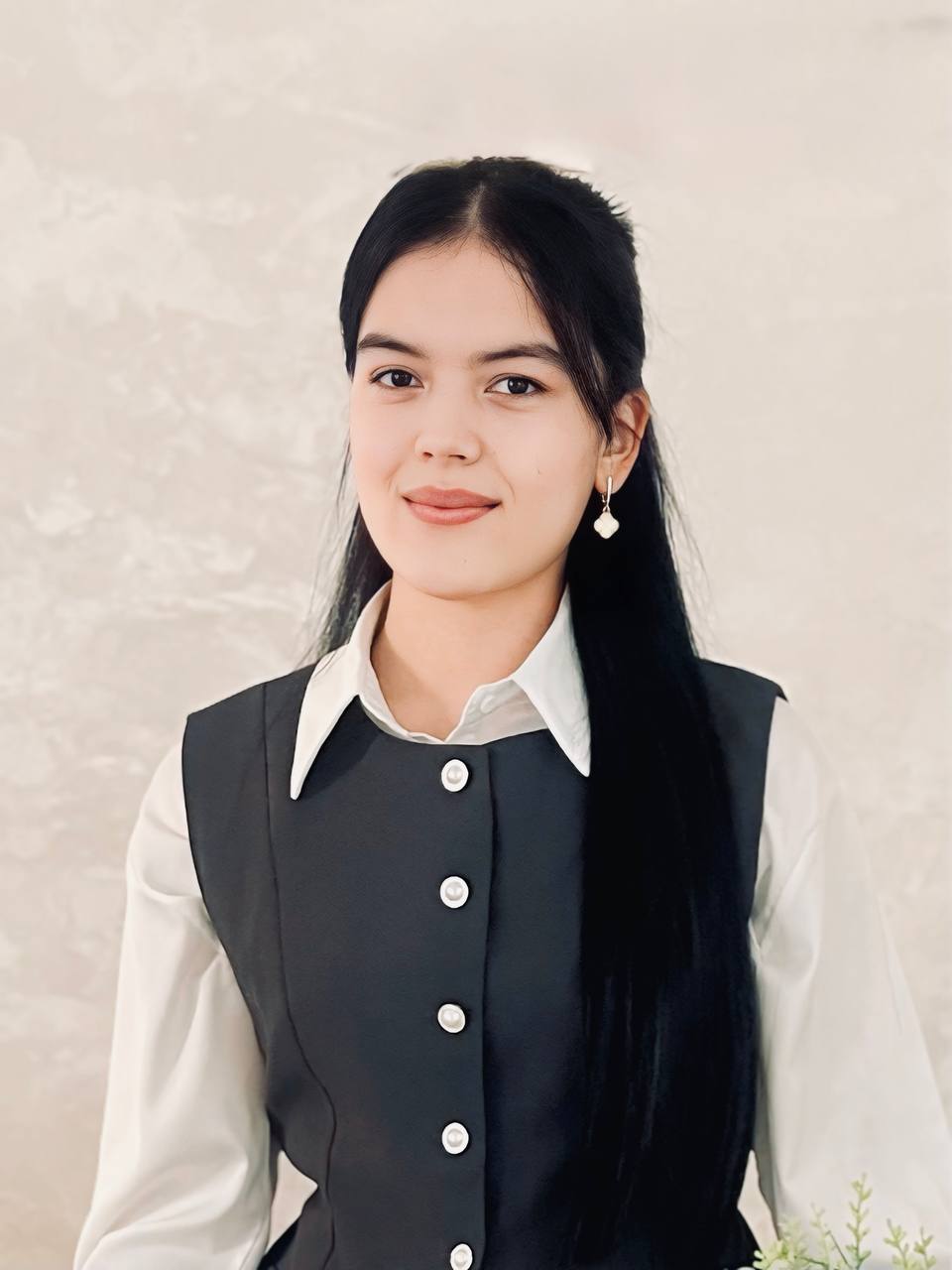
Shahlo Sultonova was born on August 3, 2005, in the Khorezm region of Uzbekistan. She is currently a second-year student at the Uzbekistan State World Languages University (UzSWLU).
As a university student, Shahlo is known for her responsibility, dedication, and strong interest in learning. She actively works on improving her academic knowledge and developing professional skills related to her field of study. Shahlo values self-development and strives to combine theoretical knowledge with practical experience.
Her main goal is to become a highly qualified specialist in the future and to contribute positively to the development of society through her profession.