



The Ancient One
Before the stars began to shine,
Or the moon was a pale light in the night ,
Eons came and went,
In this age we live in,
Stories were told and retold,
Until lost in the in the mists of time.
Many wise men shared their wisdom,
And their truths were made known
To the world..
But the people walked on in darkness,
Trampling their truths as they went.
Their weapons became more and more fearsome,
And they had help with the evil they chose.
The Ancient One is watching,
He knows this too shall pass,
He seen it come,
And He watched it go,
He is the first and the last.
Water
Once a man went near a sea and said to the water, “Tell me something about you.” The water said to the man, “I can bring flood and can destroy a country, People drink me when they feel thirst, People use me to wash their bodies.” After hearing this the man again said to the water, “You have so much power that you can destroy a country but you always take the shape of the thing where you’re kept.” Saying this, the man took water in a pot and went from there.
Monsoon in Bangladesh
Clouds roll in over fields so wide,
Raindrops fall and rivers glide.
Bamboo bends as winds rush through,
Leaves dance in a world turned new.
Children splash in muddy streams,
Village ponds reflect gray dreams.
Monsoon sings on tin roof tops,
Till the final raindrop stops.
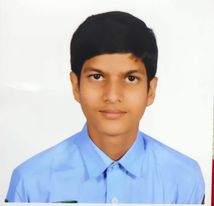
Wazed Abdullah is a student of grade ten in Harimohan Government High School, Chapainawabganj, Bangladesh.
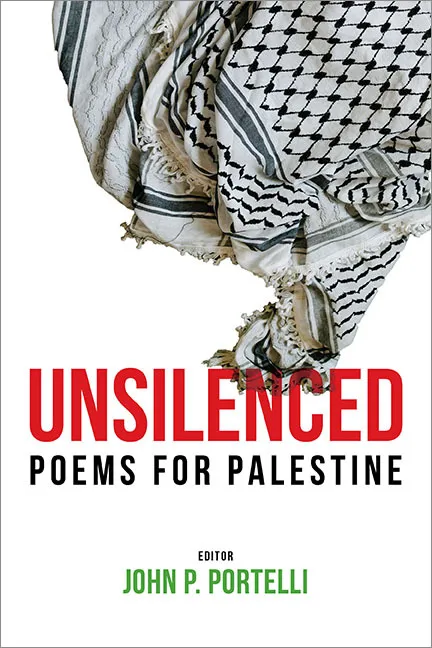
This anthology contains work from Synchronized Chaos’ contributor Graciela Noemi Villaverde and may be ordered here.
Curated by John P. Portelli, Unsilenced: Poems for Palestine brings together poets from Palestine, the diaspora, and globally—including renowned names like Fady Joudah, Leila Marshy and Marwan Makhoul alongside some 50 international poets.
This collection is not just a book—it’s a fundraiser. 100% of proceeds will go to support Gaza, providing support and solidarity.
Now for this issue! Staying Human.
Haroon Rachid contemplates his country’s potential turn towards war, vowing to hold onto his humanity through culture, thought, and study. Bahora Bakhtiyorova reminds us of the impending challenge and risk of climate change. Ahmed Miqdad despairs of life in war-torn Gaza as Maria Miraglia mourns and rages about the loss of children. Mykyta Ryzhykh speaks to the trauma of surviving wartime as a civilian as well as the grief of romantic rejection and heartbreak. Mesfakus Salahin portrays a person who has lost his humanity and become like an automaton in the face of trauma. Elisa Mascia speaks to the challenges of holding onto truth and authenticity in a harsh world.
Eva Petropoulou Lianou, in a piece translated into Albanian by Eli Llajo, shares a sensitive soul’s reflection on living in a harsh world. Brooks Lindberg addresses the limitations of being in space and time with a human body. David Sapp speaks in his poetry to some of the ever-present anguish of being human: mortality and grief, anxiety and trauma, as Steven Bruce poetically expresses lonesomeness and acknowledges the inevitability of death. J.J. Campbell vents about a variety of physical, emotional, and relational pain and loneliness as Liliana Mirta Ramirez writes evocatively of an impending storm.
Soumen Roy explores both the expansive sense of feeling at one with the universe and joining in its creative energy and the despair and emptiness we feel at other times. In a similar vein, Lidia Chiarelli speaks both to the fanciful whimsy of dreams coming to life and the urgency of preserving our environment before it becomes a wasteland. Mahbub Alam also references tragedy and restoration in the human and natural world as Lilian Dipasupil Kunimasa speaks to the joy of unity among people of different backgrounds and the futility of revenge.
We find solace in a variety of places.
Dr. Jernail S. Anand illuminates the healing and restorative power of poetry as Sayani Mukherjee takes joy in verse as a bee does landing on a juicy and fragrant flower. Elisa Mascia celebrates a fresh flowering of creativity.
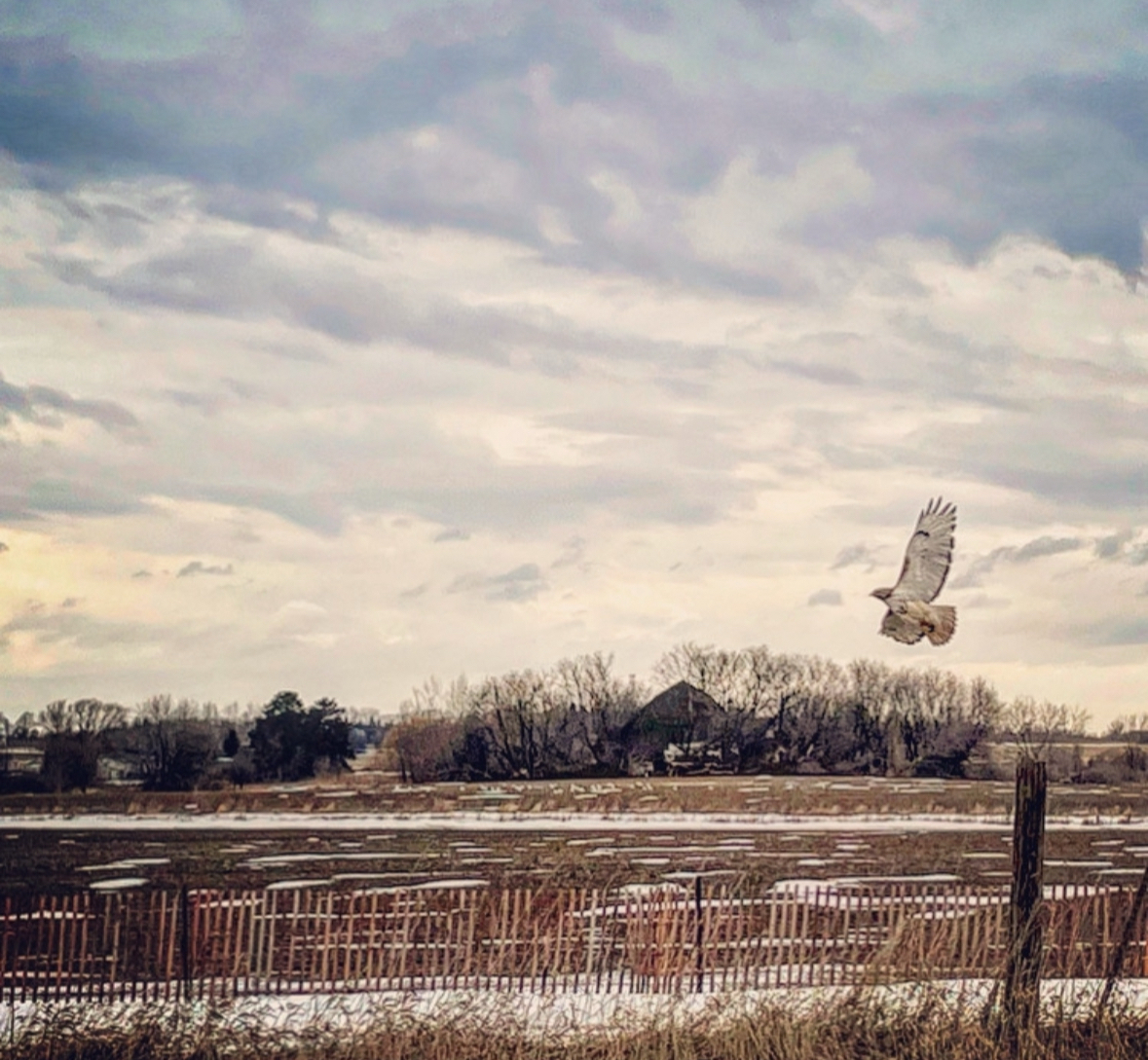
Brian Barbeito speculates on the beauty and mystery of wild nature as Stephen Jarrell Williams describes how intertwined even modern people are with the lives of natural creatures. Isabel Gomez de Diego photographs food and blossoms, sensual joys of life. Rizal Tanjung reviews Anna Keiko’s delicate poetry about everyday experiences and thoughts. Christina Chin and Uchechukwu Onyedikam celebrate the mystery and beauty of everyday life in their joint tan-renga poems. Qurbonboyeva Dilafruz Sherimmatovna and Andaqulova Mohinur Juraqulovna share recipes and serving suggestions and a history of the Central Asian dried dairy food qurut. Kylian Cubilla Gomez’ photographs celebrate children’s colorful toys and adult knickknacks.
Murrodullayeva Makharram offers her rapturous joy at a dream visit to Mecca and the Kaaba. Maria Miraglia’s poetry explores religious doubt and the staying power of cultural belief. Izmigul Nizomova’s short story illustrates how spiritual faith can help people process intense feelings of romantic passion or grief, as Maja Milojkovic speaks to her belief in an ever-present God.
Nilufar Tokhtaboyeva’s rhyming poem mirrors the energy of the sea. Dimitris Fileles also looks to the ocean, for peace and comfort.
Balachandran Nair comically mocks artists and writers whose ego isolate them from family and community. In contrast, poet Eva Lianou Petropoulou Lianou reflects on fellow poet Vo Thi Nhu Mai’s warmth and kindness as much as her craft.
Dr. Ahmad Al-Qaisi takes pleasure in the simple joy of coffee with a friend as Kareem Abdullah crafts tender love poetry and Christopher Bernard’s poetic speaker vows to love their honest-to-a-fault friend even if love is complete foolishness. Shoxista Haydarova pays tribute to her loyal and caring father, as Manik Chakraborty reflects on the nurture of his mother. Murodullayev Umidjon speculates on the nature of friendship. Umarova Nazokat celebrates a mother’s tender love as Nurullayeva Ra’no highlights mothers’ care, devotion, and concern for their children and Dr. Jernail Anand reflects on the vital role of mothering. Maftuna Rustamova reminds us to honor and respect our parents because of the love and care they have shown us, as Graciela Noemi Villaverde describes the unique personalities of each of her beloved grandsons. Chimezie Ihekuna turns to the loyalty of family as a balm for human vulnerability as Priyanka Neogi speaks to the love and responsibilities of marriage.
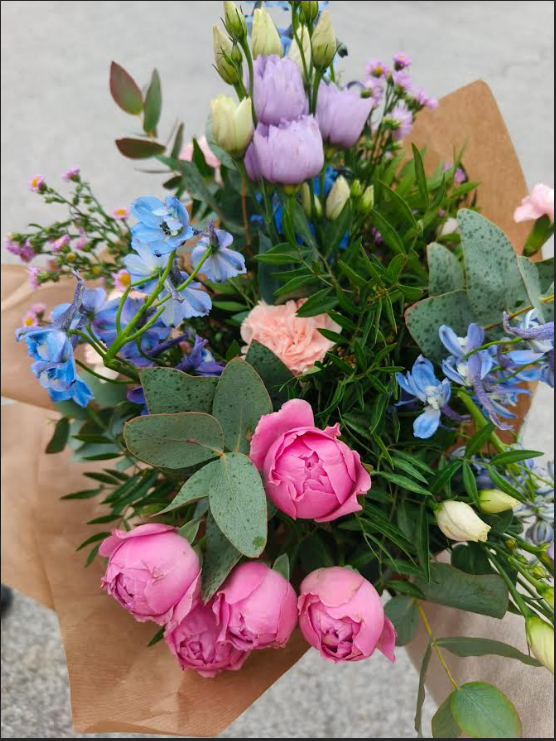
Duane Vorhees’ poetry explores physical and romantic intimacy while digging deep into the self. Michael Todd Steffen presents a memorial tribute that’s a character sketch of a strong and driven person with plenty of personal agency, for good or ill.
Taylor Dibbert asserts his newfound self-love after years of experience. Babajonova Charos draws inspiration from Pablo Coelho’s characters’ journeys to self-actualization and intimacy in The Alchemist. Alan Catlin crafts a literary and personal narrative through a list of memories.
Self-respect can encompass more than merely the self, and many writers take pride in their cultures. Marjona Mardonova reflects on the strength and dignity of Uzbek women and girls as several elementary school students in China contribute poetic thoughts on their hometowns, nature, heritage, and inspiration. Rizal Tanjung translates into Indonesian an essay by Konstantin Fahs on how ancient myths still speak to Greece’s contemporary struggles and questions of identity, highlighting the universal nature of these questions.
Z.I. Mahmud explores themes of racism, misogyny, and Black women’s reasserted dignity and healing in Alice Walker’s The Color Purple. Daniel De Culla presents a tale of vigilante justice served at an aquarium.
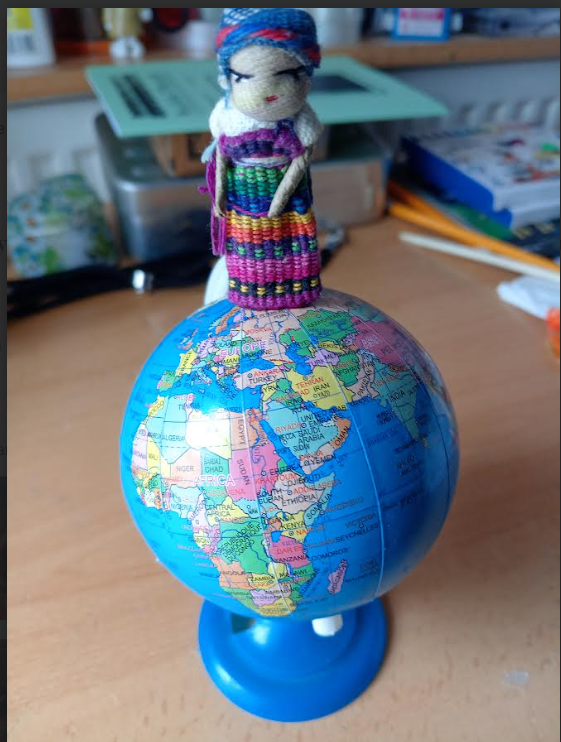
Bruce Roberts recollects the decorum and honor he saw in the days of American president Abraham Lincoln and laments how far the United States has fallen since then.
Uzbek writer Azizbek Shaymurzayev celebrates and honors the soldiers and leaders who founded Uzbekistan. Dilbek Ergashev offers up a poetic tribute to Uzbek writer Muhammad Yusuf, who captured the nation’s heritage and met an untimely death. Shamsiya Khudoynazarova Turumovna finds elegance in a portrait of a woman reading.
Yet, Yusuf certainly passed along the baton in the relay race of Central Asian literary and academic thought. Farangiz Xurramova outlines grammatical differences between Uzbek and French. Yunusova Khodisa contributes many scholarly essays in the humanities, including one on the form and structure of words, another on play as a technique for teaching foreign languages to young children, a piece on the need for clarity in a language teacher’s speech, another on methods of translation and strategies for developing competence in the discipline, and finally, an article on ways to teach different types of communication activities in a foreign language.
Moving to other fields of inquiry, Azganush Abdulmajalova’s poetry finds wonder in invention, physics, and mechanics. Shermatova Hilola Mirzayevna and Tolqinboyeva Odinaxon outline possibilities of modern information technology. Aytuvova Khurshida’s essay outlines modernizing reforms in education, particularly the use of technology. Muminova Farida highlights the importance of teaching primary school students critical thinking skills.
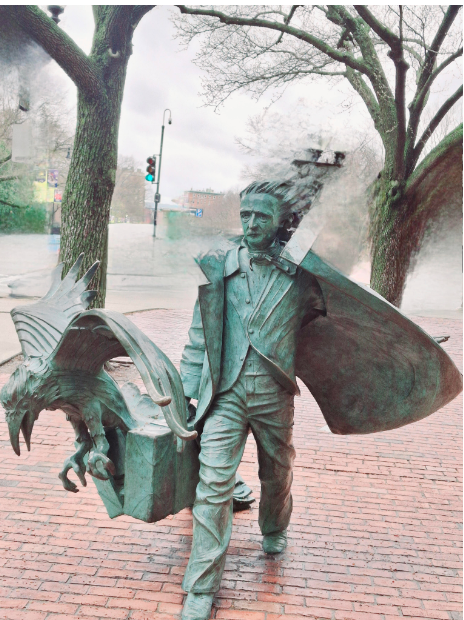
Dr. Perwaiz Sharharyar, in poetry translated by Maria Miraglia, highlights the world-expanding power of travel. Vo Thi Nhu Mai’s gentle poetry celebrates animals, the world’s children, and the vibrant multicultural city of Perth.
Latofat Amirova craves a life of rebellion, curiosity, and adventure while Jacques Fleury probes the uncanny dark motifs of Edgar Allan Poe’s creative genius.
In a similar spirit of artistic exploration, Texas Fontanella contributes some exploratory beats and guitar chords. Vernon Frazer’s new book Nemo Under the League, reviewed by Cristina Deptula, splashes together text, line, and image. Terry Trowbridge grows a fanciful poem about a potato facing surveillance and arrest as Zeboxon Akmalova’s poem reflects the experience of overhearing fragments of conversation as J.K. Durick explores our reactions to words, sounds, and numbers in daily life. Mark Young’s “geographies” explore fanciful locations as works of art.
Finally, Bill Tope’s short story satirizes the world of small magazine publishing and reminds us all not to take rejections too seriously. Humor can prove one of the small, and larger, ways we hold onto our humanity as we navigate this world.
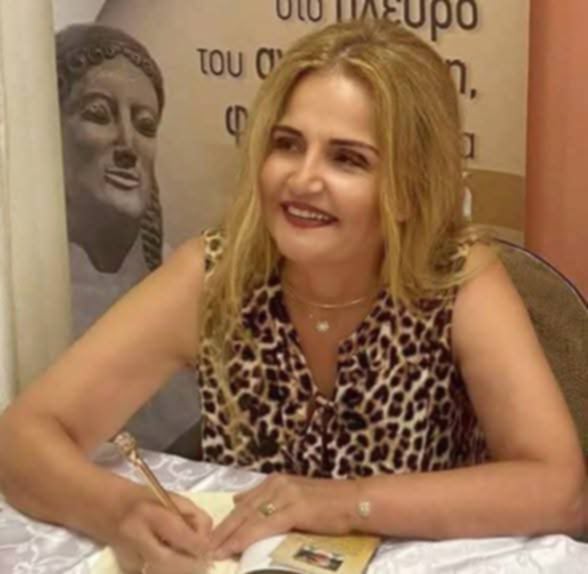
The stars
Where do stars come from?
From the tears of the soul!!
From the silences we hold deep… So as not to disturb the unbearably suffering people.
Where do stars come from?
From a broken heart
Who prays every day to find happiness..
The happiness that everyone now measures with money… The plastics.. The jugs..
Where do stars come from?
From the souls that left and became dust
And they went to God
And he said…
Turn back to atone…
Where do stars come from?
From the power of one man
Who shouts Freedom
Inside you is mud made of filth and false words…
Where do stars come from?
From the path of creativity
The one I opened..
And everyone discovered
I was the one-eyed one.
Who paved the way for so many blind people
Eva Petropoulos Lianou
International poet
Official candidate for the Nobel Peace prize
2024
Founder
POETRY Unites people
YJET
Nga vijnë yjet?
Nga lotët e shpirtit!
Nga heshtjet që i mbajmë thellë…
Që të mos trazojmë krenarinë bosh të njerëzve.
Nga vijnë yjet?
Nga zemra e thyer,
Që çdo ditë lutet për të gjetur lumturinë…
Lumturinë që sot të gjithë e matin me groshë, me plastikë, me kanaçe.
Nga vijnë yjet?
Nga shpirtrat që u larguan dhe u bënë dhe,
Dhe shkuan te Zoti,
Dhe Ai tha:
«Kthehu pas, për t’u shlyer…»
Nga vijnë yjet?
Nga forca e një njeriu,
Që thërret Liri,
Mes një balte të mbushur me papastërti e fjalë boshe.
Nga vijnë yjet?
Nga rruga e krijimtarisë,
Atë që hapa…
Dhe të gjithë e zbuluan.
Unë isha njësyshi,
Që u hapi rrugën kaq shumë të verbërve.
Eva Petropoulou Lianou
Poete Ndërkombëtare
Kandidate Zyrtare për Çmimin Nobel të Paqes 2024
Themeluese e POETRY Unites People
Përktheu: Eli Llajo
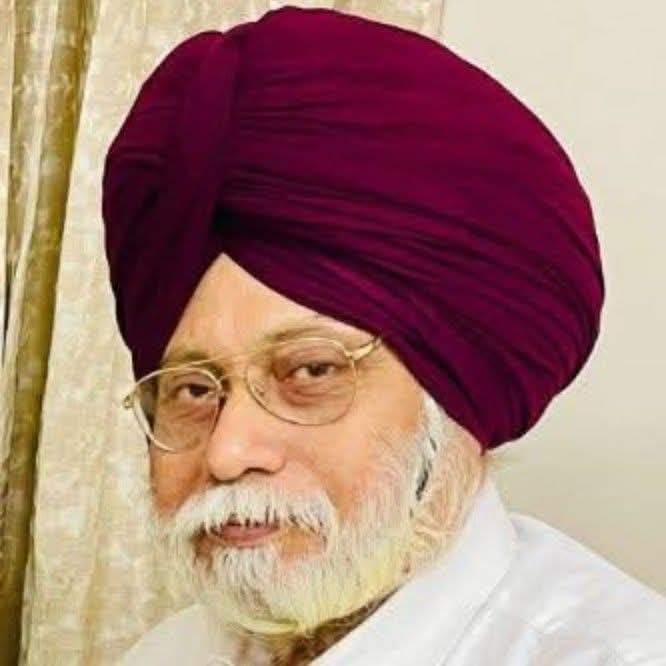
POETRY AS A PROPHETARY
(Prophetaries, Poetaries, Comedaries…these words are used in the manner of Monasteries).
Doctors use appliances
And medicines
To cut and paste
Body parts in an attempt
To restore health
Of their patient.
Men suffer as much in body
As in their minds
Which too need surgery
For which they visit
Hospitals called Prophetaries
Where skill doctors heal patients with words.
Many patients go to Poetaries
Where Poets hold mushairas
And big dramas are played
To effect catharsis
So that men emerge from this experience
Fully catharised
Their mental balance restored.
Some Comediaries also offer
‘Sukoon’ (peace) to tortured souls
Who laugh their viles away
The magic wand of satire and pun
Makes the evil spirits
On the run
Leaving men happy and asmile.
Poems are surgical strikes
From the skies like lightning.
In their flash things can be seen better
And the thunder drowns the pain
Of the surgery
Which proves to be a waterloo
For the bivouacs of Evil