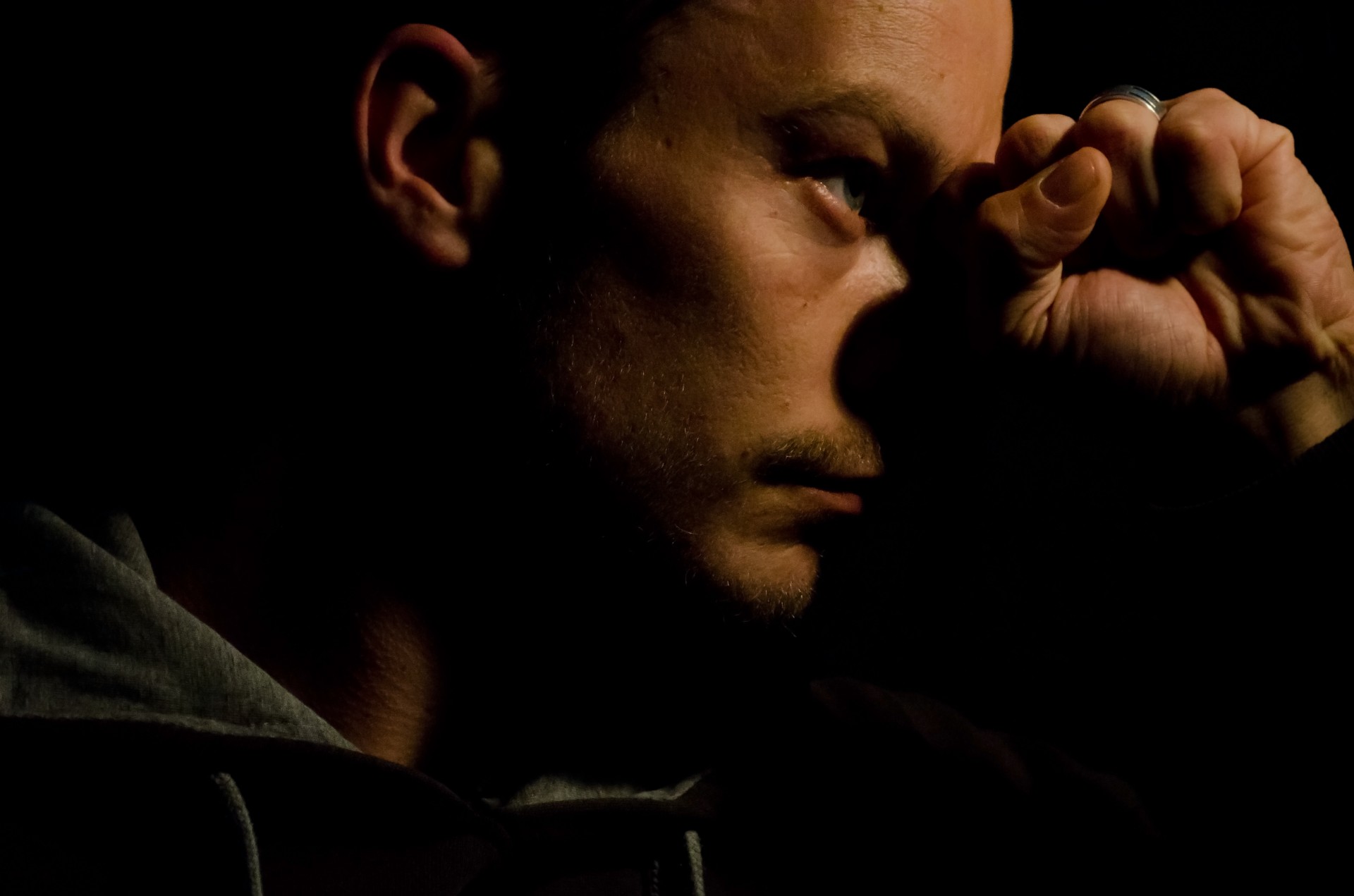
What is it going to make a difference to him if a drop falls from the sky or gallons? He has opened himself to the world, lying there under the canopy of the shop. He cares nothing about the world. It is all one and the same to him if streams flow around him or if he is deserted on an island floating amid all the flood. The question is whether this or that would make a difference to him. I saw a woman pass by, feeling sorry for him. She was out taking her dog for a stroll, she looked at him and she shook her head. She felt sorry for him and out came from her little purse a coin of €1? Is she better off or I am? Is it not a crime giving little to someone when giving much more could have made a vital difference? I am fundamentally indifferent, his life or not is one and the same thing to me, I avow my nonchalance. Is the matter with us that I think I am philosophically right? When a woman can give, and when she feels sorry for him, it is criminal to give only €1 which can make no difference to this man lying under a shopfront on a wet wintry night. If she feels sorry
for him, she must go all the way to assuage him, otherwise she is morally wrong. If she gives him a little alms, and is of on her way shaking her head and feeling sorry still glowing in pleasure almost from the volupté of hitting a child whom you wanted to correct. The fact of the matter is I could have given €1 but I did not, the woman could have given it and she did, I could have even given €10 had I wanted to, the woman could have given €10 as well, with some effort I could have gone on to €100, it would not have killed me, the way we were and the locality we live in, I do not think it would be any trouble to the Madame as well, then come to it, thinking very very hard about it and selling a few things, I would have been on to €1000, the Madame would not need to sell anything and she could give him the money and probably forget it in a few days, come to €10,000 there I would have to pawn myself, or think of an ingenious means, while the Madame she finally might need to sell something or break a deposit…beyond this we do not think. The point is clear: the Madame is guilty in giving him €1 when €1000 would have been no trouble to her, for me I am philosophically right, because his condition is of no interest to me, great curiosity perhaps, and I would like to see him do well for himself and bag more (and grander) aumônes from passersby, but there I repeat my point, philosophically I am in the right, I who had no rôle to play in the drama where as the Madame comes across as a self-aggrandising brat who needs to give to feel herself, whose only point of charity is not to be lost in the maze of accusations and critique she might feel herself downcast under.
The rain is oblivious, and I am oblivious, and that is the way of the world and there is nothing in it guilty or absolved. Darkness is oblivious too, in the tunnel as the rails hiss and the tiles clobber and two young girls call up to me their bottles of rosé wine in the hands. “Hey you your hair shines like my party dress, when I dress-up.” “See I did not use any cream, unlike you, it is just the rain.” “What are you saying?” “I said I do not need any substances, the rain is bad.” “Come join us, you seem to have nothing at hand.” “I’m not sure I want to spend my date with brats like you.” “Come join us, you fool. See two girls are calling you with their music, we even have wine for you.” We passed the whole night together. For five hours, I kept drinking with the girls with music
playing on their stereo and they kept asking me questions, one after the other. In the middle of the two of them, I would have been an elder brother, or probably a maître who shares the two. From time to time they played with my hair, somehow my dark hair had taken their fancy. I kept chiding them saying all the glues and glitters they use for the hair, while my hair was all natural, all good rain and old sun. They kept pinching me around the shoulders. Many times our legs brushed, I mean my knuckles brushed against their calves. That is when I proposed we go back to my house. I have a comfortable bed and I said one of the two of you at least can sleep on the canapé (that was just to elicit jealousy out of them). The girls agreed readily, and they kept on playing music and swerving as if we were a group of Bacchantes out on the parade. The only thing missing was ivy wreaths and staffs in our hands. Way into the night we walked, the rain having subsided a little bit though the streets still wet. It is then I realised how much we had drunk. They had three bottles at least, in the beginning, plus one huge bottle of rum that I got from my money and that I allowed one of the girls to go because I did not want to let go of the other (one of the two, at any rate). Finally we got another bottle of Get 27, and kept mixing it with soda. The girls were holding well, except now and then bumping into the shop fronts. It is then under the canopy of the chocolate shop, that I almost missed the beggar lying wide astride with his hands flying in every direction and his mouth opened up to the skies, one corner in which I saw a cheap €1 bottle of white wine. It is then I thought to myself the girls sure smell better than him.
Arjun Razdan was first published at the age of 20 (a poem called ‘Transformation’ in The Asian Age, New Delhi) for which he has still not received the montant of ₹2126 (minus taxes) due to him. Based mostly in Europe, especially France, this Kashmiri writer has been published in many countries including India, Pakistan, the United States, and Portugal, besides his home country. In collaboration with his friend and mentor, Farzdan, he has also written a food mémoire (L’Aau à la Zouche), a book of dialogues (Lettres à Mon Elève) and a long travelogue in the wild (An Everlasting Night).
Contributing poet Howard Debs’ work has been included in Chameleon Chimera: An Anthology of Florida Poets, which has just been released by Purple Ink Press, including work by U.S. inaugural poet Richard Blanco and notables such as Geoffrey Philp, Jen Karetnick, David Kirby and many others.
Also, contributor Peter J. Dellolio’s new novel The Confession has just been released from Cyberwit.
The Confession is the first-person account of a serial killer on the evening before his execution. It is literary fiction, and somewhat similar to Naked Lunch by William Burroughs. There is suspense in the narrative, as there is some speculation as to whether or not the narrator is really guilty.
Now for this issue: A Literary Snow Globe. As with a real snow globe, we watch delicate bits and pieces of creative thought descend and fall wherever they may on the landscape of our world. Each time we shake the globe and let it settle, each time we read these works, we take away something different and view a unique scene.
Daniel De Culla’s poem glories in the exuberance and diversity of human creative expression.
Salihu Muhammad describes stages in his development as a creative writer.
Ilhomova Mohichehra’s poetry probes the creative potential of liminal dream-states, how emotions and imagination can be strengthened when we approach sleep. Mark Young incorporates color, texture, and text into subconscious, surreal images he calls “geographies.”
Jim Leftwich’s poem incorporates vivid imagery and wordplay, referencing animals, landscapes, and celestial bodies. It also includes philosophical reflections on time, thought, and human experience. Catherine Zickgraf’s work explores time, mercy and judgment, spirituality, and gender. Maja Milojkovic revels in the beauty of the world while acknowledging everything’s impermanence.
Duane Vorhees’ poems explore themes of love, loss, sexual intimacy, nature, and self-discovery. Cheryl Snell’s fictional drabbles look at moments of connection, humor, and tenderness, between humans and each other and other species. Lilian Dipasupil Kunimasa affirms her acceptance of her entire life journey and her acknowledgement of the different parts of her personality and character. Linda Gunther’s short story depicts a woman who finds her identity by finding her calling in life.
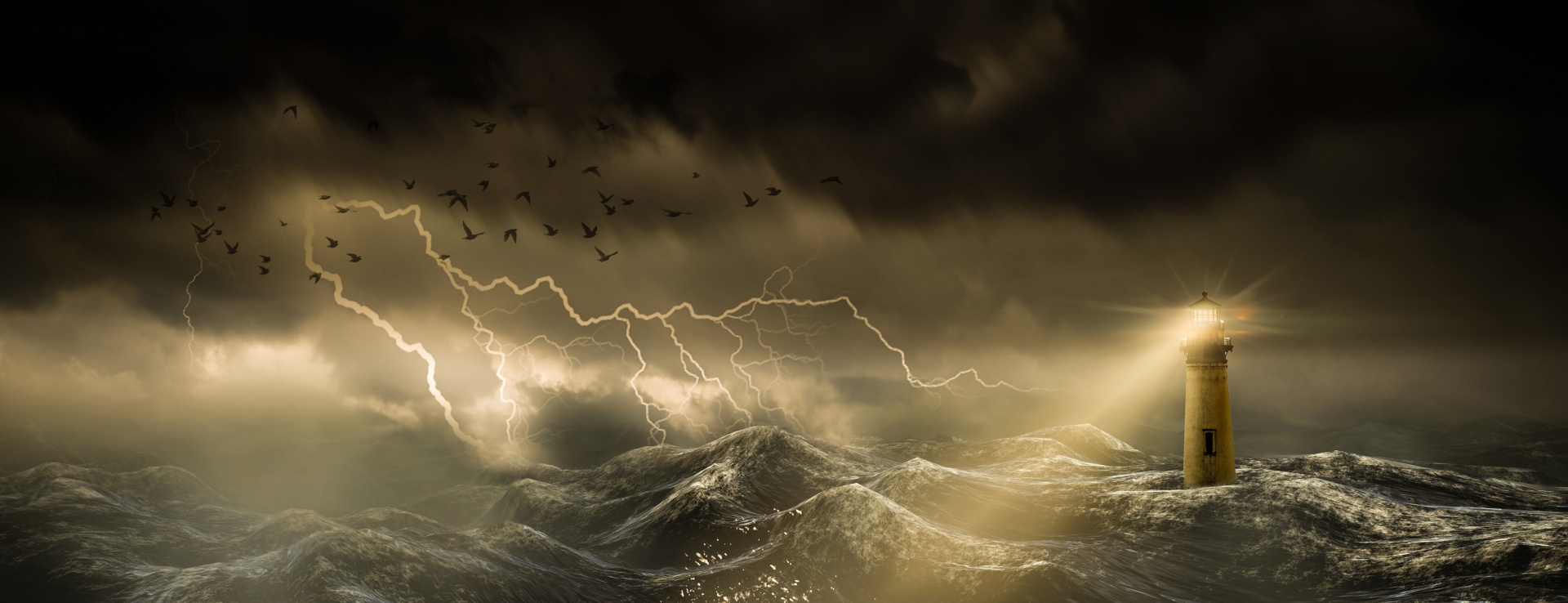
Ilhomova Mohichehra ponders the dreary sufferings of life as she stares out at a rainstorm.
Mykyta Ryzhykh’s work offers a glimpse into a complex and troubled inner world through images of childhood, animals, fear, and death. Texas Fontanella’s poem expresses feelings of financial instability, frustration with societal expectations, and a desire for creative and personal freedom. He includes references to pop culture, politics, and literature, often in a fragmented and surreal manner. Mahbub Alam addresses humanity’s potential for great good or great evil and the need to make choices. Sayani Mukherjee speaks to the inner wilds: the vision, beauty, and danger we all carry within us.
Chuck Taylor’s poetry speculates on the nature of chaos, how it does not operate according to a holy book or an algorithm.
Nilufar Anvarova urges everyone to expand their horizons by reading. Kucharova Ugiloy celebrates the power of books and learning to expand one’s worldview.
Numonjonova Shahnozakhon reflects on how wonder and curiosity add color to life. David Sapp approaches outer and inner landscapes as a tourist and explorer, probing an office firing and the idea of his death with the same curiosity as he brings to Rome’s Trevi Fountain. Lawrence Winkler brings a sense of wonder to his trip to the Micronesian island of Pohnpei, exploring the history and culture of the place while witnessing his friends’ mishaps in international business. Santiago Burdon sketches a time and place in his Christmas tale from a rough Italian-American childhood.
Zarshid Qurbonov reads a book out in the grass on a sunny day and reflects on Uzbekistan’s literary heritage.
Dilbar Koldoshova Nuraliyevna dreams of becoming a teacher or journalist so as to shape the minds of her fellow Uzbeks towards good. Gulsevar Xojamova highlights the Uzbek Youth Academy’s role in developing the creative potential of many young people.
Ibragimova Rushana outlines various techniques for teaching languages. Aziza Umurzoqova highlights the role of student-directed technology for language learning. Jonpolat Turgunov elucidates the history and value of the Ibrat Farzandlari Project, an online resource for learning foreign languages. Durdona Ibrahimova suggests possible innovative roles for technology and online apps and games in language instruction.
Fayzullayeva Gulasal outlines technical and financial problems within Uzbekistan’s industrial chemical industry.
Sarvinoz Quramboyeva conveys the daily determination of the Uzbek people to move their society forward. Shodiyeva Mexribon celebrates the hard work, hospitality, and honor of the Uzbek people. Ilhomova Mohichehra praises the kind and hardworking villagers of Uzbekistan. Sitora Otajonova honors the rule of law and social progress and community spirit of her native Uzbekistan. Mahzuna Habibova speaks to her native Uzbekistan as a friend, urging the land to hold onto its freedom and glory.
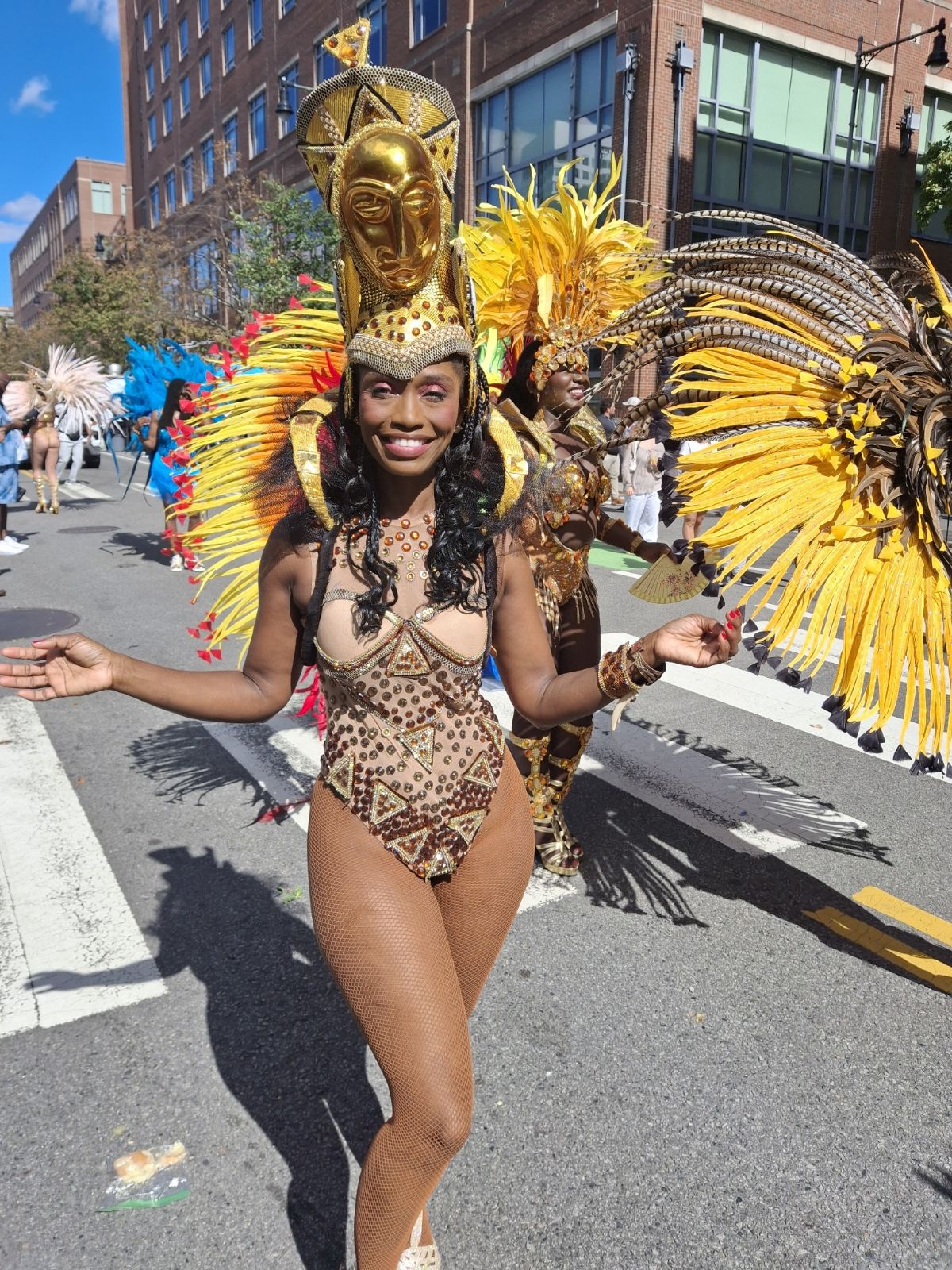
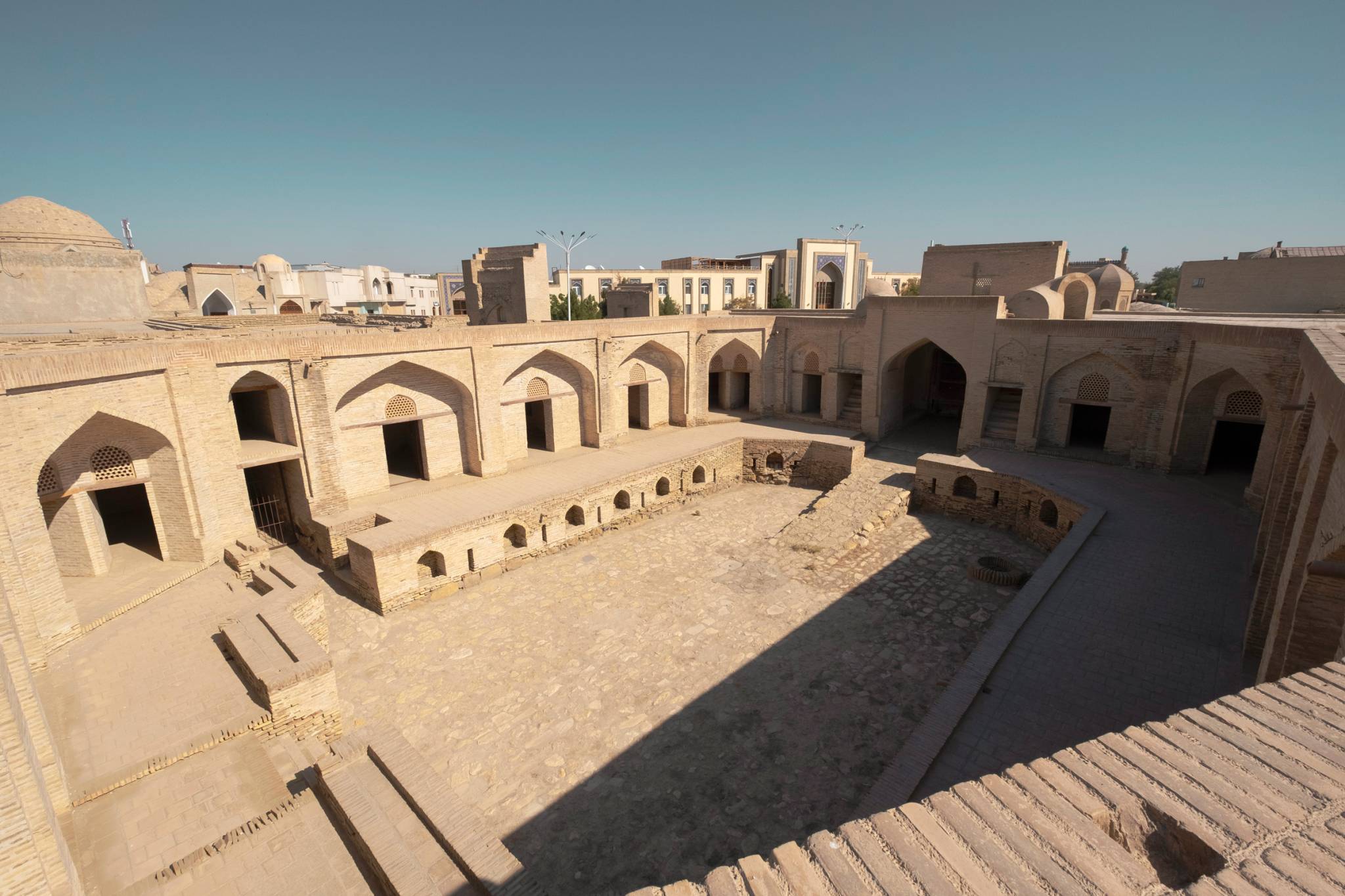
Farangiz Abduvohidova elucidates the history and culture of Uzbekistan’s Azim Bukhara region as Tuliyeva Sarvinoz describes the Uzbek historical castle monument of Tuproqkala. Ismailov Sanjar describes in detail the shrine of Sa’d Ibn Abu Waqqas in Uzbekistan. Through his photographs of an Afro-Caribbean festival in Boston, Jacques Fleury celebrates the region’s vibrant cultural diaspora while outlining the historical and psychological significance of the Caribbean rara celebrations.
Photo c/o Jacques Fleury
Sarvinoz Tuliyeva recollects her Uzbek childhood: fragrant trees on her street, parents baking bread in the oven, her father crying as she grows up too fast.
Alimbayeva Diana reflects on the constant care and provision of her father for her whole family. Zabuna Abduhakim writes a succinct verse of gratitude for her caring parents. Makhmasalayeva Parizoda Makhmashukurovna praises her father’s selfless love and sacrifice. Sobirjonova Rayhona honors her kind-hearted sister. Diyorbek Maxmudov praises her father’s tender love. Azimjon Toshpulatov’s verse honors the warmth and love of her mother. Ilhomova Mohichehra reflects on how blessed and lucky she is to have loyal and caring family members. Akmalova Zilolakhan Akobirkhan speaks to the consistent love and practical care most people receive from their parents. Faleeha Hassan speaks of children in the winter, nourished and warmed by caring parents. Muhammed Sinan offers up a tribute to the love, dedication, and integrity of his father.
Audrija Paul’s poetry reflects the determined patience of a lover as Jonborieva Muxlisa Rahmon reflects on the value of friendship and what you gain by being a good friend. Norova Zulfizar reflects on a love so joyful and nurturing it reminds her of spring’s flowering and her parents’ care. Mesfakus Salahin employs a variety of poetic images to convey a gentle and kind romance. Sobirjonova Rayhona urges her fellow young people to live happy lives and treat their parents with gratitude and respect.
Nurullayeva Mushtariy illustrates the heartache that comes when the younger generation does not have compassion for their parents. Shahnoza Ochildiyeva remembers how she began to empathize with and befriended some children who were originally annoying bullies, because she realized they lacked the care of loving parents.
J.J. Campbell reflects on having survived decades of broken dreams, troubled relationships, and abandonment. Yet, as he acknowledges, he has survived. Abigail George reflects on love, loss, mental health, family relationships, spirituality, and her artistic dreams in a prose poem formulated as a letter to her niece. Graciela Noemi Villaverde grieves the death of a husband with whom she shared a tender love.
Z.I. Mahmud explores masculinity and romance in D.H. Lawrence’s Sons and Lovers and how various social and psychological pressures drive the protagonist away from his fiancees. Eva Lianou Petropoulou’s poem, reviewed by Williamsji Maveli, explains how both psychological issues and societal problems such as discrimination and violence against women can interfere with loving relationships.
Kass’ piece explores themes of heartbreak, regret, and the lasting impact of a past relationship. Grant Guy’s poetry reflects on daily routine, loneliness, the lack of intimacy, and loss of identity within some relationships.
Chimezie Ihekuna elucidates the struggles of men in his native Nigeria and elsewhere in the world: being disrespected and viewed only as a source of money in an economy where decent jobs are hard to come by. Maftuna Rustamova also reflects on materialism and the tragedy of reducing human value to money. Don Bormon laments the suffering of the poor out in the cold during winter, while acknowledging the beauty and the harshness of nature during winter months.
Sandro Piedrahita’s short story dramatizes another tragedy, the Pinochet regime’s murder of singer and guitarist Victor Jara. Odera Chidume highlights the effects of war in Nigeria on everyday people through his story of remarkably resilient teenagers.
Vernon Frazer’s poems explore themes of wealth disparity, societal decay, and existentialism, often using vivid imagery and unconventional language. Howard Debs reflects on the human and ecological losses of 2024 and the changes many societies are experiencing.
Before we can fully take stock of 2024, though, there are the December holidays.
Taylor Dibbert recollects an awkward encounter with a stranger as Doug Hawley’s memorable anecdote recounts a Christmas filled with physical and relational peril.
Brian Barbeito’s poem illuminates the beauty of our world and highlights the importance of appreciating nature and loved ones, at the holidays and any time.
Bill Tope’s short story explores human compassion, connection, and perception. Another of his pieces depicts a kindly Jewish shopkeeper whose gift makes some young girls’ Hanukkah very special.
We hope that this issue will be a gift to you, and that as you read, the particles of snow in our literary globe will land in interesting ways that resonate with you.
Village people

In the village, people only work,
They say: "The one who works, the one who bites."
That's why they don't stop working.
They are happy when they are happy.

Day and night never stops,
They do not know the feeling of fatigue.
People are always upset,
He does not wish to say bad words.

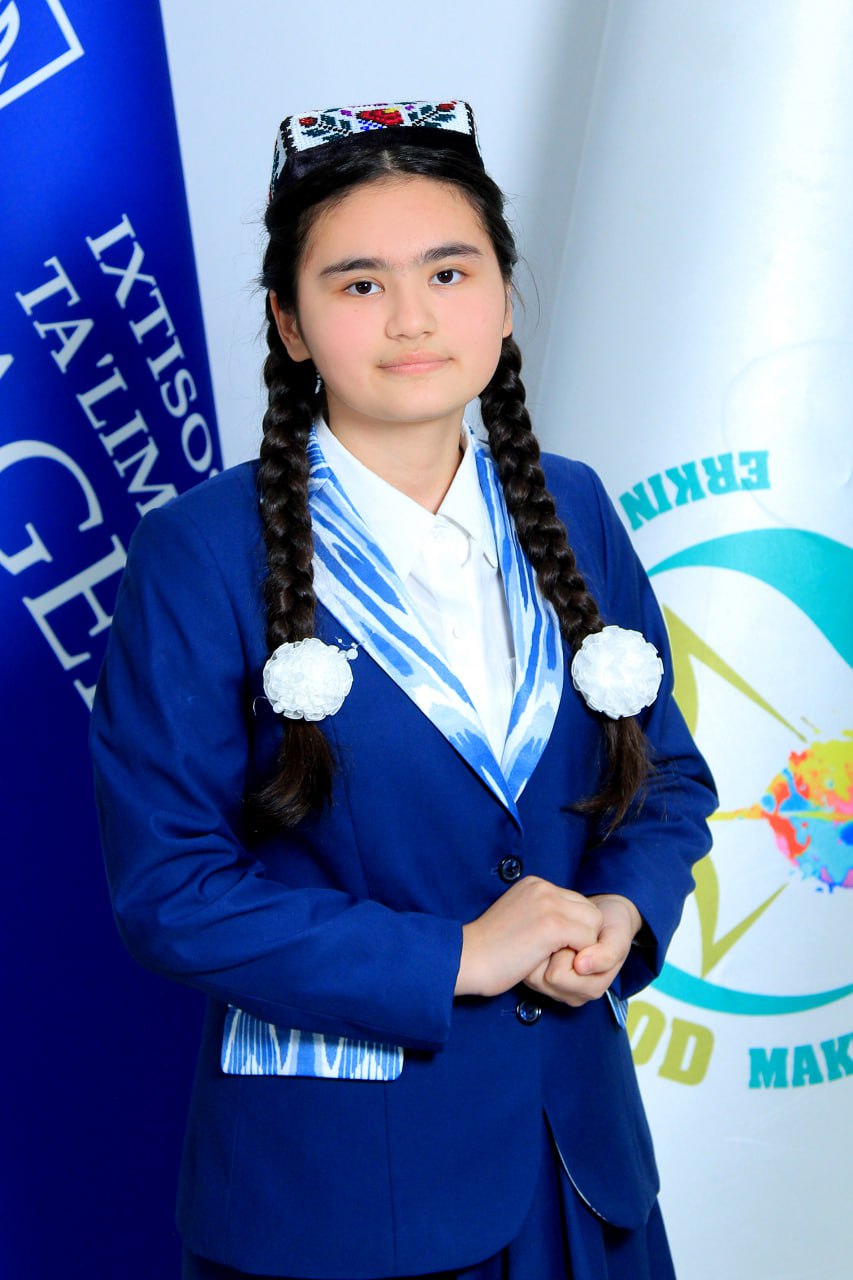
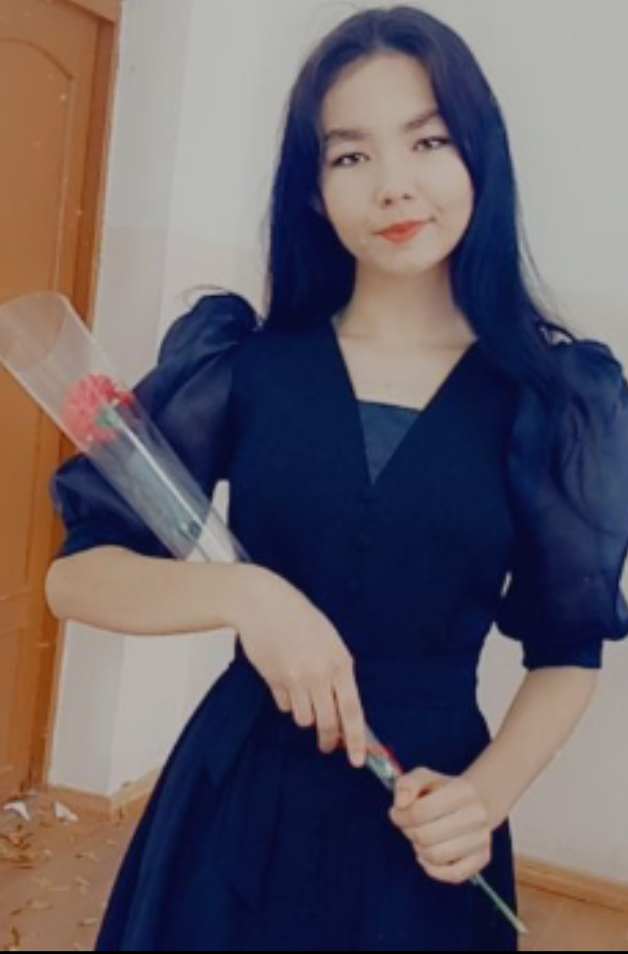
Ilhomova Mohichehra is a student of the 8th grade of the 9th general secondary school of Zarafshan city, Navoi region.