
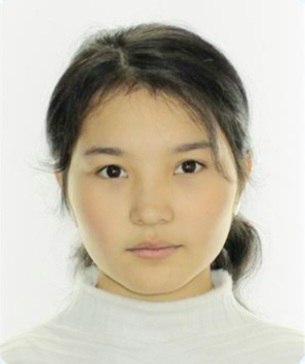
Date of Birth: 26.10.2007
Farg‘ona Region, Uzbekistan District
Sochtepa Neighborhood, Chinor Street, House 93
Faculty of Primary and Technological Education, Primary Education Program, 1st Year, Group 03/25
National Values and Traditions of the Uzbek People
Abduraufova Nilufar Khurshidjon qizi
Student of Group 03/25, Primary Education Program, Faculty of Primary and Technological Education, Qoqon State University
Abstract:
This article discusses the national customs and traditions of the Uzbek people. It highlights the role of national traditions, their cultural uniqueness compared to other nations, the appreciation of inherited customs from ancestors, and the fact that these traditions have retained their significance even in the current era of modernization. Real-life examples are provided to show that each nation can demonstrate its identity primarily through its national customs, emphasizing the importance of respecting and preserving them. Observations indicate that the unique practices of the Uzbek people are one of the main factors ensuring societal stability and the continuity of cultural heritage.
Keywords: Uzbek people, nationality, tradition, custom, value, culture, national clothing
Introduction:
Throughout several millennia of human history, various cultures, customs, and traditions have existed. Each tradition reflects the moral views of the people and the social relations in their daily life, passing down from generation to generation as a priceless heritage.
According to historical sources, the Uzbeks, originating from Dashti Qipchoq, consist of ninety-two tribes and clans that have become part of the Uzbek nation. Historian T. Sultanov notes that these ninety-two tribes included both Turkic and non-Turkic peoples who inhabited Central Asia at that time. The Uzbek people are among the ancient nations that have held a unique place in world civilization. In the present era, characterized by increasingly global interactions, it is essential for every nation to preserve its national values and pass them on to future generations.
The aim of this research is to scientifically analyze the main traditions of the Uzbek people while highlighting their significance and role in human life.
Methodology:
The study was conducted using observational, historical, and comparative methods. During the research, historical literature and studies related to cultural science were examined. Additionally, scientific articles on traditional Uzbek ceremonies and holidays, as well as contemporary observations, were analyzed. The collected data were organized, generalized, and scientific conclusions were drawn.
Results:
Analysis shows that the national customs, culture, and traditions of the Uzbek people manifest in the following main directions:
In Uzbek households, one of the most important values is hospitality. In Uzbek oral literature, expressions such as “Mehmon-otangdan ulug‘” (“A guest is greater than your father”), “Mehmon-atoyi xudo” (“A guest is a gift from God”), and “Mehmon kelgan uy barakali” (“The house is blessed when a guest arrives”) emphasize hospitality, abundance, generosity, and respect. For example, when a guest arrives at an Uzbek home, the table is prepared first, essential food is presented, and then tea is served to the guest. This demonstrates respect for the guest and the sincerity and warmth of our hospitable people. Greetings are traditionally accompanied by handshakes or hugs, followed by inquiries about the person’s health, work, and home life.
Many customs relate to family life, including childbirth and upbringing ceremonies (cradle ceremonies, circumcision ceremonies) and marriage rituals (courtship, Fatiha, wedding). In addition, elder men visit neighborhood teahouses to drink tea, socialize with friends and brothers, and stay informed about local news, which has also become a tradition. The unity and benevolence of our people are especially evident during weddings and celebrations. On such joyous days, respected community members announce the gathering in the village early in the morning with the word “oshga” to bring everyone together.
When someone passes away, the entire village collectively supports the bereaved family, prepares for the ceremony, and ensures that no one is left alone in difficult times.
The Uzbek nation celebrates the arrival of spring and the awakening of nature with Navruz, strengthens religious values through Ramadan and Eid al-Adha, and commemorates Independence Day as a symbol of unity and solidarity. National dishes, such as pilaf, are prepared on these special days. Those gathered around the table express sincere and kind wishes to each other, symbolizing blessings, peace, and abundance.
Uzbek girls also have unique customs that distinguish them from girls in other countries. Before holidays or wedding ceremonies, they decorate their eyes with kohl and apply natural beautifying oils, style their hair carefully to reflect purity and modesty, and wear traditional clothing made of atlas and adras fabrics. These customs not only enhance their elegance but also vividly showcase our national values.
Discussion:
Observations and analyses indicate that the customs and traditions of the Uzbek people, formed over centuries, play an invaluable role in the moral development of individuals. Even in the era of digital technologies, while adapted to modern times, these traditions retain their value.
For example, decrees by our national leader Shavkat Mirziyoyev on “Developing National Values and Spirituality” help reinforce national values in society. The designation of Friday as “National Day” across Uzbekistan, when citizens wear traditional symbols such as doppi hats, chapan robes, and clothes made from atlas and adras fabrics, reflects respect for our priceless values and the necessity to preserve them.
Respecting and maintaining the national customs and traditions of our ancestors, preserving ancient values through generations, is an integral part of the Uzbek mentality.
Conclusion:
In Uzbekistan, which is gradually entering a new era of national development, traditions are preserved as cultural heritage. The national culture of the Uzbek people reflects their identity and distinctiveness, and it is crucial to teach future generations to honor and respect these values from childhood. Our customs are a guarantee of our unity!
References:
Azizov R. “Uzbek Customs and Traditions.” Tashkent, 2021.
Mirzayeva Sh., Asqarova M.H. A glance at the history of Uzbek national ethnic clothing // Oriental Art and Culture Journal. 2022. Vol. 3, Issue 1, March.
Shoniyozov K. “The Formation Process of the Uzbek People.” Tashkent, 2001.
Pingback: Synchronized Chaos First March Issue: Fingering the Spines | SYNCHRONIZED CHAOS