
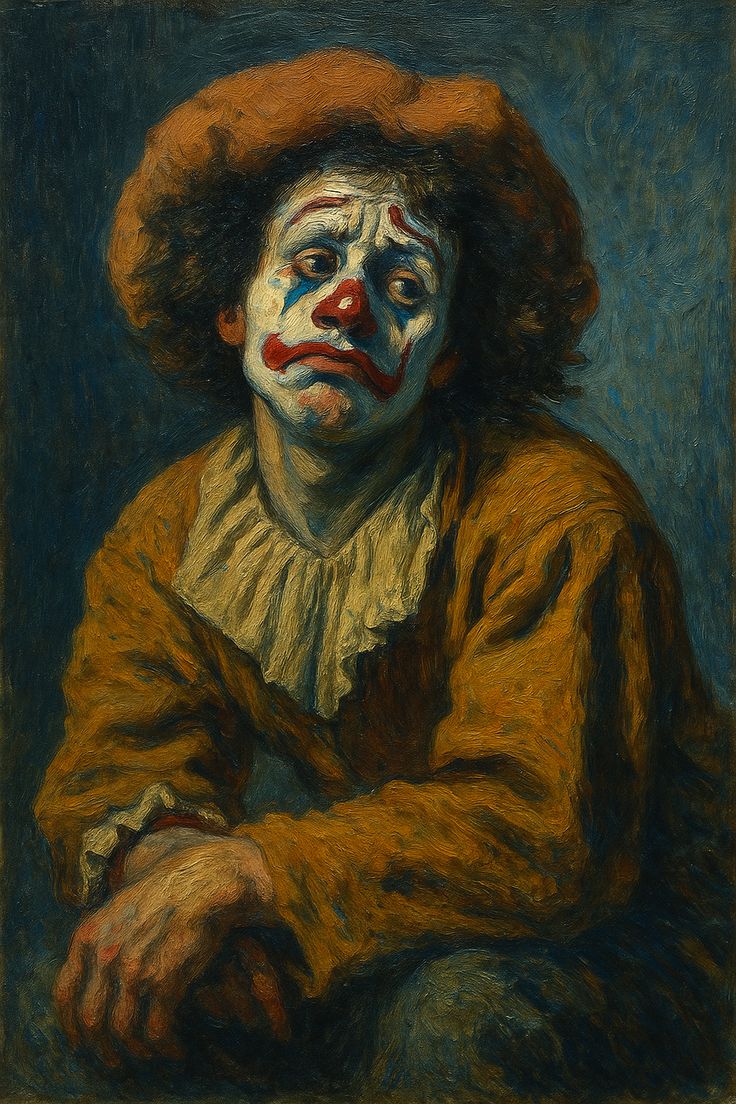
Tears Behind the Makeup
Do you think clowns also have problems and pain of their own? Do they cry at night like we do? Just like a coin has two sides, I believe people think differently about this. Some say, “Of course, they do — after all, they are human too,” while others might say, “Why would they? They make us smile, so they probably don’t have any pain or problems.”
From my point of view, I believe that clowns may have even more pain than we do, yet they are braver than us. Why, you ask? The reason is simple. We only carry our own pain and problems (sometimes those of our close ones or relatives). But what about them? We all know that psychologists and doctors feel their patients’ pain and live with it as if it were their own.
Clowns also have patients — they are just called differently: “the audience.” Clowns heal even more people than doctors and psychologists; or rather, they prevent people from getting sick. Whether we want it or not, when we see them, a smile appears on our faces. And every smile is a step toward a healthier life.
Let me tell you a story.
One day, a patient came to see a doctor. The doctor asked him,
“Please tell me, what is bothering you? What are your complaints?”
The patient replied,
“Doctor, I feel unwell. I can’t enjoy life anymore. I suffer because I can’t forget my pain. I’ve lost my appetite — I can’t even swallow a piece of bread. Images of hungry, half-naked people don’t leave my mind. I can’t sleep until morning; I shiver with cold as if I’m living through their suffering. When I hear news about crimes, I feel as if I’m guilty too. Laughing? I’ve completely forgotten how to laugh. I don’t smile anymore, doctor. I can’t laugh. If you don’t help me, I’m afraid my condition will get worse.”
The doctor examined the patient carefully, placed a hand on his shoulder, led him to the window, pulled the curtain aside, and pointed toward the street. There was a circus poster with a clown’s picture on it.
“My dear,” the doctor said, “do you see that clown? Every evening he puts on a wonderful performance. I advise you to go and watch it. You’ll forget all your suffering, laugh freely, and leave your pain behind. Your heart will feel light, and there will be nothing left of your illness.”
The patient lowered his head, sighed deeply, and said quietly:
“Doctor… that clown is me.”
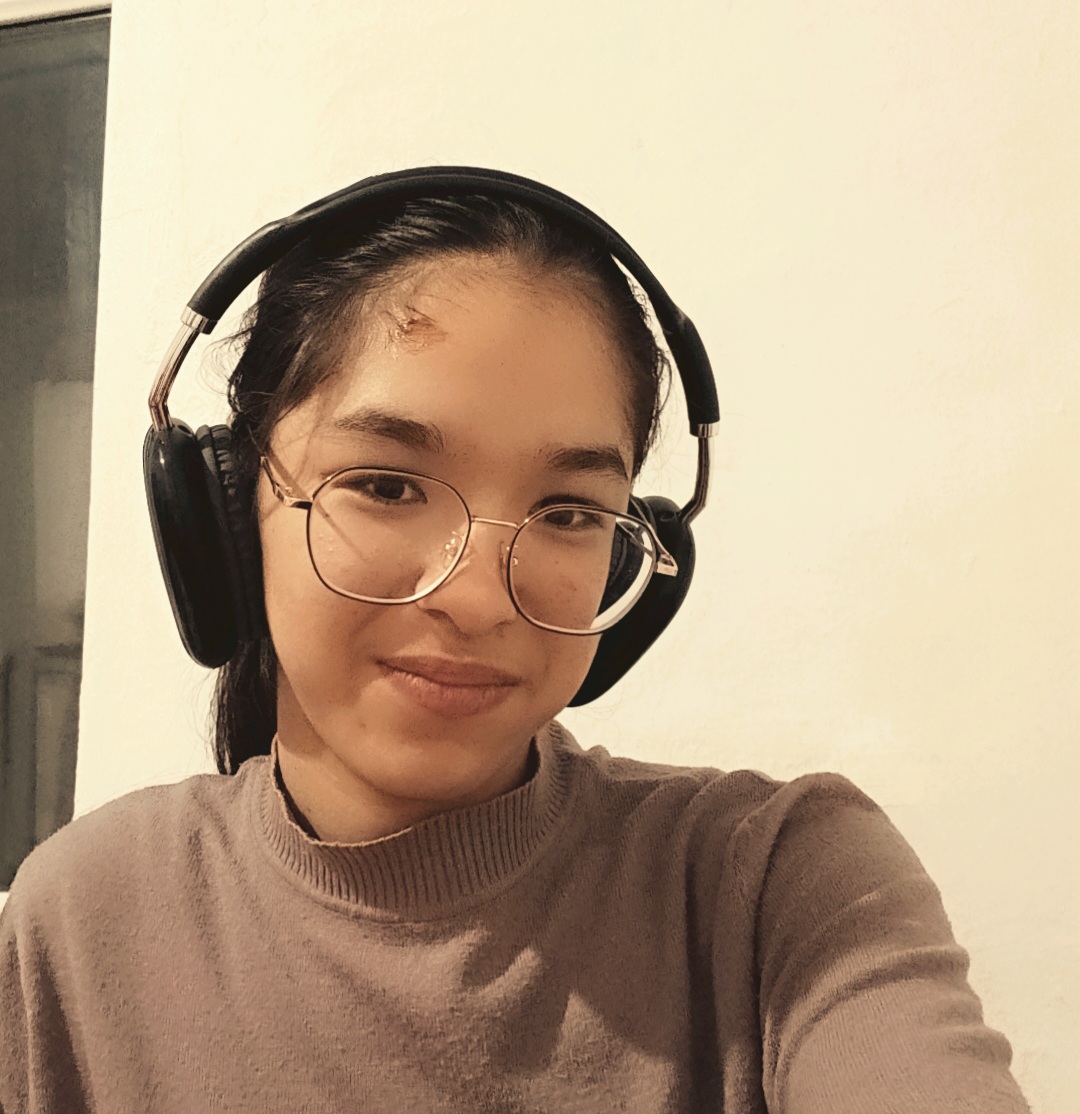
Mutaliyeva Umriniso Rahimjon’s daughter was born on 14.01.2011 and currently lives in the Tashkent region of Uzbekistan. Umriniso is a proud model of behavior, intelligence and knowledge at school. She is interested in mathematics, Russian, and English and is studying them. She has also participated in science Olympiads and won honorable places. Umriniso is also engaged in creativity. Her creative works have been published in prestigious American magazines and she has been volunteering for several organizations. In her free time, Umriniso also plays tennis, checkers, reads books, and draws. She has many goals and she is taking steps towards them.