
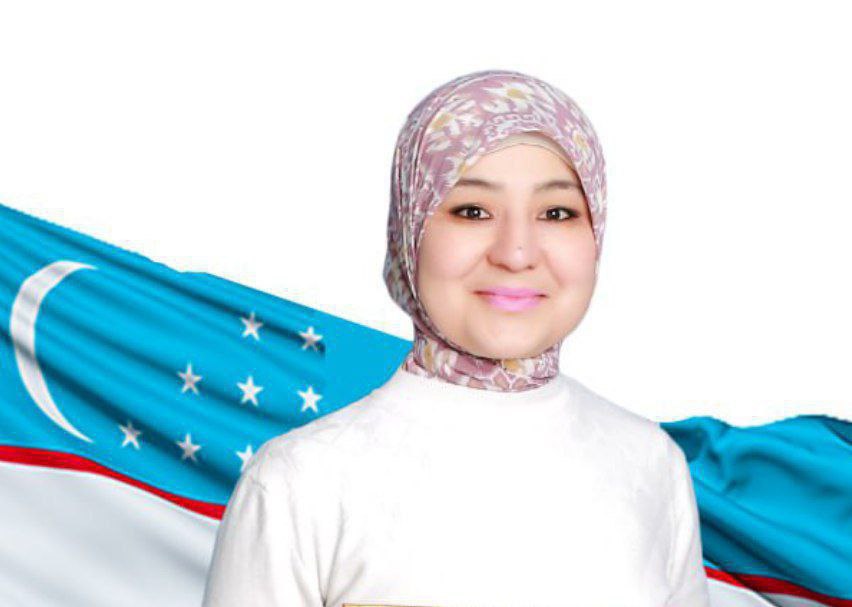
Shahnoza Pulatova Makhmudjanovna
International Islamic Academy of Uzbekistan
Faculty of Classical Oriental Philology
Department of Philology (Arabic Language)
4th-year student
Academic supervisor: Raziya Matibayeva
Associate professor, Ph.D. in Philology
Department of Arabic Language and Literature
Uzbekistan International Islamic academy
NEW UZBEKISTAN: POLITICAL, ECONOMIC, AND SOCIAL REFORMS
Uzbekistan, located in Central Asia, has emerged as a key player in the region following its independence from the Soviet Union in 1991. Since President Shavkat Mirziyoyev came to power in 2016, the country has entered a new era of reform, known as the “New Uzbekistan”. This period is characterized by significant political, economic, and social transformations aimed at modernizing the country and improving the lives of its citizens. The following sections discuss these transformations in detail, offering an overview of the key reforms that have taken place under Mirziyoyev’s leadership.
I. Political reforms and governance
The government of New Uzbekistan has prioritized political reforms to enhance transparency, decentralize power, and improve governance. Key changes include:
Decentralization of power: Mirziyoyev’s administration has shifted from a highly centralized government to a more decentralized system, empowering local authorities and giving them greater control over decision-making processes. This decentralization aims to improve accountability and bring governance closer to the people.
Judicial Reforms: Uzbekistan has undertaken significant reforms to strengthen the judiciary’s independence and improve the rule of law. These reforms include updating laws, creating specialized courts, and establishing greater protections for citizens’ rights.
Human rights and freedom of expression: The government has made efforts to improve human rights, releasing political prisoners and relaxing restrictions on freedom of speech, assembly, and the media. Although challenges remain, these steps mark a positive shift toward greater political openness.
II. Economic liberalization and development
Economic reforms have been a cornerstone of Uzbekistan’s transformation. The country has moved from a state-controlled economy to a more market-oriented model. Key aspects of this economic transition include:
Economic liberalization: The Mirziyoyev government has implemented various economic reforms, such as liberalizing foreign exchange controls, reducing state subsidies, and privatizing state-owned enterprises. These measures have encouraged foreign investment, spurred economic growth, and improved Uzbekistan’s competitiveness in global markets.
Industrial and agricultural modernization: The government has focused on modernizing key sectors, including agriculture, where reforms have been introduced to reduce dependence on state quotas, particularly in cotton production. In industry, there has been investment in infrastructure, energy, and manufacturing, which has laid the groundwork for future economic growth.
Foreign investment and global integration: Uzbekistan has become more attractive to foreign investors due to improvements in the regulatory environment and the simplification of bureaucratic procedures. The country has also worked to integrate more fully into the global economy by enhancing trade relations with neighboring countries and beyond, while diversifying its economy into sectors such as technology, tourism, and renewable energy.
III. Social policies and welfare
Social welfare reforms have been a central focus of the New Uzbekistan agenda, with a commitment to improving the standard of living for citizens. Key initiatives include:
Education reform: The government has worked to improve Uzbekistan’s education system, focusing on modernizing curricula, training teachers, and expanding access to quality education. Special attention has been given to STEM education to prepare the next generation for a modern, competitive economy.
Healthcare improvement: Healthcare reforms have focused on expanding access to medical services, especially in rural areas. Investments in infrastructure and personnel training have aimed to improve the overall quality of healthcare and address health challenges such as diabetes and tuberculosis.
Social welfare programs: Poverty reduction remains a key priority, with social welfare programs targeting vulnerable groups, such as children, the elderly, and low-income families. These programs have helped reduce poverty levels and improve the overall quality of life.
IV. Foreign policy and regional relations
Uzbekistan’s foreign policy has undergone a shift toward greater engagement with both its regional neighbors and the international community. Key aspects of this foreign policy include:
Regional cooperation in Central Asia: One of Uzbekistan’s primary foreign policy goals has been to improve relations with its Central Asian neighbors, including Kazakhstan, Kyrgyzstan, and Tajikistan. This has involved resolving long-standing border disputes, enhancing economic cooperation, and promoting regional security.
Diversifying global relations: The country has worked to strengthen ties with major global powers, including Russia, China, and the United States. Uzbekistan’s efforts to balance relationships with both Western and regional powers reflect a pragmatic approach to foreign diplomacy.
Active participation in international organizations: Uzbekistan has become more active in international organizations such as the United Nations, the World Trade Organization, and the Shanghai Cooperation Organization. This reflects the country’s desire to enhance its role in global affairs and contribute to international peace and stability.
Conclusion:
The New Uzbekistan marks an era of profound transformation, driven by ambitious reforms across political, economic, and social spheres. Under the leadership of Shavkat Mirziyoyev, the country has made remarkable strides, particularly in modernizing the political system, enhancing economic development, and improving social welfare for its citizens. These reforms have already begun to reshape Uzbekistan’s global standing, fostering stronger ties with international partners and enhancing the country’s integration into the global economy.
However, challenges still persist, especially in fully liberalizing the political landscape and diversifying the economy away from reliance on natural resources. Despite these challenges, the ongoing reforms reflect Uzbekistan’s unwavering commitment to modernization and long-term stability. The vision of a New Uzbekistan — a nation characterized by sustainable growth, political pluralism, and social well-being — remains within reach, and with continued dedication to these reforms, the country is well-positioned to build a brighter future for its people.