
Artificial Intelligence in Medicine: Transforming Diagnostics and Treatment Planning
The use of intelligence and machine learning in medicine is a big change in the healthcare sector.
Intelligence and machine learning are helping doctors to make diagnoses and plan treatments.
Doctors used to have to do everything by themselves. Now they have machines that can help them.
These machines can look at a lot of information very quickly and accurately.
This is changing the way patients are cared for because intelligence and machine learning are making diagnoses more accurate and treatment more personal.
Intelligence and machine learning are also making things run more smoothly in hospitals and clinics.
The use of intelligence and machine learning is really changing the way medicine is practiced and it is helping patients get better care.
Artificial intelligence and machine learning are very important, in medicine now.
The use of Artificial Intelligence in medicine is really interesting especially when it comes to diagnosing illnesses. Doctors use things like X-rays, MRIs and CT scans to look at what’s going on inside the body. These tests give a lot of information. It can take a long time for doctors to look at everything.
Artificial Intelligence is also changing the way doctors plan treatments. Normally doctors use the treatment for everyone but this does not work for each person because we are all different. Our genes, the air we breathe and the way we live are all unique, so we need treatments that’re unique too. Artificial Intelligence is helping doctors make treatment plans that are just right, for each person. Artificial intelligence models can put together information from health records and other tests like genomic sequencing and clinical trials. This helps doctors create treatment plans for each patient. Studies have found that artificial intelligence systems are as good as doctors at finding diseases like cancer, heart problems and brain disorders when they are just starting.
For example, in cancer treatment artificial intelligence systems assist doctors in selecting the medicines by figuring out how a patient’s tumor will respond to those medicines. This way of treating patients is better because it improves the results and reduces side effects. As a result, the patient’s life becomes better overall. Artificial intelligence models are really helpful in this process because they use data, from health records and other sources to make decisions. Artificial intelligence is another thing that comes from using it in healthcare. Healthcare systems over the world are having a tough time because people are getting older there are not enough staff and costs are going up. Artificial intelligence tools do work make sure patients get the right care at the right time and help doctors make good decisions so doctors can spend more time with patients. In emergency rooms artificial intelligence can figure out which patients are in the danger and need help right away which can save lives.
Artificial intelligence, in medicine has some problems that need to be thought about even though it can do a lot of good things. Data bias is a problem. If Artificial Intelligence systems are trained on data that does not have a lot of kinds of people in it, they may not work as well for some groups of people. This can make it even harder for people who already have a time getting good healthcare.
Medical records have personal information, so we need to make sure they are safe and private. We need to have cybersecurity to protect this information, and we need to be open, about how we handle data. This is important because we need people to trust us with their information. Data bias and data security are both issues when it comes to Artificial Intelligence and medical records.
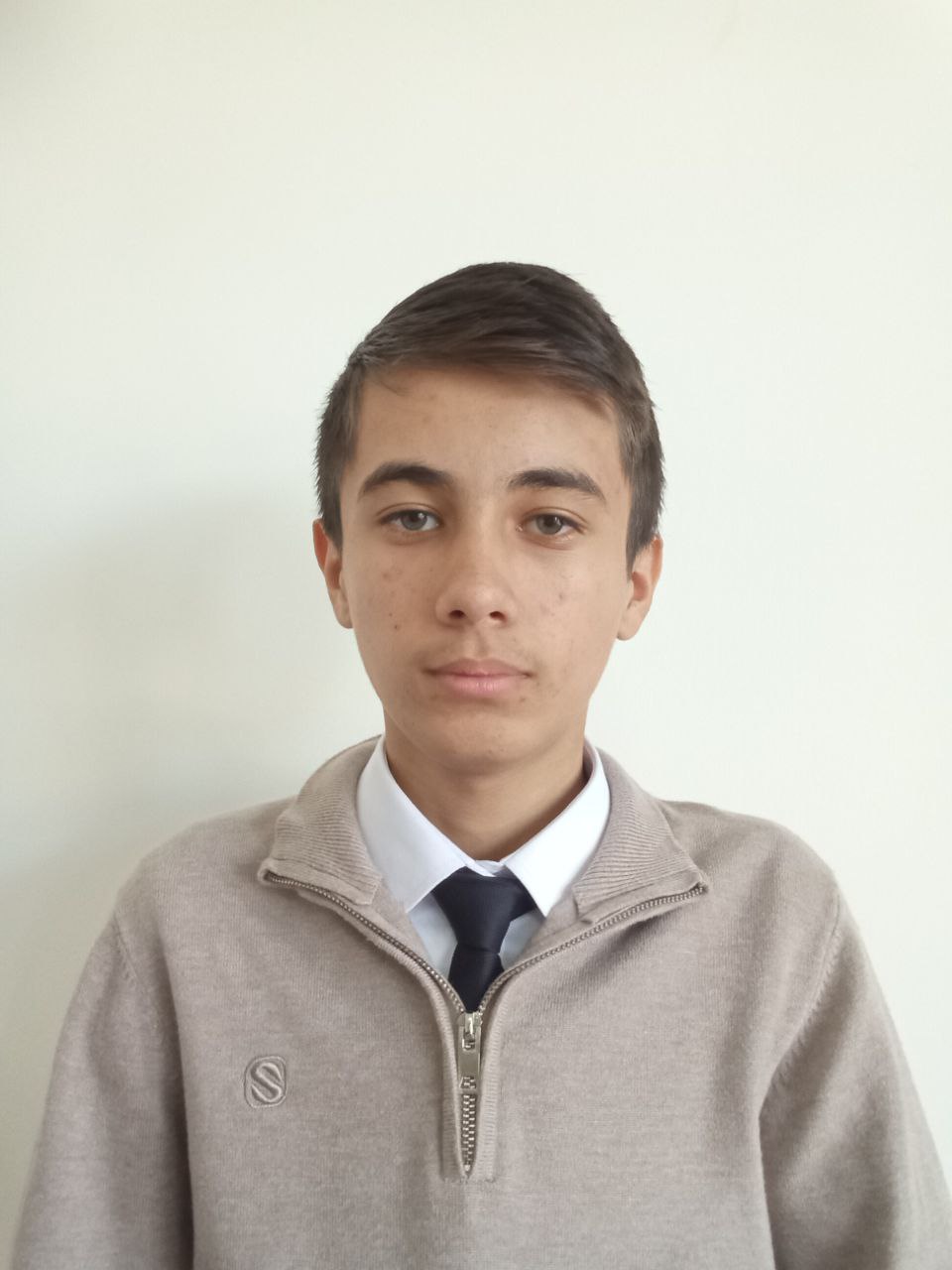
Hasanov Umidjon Ilhomovich was born on May 27, 2010, in Qorako‘l District, Bukhara Region. He began his education at Secondary School No. 9 in Qorako‘l District and has been studying since the 9th grade as a student of the Presidential School for Gifted Children.
Umidjon Hasanov has achieved numerous academic and social accomplishments. He is the holder of more than 50 international certificates and has actively participated in national competitions, earning over 20 certificates, diplomas, and letters of appreciation at the republican level. He is also the founder of several innovative projects.
At the national level, he won 2nd place in the “Youth Innovators” competition. In February 2025, he successfully obtained the CEFR B2 certificate. In 2025, he was recognized as the winner of both “Volunteer of the Year” and “Initiator of the Year” awards.
Additionally, he achieved honorable placements in the Republican Real Hackathon and Ideathon competitions for the EEAO book-related website project. Currently, Umidjon is actively organizing debate tournaments in his district and working on transforming the EEAO website prototype into a fully functional platform, collaborating with PIF members.