Poetry from Marjorie Thelen

NEXT TIME

Next life I’m going to be a truck driver

Long distance with a sleep compartment in the back

I’ll drive from Alaska to Argentina

The roads might be better

or they might not be there at all

After that I’ll be a world famous theoretical physicist

brilliant, a genius, published

I’ll figure out what it’s all about through incredibly complicated math equations

I’ll talk in formulas

After that I’ll be a world famous rock and roll star or

Maybe a jazz bass player or

Maybe Janis Joplin or

Was that my previous lifetime?

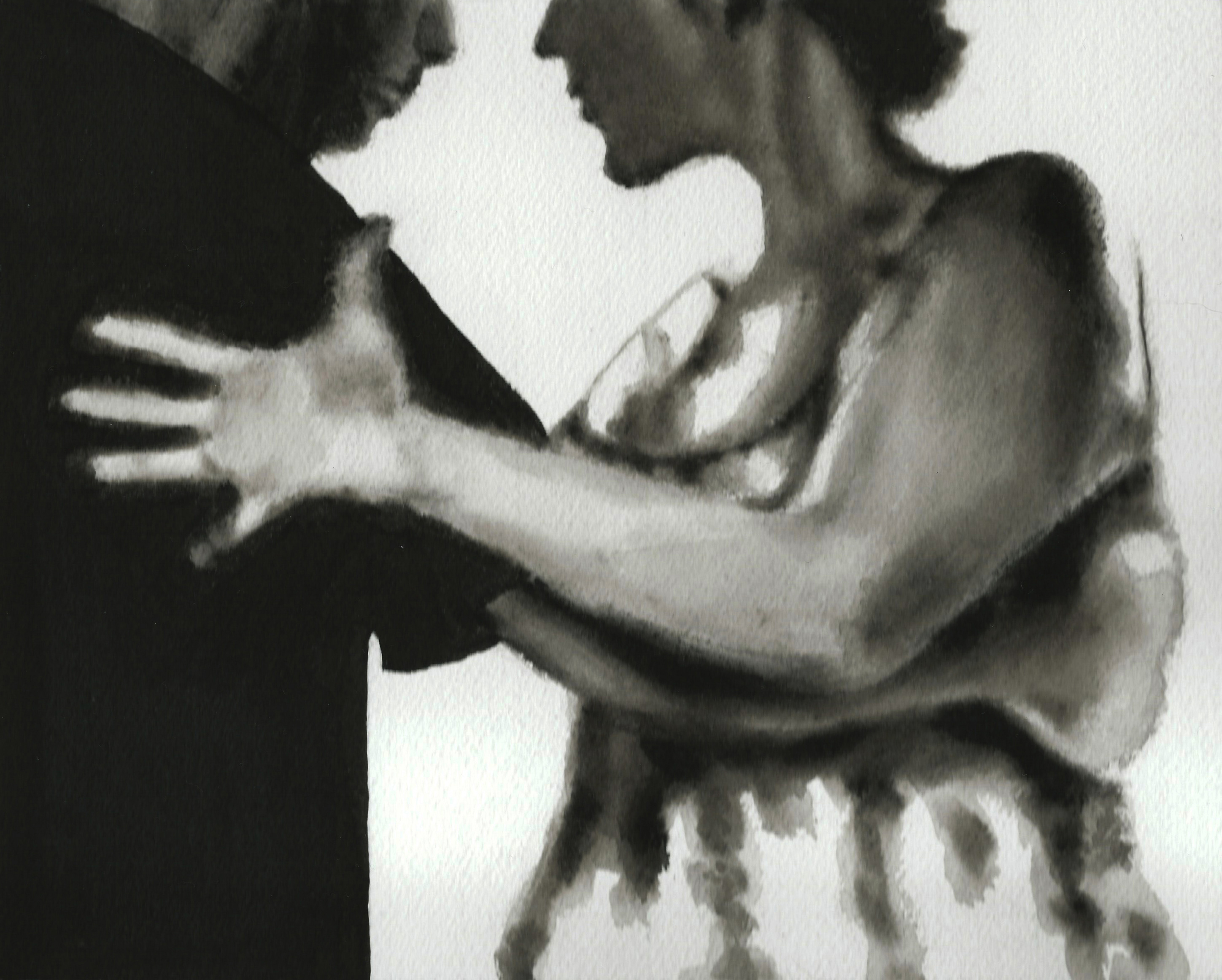
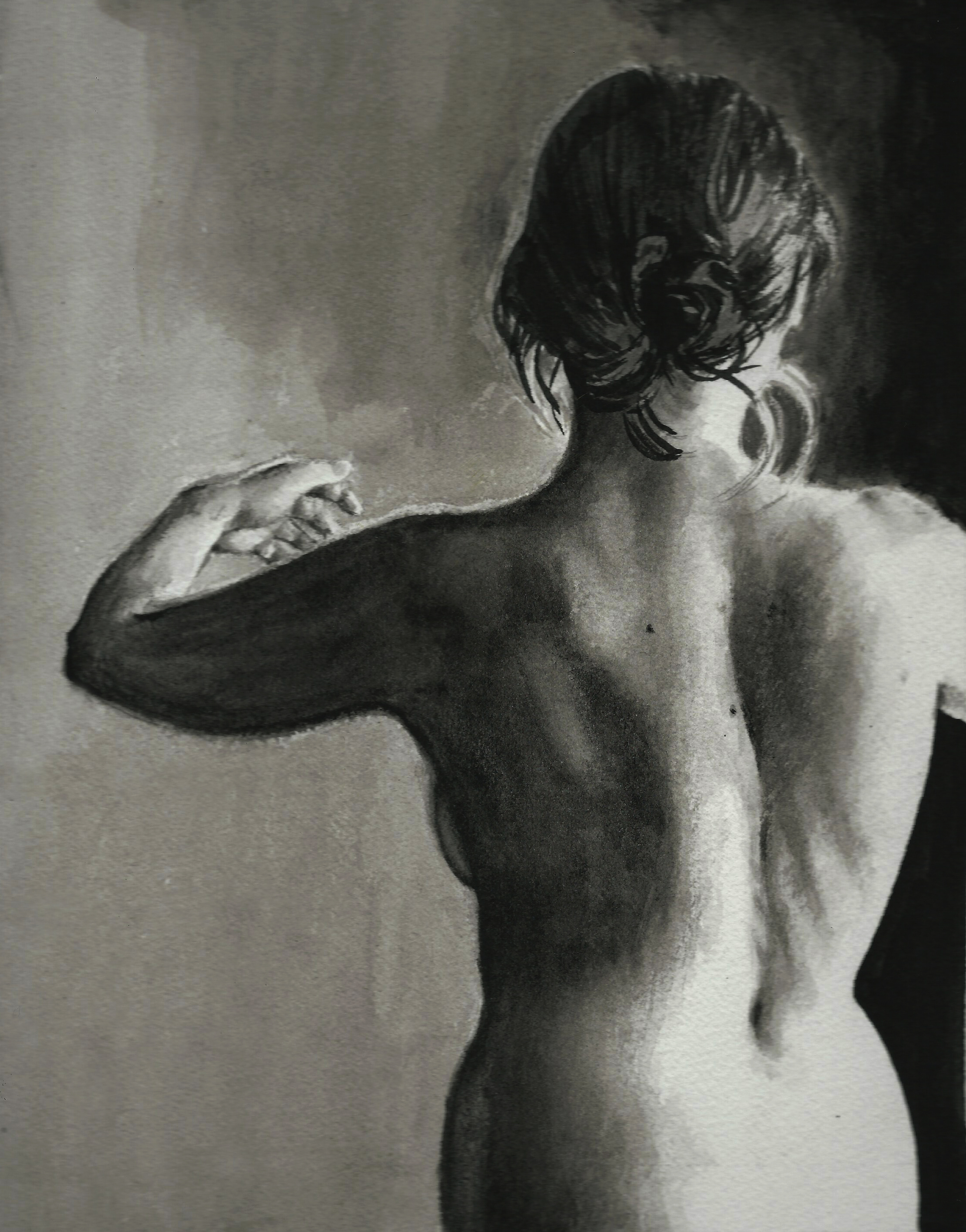
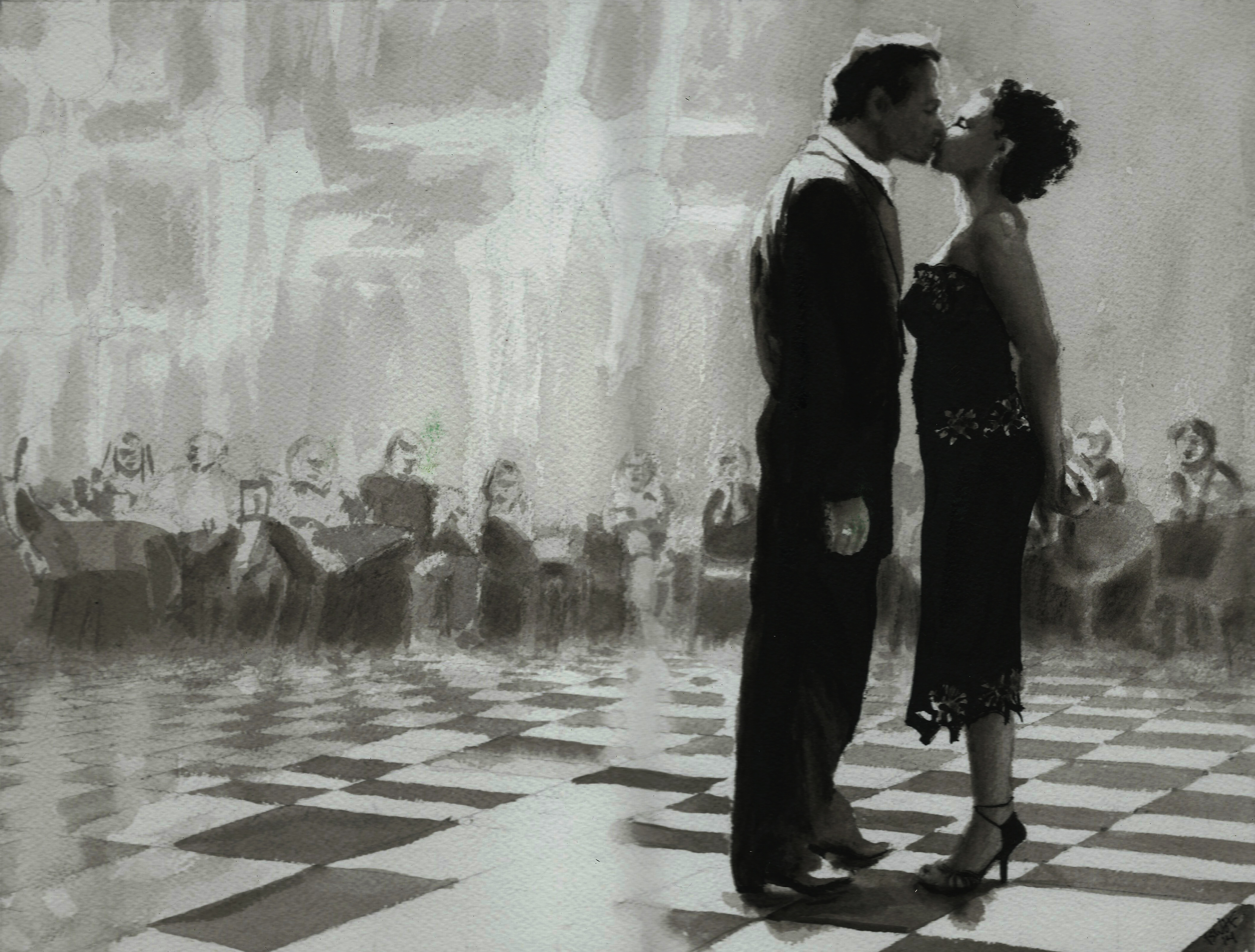
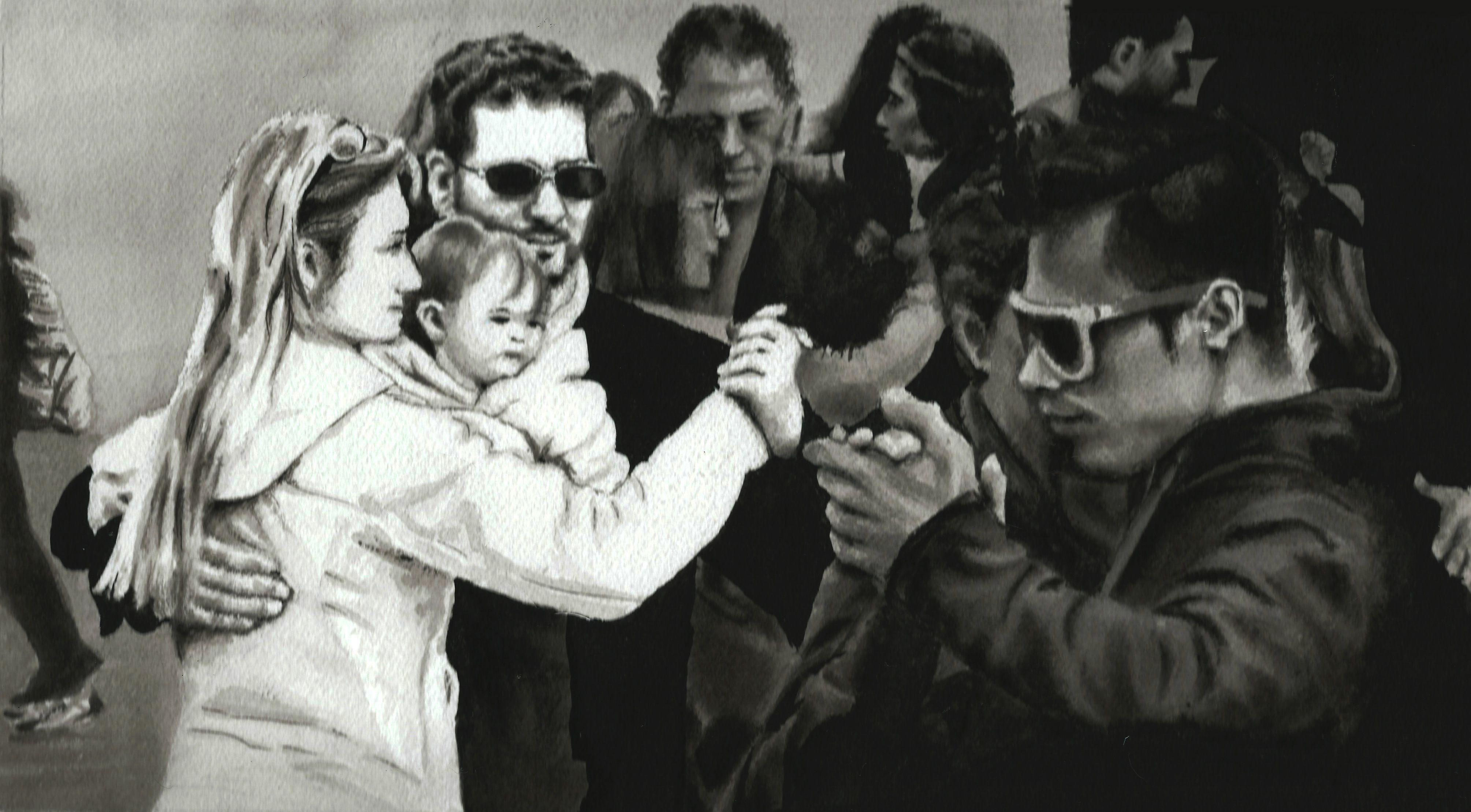
Artwork from Jordana del Feld

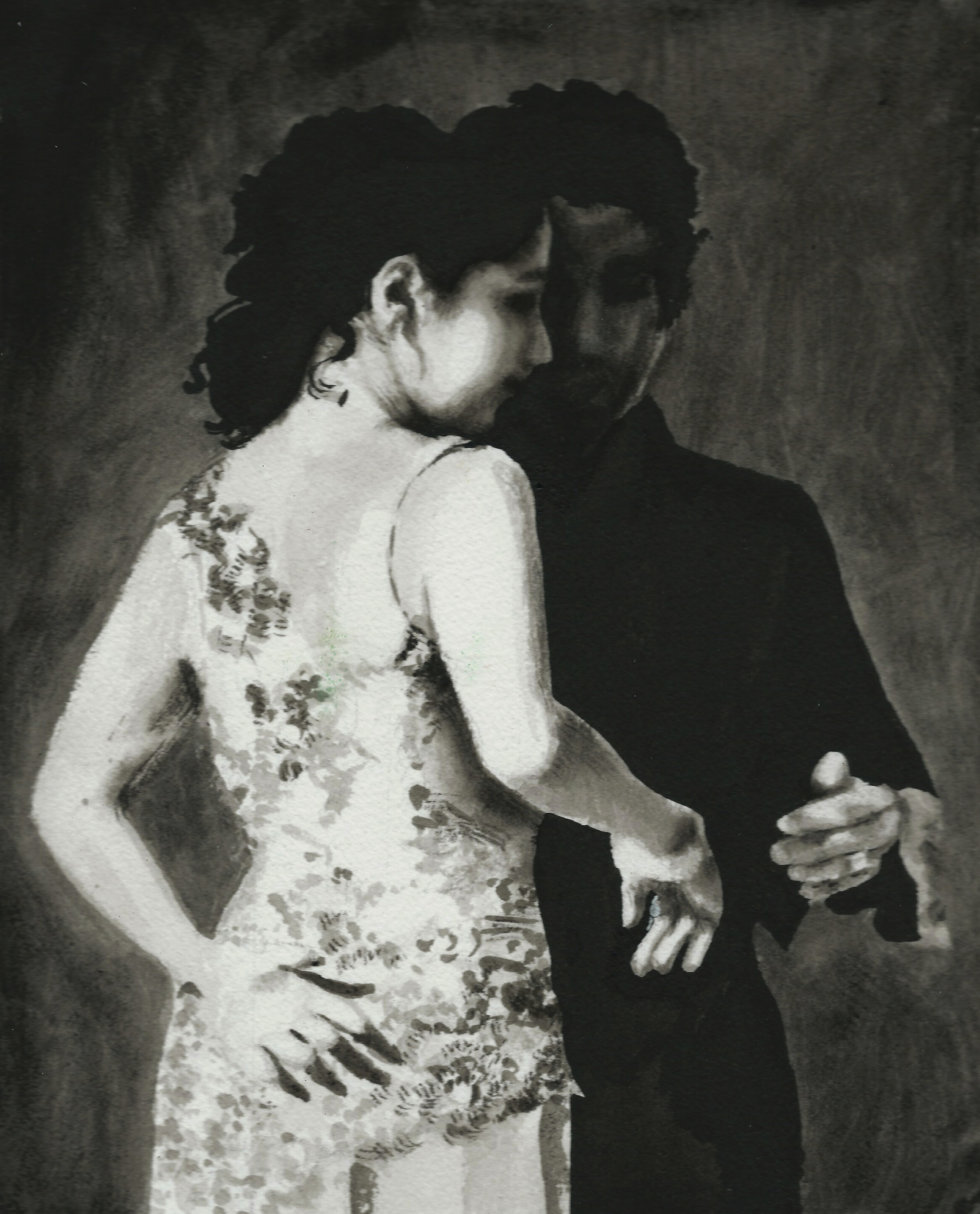
Tango and the Art of the Unseen

Jordana del Feld is a San Francisco artist and Argentine tango dancer. She paints and dances to connect with the world without and the world within. Her freehand painting technique balances her lifelong training and study of both Eastern and Western art. The dance of the brush records the inner energy of her subjects. Many people mistake the paintings for photographs, but they show what a photograph cannot. They are the art of the unseen.

The tango paintings began as a study of light and shadow, positive and negative, motion and stillness, men and women, yin and yang (and all that jazz), but over time, became intimate portraits that told the story of Jordana’s community. What began as an artistic exercise became confessions from the heart, of the entwined stories of a little world of lovers, friends, hope, heartbreak, joy, sharing, despair, discovery, and above all….

LOVE.

Poetry from Arron Erickson

Equal Treatment for all Groups


Why don’t you treat school activities the same as sports

Why do you treat us like the youngest child

And give everything to the oldest

So why I ask why

You never announce FFA or Robotics competitions

Yet you announce sport competitions

So why do you treat us like the youngest child

And save everything for the oldest

Or you don’t acknowledge us when we go to state

But you do for sports

So how is that fair

We work just as hard as athletics do but in a different way

We build robots, we study topics like trees

So why do you treat us like the youngest child

It just isn’t fair

Poetry from j. lewis

Iron and Ether


Something familiar in the curve,

The anguished bend of steel overcome

By heat and stress beyond belief —

Caught my eye because it was

The essence of you,

Trapped and facing death,

Refusing to yield until

The last possible life

Had slipped to safety.

I bought the photograph.

All I have of you

Are the vapors of memory,

One of thousands missing

And logically dead.

Still, you are as solid in my mind

As that monument of iron,

Arching as though to shield me

From the emptiness ahead.

j.lewis is an internationally published poet, musician, and nurse practitioner. 
His poetry and music reflect the difficulty and joy of human interactions, 
and often draw inspiration from his decades of experience in healthcare. 
When he is not writing, composing, or diagnosing, he is often on a kayak, 
exploring and photographing the waterways near his home in California.

Short fiction from Paul Beckman

Surprise!

Mirsky turned fifty-five on his first ever business trip and now was pulling into his garage at home. Expecting a warm and loving reception from his wife Elaine he became instantly depressed when he noticed her car was missing from the garage.

Mirsky had the non-enviable ability to become instantly depressed for almost any reason, good or bad.

He pulled his suitcase from the trunk and it dawned on him—a surprise birthday party was awaiting him. Of course, he thought. How could I have been so dumb?

He smoothed his hair, straightened his jacket and practiced surprise faces for when he opened the door. Mirsky mind-counted twenty-three couples and a few singles that Elaine just had to invite to his party. He was excited as he turned the door knob to enter the kitchen.

The silence was deafening. He flicked on the kitchen light and saw a note on the counter.

Went to the movies, see you soon. LE.”

Dejected, he lugged his bag into the bedroom and saw there were candles set around the room, a bottle of champagne sitting in ice and another note. “Make yourself comfortable, birthday boy—see you after the movie. Oh, yeah. Turn on the VCR. LE.”

Mirsky showered, opened the champagne and poured himself a glass, got into bed in his altogether and turned on the TV and VCR.

One by one his friends wished him a happy birthday and then as a group they sang Happy Birthday. They were in his house having a party.

The TV flickered and the party was gone and he watched a close-up of Helen, the woman he met on his business trip. Then he watched them drinking at the bar and then having dinner and finally them making out on the way to his room.

Mirsky heard Elaine’s car pull into the garage and he grabbed the remote, turned the TV off and pulled the covers over his head thinking, “But it’s my birthday”.

Prose from Alan Clinton

Some People Do This For A Living

RJA is, by anyone’s standards, “Royal” in nature at least as far as economy class goes. Having decided to protect myself via a magical sign akin to the evil eye, I flew into the Middle East for the first time wearing my “Babylon Whores” (Swedish Goth Metal Band) t-shirt as a way to strike fear in anyone who might wish me ill, particularly given that not quite “all” my papers are yet in order, enough to get me in but one never knows how customs agents look upon people whose work visas are not completely finished seeking the “tourist visa for now.” That said, the worst customs agent I’ve ever encountered was a Canadian “Mountie” who, after not buying the truth about me driving up to an artist’s compound in Banff (art is always hard to explain, especially “conceptual art,” ironically enough), searched my car high and low with me standing inside a painted square at a designated “safe distance” and had a way of asking me questions as if it were possible to give a wrong answer to questions such as “do you have any alcohol in the car.” Well, I thought, Canadians do love their drink but—hey wait a minute fucker you’re searching the car anyway. And no, I don’t have a pet hedgehog in the trunk who’s going to jump out and maul you when you open it. Are hedgehogs violent? If I wasn’t so lazy I’d google it and see, not to mention the fact that the word hedgehog in this context doesn’t strike me as very charming/funny, which I always strive to be, almost to a fault. Okay, to a fault.

Continue reading

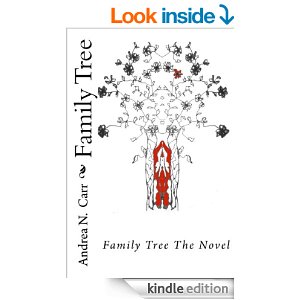
Tony Longshanks leTigre reviews Andrea Carr’s Family Tree the Novel: Family Tree

Review: FAMILY TREE: THE NOVEL, by Andrea Carr

For Synchronized Chaos Literary Magazine

By Tony Longshanks LeTigre
 

familytreecover


“I wanted the sense of camaraderie I felt in jail,” Angel Harper confides in us a little less than half way through this slim, yet emotionally supercharged​ novella. Harper’s older sister, Lady, has always had self-control issues, but her sudden suicide comes as a shock to Angel, who spends the ensuing days and weeks attempting to trace the factors that led to this tragedy. Her mother, a beautiful but unforgiving and emotionally repressed (and repressive) woman arranges Angel’s release from jail, but what seems a respite and return to freedom ends up “out of the frying pan, into the familial inferno.” As Angel tells us (p. 29), in a passage to which some readers will no doubt relate:

‘How do you say your family is a bunch of crazies who do the best they can? When and how do you bring it up?’ I asked [my little brother Philip]. He laughed; I felt better. They are not retard or schizophrenic-crazy, everyone appears handsome & pleasant to outsiders. That’s what’s crazy about us.’

​Carr has a way of transcribing the complex thoughts of her narrator by piling one short, pithy sentence upon another in a way that sometimes looks confusing at first, but ends up ringing true: emotions, we feel, do pour out of us in these dizzying bursts, our mental processes do happen in this haphazard fashion, like socks when they first come out of the dryer at the laundromat, before they are sorted and paired.

Though heavy and largely dark in tone and subject matter, there are patches of light and laughter that break through, and we are glad Angel manages to find some solace, a sense of closure in the end that can come from the grief process. It seems, in a way, her sister’s death is not entirely in vain, in that it makes the difficult relations with her family slightly less so, for a time. We wish Angel the best, and wish we could give a warm and compassionate hug to the author, as well, if (as one suspects) she has gone through something like this in her own life.

Family Tree The Novel: Family Tree is available here: http://www.amazon.com/Family-Tree-Novel-family-tree-ebook/dp/B00HAKQB5Q/