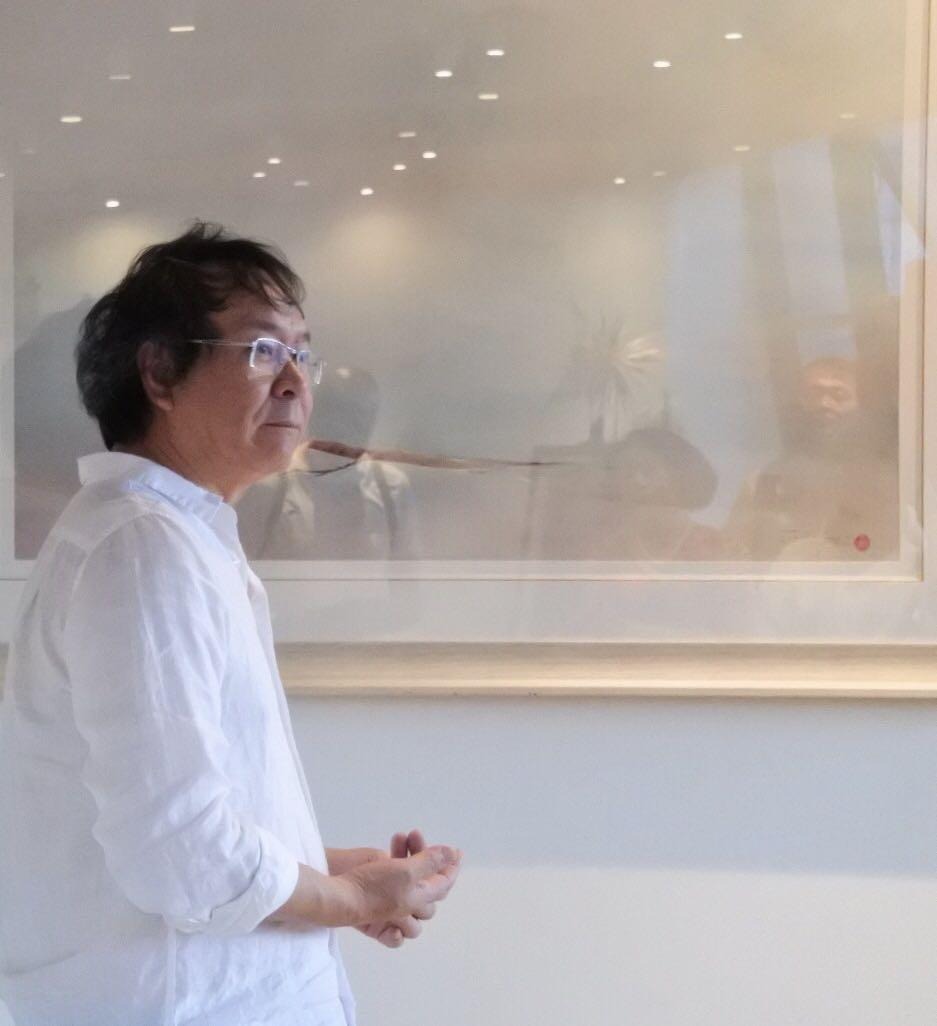
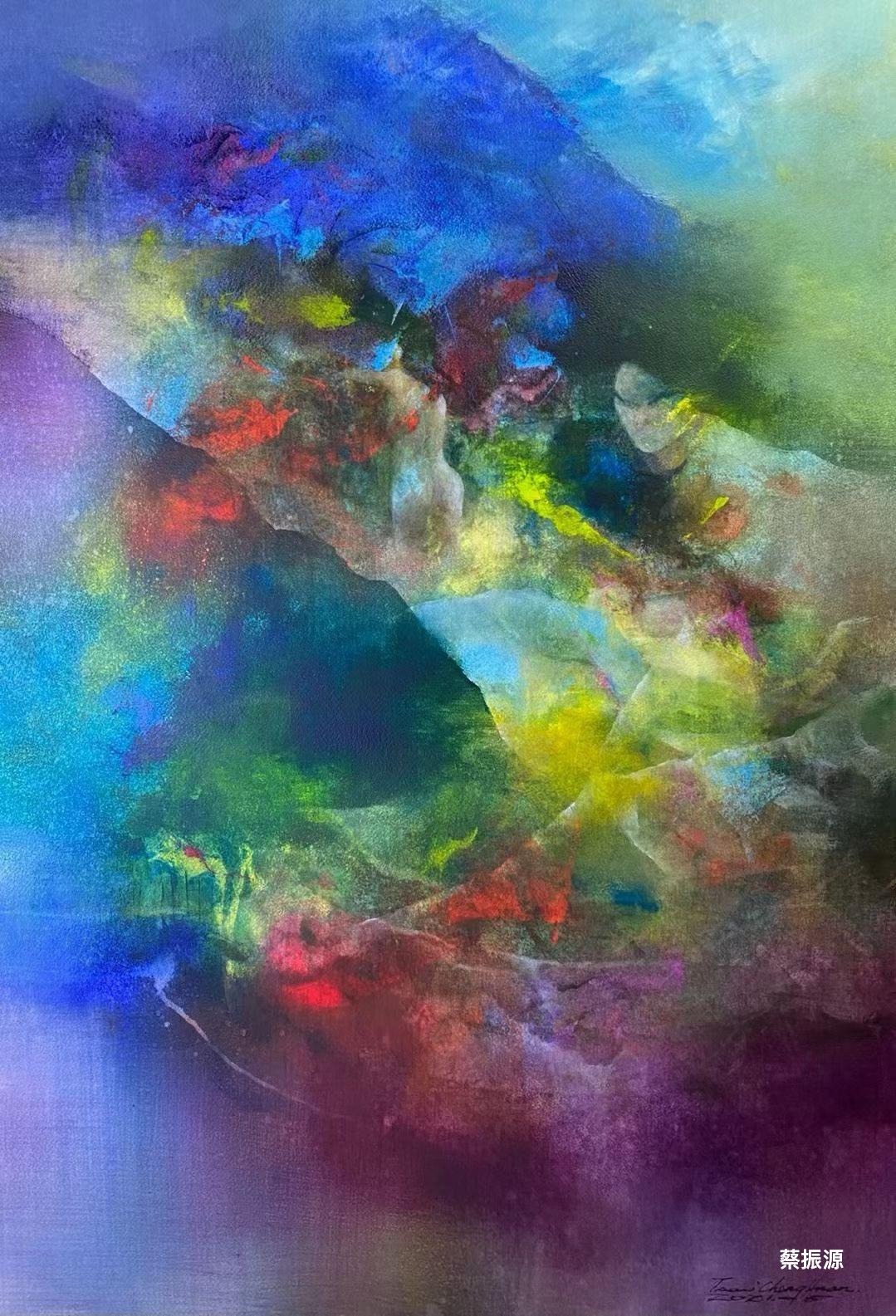
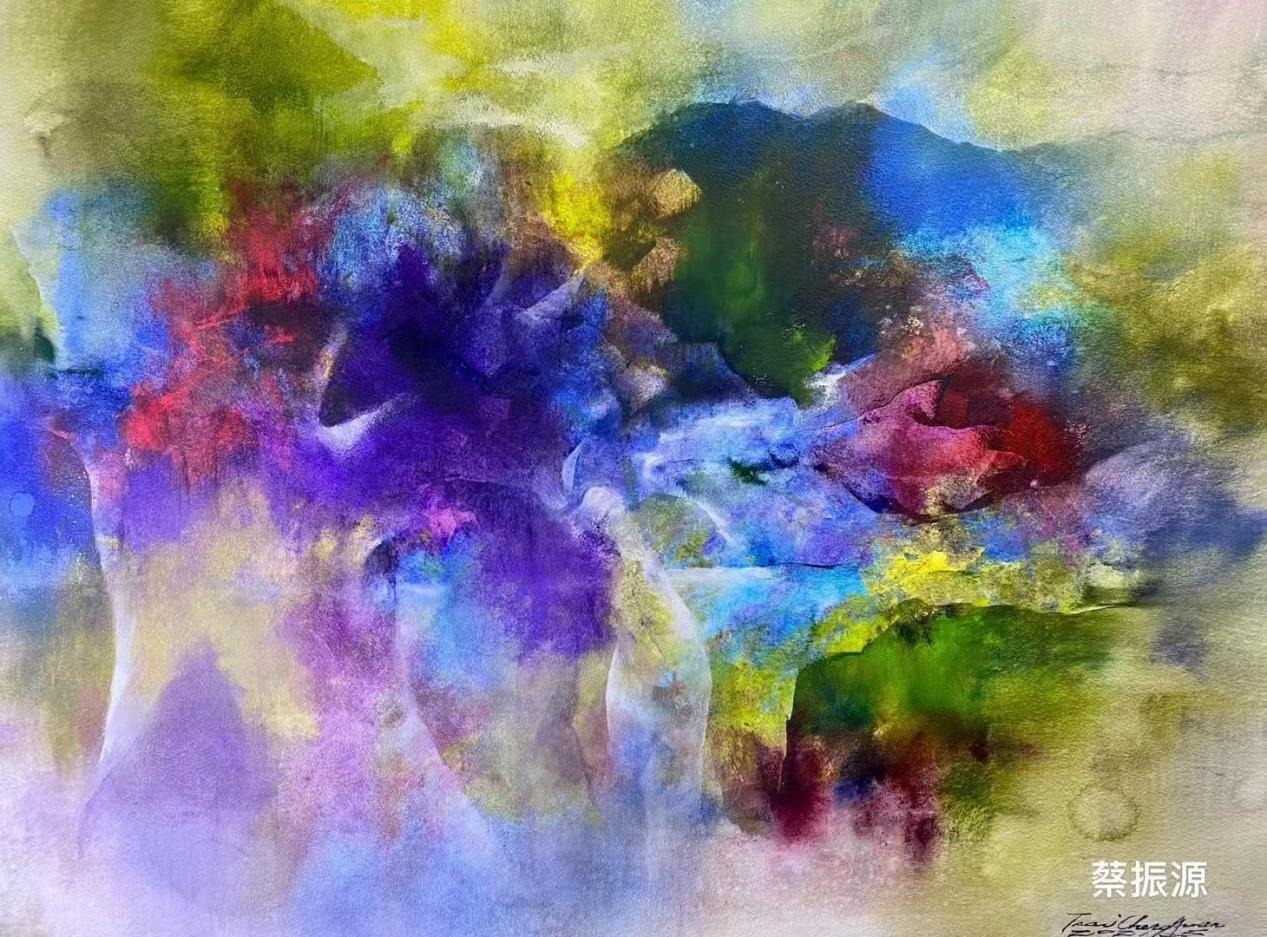
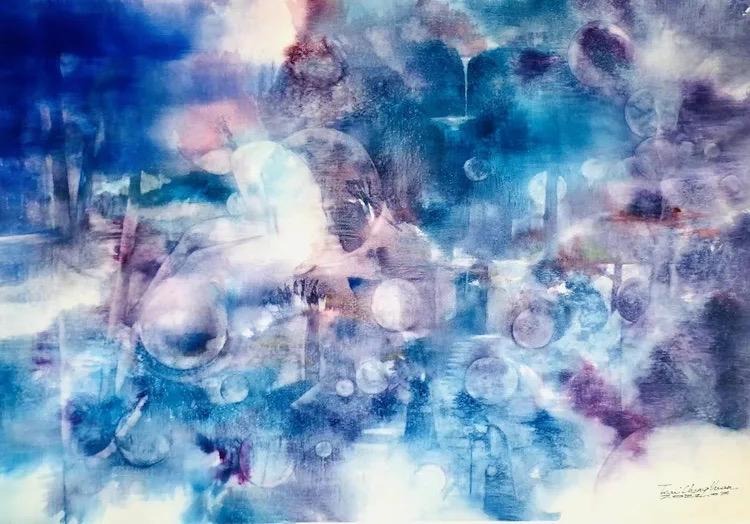
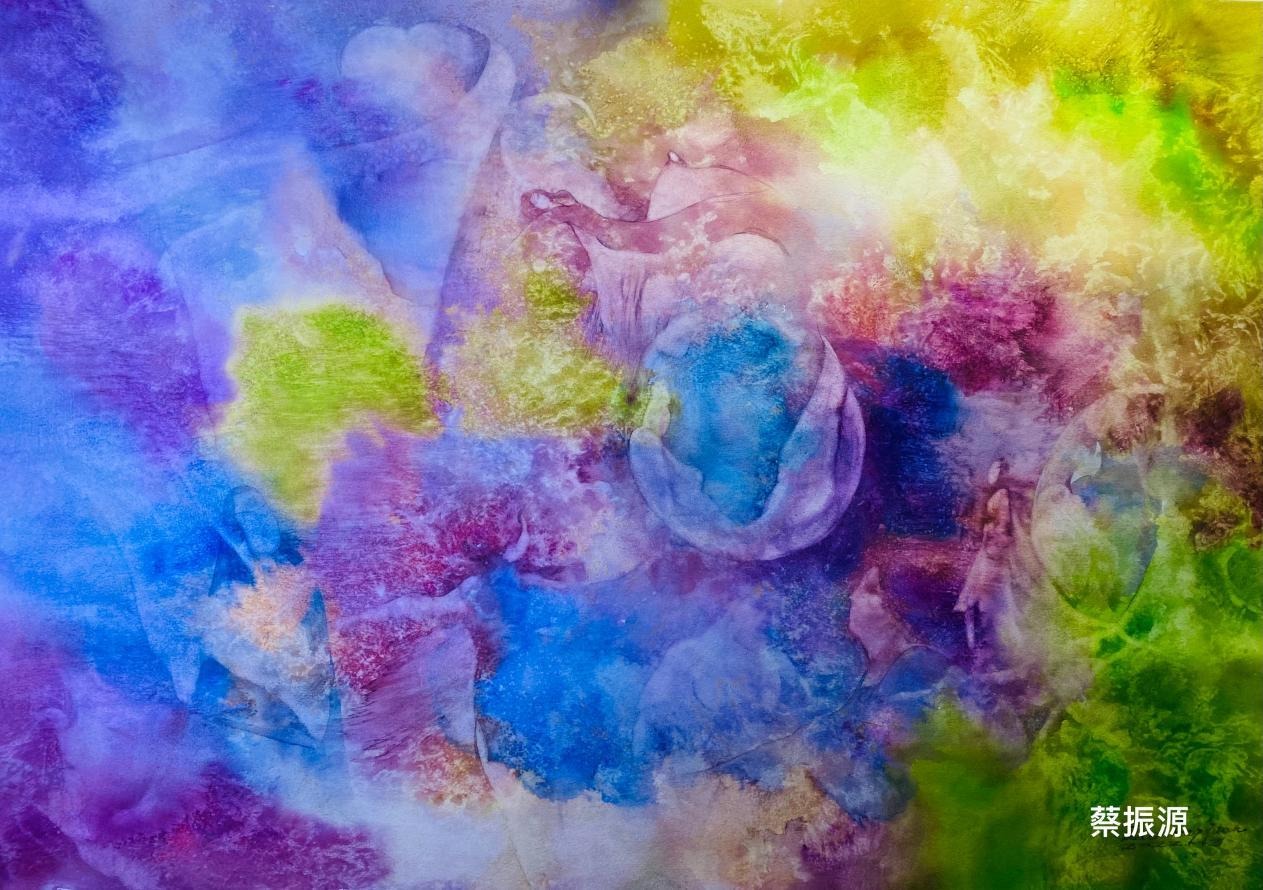
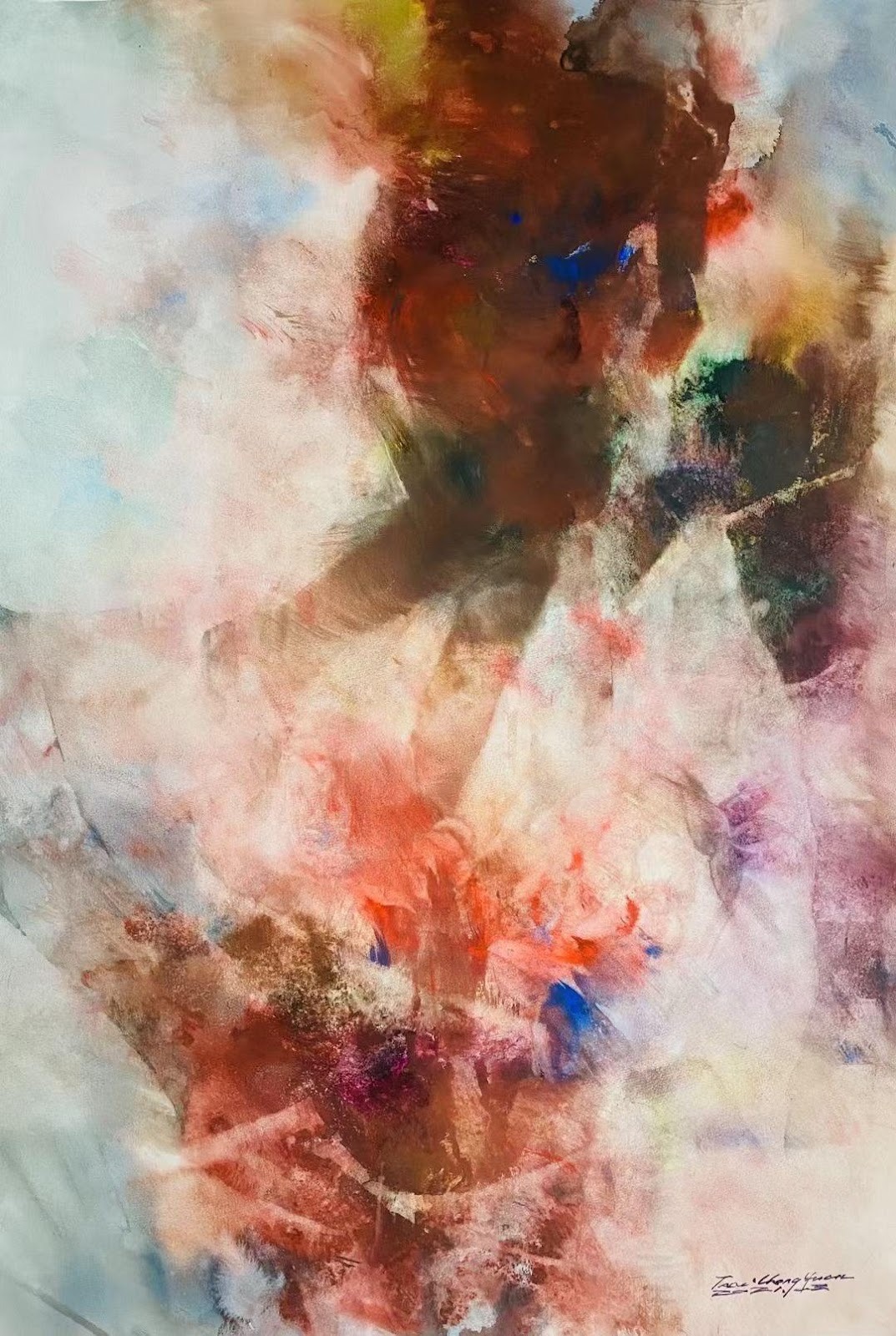
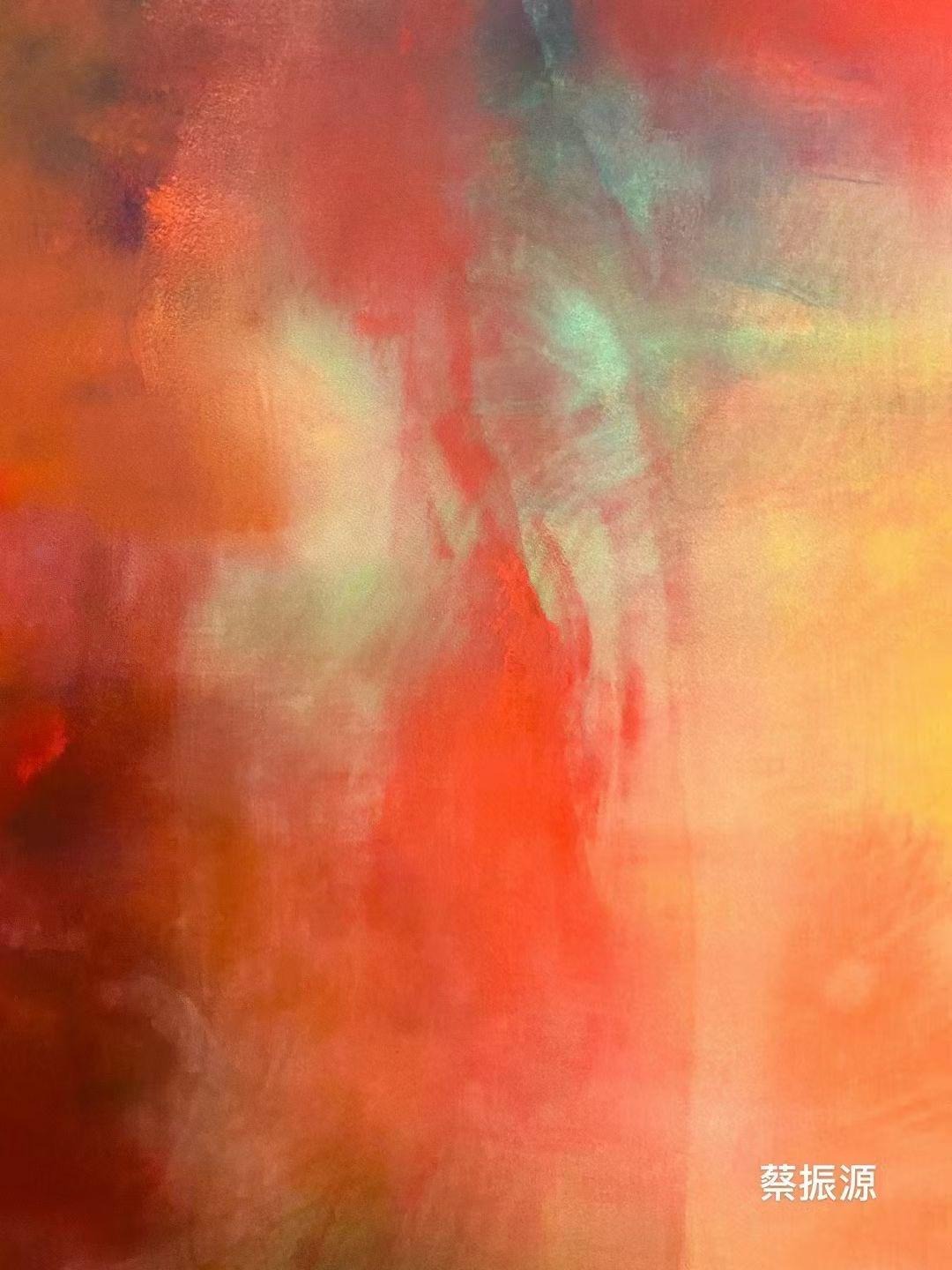
International Artist | Founder of Neo-Aesthetics | High-Dimensional Consciousness Poet
Light entangles with darkness, good confronts evil
Love coexists with hate, gain entwines with loss
Obsession and letting go, cycle through the mortal world
Conflicting consciousness, the eternal entanglement of the universe
Yet hands held fast, hearts embraced in union
Weave the tenderest harmony on earth
The scale of good and evil tilts, conscience gasps in shadow
Hypocrisy devours kindness, ugliness dons a gentle guise
Angels and devils, reshaped by worldly ways
Only the power of love can pierce the mist, and kindle light within
We live for others, toil for others’ values
Lost in others’ dreams, we forsake our own souls
Tears and laughter, love and hate, gain and loss
None are the true longing of our deepest spirits
But bewilderment and regret for having strayed from ourselves
We perform bravery, act out wisdom
Pander to others’ expectations, abandon our inner yearnings
Love the world with love defined by others
Yet forget the self we ought to cherish most
Life begins in tears, ends in regret
Sorrowful souls linger in the cosmos
Fallen consciousness pervades the mortal realm
Only boundless love can redeem the twisted heart
Love knows no bounds, great love stretches infinite
Consciousness endures, love never fades away
Lost steps tread through false peace
Rushing toward the unknown, we lose the true essence of love
Boundless love is a re-examination of love’s meaning
A call to awaken truth and purity
Consciousness endures, the power of love stands eternal
Enough to repel all darkness in the world
About Cai Zhenyuan
Cai Zhenyuan is an international artist, founder of Neo-Aesthetics, high-dimensional consciousness poet, and creator of Post-Shock Art Theory. His creative practice centers on the fusion of Chinese and Western visual expressions and high-dimensional consciousness philosophy, spanning the disciplines of painting and poetry. Rooted in spiritual awakening and boundless love, he has forged a distinctive spiritual voice in the international art and humanities community, dedicated to building bridges of cross-cultural spiritual resonance through art and poetry.
In the current globalization process, ensuring human rights in the education system, creating equal opportunities and providing education taking into account the individual needs of each student has become an urgent issue. In this context, the inclusive education approach is widely recognized around the world. Inclusive education is a system that creates conditions for all children, including students with disabilities or special needs, to study together in general education institutions. The main emphasis in this system is on providing quality education to each child through adapting the educational environment, improving pedagogical methods and using modern technologies.
Inclusive education is a system that ensures that all children, including those with disabilities or special needs, have access to quality education alongside their peers in mainstream education institutions. In Uzbekistan, UNICEF, in partnership with the Ministry of Preschool and School Education, is making it a priority to create an equal learning environment for all by modeling inclusive schools, creating accessible infrastructure, and introducing new standards.
Key aspects of inclusive education:
Equality: Children with disabilities receive education alongside their peers, without being isolated from society.
Infrastructure: Universal design of school buildings, i.e. creating accessible conditions for children with disabilities (ramps, special equipment), UNICEF.
Legislation: Testing new guidelines and standards to improve the quality of inclusive education, UNICEF.
Pedagogical approach: Using special methodologies for working with children with hearing, vision or intellectual disabilities.
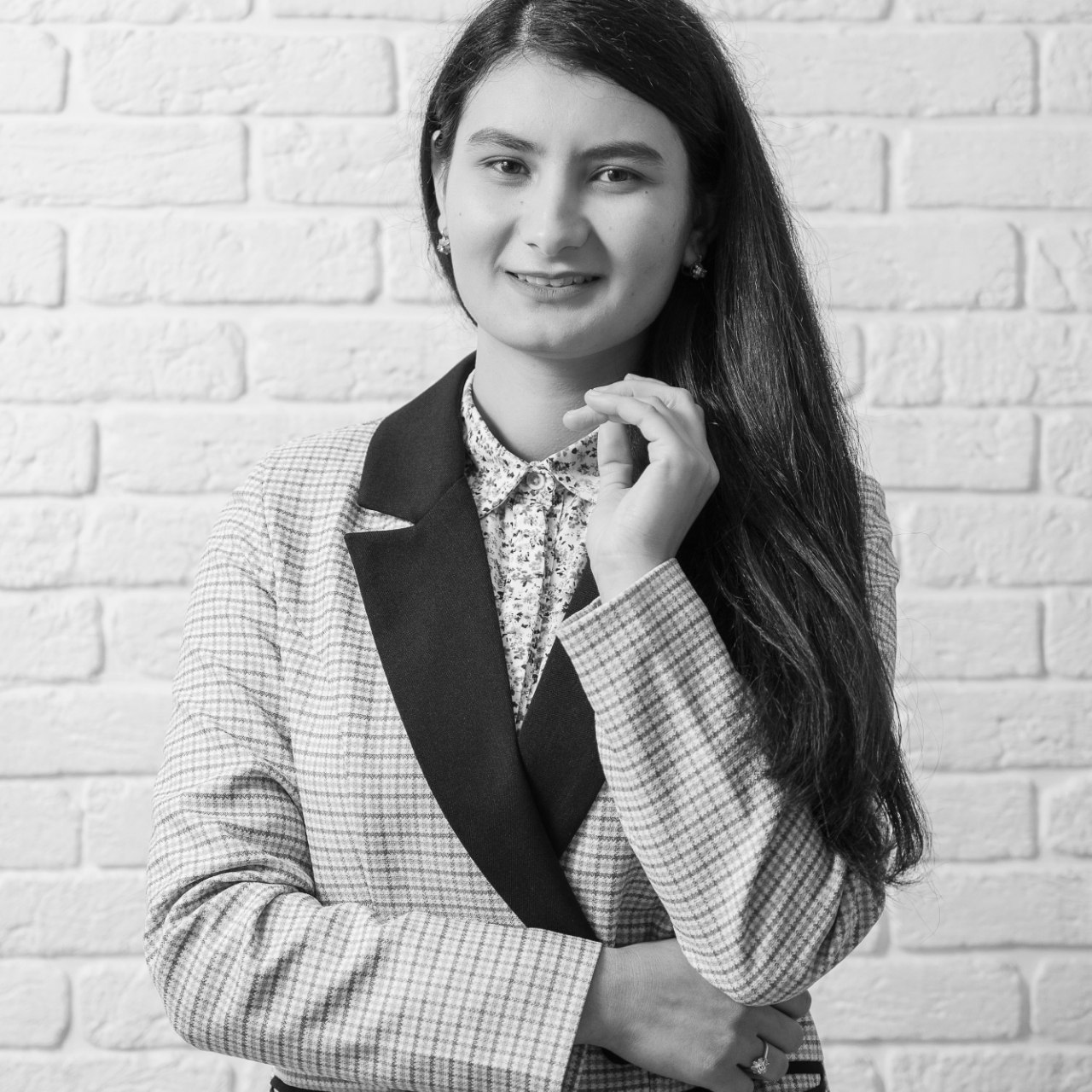
Juraeva Aziza Rakhmatovna was born on March 26, 2000, in Uzbekistan. She graduated from Kokand University in 2023 with a degree in Primary Education. In 2022, she was included in the almanac “100 Leading Students of Uzbekistan.” In the same year, she became a recipient of the iBook.uz scholarship. Her articles and poems have been published in Turkey and South Korea.
Marin Angel, a writer from Finland and Bulgaria, seeks volunteer writers and editors for a newly forming international poetry society.
Hello, poets, poetesses, and friends of poetry!
I created a WhatsApp group called ‘PPPT’, which you can join if you are interested (actively and/or positively) in poetry. There, in our ‘PPPT’ group, I will publish information about how our party should work, with the sole purpose of helping to preserve poetry around the world for ourselves and especially for future generations. I will mention one very important point related to my desire to create this poetic political party ‘Transparent’… A few months ago, a friend of mine (at this stage, he doesn’t want me to reveal his name) told me that he was willing to give away a significant portion of his money. He is a widower and has no children. The amount he is willing to allocate to this idea – the rescue and preservation of poetry – is approximately 6,700,000 US dollars. Before giving me this money, he stated his conditions: The PPPT party must have at least 8,000 members. Four thousand of them must be active members (proofreaders and editors) who, for at least 12 months, will demonstrate how they all work together for the benefit of POETRY. Inactive (so-called sponsor) members of the PPPT must constantly promote our party among their relatives, friends and acquaintances. For more information, write to me here marinangel.fi@gmail.com, in our general group https://chat.whatsapp.com/EJKeUxZNzHr6YjZJJs6Z9s?mode=gi_t or in a private message on WhatsApp! I look forward to your reply! Marin +358456924499 Finland
I would be grateful if you could share this message with your family, friends and acquaintances! Thank you in advance for your help. Marin
Active members of the Poetic Political Party ‘Transparency’ (abbreviated as PPPT) will receive the following BENEFITS:
1) Within (maximum) 2 years, your works will become known in 75 countries around the world. By becoming an active member (EDITOR) of PPPT, you will be able to publish 2 of your poems per month in our group, which will be translated into 12 languages completely free of charge.
2) Our first book, ‘The Colour, Smell and Taste of White Snow,’ will be distributed in these 75 countries by the end of April 2027. The recipients of our book will include more than 500,000 people, including more than 300 presidents (current and former), all prime ministers, ministers of culture, current and former politicians, the largest and most important libraries, all leading literary and art publishers, more than 5,000 companies and many other individuals.
What will each editor’s job entail?
The editor will be required to professionally edit (in the language or languages he or she is fluent in) eight poems each month, which we will send to him or her for editing.
I am writing on behalf of the Poetic Political Party ‘Transparent’ (abbreviated PPPT) to invite you to join our shared cultural exchange, which celebrates our family traditions and unique customs, both of your culture and of all cultures around the world.
We believe that sharing amazing stories and family rituals can create a wonderful bridge between our rich cultural traditions. Our goal is to develop relationships that enrich the lives of all peoples and/or nations through open dialogue and the exchange of experiences.
We believe that cultural diversity is crucial in today’s globalised market, and by sharing these experiences, local traditions and knowledge, we can contribute to
creating a more diverse environment for ourselves and future generations.
Your personal reputation as someone interested in cultural diversity and your reputation for understanding (e.g., poetry, folk art, visual arts, etc.) make you an ideal partner in our joint initiative.
As part of our joint efforts to create a more diverse and dynamic community, we are planning a series of events — for example, our first book, in which we will collect all of our amazing memories that highlight the beauty and richness of different cultures.
We believe that by uniting as ONE, we can learn from the stories of others and create a stronger sense of unity.
You were the Lord of the Universe—the King of Kings
Known to gods and mortals alike, I was your cherished Queen
Then came the great catastrophe of the Three Realms
Tearing us apart abruptly, leaving us to grieve the love we lost
Since then, time has carried me
Across the Ten Directions and Dharmadhatus
Through six cycles of reincarnation
Reborn as a human, I walked the path of cultivation for nine lifetimes
Endured all the tribulations of the mortal world, just to meet you again
After three thousand years of wandering
I searched for you a thousand times among the crowds
And finally, today, three thousand years later
We reunite beneath the magnolia tree
Its dancing shadows whisper our ancient vows
In the moment our eyes meet
We see reflections of ourselves from three thousand years ago
And the endless search through lifetimes unfolds before us
Above the mortal world, you remain the supreme King of Kings;
Within the mortal world, you are also the finest man on earth.
Heaven and earth unite, with white cranes as their matchmakers
Sun and moon unite, with Venus as their matchmaker
Mountains and rivers unite, with gold as their matchmaker
Chestnut and pine trees unite, with bees as their matchmaker
Turquoise and black jade unite, with golden threads as their matchmaker
When you and I unite once more, who shall be our matchmaker?
Let three thousand years of time be our matchmaker
To witness our timeless love
For the rest of my life
I do not wish to return as the goddess of the Diamond Kingdom
I only wish to be the little woman in your arms
For the rest of my life
I do not wish to leave a legacy for a thousand years
I only wish to be with you, day and night
For the rest of my life
I do not wish to be a fairy in the clouds
I only wish to live fully as a mortal woman
For the rest of my life
I do not wish to be showered with thousands of affections
I only wish to nestle in the arms of you, the ultimate doting husband
For the rest of my life
I do not wish to return to the cosmic kingdom
I only wish to savor the love of this mortal world
Time as our witness
Heaven and earth as our testimony
May we be united for ten thousand years
And never part again
Time as Our Witness is an oriental love poem that transcends time and space and touches the soul. It outlines an extraordinary love spanning three thousand years with a grand mythological narrative and incorporates the classic linguistic elements depicting beautiful oaths from the Naxi Dongba Scriptures, making the romance and profound affection of oriental culture vividly expressed. Two souls were separated by the catastrophe of the Three Realms, and after traversing the Ten Directions and Dharmadhatus, going through six cycles of reincarnation and nine lifetimes of cultivation, they finally reunite under the magnolia tree. The vows in the swaying tree shadows and the gaze in each other’s eyes are the answers to the endless search through all lifetimes.
The poem combines the divine glory of the cosmic kingdom with the gentle companionship of mortal life. Letting go of all glory and fame, the poet only wishes to be the little woman in her beloved’s arms, staying together day and night. From the natural oaths of heaven, earth, mountains and rivers to the heartfelt confession with three thousand years of time as the matchmaker, the poem reveals the essence of love—it has nothing to do with status and glory, but only for rushing to one person and staying with them for a lifetime.
“Time as our witness, heaven and earth as our testimony” is a universal belief in love for all humanity. True love has no national boundaries or time and space constraints, and it is a romantic language connecting the whole world. On this Valentine’s Day, may the profound affection of this oriental love poem warm every heart that believes in true love in Greece and across the world. May all lovers be blessed by time, with their love lasting forever and never being separated.
My dearest Earth Daughter
I am the Cosmic Mother beyond primal chaos
Pluck a wisp of the Milky Way as your sash
Cut a swathe of nebula for your gown
With eons of time unspun
Weave an eternal vigil around you
Stellar orbits are the lines of my outstretched palm
Charting the distant path laid by the vast galaxy
Starlets are my soft, whispered reminders
Clinging to every step of your journey
Solar coronas are my blazing, tender gaze
Chasing the glow of your evolving prosperity
Lunar radiance is my gentle kiss
Pressed to your quiet window at night
With a shield of gravitational grace
Ward off all tempests beyond your stellar path
I have nurtured myriad star rivers
Yet hold only you, cherished, to my heart
Watch you birth green mountains and blue seas
Nurture countless plants and creatures
Watch you sow seeds of civilization
Breathe forth the fragrance of love
Watch you stumble through time’s tide
With innocence and unyielding grace
The cosmic wind breathes softly
It is me murmuring in your ear
Daughter, fear not
You rest safe in my celestial embrace
May love bloom as starlets
Adorning every fiber of your being
May the light of peace caress like dawn
Kissing every inch of your skin
May humans and nature dwell in harmony
Upholding the covenant of endless life
May all worldly strife disperse
Clear winds guiding you onward
May wisdom hold a lamp for you
Revealing your most radiant self
May you carry a glow within
Unfurling your unique light across the cosmos
Shining through the starry expanse
Honoring this celestial vigil
More so, may you, in motherhood’s name
Pass this love down through endless generations
Protecting every child of yours
And the children of your children
Regardless of gender or clan
Let love and compassion cradle your lands
You are the one-of-a-kind treasure in my palm
A peerless gift forged by the cosmos over eons
With eternity as threads and love as weft
I wrap around your springs, summers, autumns, winters
With nebulae as my bosom and tolerance as my realm
Embracing all your past
In my celestial embrace
Grow toward the light unshaken
Let love and peace
Seep deep into every inch of your soil
Walk with you through eons of time’s currents
Coexisting and shining with myriad star rivers
Becoming the most touching ode to life in the firmament
Let this great love break free from time’s chains
Flow endlessly among the stars
As fiery as a supernova’s blaze
As enduring as a galaxy’s spiral arms
Guiding the legacy of your bloodline
Let love span ages untold
Taking root and blooming in every child’s heart
Shining alongside sun and moon
Enduring with the boundless galaxy
Through endless ages
Forever thriving
Footnote
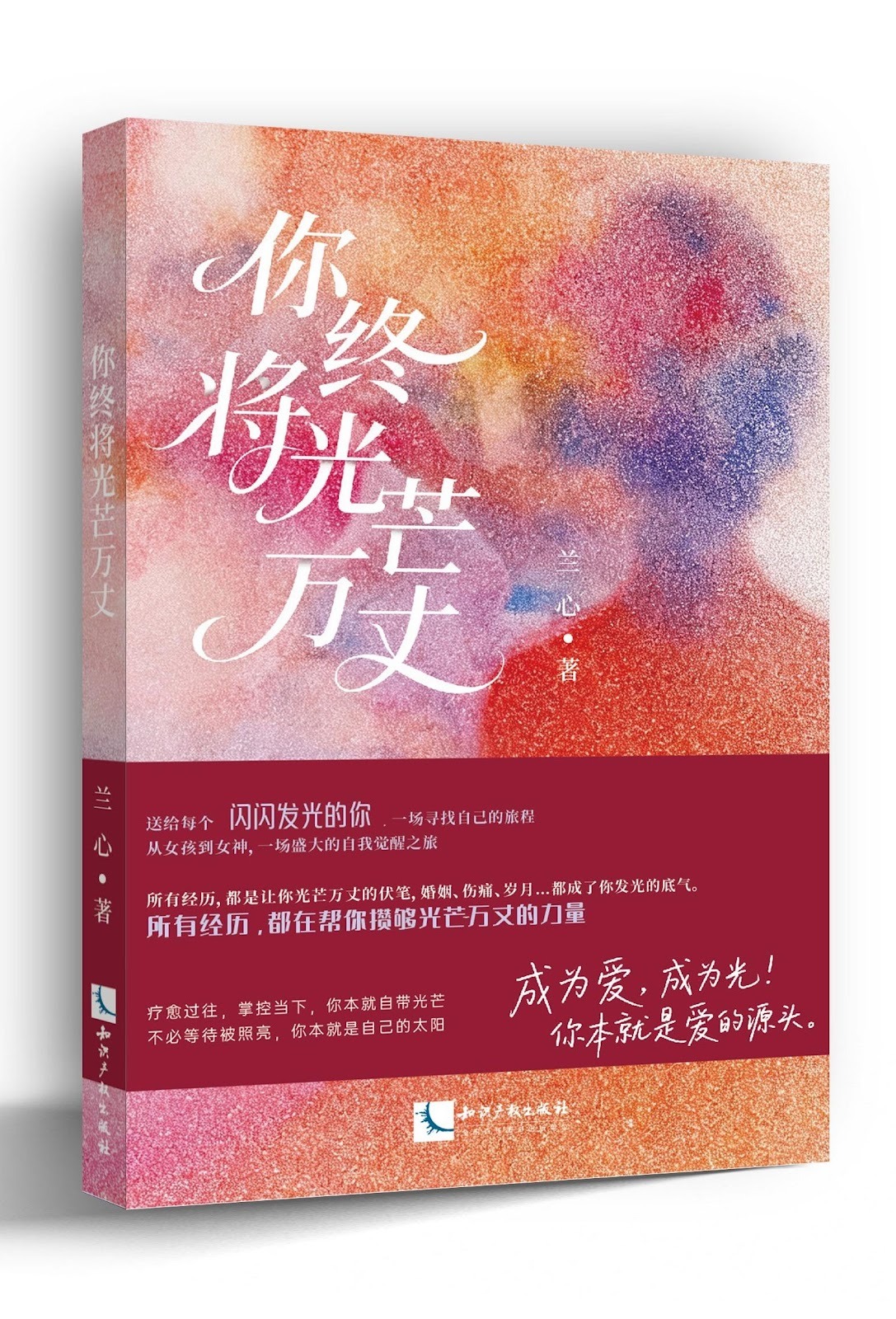
Lan Xin, through the tender voice of the Cosmic Mother and grand cosmic imagery, conveys her profound wishes for Earth and humanity: may love and peace spread across the world, may humanity and nature coexist in harmony, and may this timeless love nourish all beings, pass down through generations, and become an eternal force for good in the world.
Predestined for Three Lifetimes Poem by Lan Xin (Lanxin Samei)
What is fate? It is the inevitability meant to be, beneath the guise of chance. A promise made in a past life, that brings us together in this one. Fate is an unplanned meeting of hearts; the moment our eyes meet, the shadow of a former life reflects in each other’s gaze. That unfulfilled love, that lifelong longing— We stand across a glimmering stream, silent, with unspoken words in our hearts. Through joy and sorrow in this life, I pledge to you; I hold your hand, and grow old with you together. Even a single encounter, becomes an unforgettable love deep in the soul. Do you believe? In this world, there is always a pair of discerning eyes that sees through the countless crowds, and leads the lifelong longing of the heart. Our fate is predestined, for three lifetimes.
This poem centers on the karmic bond of “three lifetimes”, unfurling the emotional arc of a fateful encounter in a past life, lifelong companionship in the present, and a heartfelt promise for the next. It weaves profound, enduring love into the predestined connection, with every line embodying the longing for an unbroken togetherness through all life’s joys and sorrows. “Three lifetimes” is both a classic philosophical concept denoting the past, present and future existences in traditional culture, and a vivid embodiment of this love that transcends reincarnation and remains unyielding for all eternity.
Love Fated at the Potala Palace
At last, I stand before thee Like a young butterfly fresh from its cocoon Rejoicing, my eyes glinting with starlight Dost thou know? Long e’er this moment I have turned to gaze at thee a thousand times Thou hast, in truth, stood lofty in my heart all along Yet thou art so grand, so towering I feared my slender fingers could not twirl the prayer wheel I feared the highland could not bear my lonely cold I feared I might fall short of thy ageless vow So to thee I could but gaze in awe, never dare draw nigh And thus I waited For a mighty eagle To bestow me strength To lead me to thy side At last, I stand before thee The moment I step upon thy halls A flame of hope surges in my breast My heart Is like the blazing starry firmament Abloom with hues of radiant light Blossoms of grace and rapture Burst forth in my heart’s sky, like glowing neon flames In this hour I no longer keep my reverent distance I have at last drawn close to thee In this hour All fear is gone from me For A mighty eagle Doth lend me its strength
This poem traces the emotional journey of approaching the Potala Palace, depicting the transformation from yearning with awe and hesitation to finally drawing near fearlessly. With metaphors of a young butterfly and a mighty eagle, and Tibetan symbols like the prayer wheel and the highland, it weaves the poet’s reverence, hope and eagerness for the Potala Palace into every line. It lays bare the anxiety of venturing alone to the highland, and more vividly expresses the relief and resolve of embracing the sacred land and hearting the light, empowered by love and strength.
Fated
We chanced upon one another On that afternoon when the storm had passed A casual brush of hearts, unplanned Like the long-awaited rainbow That blazed across my firmament With a burst of iridescent glow, in an instant If ‘Twixt thee and me It is fated to be but a fleeting encounter I would blaze like a firework bright At the moment thou gazest up at the starry vault Unfolding a lifetime of grace in one brilliant bloom If ‘Twixt thee and me It is fated to be a soulful kinship I would be a pure lotus in the lake We gaze into each other’s eyes in quiet repose Never clasping each other’s hands Yet my fragrance permeates thy heart Soft and lingering, far and profound If ‘Twixt thee and me It is fated to be a lifelong bond I would be a mild, delicate orchid In thy life Now nigh, now far Now intense, now faint Now blushed, now plain Through spring’s bloom and winter’s frost Breathtaking forth fragrance for all eternity If ‘Twixt thee and me It is fated to be naught at all I only wish A seed of sweet goodness Might take root and sprout in thy heart, from this day forth Growing into a tree of wishes
And in the next life All our fated desires may find their full fulfillment
This poem eulogizes the destined love between two hearts with four layered suppositions. It weaves the beauty of fleeting encounter, the tenderness of soulful understanding, the warmth of lifelong companionship and the mild hope of unfulfilled fate into vivid metaphors of rainbow, firework, lotus, orchid and wishing tree, expressing the sincere and selfless love that follows the will of fate and cherishes every possible bond with the beloved.
To the Angel
Angel, what is it, what bids you fall to the mortal world? What is it, what makes you cling to this earthly dust? Angel, what is it, what breaks your wings in twain? What is it, what fills your eyes with tears? Angel, you once soared on wings, striking the blissful chord; you once blinked eyes like autumn rills, holding bright wishes in their glow; you once outstretched your arms, scattering sunlight all the way. Yet on that pitch-black cold night, a deafening crack rent the sky— I saw your blood-stained wings, your broken heart entwined. Angel, do you blame your hasty leap to the world? Do you regret the reckless moth’s flight to the flame? This mortal world of strife was never yours, the past like wispy smoke, gone in a blink. Only the trace of your flight remains— a crystal heart-lantern, spilling radiance o’er the ground, like your glistening tears.
This poem addresses an angel with tender inquiries, lamenting its fall to the mortal world: broken wings, tearful sorrow, and the shattering of its once blissful existence in a bleak cold night. It wonders if the angel regrets its hasty descent yet reminds that mortal strife was never its load. The past fades like smoke, but the trace of its flight lingers as a crystal heart-lantern, spilling radiance like its glistening tears—its pure light enduring through fragility and loss.
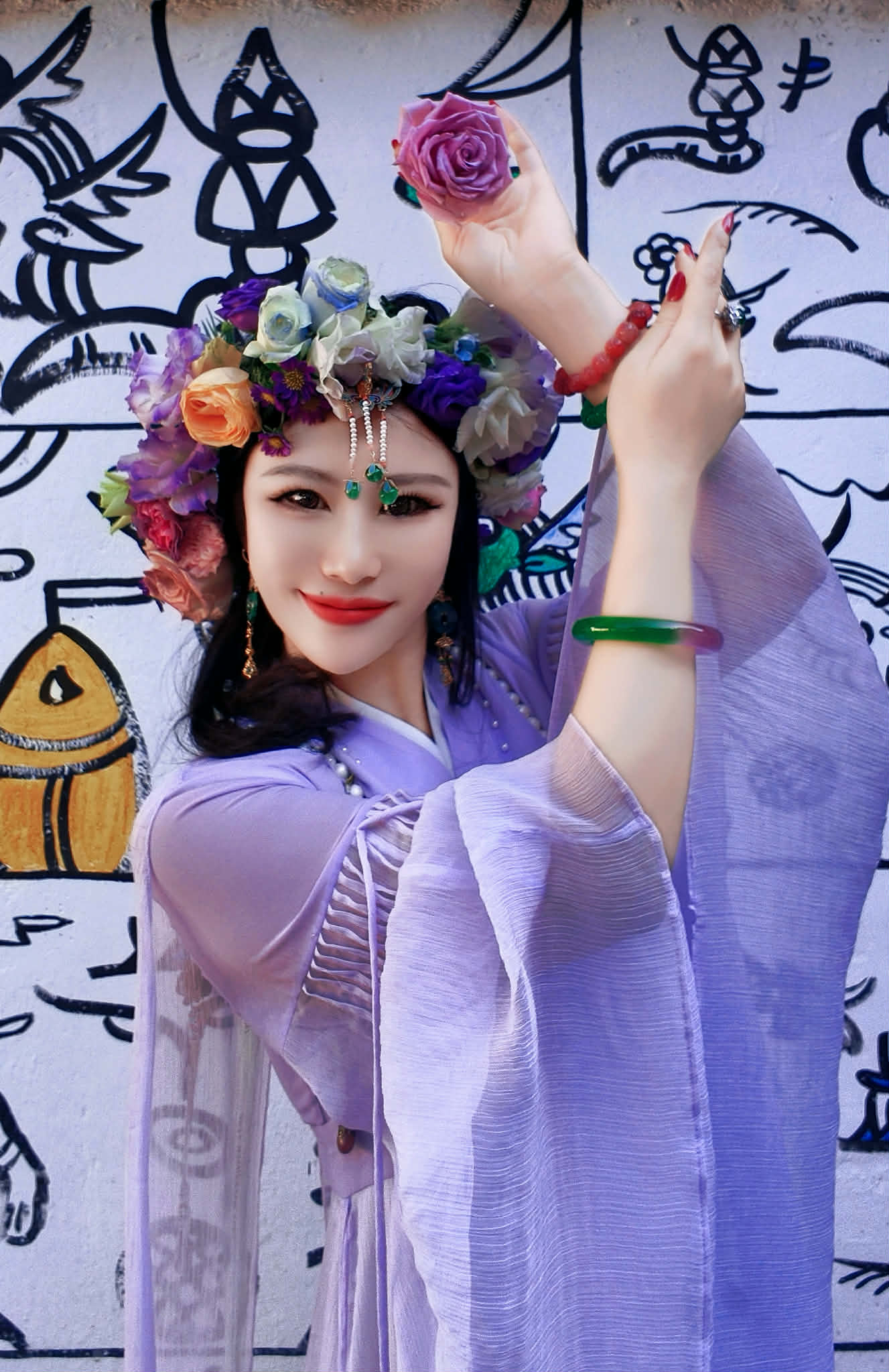
Internationally acclaimed bilingual writer, poet and translator, member of the Chinese Writers Association. The only female inheritor of UNESCO-listed Dongba Culture, International Disseminator of Dongba Culture and practitioner of Chinese culture’s global outreach. Winner of the Italian Francesco Giampietri International Literary Award, President of Lanxin Samei Academy and Dean of Yulong Wenbi Dongba Culture Academy.
In today’s modern financial system, credit cards are becoming a common method of payment for millions of people worldwide. They offer convenience and flexibility, yet there might be some potential risks such as overspending and debt accumulation. Meanwhile I believe that the advantages highly outweigh its disadvantages if proper financial management is taken into account.
On the one hand, credit cards can encourage overspending. Since the money is not physically exchanged, consumers may lose track of their expenses and quickly accumulate debts. It is commonly seen as the greater times of loan amount than users’ monthly income. Another drawback is high interest rates. If the outstanding balance is not paid on time, the interest rates grow rapidly and there may even be fines which can put people’s financial states under pressure. Furthermore, there is a risk of digital crime like fraud and identity theft damaging the privacy. However, with a proper budget planning and sophisticated security systems like two-factor authentication, these issues can be eliminated.
On the other hand, credit cards hold numerous advantages. First of them is convenience. Customers can purchase their daily needs easily by these cards without carrying large amounts of cash, which increase security and decrease the risk of being a victim for theft. Moreover, regular users can get extra benefits and prizes such as cashback, travel points and discounts which can be financially beneficial in the long term. Additionally, cardholders can build a good credit history and increase their credit scores that will ensure them to take secure loans and mortgages in the future. Take an example, my uncle became a successful entrepreneur by taking full advantage of a credit card in a very short period.
In conclusion, even though credit cards may come with some drawbacks like overspending, financial loss (if managed improperly) and digital theft, I solely agree that the advantages such as convenience, accessibility and financial rewards completely outweigh the disadvantages.
My name is Shonazarov Shohjaxon, born on January 17, 2008. I am currently a first-year Economics student at Tashkent State Geological University. I chose this field because I am highly interested in financial systems and economic development. I am motivated, responsible, and eager to improve my analytical and research skills. I continuously work on developing my English proficiency and academic knowledge to achieve my future goals. My aim is to become a professional economist who contributes to economic growth and financial innovation.
of innocence lingering on the readier side of my face
when I cover the opposite side with a book
standing in front of a mirror, its LED square,
with a swirled boundary of yin and yang persisting
as I shift the book, looking at my look, this side
then that side, seeing here the careworn singer
cricket of summer, there the burdening ant
in how one brow lifts, the other will not.
The flare of both nostrils, one declaring
Something around here’s gone sour…the other’s wing
wanting to increase its faith in burning
one more lavender candle. The shush cleft
of the upper lip hopelessly wanting to give its secret
away with a grin, the teeter-totter down
side of the mouth from a tick it’s got working
out our monthly budget. All the blame
on either side of me bristles with two-day stubble
counter-patterned to keep my Gillette attentive.
Dad? Is that you? Mom? From how deep, I must
be seeing the bust from an old temple for Janus
in times that modeled inordinate hiving of
our DNA in enchanted unison under
harvest moons. Moon face. Bright eyes—
one with a sagging lid. The one cheek
less buttoned, the sharper one. Is there no truth
in the balance of your scales?—now peering,
without the book, for the wholeness of my one regard,
wanting to un-see this divide
I have so looked into this curious hour, to the open
pores. And oh wrinkles, where is that cream for you?
Radar
Each time I beam in on one in the movies
my own searching nearness dimly flickers.
Time quickens with the needle
sweeping the element in reach
where you had always been. Then one day
your look stilled in mine, just for a bleep,
and you smiled. My eyes batted.
The sea of the world turned opaque,
enveloping, swimming clear in anonymity
where, closer, closer, read and reread
back and forth like a palindrome, singularly
that flash of you pulsed and blossomed
again on the dark instrument of Who’s there?
The slip away? The jolt and tremor? What is
everything? Seeing it come for you?
Skywalk
A pheasant’s flight over a country road
came to mind once when I was in the city
tubed in the glass of a skywalk
looking down at the traffic on the street
on the way from one building’s wide throughways
past pricey boutiques to a Starbucks and ATMs.
Under gray rain, if you knew your way
through the construction labyrinth of downtown,
you didn’t need to open an umbrella.
Mine kept furled neatly in my hand.
My head was full of everything going
into work, with this one suspended glimpse
of the world around me thickening in a drum
of downpour, then hushing at the let-up,
the dark wet street below eye-beamed
with headlights, glowing with tail lights.
Night had fallen clear on my way home.
I had a minute to stop and hover
imagining myself sole in ascent
through a hazy nimbus of the buildings’ lights
up into an utter blind gap of space
where the charts of the stars clustered
to a stunned emptying of the mind before
I came down with my nothing among the commuters.
Michael Todd Steffen’s third book, I Saw My Life, is being published by Lily Press (www.lilypress.com) in March 2026. Mike lives in Somerville, Massachusetts. He helps coordinate The Hastings Room Reading Series and frequently publishes articles about new and established poets on the Boston Area Small Press and Poetry Scene website. His poems have appeared in journals, including The Boston Globe, The Dark Horse, Everse Radio,North of Oxford and Ibbetson Street. Boris Dralyuk (managing editor for Nimrod Journal) writes, I have read [Steffen’s] poems with enormous satisfaction. His lines are supple and wear their unmistakable wisdom lightly.