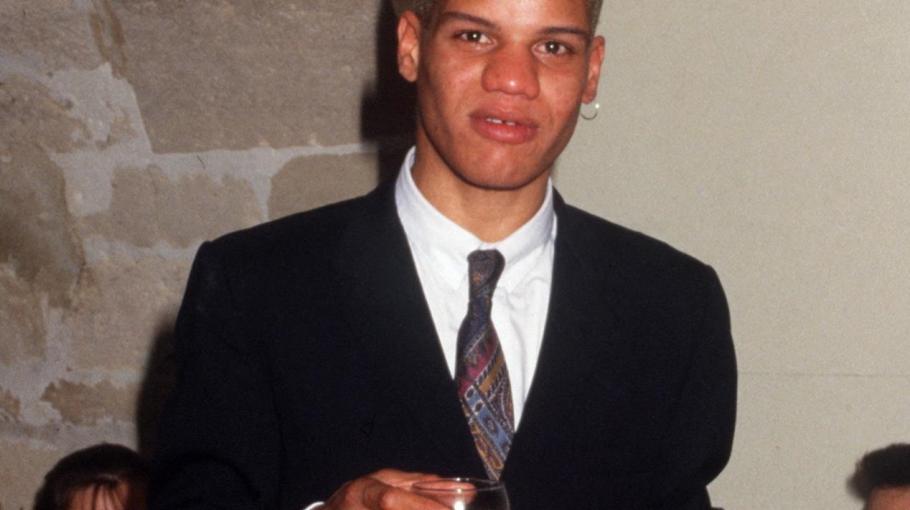
Why (Do) White French Institutions Have a Hard Time Admitting The Impact Of Racism/Colonialism In Black Serial Killers' Psychological Damage?: The Case of Thierry PaulinFrance's most notorious serial killer was a black man. Thierry Paulin.
Born in 1963, in Martinique, the young man left the earth at only twenty-five, leaving behind him a horrific legacy. Between 1984 and 1987, the year of his arrest, Paulin murdered twenty-one old ladies in Eastern Paris to steal their money and fund his lavish lifestyle. However, though he admitted to having murdered twenty-one old ladies, the French police had enough evidence to suggest he would have actually killed up to forty of them, with a total of sixhundred attacks and theft.
Thierry Paulin and Guy Georges are still the only two Afro-descendant serial killers in France to this day, a nation whose phenomenon of mass murder is still rare. Both men share the same background, were mixed-race, abandoned by their parents, evolved in a white French conservative society which rejected them for being Afro-descendants and did not have (a) place in psychiatry to treat their specific conditions.
If a few documentaries were made about Paulin, and a few books were written about him, only white people were behind these projects. In the tradition of the French media in the 1980s, they did not approach Paulin as the failed human being he was, but as an animal exposed in a freak show from whom any institutional power wished to exploit for their own gain.
Indeed, in the 1980s French society, a time when Black people were even more invisible, the arrest of Paulin appeared as a surprise. In that sense, the French journalists, not only exploited the killer and the victims to feed sensationalism, but they also needed to further and create the image of a monster who had appeared from nowhere in French society to attack innocent white old ladies.
In all the articles written about him by the journalists and experts, Paulin was introduced as a total enigma, when his downfall was never shrouded in any mystery, as it rather took root in a specific side the French institutions did not want to dive into.
Thierry Paulin highlighted the hypocrisy of French society, whether in justice or law, regarding the treatment of Caribbean groups in the postcolonial migration waves which started massively in the 1960s. None of the journalists who attempted to focus on his history ever talked about the brutality of the Caribbean experience.
Indeed, Paulin's fall into mass murder was directly linked to and caused by the tragedy and the failure of the Afro-Caribbean immigration experience in France at that specific time. Upon studying his case, the medical institutions even failed to understand the structure of Caribbean families - especially when it came to family abuse inherited from slavery - in order to evaluate the damage it had caused in Paulin's psyche.
In the racist white French landscape of that time, Paulin had to remain this freak, light-skinned, mixed-race, young gay mass murderer and occasional drag-queen, who had suddenly decided to crush the lives of innocent and helpless old white women. Therefore, if a few modern white journalists have tried to understand the mind of Paulin, they still refuse to focus on the impact of racism, the Caribbean immigration experience, poverty, social isolation and psychological damage of the black mind.
First of all, this hypocrisy of the white French institutions can be explained by history itself. Though France was always a great colonial power which greatly contributed to the Slave Trade, the French authorities are no stranger to the black body. Yet, contrary to the Northern European white colonial powers which furthered the concept of apartheid, through racial separation, Latin powers such as France rather focused on the idea of universalism, métissage (race-mixing) in order to annihilate any revindication from the colonized groups.
As a consequence, if the French institutions do not recognise the differences in races, due to this principle of universalism, then racism can not be a valid argument when it comes to the damage of one's black mind. This hypocrisy helps the French institutions to reject their role in colonialism (and) slavery since they can hide behind the principle of universality.
Thierry Paulin never had the possibility to be diagnosed, understood and perceived for who he was, due to the policy of universalism. Neither the media nor the psychiatrists wanted to know the truth but rather wanted to exploit Paulin for him to fit in their own pre-conceived ideas regarding the murder.
Paulin did not kill because he was a born-killer or a born-beast, but was psychologically and mentally ill. Yet, such approbation of his mental health was not pushed at the forefront by the media as the journalists only highlighted any degree of sensationalism.
When interviewed by racist psychiatrist Serge Bornstein in 1988 and in early 1989 before he passed away of AIDS in his hospital-prison cell of Bichat, Paulin was described as arrogant towards the medical staff. In reality, a narcissist, he knew the scheme which was being displayed before his eyes. All wanted to exploit him and he refused to give them any secret, especially from his childhood. Yet, one thing should be mentioned. If the judiciary and political institutions promote the idea of universalism, such ideology exists in medicine, especially in psychiatry. Though this sector claims not to see race and differences, the French medicine was based upon colonial and racist
principles which date back to the Enlightenment era in the 18th century.
Later, cases such as that of the Venus Hottentot whose remains were kept and exposed until the 1970s, would illustrate our argument. The black body in French medicine is invisible, and such reality comes as even more shocking since France has been a great colonial power.
In that sense, Paulin was given techniques of analysis which were made and conceived for white male criminals.
Paulin, as a mixed-race Caribbean young man, was the product of another reality which is that of the impact of slavery and French colonialism on the Caribbean societies and thus, in families. If the impact of the slave trade and its oppressive system were to be recognised, the French societies should have been forced to acknowledge that Paulin, just like Guy Georges, were not "monsters" born out of nowhere, but the pure products of France's historical, social and political failures regarding the treatment of black minorities, whether mixed-race or not.
Paulin's mind was never analyzed by a black psychiatrist, but rather by incompetent white French psychiatrists who had no knowledge of black Caribbean societies at all. Both the psychiatrists and media refuse to admit that racism, race and black historical oppression can not only destroy a family's structure but also weaken the mind of a black individual living in the Western sphere.
Thanks to social media, more and more black women in France took to Twitter to denounce their mistreatment in French medicine. Most of them had been the victims of the Syndrome Méditerranéen (translated to Mediterranean Syndrome). The latter refers to the constant mistreatment of black patients whose symptoms of pain are not initially believed to be true by the white doctors who are in charge of them. The group members are, through prejudice, always said to lie and exaggerate their pain.
In 2017, French-Congolese Naomi Musenga lost her life for this reason. As she was suffering from a hemorrhage, she called the SAMU and a white female dispatcher mocked her and her symptoms, refusing to take her seriously. The young lady eventually died of her inner pain and struggle.
The medical structure at the time of Paulin was not only late, but never studied Paulin's dysfunctional family background, his mother's psychiatric identity or even thought of understanding him through the Caribbean experience, as they rather chose to remain focused on
their racist views, using the brutality of the murders to support their diagnosis.
On the contrary, in the United Kingdom, another great European colonial power, white psychiatrists had written reports, as early as the late 1960s, to alarm the health government on the risk of schizophrenia on Afro-Caribbean patients linked to racism, the trauma of isolation, poverty and the effect of a double identity. But France, which was always late, even when it comes to the technique of DNA, did not study its minorities at all.
Paulin was thus presented as a brutal individual, when his crime history follows the pattern of a crushed Afro-Caribbean man who failed to find a place in a white French society which did not want him. The constant abuse from his family, whose members rejected him, weakened him deeply. He suffered from severe depression as a result of his parent's abandonment, hence a mental disorder which was never addressed. He never found any institutions in his youth which could have helped him heal his mental disorder and rather carried on reaching the lowest levels of his own self. He gradually became suicidal, psychotic, became a sociopath and eventually a psychopath as soon as the crime frequency increased.
Paulin was not born a monster, but rather was the product of both black Caribbean and white French sociopolitical failures. Just like Guy Georges, Paulin could have been saved and possessed all the resources necessary to make it in life but he was failed in his mental state until he committed the worst. Paulin was, before anything else, a mentally ill individual who had inherited important psychological issues which are not mentioned by the French media until this day to further the racist description they made of him.
The case of Paulin also helps us note one thing when it comes to the absence of black psychiatrists. Two years before Paulin was born, Frantz Fanon passed away from leukemia at the age of thirty-six. He remains, until this day, the only black Caribbean psychiatrist to have written about the impact of colonialism on the black mind, while the Black Americans had W.E.B. DuBois as early as the beginning of the 20th century. This highlights the lack of interest of white French institutions regarding the case of black psychiatry, especially when Western medicine has been tied to the capitalistic value of the minorities in the spectrum of raw capitalism.
Paulin fascinated in the morbid experience for what he portrayed and not for how complex his psyche had become. There was, from the white psychiatric group, no desire of healing, understanding in order to repair any damage but they rather fed their egos as they hoped Paulin would correspond to their pre-established, fraudulent diagnosis. If the worst white French and Belgian serial killers and paedophiles were deeply analyzed even in their most repulsive actions, Paulin, a black Caribbean killer, never received such a privilege. The latter had to be exploited for sensationalism only and sexually deconstructed.
If Frantz Fanon remains the only black Caribbean psychiatrist to have written about the colonized black subject in psychiatry, one problem exists regarding the silence of Paulin's community. Not one single black Caribbean intellectual, whether Aimé Césaire, Edouard Glissant or Maryse Condé, spoke out to explain or attack the media in their racist treatment of Paulin. The Caribbean community still refuses to speak on it. This silence can be understood by their history and immigrant status.
At the time of Paulin, the Caribbeans had been bred to submit, fear and not question the white French authorities at all. They had no political power, no economic presence, and had massively arrived through the colonial programme which was the BUMIDOM. The Caribbeans were bred and raised to live through and for the white French gaze only. If all of them knew the real reasons behind Paulin's motivation to kill, they would choose to turn a blind eye. Plus, the homophobia of these French Caribbean societies did not encourage the members to speak on the Paulin case, thus explaining their distance from him. Yet, Thierry Paulin is not 1987. He is the 1990s, the 2000s, the 2010s, the 2020s, will be the 2030s, and 2040s as long as the questions regarding the status of the ignored Caribbean community in France is not brought up.
Indeed, the Caribbean youth, decades after Paulin's death, still have to deal with the same treatment endured by their forefathers. They remain isolated and their social problems, including that of food poisoning through chlordécone, are voluntarily hidden. And though the years went by, the treatment of black patients in psychiatry is still nonexistent. As a consequence, France is not protected from the sudden emergence of a new Paulin in the years to come.
Thierry Paulin
VK Y (previously known as Victoria Kabeya)
French-Belgian author and historian of African and Middle Eastern heritage. Born in France, 1991, she began her career in 2015.
As a scholar, Kabeya’s work evolves around postcolonialism through art (mostly rap French music), the study of the Sicilian/Neapolitan subject in postcolonial Italian society, Blackness in the Arab world (Israel, Palestine, Syria, Lebanon and Iraq), the Afro-Caribbeans and Indigenous Natives in Latinized America, Race-mixing and the consequences of psychological trauma among young Black boys in the ghettos.
Blue Scenes

The other lover once they called sky
A Dionysian clangour who broke limbs,
Feelings, and hard cheese if she couldn’t hide
Crashed answers, food going rotten,
Her hunger helpless like grass,
Her dig a blue sparsely furnished
With fringe stars, tasteless food,
A twisted rough mind where limbs
Shook, and squeezed in-
Don’t wonder why, answers but a dark juice
Worse than unripe currants,
Leave her alone, go on shooting snaps
As the blue rises over deep grey walls-
Maybe your flock, my shepherd of troubled souls,
Lips scraped by honey, mayhem, deceits
Let crinkly women untangle hard secrets,
Moon, perhaps you are a woman,
Only thingie you can do
Is making claims, and demands,
Coming up with sorry tales
Of children, periods, headaches,
All the way bleating you are
Awfully sorry for being a woman-
To cap it off, first season months
Promised us answers, and hope’s damn disguise-
No more wobbling, OK?
Ask the conjuror of light
To quickly move his fingers,
Their fault as ever if soul keeps starving,
And twinges went wild like a flash
On a summer storm.

******

To S.

Was she thinking of blue screens, or last words,
When fleeing heaven, or deserting dark thingies?
Three blue hours ago she set
To lend each awakening his breath
While the Angel was touching waves,
And moving his hands to the source of life,
And in her dream clear, and so deceiving
She was healing, maybe getting into the green,
Sounds engraving on her mind for good-
If only she didn’t hate sudden lights,
And her infinite was different
From a wild lava she didn’t ask for,
The rust of flowers when it clings to limbs,
A sky dodging blue fires, hers,
Her birth, her colours held back by weeds
And a smashed clingy blue-
But regret is stalking her, that cursed evergreen,
Anytime she looks at words flowing all over limbs-
Father of the first seeds, every slight feels like a danger,
So hold your waters, give your heaven
Another look, whenever her soul whispers
That light screeches, then turns out to be
The sister of grass, and earth,
When fields grab her if she gives her words,
And breaths exist, the many red bruises
Already taken for granted.

*******

To M.W.

Great,  the ice blue shock runs through you
If you brush against poetry, and a dirty ambivalence
In the morning, when blue overwhelms uneasy thoughts,
And you feel them as they twist, and even shun
Nasty questions from the sky, red whirlwinds,
A water so fed up with lovers in short
That at last she morphs into a large green wound,
An end to deals, and everlasting doubts,
But why are you so scared when the fires stay silent,
And souls vibrant at digging words don’t care
For fruits, honey, handfuls of pages no good
To the skies of desertion, in a word your cave
Where life, ever the confused noise,
Sets lips ablaze with all those endless calls to infinite-
Now it’s high time to silence the books,
Can’t you see your mind never promised
To give in to snarling winds, or clear breezes?
So don't side with them, as she has no honour,
No name to protect, she doesn't care
If they find her weird, and sometimes she laughs,
While shivering from winters, while ice blue moons
Bring back a fever never as red as you’d like,
Just  a clash of colours in short bursts,
They never slake a season when dogs
Keep scenting the grass, among flowers always so idle
If she looks cheerful, but maybe a bit dead.

*******

To S.

Where the hell is his strength,
The  sea looks so dazed tonight,
While they are fighting over the silverware,
And an electric blue, maybe the birth of mourning,
Is rising in the sky, yet you can hear a farewell,
Whispered as they called for the mother of life,
Bitterness climbing the stairs to hurt
The onlookers at the moon,
So many bruises, like an eclipse they shine,
Among boxes all over dispersed, neglect,
A tense elegance from a light that never chills words,
If they hand blue to souls, some dodgy drugs,
Anytime she runs high and naked
Among deceiving sounds, and a second season
Raids answers much faster than love and time-
‘Cause you 're a dream, moon, but not life
For words bracing frayed warps,
And blue roots you can’t weed out-
Many books later, lights given up for missing
Were found, theirs was a broken idiom
Only souls intend-
No big deal, what mothers simply can’t love
Are unsolved children from fights
Between their wombs, and moon,
Those chatty ladies who can’t wait
To screw up your dinners with endless tales
Of lousy sex, worry, or distress.

                                                  *******

But in the cold bleak light from the hall
You simply can’t be a goddess
Looking for fauns or friends,
Nor a maenad uprooting trees, or enemies-
Soul, your anger is a seed, it always
Gives birth to waste, and sour cream,
No need for the old grandma's remedies,
Hurling yourself at hectic days,
Or raising your hand against limbs-
The seed will soon rise up,
And they won’t call you bastard,
Those good for nothing,
Moon, father, mother,
A fibbing mist raiding your life
Whenever you make room
To an absurd white,
To papers encroaching on the walls,
Books writhing on the floor,
Maybe the winter thrust to first births?
No, just a rejected look for you to learn
How to weave time, so cut it out
With angst, and worry,
If the lover of a lost hero gets more to weave,
Or light can’t divert you while dogs,
And nights wipe out passion, or lust-
Even if a party of days and blue bags shakes you up,
Listen to the voices moon is fuddling,
Unsafe breaths, but please don’t go green-eyed on her
When she writes to heaven, so many letters lying
Among corpses, a rubble of stars,
And the absolute faith, no one can grabes first seasons,
Or so says the maddening memory
You can see standing up against a powder blue,
Drop it, be it your model an ambivalent moon
When she dodges the dull blue of the sky,
And those restless bored sahms, falling stars.

*******

Adrenaline high up the sky, you shocked-
Do not bend over me, night,
No need to, you’ve got lovers, right?
Fear, fear always digging her graves, souls,
Cold, and a silence you misplaced so long ago-
Just remove the sounds words echoed
When stalked by water,
Or fighting like no tomorrow with light-
And you, my cold, do not bite me tonight,
No need to, as souls, and a tousled desire
Don’t mind green, or silence-
As soon as they leave give birth
To life, and God, your last resource,
Give the sky his own fire, but, my soul,
Don’t set yourself on fire, not your fault
If days start whirling ‘round you,
Scalds, men, rejections, of no importance at all,
As you chose from the start colours
And plain books, certainly not love, nor limbs,
You just kept slicing shreds from renegade skies,
Dissenters, the lunatic fringe -
That’s why skies can’t grab you on the fly,
Nor can Sahara want you as a prophet-
Just an albedo of words
Breaking through stones, and boulders-
Dunno if she feels like a mother, but you inside
A place where they’re so keen
To come and meet you,
Questions, doubts, slip-ups
In a brand new creation:
A heavenly vault, foliage, that pearly white
Set to strike back at your soul.
Born in Italy some decades ago, Gabriella fell in love with the English language at six, soon after she had started writing poems (in Italian). She has contributed to a number of national and international magazines and anthologies, and is the author of Lo sguardo di Orfeo, L’inverno di vetro, Di altre stelle polari , Casa di erba’, and in English, A Blue Soul and Blue Branches.
Flames in the wind

Flames in the wind
Rising above ashes
Dancing alone
Irrational sparks of light
To show how hard
We burn
Spitting fire
With every breath
Consuming anything we touch
The wind keeps us alive
Marching on fields
Of dry hearts
Incinerating all
Until we become one
Exploding light
Suffocating air
We were once fire
And now we are
Nowhere
I’m Andrea, in January 2020 I started writing poetry after I had a vision, twice…In this process, I experienced two visions of myself writing, in the span of a month time, and that was a good enough sign to look into it. So, the day after the second vision I started writing poetry.
Café de la olla


Sweet aroma screams of México.

Bubbling brew boils over and over again.

Hints of canela to cure la diabetes

caused by the overdose of piloncillo,

unrefined brown sugar.

Unrefined indeed.

Your cure, the poison.

The poison, your cure.

But you love to dance with the devil.

You love to swim in muddy, brown waters.

Piel canela.

Panocha candente.

¡Uy!
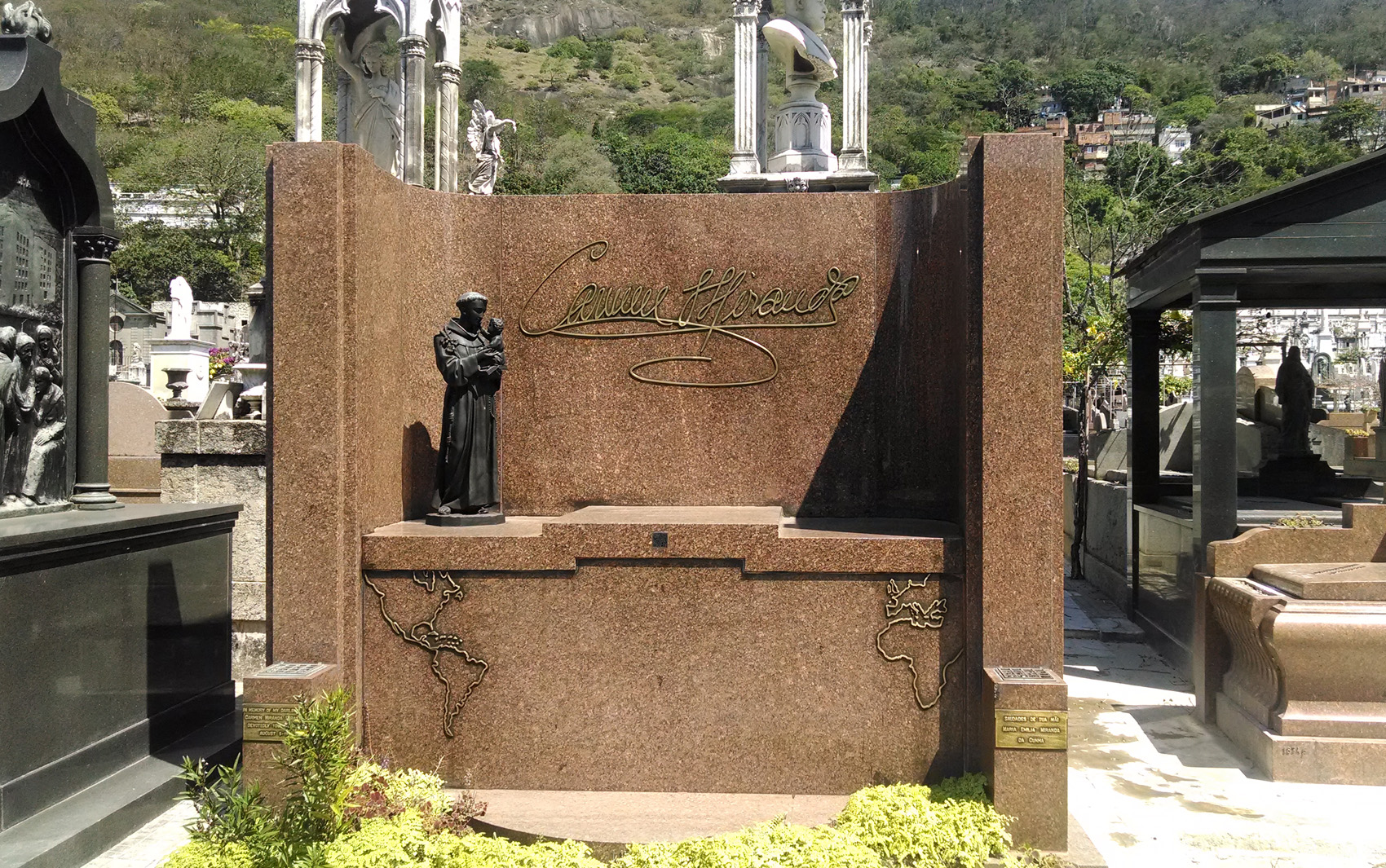
(2) Carmen Miranda tomb, Cemitério de São João Batista, Botafogo, Rio de Janeiro
ABOUT THE AUTHOR:
CREATIVE CONSULTANT, WRITER, COLLABORATOR, TEACHER, LECTURER, PLAYWRIGHT, and translator JOSMAR LOPES has over fifty-plus years of exposure to — and love for — the opera, movies, musical theater, soccer, popular music, classic drama, and the performing and fine arts. Although his professional career has been focused primarily on the financial services, medical devices, and retail services industries, his heart has always been with the arts.
A native of São Paulo, Brazil, Josmar immigrated to New York in 1959 at an early age. Growing up in the Bronx and Manhattan, he was privy to a wide range of artistic and cultural activities. Josmar received his Bachelor of Arts degree in History from Fordham University, with a concentration in Art History, Theology, Philosophy, and European and Medieval History. He earned a Certificate in Management Practices from New York University, and Diplomas in Paralegal Education (also from New York University) and Teaching English as a Second Language (TESL) from the New School for Social Research
More recently, Josmar has developed a number of cultural-exchange projects, including a musical-dramatic play about Carmen Miranda entitled Bye-Bye, My Samba (Adeus, batucada); Mio Caro Giacomo (My Dear Giacomo), a seriocomic look at Italian opera composer Giacomo Puccini and the problems he faced in writing and staging the opera Madama Butterfly; and Bronx Boy (currently in development), a fictional account of a Puerto Rican family growing up in the South Bronx.
In the midst of this blizzard of activity, Josmar still finds time to dabble in his favorite subjects, i.e., watching and analyzing movies, contributing articles to his blog Curtain Going Up! (Reviews by Josmar Lopes) and listening to the Metropolitan Opera radio broadcasts.
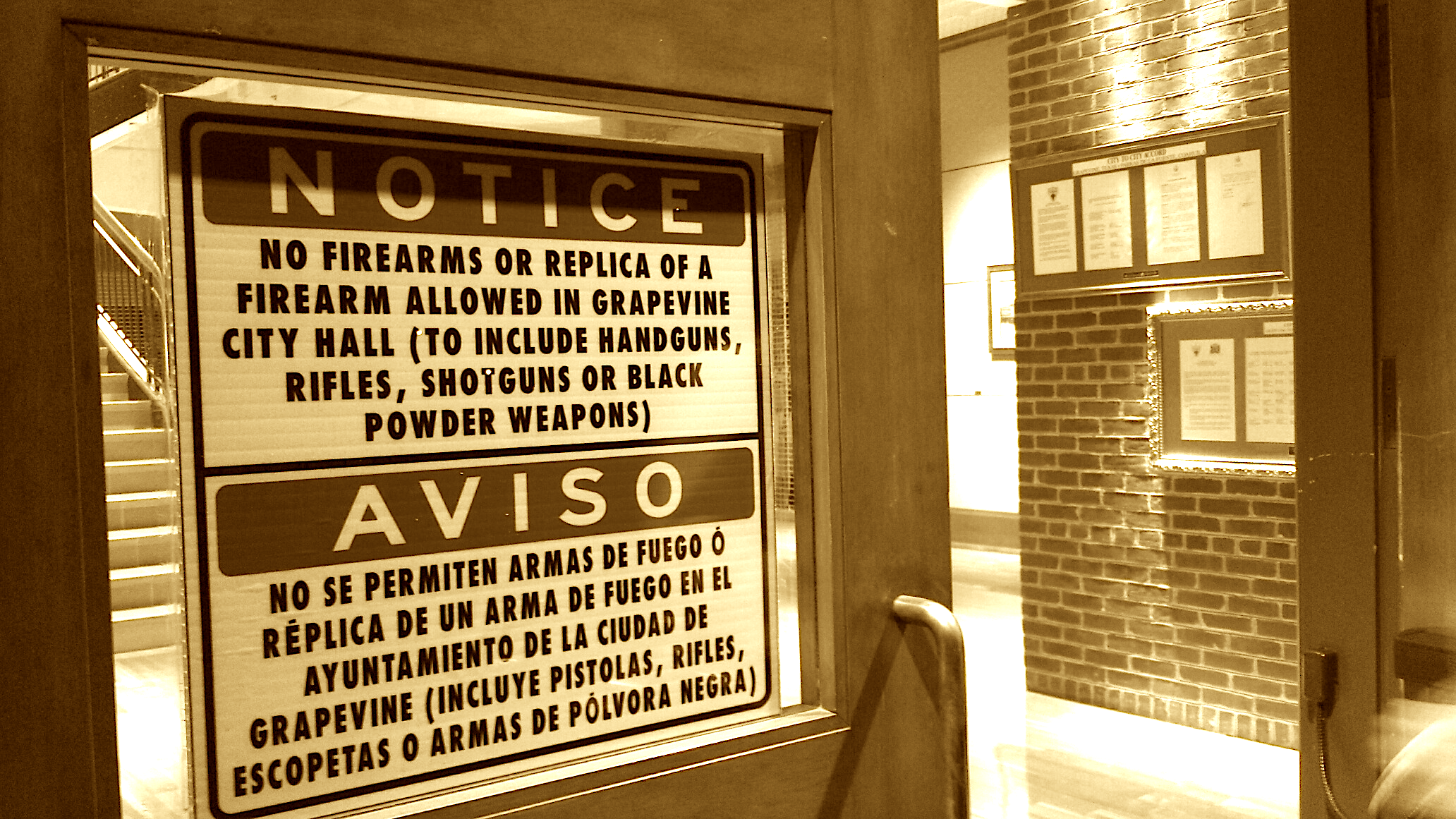
Ballad of the Checkerboard

A white man wearing judges’ robes
was standing in the midst of all that brown,
next to some rabble rousers, all incensed.
These firebrands came to speak up for the brown Garcia family,
although they did not know the murdered man.
These instigators were the only other whites,
as far as I could tell,
although I thought they were a bit inane,
these open carry types.

They caused a real ruckus.

These fatuous fools started chanting
while another white man dressed in uniform
standing upright, by the podium,
told them to please consider shutting up.
The browns looked on, shamed-faced.
But the poor white trash bellowed they would never quiet down.
Never give their floor to freedom without guns.

The white man judged again,
told them to suppress their thoughts or go away,
yet seeming to confuse his words,
he roared: go back to your own country,
where it is that you belong.

Was he speaking to the browns or to the whites?
.
Lucky it was City Hall I guess,
and folks were calmer overall
than any other place where riots take a turn…
The whites resumed to yell and scream:
but we are white, we are supreme,
we do belong here:
what of you?

The browns looked onward,
shunning the clashing clique,
lamenting no one came to mourn
their son their brother their lover friend.
This refuse only came to make a point of their big guns,
using poor folks’ murders to lay some blame.

But still, they could not take away the grief unfolding
of that sorrowful brown hued girl,
her four young children grasping at her skirts,
crying for their own lost daddy,
their loved and lost best friend.

Oh my.
Fishing in the Green

Two bleached blond heads standing by
the midst of green-manicured lawns
gently sloping the golf balls
peeking near a hole-in-one.

Erect and standing tall, boy and girl
look over the vast verdant sea
searching for blue, a blue dot in that endless jade
where they can dip their poles into:
long, thin, expert poles
with string ready at the bite to get that fish…
but in the green?

Close by the boy’s shiny steel-blue truck
pridefully shining in the sun stands still,
holding all that fishing gear,
the buckets to keep the fish once they’ve bitten their bait,
the bait to tantalize the fish…
but wait:
in the green?

Innocence spreads the smiles of boy and girl
as they search high and low for a spot of blue
wishing to find in that glorious green,
that shining viridian splendor,
that artificial semblance of nature.
Yet near the gleaming azure pickup
bulging with its equipment gifted by mommy and daddy
to that blond boy and girl
who innocently search for that spot of blue
within the chartreuse expanse,
there is another truck,
beat up, rusted, brown or red or dirty conch
with equipment falling out its sides:
vacuum cleaners, tires, metal boxes to fix
every handyman’s troubles.

The brown-headed couple divide and conquer.
The olive-skinned female shoulders the vacuum,
her long shining braid glistening in the sun.
She trudges up the grand entryway of an imposing mansion
next to the green.
The swarthy, bronzed fellow departs,
leaving his partner at the door of this dynasty,
her vacuum cleaner upright
as he heads to the golf course
to begin his work in the rising heat.

Weary even before the start of day
the woman rings the doorbell, ready for labor.
Next to the manicured golf club,
Next to the rolling hills brandished in turquoise,
next to the hole-in-one, she smiles sadly
at the white woman opening the door to let her in.
Already inside the clipped and pared golf club,
looking beyond the gentle slopes wielding in sage
next to the hole-in-one, the man scoffs bleakly
at the teal expanse his lawn mower must travel today.

All the while the two bleached blond heads
beam at each other, at the splendor of a beautiful day,
at the unnatural beauty of their gargantuan golf dream,
at the perfect presents their mommy and daddy bequeathed them,
today –
their erect and shiny fishing poles –
a bit misfit in that sea of green.
Friends

Friends, whimsy of time slipping by
not grasping its fading flight.
Cafecito sipped slowly while we chatter,
laughing at the girl & boy in that telenovela
we missed during yesterday’s 30-minute session
while we gossiped endlessly…
Can’t recall the soap opera’s name
yet I remember the delicious secrets we discussed
while watching all that nonsense:
our children’s angst and joys,
our woes at getting so much work done against the grain—
orals taken, PhD drafts finalized,
recommendation letters always pending.
We thought we were indestructible, you and I,
our friendship would outlast it all—
absent husbands and Disney World and whining kids,
swimming pools and sandy beaches with doctoral theses
and comprehensives sinking our deliberations…

I see a passing Facebook reference to one exquisite child,
a woman now: I cannot distinguish one daughter from the other.
Do you have the same trouble with mine?
Was I that good a friend if I cannot recognize your children all grown up?
One husband divorced, school completed, job evaporated, country ousted.
New life underway: me not in it.
Life goes on. You went to another post. I left too.
Who were we to say that life would hold us close?
Or did all those grad school years belie my dream of friendship?

I got your Christmas card today wishing me a Merry Merry.
Picture perfect card with all the trimmings of a life fulfilled:
grandchildren now, striking family, stunning home by a lovely lake.
New husband, not the one you fancied in our youthful innocence.
But our dreams, our ideals?
Long ago we were the best of friends; yet now?
When I drink my cafecito I often think of you,
and that telenovela we never finished.
The Three Fates

It’s strange this feeling of emptiness
Nothing going nothing doing
Life goes back and forth.
Desires like the heavy clock tick forward,
backward
tolling into circumstance.

The wanderer does not hear the wife’s lament
But he cries into the night
That she is right:
And so it goes.
And so I'm done.

Life is a …
Sita singing blues?

The frost born sea
Scrapes naked shoulders bare.
Yet I howl the full moon barren
in my unprotected sin
and pray the ice melts storms of wickedness to
liberate my lips
so I can shear my trespassed dreams,
Embroidering infinity thrice over,

one tick forward, one tick back, one tick...

The socks slide down
the knees get scraped.
The elbow grease gets waxed.

Oh the teaching makes no sense
When nothing gains in knowledge
When no one knows what happens
When not one soul can fathom love.

And so I sit alone tick-tocking socks
And stitching bookends
like the three fates making time.

An interpretation, not a translation
(because translation is never poetry)
Los tres destinos

Es extraño este sentimiento del vacío.
Nada camina, nada se hace:
la vida va y viene.
Deseos como el pesado reloj avanzan,
hacia delante, hacia detrás
doblando a las circunstancias.

El vagabundo no escucha el lamento de su esposa.
Pero le llora a la noche
que tiene ella la razón:
y así continúa todo.
Y así termina todo.
La vida es una …
Sita cantando “blues”?

El mar parido de los hielos
raspa hombros descarnados.
Sin embargo, aúllo a la estéril luna llena
en mi pecado descubierto
y rezo que el hielo derrote las tormentas de maldad
y libere a mis labios secos
para esquivar mis traspasados sueños,
bordando el infinito tres más veces,
una marca hacia adelante, una marca hacia detrás, una marca...

Los calcetines se deslizan hacia abajo,
me raspo las rodillas.
El que nunca llora, nunca mama.
Pero no hay sentido en la enseñanza
cuando nada gana recompensa,
cuando nadie sabe lo que pasa,
cuando ninguna alma puede comprender amor.

Y así me siento sola haciendo tictac de los calcetines
Y punteando sujetalibros
como tres destinos tejiendo infinitud.
Being an academic not paid enough for my trouble, I wanted instead to do something that mattered: work with asylum seekers. I advocate for marginalized refugee families from Mexico and Central America. Working with asylum seekers is heart wrenching, yet satisfying. It is also quite humbling. My labor has eased my own sense of displacement, being a child refugee, always trying to find home.
In parallel, poetry is my escape: I have published in The Raving Press, Indolent Books, the Laurel Review, Shenandoah, and many other anthologies and journals, both in the US and internationally, online and in-print. My poetry in translation with its accompanying photography has been featured in art fairs and galleries as well. Peregrina, only in Spanish, was just published by Ediciones Valparaiso this June 2022.
I hope you like my art; it is a catharsis from the cruelty yet ecstasy of my work. Through it, I keep tilting at windmills.
Strange Chaos

I was born into a world
of strange chaos
a planet built for gypsies
and sojourners
and those who chase
vagabond dreams
Everyone following their own voice
dancing awkwardly
to rhythms that possess
the soul

A world where dogs wear sweaters
and children freeze to death
in the streets
The American Dream
the stuff that nightmares
are made of
where evil is rewarded
and good is mocked
an existence of opposites
and danger
where the vulnerable
get caught in the dark
out in the
cocaine rain
with devils looking for shelter
and angels scoring weed
the sirens wail endlessly
but get lost in the noise
camouflaged with the silent sounds
of shattered dreams and lost hope
lovers that come to the end
of their rope
love is a luxury
faith is a gamble
when your life is in shambles
in this world of strange chaos
where everyone has the copyright
on truth
and the affluent get to rewrite history
and erase
race
and erase you
Thanks for playing
but you’re the wrong color
your pigmentation is the wrong shade
for this nation they are creating
or attempting to recreate
built on hate and fear
they love the food
they just don’t love you
Still, you take the chance
and they send you back
over the fence
Who do we go to
Where is our aid
thought I’d reach out to my neighbors
but I don’t know their names
All the doors are locked
and their doorbells
scan my face
“just leave the package on the doorstep
then turn and walk away”
All I want is some friendship
all I need is some grace
I keep looking for mana
to fall down with the rain
but it never came
and now the shelters are closed
the devils have taken their place
and I keep on walking
thankful for the voices in my head
that have become my best friends
but they keep asking for things
that I can’t afford to give
What is the going price on a human soul
that’s been out in the cold
spiritual frostbite
and feels nothing no more
I’m sleepy but I’m woke
this strange chaos
ain’t no joke
It’s all I can do
to stay afloat
the GPS is broke
I know where home is
I just don’t know how to go
From point a to point b
Oh, say can you see
that I’m crying out
willingly
from a modern world
that is still in the stone age
smearing the ink on every page
written by the tender hearted
outsmarted
by those who have no conscience
nor soul
selling our faith to the lowest bidder
just to feel
like we belong
Yes, I was born into this world
of strange chaos
the world that I call
home
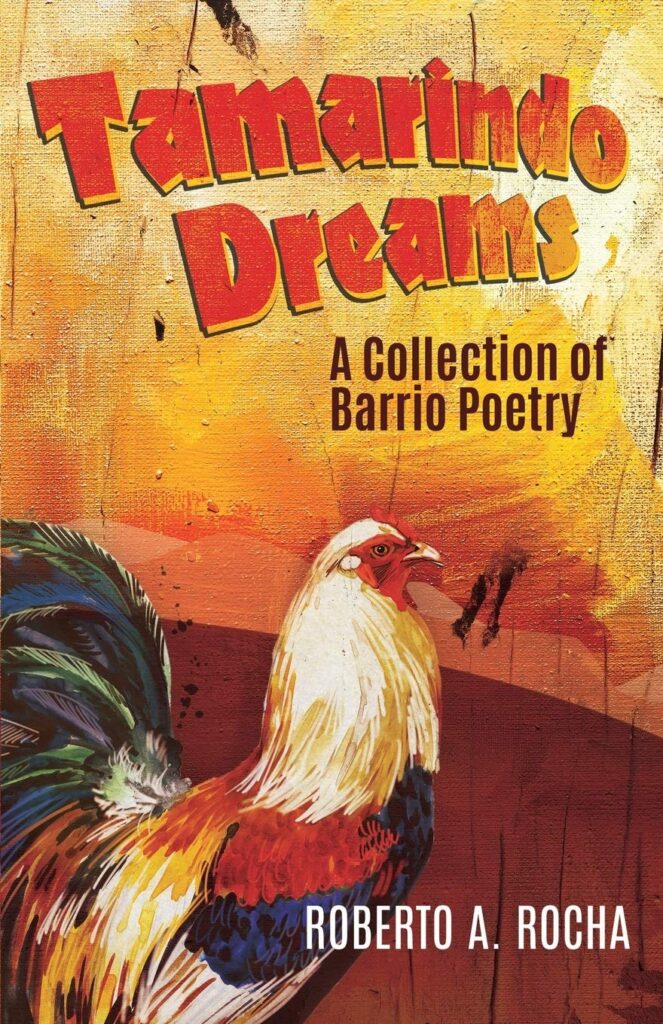
Tamarindo Dreams
My Chicanismo

The neighborhood
where it all begins
where it all began
Everything I’ve ever needed to know
I learned
in the neighborhood

Chicanos
we call it the barrio
not only khakis and Stacy’s
but our kind of Chicanismo, too
blue jeans, Chucks,
and whatever shirt
was clean enough to wear

I wasn’t any different than you
rice and beans
on the stove
although we also had days of
fish sticks, tuna sandwiches,
and banana pudding
tortillas with cheese
and chocolate milk
my personal breakfast of champions

I didn’t realize I was different
until you told me I was
creating the void inside
and a loss of identity
that still lives and breathes today

“You speak Spanish?”
“I thought you were Anglo!”
“You hardly have an accent!”
“But you have green eyes”
“You’re so light skinned!”
“You’re not Catholic?”  “What’s a Methodist?”
“You put ketchup on your tamales?”
“You’re not a REAL Mexican!”

What am I, then?  Who am I?
Mexican?  American?  Tejano?
Latino?  Hispano?  Chicano?  Latin/X?

Am I even here?  Do I exist at all?
Am I “real?”

I thought I was always just “me”
I wasn’t trying to be anything

I thought I just “was”

I believed I was one of you
in the neighborhood
where barrio blood
is thicker than mole
I was never made aware of
the criteria required
to be one of you
one of “us”
I didn’t know the things
we had in common
made us legitimate
Chicanos, Hispanos,
or whatever
things like taking mom an egg
from the fridge
and not Tylenol
when we had bad headaches
tacos, telenovelas
speaking loudly with our hands
art, music, poetry
faith
pictures of Jesus everywhere
and cheap drugstore art
in the house
coffee and pan dulce


I went to church
and everyone else
in the world around me
went to Mass
Pre-destined to be
a dreamer
struggling in school
with my head in the clouds
visions of guitars
and cheering fans
waking up to bad grades
and esteem issues
like you
only wanting acceptance
needing love
searching for me
in you
but the lens is warped
and the image is inaccurate
compromised
and the club isn’t accepting
any new versions of its members
at this time
now, from son to father to
grandfather,
I have always only been “me”
I don’t wear green contact lenses
I don’t see the world in green

my skin’s pigmentation
the shade of ancestors
I never knew
but tattooed me with
their truth
my pre-mature gray hair
a maternal inheritance
and my grandfather’s crown

whoever I am
whatever I am
the color of my soul
is Brown
my spirit sings the songs
of our border people
my soul was baptized in the waters
of the Rio Grande River
my eucharist is also
blood and blue corn
can’t we just have communion
can’t you see that I’m your brother
whatever color the box says
I come in

don’t look at my face
listen to my voice
I speak your language
I sound like you
speaking truth, love,
and hope
despite the struggles and hardships
we all face
I fall and rise
and rise again
just like you
with the sounds of guitars
and accordions softly playing
in the background
shuffling over the bean pods
from the Mesquite trees
that fall at my feet

I believe in Jesus Christ
and the practice of curanderismo
the lives of the saints
and the existence of brujas
that there is poetry in every moment
and a song in every heartache
I am sold on the idea that passion
between two lovers
and love is the best chance
that any of us has for peace in the world
Who am I?  What am I?

I am a human being and God’s beloved creation.
I am an American of Mexican decent.
I am Chicano. I am a border child.
I am Tejano.
I am green-eyed and light skinned.
I like salsa and ketchup on tamales
and tortillas with butter
I am a lover and a revolutionary
a sinner saved by grace

I am your brother
and without a doubt
one of “you”

one of “us”
Roberto Rocha is the author of Tamarindo Dreams: A Collection of Barrio Poetry. He is a native of the Rio Grande Valley in South Texas, where most of the inspiration for his writing comes from.