
THE PROBLEM OF PLASTIC POLLUTION AND INNOVATIVE SOLUTIONS FOR ITS RESOLUTION
1. Introduction
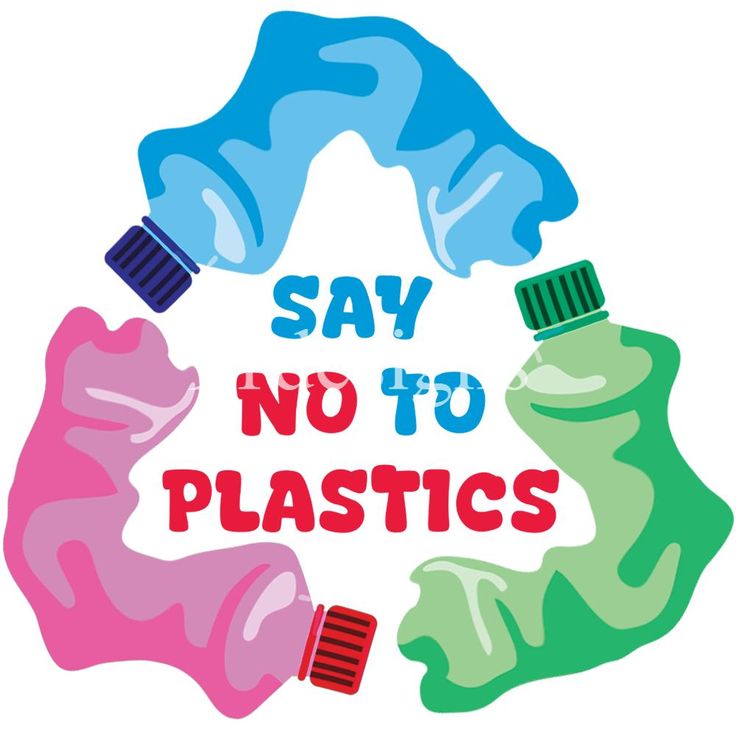
Nowadays, one of the most serious global ecological problems is the sharp increase in plastic waste and its negative impact on the environment. The persistence of plastic products in nature for hundreds of years without degradation poses a serious threat to soil, water bodies, and living organisms. Therefore, managing plastic waste, recycling it efficiently, and creating environmentally friendly (biodegradable) alternative materials are among the most pressing tasks of modern science and technology. The purpose of this article is to comparatively analyze modern technologies for plastic recycling and eco-friendly alternatives to them, as well as to study their advantages and disadvantages.
2. Modern Methods of Plastic Recycling
To reduce plastic waste and protect nature, mainly two primary methods of recycling are used:
Mechanical recycling: This is the most common method, where plastic containers and packages are collected, washed, shredded into small pieces (turned into granules), and melted down again to manufacture new items. However, the disadvantage of this method is that plastic loses its quality every time it is recycled and cannot be used an infinite number of times.
Chemical recycling: This is a more modern method that breaks down plastic into its most basic components (chemical substances) using special chemical processes. As a result, plastic is restored to a condition just like new without losing its quality. This method helps recycle even contaminated or mixed plastics.
3. Eco-Friendly Alternatives to Plastic (Biodegradable Materials) Instead of merely recycling plastic waste, utilizing other eco-friendly materials that can replace them is also considered an important solution:
Bioplastics: These are materials derived not from ordinary petroleum products, but from plants (such as corn starch or sugarcane). Their biggest advantage is that when discarded into nature, they do not lie around for hundreds of years like ordinary plastic, but rather degrade on their own within a short period and blend into the soil.
Natural packaging materials: Using paper, wood fibers, or natural tools that decompose quickly in nature instead of single-use plastics in daily life also greatly helps preserve the environment.
4. Conclusion
In conclusion, to solve the problem of plastic waste, a single method alone is not sufficient. For this, on the one hand, it is necessary to strengthen the recycling of existing plastics through mechanical and chemical methods, while on the other hand, transitioning to eco-friendly alternatives such as bioplastics in production is of vital importance. These measures will serve to keep nature clean and maintain ecological balance in the future