
INDEPENDENCE — THE FOUNDATION OF OPPORTUNITIES: CONDITIONS CREATED FOR YOUNG PEOPLE AND WOMEN IN UZBEKISTAN
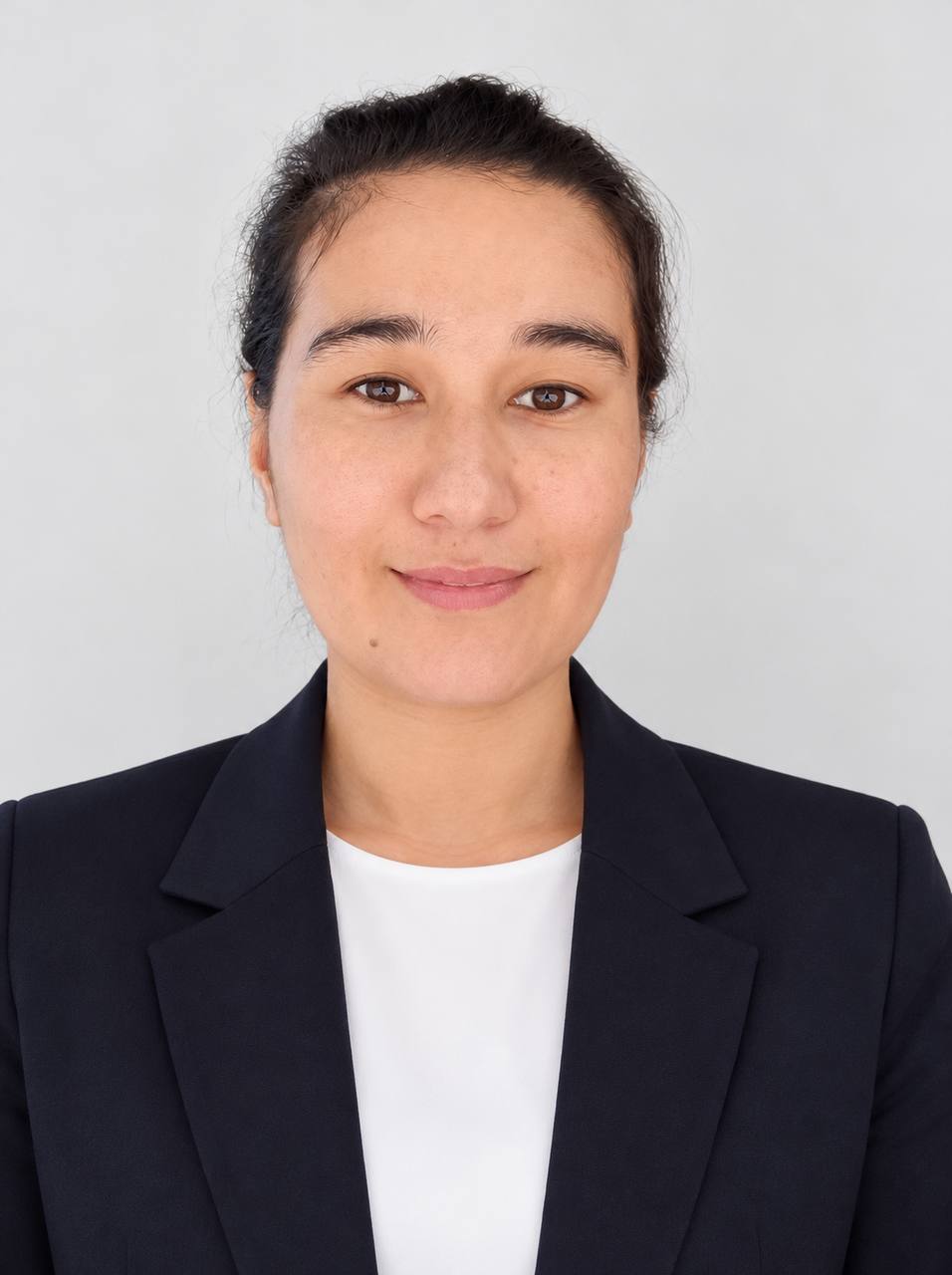
Qosimova Zulhumor Toxirjon qizi
Born on 27 December 1994 in Quva District, Fergana Region. In 2018, I was admitted to the History programme at the Faculty of History of Andijan State University, graduating in 2022. Winner of numerous online competitions. An advocate for women’s participation in sports.
Abstract
This article examines Uzbekistan’s 35-year development since independence and the modern opportunities created for young people and women. It highlights the conditions provided for education, scientific research, the implementation of innovative ideas, entrepreneurship, and professional development among young people. Particular attention is paid to opportunities for women in education, employment, entrepreneurship, and science, as well as to increasing their participation in public life. The article analyses the role of ongoing reforms in expanding opportunities for the younger generation and women and in supporting the realization of their intellectual, creative, and professional potential. It also considers prospective areas for further development of these opportunities.
Keywords: independence, Uzbekistan, 35 years of development, youth, women, education, science, innovation, entrepreneurship, opportunities, social engagement, youth policy.
Introduction
Uzbekistan’s achievement of independence marked the beginning of a new historical stage in the country’s political, economic, social, and spiritual development. The 35th anniversary of independence provides an important opportunity to analyse the path taken, assess the results achieved, and identify new tasks facing society. In particular, studying the opportunities created for the younger generation, which will shape the country’s future, and for women, who make up an active part of society, is an important and timely issue.
In today’s conditions of development, a country’s competitiveness is closely linked to the quality of its human capital. Therefore, policies aimed at developing education, science, modern professions, foreign-language learning, digital technologies, entrepreneurship, and innovation have strategic importance. According to official information for 2026, people aged 14–30 account for approximately 25 per cent of Uzbekistan’s population. The draft “New Uzbekistan Youth – 2030” strategy identifies support for youth employment and entrepreneurship, quality and inclusive education, foreign languages, vocational education, volunteering, and broader youth participation in public life as priority areas.
The meaning of independence is not limited to state sovereignty. It is also reflected in society’s ability to determine its own path of development, protect national interests, safeguard people’s rights and interests, and create suitable conditions for future generations. From this perspective, the attention paid during the years of independence to education and science, youth policy, support for women, and the development of human capital is regarded as one of the important drivers of national progress.
At the current stage, the “Uzbekistan – 2030” Strategy identifies the creation of suitable conditions for every person to realize their potential as a distinct objective. The strategy sets specific indicators for expanding women’s use of information and communication technologies, developing vocational and entrepreneurial skills, and supporting employment. Thus, the 35-year milestone of independence is important not only as a historical anniversary, but also as an opportunity to assess the conditions created for people to gain knowledge, acquire professions, take initiative, and build their futures independently.
Young people occupy a significant place in the country’s demographic, intellectual, and economic potential. The effectiveness of youth policy is therefore reflected in interconnected areas such as education, employment, entrepreneurship, culture, sport, innovation, and social engagement. The draft “New Uzbekistan Youth – 2030” strategy presented in 2026 sets out goals including providing employment for 600,000 young people annually, involving 900,000 young people in volunteering by 2030, and helping 450,000 young people reach B2 proficiency in foreign languages.
Official information published in 2026 on supporting youth initiatives also notes a focus on education, vocational skills, sport, projects, and start-ups. The same source reports that the number of young entrepreneurs has exceeded 287,000, that 3.5 million young people are intensively studying foreign languages, and that some start-ups created by young people have entered foreign markets. These opportunities help young people become active contributors capable of creating new value rather than simply waiting for an existing job. However, opportunities alone are not enough: young people need to continually strengthen their knowledge, professional skills, foreign-language proficiency, digital literacy, and project-management abilities in order to benefit from them effectively.
Education is one of the most important mechanisms for building human capital. In a modern economy, practical skills, digital literacy, knowledge of foreign languages, independent thinking, and the ability to solve problems are as important as a diploma. For this reason, the education system is paying increasing attention to developing competencies alongside knowledge.
Educational opportunities for young people extend beyond higher education. Vocational education, learning centres, language courses, internships, international projects, and various competitions enable young people to choose development pathways that match their individual interests. The draft “New Uzbekistan Youth – 2030” strategy includes tasks aimed at developing learning centres in remote areas, encouraging foreign-language learning, and expanding vocational education. Expanding access to education is also important for social equality. Measures are being implemented to widen access to higher education by supporting disadvantaged groups and introducing additional grants and recommendation mechanisms. Official information for 2026 also refers to an additional state-grant admission mechanism for women from families in need.
Science is a long-term driver of social development, and involving young people in research increases the country’s intellectual potential. Writing academic articles, participating in conferences, preparing research projects, conducting experiments, and carrying out studies help students become familiar with academic environments. Innovation, in turn, makes it possible to turn scientific knowledge into practical outcomes. Start-ups, technological projects, digital products, and social innovations help transform young people’s ideas into economic or social value.
Official information from 2026 also refers to supporting young people’s start-up projects and helping them enter international markets. Developing research clubs, start-up clubs, innovation laboratories, and project schools at higher education institutions can connect students’ theoretical knowledge with practical work. Such environments help students not only master their subjects but also identify problems, develop ideas, form teams, prepare project plans, and present results.
Women’s access to education and professional development directly affects society’s human capital. In recent years, mechanisms supporting grants, recommendations, postgraduate study, and research have expanded. According to official information for 2026, the grant quota for women from disadvantaged families who do not have higher education was increased from 2,000 to 4,000 places. The contract-based quota for women with five years of work experience but no higher education was increased from 500 to 2,500 places. These mechanisms widen access to education and create a stronger foundation for women’s future careers.
Information for 2026 states that women account for 42 per cent of research activity, and that 1,612 projects were reviewed in the “Women Scientists” competition, of which 156 received funding. These figures indicate growing participation by women in research. For female students interested in research, writing articles, attending conferences, preparing grant proposals, and working with academic supervisors can provide valuable experience for future academic careers.
In today’s economic environment, supporting women’s entrepreneurship and innovation is seen not only as a way to increase individual income, but also as a means of improving family well-being and strengthening local economic activity. Mechanisms are therefore being developed to provide women with vocational training, entrepreneurial skills, financial literacy, and funding opportunities for innovative ideas. Information published in 2026 states that start-up competitions are to be organised in at least 10 areas to support women’s innovative ideas, with grants of up to 500 million soums for the winner in each area.
In addition, the “Uzbekistan – 2030” Strategy sets indicators for encouraging women to use information and communication technologies, training them in vocational and entrepreneurial skills, and pairing women in need with experienced women entrepreneurs. In this context, female students’ participation in start-up clubs, business-incubation programmes, and innovation competitions can enrich their theoretical knowledge with practical experience. From identifying a problem and studying the market to developing a business model, creating a marketing strategy, and presenting a project, these processes help build entrepreneurial competencies.
Access to decent employment is an important stage in young people’s transition to independent life. Alongside traditional professions, today’s labour market requires new competencies in programming, data analysis, artificial intelligence, digital marketing, design, media, cybersecurity, project management, and other fields. The draft “New Uzbekistan Youth – 2030” strategy identifies youth employment, the expansion of vocational education, and labour-market support as priorities. It also sets a goal of providing employment for 600,000 young people each year.
Cooperation between educational institutions and employers is also important for turning opportunities into practical outcomes. Internships, work placements, mentoring, professional workshops, and participation in real projects help students understand labour-market requirements in advance.
Women’s access to education should be assessed not only by whether they can enrol, but also by whether they can continue studying under different life circumstances. Balancing family responsibilities, raising children, and studying may create additional organisational needs for some students. Developing flexible education mechanisms is therefore socially important. Government information for 2026 refers to additional mechanisms to help pregnant students and students raising children under the age of three continue their education, including academic leave and distance-learning options in certain circumstances.
Such mechanisms can help reconcile education with family life. Continuing their education enables young mothers to plan their future careers, return to the labour market, and strengthen their families’ economic stability. Academic, psychological, and professional support should therefore work together within the education system.
Youth development cannot be measured by academic results alone. Teamwork, initiative, taking responsibility, problem-solving, public speaking, and managing social projects are also important skills for modern professionals. Student organisations, volunteering projects, intellectual clubs, sports, and cultural events provide valuable settings for personal development. Official information on youth policy in 2026 identifies the expansion of volunteering, strengthening young people’s role in participation mechanisms, and maintaining regular dialogue with young people as important tasks.
Educational platforms for women are also part of this process. The official Youth Platform website presents the “Girls’ Academy” as an educational platform designed to strengthen women’s personal, professional, and intellectual potential. To make effective use of leadership opportunities, young people need to organise their activities systematically, set clear goals, learn to work in teams, and implement projects that benefit society. Such experience can provide an important foundation for responsible work in government, business, science, and civil-society institutions.
The opportunities being created do not automatically lead to results. Their effectiveness depends on the active participation of young people and women, their commitment to learning, their hard work, and their ability to use available programmes appropriately. Each student or young professional should therefore develop a personal growth strategy, decide which field to specialise in, and consistently acquire the knowledge and skills needed to achieve that goal.
First, those seeking educational opportunities should regularly review the official requirements for grants, scholarships, and competitions. Second, participation in articles, projects, conferences, and research should be organised systematically to support scientific development. Third, it is important to strengthen foreign-language skills, digital technology skills, and modern professional competencies in response to changes in the labour market. In the future, key tasks will include reducing regional disparities, expanding access to information, developing mentoring and internship systems, commercialising scientific and innovative projects, and strengthening the connection between education and employment. Cooperation among public authorities, educational institutions, businesses, and civil-society organisations will be particularly important.
Conclusion
Uzbekistan’s 35-year period of development since independence is an important stage for examining the country’s recent history, its economic and social development, and the growing emphasis on human capital. Today, a range of opportunities is being developed for young people and women in education, science, innovation, entrepreneurship, employment, and social engagement. A long-term approach to youth policy, expanded education and professional training, support for start-ups and innovation, and increased opportunities to learn foreign languages are intended to strengthen the role of young people as a vital part of the country’s human capital.
Additional educational grants for women, funding for research projects, support for innovative start-ups, and initiatives to develop entrepreneurial skills create important opportunities to expand women’s economic, scientific, and social participation. The meaning of independence can therefore be closely linked to the opportunities being created for today’s generation. Gaining knowledge, acquiring a profession, conducting research, developing innovative ideas, engaging in entrepreneurship, and participating actively in public life are important both for young people’s personal futures and for the country’s development. Making effective use of these opportunities requires every young person and woman to act responsibly and consistently to realise their potential.
References
1. Official website of the President of the Republic of Uzbekistan. “The ‘New Uzbekistan Youth – 2030’ Strategy Will Be Implemented.” 20 April 2026.
2. Official website of the President of the Republic of Uzbekistan. “Additional Opportunities Established to Support Youth Initiatives.” 24 February 2026.
3. Official website of the President of the Republic of Uzbekistan. “The President Met with Young People and Put Forward New Initiatives.” 30 June 2026.
4. Official website of the President of the Republic of Uzbekistan. “Uzbekistan – 2030” Strategy.
5. Committee on Family and Women of the Republic of Uzbekistan. “Equal Opportunities for Women in Education, Science, Sport, and Healthcare.” 6 February 2026.
6. Government Portal of the Republic of Uzbekistan. “New Benefits to Support Women’s Education.” 10 March 2026.
7. Government Portal of the Republic of Uzbekistan. “Procedure for Issuing Recommendations for Additional State Grants for Women from Families in Need.” 2026.
8. Youth Platform. “Girls’ Academy and Opportunities for Young People.”
Qosimova Zulhumor Toxirjon qizi was born on December 27, 1994, in Quva District, Fergana Region, Republic of Uzbekistan. She currently works as a history teacher at Diamond Valley Private School. She contributes to educating the younger generation in history, broadening students’ worldviews, and fostering respect for national history and cultural heritage