

First, announcements. Author and contributor Gabriel Tait would love reviewers for his novella The Ranleigh Tapes. Please contact us if you’re interested and he’ll send a copy.
The Ranleigh Tapes
Gabriel Tait | Fiction | 2025 | Approximately 27,000 words
Six months sober, Ranleigh Meeks sits down with his sponsor and records an account of his life. There is plenty to account for. Told through tape transcripts, The Ranleigh Tapes follows a man trying to speak honestly about addiction, childhood and the consequences of his own decisions. Memory does not give everything up at once, and neither does Ranleigh. Dark humour runs through a confession that is sometimes painful, sometimes uncomfortable, and distinctly his own. The second book in the Meeks series changes the form completely, giving Ranleigh the microphone.
Author bio
Gabriel Tait is a Toronto novelist and the author of Meeks and The Ranleigh Tapes. He began writing fiction at fifty, after carrying the idea for his first novel since around twenty. Sober since October 27, 2001, he brings that experience to fiction about addiction, identity and consequences. He is working on Echo, the third and final book in the series, planned for late 2027.
Complimentary EPUB and PDF review copies are available. Interested reviewers can contact me at gtaitbooks@gmail.com. There’s no requested review deadline.
Book details and samples: gabrieltait.com
Also, our regular contributor Rui Carvalho invites readers and contributors to submit poetry to the next annual Nature Writing Contest.
Our contest, Nature 2025-2026, is a new opportunity that we, as organizers, create to reach the rest of the world. Every Contest is a challenge for authors participating and to people that make it happen. This year we invite all authors to write poetry about:
(i) Flowers;
(ii) Trees and wind;
(iii) Water;
(iv) Nature Conservation;
(v) Turtles;
(vi) Love for people and nature;
(vii) Hope and Happiness.
Rules and submission information here.
**********************************
Now, for this issue, Where the Light Enters.

In this issue, the voices gathered here do not speak as a chorus so much as a constellation — each light arriving from a different sky, yet all of them tracing the same shape: what happens to the human spirit when it is pressed, broken, or silenced, and how it manages, against every odds, to press back. Bai Gengsheng frames the whole collection when he reflects on how Lan Xin shows that people who reclaim their inner identity, who transform suffering into wisdom and love, can become a source of light for many others. That is the quiet thesis of everything that follows — that pain, metabolized, becomes radiance.
Suffering and its Aftermath
Patrick Sweeney’s poetry enters the dark first, grappling with violence and its aftermath, absurdity, mortality, damaged landscapes, memory, and the strange ways people try to make meaning from disturbing or ordinary things. Around him, the wounds multiply. Mahbub Alam portrays a world devastated by suffering, where love, humanity, and hope have been broken, yet people continue struggling forward despite pain and uncertainty about whether a brighter future will ever emerge. Manzar Alam reflects on the fragility of life and the inevitability of death. Tie Wu laments children killed in war and condemns humanity’s inability to prevent violence. Mesfakus Salahin mourns the lives of children in poverty around the world who never had a chance, even in nations which are on paper moving towards democracy and prosperity.
Ali Farhan, in Faleeha Hassan’s translation, portrays a young person destroyed by war and deprivation whose dignity survives even after almost everything meaningful has been stripped away. Yago Rotter illuminates the painful loss of childhood innocence as Shahina Egamnazarova explores childhood dreams, growing older, distance, and the painful realization that some aspirations or people may remain beyond one’s reach. David Kokoette depicts betrayal, humiliation, social rejection, and the realization that misplaced trust can destroy a person emotionally. Daniela Chourio’s poem reads as a meditation on severe emotional or physical pain and the threshold between collapse and release. Yeon Myung-ji’s piece is a meditation on grief — specifically, a mother’s loss of a child — and on how sorrow stands in awkward, painful contrast to the living world around it.
Allison Grayhurst walks a difficult road, moving through suffering, grief, and spiritual crisis toward surrender, love, and restoration. Abigail George addresses family trauma, addiction, abandonment, mental distress, caregiving, and the desperate hope that someone — ultimately God — is listening. J.J. Campbell’s works form a loose portrait of aging, exhaustion, mortality, desire, family responsibility, and the uncomfortable ways ordinary life forces us to confront death. Campbell uses blunt humor and conversational language to make serious subjects feel immediate rather than sentimental.
John Van Sicklen Maeck II’s dramatic excerpt suggests that longing is easy, acting on it is hard, and even at sixty-five it may not be too late to walk out the door. The poet writing as “Given Twice” speaks as an overthinker, mid-life, haunted by the gap between the ideal and the real, between the lived life and the unlived one. Sayani Mukherjee holds that hope through darkness, confusion, spiritual emptiness, and emotional uncertainty. Danijela Ćuk offers compassionate support in the face of emotional pain, betrayal, loneliness, and crisis. And Lan Xin, returning twice more, urges us to free ourselves from resentments and toxic relationships that hold us back from our potential, and meditates on patience, spiritual interconnectedness, renewal, and the wisdom of allowing life to unfold in its own time.
Reclaiming Voice and Identity
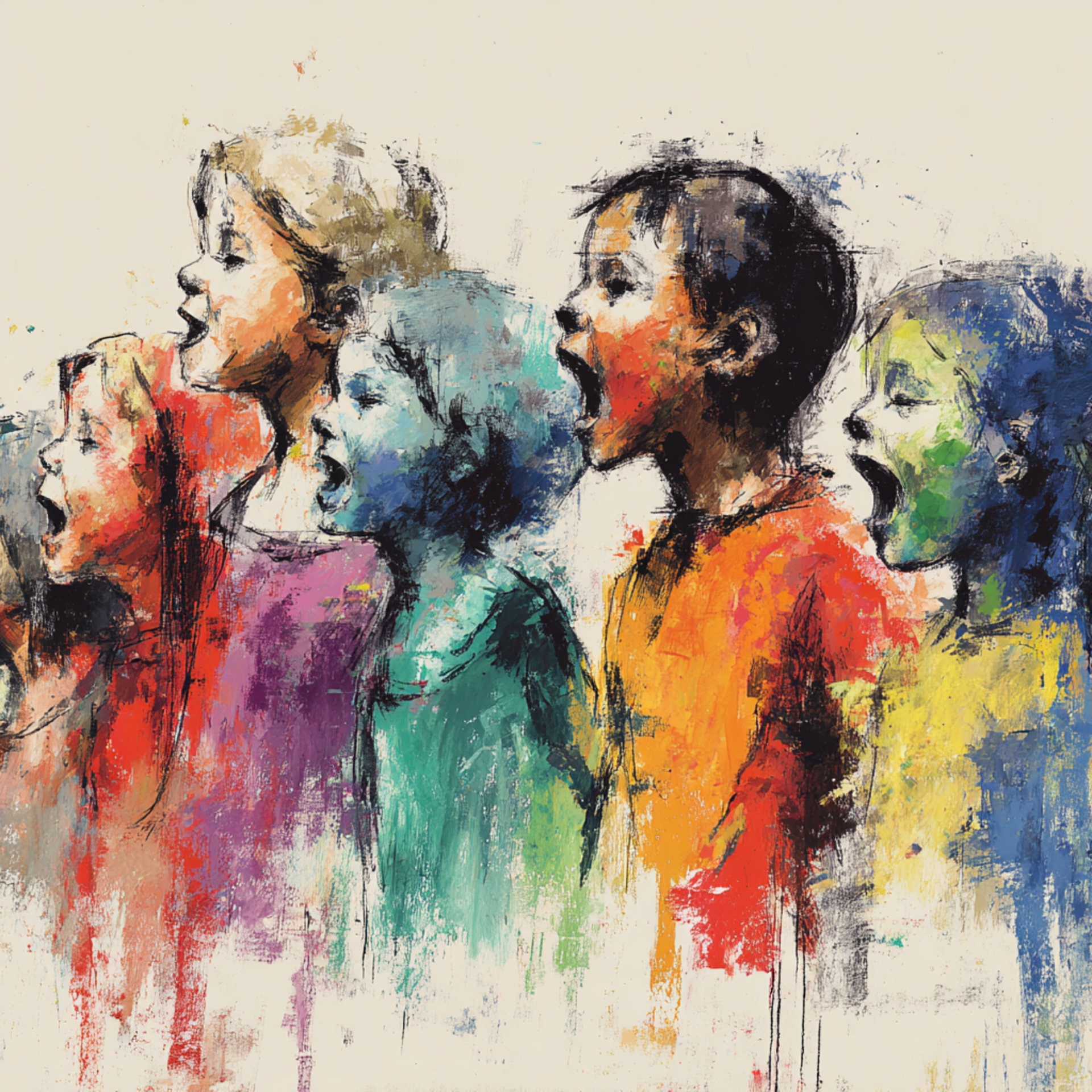
Out of that suffering rises the collection’s great theme: the reclamation of voice. Menda Vreto’s piece is about a woman overcoming suffering, imposed silence, and social judgment to reclaim her voice, identity, dignity, and freedom. Ermira D. Ifandi speaks to the struggle to preserve identity and truth when human language becomes distorted, manipulative, or cruel. Delsa López Lorenzo explores the inescapable power of memory — especially painful memory — and the impossible desire to erase the past as easily as deleting digital information. Philip Butera creates a surreal, psychologically layered poem about identity, trauma, entrapment, imagination, and the struggle to exist without needing permission or approval. Nidia Amelia García celebrates female identity, cultural tradition, beauty, and dignity. Wanchen Cao writes of abuse, manipulation, and a harmful relationship disguised as love and concern. Jiang Liu’s story concerns letting go of habitual pessimism and choosing, however quietly, to help another person move toward hope and change.
Dr. HC Rozalia Aleksandrova’s “Motherland” portrays her homeland as a loving, enduring mother whose embrace preserves identity and gives people hope, strength, and a renewed sense of belonging after hardship. Dr. Fadi Sido calls for replacing Germany’s alienating, technocratic, economically driven social order with a new democratic philosophy in which human dignity and security are foundational principles around which politics, economics, and institutions must revolve. DW Chance discusses broken systems, moral responsibility, memory, and the disappearance of things that once gave human beings a sense of reality. Bangladeshi imam Hossain Mohammad Salim’s biography presents him as a writer and speaker who opposes religious exploitation and communal division, and promotes education, justice, and interfaith harmony.
Nature, Water, and the Body as Teacher
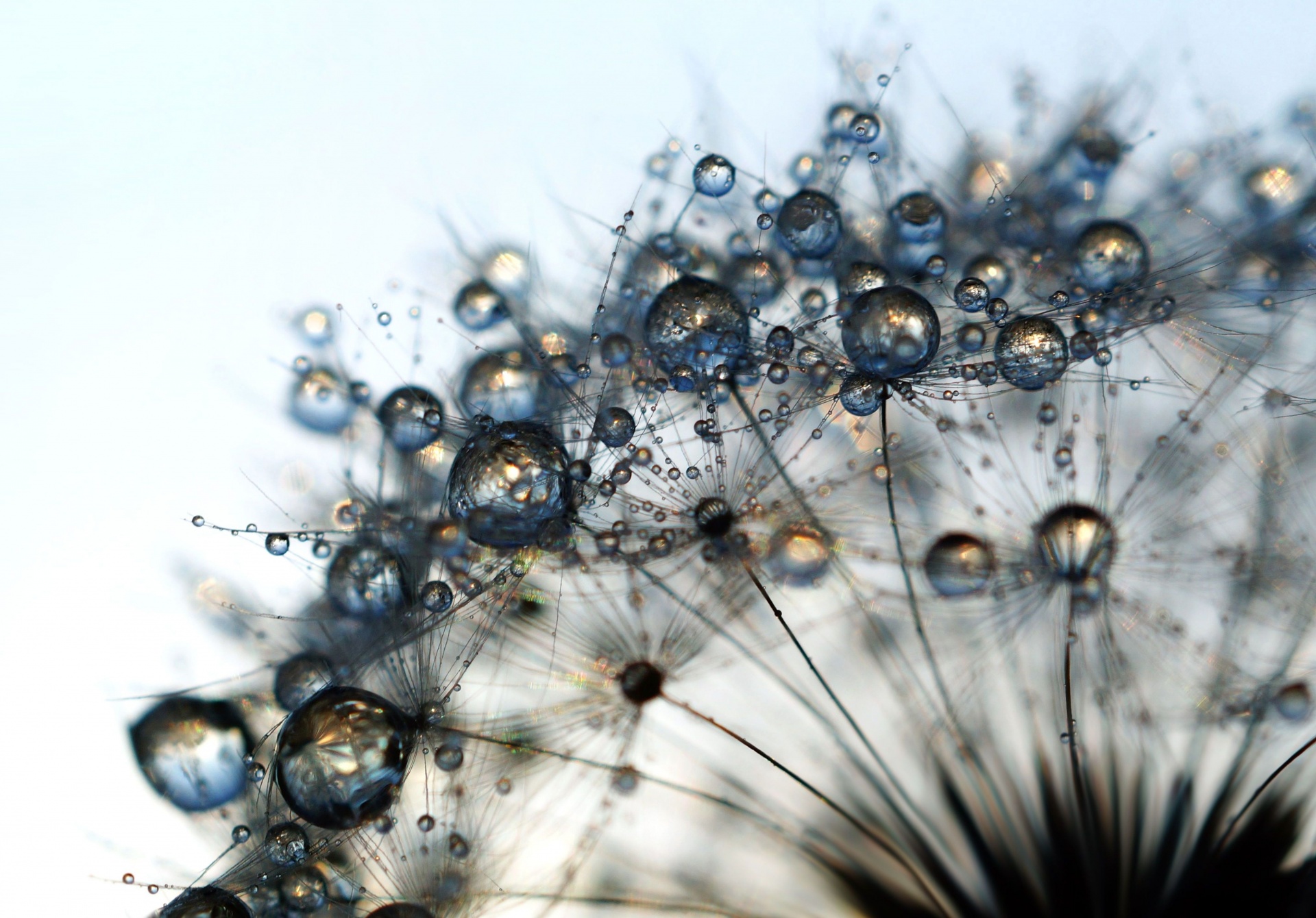
Shah Jehan Ashrafi celebrates the natural world as a source of power, beauty, humility, perseverance, and mercy, suggesting that by observing nature we can discover profound truths about life and ourselves. Graciela Noemi Villaverde draws on a tree as a metaphor for the cycle of life, death, and transformation. Tanja Ajtic uses watercolor as a metaphor for a person who experiences life deeply but has difficulty expressing what they truly feel. Soumen Roy conveys deep emotional experience through the imagery of flowing water, brokenness, and writing. Mark Young’s art pieces work as abstract meditations on entanglement, conflict, connection, and reciprocity — a visual echo of the same forces the poets wrestle with in words.
The Intimate: Love, Family, Memory
Milena Pčinjski sends up a brief, sensual poem about desire, intimacy, and the charged silence between two people. Milka J. Šolaja offers a nostalgic love poem about memory, lost love, and the passage of time. Aliyu Ibrahim gives a lyrical meditation on love, tenderness, sincerity, and the power of kindness to overcome conflict or hostility. Dr. Tania Rahman Toni expresses regret after losing someone through neglect, betrayal, or failure to appreciate their love. Abdulla Akhmatovich Mengkobilov declares a poet’s enduring love, suffering, faith, and determination to survive through his words. Eva Lianou Petropoulou’s piece is a romantic poem about discovering a profound, almost mystical connection with another person.
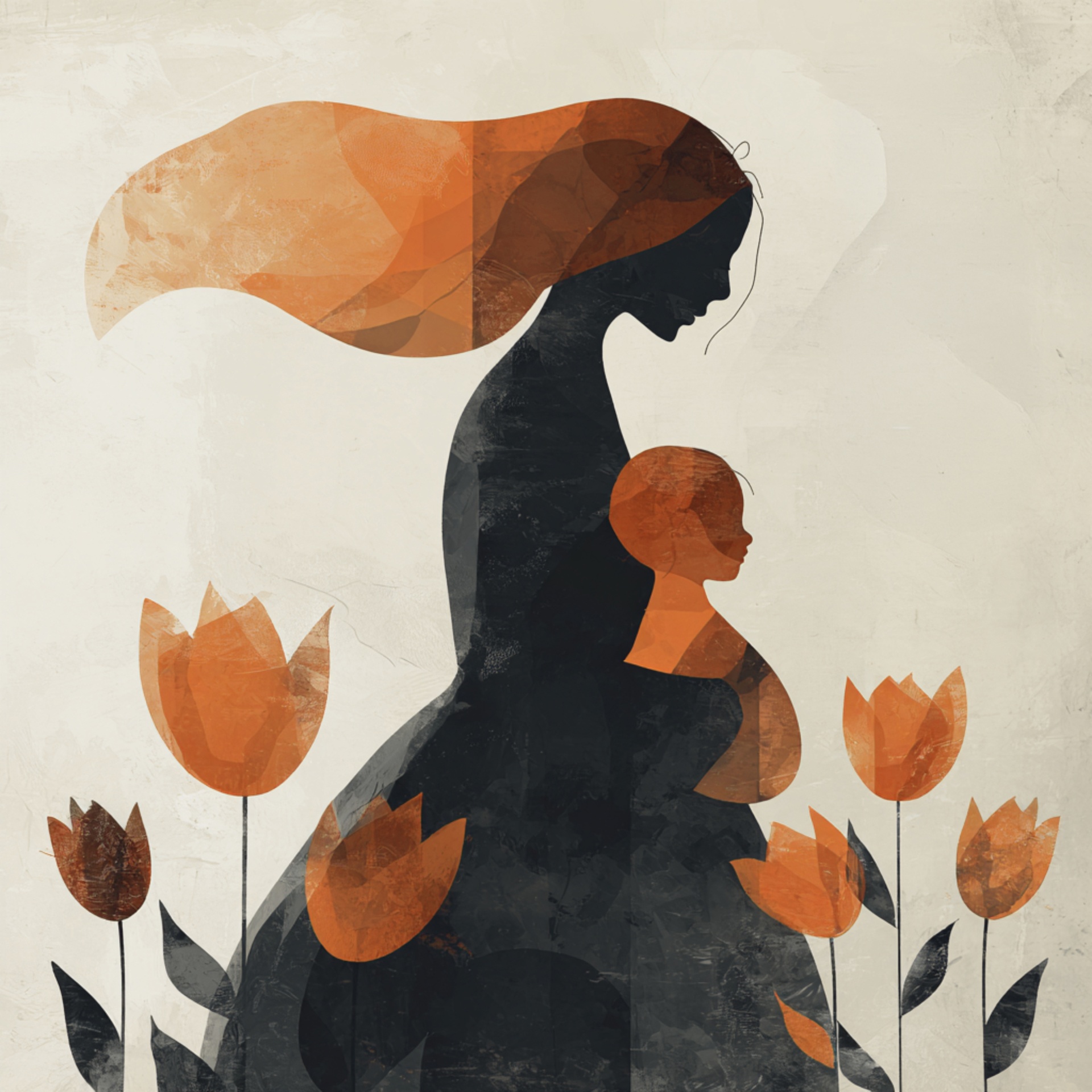
Family anchors much of this issue. Amina Zafar qizi Sunnatullayeva urges parents to nurture their children and allow them freedom to pursue their own dreams. Jernail Singh urges modern parents to teach children responsibility and self-confidence by letting them handle challenges on their own. Madinabonu To’rayeva reflects on the patient, self-sacrificing love of her mother. JÖrayeva Marjona Baxtiyor qizi expresses her love and nostalgia for her mother’s care. Azizjonova Mohinurbonu Qudratali qizi celebrates the love and dedication of her father. Joey McIntyre’s nostalgic coming-of-age story concerns a young boy spending a weekend with his mother and, through ordinary moments, beginning to understand who she is and how deeply he loves her. Otamuradova Asalbonu Qodir qizi relates how education can empower young women, while Fhen M.’s poem connects a child’s education with Filipino history, showing that learning is built layer by layer, from personal experience and family stories to the larger historical forces that shape a country. Katica Protić focuses on a moment when people drop their social disguises and reveal genuine feelings, while Vesna Malović Petrović explores loneliness, nostalgia, aging, and the longing for emotional connection, ultimately holding onto hope.
The Contemporary World: Technology, Education, and Money
The issue turns a clear, questioning eye on modern life. Ziyoda Sayfiddinova addresses ways to identify and prevent internet addiction in young people. Karimova Marjona Faxriddin qizi outlines modern pedagogical techniques for Uzbek elementary education. Fariza Qurbonova examines how Uzbek youth combine English and their native language over social media. A’zamova Feruza Abduholiq qizi discusses how Uzbekistan’s service sector is adopting artificial intelligence. Shodmanova Ruxshona Jaxongir qizi outlines prospects for launching Apple Pay in Uzbekistan. Sherzod Suvonov highlights the need for social awareness, wisdom, and human-centered design in technology. Shohjaxon Shonazarov, twice over, advocates for economic development indicators that go beyond pure financial matters to consider broader human well-being and explores how economic growth can improve living standards for ordinary people. Dr. Bhagyashree Varma argues that Dr. Jernail Singh’s epic poem Lustus forces us to confront whether our progress, stripped of compassion and wisdom, can sustain civilization and that it deserves to stand beside Paradise Lost as the defining epic of our age. Pat Doyne’s satirical poem uses Trump’s own rally words to paint him as vain, authoritarian, and unfit to command nuclear power.
Ozodbek Narzullayev reflects on how success, wealth, and social status can transform a person and sometimes cause them to forget their old friends and humble beginnings. Yuldasheva Shodiyona urges a balanced attitude towards money — saving while not forgetting to live and enjoy life. Qosimova Zulhumor Toxirjon qizi discusses how Uzbekistan’s independence led to greater opportunities for women and young people. Dilnura Xudoyqulova offers gratitude for her home country of Uzbekistan, her cultural heritage, and her Muslim faith.
Society Held Up to the Mirror
Alex S. Johnson issues a satirical postmortem for call-out culture, and under the alias Kandy Fontaine shouts an aggressive, satirical poem attacking rigid gender roles, macho posturing, sexualized dominance, and patriarchal ideas about strength and masculinity — then turns documentarian, interviewing zinester Pagan Kennedy on the history of independent media and the struggle to make technology serve ordinary and powerless people rather than corporations and institutions. Jasmina Qahramonjonova advocates for national legal remedies as a tool to address environmental pollution from plastics. Christina Chin humorously draws on Halloween imagery to point out the horror of ordinary human selfishness. Bill Tope’s humorous short story depicts a small child getting lost in a crowd and discovering that making yourself noticed is sometimes the best way to get help. Ajah Israel Chukwudi argues that genuine human relationships require sincerity, loyalty, remembrance, and gratitude rather than hypocrisy, resentment, betrayal, or selfishness. Gulasal Jumayeva addresses the difficulty of truly knowing a person, acknowledging the many poignant human struggles beneath the surface. İlker Ortaç’s art seems to speak to identity, connection, and the way people are shaped by what surrounds them. Otaxonova Nodira Farxod qizi laments social exclusion and adult worries, while Jo‘raqulova Rayhona Muhiddin qizi encourages us to take life in stride, as if it were a movie.
Journeys: Place, Pride, and Belonging
Francis Godoy’s poems humorously explore how cultural and national identity can suddenly become meaningful through everyday experiences, revealing pride, belonging, and connection. John Grey’s works collectively explore departure, connection, exclusion, belonging, home, and the struggle to express oneself. Brian Barbeito’s Mexico poems present travel as a journey of spiritual awakening. Kayne Young highlights how we’re never too old to change, as reinvention is a lifelong journey of living honestly and growing. Timothee Bordenave contributes a nostalgic, autobiographical sequence about London as a place of friendship, suffering, spiritual awakening, youth, and transformation.
Shannon Scoates and Somdatta Mitra’s collaborative poem is about girls whose childhoods are taken from them by oppression, forced expectations, restrictive traditions, and the denial of education and personal freedom — a global cry. Debabrata Maji celebrates the beauty of cultural diversity. Elmaya Jabbarova’s reflective poem accepts the end of a season, releasing sorrow and moving forward together into an uncertain future.
Sherzod Suvonov’s “My Qasrim” is a vision for an interactive historical world where game technology, AI, economics, architecture, and human creativity come together to help people understand how civilizations developed and how human decisions shaped them.
And the Magazine Itself

Finally, there is the community that holds all these voices.
Jacques Fleury offers a testimonial about how meaningful and transformative inclusion in Synchronized Chaos has been for him, especially as a Haitian American writer. Lan Xin highlights her gratitude for the international artistic partnership she has forged with Eva Lianou Petropoulou. And Dr. Jernail Singh Anand reviews Dr. Lalit Mohan Sharma’s new book Across the Pause, highlighting the collection’s main point: a poet’s responsibility is to remain deeply sensitive to human experience. Bahtiyar Hidayet’s paean transforms Alissa White-Gluz, singer of Canadian metal band Arch Enemy, into a heaven-sent woman of iron whose powerful voice slams open the door of truth against the world’s lies. DK Jammin’ offers a cohesive spiritual meditation on faith, surrender, transformation, and the difficulty of recognizing grace while it is happening. Christopher Bernard, in the eighth installment of his children’s book Otherwise, points to the value of hope against imagination-killing tyranny.
Gregg Dotoli’s work asks us to stay fully, individually alive and to choose reinvention over resignation in a world that would flatten us. Xhuli Spahiu offers up a call for global peace and compassion as Frederick Schardt suggests that real progress may not mean becoming more technologically advanced, but recovering our ability to gather, create, feel, share, and care for one another. Federico Wardal reviews Alessandro Cardente’s new book Manifesto for Gentle Communication.
And it is in that sensitivity — the poet’s obligation to feel deeply for others — that all these scattered voices finally converge: a magazine that is itself a mother, an embrace, a proof that even the darkest winter of the human heart can be transformed into light for many others.