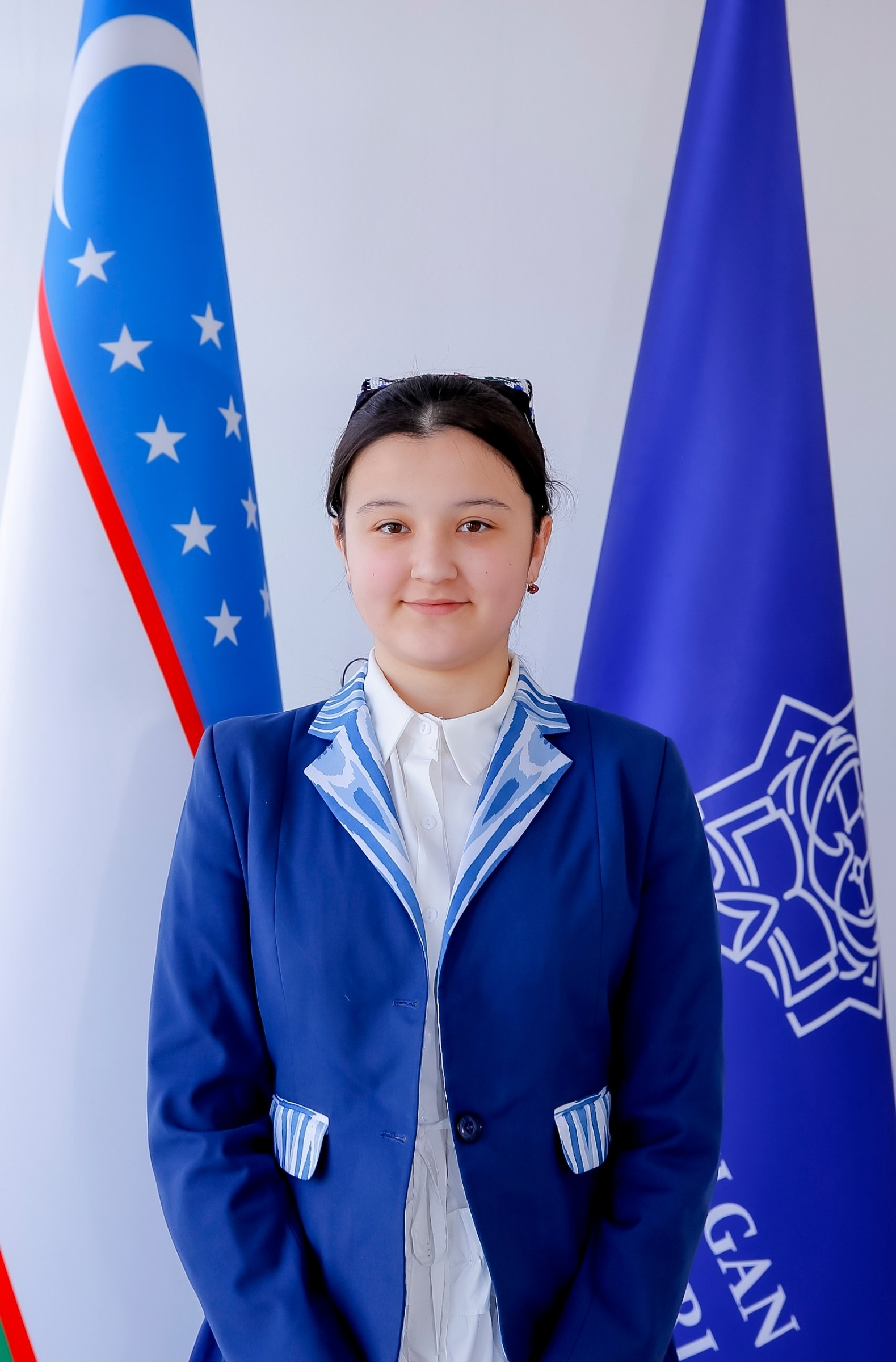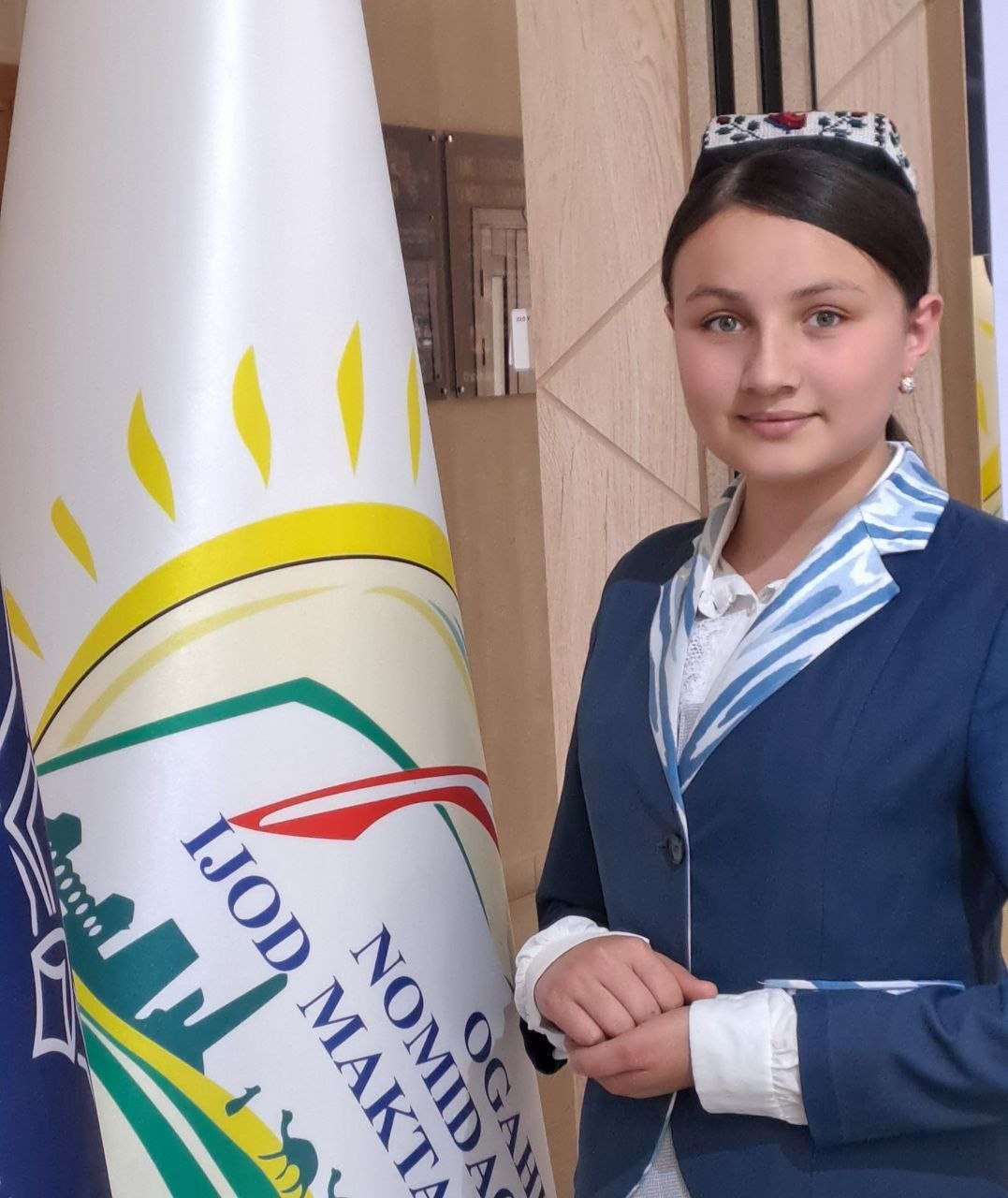
Essay from Nozimova Shukrona

The Role of Travel in Personal Growth

Travel is more than just visiting new places—it is a journey that transforms the traveler. Experiencing different cultures, meeting new people, and stepping out of familiar environments challenge our perspectives and expand our understanding of the world. Each trip teaches lessons that go beyond sightseeing: patience, adaptability, empathy, and curiosity are all developed through the simple act of exploring.

Travel encourages self-discovery. Being away from daily routines and comfort zones forces us to confront challenges, make decisions independently, and adapt to unexpected situations. We learn about our strengths, weaknesses, and preferences. Every journey leaves a mark, shaping our personality and influencing the way we think, communicate, and approach problems.

Moreover, travel fosters cultural awareness and empathy. Understanding other ways of life allows us to appreciate diversity and rethink assumptions about our own culture. It reminds us that the world is vast, complex, and full of different experiences, and that our individual perspective is only one among many.

In conclusion, travel is a powerful tool for personal growth. It teaches independence, resilience, and understanding, while broadening our worldview. The lessons gained from traveling are not just memories—they become part of who we are, influencing our thoughts, decisions, and how we relate to the world around us.

My name is Nozimova Shukrona, and I was born on January 31, 2011, in Oltiariq district of the Fergana region. Currently, I am a 9th-grade student at the Fergana branch of the specialized school named after Muhammad al-Khwarizmi.

Despite my young age, I have a strong interest in science and creativity. Since my early school years, I have actively participated in various academic competitions. For example, in grades 5–7, I took part in the Hippo English Olympiad and the Kangaroo Mathematics competition, where I had the opportunity to test and improve my knowledge.

In 8th grade, while studying at Specialized School No. 4 in Oltiariq, I was also a member of the “Zakovat” intellectual team, and together with my team, we achieved 4th place in the district competition. During the same year, I ranked among the top 10 in the district stage of the Al-Khwarizmi Olympiad. I have also taken part in many subject Olympiads and achieved high results.

Currently, I am participating in the provincial stage of the History Olympiad, where I continue to demonstrate my knowledge and abilities. In addition, I am a member of my school’s “Zakovat” intellectual team, and we are competing at the provincial level.

Recently, I achieved a B+ level in the National Certificate exam in Uzbek Language and Literature. I am also interested in sports. When I was younger, I practiced gymnastics and won several competitions.

I actively participate in different initiatives and projects, where I not only show my eagerness to learn but also develop my leadership skills. I have clear goals for the future, and my dreams are high.
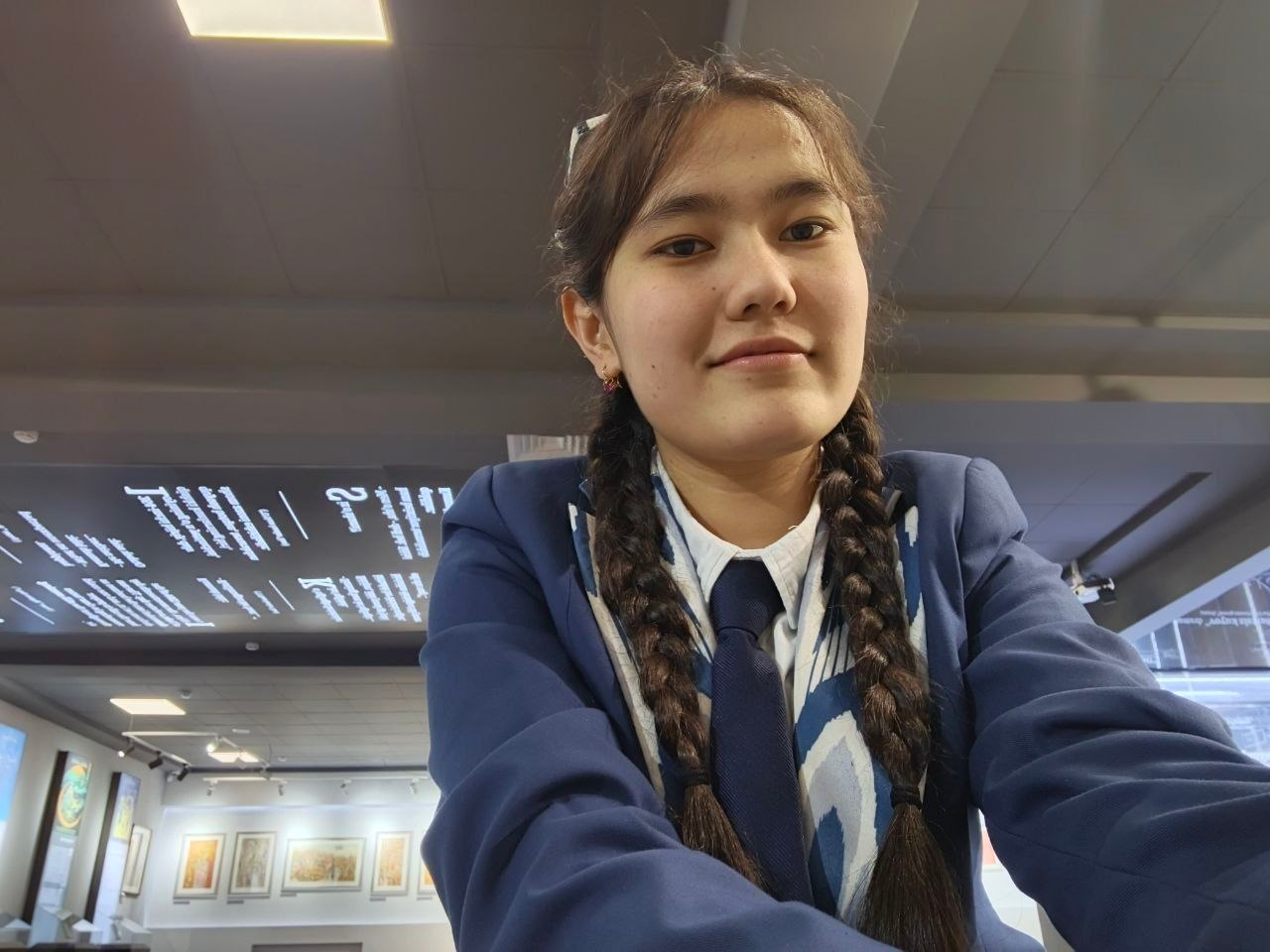
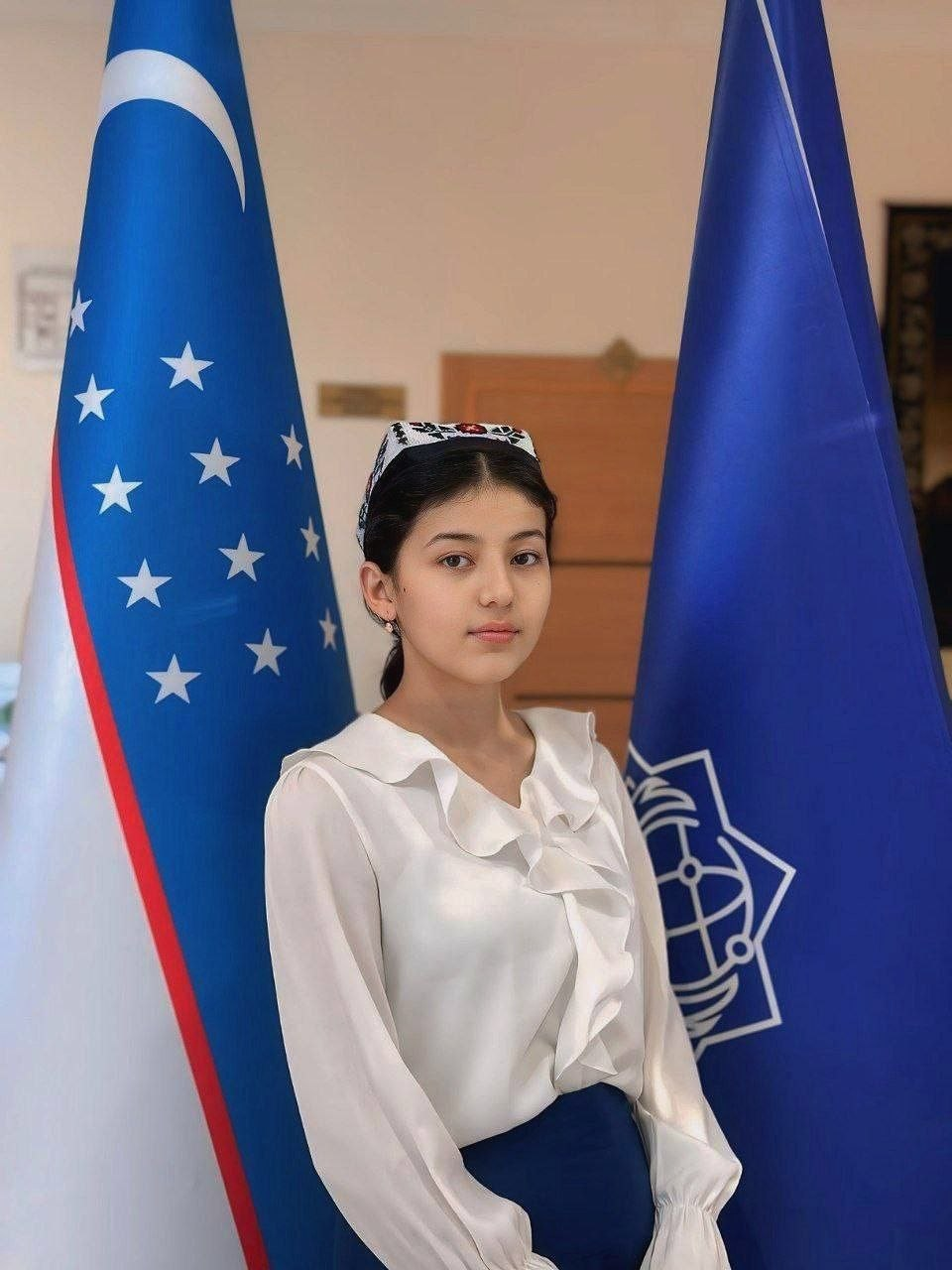
Poetry from Marjona Karshiyeva Zoxidjon

The World’s Wound

The earth’s chest is pierced, the sky is weeping,
On the grave of peace, the flowers have yellowed.
When will this cruel trial end?
Where has the duty of humanity vanished?

The earth trembles, the sky’s heart is torn,
As if not the sun, but wrath itself is poured.
Look—this horizon isn’t a crimson dusk,
From the veins of the land, blood has gushed.

The lifeless body of a child embraced,
Did you see the tears in a mother’s eyes?
When has the bird of happiness flown from here?
Have you ever asked yourself once?

See, tiny hands frozen,
A shell lies where toys should be.
He didn’t yet know the enemy’s words,
He only knew the mother’s milk.

Look—innocent tears of the little ones,
The soil stained with children’s blood.
These cries did not touch the stones,
Has the light in their hearts gone out?

We spoke of independence, embraced freedom,
Yet the cage of the heart is still the cage of the world.
From which path did we lose our way?
Why is every step a lesson from death?

Peace on your tongue, dagger in your hand—
What kind of hypocritical politics is this?
When will this polluted scene be cleansed?
In the world, the flowers of compassion have withered.

From Your Longing

The sky has cracked from your longing,
Your sigh has reached the gates of heaven.
In the night wounded by noise,
Your voice now searches for me.

The merciless wind blows without pause,
Pouring years of sorrow into my eyes.
Yet a lover stands like you,
Why speak of Majnun at all in this?

Emotions

My gaze lifts to the heavens,
I watch the birds in their bliss.
The spirit of freedom strolls through my heart,
Sharing your pure, innocent being.

Even the trees, and the flowers, hear
My wandering voice like a nightingale’s song.
Without making a sound, within the silence,
I strum my strange, single-stringed tune.

My soul aches, yet the earth endures—
I wipe my tears like pearls at every moment.
How serene is this strange nature,
Gently caressing my face in the soft night breeze.

Marjona Karshiyeva Zoxidjon qizi (born 2010)


Student at the Abdulla Qodiriy Creative School
Poetess
International eco-activist
Holds a B+ in Mother Tongue and Literature
3rd place winner at the 2025 City Stage of the Mother Tongue and Literature Olympiad
1st place winner in the “F” creative category at the “Kamalak Yulduzlari” Children’s Literature Festival, 2022
3rd place winner at the national stage of the “Kamalak Yulduzlari” Children’s Literature Festival, 2023
Her creative works have been published in the book “A Bouquet from the Garden of Creativity”, released among creative schools.

Short story from Saparboyeva Laylo Hajiboy kizi

Belated happiness

Black fate knocked on the door twice in one day: When Bayna Momo buried her two livers, it seemed to her that not only the day but also the sun of her life had gone out. The courtyard was deserted, the tandoor had cooled down, and the table in front of the door lay silent as if it had lost its owner. Previously, this courtyard had been filled with the sound of a man’s footsteps and the laughter of his son.

Bayna Momo was now condemned to live in memories and flickering devotion. People came and went, comforted her, and then everyone dispersed with their own worries. But Grandma Bayna was left alone. Sometimes she would sit by the hearth, staring into the distance, waiting for someone from the past to return.


The horseman Zamon was still wandering around the village. There was no sign of remorse in his eyes. But the people were already thinking about him, and all the old women in the village were secretly cursing the horseman Zamon. Soon, Zamon’s business was not going well: all his horses died in one day, his business was not the same, and his reputation was ruined. People turned their backs on him. It was as if an invisible curse was following him.


One day, Bayna Momo went to the market. There, she saw a young man driving a cart. There was a look of calm mixed with sadness on the young man’s face.
“Thank you, son,” the grandmother said reluctantly.
“Your voice… Your sweet voice and words reminded me of my mother…” he said with tears in his eyes.


From that day on, the courtyard came alive again. Tea would boil on the stove, the smell of bread would come from the oven, and in the evenings, the quiet conversation of two people would be heard in the courtyard. Grandma Bayna straightened up, and the light returned to her eyes. Then she began to think about the future, not the past.
The wind was blowing again. But this time it was not a destructive one, but a warm breeze that swept through the yard.


Bayna Momo realized: a person’s life is a test. Some fall against the wind, while others rise after the wind. Her life had meaning again – the happiness of being a mother!

Saparboyeva Laylo Hajiboy kizi (born in 2010) is a student of the Ogahiy School of Creativity and a young creative writer. She began her creative career by writing poetry in elementary school. After a certain break, she returned to literature and is currently working mainly in prose. Her dedication work “You live in my heart” was published in the newspaper “Khiva Tongi”.

Laylo has also participated in several foreign platforms with her work, and her stories have been published on sites such as The Seoul Times and Synchronized Chaos. She actively participates in scientific and practical conferences, expressing her thoughts and views on literature and creative thinking. She also writes short stories and fan fiction, which she shares on online platforms.

Her works are mainly devoted to human emotions, inner experiences, and life observations. In the future, she aims to further develop her creative potential and become an internationally recognized writer.

Essay from Nigora Tursunboyeva

Technology and Youth: Advantages and Disadvantages


Today, technology has become an essential part of our lives. Especially among young people, smartphones, the internet, and social media are widely used. This situation has both positive and negative sides.
First of all, technology expands opportunities for learning. It is now easy to find information on any topic, attend online classes, and develop new skills through the internet. For example, many young people learn foreign languages using mobile apps and videos. This increases their future opportunities.


At the same time, technology is very convenient for communication. People can easily stay in touch with friends and family, share ideas, and keep up with the latest news even from a distance.
However, technology also has its downsides. One of the biggest problems is wasting time. Many young people spend hours on social media instead of studying or doing useful activities. Moreover, excessive use of smartphones can harm health, causing problems such as eye strain and sleep disorders.


Another important issue is addiction. Some young people become too dependent on technology and lose interest in real-life communication. This can negatively affect their social development.
In conclusion, technology is a powerful tool. Using it wisely and in moderation can be beneficial, but overuse can be harmful. Every young person should learn how to use technology responsibly.

Essay from Erkinjonova Bibisora ​​Elyorbek qizi

Story


There was still time to get home. We had just taken a week’s vacation from school and were setting off with heavy bags. We sat down in a huddle, waiting for the bus. The bus was silent, except for the sound of car horns on the street. Everyone was busy with their own business, some playing on their phones, others leafing through newspapers.

At one point, two men in their fifties sat down on the benches, talking. Everyone seemed distracted since they got off. I quietly glanced in the direction where the voice was coming from. A woman in the front seat was looking around through the window, thinking, while the man behind her had been talking about something since he got off. She was wearing old, shabby, but apparently well-maintained clothes from the Soviet era. While the sun was shining brightly, this man seemed to never want to take off his warm clothes.

Even though two people got off at each stop, the passengers never seemed to end. The old man in front of me was still talking, laughing and sighing. It seemed that the woman had arrived at her stop, and she began to pack her things carefully. It seemed that all the passengers, who thought that Babajon was talking on the phone, also had the same thought in their minds, and they slowly looked at each other. I didn’t know why, but suddenly I felt like he was talking to himself.

Just like the end of everything, our final destination was approaching. I had asked him himself that the old man didn’t even have any relatives, but I couldn’t even tell my friends about it. As people get older, they become more and more lonely. It was the first time I had met a person who had been ignored, and every time I think about it, my insides go cold.

Erkinjonova Bibisora ​​Elyorbek qizi. Born on January 18, 2012 in Uchkurgan district, Namangan region. Currently, she is an 8th grade student at the Ishoqkhon Ibrat creative school. She can communicate in English, Russian and French. In 2025, she traveled to Dubai.

Prose from Bakhadirova Rukhshona

Memory


It was autumn. The leaves on the trees, the gardens and the fields were turning golden. It was time to harvest was coming. We were picking grapes in the garden. My grandparents stayed at home.
We all came to the garden. Grandma suddenly called my dad in a panic and said: “Come home quickly, your dad is calling you,” my grandmother said and hung up the phone. Together with my dad
I went too. After I left, my father ran to my grandfather’s house.

Suddenly I heard my grandfather say:
“My son, don’t fight with your brother, your sisters are yours to keep.” I didn’t understand what my grandfather was saying at all.
The next day, there was mourning in our house. For a long time, I missed my grandfather and couldn’t come to my senses.


A year later, I went to a summer camp. After spending 2-3 days there, I left the camp. I saw the director and I thought he looked like my grandfather. He had a mole on his nose, just like my grandfather. His hair looks like an airport where a plane has crashed. I love it very much, like my grandfather.


I stayed. I asked my teacher and found out their names. Their name was Ataniyozov Bahadir. He and I got along very well. He also liked me. I called him Bahadir Ata. The camp was only 12 days long. When I returned from the camp, just like I missed my grandfather, I missed my father Bahadir very much. I will go to the same camp next year too.


I went. But I couldn’t find my father Bahadir. Later I found out that he had retired.

Bakhadirova Rukhshona was born on September 4, 2009 in the Bogat district of the Khorezm region. She was admitted to the Ogahiy creative school based on the 2022 exam and is currently studying in the 10th grade of this school. Rukhshona is the winner of several competitions organized by the school, and also received a B+ (94.25%) certificate in the Uzbek language and literature. In addition, her creative works have been published in several anthologies.

Essay from Soliyeva Dilshoda Tokhtamatjon qizi

EFFECTIVE WAYS OF USING FAIRY TALES IN DEVELOPING ORAL SPEECH

Soliyeva Dilshoda Tokhtamatjon qizi

Kokand State University,

Department of Special Pedagogy

II-year master’s student

dilshoda.soliyeva@qdu.uz

ANNOTATION

This article studies the pedagogical possibilities of using the fairy tale genre in the formation and enrichment of oral speech in primary school students. The study has empirically and theoretically proven that fairy tale texts have a positive effect on children’s vocabulary, speech fluency and communication skills. Classroom experiments, observation and questionnaire results show that fairy tale-based activities significantly develop students’ oral expression.

Keywords: oral speech, fairy tale, speech development, primary education, vocabulary, pedagogical technology, folk literature, communication culture, expressive reading, creative storytelling.

ABSTRACT

This article explores the pedagogical potential of using fairy tales as a means of forming and enriching oral speech in primary school students. The study theoretically and empirically substantiates the positive influence of fairy tale texts on children’s vocabulary, speech fluency, and communication skills. Results from classroom experiments, observations, and questionnaires indicate that fairy tale-based activities significantly improve students’ oral expression.

Keywords: oral speech, fairy tale, speech development, primary education, vocabulary, pedagogical technology, folk literature, communication culture, expressive reading, creative storytelling.

INTRODUCTION

A person’s place in society largely depends on his communicative ability, that is, the ability to express his thoughts clearly, fluently, and effectively. Primary school age is the most important stage of speech development, and it is precisely the skills formed during this period that serve as the main foundation for the rest of life. Therefore, the issue of developing oral speech in primary grades is one of the most priority areas of today’s pedagogy. Folk tales are the most natural and ancient companions of the children’s world. A fairy tale is not only a literary genre that combines an interesting plot and educational content, but also a centuries-old educational tool of the Uzbek people. With its simple, repetitive, musical and figurative language, a fairy tale easily enters both the child’s ear and heart. It is these features that make a fairy tale a unique pedagogical tool for developing oral speech.

The main purpose of the study is to show how primary school teachers can systematically and methodologically correctly use fairy tales in the classroom to develop speech, and to verify and prove the effectiveness of this activity in practice.

The objectives of the research are: to study the psychological and pedagogical foundations of the development of oral speech; to analyze the possibilities of the fairy tale genre in developing speech; to develop types of fairy tale-based activities; to draw conclusions based on the results of experiments.

LITERATURE ANALYSIS AND METHODOLOGY

Literature Analysis

Speech development in childhood occurs through the social environment and active communication. This idea has been deeply studied in psychology, and many researchers emphasize the crucial importance of live communication with adults and peers in the child’s acquisition of language. The texts that the child listens to, repeats and reconstructs directly shape his attitude to language and speech perception. Mastering the narrative, that is, the story device at an early age, gives the child not only language, but also a logical way of thinking. A fairy tale is the simplest and most child-friendly form of this narrative structure: beginning, development, culmination and conclusion – these four stages form a natural model of orderly speech construction in the child’s mind.

The issue of developing oral speech in Uzbek pedagogy has been widely studied by such scientists as S. Matchonov, N. Qodirov, R. Kochkarova. Their works provide theoretical foundations for introducing fairy tales and other examples of folk oral art into the educational process and emphasize their positive impact on children’s speech [1]. In foreign literature, in particular, in studies conducted in English and Russian, it has been experimentally proven that lessons based on fairy tales can increase children’s vocabulary by 25-30 percent [2].

Methodology

The study was conducted in the 2023-2024 academic year with the participation of 2nd grade students of secondary school No. 45 in Tashkent (54 students in total). Students were divided into two groups – experimental and control groups. In the experimental group, lessons were conducted using a special methodology based on fairy tales; in the control group, traditional teaching methods were used.

The following methods were used in the study: pedagogical observation – students’ verbal activity in the lesson process was monitored; diagnostic interview

REFERENCES

  1. Matchonov, S. (2018). Methods of teaching the native language in primary grades. O’qituvchi.
  2. Qodirov, N., & Toshmatova, G. (2019). Modern methods of developing children’s speech. Pedagogy and Psychology, 3(2), 45-52.
  3. Rahimova, M. (2021). Educational significance of folk tales. Continuing Education, 4(1), 67-74.
  4. Normatova, D., & Xoliqova, S. (2020). Technologies for developing oral speech in primary grades. Sources of Knowledge, 5(3), 88-95.
  5. Karimova, Z. (2022). Fairy tales and child psychology. Fan va texnologiya.
  6. Yusupova, N. (2021). Developing speech through creative storytelling. Uzbek Language and Literature, 2(4), 112-118.
  7. Xolmatova, R., & Sotvoldiyeva, M. (2023). Specific features of speech development in preschool and primary school children. Modern Education, 6(2), 34-41.