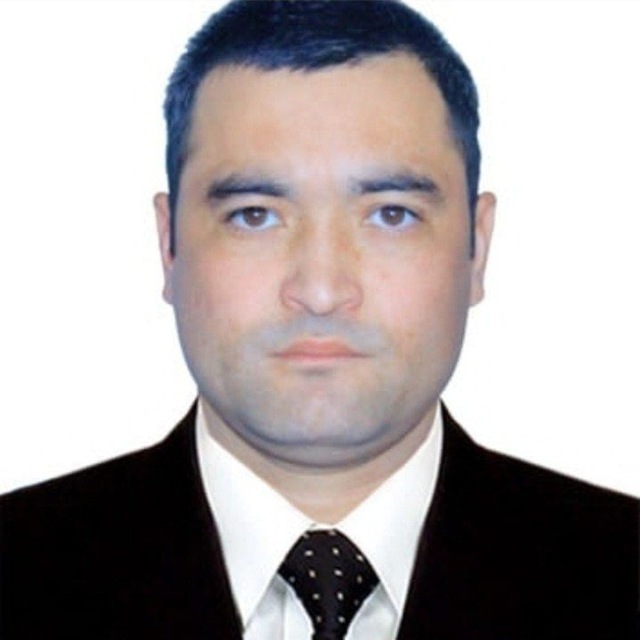
The Impact of Globalization on Humanity: Achievements and Challenges
Abduvaliyeva Jasmina Jahongir qizi
2nd-year student, Sociology Department,
Faculty of Social Sciences, Namangan State University
Group: SogAu-23
Abstract
This article analyzes the impact of globalization on humanity, focusing on both its achievements and challenges. It highlights the positive aspects of globalization, including economic development, cultural exchange, technological progress, and advancements in the field of medicine. At the same time, the article addresses the negative consequences of globalization, such as economic inequality, environmental problems, the risk of losing national cultures, and cybersecurity issues. The study concludes by emphasizing the importance of globalization in modern human life and discussing the need for effective strategies to manage its influence in a balanced and sustainable way.
Keywords
Globalization, Economic development, Cultural exchange, Social inequality, Innovation, Global challenges, Environmental problems, Technological progress, National culture, Cybersecurity
Introduction
In today’s world, globalization processes are increasingly integrating societies and penetrating all spheres of human life. While globalization creates new opportunities for humanity, it also gives rise to various challenges. Economic, cultural, and political relations among states are expanding, and the world is gradually forming into a single interconnected system. As a result of globalization, humanity has gained access to numerous opportunities. International trade has expanded, cultures have become closer to one another, and technological achievements have transformed daily life. However, globalization is not limited to positive outcomes alone. Alongside its benefits, it has also generated serious issues such as social inequality, environmental degradation, and the threat of losing national identity.
Main Part
Globalization has both advantages and disadvantages. One of its major achievements is the removal of trade barriers, which has led to increased interconnection among international markets. Through international institutions such as the World Trade Organization, trade agreements have become more accessible and efficient. Globalization also creates favorable conditions for the development of science and technology. With the help of the Internet, artificial intelligence, and mobile technologies, the world has become highly interconnected, and information exchange now takes place within seconds.
Moreover, globalization has expanded educational opportunities for students and researchers by providing access to international programs and studying abroad. In fields such as cinema, music, and sports, international events and festivals have accelerated cultural exchange. Global cooperation has also strengthened innovation and scientific collaboration across countries.
Despite these achievements, globalization has significant drawbacks. It has widened the gap between developed and developing countries, increasing global economic inequality. Environmental issues such as deforestation, climate change, and rising sea levels are among the negative consequences of global economic growth. In addition, migration processes associated with globalization have led to various social tensions and challenges in many societies.
Conclusion
In conclusion, globalization is an inseparable part of modern humanity, offering vast opportunities for development and progress. At the same time, its negative effects require careful management and regulation. Preserving national interests while promoting international cooperation, ensuring environmental sustainability, and reducing economic inequality are crucial for the future of humanity. A balanced and responsible approach to globalization will help maximize its benefits while minimizing its harmful consequences.
References
1. Martin. A fundamental work on the impact of globalization on society and state structures.
2. Thomas. A book on how globalization is shaping the modern world.
3. Monfred. A concise and clear guide to understanding globalization.
Abduvaliyeva Jasmina Jahongir qizi was born on July 29, 2005, in Qozokovul village, Norin district, Namangan region. She completed her secondary education at Secondary School No. 14 in her home village. Currently, she is a third-year student majoring in Sociology at the Faculty of Social Sciences, Namangan State University.Jasmina’s goal is to become a highly qualified specialist in the social sciences and to contribute meaningfully to the development of society.
COMPARATIVE EFFECTIVENESS OF MECHANICAL AND BIOPROSTHETIC HEART VALVE REPLACEMENT
Mahammadjonov Saidjahon Shokirjon ogli
Mirzamansurova Robiya Ahmadjon qiz
iKokand University, Andijan BranchFaculty of General MedicineAbstractHeart valves are essential anatomical structures that ensure unidirectional blood flow within the heart. In cases of valve insufficiency or stenosis, replacement surgery becomes a crucial intervention in modern cardiac surgery. Two primary types of prosthetic valves are used today: mechanical valves and bioprosthetic valves. Both types have distinct advantages and disadvantages, and the choice depends on factors such as patient age, health status, risk of thrombosis, and quality-of-life considerations.
Introduction to Heart Valves
Heart valves are vital anatomical and physiological structures responsible for maintaining the unidirectional flow of blood. Located between the chambers of the heart, they prevent backflow and ensure smooth circulatory function.
Main functions of heart valves:Maintaining one-way blood flowPreventing regurgitationSupporting efficient and coordinated heart functionCommon heart valve disorders:1. Stenosis — narrowing of the valve opening (e.g., aortic stenosis)2. Regurgitation — incomplete closure leading to backwar blood flow (e.g., mitral regurgitation)These conditions may lead to cardiac overload, impaired hemodynamics, and heart failure, often requiring valve replacement surgery.Indications for Valve ReplacementMitral stenosisAortic regurgitationSevere valve prolapseCongenital valve defectsInfective endocarditis with structural destructionBioprosthetic Heart ValvesBioprosthetic valves are typically manufactured from animal-derived tissues (e.g., bovine pericardium) and are widely used in cardiovascular surgery. They are associated with lower thrombotic risk compared to mechanical valves and therefore require minimal anticoagulation therapy.
Advantages:
Lower risk of thromboembolismReduced need for long-term anticoagulationImproved physiological compatibilityBetter quality of life in many patientsDisadvantages:Limited durability (typically 10–20 years)Higher risk of degeneration in younger patientsPossible need for reoperationEffectiveness of Bioprosthetic Valves
Clinical Effectiveness
Provide adequate hemodynamics and restore normal blood flow
Reduce symptoms such as dyspnea and fatigue
Improve long-term quality of life
Statistical Data:Average durability: 10–20 years
Reoperation risk increases afte 10 years, especially in younger patients
Physiology of the Human Heart
Heart activity is based on rhythmic myocardial contractions. Systole refers to contraction, whereas diastole refers to relaxation. Cardiac impulses originate from the sinoatrial node (60–80 impulses per minute), then spread through the atria, AV node, bundle of His, and Purkinje fibers, leading to coordinated contraction of ventricles.
The cardiac cycle includes: Atrial systoleVentricular systole Diastole (joint relaxation phase)During atrial contraction, blood moves into the ventricles; during ventricular systole, semilunar valves open to eject blood into the aorta and pulmonary artery.
Comparison Between Mechanical and Bioprosthetic Valves
Research Findings: Studies show that mechanical valves have a lower reoperation rate, but require lifelong anticoagulation therapy, increasing the risk of bleeding.Meta-analysis indicates that in patients aged 50–70 years, survival is higher with mechanical valves.In patients above 70 years, bioprosthetic valves are preferred due to reduced anticoagulation requirements and lower bleeding risk.Postoperative outcomes (stroke, bleeding, infection) show no significant difference between the two groups immediately after surgery.Reoperation is significantly more common in the bioprosthetic group due to structural valve deterioration.
Summary of Key Differences: Feature Mechanical Valves Bioprosthetic Valves Durability Very long (20–30+ years) Moderate (10–20 years) Anticoagulation Lifelong Short-term or none Thrombosis Risk Higher Lower Reoperation Risk Low HigherBest for Younger patients Older (>70 years) or anticoagulation-intolerant patients
Conclusion Heart valves are crucial structures maintaining unidirectional blood flow and supporting efficient cardiac function. Disorders such as stenosis and regurgitation can severely impair heart performance, necessitating valve replacement surgery.Both mechanical and bioprosthetic valves play an essential role in modern cardiac surgery.Mechanical valves provide long-term durability but require lifelong anticoagulation.Bioprosthetic valves offer better physiological compatibility and lower thrombotic risk but have a limited lifespan.Current research supports the use of bioprosthetic valves in elderly patients, while mechanical valves remain preferable for younger individuals requiring long-term durability.Valve replacement significantly improves cardiac function, reduces symptoms of heart failure, and enhances overall quality of life, making it one of the most important and progressive fields in cardiovascular surgery.
References
1. Ivashchenko, O. A., & Yashin, D. B. (2020). The Role of Psychological Support in Myocardial Infarction Recovery. Cardiovascular Medicine, 45(3), 121–127.2. Cardiology Institute (2021). Myocardial Infarction and Rehabilitation Measures. Tashkent: Cardiology Institute.3. Medall.uz (2022). Heart Attack: Causes, Symptoms, and Treatment.4. Kenjayev Y. M., Berdieva S. A. Analysis of Electrocardiographic Signs of Atrial and Ventricular Hypertrophy. Termez Institute of Economics and Service.
“MANAGEMENT AND CAREER PSYCHOLOGY IN THE MODERN WORLD: PROBLEMS AND SOLUTIONS”
Urinova Robiyabonu
Student of Andijan branch of Kokan University
ANNOTATION
This article analyzes the current issues of management and career psychology in the modern world. Globalization, digitization, changes in the labor market and the demand for new competences have a significant impact on the management system. The methods of positive psychology and emotional intelligence are proposed as a solution to the problem.
Key words: career psychology, globalization, competencies, positive psychology, emotional intelligence.
ABSTRACT
This article analyzes current issues of management and career psychology in the modern world. Globalization, digitization, changes in the labor market and the demand for new competencies have a significant impact on the management system. Methods of positive psychology and emotional intelligence are offered as a solution to the problem.
Keywords : career psychology, globalization, competencies, positive psychology, emotional intelligence.
INTRODUCTION
Management psychology is the relationship between the manager and the employee, motivation,
studies the leadership style and the psychological environment within the community. Career psychology analyzes a person’s choice of profession, professional development, obstacles in work and motivational factors. In the current conditions, these two areas are closely related to each other, and the effect of one of them is directly related to the development of the other. The importance of studying this topic is that in many organizations, the lack of leadership skills, the motivation of employees decline, difficulties in adapting to digital technologies and uncertainty in choosing a career are encountered in everyday life as a practical problem. Analyzing the topic on a scientific basis allows us to offer real solutions to these problems.
MAIN PART
As a result of the rapid changes in the modern labor market and management technologies, attention to the human factor is becoming stronger. The correct use of the psychological approach in management processes not only increases employee efficiency, but also serves the sustainable development of the organization. At the same time, in today’s conditions, there are a number of problems related to management and career psychology, which are one of the most urgent aspects of this field. Unhealthy psychological environment in society. Hostile relations between employees it leads to hiding information from each other, transferring information in a changed form. Even information and its re-transmission can be found as a form of revenge. The personal quality of employees participating in the exchange of information. Weakness of memory. It was found that a subordinate employee remembers 50% of the given information, while the leader remembers 60%. Therefore, when receiving information, it is necessary to clarify, repeat and record it. [1, B.116]
In today’s organizations, managers are required not only to give orders, but also to think strategically, to inspire the team, to communicate, to make joint decisions, to manage the process of change. However, in many organizations, leaders do not have the emotional state, communicative culture, and the principles of modern leadership. This leads to tension, misunderstanding, and a decrease in motivation in the team. Analyzing issues related to the relevant mechanisms, it proves that a person’s stable social skills, values, life position and strategy are the main factors that cause management learning.
In order to increase the effectiveness of management, it is necessary to organize leadership development programs. Special trainings for leaders: courses such as “team management”, “conflictology”, “emotional state” should be established. Listening to the opinion of employees by leaders, creating an atmosphere of respect and trust ensures psychologically healthy management.
In many organizations, employees do not have complete information about their future position, growth opportunities, and evaluation criteria. The abstract nature of the career system causes instability, dissatisfaction, slowness in professional development, and a decrease in motivation among employees.
It is necessary to develop road maps that clearly regulate career development, job requirements and growth stages. It is necessary to regularly analyze the evaluation system.
The introduction of artificial intelligence, robotics, and automated systems creates psychological problems among employees, such as fear of technology, feeling useless, digital fatigue, and resistance to change.
It is necessary to introduce strong educational programs for increasing digital literacy in organizations. It is important to introduce new technologies step by step, to establish experience sharing processes. It should be consistently explained that the main task of technologies is to ease the work of the employee, not the employee. In the process of changes, listening to the opinion of employees increases the level of psychological adaptation. Motivation is one of the main psychological factors of the enterprise’s efficiency. In order to increase motivation, it is necessary to create internal incentive systems, a culture of positive communication, rewards for efficiency, a comfortable working environment and a healthy team communication system. Accepting the suggestions of employees, appreciating their opinions, and recognizing their successes will increase their self-confidence.
A social psychological experiment is a goal-oriented communication between the examiner and the subject for the purpose of studying social phenomena. The experimenter, that is, the examiner, creates special conditions for all communication to take place and collects facts based on a clear plan under these conditions. As in general psychology, there are different types of natural and laboratory experiments in social psychology. An example of a natural experiment is the research conducted by the Russian pedagogue A. Makarenko on team formation and organization. American psychologist M. Sherif investigated the phenomena related to intergroup relations in natural conditions based on a special plan. His main goal was to study the psychological reasons for the emergence of various conflicts in a temporarily organized community – summer vacation camps.
The laboratory experiment was usually conducted in special conditions, in special rooms, with the help of the necessary tools and equipment. For the first time, the Russian scientist Bekhterev conducted social psychological research in laboratory conditions. Using special tools, he studied the accuracy of perception, the quality of memory, the characteristics of observation, individually and in group conditions, and the presence of a group Proved that it directly affects the mental processes of the member.
The laboratory experiment was later carried out by B.G.Ananev, Ye.S. Kuzmin, V.S. Merlin, V.N. Myasishev, L.I. It was further improved by Umansky and others, and the apparatus method began to be widely used in social psychology. For example, the homeostat by F.D. Gorbov and M.A. Novikov, integrators for the group created by L.I. Umansky appeared and began to be widely used in the literature for the investigation of a group of phenomena. For example, the group homeostat checks whether the actions of the group members are compatible. is an arrow that can be turned in any direction, and the examiner watches the movement of each one. But they are given the following task: “You turn the arrow in such a way that your movement matches that of others, otherwise, because of your carelessness, the whole group will be punished.” experimentally proven. [3, B.45-46]
Such experiments show that when a common rhythm appears in the group, the participants begin to adapt to each other by themselves. Even if no one gives them specific instructions, people’s natural desire is not to deviate from the general flow and to adapt to the team. For a modern person, work is not just a source of income. Many people want to feel how useful they are in society. The motivation of a person who can find an answer to the question, “have I entered?”, is more stable. A meaningless job increases mental fatigue and dissatisfaction. On the contrary, an employee who works with a clear goal: distributes his energy correctly, can make long-term plans, manages the career path in a conscious manner. Another important psychological basis of management is trust. in the environment; the employee can freely express his opinion, has the courage to introduce new things, is not afraid of mistakes, does not force what the boss says, but understands it. The formation of trust is related to the honesty of the leader, stable decisions and adherence to justice.
CONCLUSION
In conclusion, I can say that in the modern world, management and career psychology is an important direction that ensures the development of organizations and employees, putting the human factor in the center. For effective management, the emotional intelligence of leaders, the ability to motivate and transformational leadership styles are of great importance. Such an approach makes teamwork effective, creates a positive psychological environment among employees and reduces stress. guarantees the stable and successful operation of the support organization.
Tashkent University of Humanitarian Sciences 2nd-year student Sobirova Iroda Аbdulaziz qizi
Innovative Directions for Entrepreneurship Development: Theoretical Foundations and Practical Strategies
Abstract The article reveals the essence and significance of innovative entrepreneurship as a key factor in economic development. It analyzes the main innovative directions for the development of entrepreneurship, including digitalization, technological, and social innovations. Based on the mechanisms of state support for the innovative activity of small and medium-sized businesses and world experience (for example, Japan), proposals and recommendations have been developed. Keywords: Innovative Entrepreneurship, Digital Economy, Product Innovation, Technological Innovation, Social Innovation, Venture Capital, Technoparks.
Introduction In the transition to an innovative path of economic development, entrepreneurship, especially small business, plays a crucial role. Success in modern market conditions is not limited to effective management of existing resources, but also requires the search for new ideas and their implementation in practice (innovative activity) (Source 1.1). The objective of the article is to scientifically and theoretically substantiate the innovative directions for entrepreneurship development and to propose effective strategies for their implementation.
Essence and Types of Innovative Entrepreneurship One of the main tasks of entrepreneurship is creativity and the pursuit of creating new products (services) (Source 1.1). Innovative entrepreneurship is the initiative that introduces new products to the market, implements new production technologies, or brings in new forms of business organization.
There are three main types of innovative entrepreneurship, aimed at different goals (Source 2.3): Product Innovations: Renewal of the company’s sales potential, expansion of market share, and creation of new jobs. Technology Innovations: Saving energy and raw materials, increasing labor productivity, and renewing production capacity. Social Innovations: Improving the social environment of the enterprise, mobilizing employees towards a common goal, and enhancing the organization’s reputation.
Priority Innovative Directions for Entrepreneurship Development The main directions for the development of modern entrepreneurship include:
Digital Technologies and Digitalization In the context of the digital economy, creating a favorable business environment for the development of innovative entrepreneurship is highly relevant. This includes the application of technologies such as Artificial Intelligence (AI), Cloud technologies, Big Data, and the Internet of Things (IoT) into business processes. Digitalization also enables the development of remote work forms, which serves to increase work efficiency (Sources 1.5, 1.6).
Innovative Development of Education and Human Resources Potential Modern approaches to preparing for entrepreneurial activity, especially the use of business simulation programs (training for the future), are important. This helps young people gain interest and practical skills for starting their own business. The government’s intention to integrate entrepreneurship holistically into the entire education system also indicates the priority of this direction (Sources 1.3, 2.5).
Institutional Support and Infrastructure The role of the state in regulating and stimulating the development of innovative entrepreneurial activity is significant. Key directions include: Developing the venture capital market. Establishing technoparks, innovation centers, and clusters (Sources 2.1, 2.4). Improving the system of tax incentives for entrepreneurs engaged in innovative activities (Source 1.5).
Conclusion and Recommendations The innovative development of entrepreneurship is a prerequisite for ensuring the country’s economic progress. This process should primarily be aimed at the commercialization of new ideas and increasing the innovative activity of small businesses.
Practical Recommendations Expanding Innovative Infrastructure: It is advisable to increase the number of innovation centers in the regions and support local industrial enterprises involved in technological innovations (Source 2.6). Stimulating Demand for Innovations: Ensuring a comprehensive system for the creation of new types of products and innovative technologies from the idea stage to the final consumer. Implementing Foreign Experience: Deeply studying and implementing the experience of developed countries, such as Japan, in developing regional innovative entrepreneurship (technopolises, research centers) (Source 2.7).
List of References (Bibliography) Textbooks, Monographs, and Publications Schumpeter, J. A. (2007). The Theory of Economic Development: An Inquiry into Profits, Capital, Credit, Interest, and the Business Cycle. Moscow: Eksmo. (For the theoretical foundations of innovative entrepreneurship). Freeman, C. (2011). The Economics of Industrial Innovation. Moscow: Infra-M. (To cover the impact of technological innovation on the economy). Porter, M. E. (2011). Competitive Strategy: Techniques for Analyzing Industries and Competitors. Moscow: Alpina Publisher. (For analyzing competition and innovative advantage). Scientific Articles and Journals Kadirov, A. Z. (2020). The role of innovations in the development of small business and private entrepreneurship. Iqtisodiyot va innovatsion texnologiyalar (Economics and Innovative Technologies), (1), 240–255. (To include local experience). Nabiev, N. N. (2021). Directions for the development of innovative entrepreneurial activity in the conditions of the digital economy. Moliya va bank ishi (Finance and Banking), (3), 78–85. (To cover the digitalization direction). Saidov, M. A. (2019). Mechanisms for increasing the innovative activity of business entities. Bozor, pul va kredit (Market, Money, and Credit), (6), 55–63. Statistical Compilations, Reports, and Internet Sources Decree of the President of the Republic of Uzbekistan No. PF-60 of January 28, 2022, “On the Development Strategy of New Uzbekistan for 2022–2026”. National Database of Legislation. (To substantiate state strategic directions). OECD. (2021). Entrepreneurship at a Glance 2021. Paris: OECD Publishing. (For international experience and statistical data). World Bank. (2020). Digital Economy for Development (DE4D) Project Report. Washington, D.C.: World Bank Group. (To analyze the impact of digital technologies). World Intellectual Property Organization (WIPO). (2023). Global Innovation Index 2023 Report. Geneva: WIPO. (To include global innovation ranking data).
Shibganj is an upazila in the westernmost district, Chapainawabganj of Bangladesh which is bordered by India. This upazila is surrounded by the banks of the Padma and Pagla river. Dadonchak is a village in that upazila. My childhood and adolescence were spent in the campus of Adina Fazlul Haque Government College located in this village.
When I am going to sit for writing about something the memory of my high school life the situation over all the country does not go well. Political turmoil and chaotic condition grasp all around. Sonar Bangla, our country Bangladesh is covered with golden sight of the ripe paddy fields. Again we find peace and tranquility sitting under a large banyan, neem or mango tree to the vast green fields that looks like the green carpet covered on all over there. Once we called ours a riverine country but now most of the rivers and lakes have gone to dry and we suffer much from flood in rainy season and too much hot in summer season.
My secondary education life spent in this beautiful natural environment was a heavenly glory. The name of my school is Dadonchak Hemayet Memorial High School located in this village, Dadonchak. How nice the days I spent in the school with my classmates and teachers! All the teachers were very skilled to teach us. This school was established in 1919. Therefore, the event that the school students are going to celebrate the 100th anniversary, a few years later on 26 December, 2025, is a great expression of hope and a reunion and it will continue till 27 December, 2025. Among the many institutions, our school is one of them, founded by the renowned personality of the locality, Idris Ahmed Mia. Idris Ahmed Mia was a social worker, a poet and a political figure. Many Schools, a college, a PTI (Primary Teachers Training Institute) and some small industries had been established in this area by him. Over time, the small industries have now disappeared.
This school is located adjacent to Adina Fazlul Haque Government College. PTI and Primary School are also very close to one each other. The college had been nationalized in 1986 declared by the then President Hussain Muhammad Ershad. There are three Government institutions here. The college metioned above, Dadonchak Government PTI and Dadonchak Government primary school. At that time there were no facilities of paved roads, transports and electricity. Establishing such schools, college or small industries was a very difficult work. Idris Ahmed Mia, obtaining graduation with distinction from University of Calcutta, (a public university of Kolkata), India, as a heavenly messenger, in this dark and arduous area founded one institution after another to enlighten the people of this area for their welfare.
The days of building schools or any other institutions were not as easy as they are now at present. It is said that during the construction of this school, some miscreants burned down the school building several times. But Idris Ahmed Mia was an indomitable man. Nothing could shake him and finally he was able to establish the school. It is said that all the perpetrators later died of leprosy. Therefore, if the intention is honest, no obstacle can stop someone from doing any good deed. Idris Ahmed Mia was such a man who served the people of the society with all he had.
High school life is the golden period of anybody’s life. Nothing can be sweeter than recollecting the memory of the past specially the secondary education life. The foundation of learning is laid during this time. In other words, what one learns in life the seed is sowed in this period. This period is very important for a student to build up his/her future career. So in this time the students must be serious to read and write according to their daily routine and plan. After completing my primary education from Monakasha Primary School I got admitted into Dadonchak Hemayet Memorial High School in 1986. As a child I would understand very little about what I should learn and how I can develop myself with the learning process.
At that time the teaching staff of our school was excellent. Most of the teachers were skilled and would include themselves in the classes with excellent teaching quality. They had nice technique to engage the students with them. A very interesting matter is that there were three teachers in the same name in our school. Nazrul A, Nazrul B and Nazrul C. Nazrul A taught us English and Geography, Nazrul B Mathematics and Nazrul C Social Sceince. Our headteacher, Safiqur Rahman was a famous Mathematics teacher in this district. Faizur Rahman Bisu was also a very excellent teacher. Though he was a science teacher, he had a good command to teach in any subject whether science or arts or general knowledge.. My English primary knowledge was developed by Abdul Kader, another English teacher of our school. I also remember some other teachers like Mosharraf Sir, Rafique Sir and Kalu Sir etc. Many of them have died. May God’s peace be upon them.
The most interesting thing is that I find myself also a secondary school teacher as I followed my teachers in my school life. In this way, students of this school are employed in various sectors of the country, some as doctors, some as engineers, some as bankers, some as teachers in schools, colleges and universities, some as administrators, some as businessmen, some as non government employees, and many are employed abroad, transcending the boundaries of the country. Therefore, it can be said that every educational institution is a factory for building a nation. And every now and then the special moments of the school come to my memory when I stop my eyes or at my leisure. High school time is a very important time that all things we catch from our teachers established in our mind in such a way that it remains forever. Some of the advices of the teachers can never be forgotten. So, a teacher is like an ideal to the students.
Golam Rabbani was my class friend from grade six to ten and we we came out with success obtaining first division in the SSC (Secondary School Certificate) examination in 1991. Now, at present he is the Headteacher of this school. I congratulate my friend for his being a headteacher of this school. And I hope that he may lead the school in such a way that every student may see the bright or glorious future in his/her life. Just at the moment I am going to finish the writing, the sun is rising and I can smell the scent of the roses in front of my childhood home in the air. Love you the past, love you the petals of the roses.
Md. Mahbubul Alam is from Bangladesh. His writer name is Mahbub John in Bangladesh. He is a Senior Teacher (English) of Harimohan Government High School, Chapainawabganj, Bangladesh. Chapainawabganj is a district town of Bangladesh. He is an MA in English Literature from Rajshahi College under National University. He has published three books of poems in Bangla. He writes mainly poems but other branches of literature such as prose, article, essay etc. also have been published in national and local newspapers, magazines, little magazines. He has achieved three times the Best Teacher Certificate and Crest in National Education Week in the District Wise Competition in Chapainawabganj District. He has gained many literary awards from home and abroad. His English writings have been published in Synchronized Chaos for seven years.
You are human you are worldly, You are matriarchal, you are infantry. You are strength and courage, You are the first dawn, New lining if you want. just want to wake up Conscious in attitude. Speak out against brutality, Scream against injustice, Women need unity. Need women awareness camps, all around.
Date: 25.11.2025, India
Short biography: Amb. Dr. Priyanka Neogi from Coochbehar. She is an administrative Controller of United Nations PAF, librarian, CEO of Lio Messi International Property & Land Consultancy, international literacy worker, sports & peace promoter, dancer, singer, reciter, live telecaster, writer, editor, researcher, literary journalist, host, beauty queen, international coordinator of the Vijay Mission of Community Welfare Foundation of India.