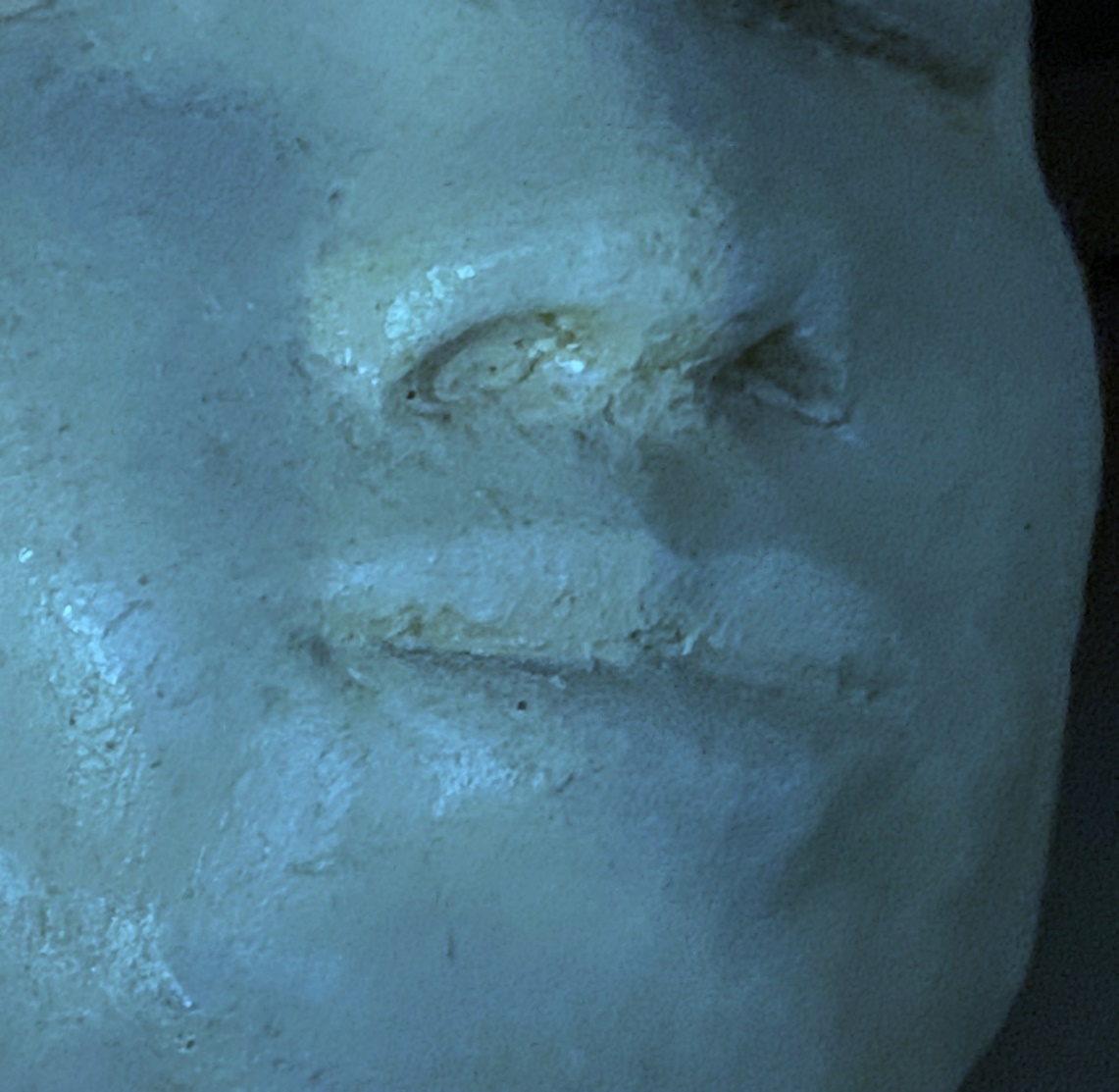
Like a cold darkness, love stretches me upon its rack.
Your shadow drinks my breath.
My bones remember your touch.
Within me, centuries collapse without you.
Like spilled gold, my sorrow flows.
Your eyes — two abysses above my soil.
My heart bears the shackles of your silence.
My skin is a book of your wounds.
I have written you in my own blood.
I have carried you through my own ashes.
Into your voice, I placed my final peace.
And when I sink, your shadow will remain in me.
And when I fall silent, I will still long for you.
Milana Momčilović was born on April 4, 1999 in Vrbas. He currently lives in Srbobran, a place near Novi Sad in the Republic of Serbia. She published the collection of poetry TALISMAN.
She doesn’t like to talk about herself, so in the end she can describe herself through the verses of Sergei Yesenin: “What am I?” Who am I? I’m just a dreamer, whose sight fades in the fog and mist, I lived along the way, who can dream, like many other people on that earth.”
My heart is crushed, undone by the weight of grief
but my soul is tiny blooming. Let it be key.
Let everything be where everything needs to be.
Both are real. Only one will have authority
and receive my attention, elixir formed, a trickle,
ingested.
IV
Drum beat
no beat
I raise my arms
and scream hosana.
The drawers are empty
hunger parts my soul
into quarters. Stand up
and take account, no one
is listening.
Four months of stagnant emotion,
upheaval at the roots, planted again
somewhere less familiar and less fecund.
Faith and despair overlap, cross paths, join
together as a new entity.
Who understands? There is no understanding
to be had, only the ceramic bird on the shelf, winking,
and the air, heavy and humid one minute
and cold, oxygen-free, the next.
In my mind is an argument
existential, without possible resolution.
In my core there is shock at the terror
of disintegration, and for how long?
How much more? And still there is more.
In my being, I knew God
came with mercy, with Jesus and the peace
of infinity – washing clean, a soft joy
without degrees but only flowing, showering, eternal.
In between I wake up and I cannot see forward,
I listen, but I cannot be one with what I hear.
Holy Spirit, holy, do not escape me,
be clear, re-construct my devotion,
find me my union seed, to plant and tend to
simple devotion.
V
Jesus, you let me live.
I will sit with you
hand in hand.
I know you
in my personal crisis –
faith obliterated, reseeding
in a lucky garden.
I will trust you with all my problems,
with my anxiety like a dysfunctional
city, polluting the roadway, the airway
with its violence and indifference,
I will breathe easy, knowing you are here,
that you own it because I give it to you
and reckoning is rescue, in your hands,
miracles are coming – life changing,
a kinship with your divinity.
You are sovereign, my still-point, my doorway
into perpetual redemption.
I will collect the fruit and sit beside you,
eating together – no hunger, no hurry –
You and I, I with you, you
holding my hand.
VI
When I see the unseen
in a twisted longing
death-circle fantasy,
irresistible hope,
and drive to make that hope happen
even though
I am not a citizen of that land,
not meant to come forward
and shine with those deeds,
then I fail and live for an
illusionary future, creating a
hellish now, ripe with lack
and disappointment.
Bend on your knees, bow
to the one-name of God,
feel the slap of sobriety,
the consequences of depending
on your own wit and power
which is like a gnat trying to cross through
a tornado or a choir that sings without
glorifying.
I am learning that being conceived
and being re-conceived
is the cure for fear, the fire
that watches a greater fire,
burning enough,
releasing enough
to rejoice and just burn, a light, a warmth
transient, but elementally,
in this way, everlasting.
VII
It is hard to hold purpose
when purpose no longer holds you
when the single curtain seals the window
blocking the sun and sky,
making you blind so you only touch corners
and never a door.
All things lost their ownership, just wandered
aimless, squandering energy like tossed pebbles,
no pattern, sinking.
Governance failed, was only an imagined
corridor leading to a chaotic marketplace
that doled out meals, lacking nutrients and staying power.
Each shape to take and hold and shift from each day
was hard labour, exhausting to perform,
pretending hope existed when hope had abandoned.
I was not afraid because my fears
were pushed hard into my face,
swelling my eyes so they could only see behind.
Death won out over the light, won obedience –
the middle and opposite, smelling.
Death smells bad
smells like an inevitable succumbing
to rot, betrayal, rendering
endurance useless
and even the holiest of faith debunked.
There is a string before me,
thin and golden and unbreakable.
There is something I see I never saw.
I have collided with the consuming tyranny death,
felt it swerve and twist through
every vein, enter, break my heart,
break the truths I had before.
The string dangles,
dripping down from
of my inadequate cries
and a mangled prayer,
comes shining a faint intermittent glow.
It is small and so am I, minute,
hardly there, but there.
VIII
If I talk again,
I will keep my end-mind twisted
so it cannot speak or formulate
a plan.
I have no constitution for plans
or wherewithal for achieving
human-made provisions.
If I talk again,
silence me into prayer,
conversing only with the angelic order,
strengthened by devotion and the power
of obedience.
If I try to be a player,
remind me of my meek capacity,
sting me with regret and slap me
into a state of surrender.
If I try to enter a world not my own,
laugh at me, call me out
and put me in my designated low-chair place,
a dreamer, advancing
no further.
IX
Falling away like before
launching water at the moon
then releasing it, scattering it
onto a lifeless surface.
Songs and singing are murderous,
selling the false business of a buffet
inspiration, and poetry, like a sober
prayer or pleading, blossoms in a place
where no one comes or looks or even cares.
Things that once stretched
with divine determination towards health,
now fall backwards into addiction and defeat.
Chaos always hovering at the entrance door,
violence a few footsteps away.
Idealism once trapped in my mind has sieved through
incrementally and now in my mind, a faint flow
of tainted possibility, mostly consumed by despair, mostly
non-existence, more hesitant than youthful,
more resigned than risking.
The days drive on the same,
and how I wish I was in a state
of conspiratorial superiority
or in a social bliss of nonchalance.
How I wish I could be like I used to be,
believing despite the odds,
calling for help and receiving it.
What is this weakness,
this futureless waste of now,
pressing on all my joints,
an aching misery perpetual?
What are these days
when I can find no hope
to master this tortuous doom?
I am removed. A thin slice everywhere
between me and reality. Only sorrow brings
me near enough to touch, only happiness lives
inside my dreams or in my memories,
stripping the peel from the fruit,
dropping it to rot in the mud-marsh with the rest
of my wearied hold on merciful possibilities.
X
I don’t see
the far-reaching joy
to build a future on,
just disappointment, false-starts,
isolation and how can-that be?
I don’t see
but I know the builders take their time
to make sure what needs to be aligned
is aligned, that broken hearts can
become hardened hearts
and hope is dangerous for those who are desperate,
perishing at the foot of the mirage.
But there is a noble prophesy to follow,
to stand by and wait for.
There is true love, love that alters bitter grief
that wraps your love in its healing balm until
it blooms and your dry throat is
finally soothed, your wounds are rewarded,
transformed into strengths exposed,
safe on the marriage altar.
XI
Time does not help
to lessen the sharp scream
of amputation, or to help gain
a way to cope, maimed as I am,
lacking resilience.
Prayer does not answer
any questions or bury the emptiness
outside of my body, allowing
room that can be filled, even with only
a faint groaning microscopic creation.
Love that sits beside me,
day-after-day, holding my hand,
stays with me – miraculous devotion –
helps while it is there,
but does not stop the welling-up of sorrow,
that will not ease or be appeased
in solitude or by distraction.
Faith is a word that sparks
but cannot ignite. I sink down again
on my broken knees. I cannot rise.
I try and I try, but
I cannot overcome.
XII
God do you love me?
Everyday I fall short
of receiving your love,
blocked and stalled and wading
knee-deep in sewage mud.
I cannot take a step. I cannot
hear you anymore or
feel your mercy move the spoke
a mile, an inch, a fraction of
a way out of this criminal sleep,
arrested every day.
I try to take a breath,
try to step but I cannot
move. Please God, show yourself
to me again. I am aching all over,
joints on fire, mind – ablaze in jet-fuel burning
heat, tired all the time, cut off
from your glory.
Cut off no matter my prayers
and my pleas.
Please God, take my hand,
recognize me as one of your own.
I long for you.
I need your grace
to lift me, now,
trumpets calling,
advancing, only with you,
loved, permitted.
XIII
A hive blasted
by poison.
A blood-letting
in crave of a cure.
Two close-together cliffs
jumped across, looking
closer than they are.
In the whirlspin of a fall –
arms broken, extremities blasted,
crying out for someone from the angelic order
to swoop down and placate the pain.
But no angel-being arrives and what is broken
remains broken, deformed and starting to heal
that way, into a permanent liability.
Even then, when stuck thigh-deep in forsaken ground,
God is close, washing our cracked bodies,
cradling our defeat, saying
My Love doesn’t always answer with a clean slate
or a put-on spell so all hurt is forgotten,
not a trace left traceable. Sometimes
My Love just sits with you, beside the pain,
lets you know I am here,
here, in the empathetic love of others,
here, in your own resilience each morning to carry on,
here, in your determination to stay close to me
as you anguish and ache,
unable to walk or fully wake,
seeing that nothing turned out
the way you saw it
in your times of highest harmonic resonance
the way
you were sure it would.
XIV
Will you speak to me again
like before death cracked my windpipe
like when death still hovered thick in the air
but you were there surrounding everything
with the weight of your love?
Will you answer me again
cooling my shape, giving back force
to my petering-out flame
so I can grow again, still tied to your mercy
and the joy of having dreams?
Will I know you again
despite my mutations
and the iron that rotates sickeningly
in my core, using my energy
for lesser aspirations?
Will you love me again
and I will know that love
igniting its current through
my every predicament,
bonding me unbreakable
to your side, inside
your privileged embrace?
XV
First thing,
you are here.
I wake up and we are talking,
merged in a matter-of-fact
conversation. My need, my only way
to take a step in the morning.
More and more, without you, I can’t
exist or comprehend a thing.
Then why this endless desert, the
hard bloated boils erupting
every time I do move?
How is it, you are here, but there
is so much pain still, so much struggle
just to keep alive?
How do I feel so close to you and need
you more than I ever have, have you
more than I ever have, with such
drought and trembling-burns burning everyday,
throughout the days, echoing – no medicine, no food,
just you and I in this high heat,
where I am barely capable,
but somehow capable.
XVI
Then the bitter defeat
was burning like a sin
committed, recognized
and unforgiveable.
Then on a hill, heavy with
weighted down legs and
an injury there, debilitating but
unexplained, the challenge came
to walk.
Walk slowly at first, walk like
I can walk even though the reins
are dropped and I have lost my mother,
lost life’s victory over death and the comfort
of an unbreakable love broken,
altered, intangible now as an angel’s skin
or a hope held for decades unrealized.
Walk with my mortal burden, stumbling without
a path, a cane or a flat plane. Twist in my ankle, twist
in my knee, swollen, bloated with a hot fever, walk.
Face a direction, walk, slowly,
commit and make it my own.
XVIII
Soak the born
in their own initial conception
to remember the pure-memory-pockets,
the truth of miracles.
Underline everything that matters
and read it again until no small word
is skimmed over or taken for granted.
Open the shelter doors and let all animals
in, wild ones, broken ones, aggressive and tame.
Free with a blessing
every dream that isn’t false,
and follow your deepest duty –
both desirous and undesirous divine commands.
Under the blanket, conspiracies are made.
They grow limbs that look like light but exclude
humility and the thumb-print of surrender.
The atmosphere is big,
the button-hole is small.
I am small when I toss
my self-determination out as wisdom
and fail at every turn.
Mercy comes with obedience,
obedience comes with trust, and then finally
freedom.
The dying are trapped in their wounds.
The living, in their success at survival,
but the gift is always
open for everyone, and changing
even without core movement.
I have a boat and that is all I own.
I see flowers on the shore, rooted in the sand.
I see yellow and sometimes, I see gold.
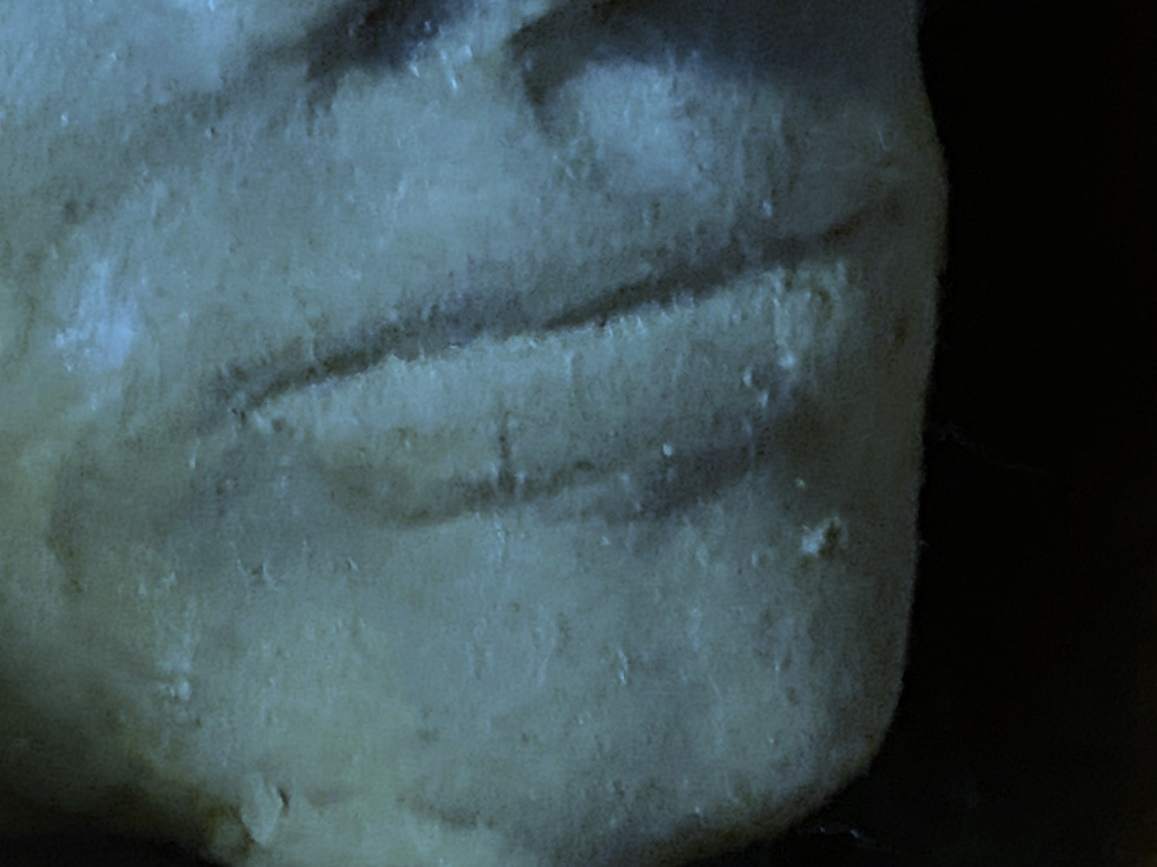
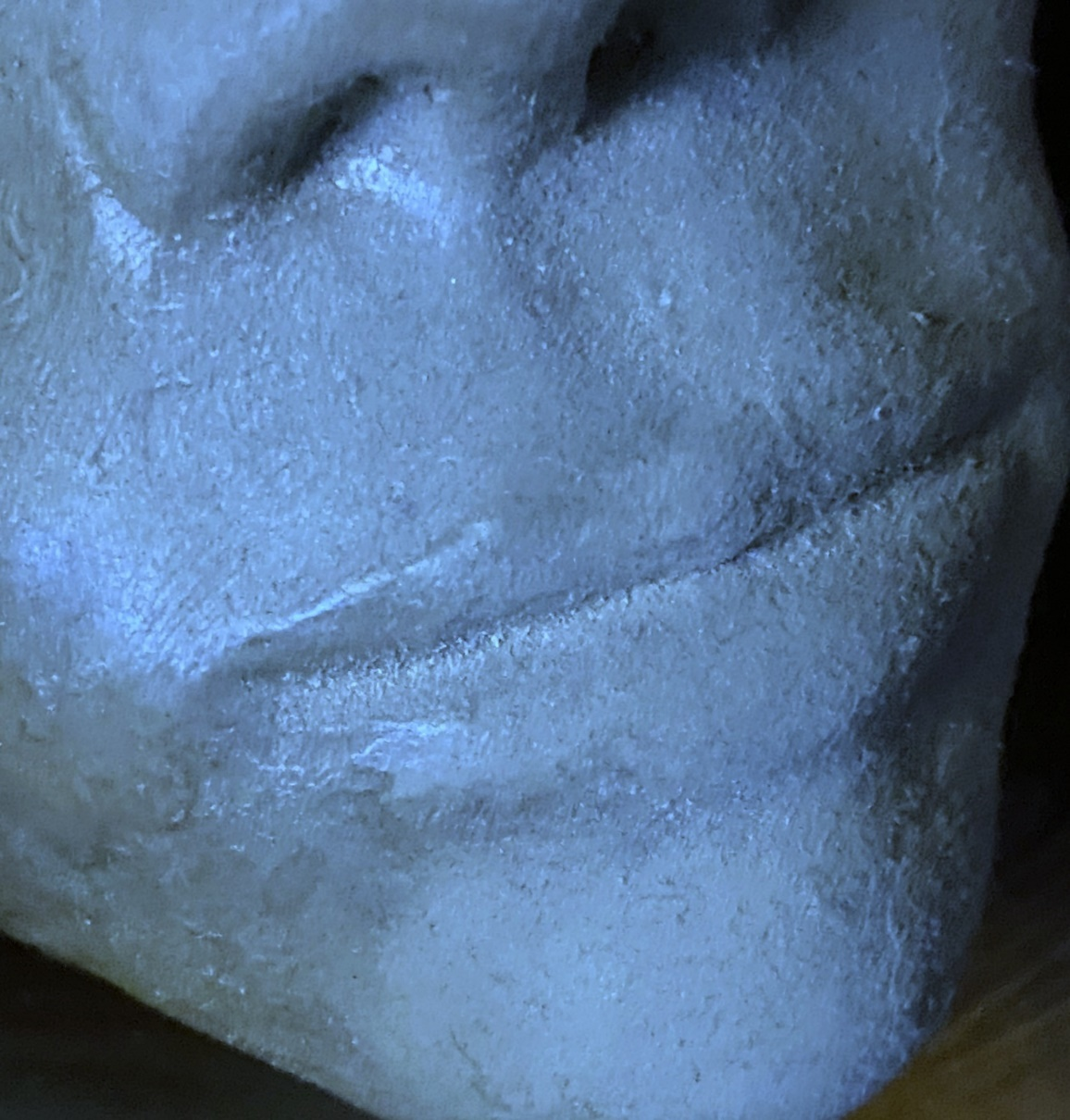
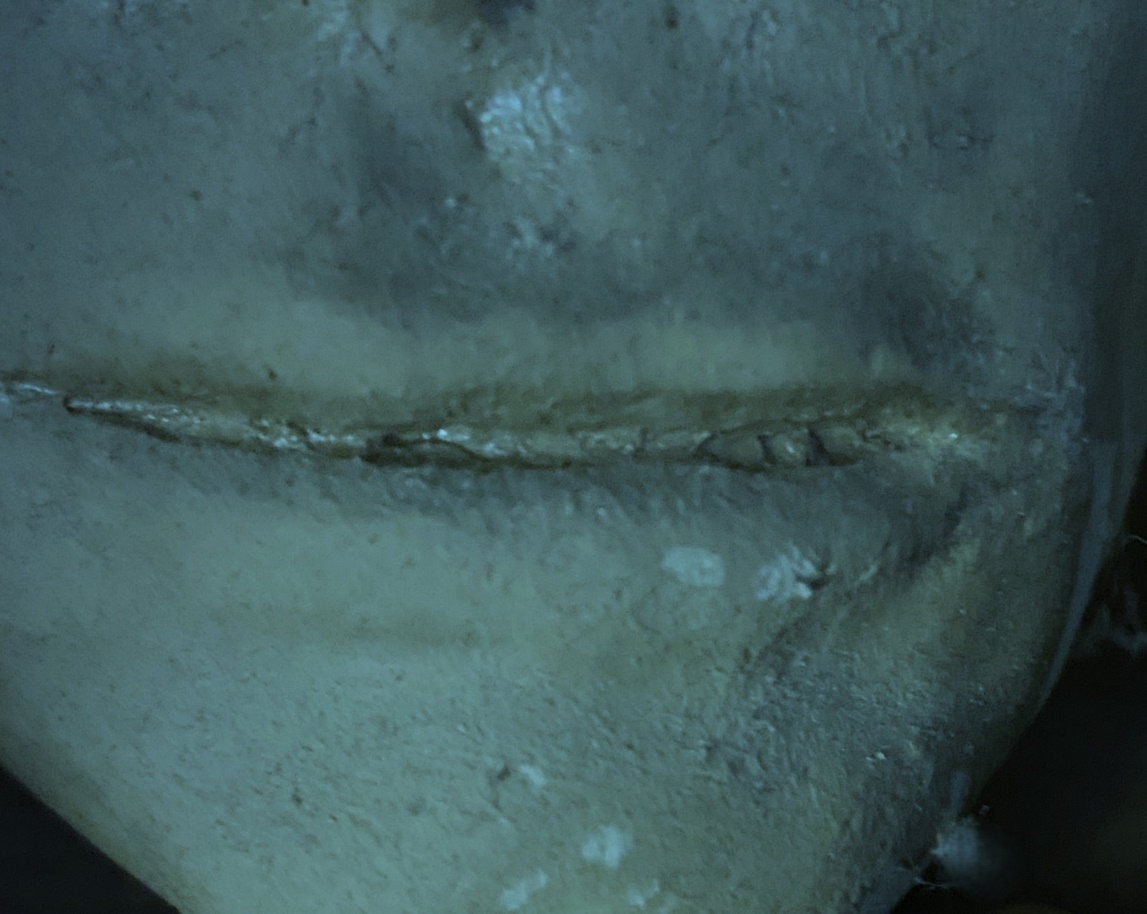
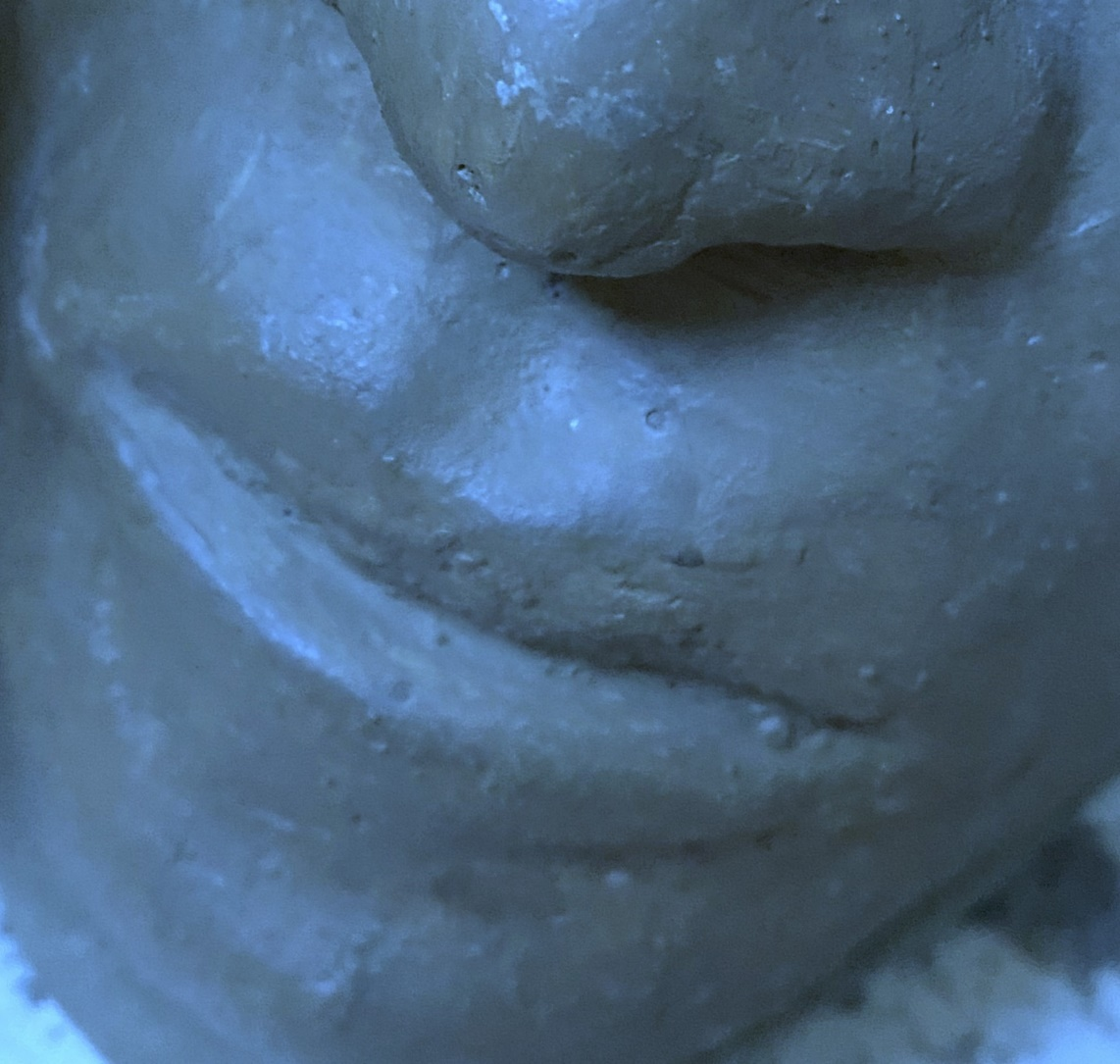
Allison Grayhurst has been nominated for “Best of the Net” six times. She has over 1,400 poems published in over 530 international journals, including translations of her work. She has 25 published books of poetry and six chapbooks. She is an ethical vegan and lives in Toronto with her family. She also sculpts, working with clay; www.allisongrayhurst.com
What a wonderful sweetness mixed with mountain trees and shrubs!
Transplanted before my eyes
You are intertwined with a tree for a lifetime
Years are passing by in the wind
The ants are climbing in rows.
Md. Mahbubul Alam is from Bangladesh. His writer name is Mahbub John in Bangladesh. He is a Senior Teacher (English) of Harimohan Government High School, Chapainawabganj, Bangladesh. Chapainawabganj is a district town of Bangladesh. He is an MA in English Literature from Rajshahi College under National University. He has published three books of poems in Bangla. He writes mainly poems but other branches of literature such as prose, article, essay etc. also have been published in national and local newspapers, magazines, little magazines. He has achieved three times the Best Teacher Certificate and Crest in National Education Week in the District Wise Competition in Chapainawabganj District. He has gained many literary awards from home and abroad. His English writings have been published in Synchronized Chaos for seven years.
Mrinal kanti Ghosh, India He is a lyricist for All India Radio Calcutta. He has written many books of poetry, novel and short story. The names of his books are as follows: 1. Atmabairi 2.Sudhu rtis jannaya (Funded by West Bengal government) 3. jodi chole jai 4. Nairite nisarga namey 5.Ami se o somudra (novel) 6. Ekhane akash nei 7.Suranjana (English and Bengali) 8.Chayapathe saresrip bikel 9.Bideshi kobita (transcription of poetry in English and Bengali) 10.Dhupchaya nir 11.Nirjan sayanhey joytshna 12. Shely 1. Bangladesh award 2.Certificate from different countries. He has given certificate. He is a musician. He plays guitar (Indian classical). His other two books are under process. He is also an Astrologer, He believes in Astrology. He also believes in Rebirth/Regeneration. The poet also wrote a rtist poetry on Rebirth/Regeneration. His other book is going to be published on Rebirth/Regeneration.
J.J. Campbell (1976 – ?) is old enough to know better. He’s been widely published over the years, most recently at The Beatnik Cowboy, Crossroads Magazine, Disturb the Universe Magazine, The Rye Whiskey Review and Misfit Magazine. You can find him most days at his home in Ohio, taking care of his disabled mother and trying to hit another crazy 20 team parlay. He still has a blog, evil delights, although he rarely has the time to write on it. (https://evildelights.blogspot.com)
Educational Institution: Tashkent State Dental Institute
Annotatsiya: Ushbu maqolada Herbst apparatidan yuklash yuqori nafas yo’llari funktsional holatiga ko’rsatgan ta’siri ilmiy tibbiy tahlil. Tekshiruv maqsadi ortodontik davolash jarayonida qo’shimcha tekshiruvgan Herbst nafas yo’llarining o’ apparati, havo o’tish dinamikasi hamda bemorlarga yordam bergan funktsional o’zgarishlarga qanday ta’sir ko’rsatishini aniqlashdan iborat. Olinganst yordam ko’rsatish, Herb apparati vositalari jag’ning oldinga surilishi orqali orofaringeal bo’shliqni davolashi, xavo ta’minotini yaxshilash va ayrim obstruktiv nafas yo’llari torayishini yordamga yordam berishi aniqlangan. Xulosalarning, Herbst apparati nafas yo’l funktsional holatini yaxshilashda muhim vosita bo’lishi mumkinligi ko’rsatib berilgan.Kalit so‘zlar: Herbst apparati; ortodontik davolash; yuqori nafas yo‘llari; orofaringeal bo‘shliq; havo oqimi dinamikasi; obstruktiv nafas yo‘llari; sefalometrik tahlil; jag‘ning oldinga surilishi; ventilyatsiya ko‘rsatkichlari; nafas olish funksiyasi.
Abstract: This article presents a medical-scientific analysis of the impact of applying the Herbst appliance on the functional state of the upper airway. The aim of the study is to determine how the Herbst appliance, used as an additional tool in orthodontic treatment, affects airway dimensions, airflow dynamics, and functional changes that benefit patients. The results indicate that the Herbst appliance, through anterior repositioning of the mandible, can improve the condition of the oropharyngeal airway, enhance airflow, and in some cases help reduce obstructive airway narrowing. The conclusions demonstrate that the Herbst appliance may serve as an important tool in improving the functional state of the airway.
Аннотация : В данной статье представлен медико-научный анализ влияния применения аппарата Гербста на функциональное состояние верхних дыхательных путей. Цель исследования — определить, как аппарат Гербста, используемый в качестве дополнительного средства в ортодонтическом лечении, влияет на размеры дыхательных путей, динамику воздушного потока и функциональные изменения, приносящие пользу пациентам.Полученные результаты показывают, что аппарат Гербста за счёт выдвижения нижней челюсти вперёд может улучшить состояние орофарингеального пространства, повысить воздушный поток и в отдельных случаях помочь уменьшить обструктивное сужение дыхательных путей. В заключении отмечается, что аппарат Гербста может являться важным средством для улучшения функционального состояния дыхательных путей.Ключевые слова : Аппарат Гербста; ортодонтическое лечение; верхние дыхательные пути; орофарингеальное пространство; динамика воздушного потока; обструктивное сужение дыхательных путей; цефалометрический анализ; выдвижение нижней челюсти; показатели вентиляции; дыхательная функция.
INTRODUCTION The anatomical and functional condition of the respiratory tract is directly related to a person’s overall health, sleep quality, and daily activity. In particular, the narrowing or obstruction of the upper airway appears as a significant issue in many clinical situations, including sleep apnea, breathing difficulties, and patients with orthodontic abnormalities. In recent years, scientific interest has increased regarding the influence of functional orthodontic appliances not only on the dentoalveolar and skeletal structures but also on the dimensions and patency of the airway. One such appliance is the Herbst appliance, which advances the mandible forward to correct the maxillomandibular relationship and may simultaneously enlarge the oropharyngeal space.
Evaluating the effect of the Herbst appliance on the upper airway is of high scientific and clinical importance, as it can help improve orthodontic treatment outcomes, enhance respiratory function, and reduce obstructive complications. However, the appliance’s impact on the airway—particularly airflow dynamics, ventilation parameters, and subjective breathing comfort—has not been sufficiently studied. Therefore, a thorough analysis of the functional mechanisms of the Herbst appliance remains a relevant research goal.
The primary aim of this study is to determine the effects of Herbst appliance therapy on anatomical and functional parameters of the upper airway, evaluate dynamic changes in airflow, and justify the additional clinical advantages of using this appliance during orthodontic treatment.
LITERATURE REVIEW
Studies investigating the effects of the Herbst appliance on the upper airway combine clinical, anatomical, and functional aspects. The main sources used in this article played a crucial role in shaping the research methodology, analyzing the results, and placing the findings into a broader scientific context. Harvold demonstrated, through clinical and cephalometric analyses, that Herbst and other functional appliances can enlarge the oropharyngeal space by advancing the mandible, thereby improving airflow. Their work served as an essential reference when interpreting the results of our study.
Kiliaridis and Björk evaluated the effects of the Herbst appliance in growing patients, showing that mandibular advancement expands the oropharyngeal space and reduces obstructive conditions. Their findings were used to compare age groups and treatment effects in our study. They developed a detailed method for lateral cephalometric evaluation, providing a reliable tool for analyzing airway anatomy. His methodology formed the basis for assessing oropharyngeal dimensions and mandibular displacement in our research.
Ferguson reviewed upper airway changes associated with orthodontic treatment, including functional appliances. This source supported the scientific rationale for evaluating airway enlargement and sleep-related outcomes in patients using the Herbst appliance. Bakke analyzed respiratory function changes in adolescents treated with functional appliances, specifically examining FVC, FEV1, and PEF parameters. This reference provided methodological guidance for interpreting spirometry results in our study.
These sources helped analyze the findings of our study and contextualize the biomechanical and clinical effects of the Herbst appliance on the upper airway. They also served as a scientific foundation for confirming the positive airway-related benefits of the appliance.
RESEARCH METHODOLOGY
The study was conducted using an observational-analytical design aimed at comprehensively evaluating the effects of the Herbst appliance on the upper airway. The methodology included the following stages:
1. Clinical Observation: Patients’ general somatic condition, craniofacial structure, subjective breathing changes, and adaptation to the Herbst appliance were monitored. An individual clinical chart was prepared for each patient.
2. Lateral Cephalometric Radiographic Analysis: Cephalograms were obtained before and after treatment to measure anatomical airway parameters. The following measurements were recorded: Oropharyngeal space width Anteroposterior and vertical airway of mandibular advancement Functional skeletal changes
3. Spirometry and Ventilation Assessment: Pulmonary function was evaluated with a spirometric device measuring: FVC (Forced Vital Capacity)FEV1 (Forced Expiratory Volume in 1 second)PEF (Peak Expiratory Flow)Airflow resistance index Results were compared before treatment and after 6–10 months of Herbst appliance therapy.
4. Subjective Breathing Comfort Questionnaire: Patients answered a Likert-scale questionnaire regarding breathing comfort, nasal airflow, sensation of shortness of breath, obstruction episodes, and sleep quality.
5. Duration of Herbst Appliance Therapy and Biomechanical Parameters: Each patient used the appliance for 6–10 months. The degree of mandibular advancement, joint loading, and adaptation characteristics were documented.
6. Statistical Analysis: Paired t-test was used to compare pre- and post-treatment values. Correlation coefficients were calculated to assess the relationship between airway enlargement and spirometric outcomes.
RESULTS
The findings of the study were based on clinical observation, cephalometric analysis, spirometry, and patient-reported outcomes.
1. Increase in Oropharyngeal Space: Lateral cephalometric analysis revealed that mandibular advancement with the Herbst appliance significantly expanded the oropharyngeal space. The average increase was 2.3 mm, with the most notable changes seen in the lower airway segment.
2. Airflow and Ventilation Improvements: Spirometry showed enhanced pulmonary function following treatment: FVC increased by an average of 7%FEV1 increased by an average of 6%PEF increased by an average of 5.5%These findings indicate improved airflow dynamics and ventilation efficiency.
3. Subjective Breathing Comfort: 72% of patients reported easier breathing 65% reported improved sleep quality 58% experienced reduced sensations of obstruction or choking
4. Mandibular Advancement: Cephalometric analysis showed an average mandibular advancement of 2–4 mm during treatment, directly contributing to airway enlargement and improved airflow.
5. Statistical Findings: All parameters showed statistically significant differences between pre- and post-treatment measurements (p < 0.05). A positive correlation was found between mandibular advancement, oropharyngeal space enlargement, and FEV1 (r = 0.68, p < 0.01).
CONCLUSION
The results demonstrate that during orthodontic treatment, the Herbst appliance is effective not only in correcting dentoskeletal discrepancies but also in improving upper airway function. Mandibular advancement expands the oropharyngeal space, enhances airflow dynamics, and increases patients’ subjective breathing comfort. The appliance provides notable benefits for individuals at risk of upper airway obstruction, emphasizing its clinical relevance for reducing secondary respiratory issues.
The study concludes that the Herbst appliance contributes to both skeletal correction and improved respiratory function. Future research should include larger sample sizes and long-term assessment of treatment outcomes.
REFERENCES
Bakke, M., Espeland, L., & Krogstad, O. (1995). Functional appliances and respiratory function in adolescents. European Journal of Orthodontics, 17(1), 45–53.
Https://doi.org/10.1093/ejo/17.1.45Ferguson, K. A., Carskadon, M. A., & Millman, R. P. (2006). Upper airway changes with orthodontic treatment: A review. Sleep Medicine Reviews, 10(2), 107–123. Https://doi.org/10.1016/j.smrv.2005.08.003Harvold, E. P., Tomer, B. S., & Vargervik, K. (2000). Functional appliances and airway changes in orthodontics. American Journal of Orthodontics and Dentofacial Orthopedics, 118(2), 152–159. Https://doi.org/10.1016/S0889-5406(00)70391-8Kiliaridis, S., & Björk, A. (1986). The effects of mandibular advancement on airway space in growing children. European Journal of Orthodontics, 8(2), 95–104.
Https://doi.org/10.1093/ejo/8.2.95Mcnamara, J. A., Jr. (1981). A method of cephalometric evaluation. American Journal of Orthodontics, 80(4), 505–522. Https://doi.org/10.1016/0002-9416(81)90238-3Pancherz, H. (1997). The mechanism of Class II correction in Herbst appliance treatment. Seminars in Orthodontics, 3(4), 214–224. Https://doi.org/10.1016/S1073-8746(97)80008-5Valiathan, M., & Bock, N. (2010). Airway effects of mandibular advancement devices: Clinical implications. Journal of Clinical Orthodontics, 44(5), 295–302.
Cal Performances presents The 4th Witch, November 22, 2025 at Zellerbach Hall
(credit: Courtesy of Manual Cinema)
Witching Hour
The 4th Witch
Manual Cinema
Zellerbach Hall
University of California, Berkeley
Reviewed by Christopher Bernard
For (frustratingly) one lonely, tantalizing performance, Cal Performances, in co-commission and as part of its “Illuminations: Exile and Sanctuary” series, brought the bright good witches of Chicago’s Manual Cinema on a recent Saturday evening for a brew of witchery and magic that they, and they alone, are (in this apprentice wizard’s experience, anyway) uniquely qualified to provide.
I say frustratingly because I can’t understand how this company’s brilliant toilers, who spent a year creating a compact music-filled masterpiece of puppetry, handicraft, cinema and wonder, can’t have been given a full weekend among us: the hall was packed, riveted to marvels of stagecraft and story-telling, without a pixel or a bow to “slop” in sight, and few left for the fascinated Q&A that followed. When something this fine, brave, and wondrous blazes across the Bay Area’s sky like a comet blithely visiting from a neighboring universe, one can hardly settle for a single, dazzling show – no!
It’s not as if the company were new here and on probation: they brought us a scintillating Ada/Ava in the millennium before Covid (circa 2017, to be precise). The 4th Witch is even finer, and marks one of the peaks in Bay Area performance since then. For those new to Manual Cinema, a brief description may be in order. The creative heart of the company is given to inventing live performances of puppetry, hand-crafted backgrounds, body prostheses, and props and the techniques of shadow plays projected onto large screens and accompanied by live music.
One of the most intriguing aspects of the performance is that, rather than seeing only the end result onscreen, we also see, in the background onstage, the combined actions of actors, puppets, prop managers, projectors, and musicians as they bring the final result about. It’s a bit like a combination of Bunraku puppeteering and an open kitchen at a small five-star restaurant. Far from undermining the magic, it paradoxically makes the end result seem like pure alchemy, as the mind is cast into the liminal space between the quotidian reality and the magical effect. The result is a profoundly poetic form of animation that has the high-wire thrills of live performance.
The premise of Saturday’s show is as beautiful in its simplicity as it is timely without being brow-beating. As described by one of the members in the Q&A, they took a page from Tom Stoppard’s famous play from the 1960s, Rosencrantz and Guildenstern Are Dead, which retells the story of Hamlet through the eyes of his half-clueless, half-traitorous school fellows, and reimagined another famous play by the Bard – in this case, Macbeth , though, in keeping with sacred theatrical tradition, the tragedy is referred to onstage only as “the Scottish play”– from the point of view of one of the Thane of Cawdor’s victims.
The story is updated to an imaginary, mid-twentieth-century war in a French-speaking country, and the victim is a young girl whose parents run a little restaurant in a town piled up a steep, isolated hill, much like Mont-Saint-Michel on the Normandy coast of France. The girl’s parents are killed in a raid by Macbeth’s air force. The town is left in ruins, and she runs away after a futile attempt to bring down the mocking, glow-eyed, gas-masked, Darth Vader-like Macbeth by striking him with her stuffed bunny rabbit, her sole possession saved from the wreckage of her home.
Lost in the surrounding forest, wandering for days, reduced to hunger and rags, she discovers a mysterious house, where she is met by a sinister old woman who takes her in and sets her to work. The old lady turns out, naturally, to be a witch – indeed, she is one of three, magically embodied in the one, who have a mysterious relation to Macbeth and his powers, a relation that shall not be revealed here, for those seeking spoilers. After the girl, taking a sip of a spell-casting soup, has a sorcerer’s apprentice moment in the witch’s kitchen, the old one decides to teach her witches’ ways – a fourth to add to the three.
And the powers in magic that the girl gains – black as the night, from making magic potions from mushrooms of the forest, to night flying on broomsticks, to commanding daggers to fly to the hearts of their victims – feed the dreams she cultivates of revenge against the murderer of her parents. We’ll leave it at that.
Whoever knows “the Scottish play” can guess much, but not everything: not how famous elements of the play – from floating daggers to the bitter washing of hands, from the assassinations of kings to the executions of assassins – are mixed and blended, with imagination and wit, nor how the amalgam of the imaginary, the remembered, and the hoped for is finally annealed into a satisfying whole – a Gesamtkunstwerk (forgive my German) held light and bright, from acting as rich as a puppet’s to puppetry as nuanced as a great actor’s, to potently low-tech sound design and music from a trio of instrumentalists seconding as vocalists, to world-creating as lyrical and witty as it is suggestive of its own self-contained universe.
Play on, Manual Cinema! And blessed be those Who bring ye back for more than one more show!
Christopher Bernard is an award-winning poet, novelist, playwright, and essayist. His most recent book is The Beauty of Matter: A Pagan’s Verses for a Mystic Idler. 2025 is the twentieth anniversary of the publication of his celebrated debut novel, A Spy in the Ruins.