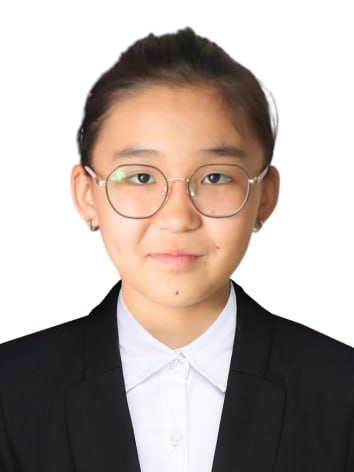
A tireless professional, you give yourself completely,
sowing seeds of passion and discipline.
Your dedication is a priceless gift,
a treasure we cherish in every class.
You dance with your soul, Noe,
and invite us to fly with you.
In every movement, a lesson,
in every smile, an inspiration.
Thank you for being our guide and companion,
for illuminating our path with your art.
Your mark will endure in our hearts,
like an eternal melody.
GRACIELA NOEMI VILLAVERDE is a writer and poet from Concepción del Uruguay (Entre Rios) Argentina, based in Buenos Aires She graduated in letters and is the author of seven books of poetry, awarded several times worldwide. She works as the World Manager of Educational and Social Projects of the Hispanic World Union of Writers and is the UHE World Honorary President of the same institution Activa de la Sade, Argentine Society of Writers. She is the Commissioner of Honor in the executive cabinet IN THE EDUCATIONAL AND SOCIAL RELATIONS DIVISION, of the UNACCC SOUTH AMERICA ARGENTINA CHAPTER.
Diplomatic Cooperation in Combating International Terrorism
Norqulova Nordona Abdurahim qizi
Qoraqalpog’iston qishloq xo’jaligi va agrotexnologiyalar instituti yurisprudensiya yo’nalishi 2-kurs talabasi norqulovanordona@gmail.com
Annatatsiya ushbu maqolada xalqaro terrorizmga qarshi kurashishda davlatlarning diplomatik hamkorlik yo’llari va usullari tahlil qilinadi. Tadqiqotda xalqaro terrorizmga qarshi kurashishda davlatlarning o’zaro diplomatik , ijtimoiy, iqtisodiy va siyosiy jihatdan hamkorliklarining rivojlanishi va bu orqali terrorizmning ta’sirini ancha kamaytirish yo’lari va usullari ochib beriladi.
Kalit so’zlar xalqaro terrorizm, siyosat, davlat boshqaruvi, terrorizm, davlat, xalqaro huquq, diplomatik hamkorlik, globallashuv.
Abstract This article analyzes the ways and methods of diplomatic cooperation of states in the fight against international terrorism. In the study, the development of mutual diplomatic, social, economic and political cooperation of states in the fight against international terrorism and ways and means of reducing the impact of terrorism will be revealed.
Key words: international terrorism, politics, state administration, terrorism, state, international law, diplomatic cooperation, globalization.
Aннотация В статье анализируются пути и методы дипломатического сотрудничества государств в борьбе с международным терроризмом. В исследовании будет раскрыто развитие взаимного дипломатического, социального, экономического и политического сотрудничества государств в борьбе с международным терроризмом, а также пути и средства снижения воздействия терроризма.
International terrorism is a broad concept. It refers to a large-scale threat aimed at disrupting inter-state political and social order by carrying out terrorist acts in various countries. Emerging in the 1960s, it developed significantly toward the end of the twentieth and the beginning of the twenty-first centuries. International terrorism is a form of activity intended to inflict harm on one or several countries to achieve political or economic objectives. Its main goals are to destabilize government administration, cause economic and political damage, undermine the foundations of the social order, and violate human dignity, honor, and rights. The main characteristics of international terrorism include globalization, professionalization, and reliance on extremist ideology. To achieve their goals, terrorist organizations actively use mass media and social networks. International terrorism not only poses a threat to international legal order and political relations among states but also negatively affects the development of several countries.
The issue of combating international terrorism was first discussed at the international level in 1934 within the League of Nations. This discussion was prompted by the assassination of Yugoslav King Alexander I and French Prime Minister Louis Barthou in Marseille on October 9, 1934. At that time, the main forms of terrorism included hostage-taking, hijacking of civilian aircraft, and political assassinations. The most powerful and dangerous international terrorist organization of that era was the Palestine Liberation Organization (PLO), established in 1969 under the leadership of YasserArafat. In the late 1960s, the Soviet Union (USSR) recruited members of national movements worldwide who adopted terrorist tactics and trained them in special camps. After the September 11, 2001, attacks, when Al-Qaeda terrorists targeted several facilities in the United States, international terrorism grew even stronger. According to experts, more than 20,000 terrorist acts have been committed to date, resulting in hundreds of thousands of casualties and victims — most of them civilians.
Main Part
International terrorism is one of the most dangerous and serious global problems for all states. To prevent this threat, several countries have joined forces and are cooperating. Recently, a conference was held within the Shanghai Cooperation Organization (SCO), attended by representatives of SCO member states, observer countries, dialogue partners, the SCO Secretariat, and other international organizations.
During the conference, participants exchanged views on pressing issues related to countering the modern threats and dangers posed by international terrorist organizations. They shared advanced experiences in combating terrorism and extremism, emphasizing that terrorism in all its forms poses a serious threat to peace and security.
Attention was drawn to the fact that terrorist organizations are attempting to acquire new types of weapons and military equipment, geolocation and satellite communication tools, and are increasingly using unmanned aerial vehicles (drones), artificial intelligence technologies, and information and communication technologies to carry out terrorist activities. The Islamic State (ISIS) terrorist organization has shifted to a decentralized network-based operational model, leading to new threats and challenges — particularly in the Middle East and Afghanistan — where the security situation has deteriorated. It was noted with concern that international terrorist groups entrenched in Afghanistan are approaching the borders of SCO member states and that their members, upon returning to their countries of origin, are reactivating dormant extremist cells.
During the discussion, the participants also emphasized the need to strengthen international cooperation to counter the use of the Internet for terrorist purposes and to prevent the spread of extremist ideologies online. [2]
On March 3–4, 2022, an international conference titled “Regional Cooperation of Central Asian Countries within the Framework of the Joint Plan of Action for the Implementation of the UN Global Counter-Terrorism Strategy” was held in Tashkent.
In his speech at the United Nations, the President of Uzbekistan noted that effective cooperation was being carried out to ensure security in Central Asia and acknowledged the successful implementation of the UN Global Counter-Terrorism Strategy in the region. The President stated:
“We support holding an international conference dedicated to the ten-year results and future prospects of the Regional Joint Plan within this Strategy.”
In addition, several legislative acts have been adopted in Uzbekistan, including:
“On Combating Extremism”,
“On Combating Terrorism”,
“On Combating the Legalization of Proceeds from Crime, the Financing of Terrorism, and the Financing of the Proliferation of Weapons of Mass Destruction”, as well as other regulatory and legal documents.
At the Tashkent International Conference, the unique experience of Central Asian cooperation in implementing the UN Global Counter-Terrorism Strategy was presented. Participants also discussed international and regional efforts to combat terrorism.
Within the “Development Strategy” of the Republic of Uzbekistan, under the 6th priority area — “Developing effective mechanisms to combat extremism and terrorism” — several measures have been implemented, including:
Improving preventive mechanisms aimed at eliminating the root causes of terrorism, enhancing the socio-spiritual environment, preventing the influence of extremist ideologies, and addressing the problems of individuals affected by such influences;
Forming a strong and stable immunity among the population, especially the youth, against terrorist and extremist ideologies;
Improving the international legal framework for combating terrorism and expanding contractual cooperation with foreign states, regional, and international organizations;
Strengthening the capacity of diplomatic missions, consular offices, the External Labor Migration Agency, and other institutions working with citizens residing abroad;
Exchanging information and experience with foreign states and international organizations in combating extremism, terrorism, and their financing;
Actively participating in the work of international and regional organizations combating extremism and terrorism;
Coordinating joint actions within the UN Global Counter-Terrorism Strategy implementation framework in Central Asia;
Expanding Uzbekistan’s role in promoting international initiatives aimed at enhancing information exchange and cooperation in counterterrorism across Central Asia;
Intensifying international efforts to ensure peace and stability in Afghanistan, and involving the country in regional cooperation processes, including counterterrorism initiatives.
Uzbekistan supports the UN Global Counter-Terrorism Strategy and has ratified 14 international conventions and protocols related to countering terrorism and religious extremism. [4]
Conclusion
In conclusion, terrorism today negatively affects sustainable development and the well-being of many countries worldwide. Its impact can be observed in political, economic, and social spheres. A state that is not peaceful and stable can never achieve development in any area. To eliminate this threat, countries are joining forces and assisting one another in this common struggle. For example, the international community, together with Uzbekistan, is actively helping the people of Afghanistan, and Uzbekistan plays a significant role in these humanitarian and peace-support operations.
References
International Terrorism: A New Kind of Warfare, October 6, 2012.
Nature is the basis of our life, the only home for all living beings. It has given us clean air, pure water, sweet fruits, life-giving sunlight, and green forests. Man lives in unity with nature. Without nature, there would be no life. Therefore, nature conservation is the most important and noble duty of humanity.
However, today, nature is increasingly being harmed by human activity. Forests are being cut down, rivers are being polluted, animals are disappearing. Smoke from cars pollutes the air, and waste from factories poisons the water. As a result of such problems, the environment is losing its condition, serious problems such as climate change, the greenhouse effect, and droughts are emerging. This poses a threat not only to nature, but also to our lives.
Therefore, every person should consider himself a part of nature. We must protect nature not only in words, but also in deeds. Not throwing garbage on the ground, not cutting down trees, but on the contrary, planting new ones, not wasting water – all these are the simplest, but most important steps towards protecting nature.
Every small good deed will lead to big changes. If every person plants a tree, the world will become greener. Trees give us air, coolness, and a place for birds. A person who loves nature will also be kind, clean, and kind-hearted.
We, the younger generation, must deeply feel the responsibility to protect nature. Because today’s nature is our life tomorrow. If we protect it, future generations will breathe clean air, drink clean water, and walk in green forests. But if we are careless, in the future there may be no trace of these beauties.
Love for nature is a sign of humanity in the heart. By preserving Mother Nature, we also preserve our own lives. Nature takes care of us like a mother. She feeds us, protects us, and gives us joy. But if we harm her, she will turn away from us. Therefore, we should always remember the wisdom that says, “Whoever loves nature loves life.”
Today, many organizations, schools, and students are holding various campaigns to preserve nature. Initiatives such as “Clean Air,” “Green School,” and “One Tree – a Thousand Lives” are very important. Such activities not only beautify the environment, but also strengthen people’s love for nature. We should also be active in such activities.
If each of us keeps our yard, school, and neighborhood clean, learns to sort waste, and takes care of animals, nature will be grateful to us. Because it is alive — it also feels, it also wants to live. And we are its closest children.
In short, preserving nature is not just a word, but a duty, responsibility and a sign of love. Every person leaves a mark in this world. Someone cuts down trees, someone plants trees. Which mark is better is up to us to choose. Therefore, let us love nature, let us preserve it, because nature is our life, our future.
Madina Abdisalomova is 13 years old, born on July 27, 2012 in Nishon district, Kashkadarya region, Republic of Uzbekistan. Currently, she is a 7th grade student at the Presidential School in Karshi, Kashkadarya region, Republic of Uzbekistan. She is a native Uzbek, fluent in English and Uzbek.
The chemical composition of chia seeds and their effect on the human body
Annotatsiya:Mazkur maqolada chia urug‘ining kimyoviy tarkibi, oq va qora turlarining o‘ziga xos farqlari hamda inson organizmiga ko‘rsatadigan ta’siri yoritilgan. Chia urug‘i tarkibidagi oqsillar, omega-3 yog‘ kislotalari, tolalar, vitamin va minerallar uning sog‘liq uchun yuqori foydali mahsulot ekanini tasdiqlaydi. Maqolada chia urug‘ining yurak-qon tomir tizimi, ovqat hazm qilish jarayoni, suyak va qon shakar darajasiga ijobiy ta’siri ko‘rsatib o‘tilgan. Shuningdek, uning qo‘llanishidagi ayrim cheklovlar va ehtiyot choralariga ham e’tibor qaratilgan. Tadqiqot natijalari chia urug‘ining funksional oziq mahsuloti sifatida kundalik ovqatlanishda qo‘llanilishi mumkinligini ko‘rsatadi.
Kalit so‘zlar: chia urug‘i, kimyoviy tarkib, oq va qora turlar, sog‘liq, funksional oziq, kontrendikatsiya
Abstract:This article highlights the chemical composition of chia seeds, the distinctive characteristics of the white and black varieties, and their effects on the human body. The presence of proteins, omega-3 fatty acids, fiber, vitamins, and minerals confirms chia’s high health benefits. The article discusses the positive impact of chia seeds on the cardiovascular system, digestion, bone health, and blood sugar levels. Attention is also given to certain limitations and precautions in their use. The research findings demonstrate the potential for chia seeds to be used as a functional food product in daily nutrition.
Keywords: chia seeds, chemical composition, white and black varieties, health, functional food, contraindications
Аннотация:В данной статье освещены химический состав семян чиа, особенности белого и черного сортов, а также их влияние на организм человека. Содержание белков, омега-3 жирных кислот, клетчатки, витаминов и минералов подтверждает высокую полезность чиа для здоровья. В статье рассматривается положительное воздействие семян чиа на сердечно-сосудистую систему, пищеварение, здоровье костей и уровень сахара в крови. Также уделено внимание некоторым ограничениям и мерам предосторожности при их применении. Результаты исследования показывают возможность использования семян чиа как функционального пищевого продукта в ежедневном рационе.
Ключевые слова: семена чиа, химический состав, белый и черный сорта, здоровье, функциональная пища, противопоказания
Introduction
The issues of human health and longevity have intrigued scientists and physicians since ancient times. Today, the pursuit of a healthy lifestyle on a global scale, the production of functional food products, and their effective use have become pressing issues. From this perspective, chia seeds (Salvia hispanica L.), which have a long history and remain the focus of scientific research today, deserve special attention. Chia seeds have been used since ancient times by the peoples of Central and South America, especially the Maya and Aztecs, as a primary food source. Historical sources describe chia seeds as a “source of strength,” valuing them as a food that supports human health and physical activity. Today, chia seeds are considered a subject of research not only in traditional medicine but also in modern science and medicine due to their unique chemical composition, biologically active components, and functional properties.
The significance of chia seeds is not only in their use in the food industry, but also in their potential for practical application in the pharmaceutical and medical fields. This article highlights the chemical composition of chia seeds, the differences between white and black chia seeds, and their effects on the cardiovascular system, digestion, bone strength, and blood sugar levels, based on scientific evidence. This demonstrates that chia seeds are a promising source that can be widely used internationally as a functional food and biological supplement.
In recent years, the development of the concept of healthy eating worldwide has increased scientific and practical interest in chia seeds. The unique feature of chia seeds is that they are not only high in energy value, but also rich in various biologically active substances essential for the human body, such as proteins, unsaturated fatty acids (especially omega-3), fibre, vitamins and minerals, confirming its high value as a functional food product. As a result, chia seeds are considered an effective means of preventing many diseases, boosting the body’s defences and regulating metabolic processes.
Furthermore, the chemical composition of black and white chia seeds requires a deeper understanding of their mechanisms of action on the human body.
The importance of studying this topic lies in the fact that modern biology and medicine are increasingly recognising the importance of healthy eating. Through in-depth study of the chemical composition of chia seeds, opportunities are opening up for their wider use in the food industry, pharmaceuticals and biotechnology. Therefore, this research is not only theoretically but also practically significant.
Main section
The chemical composition of chia seeds has been thoroughly studied through scientific research, and it is clear that they contain components with high biological value. The composition of chia seeds includes 20-22% of carbohydrates, 30-35% of proteins, and 25-30% of fats, with a particularly high content of unsaturated fatty acids such as omega-3 and omega-6. The mineral content of calcium, magnesium, phosphorus, potassium, and iron is significantly high, and vitamins A, E, C, and B group vitamins have been identified. The combination of these components makes chia seeds a functional food product.
One of the main biologically important components of chia seeds is their balanced amino acid composition. This plays an important role in the growth of muscle tissue, metabolism at the cellular level, and meeting the body’s energy needs. Yogurt acids have a positive effect on the functioning of the cardiovascular system, regulating cholesterol levels and preventing atherosclerosis. For this reason, chia seeds are considered a natural preventive measure for maintaining heart health.
Certain differences are also observed between white and black varieties of Chia seeds. For example, white chia seeds have relatively higher levels of calcium and omega-3 fatty acids, while black varieties have higher levels of fiber and iron. This allows them to be used for various physiological needs and health support purposes. These properties further expand the prospects of chia seeds in the production of pharmaceutical and dietary products.
Dietary fibers occupy a special place in chia seeds. They regulate the digestive process, develop beneficial intestinal microflora and help stabilize blood glucose levels. For this reason, chia seeds can be used as an effective biologically active additive in the Prevention of diabetes and obesity. Antioxidant substances, on the other hand, reduce the harmful effects of free radicals, slow down the aging process of cells and strengthen the immune system.
Scientific research in recent years shows that regular consumption of chia seeds produces a number of positive changes in the human body. In particular, it has been found to be effective in lowering blood pressure, improving brain function, increasing bone mineral density, raising overall energy levels, and reducing inflammatory processes. However, studies also emphasize the need to moderate its consumption, as despite the fact that chia seeds are considered a “superfood,” they also have some negative aspects. The main problem is high amounts of cutlets, especially insoluble cutlets. It can cause discomfort in the gastrointestinal tract, especially in people with a sensitive Ham making system, or if consumed in large quantities, such as resting on the abdomen and causing metiorism.
This scientific evidence shows the possibility of widespread use of chia seeds in modern nutrition, in the pharmaceutical industry, and in medical practice. Also, its naturalness and richness in biologically active substances form the basis for the recognition of chia seeds as a promising resource for the preservation and strengthening of human health.
Conclusion
The scientific evidence presented above is that of the chia seed (Salvia hispanica L.) confirm that it is a unique nutrient source with high biological value. Its proteins, omega-3 and omega-6 fat kilotas, dietary fibers, vitamins and minerals support important physiological processes in the human body. Chia seeds are distinguished as an effective tool for improving the functioning of the cardiovascular system, normalizing digestive processes, increasing bone strength and stabilizing blood glucose levels.
Differences in the chemical composition of white and black varieties make it possible to adapt and apply them in order to support various needs and health. At the same time, it is important to maintain moderation in the consumption of chia seeds, since a high content of fibers can cause discomfort in the gastrointestinal system.
The results obtained indicate that chia seeds are a promising resource that can be widely used as a functional food and biologically active supplement in modern nutrition, pharmaceuticals, and medical practice.
References
Ullah R, Nadeem M, Khalique A, Imran M, Mehmood S, Javid A, et al. Nutritional and therapeutic perspectives of Chia (Salvia hispanica L.): a review. J Food Sci Technol. 2016;53(4):1750–8. �� SpringerLink
Muñoz LA, Cobos A, Diaz O, Aguilera JM. Chia seeds: microstructure, mucilage extraction and hydration. J Food Eng. 2012;108(1):216–24. �� ScienceDirect
Ayerza R, Coates W. Dietary levels of Chia: influence on yolk cholesterol, lipid content and fatty acid composition for two strains of hens. Poult Sci. 2000;79(5):724–39. �� Oxford Academic
Capitani MI, Spotorno V, Nolasco SM, Tomás MC. Physicochemical and functional characterization of by-products from Chia (Salvia hispanica L.) seeds of Argentina. LWT – Food Sci Technol. 2012;45(1):94–102. �� ScienceDirect
Segura-Campos MR, Ciau-Solís NA, Rosado-Rubio G, Chel-Guerrero L, Betancur-Ancona D. Chemical and functional properties of Chia seed (Salvia hispanica L.) gum. Int J Food Sci. 2014;2014:241053. �� Hindawi
Valdivia-López MÁ, Tecante A. Chia (Salvia hispanica): A review of native Mexican seed and its nutritional and functional properties. Adv Food Nutr Res. 2015;75:53–75. �� ScienceDirect
Ullah R, Khan S, Khan F. Nutritional and medicinal importance of Chia seeds: a review. Int J Biol Biotechnol. 2021;18(2):243–50. �� ResearchGate
Mirta Liliana Ramírez has been a poet and writer since she was 12 years old. She has been a Cultural Manager for more than 35 years. Creator and Director of the Groups of Writers and Artists: Together for the Letters, Artescritores, MultiArt, JPL world youth, Together for the letters Uzbekistan 1 and 2. She firmly defends that culture is the key to unite all the countries of the world. She works only with his own, free and integrating projects at a world cultural level. She has created the Cultural Movement with Rastrillaje Cultural and Forming the New Cultural Belts at the local level and also from Argentina to the world.
There is no experience quite like sitting alone in a totally darkened barroom at 5 AM on a Sunday morning staring at the upturned legs of the barstools, drinking pints of Bass Ale, listening to the leaking faucet drip into the stainless-steel sink.
The second hand scans the face of the clock, smoke rings dissipate in the antique, hand engraved Harp Lager mirror behind the bar.
The barman considers the room; the beer puddles on the peeling linoleum floor, the mud-streaked foot sliding prints, the broken glass shards, the spent matches, the blackened cigarette ends, the twisted plastic drink sticks, the wadded paper napkins strewn everywhere amidst the general rubble.
The barman considers these details of his life quietly as he drinks his Bass.
The clock hands move, the water drips, this is chaos revealed, this is the silent hour, the quiet hour when all that remains are the smoking ruins after The Fall.
Ordering Details:
In the heat of the night the barman consolidates his orders.
Pours beers from chrome plated taps, shakes drinks one handed over his shoulder, cracks ice in the palm of his left hand with a mallet wielded by his right hand.
Considers his world.
Finds Poems:
Music Men
They heard
tunes in
their heads
no one else
would ever
hear
They were
so whacked
out on
where they
had come
from and
where they
were going
they didn’t
have any
time for
the here
and the now
They were
music men
lost in
the ozone
and their
plane was
coming down
so fast
you could
see the
spirals
in their
eyes
More quarters fall into the jukebox. The pin ball machines in the background are ringing, automatically totaling unknowable scores.
Working Details:
The barman is an extremely precise, particular man of habit.
All the tools of his trade: his bottles, glasses, fruit mixes, and the like must be exactly where they are meant to be all the time.
Whenever he assumes a shift, he scrupulously examines the subject and orders his material; creates an environment in which he may comfortably function.
Riders of the Purple Sage
Had that
well worn
world weary
look of
men who’d
spent too
much time
somewhere
people
shouldn’t
go
Said ” line
‘em up boys.”
as if this
were the
last chance
saloon
Creation Details:
In the heat of the night, the barman considers his room as if it were a blank sheet of paper; every crowd as a mass of unknowns which must be ordered and controlled.
It is the barman’s role to assign meaning to every detail, to every person, to everything that he sees
Downhill Racer
She didn’t
look like
the crazy type
but she kept
switching her
drinks as if
she didn’t know
what event
she’d signed up
for
All I knew
was she’d
better look
out
She was going
down the
hill way
too fast
The Savage Muse, Details:
Outlaw
He was
plenty heavy
alright
Had all
of those
classic
bad moves
you associate
with movie
bad guys
out West
I thought
maybe he
had a black
hat in the
trunk of
his car
Thought maybe
he carried
a gun
and knew
how to use
it
thought
maybe he
was after
my ass
just for
the hell
of it
As an artist, the barman has no time for motivations; his only concern is the effect of the cause.
Escaping Details:
The Tenth Victim
She had
the look
of a woman
waiting
for her
tenth victim
She wore
only enough
clothes to
keep her
from being
arrested
Had a long
thin scar
the length
of her
right fore-
arm
Asked me
for a Vodka
Gimlet
Up
Sat drinking
her 20 dollar
bill until it
was gone
watching the
door
Watching me
in case
he didn’t
show
The barman is an escape artist.
He lives out on the street unprotected, confronting his material head on, directly engaging in a vicious, psychic tug of war with his savage muse.
At the end of his nightly struggle, the barman watches the sun rise outside the darkened barroom drinking Bass Ale as the water drips in the stainless-steel sink.
He is always too numb and too tired to look for or to find poems.