
To be or not to be

Harry: Hey guys, did you hear what happened? They say people have locked themselves in their houses because of something called a virus.

Larry: Hmm, such a strange way to avoid us. I thought they just moved.

Bob: Perhaps they got too bored and decided to take an extended vacation inside their houses. I would also do this if I had houses.

Harry: Okay, enough about people. Let's discuss what we will do with this junk. There, there's a piece of pizza on the floor. Anyone hungry?

Larry: No, thanks. I recently had a hearty lunch of leftover sandwiches. But what about building yourself a “cockroach empire” here?

Bob: The idea makes sense. We can create our own state, where every cockroach will have the right to free food and housing.

Harry: Yes, and we can force all the grasshoppers to give us massages and the flies to clean up after us. This is what I mean by comfort!

Larry: What about our flag? We can make it from broken plates and broken tables.

Bob: Yeah, and our anthem will be heard from the noise we make as we trudge through the cafeteria. "Ta-ta-ta-crawling empire! Ta-ta-ta-crawling empire!"

Harry: Oh yeah, that sounds like a plan! And when we rule the world, we will forbid everyone to hide from us under our feet. Now we will rule over them!

Larry: And all our decisions will be made according to the cockroach principle. If at least two of us like something, then it will be the law!

Bob: And finally, we will announce the day when we will gather all the cockroaches in the world under our rule, and then we will finally be able to say that we are the true leaders of this planet!

Harry: Yes, we will be great and terrible! We will... um... some cockroaches with world-wide ambitions!

Olin: Hey guys, you won't believe what I just found out!

Harry: Well, what did you find out, Olin?

Olin: Humanity has disappeared!

Bob: What? Disappeared? Like this?

Olin: I've searched the entire kitchen, and there's not a single sign of people. They are not there, as if they never existed!

Larry: Good! Now no one will stop us from building our cockroach empire!

Harry: That's right, we're free! Now we can rule over this world as we want!

Olin: What if... what if they come back?

Bob: Let's not think about it. We are here now and we need to enjoy our time!

Harry: Olin, let's have fun! After all our efforts, we got this whole world!

Olin: But think about it, guys. What does this mean for us? We are building our empire on the ruins of human civilization, but what will happen when it faces reality?

Harry: What do you mean, Olin?

Olin: What I mean is that humanity disappeared, leaving behind only a destroyed world. We may inherit their place, but what will we inherit? Their mistakes, their shortcomings, their vices?

Bob: Well, if they disappeared, then they must not have been as perfect as they thought they were. We can do better!

Olin: But what if their disappearance is not just the end, but the beginning of a new era? We have witnessed the end of one civilization, but it is not guaranteed that we will become the architects of a new one.

Larry: You make it sound like it has some deep meaning, Olin. We are just cockroaches, what contribution can we make?

Olin: We can become memory keepers. We can study human history to avoid their mistakes. We can create a new world based on respect for nature, solidarity and wisdom.

Harry: But how can we do this? We're just cockroaches, crazy creatures running around on the floor.

Olin: Hey guys, have you ever thought about the meaning of our lives?

Harry: Of course, Olin. I always ask myself this question when I see a slice of pizza that I want to eat.

Larry: And I think about the meaning of life when I'm climbing walls and trying to find a new shelter.

Bob: I prefer to consider the question of the meaning of life while lying on my back and looking at the ceiling. Especially when it's covered in my footprints.

Harry: Maybe you should all shut up, I'm trying to think!

Larry: So what, you always have to think? Nobody cares about your thoughts, Harry!

Bob: Come on guys, calm down. We all need to cooperate to survive in this world.

Olin: Yes, idiots! Why can't you just work together like normal cockroaches?

Harry: Who are you to tell me, Olin? Do you think you're the best?

Larry: Calm down, Harry, you're not the only one here who has something to say!

Bob: Are we really going to have to listen to this circus every day? We must find a way to resolve our differences peacefully.

Olin: You're right, Bob. We're all in this together. Let's learn to respect each other and seek compromises.

Harry: Okay, maybe I went too far. Sorry guys. Let's look at all the options and choose the best course of action.

Larry: Yes, sorry, Harry. Let's make our cooperation more harmonious.

Bob: Great, guys. Now that we are on the same page again, let's find a way out of this situation together.

Harry: Hey guys, let's play a game of "Who said it?"

Larry: Cool idea! I am the first! "I've never eaten lunch out of a trash can."

Bob: It's Olin! He's always so picky with food.

Olin: Wrong, guys! It's you, Larry! Do you remember when you tried dumpster pizza last month?

Larry: Oh yeah, exactly! Okay, it's your turn. Who is next?

Harry: You know what, guys, I think it's time for us to end this game. The game is already starting to get boring.

Larry: I agree, Harry. This game is becoming more and more predictable.

Bob: Yes, and I'm no longer interested in guessing who said what. Maybe we should come up with something else for fun?

Olin: I completely agree. Let's come up with something new and exciting. We don't want to be bored, right?

Harry: Hey guys, what if I told you something? You'll never guess what it will be.

Larry: Well, Harry, let's hear your unexpected story.

Harry: You know, actually... We're all actually mice!

Bob: What?! This is impossible, Harry! We're cockroaches!

Olin: Wait, guys, maybe he's right. I remembered how I once accidentally found a bag of cheese and couldn’t figure out where it came from...

Harry: And so, I noticed that we all have tails and big ears, and we all run around in the dark so often...

Larry: But... but what about all our adventures and conversations? It can not be true!

Bob: What if this is all just part of our collective hallucination? We might just be rodents in a laboratory!

Olin: Anything is possible, guys... Damn, what's all the noise? Is there a cat sneaking here?

Director: Hello guys. Glad to see all of you.

Harry: Oh, hi John. What's happening?

Director: Well, I have to tell you something a little strange... Remember when we started experimenting with a new way of rendering characters?

Larry: Yes, of course. But what does this have to do with us?

Director: Well, you see, we used it on all of you.

Bob: What? So, we... we're not real cockroaches?

Director: Of course, all of you are real actors. And the performance was so realistic that I forgot that you were playing the roles of cockroaches.

Olin: So what is this place? We were sure that this was our refuge.

Director: Actually, it's a scene. We built it specifically. And all of you have been used here for many years in our productions.

Harry: So we were on stage the whole time?

Director: Exactly. And I must say that you played your roles perfectly, Harry.

Larry: It's... it's a little strange, but also surprising at the same time.

Bob: So all our adventures, our struggle to survive... it was all just part of the show?

Director: Right. And I want to say that you all did a great job, Bob. Your acting was so realistic that even I began to believe that you were cockroaches.

Olin: Well, it was still a fun study in the end.

Director: So, what do you think, do you want to continue playing your roles or maybe move on to something new?

The cockroaches exchanged glances before one of them replied with a smile:

Harry: Let's continue playing. But this time, let's add even more drama and action. I am confident that we will be able to impress the audience even more.

Director: Wonderful! Then let's start rehearsing the new act. And remember, now the adventure is just beginning!
Category Archives: CHAOS
Excerpt from Regina Lawless’ book Do You
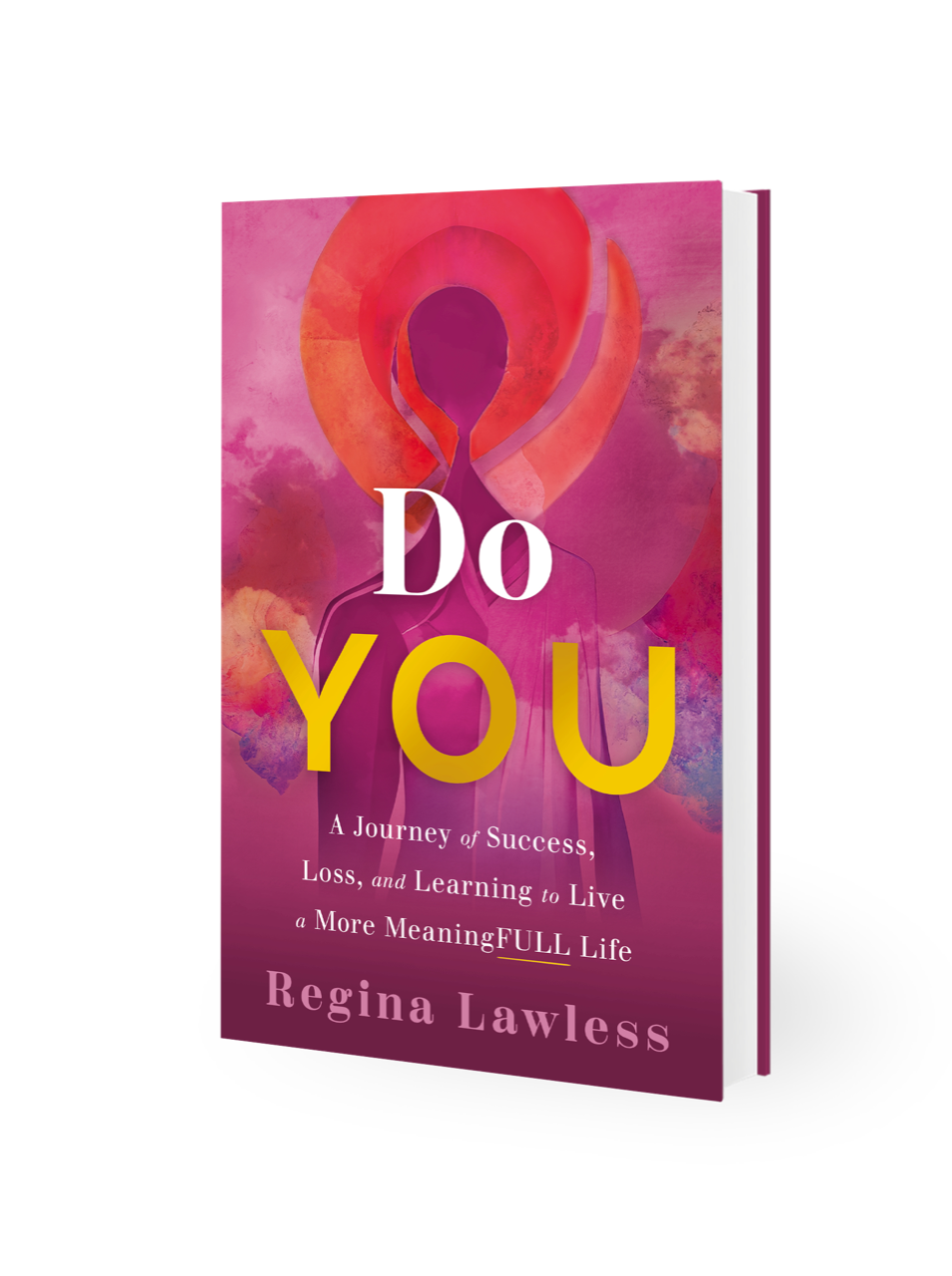
Ripping Off the Band-Aid

Remember the roller coaster of emotions you felt as a kid when you fell off your bike or did something else to earn yourself a scrape wor- thy of a Band-Aid? I remember falling off my bike and skinning my knee more than once as a child.

At first, I felt the rush of pain as my knee hit the gravel, followed by the burn of peroxide once my mom began to patch me up with her first aid kit. Then, after we both blew on it, I felt the cool relief of the Neosporin and a Band-Aid to protect the wound so it could begin to heal.

In some ways, grief was like skinning my knee. After the initial pain and shock, I covered up the wound after the funeral with pleas- antries and a return to daily life in an attempt to heal. But just like wearing a Band-Aid, at some point, you need to rip that thing off and expose your wound to the air so it can finally scab over and fully heal. I had been dealing with my grief on a surface level up to that point, only allowing myself to know the depths of my heartache. It was finally time to excavate my sorrow and bring my pain to the light. I decided to join the Young Widows Grief Writing Workshop and braced myself for the necessary healing that only spilling my emotional guts could bring.

Our group’s first virtual meeting was on November 8, 2021. Five of us shell-shocked widows assembled on Zoom, and Joan quickly introduced herself and explained how each session would work. We would start with a short poem or writing excerpt and then be given
about twenty minutes to write how we felt about the writing, followed by each person sharing what they had written with the group.

Before Joan gave us the writing prompt, she asked each of us to introduce ourselves. It was awkward enough to meet for the first time online. Add the fact that each of us had lost our spouse within the last year, and you could cut the anxiety with a knife. Thankfully Joan had run these groups for a while and did a wonderful job holding space, including silence, for us to begin to open up.

The introductions were as painful an ordeal as you would expect. All five of us widows were in our forties, and each of us had kids. In comparison, I felt lucky only having one child who was now a teen- ager versus the other women struggling to piece together their lives while also caring for one or more children under the age of twelve.

Even though my situation was slightly different, for the first time since Al died, I felt truly seen and understood. Some of the women had a spouse die from illness, having to experience the added pain of watching their husband suffer for months before passing away. A couple of the women were like me, having their significant other stolen in an instant.

After our round of introductions, it was time to complete the writing prompt. The assignment was deceivingly simple. Joan asked us to free write for twenty minutes, using the phrase “This grief is ”
followed by a description of our feelings. I grabbed my purple-and- gold embossed journal and proceeded to bare my soul. Oh boy, here goes nothing . . .

This grief is debilitating.
This grief is insidious. It seeps into every thought, every move, and every breath in my lungs.
This grief is selfish. It won’t allow me to take my mind off it and comes back with a vengeance at the slightest hint of joy.
This grief is sad. More sad than I’ve ever felt in my life, and

I’m scared to feel this way for the rest of my life, but I’m terrified to let it go.

This grief is lonely. I don’t know how to connect with others sometimes because they don’t understand the magnitude of my loss. This grief is haunting. It fills my nights with thoughts of him.
With longing and regrets and desires to wind back time to have our love all over again.
This grief is awful. It sucks the life out of you and makes you wish you were dead.

This grief is a part of me. Like a scar I’ll never get rid of or a wound that won’t fully heal.
This grief is surprising in its depth and complexity, and magnitude. It swallows anyone and anything in its path.
This grief is special because it’s shaped by the love I had for him.
That’s why I cling to the grief some days in remembrance of him.
This grief is necessary to honor my pain and my experience. I need this grief if I ever hope to deal with the terrible thing that happened to me and my son.

This grief is confusing. Some days I can talk about Al and laugh, and other times if I catch a glimpse of his picture out of the corner of my eye, I’m enveloped in tears.
This grief is strange that way. No rhyme or reason. No predict- able pattern or warning. It’s just raw, primal emotion of a love lost and a heart broken in two.
What comes of this grief? I hear it wanes over time, but at this stage, I’m skeptical if it’ll ever go away.

I looked up from my journal after reading my piece to the group and was instantly comforted by the all-knowing eyes of other women who also had been thrust into the rotten club of widowhood.
For the next twelve weeks, I showed up to our grief writing group faithfully. Some days I dreaded attending because I knew during the
session the pain of my own loss and the loss of the other women in the group was inescapable. The fact that my grief was inescapable in these meetings was the unexpected gateway to my healing.

Poetry from Bruce Roberts
I Dare You!
The challenge,
Spoke my cousin,
Is for me, a practiced poet,
To write a positive poem
About Trump.
“Huh?” I gasped,
Write something positive
About the pathological liar?
The lifelong crook?
The egotistical egotist?
The defiler of our democracy?
Hmmmm!
But then it dawned on me—
I never liked George Bush,
But when compared with Trump,
He seems a shining star.
So thank-you, Donald.
You are so bad,
You made even Bush seem good.
THE LAST ELECTION
When Trump speaks to crowds of Christians,
He claims to be a Christian,
Because apparently he thinks
They’re dumb enough to believe him.
HUH? BELIEVE HIM?
Believe the nonstop liar?
The universe’s most immoral citizen?
He who follows Hitler’s theory
Of THE BIG LIE—
The bigger the lie, the more you tell it,
The more your audience
Will believe you!
So he’s promised gullible
Christians
If they vote for him,
It will be their last election,
Their last need to vote—
EVER!
Now for those who find it hard
To drag themselves to the voting booth,
This may sound good!
But for anyone with a brain,
The implication explodes
Into HUGE letters
that dominate the sky
like July 4th fireworks:
HE’S PLANNING NEVER TO LEAVE OFFICE;
HE WANTS TO BE
A DICTATOR!
Believers in a moral man
Who gave his life for his people
Need to understand this!
That just might change their vote!
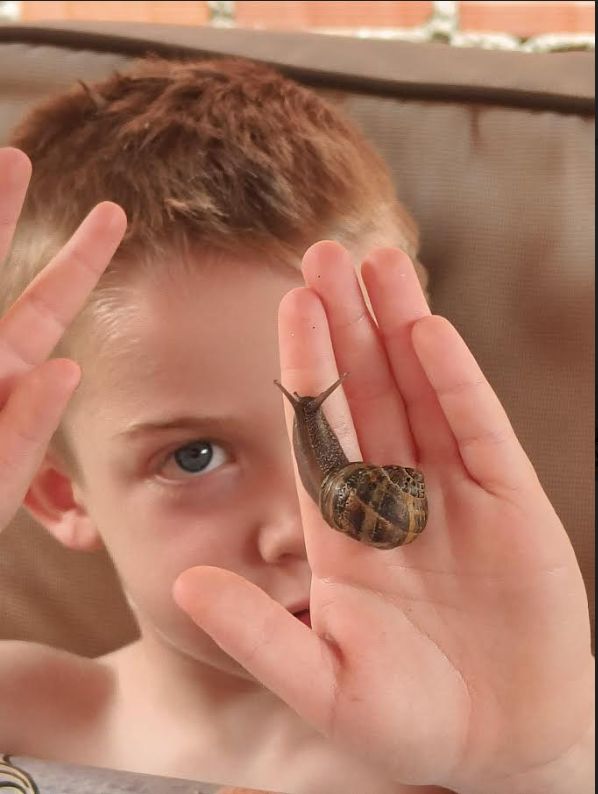
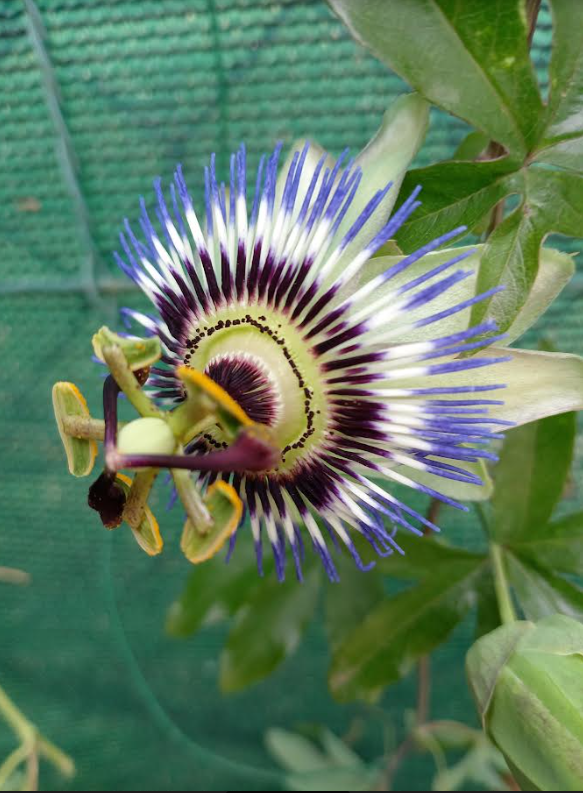
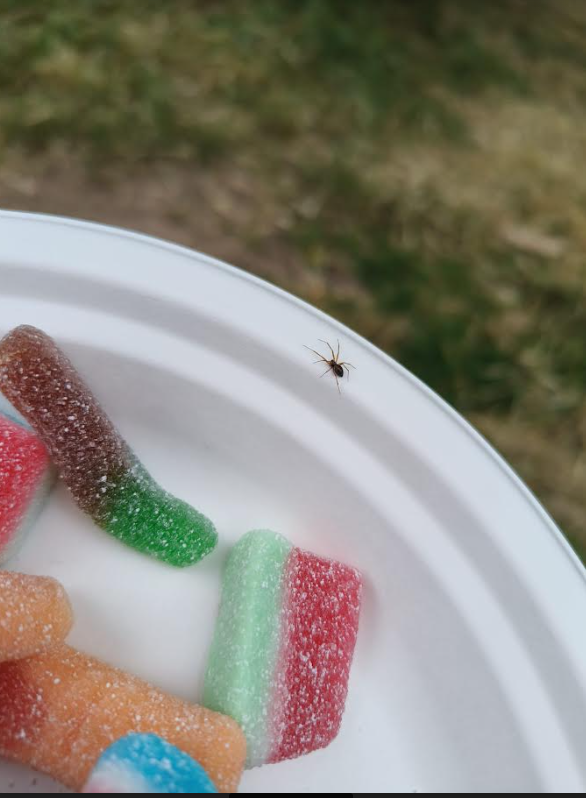
Photography from Isabel Gomez de Diego
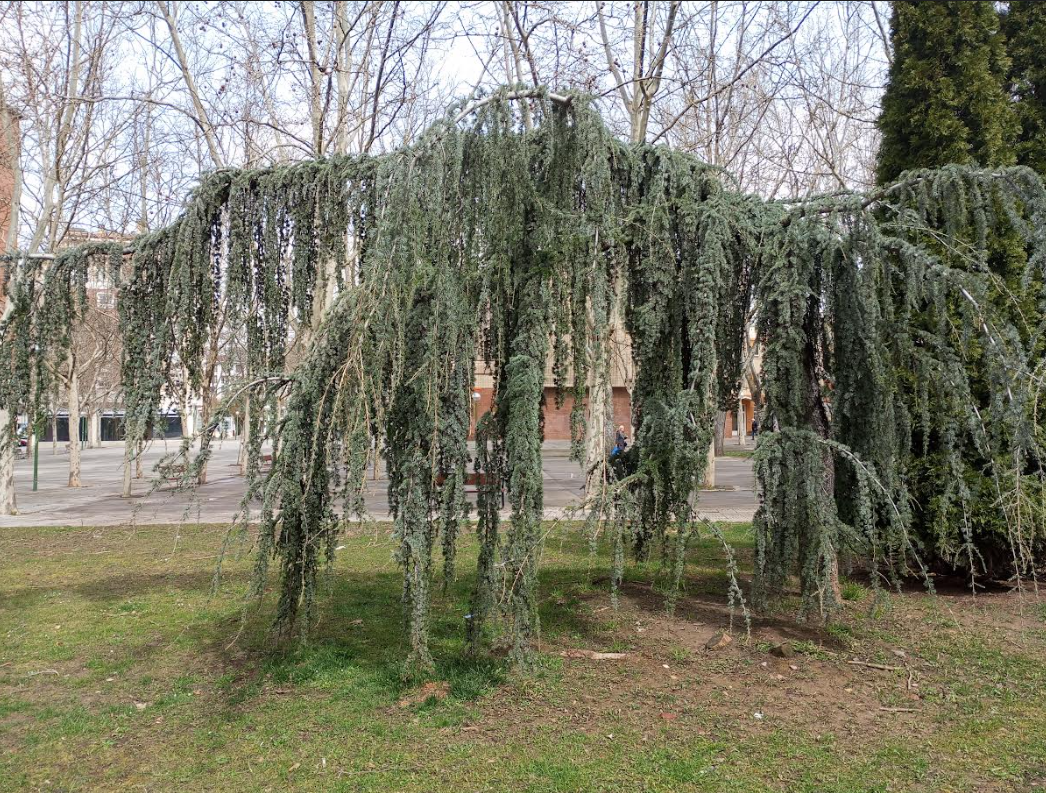
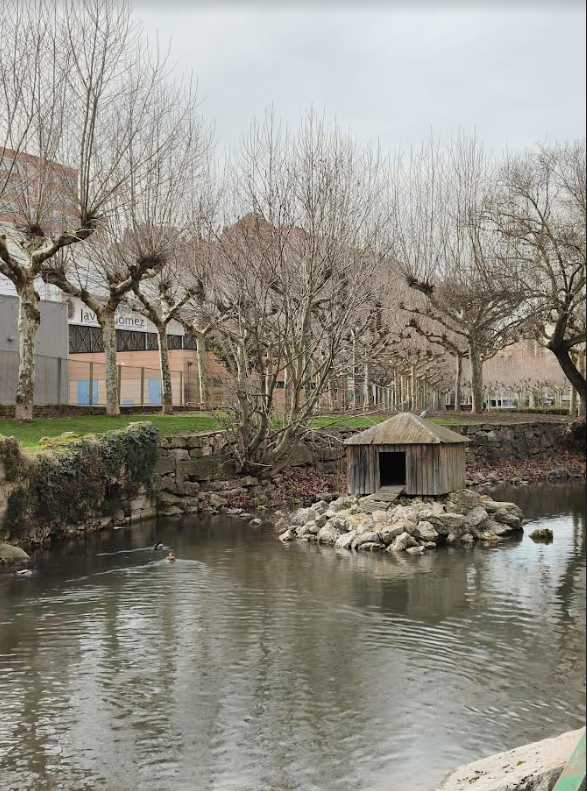
Poetry from Stephen House
experts

i’m surrounded by experts
wherever i go
in my walk-around listening-in days
they appear out of nowhere
carrying their wisdom
and give it out to all who will listen

just recently
i’ve encountered an increase of them
sharing their knowledge vocally
like the woman on my local jetty
telling her friend
how to fix up her marriage

the man in a park
giving information to another
about buying a rental property
the boy at a beach
explaining to his mate
the trick to skimming a rock on water

the guy sitting with coffee in café
instructing a young bloke
on what to do with his money
the girl in a busy bakery
advising her friend
on what to have for lunch

and on it goes more and more
every day in every way
these fabulous experts
directing those they’re with
on what to do
and how to do it

i thought to myself
while on the bus yesterday
i don’t think i’m an expert at much
and while i’ve certainly done
plenty of things in my life
doing things doesn’t make one an expert

but with so many experts
who have so much to say
i don’t think the world needs any more
so i’ll keep walking-around
and listen-in when i can
to the experts and their expertise


Stephen House has won awards and nominations as a poet, playwright, and actor. He’s been commissioned often, with 20 plays produced, many published by Australian Plays Transform. He’s received international literature residencies from The Australia Council for the Arts to Canada and Ireland, and an Asialink residency to India. He’s had two chapbooks published by ICOE Press Australia: ‘real and unreal’ poetry and ‘The Ajoona Guest House’ monologue. His poetry is published often. He’s performed his acclaimed monologues, ‘Appalling Behaviour’, ‘Almost Face to Face’ and ‘The Ajoona Guest House’ widely. His play, ‘Johnny Chico’ ran in Spain for four years.
Poetry from Pat Doyne (one of two)
NOAH’S CHILDREN PRAY FOR RAIN
Look around—the world is on fire!
We could really use a biblical flood.
But who will claim all available arks?
One large ark is seized by Supreme Court justices–
judges who seek to make presidents into kings,
turn women into passive breeding stock,
and reward rich pals with rulings that make them richer.
When the big rains come,
they will gather in the galley, break out the beer.
The outboard motor doesn’t want to pull-start.
A pair of penguins watch, shaking their heads.
One ark’s impounded by Congressional showboats—
pro-Putin, anti-vax, stolen-election right-wingers.
Each stateroom features a wide-screen TV
so media mouths can monitor their sound bites.
“Bleached-blonde bad-built butch-body” rants
keep campaign contributions pouring in.
When the big rains come,
limelight-loving lawmakers will stand on deck
shouting into the wind at well-placed cameras,
blaming the cloudburst on liberals and drag queens.
A pair of chimps make faces behind their backs.
One gold-plated ark will house a convicted felon.
This puppet of greedy billionaires
will lounge on the top deck– combing his halo
and posting ALL-CAP diatribes on Truth Social.
He’ll rail against rivals, against RINOs, against rainclouds.
(File his complaints about Killer Clouds
with gripes about shower heads and flushing toilets.)
When the big rains come,
Nazis and Christian Nationalists alike
will tread water alongside his ark, seeking shelter.
But he shows as little mercy to his followers
as to his enemies. No one crosses his borders.
A pair of wolverines patrols his deck.
Those who did not reclaim his kingdom for him
deserve to drown, he says, along with immigrants,
disloyal politicians, DAs, fake news,
and disrespectful late-night TV comics.
No one’s at the helm to chart a course.
His ark runs on pure entitlement.
When the big rains come,
vested interests will launch corporate ferries;
lawyers will man fishing boats;
the NRA will commandeer a cruise ship at gunpoint;
MAGA die-hards will paddle kayaks;
QAnon will grab inflatable rowboats;
and cult sheep will gather on a flimsy raft,
which they firmly believe is a lifeboat.
Steady rain for 40 days and 40 nights.
With luck, the deluge will wash away pollution,
conspiracy theories, and self-serving lies.
With luck, masses of wavering voters
will think before casting one last ballot.
With luck, those enjoying deluxe arks
won’t notice bunches of barnacles
munching on their hulls; sharp-toothed, hungry mouths
chewing through their immunity—
and letting in fingers of angry sea.
Salt water will inundate the bilges,
slowly turning each ark full of smug VIPs
into the Titanic.
Crazed leaders torch our world, and fan the flames.
We need a flood to cleanse our hurting world.
Copyright July 2024 Patricia Doyne
Poetry from Otkir Mulikboyev

PROTECT NATURE

The steppe-deserts consider me a friend,
My heart laughs.
If I hope, I will believe,
Being seen.

Even if the storms howl and rise,
Calm down.
If I spread my arms, the songs
Hooray tinar.

I planted a seedling, the bucket caught the clouds,
It's raining.
The purple wind quenches his thirst,
Milk the man.

The seeds of the millennium sprout.
Like grass.
I landed like a butterfly on the rocks,
It's natural to forget.

In my gaze, the world is circumcision,
Blue happy.
Let the food you prepare for the earth,
Hard work.

I strive in the endless ocean,
Foggy road.
It lights up from the sound of babies,
A blue outstretched hand.

There were deserts, there was a sea, there was a field,
The form of tyranny makes nature pale.
My sprouts will shrivel if I don't water them,
It shows the cause of ignorance.

Heads Man is an optimal solution for himself,
Different ways.
If we don't take care of them, they will become deserts like deserts.
Even lakes..

08/05/2023

O'tkir Mulikboyev Kochkor oglu, Koshrabot district, Samarkand region, Republic of Uzbekistan
The son of Mulikboyev O’tkir Kochkor was born on August 11, 1990.
Currently, he is a student of the ISFT Institute, majoring in “Primary Education”.
Promoter of creative and cultural issues and primary education teacher at school 75 in Koshrabot district, Samarkand region
His creative works are “Bakht khunirogi” Tashkent, “Buta 5” Azerbaijan, “Turan writers” Turkey, “Anthology of Kazakh and Uzbek artists” Uzbekistan, “Uzbek writers anthology” Canada, “Young Pencilers 2″ ” Published in Moldovan, republican and international collections.
His poems were translated into Turkish, Azerbaijani, English, Russian and published in more than ten countries.
Hundreds of poems have appeared in the press.
Awarded with the “Initiative Reformer” badge of the international level.