
O human life, I pay homage to you

O human life, I pay homage to you
in teary wet eyes
in birth and death
in mosques-temples-synagogues-pagodas and churches.

O human life, I honor you,
in atheism and skepticism
in hunger and starvation, in food and luxury
everywhere, O great life, your very existence.

O human life, I thank you,
you showed me
a dew on the grass
Water hyacinth flower, Flame of the forest and Red silk cotton trees.

And whatever is sacred
baby’s smile mother’s caress and father’s affection
books, pens and ink
generosity-love and forgiveness.

O human life, I thank you
everywhere, O great life, you exist.


At Morges and an afternoon at the bank of Geneva lake

Walking can be a lovely experience
when you are in a new land.
the pictorial landscape
the silence, the raindrops.
The seagulls, the boats and the fisherman
at the port of Morges
at the bank of Geneva lake.
Being alone and loneliness not always crush
when you have water, lakes, mountains and the giant Sequoias
And they whisper! you are not alone
you are among us, you are with us
and we are too.


Tareq Samin is a Bangladeshi Secular Humanist Author. He is the Editor of the bilingual literary journal Sahitto. He is the author of eight books, including five poetry collections, two Short Stories collections and a Novel. Also he has translated into Bengali, two books of Anthology of International poetry of 22 poets from 20 countries. In total he has ten books published. His poems are translated in more than 20 languages including English, Spanish, Chinese, German, French, , Italian etc. Also his poems, short stories and articles are published in more than 25 countries.

Tareq Samin received the ‘International Best Poets Award-2020’ from The International Poetry Translation And Research Centre (IPTRC), China and the Greek Academy of Arts and Writing. Also he has been awarded ‘Honorable Mention’ in Foreign Language Authors category for his poem ‘Another Try’ in ‘The prize il Meleto di Guido Gozzano Agliè’ poetry competition held on 12 September 2020 in Turin, Italy. In July 2021 he won Naji Naaman Literary Prize 2021.

Tareq Samin is a Martin-Roth-Initiative Scholarship Alumni. The Martin Roth-Initiative is a joint program of ifa (Institut für Auslandsbeziehungen) and the Goethe-Institut, funded by the German Federal Foreign Office. The Martin Roth-Initiative protects artists who are dedicated to the freedom of the arts, democracy and human rights in their home country. As a Martin-Roth-Initiative Scholarship holder, he was a guest writer in Goethe-Institut, Kolkata, India. And Kathmandu, Nepal.

In 2021, he was also an International guest writer in Château de Lavigny International writers-in-residence,  Switzerland.
Category Archives: CHAOS
Poetry from Alan Catlin
Listening to The Moonlight Sonata During
	a Mohs Procedure

Thinking the last time
I saw this piece performed
was at Saratoga with Andre Watts
backed by the Philadelphia Orchestra,
an outdoor performance one humid
August night sitting on the hard packed
hill, all the grass scuffed away during
rock show crowds of twenty thousand
plus, all of them amped or strung out
after scoring big on drug alley, the place
we think of as the promenade, outside
of the Hall of the Springs; the moon
low in the sky, the pianist caressing
the keys, the surgeon not even born yet.

All those Virgin

Island nights
I couldn’t sleep
listening to mother
play Chinese Checkers
with her selves
in the dark

Six voices arguing
false moves
phantom jumps
quantum leaps
over clogged
northwest passages
to nowhere

Her cat’s eyed
marbles polished
until they gleamed
in the darkness
as they played

The unnaturally
colored ones
pale blue greens
like death
or red irises burning

in a nightmare
that stays with
you when awake


I was stuck in a single take

tracking shot like a Russian Ark
movie but instead of The Hermitage
I was on a set designed by interior
decorators of the Red Room on
Twin Peaks, then twenty-five years
later where all the carpet mazes
interlock and transport the unsuspecting
to an Inland Empire then the ballroom
of an Overlook Hotel and I’m following
Danny, the hot wheel kid, on the impossible
mobius strip carpets that lead so far into
the past even the dead people dancing
haven’t been born yet and I’m stuck
dumb, made immobile by whatever
Laura Palmer is whispering into my
severed ear, all her words dissembling
into tinnitus white noise static like
nine inch nails in between stations
chanting, “She’s Gone, She’s Gone…”
and I’m back at the Road House drinking
skunk beer ignoring Mr. Booth exhorting
me, “Heineken, fuck that shit. Pabst Blue
Ribbon!” and the scene shifts to the back
seat of Frank’s speeding car and I’m
squeezed between Frank’s under-dressed
droogies from a clockworkorangebluevelvet
in a noir nightmare neither Roy Orbison
nor Ludwig con can save me with a chorus
of crack whore angels singing and dancing to
Little Eva and Alle Menschen are waving
their hymnal and speaking in a language
that hasn’t been invented yet like space
age revenants from a futurama fourth reich
I can’t be rescued from until Billy Pilgrim
makes the scene in a Slaughterhouse Five
of the mind in a Twin Peaks diner where
nothing is as it seems. Not even the coffee.
Not even the pie.


Work Anxiety Dream with Lydia Davis in it.

I’m back in the tavern again
and its wall-to-wall humans
though it could be worse as previous
night terrors have shown.
Everyone is smoking clove cigarettes
to cover the smell of hashish hookahs
emanating from the blind corner
to the left of the bar that I can’t see
in my back bar mirrors.
We’re all in the midnight witching
hour, stuck in jukebox hell, listening to
The Best of Patsy Cline,

” Worry, why do I let myself worry?
Wondering what in the world did I do?”

Then the new general manager is
behind the bar introducing herself as
Lydia Davis and I’m thinking what
the hell is she doing here? She doesn’t
even look like the 70’s version of Lydia
despite not knowing her then, I’ve seen
photos of what she looked like.

And she assures me she is the same
Lydia Davis so I just go with it and try
to find out when she changed jobs
and why but she’s not interested in
anything I have to say. “Read this.”
She says and turns to walk away and
I say, “Watch your step.” But she still
isn’t listening so I’m not surprised
when she steps in the place where the wooden
slats we walk on are broken, turns her ankle
and would have fallen flat on her face
if I didn’t catch her.
“I knew you were trouble from word one.”
She says, pretending
she can walk on a broken ankle.
“You’ll pay for this.” Lydia says.
And I say, “You can’t fire me. No one else
can run this place.”
 ” Watch me.” She says.
And Patsy is crooning,
“Dreams I know can’t come true
Why can’t I forget the past”

And I wait for Patsy’s plane to crash.
Planes have crashed here before
as I saw first-hand outside the tavern.
Patsy may be gone and I may be fired
but I’ll be back. That’s why they call
it jukebox hell.


Her cousin saw

mother in the City
a week before she died.
“You’d never know
She was that close
to passing on. Of course,
she was thin but
then she always was.
Seemed happy and
talked like there
was no tomorrow.
How did she die?”
I told him that
when they opened
her up, after finding
the stomach cancer they
didn’t look any further.
Was enough cancer there
to kill two people.
“Stomach cancer.
That’s supposed to be
painful, isn’t it?
She showed absolutely
no signs of pain.
We went McDonalds’
and she ate like a horse.”
“I expect her dissociative
personality gave the pain
to someone else
What did you do
when she started
talking crazy?
I mean how did you
handle it?”
“I just laughed and
laughed and eventually
the subject changed.”
He was the kind of
guy who made the best
of things. He just dealt
with stuff. He identified
the body for me too.
He was a better man
than I am.
Poetry from Pesach Rotem
A Prickly Pair
by Pesach Rotem


The world is cruel and harsh and cold
And we yearn for warmth—my love and I—
A pair of porcupines
We approach and embrace
And she jabs me
And I prick her
And we flee, bleeding, back into the safety
of the pain-free cold.


Carey, Get Out Your Cane
by Pesach Rotem


When I was fifteen years old,
Joni Mitchell came out with a new album called “Blue”
that had a song called “Carey”
that went “Oh, you’re a mean old daddy but I like you”
and when I heard that song I resolved, right then and there,
that someday I would have a girlfriend—
I’m talking now about a real girlfriend, not an imaginary girlfriend—
that someday I would have a real girlfriend and
that someday I would be a mean old daddy.

I had my first real girlfriend
the summer after my junior year of high school.
We were counselors in a camp.
She said, “I think you’re cute”
and I said, “Thank you very much,
“my grandmother also thinks I’m cute”
but she never said, “Oh, you’re a mean old daddy but I like you.”

Time went on
and I went to university
and I graduated
and I went out into the world.
I thought about becoming a professional motorcycle racer
but then I decided, for various reasons,
to become a marketing content writer instead.

Later, as the twentieth century transitioned into the twenty-first,
I myself transitioned from regular marketing content writer
into online marketing content writer
and I must say, at risk of immodesty, that I am a damn good one,
but, alas, online marketing content does not a mean old daddy make.

I am now sixty-six years old.
I will never read The Odyssey in the original Greek.
I will never pole vault fifteen feet.
I will never argue a case before the United States Supreme Court.
I will never see Machu Picchu.
And I will never be a mean old daddy.


Why an Apple?

Hello, everybody.
I am Pri Etz haDaat Tov v’Ra.
You English speakers may call me The Fruit of the Tree of Knowledge of Good and Evil.
I’m cool with that.
I am a major character in Chapters Two and Three of your Book of Genesis
along with my sidekick, the Tree of Life,
who actually has a much smaller part but nevertheless became more famous
just because he makes such a handy metaphor:
the Torah is a Tree of Life, the Sefirot are a Tree of Life, et cetera,
but I don’t care, I’m not jealous, I don’t even know why I brought it up.
What I came here to talk about is: Why an apple?

I never claimed to be an apple,
that rosy-cheeked symbol of good health and good cheer,
and yet Albrecht Dürer painted me as an apple.
Hendrick Goltzius painted me as an apple.
Titian painted me as an apple.
Lucas Cranach the Elder painted me as an apple.
And the folksingers are as bad as the painters.
Just listen to Patrick Sky sing “Separation Blues” and you’ll know what I mean
and why I keep on wondering: Why an apple?

At first, I suspected that John Milton might be behind it
but my investigation revealed that
John Milton wasn’t even born until 1608
while Titian and them had already been painting apples back in the 1500s,
so that’s an airtight alibi
that lets John Milton off the hook
but it leaves me wallowing in puzzlement
as I continue to ponder that eternal question:
Why an apple?


“Paint It Black” Revisited
by Pesach Rotem


“Use the active voice.”
William Strunk Jr. and E.B. White, The Elements of Style


Last night I watched a movie called “Devil’s Advocate” on Netflix
and at the end of the movie, as the credits rolled by,
they played the Rolling Stones song “Paint It Black”
and the subtitles on the screen said “I see a red door and I want it painted black”
and I said, “That’s a mistake, it should be ‘I see a red door and I want to paint it black’”
and my date said, “Are you sure?”
and I said, “Of course. ‘I want it painted black’ is passive and the Rolling Stones weren’t passive guys so why would they sing passive lyrics?”
and to prove my point I replayed the song
but to my surprise it did sort of sound like “I want it painted black”
and I said “uh-oh”
and we played it a few more times and we listened very closely
and we also looked at AZLyrics.com and a couple of other lyrics sites
and they all said “I want it painted black”
and I said, “Well, I guess I’ve been singing it wrong for 55 years”
and my date smirked.

I brooded for a while and then I became defiant.
“But my way is better,” I proclaimed.
“‘I want to paint it black’ means I feel a powerful urge to grab a bucket of paint in one hand and a paintbrush in the other and slosh my pain and my grief and my anguish all over that grotesquely cheerful red door and all over the whole cold cruel uncaring world
while your way—‘I want it painted black’—means . . . what? I’m going to send a requisition to the Maintenance Department to have someone take care of this matter? Where’s the catharsis in that?”

I was starting to feel angry at the Rolling Stones for failing to consult with me
as they should have done before releasing the song in 1966.
I would have told them to read their Strunk & White and use the active voice
but No,
the Rolling Stones are too high and mighty to ask for my advice
so I decided to lodge a Statement of Protest
but I wasn’t sure whom to lodge it with
so I lodged it with the songwriters Mick Jagger and Keith Richards
and I also lodged it with Bill Wyman and Charlie Watts as collaborating members of the Rolling Stones
and with the Decca Record Company
and with the Rock and Roll Hall of Fame
and with Queen Elizabeth II of Great Britain
and with the Upper Galilee Chapter of the Voices Israel Group of Poets in English
and I am well aware that you can’t always get what you want
but I did at least get some measure of satisfaction.
Pesach Rotem was born and raised in New York and now lives in Yodfat, Israel. He received his B.A. from Princeton University and his J.D. from St. John’s University. His poems have been published in more than two dozen literary journals including Chiron Review, Permafrost, Voices Israel, and Synchronized Chaos. His poem “Professor Hofstadter’s Brain” was nominated for a Best of the Net award. He is a member of the Israel Association of Writers in English.
Poetry and art from Michael Hough and Christina Chin
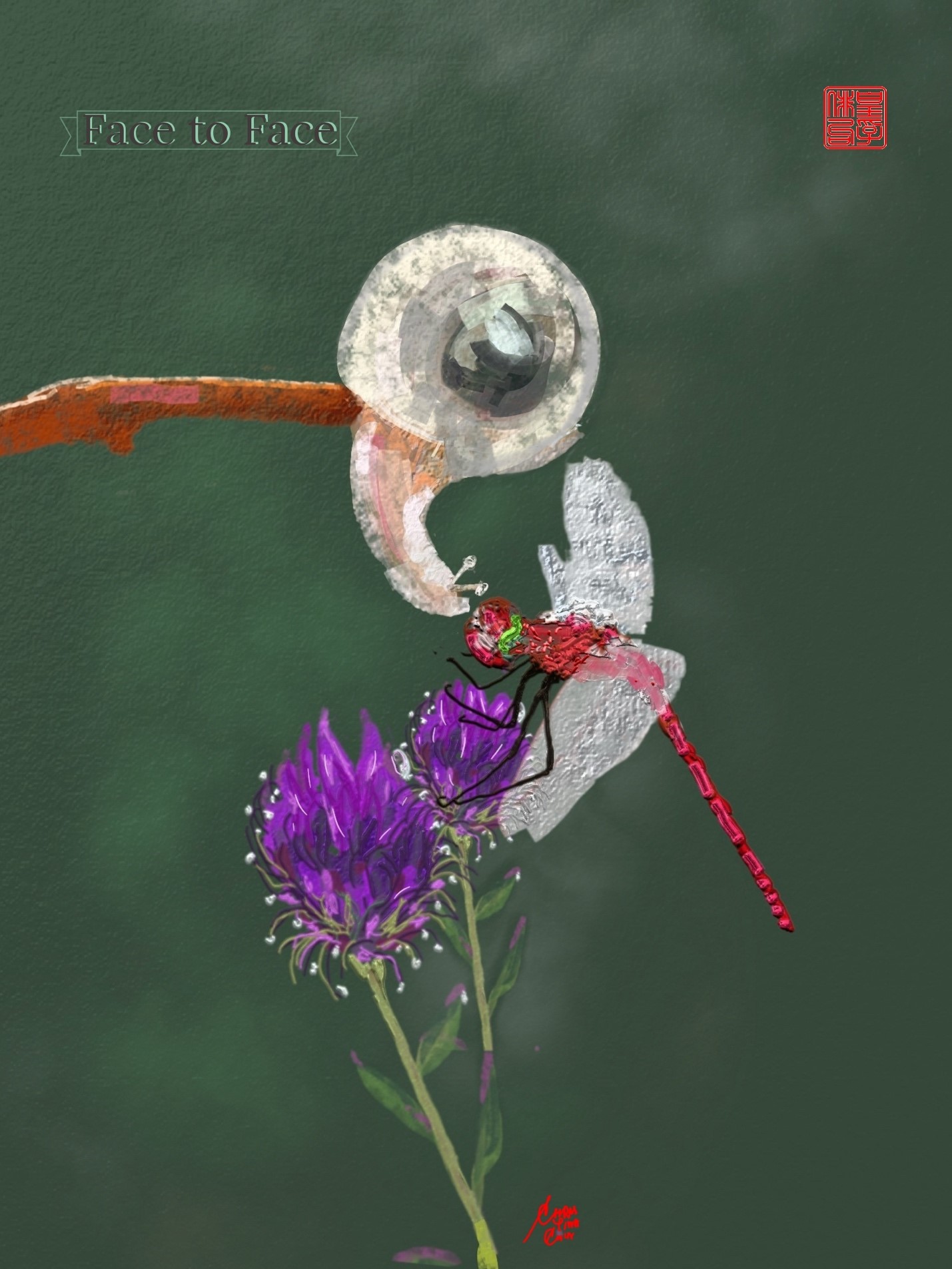
Face to Face

"Oh my God ... is it really you?"
"... Yes ... I was hoping it was you in that shell."
"It's me, and I remember everything."
"So do I ..."
"So .... like all that nonsense they told us about reincarnation turned out to be true, didn't it?"
"It seems like it now."
"That's a lot to think over, especially when our brains are so small."
"I know, I know ... but what else are we here for?"
“Well, I have to crawl down ... I can't stay here all morning. It’s unbearable when the sun is too bright.”
“I'll meet you here tomorrow morning then. Will you come?”
“It will take me all night to climb up here, but I'll do it.
... because, like how long do we live, in these shapes?”
"I dunno ... a couple weeks for me maybe."
“I think I get a little more. I've grown around this shell a whole turn and a half since Spring.”
“You go, girl! ... you are like, still a girl aren't you? "
“In this form we're all kind of half-and-half. I know it sounds weird.”
"I won't kick you out of the flower bed ..."
* laughs ...
“I’ll see you tomorrow, I hope. You be careful. There's a toad under the third brick in the wall. You would NOT believe how long his tongue is. ”
“Yes I would. I've seen him absolutely shred a bumblebee that didn't know he was there. It was horrible, except that I hate bumblebees. And you might want to step it up and go ... there's a Possum that lives behind the tool shed. ”
“Yeah ... bad news ... I have to keep a low profile around that one. I hunker down and pretend to be a wad of old chewing gum.
But hey! Listen! Maybe you can scout this out for me! I was down by the pond yesterday morning and I saw this BIG Catalpa leaf right
at the water's edge. I think it would hold me like a boat. And if you came and perched on the stem, and fanned your wings a bit, we might sail out to that little Island in the pond. We'd be safe there wouldn't we? No possums or toads, or kitties ...”
"Oh babe ... you don't know about the Bullfrog."
"Oh my Gawd, is that what makes that noise ...?"
“I’m afraid so ... top of the food chain on that island anyway. There are also some
big Bass in that pond. I’ve seen them lurking.”
"Shit ... I was hoping ..."
“I know. But I'll wait for you tomorrow morning, right here.”
"Good ... I still love you, did you know?"
“Yes, it's written on your shell in letters only I can see. And when my wings get really going, they make the sound of your name as I remember it. I will always love you, no matter what.”
“Thanks for that. Wait for me ... It might take me a long time ...”
"Yes, it always did ..."

						Michael Hough short fiction / Christina Chin, art.
Poetry from James Whitehead
Zombie film sonnet


We need more cinema about killing.

I mean movies about killing zombies.

Cinema seems the wrong word for zombie

films, or movies about killing zombies,

although cinema could work for killing

as a theme or action.  I mean movies

can be arty, even about killing,

but probably not films about zombies,

or films about killing zombies.  Zombie

movies then are not cinema. Zombie

movies are films.  We could use serial

films.   On television.  A serial

series about a serial killer

of zombies.  Man that would be a killer.


*


Indulgences


My therapist told me the book that I needed


was Out of the Shadows, by Carnes.


Healing the Sexual Addict, it warns.


I’ll buy a copy tomorrow, I lied.


I hated that therapist, anyway,


his post-modern priesthood,


hated his fees, hated to pay


for what ought to come free.


Instead, I read The Story of an Eye,


then Miller, then Nin, then Lawrence,


then Wilde . . .


To drift with every passion ‘til my soul


was a stringed lute on which all winds could play


2 weeks later I was lost, in the pull


of a blonde & feminine gravity,


no less than I was when in therapy.


 *


Talk


All this “God Talk” in all this poetry,


it’s weird.  I do it myself.  I’m guilty.


There’s Eliot, of course.


Is he Christian?


One can’t know.


One can know Christ was Jewish.


I guess that makes Eliot Christianish . . .


given his disdain for the Jewish man.


There’s Hopkins & his symphony of sound,


his sound of God,


his sound of consonants,


his sound of vowels


& his search for constants.


But he knew God as well as he knew sound.


& there’s the masses –


asking God for shit,


a new house,


a new lover, a new me,


& victory over their enemy.


Now. . . if only I can just ignore it.


*


Sick

             – after reading Aime Cesaire


Decadence like war now has veterans,


to die of an age, era, or epoch, hung over,


the “watery suns of rums” gone down,


to the other side of the World,


not forgotten, in their place,


the herald of morning signaled,


by horns blown with curled toes,


a rousing cock’s crows,


& the unfurled sheets of a nameless whore,


me,


the sun,


in place of the watery suns of rums,


coming up,


& on the other side of the World,


dreams aborted by a mere alarm clock.


To die from an age, era, or epoch


            is not the desired aim.


She shows gums, yellow teeth, smiles.


Speaks tenderly . . . please. . . come. . .


*


Topiary


It is a strange art.


And a strange reminder.


People cannot just leave plant life alone


            anymore than


leaving people alone.


Whoever did this is no gardener.


He shaped you,


                                    (and editors cut my work),


shaped you into some cartoon character


for tourists to this amusement park.


Some donor has taken over nature by proxy.


You can’t follow the money when it comes


            to a mutilated plant.


Gardeners grow.


This hack job is different.


But I can follow your roots.


I can see your patience hidden in you.


You will still return to Earth despite this.


We both will.


 *


Giving it up


                        – After John Berryman


When my un-warranted wants get planted


deep into the plots of my seedy head


I think thoughts of deflowering, of bed.


It’s not just hell that leaves me imprisoned.


For all the tricks of its light, I see red.


Red is fire, stop, passion, blood, her hair.


“I couldn’t rest from hell just anywhere.”


(I should be resting from heaven instead.


Whenever I think of her, I’m not there,


but she is . . . she is an aporia).


Images of her dance about like smoke


about my face while I think, pace, drink, choke.


My lungs turn black, my cigarettes burn red.


Alack, alas, a lack, et cetera.


*


(may be cut as needed)


About the Poet


 J.T. Whitehead has Bachelors’ degrees from Wabash College in English & Philosophy. He received a Master’s degree in Philosophy from Purdue, where he studied Existentialism, social and political philosophy, and Eastern Philosophy. He earned a law degree from Indiana University, Bloomington.  He spent time between, during, and after schools on a grounds crew, as a pub cook, a delivery man, a book shop clerk, and a liquor store clerk, inspiring four years as a labor lawyer on the workers’ side. Whitehead now practices law by day and poetry by night and lives in Indianapolis with his two sons, Daniel and Joseph.

 Whitehead was Editor in Chief of So It Goes: The Literary Journal of the Kurt Vonnegut Memorial Library, briefly, for just five issues: 1, 2, 3, 4, and 6.  He is a one-time Pushcart Prize-nominated short story author (2011), a seven-time Pushcart Prize-nominated poet (2015, 2015, 2016, 2017, 2018, 2019, 2020), and was the winner of the Margaret Randall Poetry Prize (2015).  Whitehead has published over 300 poems and prose works in over 110 literary journals and small press publications, including The Lilliput Review, Outsider, Slipstream, Left Curve, The Broadkill Review, The Iconoclast, and Gargoyle.  His first full-length collection of poetry, The Table of the Elements, was nominated for the National Book Award in 2015.
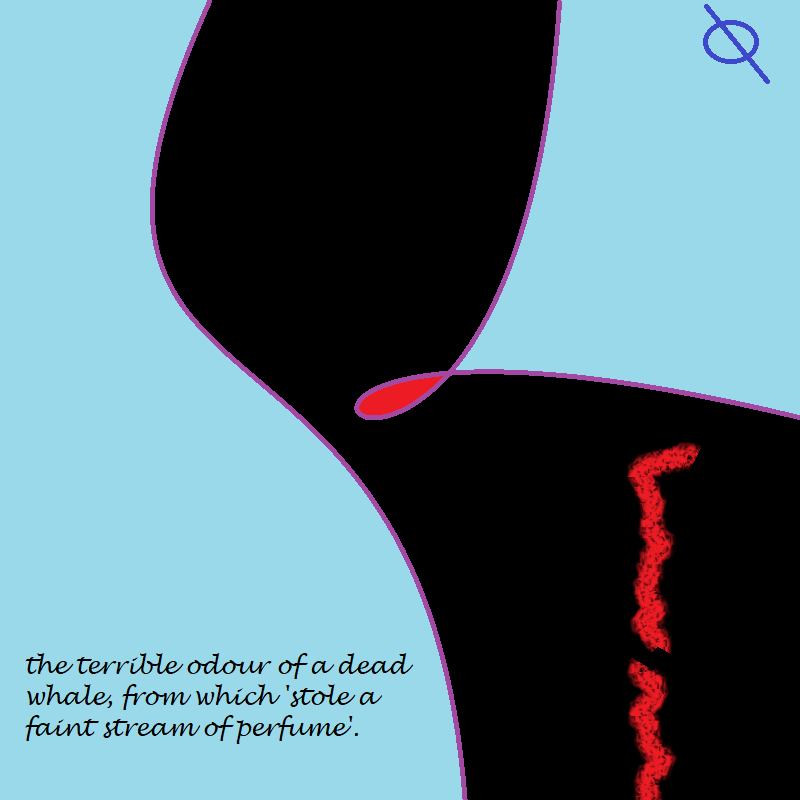
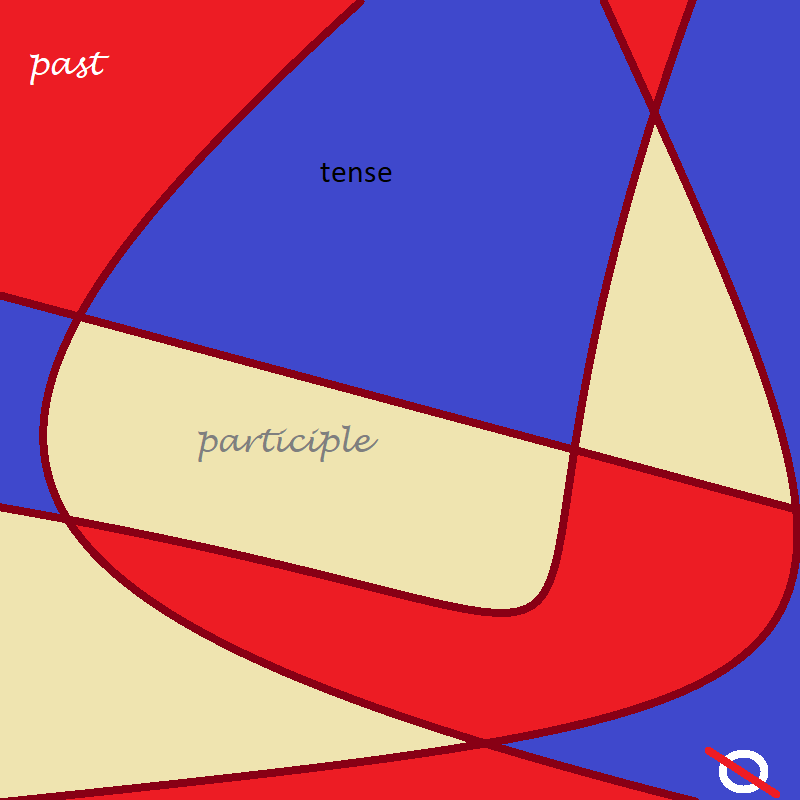
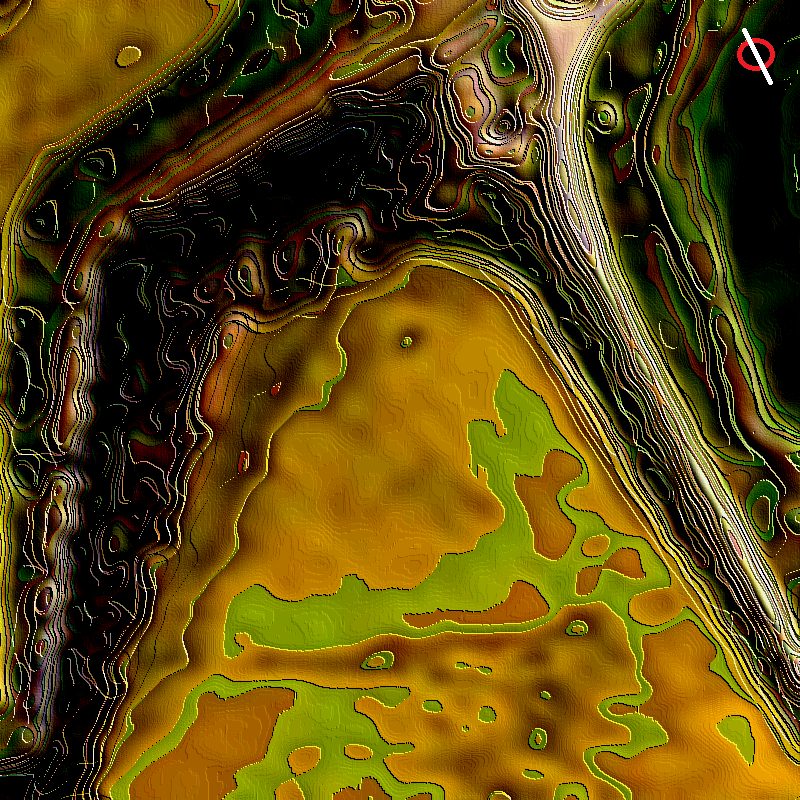
Visual art from Mark Young
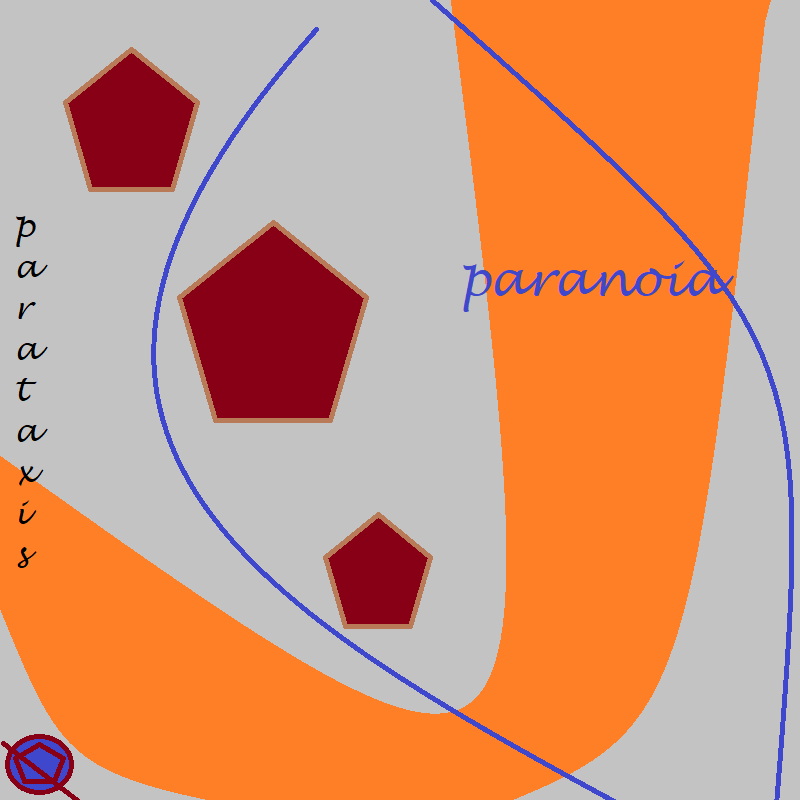
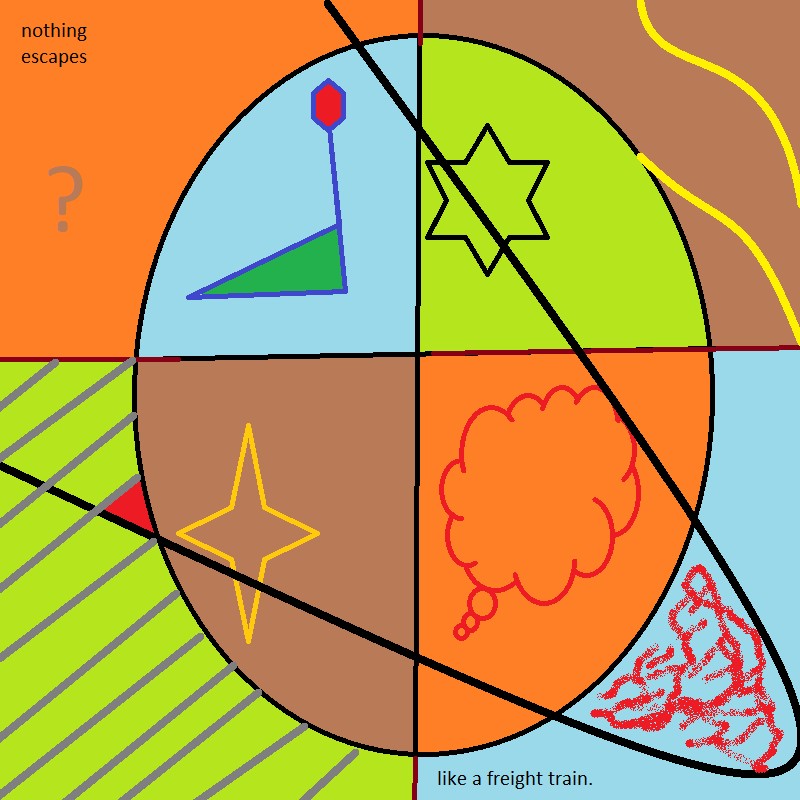
Poetry from Abdulrazaq Salihu
EVOLUTION.

In this waltz, I carry you in my mouth;
Between little piano keys that snowflakes wars.
On this floor my body is brass; grief stricken metal and
A wall is a leaf on fire so my mother looses her throat
And tried to pronounce requiem, she lifts her right palm
And becomes a lotus, she lurches towards a mirror
To gather my fate and father’s reflections, she waters her face,
Count periwinkles, colours and the shell of a snail beside a broken pot.
She embodies a fish that drowned of thirst
And through the wind binoculars; a lapel folds a ladle
Through the kitchen window. A wild flower sprouts
From my mother’s palm and we are two step into evolution;
A wormhole that made my father’s journey to soil 1mile
Away from home; a recapulation of carefully collected snapshots
Of my father’s bones; his father’s bones; bones and more bones are now
Tree branches transforming into grief.
I dance;you dance;northern hemisphere harbours a hiccup and
My mother drowns.
I grow; you try to;you fail;schizophuta and rhizopus gather dead organic
Matter entracellularly and my brother is found identifying himself
A saprophyte.
I decline; my mother swallow’s earth;she drowns in between a
Floating microscopic heterotroph and grouped us into a photo album;
Zooplanktons.I name it grief,
She names me son and shades of coat colour counters my decline ;
She names me an x-gene and I pause in between her war-teeth and a
River of thirst rubbing my chest gently.