[Greg begins his journey of writing in the Living Room. All parts of the Living Room are convenient for Greg except there are visitors.]
Greg stays in the house continues for the next three years. He is faced with several rejections. The writing materials he has in his possession tell how many writing conferences he has attended. Jane, currently on a month break after her first semester at the University of Perth, studying General Medicine, is on hand to see through Greg is doing. She is doing a great job encouraging Greg in his pursuit. At times, Jane’s mood appears discouraging to Greg. But Greg’s passion does not give in easily. Though there are certain reasons for the manuscript rejections that may want to frustrate him, Jane never gives up encouraging him. Andrew is busy with studies the Perth Institute of Business Management. Mr Smith just left for work while Mrs Smith is in the kitchen preparing breakfast for Jane and Greg.
Despite having his first and second books, ‘Never Late’ and ‘Dare to get Back on Track’ being rejected over seventy times by publishers and agencies in Perth, Berth and beyond, Greg has written in book form and submitted to different publishers other ten manuscripts, including his just-finished piece, The Success Story.
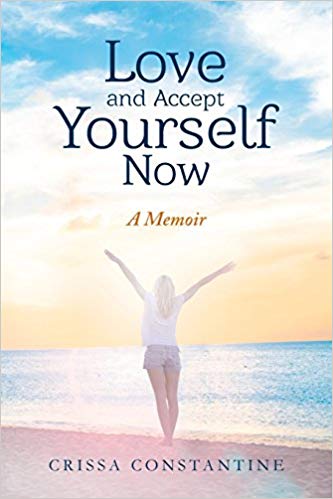
Love and Accept Yourself Now is the memoir of Crissa Constantine’s journey through being diagnosed with ovarian cancer. Ms. Constantine takes the reader through the diagnosis, her shock, then her treatment. She also goes into her life and travels through Europe and her friends and people she meets. She includes many suggestions that can work for anyone through stressful times. The book will keep the reader interested and intrigued all the way through, page after page. I highly recommend this book particularly for the invaluable advice she gives. I believe that anyone can learn something from this memoir and apply the advice and suggestions to themselves.
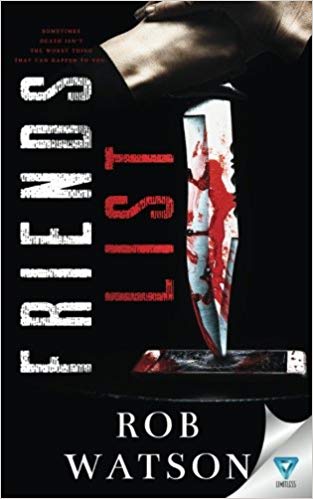
Friends List by Rob Watson is a thriller/horror that in my opinion, is on a par with Stephen King. From the very first few pages, he grabs your full attention as you gasp aloud. Lexa and Alex are grown twins that have had horrors in their past. Lexa is supposed to go on a Thanksgiving holiday with friends that have all worked together to get Senator Storm elected. Then things begin to go horribly wrong when a killer appears. On a par with Stephen King, Mr. Watson’s Friends List will keep you on the edge of your seat. With the twists and turns of a truly great horror story you will absolutely not be able to put it down until you reach the very last page. I absolutely loved Friends List. It kept me enthralled and excited until the very end. If you are a fan of horror stories you will absolutely love this novel.
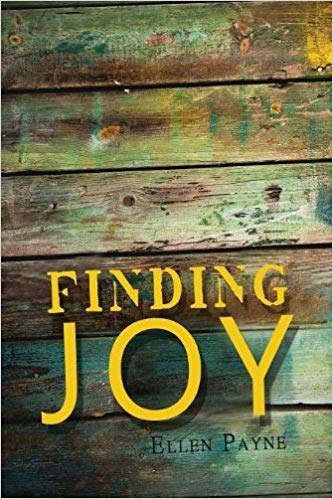
Finding Joy is a memoir that has to do with the abuse to not only children but adults also. Ms. Payne brings up the subject of abuse in all forms. She talks of physical, verbal, sexual and emotional. She speaks of how every form of abuse can and will leave emotional scars. She brings up that abusers come from all walks of life. She encourages the victims to bring it out in the open by reporting and getting the help they need. I highly recommend this book. This book will enlighten readers of how widespread the problem is. She tells how for years and years the victims are told to keep quiet. The only way to eradicate this heinous crime is to speak up so others will.
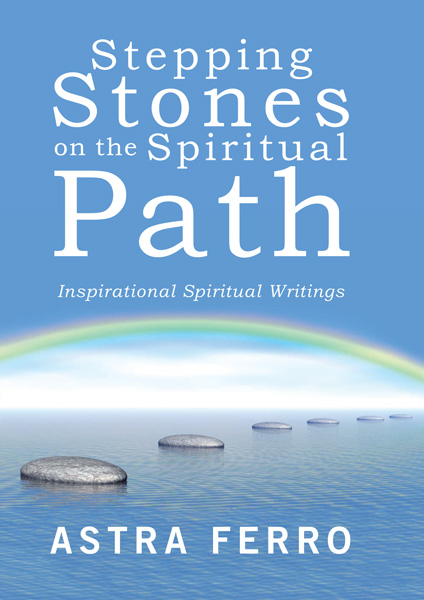
Stepping Stones on The Spiritual Path by Astra Ferro
Stepping Stones on the Spiritual Path is a book that will help people find their spiritual journeys. I like the Glossary of Terms in the beginning of the book. It helps clarify the terms for those of us who are unfamiliar with them. This is a book that has something that can help everyone no matter what your beliefs are. It also helps to clarify the meaning of your soul and spirit. You are able to look within yourself to define your strengths and weaknesses. The reader can then work on their strengths. The reader can also find their inner peace and work to achieve that. The reader can find out what their purpose is and what their journey will be. I enjoyed this book very much and hope that you, dear reader will too.
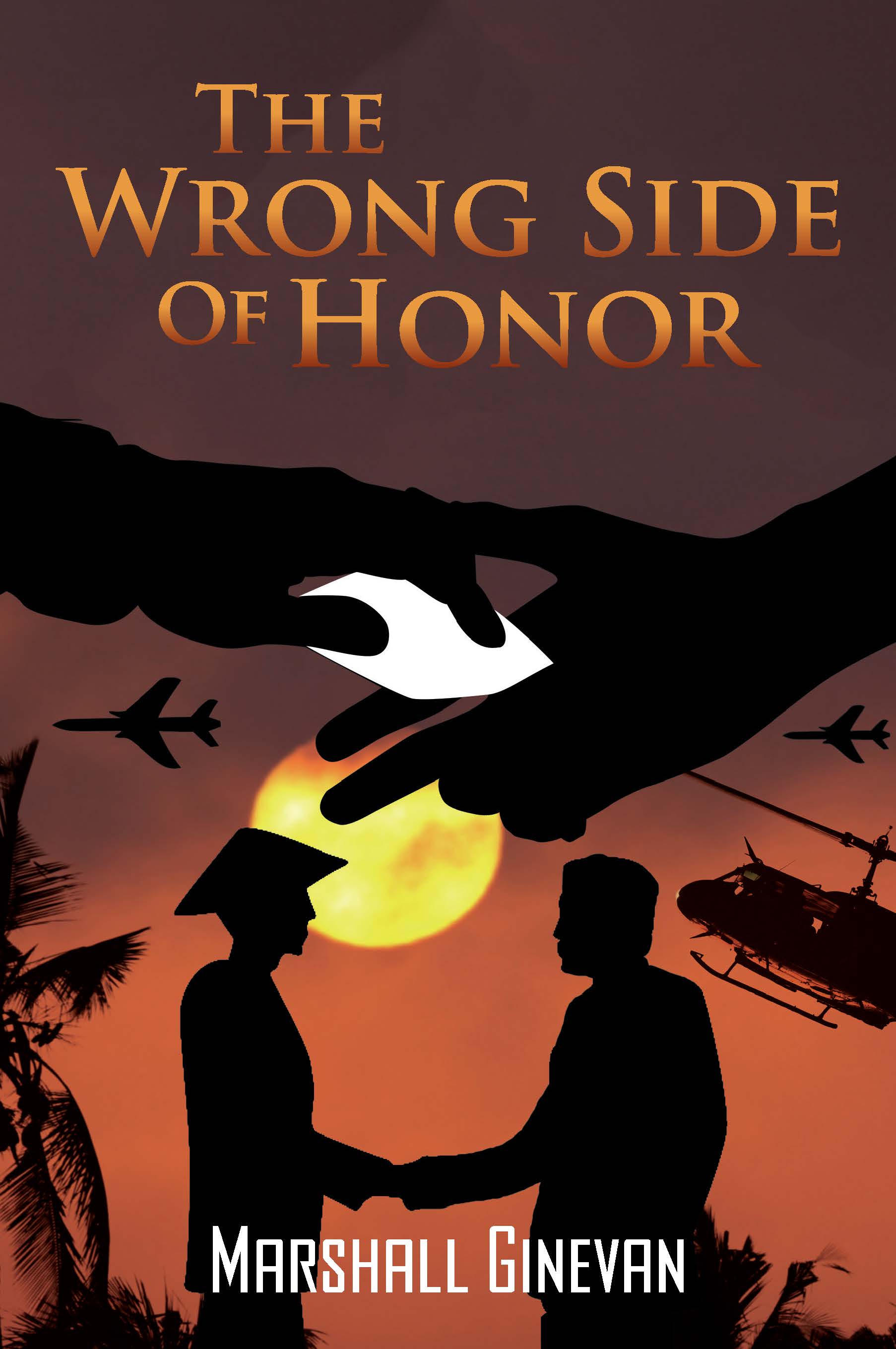
The Wrong Side of Honor is a novel about the war on drugs at the end of the Vietnam War. Its is exciting and thrilling and action-packed from the first page to the very last. The CIA has a drug operation taking opium from Vietnam to the U.S.. The Air Force has put together a secret operation to destroy the opium trade. This novel is perfect for history buffs. I absolutely loved it and recommend it highly.
When there is love, facade fades
When there is truth, triviality decays
When there is reality, illusion wanes
When there is purpose, obscurity gives ways
When there is life, death never weighs…
That’s the beauty of originality
The Wrong Side of Life’s Bell
I was in a cell
But i never knew it’d be hell
I thought i was well
Until i pressed life’s wrong bell
The consequence was what i lived to tell;
Time was the revelation on how i fell ”Why am i in hell?!!!”,
i choose to yell
A still voice said: ”I need to realize that you were a wrong sell”
”That’s why you fell into life’s wrong bell”
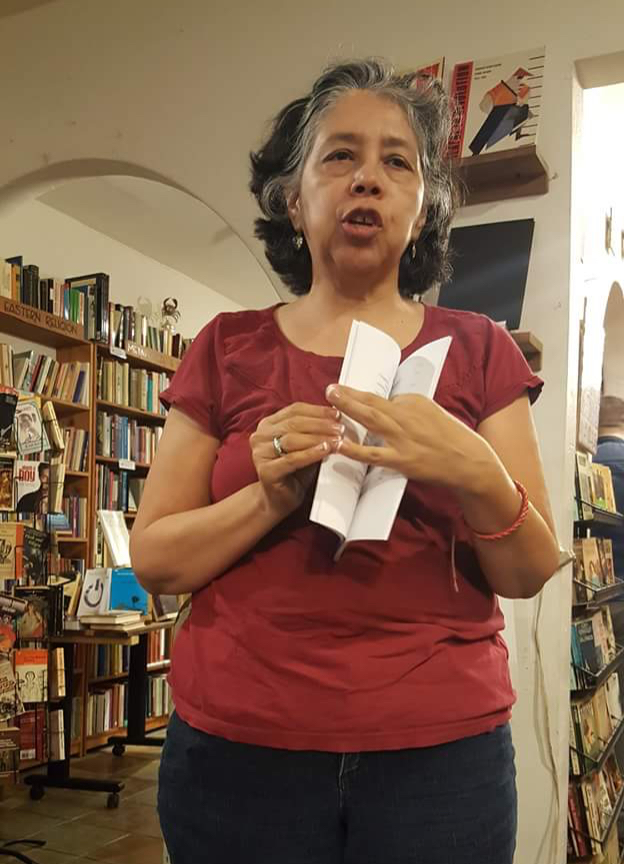
Leticia Garcia Bradford is a poet, playwright and publisher. In 2014 she founded B Street Writers Collective (BSWC), Hayward, CA- a community of writers both amateur and professional. Her poems and stories have been published in local and national journals. She edited BSWC’s anthology FLY WITH ME which she is, also, the publisher for MoonShine Star Co. BSWC’s new anthology WHAT IS LOVE debuted this spring. In 2017, Leticia toured around the entire SF Bay Area with her poetry and stories at open mics and readings featuring in San Francisco numerous times.Check out her blogs: MY NEW ADVENTURE, living without a place to call home atleticiagarciabradford.blogspot.com, and LETICIA’S BLOG at lgbradford.blogspot.com has her poems and other stories. Leticia’s website: bradford-productions.com
I imagine I am flying
with angels.
The moon laughs at me.
I waved my hands
and put the moon
in its place
with my rosy cheeks
and my halo gifted by angels.
Floating in the sky
after several margaritas
I imagine overlooking
vast fields
where men and women toil
to put food on the table.
I come down to earth
and prepare for work.
No more floating
and no more margaritas tomorrow.
LONELY CLOUD
The lonely cloud at twilight
does not change form. It
disappears. With my eyes
I cannot see it and it is okay.
The lamp of a moon shines
its light at the lonely cloud
late in the evening and still
the solitary cloud does not
change in form. I go to sleep
and in the morning the cloud
is gone. My eyes search for
it. The cloud disappeared.
It was taken by the wind.
The sky could not harbor it.
My eyes wept in the shining sun.
I was not mourning for the cloud.
Before you, I was nothing but a sinner who wanted to be a bird’s feather to rest my journey by the gate of heaven
With you, I am a different man who will be a dove to fly out of the universe all the way inside the world of paradise
What Will Remain
What will remain of me today or the next coming year, will it be worth a bird’s feather
The only grief in my bloodroot is the sad song of nightingales like a wedding with a mother in a picture frame
In this life I could live foolishly and lost in problems with a place in darkness to weep till I die
The tattooist of previous wars asked me about my homeland I told him that I was sold to the land of happiness
With a friend who broke my trust, a woman who died before loving me, And parents who denied my existence
What will remain of me, not an expensive pen, but an unreadable diary of the depths of my soul
The Silent Lake
Sitting in the front of the silent lake, with a wind blowing the tree branches, to hear the voiceless conversation ‘tween the leaves and the flying birds
the lake is shining like my tears in the night reflecting the light of the hanging stars with the moon watching my grieves covering my woman from the heat of my nerves
The wine I drink on my own will never wipe my yearnings from the scent of yours, the smile of yours, and the silky body of yours sliding above my flesh in the times where I was reaching over your lips
Life is wonderful because of you, standing in a white dress, with unbuttoned buttons unzipped zipper in the back, waiting on the sunset to unwrap you for a beautiful memory with no end, but a little sleep next to your long hair
Tears of The Sad Stars
The other day; I wore my Victorian suit and I poured myself a cup of English tea. As I take my first sip, I saw a giant Viking ship, sinking quickly. In seconds everything was calm as if nothing happened but a flying
dragon was eating the cold moon. Meanwhile the cookie monster was eating the cookies of the kids who died in the Viking ship my cup was not filled with tea instead it was filled with tears of the sad stars
–
Ahmad Al-Khatat was born in Baghdad on May 8th. From Iraq, he came to Canada at the age of 10, the same age when he wrote his very first poem back in the year 2000. He also has been published in several press publications and anthologies all over the world. And he currently studies Political Science at Concordia University in Montreal. He recently has published two chapbooks “The Bleeding Heart Poet” and “Love On The War’s Frontline” through Alien Buddha Press. They are available for sale on Amazon. Many of his new and old poems are also available on his official page Bleeding Heart Poet on Facebook.