Essay from Sharifov Sirojiddin Shavkatovich

Mathematics is one of the most important subjects in the world. It plays a key role in our daily life and helps us understand how things work. Math is not only about numbers and formulas. It is also about logic, problem-solving, and clear thinking.

From a young age, people use math in simple ways. We count money, tell time, and measure distance. When we go shopping, math helps us calculate prices and discounts. When we cook, we use math to measure ingredients. These small examples show that math is always around us.

Math is also very important in education and science. Subjects like physics, chemistry, engineering, and economics are based on mathematics. Without math, modern technology would not exist. Computers, smartphones, the internet, and artificial intelligence all depend on mathematical principles. Math helps scientists make discoveries and engineers build safe structures.

Another important role of math is developing the human mind. It teaches us how to think logically and make correct decisions. Math trains patience and accuracy. When students solve math problems, they learn how to analyze situations and find solutions. These skills are useful not only in school but also in real life.

Many people think math is difficult or boring. However, math becomes interesting when it is understood properly. With practice and good teaching, anyone can improve their math skills. Math is a universal language that connects people from different cultures and countries.

In conclusion, mathematics is an essential part of human life. It supports daily activities, education, science, and technology. Learning math helps people become smarter, more confident, and better prepared for the future.

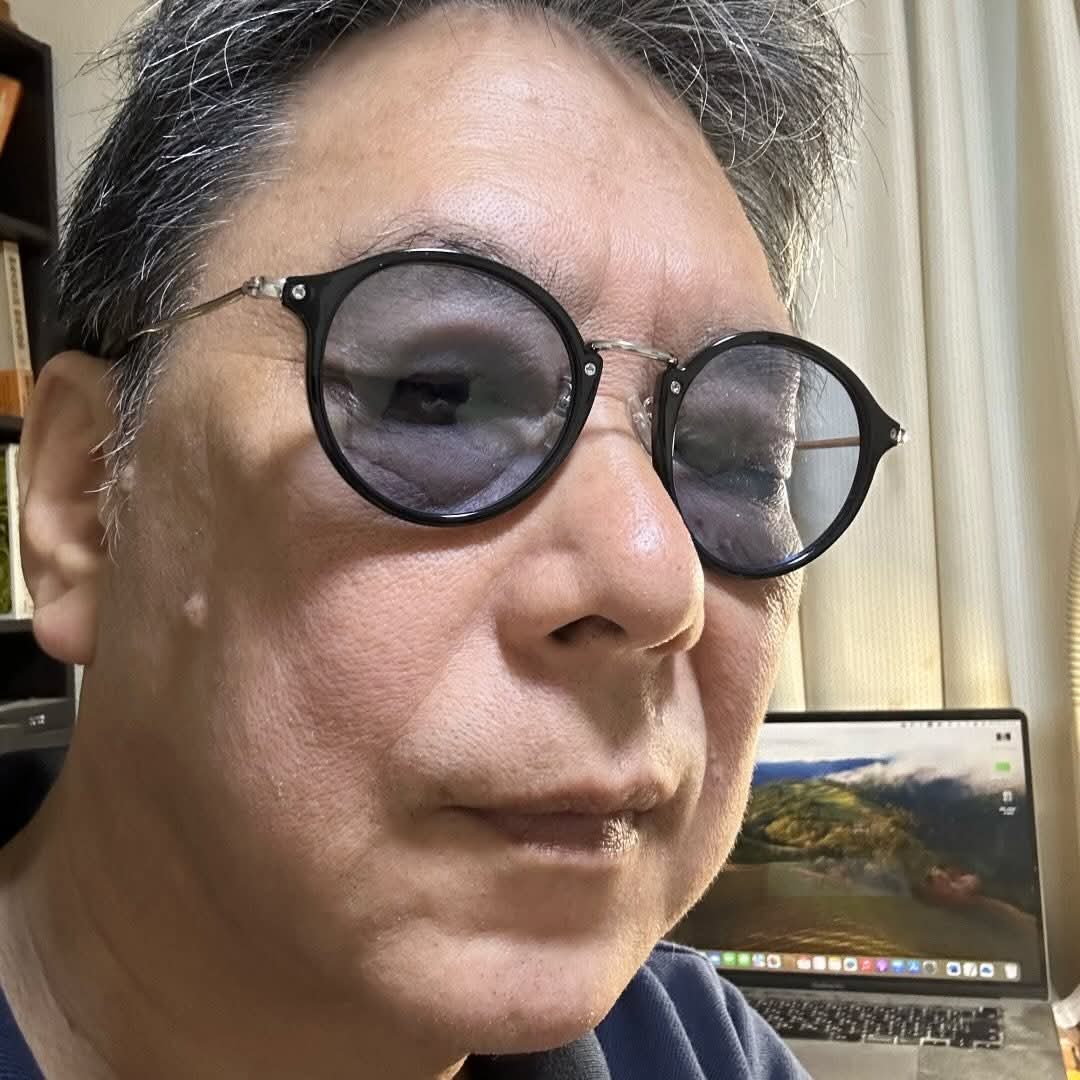
My name is Sharifov Sirojiddin Shavkatovich, a passionate and ambitious teacher born on July 16 1989, in Shakhrisabz district, Kashkadarya Region, Uzbekistan.

I have been working as a math teacher for ages and l can say that l already could help over 1000 students enter their dream university.

With a deep interest in leadership, public speaking, and writing, I continue to work hard toward achieving academic excellence and inspiring others in my community.

Essay from Xudoyberdiyeva Mohiniso

Young Central Asian woman with a pink collared shirt, earrings, and straight black hair up in a ponytail.

The Kara-Khanid State and Its Development

Student of Denov Institute of Entrepreneurship and Pedagogy

Xudoyberdiyeva Mohiniso

Annotation

The Kara-Khanid State, which emerged in Central Asia between the 9th and 12th centuries, was one of the earliest Muslim Turkic states and played a significant role in political and cultural life. During their rule, Islam spread widely, mosques and madrasahs were constructed, and trade and crafts flourished. The works of Yusuf Khass Hajib, Qutadghu Bilig, and Mahmud al-Kashgari, Divanu Lughat al-Turk, belong to this period. Although the Kara-Khanids eventually weakened, they strengthened Islamic values in the region and greatly contributed to the cultural development of Turkic peoples.

Keywords: Qutadghu Bilig, Transoxiana, Central Asia, Muslim Turkic state, Islam, culture.

Introduction

Research in this field focuses on examining the role of Turkic states in the history of Central Asia, and the Kara-Khanid Khanate occupies an important place in this process. According to scholarly studies, during the period of the Uyghur Khaganate, the Karluks—composed of three major tribes—were among its subjects. In 756–757 they grew in strength and sought to seize the throne. The internal struggle that began in 789 prevented their success, causing them to separate from the Uyghurs and migrate toward the region of Jetisu, where they later established a new khaganate.

Sources published in Chinese and Uyghur languages describe in detail the historical and ethnic situation in Central Asia before the formation of the Kara-Khanid Khanate. According to these works, the political map of the region underwent repeated changes over several centuries: internal conflicts, wars, and invasions led some states to decline while others flourished.

Main Part

Historical Context and Migrations

Chinese scholars report that after the fall of the Turkic Khaganate, large migration processes took place in Central Asia for nearly two centuries. This intensified after the Uyghur Khaganate, founded in 744 in present-day Mongolia, collapsed in 840. Several factors contributed to the downfall of the Uyghur state: internal power struggles, widespread drought, disease, and harsh winters that devastated livestock. Discontented officials allied with the Kyrgyz, attacked the royal palace, and killed the khagan. Consequently, the Uyghur Khaganate disintegrated, and its population dispersed.

A large group of Uyghurs abandoned their homeland and moved westward, eventually settling in the pastures of Jetisu. When internal unrest broke out within the Uyghur Khaganate, the Karluks were among the first to withdraw from the confederation and migrate to Jetisu—present-day southeastern Kazakhstan. According to Chinese researchers, the Karluks belonged to the “Toqquz Oghuz” (Nine Oghuz) tribal union and constituted a significant portion of the population of the Uyghur state.

By the 9th century, the Karluks had gained considerable political influence and consisted of three principal tribes: Bulak (Muyolo), Sabak (Chjisi), and Mashli (Tashli. Some scholars, including Vey Liangtao, refer to them as one of the “eleven Uyghur” groups.

Islamization and Cultural Development

By the time the Kara-Khanid State was established and began consolidating political authority, most of the population of Transoxiana and surrounding territories had embraced Islam. During this period, Islam reached a high level of development and gradually became a distinct cultural system.

This religious transformation also influenced the Turkic tribes within the Kara-Khanid realm. Due to their close interactions with the settled population of Movarounnahr, the nomadic and semi-nomadic peoples gradually adopted Islam. In Transoxiana and Khwarazm, pastoral tribes living near urban settlements accepted Islam nearly simultaneously with the settled population. Nomadic groups living along the Syr Darya and further north also converted between the 9th and 10th centuries.

According to historical sources, in 960 alone, approximately 200,000 Turkic households embraced Islam.

The rulers of the Kara-Khanid State recognized the significance of Islam and actively supported the development of Islamic culture. Satuk Kara Khan was the first Turkic ruler to convert to Islam, adopting the Muslim name Abd al-Karim Satuk Kara Khan. During his reign, numerous Turkic tribes—Karluk, Chigil, Yaghma, Khalaj, and others—converted to Islam. This process played a major role in unifying the state and shaping its political stability.

Conclusion

The Kara-Khanid State successfully united various Turkic tribes and established a strong central authority. They strengthened trade routes, enhanced economic stability, and paid great attention to cultural and scholarly development. Madrasahs, mosques, and cultural centers were built in cities such as Samarkand and Bukhara.

The Kara-Khanids actively promoted Islam, ensuring both religious and political unity within their territories. Therefore, this state represents an important stage in the consolidation of governance and the cultural advancement of Central Asia.

References

1. Irpan To‘xtaev. Kara-Khanid Silver Coins Minted in the First Quarter of the 11th Century. Tashkent, 2015.

2. Vey Liangtao. Kalaxan Wangchao Shigao, p. 72.

3. Ibid., pp. 66–73.

4. Khojaev K.A. On the Terms “Jyushing Ugu”, “Jyushing Tele” and “Jyushing Xueyhe” in Chinese Sources. Oriental Studies, Tashkent, 2004, pp. 223–228.

5. Khojaev A. Data from Ancient Chinese Sources on the Ethnic History of Central Asia. Tashkent, 2017, pp. 239–252, 356.

6. Wikipedia.

7. Ablat Khodjaev, Dilrabo Turdieva. The History of the Kara-Khanid Khanate in the Research of Scholars of the People’s Republic of China. Tashkent, 2021.

Xudoyberdiyeva Mohiniso was born on May 22, 2006, in Denov district, Surxondaryo region. She is currently a second-year student at the Faculty of History, Denov Institute of Entrepreneurship and Pedagogy.

Poetry from Mark Young

Time / still moves / while standing still

Is political time, is archipelago
time. “Why should we have
half the islands on one time &
the other half on another when
they’re only fifteen minutes apart?”
So some adjusted the local IDL
with an eastern bulge while others
moved it westwards. On Taveuni

Island, in the Fiji archipelago, one
can stand across the actual Prime
Meridian, have one foot in today, the
other in yesterday. Then, without
moving an inch, have one foot in to-
morrow while still balancing in today.

wingding

Pigeons & buses
jostle for space

in the eye of
the hurricane.

alt-Zen

Seeking peace
from a piece
of pizza.


Intelligent Design

He considered poems to be
a form of get well cards, was
always upset that they never
came in addressed envelopes.

A note

Being an expat-
riate doesn’t

mean being an
ex-patriot. I

still cling to my
country of origin.

Fender Bender

A within-subjects study is investi-
gating whether using multidose
vials or old-school flash cards is

more efficacious. Both are some-
what pointless, & may be hazardous.
Even dead batteries can still produce

some electricity. It’s why, to overcome
its innate low speeds, a Pokémon of
Sassy nature welcomes Bitter berries.

Poetry from Mandy Diamanto Pistikou

Middle aged smiling Greek woman with shoulder length curly dark hair and a green top.

ΠΑΙΔΙΚΗ ΣΟΦΙΑ (Ποίημα)

Σε κάποια μέρη μακρινά

Μια παιδική καρδιά σκιρτά

Ψάχνει ειρήνη για να βρει

Μέσα στου κόσμου τη βοή.

Παντού ακούει στεναγμούς

Βάσανα, λύπες και καημούς

Στέκεται μόνο κι απορεί

Όλα αυτά παρατηρεί.

-Τα πράγματα είναι απλά

Αν τα κοιτάς από ψηλά

Τ ’ασήμαντα μην τα ποθείς

Μέσα σου ειρήνη για να βρεις.

Άκου για λίγο την φωνή

Την άδολη, την παιδική

Μην ψάχνεις άσκοπες  στιγμές

Δόξες και μνείες φοβερές.

Ούτε το κέρδος να κοιτάς

Μονάχα να χαμογελάς

Σαν την αγάπη θα γευτείς

Μόνο αυτή θα επιζητείς.

Στο λέω εγώ –ένα παιδί

Που ξέρει λίγα απ’ τη ζωή

Μα ξέρει όμως πιο πολλά

Απ’ των Μεγάλων τα Δεινά.

ΣΥΝΤΟΜΟ ΒΙΟΓΡΑΦΙΚΟΗ Μάντυ (Διαμάντω) Πιστικού γεννήθηκε το 1974 στον Πειραιά. Λάτρης των Τεχνών και των Γραμμάτων, ξεκίνησε από πολύ μικρή να γράφει τα πρώτα της ποιήματα, στίχους και μουσικές συνθέσεις. Δίδαξε Αγγλικά επί σειρά ετών, δίνοντας έμφαση στα παιδιά με μαθησιακές δυσκολίες και την Τέχνη ως μέσο έκφρασης και διδασκαλίας. Διατέλεσε ως μέλος της TESOL Greece. Εργάζεται ως διοικητικό προσωπικό στο Εθνικό Κέντρο Αποκατάστασης. Αποφοίτησε  από το τμήμα  Ελληνικού Πολιτισμού στο Ελληνικό Ανοιχτό Πανεπιστήμιο έχοντας κερδίσει υποτροφίες αριστείας για όλα τα  έτη των σπουδών της. Είναι κάτοχος του μεταπτυχιακού ‘Λαϊκός πολιτισμός και Λογοτεχνία’ στο ΕΚΠΑ. Έργα της έχουν διακριθεί σε διάφορους λογοτεχνικούς διαγωνισμούς. Γράφει για να εκφράσει τα συναισθήματα και τις ανησυχίες τις για διάφορα θέματα ενώ παράλληλα ονειρεύεται και πασχίζει να συμβάλλει σε έναν καλύτερο κόσμο

WISDOM OF A CHILD

Ιn far-off places, out of sight,

A child’s heart stirs with gentle light.

It seeks for peace, a place to be,

Inside this world’s uncertainty.

It hears the sighs from every land,

The suffering hard to understand.

It stands alone, with wondering eyes,

Watching the sorrows as they rise.

“Things can be simple, can’t you see,

When viewed with calm serenity?

Don’t chase the things that fade away—

Find peace within your heart today.”

“Listen a moment to the sound

Of innocence that’s all around.

Don’t search for vain and hollow praise,

Or glory lost in fleeting days.”

“Don’t look for profit, gold, or gain;

Just smile beyond the world’s disdain.

Taste love, and once you feel it grow,

That’s all you’ll ever need to know.”

“I tell you this—though I’m a child,

Still learning in a world so wild—

I know some truths, though small I seem,

More than the grown-ups dare to dream.”

SHORT BIO

Mandy (Diamanto) Pistikou was born in 1974 in Piraeus. A lover of Arts and Letters, she began writing her first poems, lyrics, and musical compositions at a very young age. She taught English for several years, with an emphasis on children with learning difficulties and on using Art as a means of expression and teaching. She has served as a member of TESOL Greece. She currently works as administrative staff at the National Rehabilitation Center. She graduated from the Hellenic Open University with a degree in Hellenic Culture, having been awarded excellence scholarships for every year of her studies. She holds an MA in “Folk Culture and Literature” from the National and Kapodistrian University of Athens. Her works have been distinguished in various literary competitions. She writes in order to express her emotions and concerns on various issues, while at the same time dreaming of and striving to contribute to a better world.

Poetry from Zebo Zukhriddinova

Paper Planes


The classroom smelled of pencil shavings and damp jackets. For five minutes, we folded scraps of notebook paper into planes, launching them across the room. Some glided, some wobbled, others crashed into walls. I traced their arcs with my eyes, noting collisions, ricochets, and the occasional flight that defied expectation.

Laughter erupted, papers tumbled, and yet patterns emerged: the planes avoided certain corners, landing repeatedly in familiar arcs. I folded another, adjusting the crease slightly, predicting its path, marveling that small variations led to wildly different outcomes. In that brief chaos, I glimpsed a lesson bigger than geometry: that
unpredictability is only meaningful if we observe, if we participate, if we notice the subtle orders forming inside the mess.

Poetry from Petros Kyriakou Veloudas

Young middle aged Greek man in a blue polo shirt and short dark hair seated at a wooden desk.

ITS INVISIBLE FORM

He sits on the
calm soil
and listens to the aftershocks
vibrations of the lyrics
just as it pulsates
the pen before swimming
in ink
Then he drinks bitterly.
water from the
soul of the trees
and at that time
a drop of sorrow
he wet his drunkenness
coat…
The cloud moved.
which calmed down today
nature, calm down
the cataclysmic emotions
from the breasts of the mountains…
He then sits on a stool.
and paints its form
above the portrait
of loneliness…
He stands speechless nearby
in the quiet heart
of a sea
which every
so much
slaps him
with its wave
to remember her form again!..-

Petros Kyriakou Veloudas was born in Agrinio in 1977. He holds a degree in humanities from the Department of Greek Culture of the Hellenic Open University of Patras and is a businessman and preschool teacher by profession. He is the European ambassador of Greek poetry in Romania, an academic poet at the AMCL Academy of Poetry and Philology in Brazil. Member of the international poetry societies WORLD SOCIETY OF POETS-WSP, WRITERS UNION, International Association of Greek writers-DEEL. His literary-poetic work is included in the Great Encyclopedia of Modern Greek Writers HARI PATSI, as well as in many Greek and international poetry anthologies, he has won 57 international poetry awards and his poems have been translated into many languages. Poems are read by the Chilean radio station His lyrics were set to music by Greek composers and his songs are posted on youtube. His poems have been published in local newspapers of Agrinio such as (MACHITIS, AGGELIA, PALMOS).

Essay from Bill Tope

Don’t Bet on it!

Most tech-savy persons are familiar with the term “handle.” Its use dates back to the 1970s, when it described the on-air identity of a CB radio user.

Remember “BJ and the Bear?” No? Just as well. More recently a handle refers to the amount of money wagered on an event carried on an online sportsbook or betting site.The impact of online sportsbooks is a function of the behavioral changes brought about by the very existence of online gaming, which is a less-insidious-sounding euphemism for gambling.

Today, millionaire celebrities appear online or on television, waxing eloquently on the probable good fortune of the online gambler. Numbering among these are songbirds Drake and Vanessa Hudgens and socialite Paris Hilton.

Others include comedian Kevin Hart, actor and singer Jamie Foxx and comedian Chris Rock. Former NBA star and basketball commentator Charles Barkley and soccer superstar Lionel Messi help fill out the ranks of the well-to-do proponents of gambling.

Significantly, these beautiful and successful, but vulgar shills do not hasten to explain the risks of online gambling and their sometimes debilitating counterpart of problem gambling and gambling addiction. (1.4% of gamblers, or 80 million persons world-wide are gambling addicts).

Gambling promoters say nothing of foreclosed mortages (An individual’s 10% increase in spending on gambling accounts for a 97.5% increase in incidence of a missed payment) or hungry families sitting around a barren supper table.

Nor do they mention the increased incidence of domestic violence (One study found that 37 percent of people experiencing a gambling problem have perpetrated intimate partner violence). Although online gambling is nobly marketed to an adult clientele, minors surreptitiously gamble as well.

Ten percent of teens have gambled online in the past year.Of that number, 26 percent are at risk for disorders, a far higher proportion than among adults. Teens’ behavior often mirrors that of their parents.

According to one study, a single gambler’s problem behavior can metastasize its effects, impacting six to eight additional people, including family, co-workers, friends, and employers. So man (or woman) is not an island unto himself.

Recent statistics show that Americans wager upwards of $150 billion per year on online gambling, with a profit for the owners of sportsbooks in excess of $7.5 billion. This accounts for the corporate and celebrity avarice.

And the handle is expected to increase to an otherworldly $700 billion by 2028. At this point, more than 2/3 of states have given the nod to online gambling. Why? For decades, states eschewed legalization of gambling, citing the very real pernicious effects of the practice.

However, since state governments began exacting a percentage of the profits as a new stream of state revenue, they’ve begun to see the light. New York garners more than $3 billion per year in revenue which, until the Supreme Court legalized online betting in 2018, was unavailable to their grasping, greedy little fingers.

Legal gambling essentially began with the proliferation of lotteries. Today, if you walk into a convenience store to buy a newspaper or a coffee, and you’ll be forced in wait in a lengthy line servicing “Lotto,” “Powerball” and all the rest.

And who can forget the 60+-year-old retirees who squander their retirement checks on the allure of scratch-off tickets. In 2024, Americans spent more than $100 billion on lottery tickets.

And here’s a salient fact that no one ever seems to pay attention to: gambling–all gamblng–is set up to make the house the winner. The odds and margins are simply with them, by design. 

Legal gambling has a systemically racist aspect as well. A 2022 study of Ohio gamblers showed that 32% of Blacks in that state who gambled, met the criteria for a gambling disorder. That’s compared to just 18% of white people from the same region.

A disproportionate percentage of gambling ads target African Americans. This economic fact is compounded by the reality that more Blacks are impoverished than other races.

Ads promulgate the feel-good high of following a scheme for apparent financial success, while stressing none of the downside. This puts such African American proponents of gambling even more in the spotlight.

Take Chris Rock, who banters a mile-a-minute on the positivity of gambling. Or his fellow multi-millionaire Charles Barkley, who’ll never know what the consequences of a missed car payment will feel like. Or Jamie Foxx, dazzling television viewers as he struts about on camera in a glittering suit which probably cost more than the cars that 90% of Americans drive.

Shills for legal gambling are the sorts of persons who, 60 years ago, would’ve been starring in ads for cigarettes. And 20 years from now, they’ll be featured in ads for legalized prostitution, cocaine and heroin.

What a racket! Will you be one of the rare lucky ones, and cash in on legal gambling?

Don’t bet on it!