Give me the chicha to drink and your nasal song that springs from your being. Shout your wisdom to all the winds with drums and charangos, with violins and quenas. Sing, brother, for I want to get drunk, dance in circles of the bonfire, for I want to be infected. You who know of time and suns, tell me the stories of our ancient land. Teach me your language of native words for my Chaco verses that want to be simple as you are.
Ana Elisa Medina, from the book “Verses of the People”, Ed. Región, Resistencia, 1974, pp. 91 Argentina.
A writer, mediator, and visual arts technician, she has published six books: Verses of the People; History of the First Constitutional Governor of Santa Cruz; Santa Cruz in Flames; Being With…; Man’s Anxiety; Paths of the Soul; more than seventy-five anthologies; magazines, newspapers, and cultural radio programs such as “Aonikenk” and “Cultural Bonfire,” as well as television programs, etc. She has received national and international awards. A member of the C.F.C. of SADE, president of IALL, she is involved in several cultural groups such as “Together for Letters,” “Literary Sparks,” and “Artemanaike,” etc.
This article analyzes the role of digital technologies in modern society and the processes of digital transformation taking place across various sectors. It highlights the positive impact of the digital world on education, the economy, public administration, and everyday life. Key areas such as the digital economy, e-government systems, online services, and cloud technologies are examined from a scientific perspective. The study also explores issues related to internet security, personal data protection, and cybersecurity. In conclusion, the article evaluates the overall significance of the digital world for the development of society.
Keywords:
Digital world, digitalization, digital economy, e-government, information technologies, artificial intelligence, cybersecurity, online services, digital education, data protection, innovation.
Introduction
Today, technological progress is reaching its highest level, and digital technologies are becoming an integral part of all human activities. With the widespread use of the internet, mobile applications, and the rapid development of artificial intelligence, the concept of the “digital world” has emerged. This article examines the advantages and opportunities provided by the digital world, its impact on various aspects of society, and the challenges that arise as a result of digital transformation.
Main Part
The Role of the Digital World in Society
The process of digitalization is enabling significant changes in public administration, education, healthcare, the economy, and social life. The introduction of e-government systems provides citizens with convenient online access to official documents, applications, and public services. This contributes to time savings, transparency, and improved accessibility. In the field of education, digital platforms are widely used, fostering the development of distance learning systems. Virtual laboratories, digital libraries, and AI-based learning tools offer learners modern and efficient educational opportunities.
The Formation of the DigitalEconomy
The digital economy is a modern economic model in which value is created primarily through digital data and technologies. E-commerce, online payment systems, fintech services, and cryptocurrencies are improving the efficiency of economic processes. Key advantages of the digital economy include:
Increased transparency of economic activities
Resource efficiency
Fast payment systems
Access to global markets
Creation of new jobs
Security Issues in the Digital World
Along with technological advancement, various online threats have also emerged. Cybercrimes, malware, online fraud, and the theft of personal data have become major modern security concerns. These include:
Phishing (stealing data through fake websites)
Viruses and Trojan software
Unauthorized access to databases
Fake information and online manipulation
Therefore, it is essential to develop effective cybersecurity strategies, strengthen data protection mechanisms, and increase digital literacy.
4. The Importance of Digital Education
Digital education is one of the fastest-developing fields today. Distance learning, digital platforms, online courses, and electronic resources simplify the learning process and increase accessibility. Students can join classes from any location and gain access to a wide range of learning materials. Advantages of digital education include:
Unlimited access to educational resourced
Interactive learning methods
Increased efficiency through modern technology
Conclusion
In conclusion, the digital world has become an essential component of modern society. It covers all areas of human life and ensures more convenient, faster, and efficient operations. At the same time, the rapid development of digital technologies makes issues such as personal data protection, reducing online risks, and strengthening cybersecurity increasingly important. For successful development in the digital environment, it is crucial to use technologies consciously, responsibly, and safely.
References
1. Karimov A., Jo‘raqulov O. Information Technologies and Digital
Transformation. Tashkent: Fan va texnologiya, 2022. 2. To‘xtayev Sh. Fundamentals of the Digital Economy. Tashkent: Iqtisodiyot, 2021. 3. Hasanov B. Cybersecurity and Data Protection. Tashkent: Innovatsiya nashriyoti, 2020. 4. Turaboyev I. Architecture of Information Systems. Tashkent: TATU
Publishing, 2019. 5. Shoshilinchov N. Digital Society and E-Government Systems. Tashkent: Adolat, 2021. 6. OECD. Digital Economy Report: Digital Transformation and Society. Paris: OECD Publishing, 2022. 7. UNESCO. ICT in Education: Global Trends and Challenges. 2023. 8. Castells M. The Rise of the Network Society. Oxford: Blackwell
Publishing, 2010. 9. ENISA. Cybersecurity Threat Landscape Report. 2023. 10. World Bank. Digital Development Overview. Washington, 2022.
This article provides a scientific analysis of the biological nature of mutations, their effects on organisms, and their types. Mutations are considered permanent changes in genetic material and play an important role in shaping the phenotypic characteristics of organisms. The article discusses in detail the natural and artificial forms of mutations, their positive and negative consequences, as well as their effects on human and animal organisms.
Mutations are changes in the structure of DNA or chromosomes that play a central role in biological evolution and in the emergence of various genetic diseases. Mutations shape the phenotypic characteristics of organisms and influence their ability to adapt to the environment.
In modern genetics, the study of mutations is of great importance for human health, breeding processes, and ecological research. Mutations occur as a result of many factors, including radiation, chemical substances, viruses, and natural mutational processes. Their outcomes may be noticeable at the phenotypic level, which can alter the organism’s vital activity in either positive or negative ways.
Main Part
Gene mutations are changes in the nucleotide sequence of a specific gene in DNA. Such changes play an important role in the transmission of genetic information and affect many biological processes. Gene mutations can occur in the following forms:
Substitution – one nucleotide is replaced by another, which may change the encoded amino acid.
Deletion – the loss of one or more nucleotides from the genetic sequence, resulting in disruption of the genetic code.
Insertion – the addition of extra nucleotides into the gene, which may disturb the coding process.
These types of mutations directly affect protein synthesis. When the structure and function of a protein change, noticeable changes occur in the organism’s phenotype. These changes may range from simple physiological differences to complex genetic diseases.
Chromosomal mutations are changes in the structure of chromosomes that affect the location and quantity of genetic material. Such mutations include:
Duplication – repetition of a chromosome segment, resulting in an increase in genetic material.
Inversion – reversal of a chromosome segment, which may affect gene expression.
Translocation – movement of genes from one chromosome to another, disrupting genetic balance.
Deletion – loss of a chromosome segment, which may result in the loss of essential genes.
Chromosomal mutations usually have greater phenotypic effects than gene mutations. They may cause developmental defects, hereditary diseases, and various syndromes.
Effects of Mutations on the Organism
Some mutations provide organisms with adaptability and improved survival. For example, in the process of natural selection, certain mutations add beneficial traits to a population, lead to the emergence of new phenotypes, and play a role in evolution.
However, mutations are not always beneficial. Based on personal observations and studies, many mutations can significantly harm an organism’s vital functions. They may lead to developmental defects, hereditary diseases, infertility, and weakened immune systems. For instance, some gene mutations cause oncological diseases by disrupting normal cell structure and function. Therefore, it is important to remember that mutations may also have negative consequences. In some cases, they may not be noticeable during an individual’s lifetime but can pose a risk to future generations when inherited.
Neutral mutations are changes in genetic material that do not cause noticeable changes in an organism’s phenotype, that is, its external appearance. In other words, such mutations do not disrupt the organism’s vital activity. Therefore, they are called neutral, as they are neither beneficial nor harmful in the short term. Nevertheless, neutral mutations are scientifically important because they increase genetic diversity during evolution and contribute to the formation of beneficial traits through natural selection in the future.
Neutral mutations increase genetic diversification in populations and create new evolutionary opportunities. For example, a neutral change in a gene may remain unnoticed in a population for a long time, but when environmental conditions change, it may become beneficial. From this perspective, neutral mutations are an important scientific tool for predicting evolution and understanding the future of populations.
At the molecular level, neutral mutations are also significant. They help maintain DNA stability and ensure the continuous transmission of genetic information from generation to generation. At the same time, they contribute to the emergence of new alleles and gene combinations, allowing populations to maintain adaptability and expand biological diversity under natural conditions. However, neutral mutations may become beneficial or harmful in the future. For instance, when environmental conditions change резко, a previously neutral allele may provide a new advantage to the population. Therefore, monitoring and studying neutral mutations is essential, as it allows a deeper understanding of evolutionary processes.
Prevention and Control of Mutations
Preventing and controlling mutations is very important from the perspective of biological safety and population health. The first measures involve controlling radiation and chemical substances, as high doses of radiation or toxic compounds can damage DNA and increase mutation risk. Therefore, safety measures in industrial, laboratory, and medical fields are crucial.
A healthy lifestyle also plays an important role in reducing mutation risk. Proper nutrition, vitamins, and antioxidants help maintain genetic material stability. Regular physical activity, stress reduction, and avoiding harmful habits strengthen genetic health and reduce the risk of hereditary diseases.
Genetic counseling is an effective tool in mutation control. By assessing the risk of hereditary diseases during family planning, the negative effects of harmful mutations in future generations can be reduced. In this way, the health of individuals and their descendants can be protected. Genetic counseling is important not only for families but also for the healthy development of society as a whole.
Modern medicine also uses DNA testing and gene therapy methods. Through molecular diagnostics, individuals can learn about their genetic risks and take necessary measures. As a result, mutations can be kept under control and their negative consequences more easily prevented.
Ultimately, by preventing and controlling mutations, we can preserve genetic resources and biological diversity, ensuring stable and effective evolutionary processes. Therefore, biologists, geneticists, and medical professionals pay special attention to studying, controlling, and preventing mutations.
The article draws on Kimura’s (1983) theory, which explains that neutral mutations may have no noticeable effect on phenotype but play an important role in population evolution. According to Kimura, many mutations do not affect the external appearance of humans or other organisms, yet they create a foundation for genetic diversification and future evolutionary processes. From this perspective, neutral mutations are scientifically valuable.
Lynch (2010) provides a detailed analysis of different types of mutations and their effects on biological systems, particularly emphasizing the role of healthy lifestyle, nutrition, and antioxidants in maintaining genetic stability. Thus, the recommendations presented in the article are scientifically grounded.
Hartl and Clark (2007) analyze the spread of mutations in populations, their role under natural selection, and mechanisms for reducing the risk of hereditary diseases. Their approach aligns with the article’s recommendations on genetic counseling and family planning. Overall, the article integrates the scientific findings of Kimura, Lynch, and Hartl & Clark to highlight the importance of neutral mutations, genetic diversification, and evolution, while also offering scientifically based strategies for preventing and controlling harmful mutations.
Conclusion
Mutations are permanent changes in an organism’s genetic material and play an important role in biological evolution, adaptation, and the formation of phenotypic traits. Mutations can have positive, negative, or neutral effects and may pose risks to human health and the ecological environment. Therefore, studying mutations and controlling their consequences occupies a central place in biology and genetics.
References
Alimov, R. (2018). Fundamentals of Genetics and Mutations. Tashkent: Fan va texnologiya Publishing House.
Karimov, S. (2020). Mutations and Human Health. Tashkent: Ministry of Health of the Republic of Uzbekistan Publishing House.
Jo‘rayev, D. (2017). Chromosomal Mutations and Their Effects on Phenotype. Tashkent: Higher and Secondary Specialized Education Publishing House.
Mahmudov, N. (2015). The Unity of Language and Thought. Tashkent: Fan Publishing House.
Rasulov, T. (2019). Genetic Diversification and Selection. Tashkent: Biology Publishing House.
G‘ulomov, A. (2016). Mutational Processes and Environmental Factors. Tashkent: Ilm-fan Publishing House.
To‘xtaboev, E. (2018). Neutral Mutations and Evolution. Tashkent: National University of Uzbekistan Publishing House.
Nu’monova Shohsanam Bahodirjon qizi was born on December 23, 2007, in the city of Tashkent. She graduated from Secondary General Education School No. 26 located in Uzbekistan District of Fergana Region. Currently, she is a first-year student of the Faculty of General Medicine (Department No. 2) at Tashkent State Medical University. From an early age, Shohsanam has shown a strong interest in medicine and is currently pursuing her dream with determination. Her goal is to become a highly qualified specialist in her profession and to positively impact the lives of many patients.
This month, we consider the peace, love, and joy honored during the world’s many December holiday celebrations. This issue also encourages us to take stock of where we are as human beings, physically, intellectually, and morally, and to take whatever steps are possible to rise to the next level.
Sometimes that’s going outside and getting some exercise. Brian Barbeito walks by a lake and considers the joy of simple living and natural beauty.
Aura Echeverri Uribe evokes the monumental destruction of an avalanche. Jack Galmitz speaks to how we manage and control wildness, in our neighborhoods and our bodies, and how it can reassert itself. Carrie Farrar speaks to the joy and wonder of visiting France to see the Mer de Glace glacier. Mahbub Alam speaks to a solid connection between humanity and nature, like a tree standing firm in the changing winds.
Tasneem Hossain draws on the owl as an extended metaphor for wisdom and protection. Roodly Laurore reflects on the tender and colorful beauty and diversity of nature in a piece which he intends to bring comfort in a violent and turbulent world. Maja Milojkovic encourages us to imagine a new world of gentleness and peace towards our earth and each other.
Elizabetta Bonaparte’s poetry takes a short, but strong and cogent, stand against war. Valentina Yordanova, in poetry translated by Yoana Konstantinova, laments the mindless destruction war brings to ordinary lives. Eva Petropoulou Lianou calls for genuine humanity in a world at war.
Samar Aldeek tenderly celebrates peace in her bilingual poetry. Dr. Perwaiz Shaharyar draws on the style of courtly romance to honor the legacy of Mexican poet, peace activist, and literary cultural worker Dr. Jeannette Tiburcio. Fernando Jose Martinez Alderete joins in the tribute to Dr. Tiburcio and also speaks of the need for peace and mutual respect.
Paul Durand warns us of dangerous currents, both in the ocean and in American politics. Bill Tope’s poem criticizes human rights abuses committed in the name of immigration enforcement. Duane Herrmann speaks to the spiritual unity of all the world’s people under Ba’hai teachings and how that serves as an antidote to racism and anti-immigrant sentiment.
Travel gives us firsthand experience with different cultures and helps us understand each other. Türkan Ergör illustrates the dislocation of travel through clever and poetic alteration of word and line breaks. Lakshmi Kant Mukul captures the exhilaration and elevated beauty of plane flight. Abdumuminova Risolabonu Nizamovna discusses how travel helps people learn practical skills, including pragmatic communication in multiple languages.
Learning foreign languages, and mastering one’s native language, helps us understand each other, whether we travel in person or through imagination and books. Shakhnoza Pulatova Makhmudjanovna offers strategies for mastering the Arabic language. Muhammadjonova O’giloy Bunyodbekov qizi offers up suggestions for learning Turkish that would be helpful for any foreign language. Abduhalilova Sevdora Xayrulla qizi highlights grammar rules surrounding modal verbs in the Uzbek language. Allaberdiyeva Farangiz outlines ways for students learning English as a foreign language to gain writing proficiency.
Xudoyberdiyeva Jasmina analyzes the linguistic phenomenon of “chatspeak” and ‘text-speak” on the Uzbek language in a piece that’s more intrigued than negative. Dinora Sodiqova discusses the importance of professional communication for aspiring young Uzbek leaders.
People can also travel through time by reading older works and studying history. Petros Kyriakou Veloudas reflects on the joy and the weight of being part of a creative heritage, even when one does not know the names of each and every ancestor. Poet Eva Petropoulou Lianou interviews poet Muhammad Shamsul Huq Babu about his literary legacy and dream of building a large book museum.
Dunia Pulungeanu highlights the lifetime intellectual and literary accomplishments of Dr. Edwin Antonio Gaona Salinas. Choriyeva Go’zal Gayratjon qizi explores the resurgence of academic and cultural interest in foundational works of Uzbek literature. Xudoyberdiyeva Mohiniso reflects on the historical significance of the Mud Battle, an early military defeat for Central Asian medieval historical figure Amir Temur.
Farzona Hoshimova celebrates the pride and beauty of the Uzbek culture. Matnazarova Munisa encourages young and old Uzbeks to remember and preserve their traditional culture. Bobonova Zulfiya sings of the pride, freedom, and beauty of her native Uzbekistan. David Woodward evokes a quest for truth through reading Krishnamurti, ultimately reconnecting himself with his family. Rahmonkulova Gulsevar Samidovna considers the cultural values implicit within Uzbek folk legends.
Muhammadjonova Ogiloy Bunyodbekovna reviews Abdulloh Abdulmutiy Huda Said Bahul’s book Qu’logim senda, qizim, which provides Islamic faith-based guidance for young girls, narrated by a loving father. Ruzimbayeva Quvonchoy also urges Uzbeks to hold onto their traditional values, including love, bravery, and respect for women.
Maja Milojkovic translates Eva Petropoulou Lianou’s tribute to hard-working women around the world from English into Serbian. Mashhura Ochilova highlights the historical respect for women in Uzbek culture and what modern Uzbek women have achieved. Jaloldinova Gulzirahon Otabek Kizi highlights women’s increasing participation in Uzbekistan’s public life.
Orifjonova Nozima Azizbek considers the prospects for preserving the Uzbek language in a time of economic and cultural globalization. Rahmonqulova Gulsevar Samid qizi analyzes the crucial father-son relationship at the heart of the Uzbek folk epic tale “Alpomish” and its centrality to Uzbek family-oriented culture. Rahimberdiyev Ozodbek outlines key elements of Uzbekistan’s heroic tales.
Dr. Jernail Singh describes how Dr. K.B. Razdan diagnoses some emotional and psychological ills of modern life in his book Gather Ye Rosebuds.Sean Meggeson’s visual poetry speaks to what we gain and lose as modern society progresses. J.K. Durick waxes poetic about times when it seemed that matters were more easily understood and categorized.
Abdulhafiz Iduoze’s epic poem, layered with traditional and modern references from Benin’s culture, serves as a ritual chant and prophetic warning about colonialism and corrupt power structures. It situates recent dynamics within epic time, reminding readers that current matters are not destined to last forever.
Shikdar Mohammed Kibriah affirms the reality of his personal experience amidst the complex claims of philosophical schools. Aisha Al-Maharabi speaks with the voice of one who asserts his claim to existence, writ large on the natural and human worlds. Strider Marcus Jones speaks to reclaiming and holding onto our interior life, emotions, and connection to nature in a world of mass media and technological disruption and deception.
Many other creators explore our internal lives, what we can learn from ourselves and each other and how we can grow as human beings. Allison Grayhurst speaks to her creative and personal journey: learning to function and create through loss, to integrate pain and struggle into her process. Alan Catlin’s fanciful “anxiety dreams” play with our modern insecurities about navigating daily life. Also experiencing anxiety, Mirta Liliana Ramirez’ poetic speaker takes a bit more time before she’s ready to venture out in the world.
Alimardonova Gulsevar Sirojiddinovna explores the balance between personal dreams and duty to society in Somerset Maugham and Abdulla Qodiriy’s writing.
Rus Khomutoff’s latest poetry collection Kaos Karma, reviewed by Cristina Deptula, flows through various words and ideas, pulling us along on the wings of a slow dream. Stykes Wildee’s latest poem seems at once dreamlike and ordinary and conversational, casual thoughts within the subconscious. Mesfakus Salahin’s poetry is ghostlike, contemplative, detached as he contemplates love and death. John Doyle’s poetry harks from a variety of inspirations: everything from insects to gas stations to trains and the countryside. Arjun Razdan’s quick fictional sketch compares young women he sees to elegant fine wine.
Abdulsamad Idris also explores tragedy and loss through a frank and visceral voice. Graciela Noemi Villaverde finds herself lashed by the storms of loneliness and sorrow. Hanaan Abdelkader Ashour approaches loss with tenderness, offering a kind and reverent note of remembrance for departed loved ones. Marianne Jo Alves Zullas speaks openly of her mourning for her departed mother, everywhere and nowhere at once. Mykyta Ryzhykh’s poem captures the emotional emptiness of a relationship where one person loves intensely, and the other remains distant, consumed by their own habits. Marjona Eshmatova outlines various types of family system dysfunction and how to address them psychologically. Taylor Dibbert points to the ways even well-meaning people can misunderstand each other. Dilobar Maxmarejabova warns us how a person’s heart can become colder and more jaded over time.
Mohamed Rahal speaks of striving for authenticity in one’s faith and in love. Narzulloyeva Munisa Bakhromovna encourages people not to compare themselves negatively with others’ projected lives on social media. Raximberdiyeva Moxinabonu outlines the pressing mental health concern of smartphone addiction and the need to balance our phones with the real world. Moldiyeva Bahodirovna speaks to the way digital technologies have permeated our lives and how to have the Metaverse complement, rather than replace, our world. Choriyeva Xurmo urges balance in the use of digital media in preschool education. Orozboyeva Shodiyeva highlights educational social media applications and encourages her peers to use those rather than focusing just on entertainment.
Priyanka Neogi playfully celebrates innocent, childlike love. Milana Momcilovic evokes an eternal, spiritual love. Dr. Brajesh Kumar Gupta captures an elegant romantic kiss under moonlight. Vorhees describes erotic and tender love with gentle whimsy and echoes of history. Kemal Berk contributes a graceful love poem about the merging of egos and personalities within a relationship.
Ana Elisa Medina describes a love that encourages her to become a better person. Mohan Maharana celebrates the value of small acts of kindness. Abdusaidova Jasmina shares the importance of kindness through a children’s tale involving a mouse. Balachandra Nair highlights the value of virtue by presenting positive character traits as valuable jewels on display.
Sayani Mukherjee pleads for deep, enduring joy that can withstand the world’s problems.
One way many people find joy is through engaging in various forms of creativity and knowledge gathering. Farida Tijjani draws on a wide variety of technical and natural inspirations to explore gender, creativity, and society.
Various contributors speak of advances in different fields. Uzoqova Gulzoda encourages innovative approaches to elementary school education. Nazulloyeva Feruzabonu highlights the value of science and innovation in inspiring society as well as providing material advancements.
Abdujabborova Rayhona points out ways medical and psychological professionals can reduce unhealthy stresses for pregnant people. Durdona Sharifovna Roziboyeva highlights the success of a recent orthodontic treatment for upper airway issues.
Dinora Sodiqova outlines basic principles of modern consumer advertising. Mamarajabova Shahnoza discusses how digital technologies are transforming the field of accounting. Dianne Reeves Angel celebrates the physical and mental artistry of comedian and actor Buster Keaton.
Several pieces remind us that as we advance in our knowledge and our technical skills, we must bring our humanity along with us. Kandy Fontaine raises questions about ethics and oversight concerning how people are treated in American hospitals. Avazbekova Rayyonaxon reminds medical professionals to display professional behavior as well as knowledge.
Finally, Dr. Jernail S. Anand reminds us to occasionally step back from the clatter of daily human interaction to connect with the universe on a deeper level. We wish all of you inspiration and a chance to think, feel, and connect with the world beyond yourselves this holiday season.
PROFESSIONAL CULTURE OF MEDICAL WORKERS AND THE ART OF COMMUNICATION WITH PATIENTS
Annotation
This article provides a scientific analysis of the professional culture of medical workers, the art of communicating with patients, and the requirements of medical ethics and deontology. It also focuses on the importance of proper patient interaction in medical institutions, mechanisms for developing communication skills, empathy culture, trust factors in the doctor–patient relationship, and their interpretation based on international standards. Research results show that a high level of professional culture significantly improves a patient’s psychological state and increases the effectiveness of treatment.
Keywords: professional culture, medical ethics, deontology, patient communication, empathy, trust, communication skills.
Introduction
The development of modern medicine requires medical specialists not only to possess strong professional knowledge and skills but also to demonstrate high levels of culture, behavior, speech literacy, and communication skills when interacting with patients. A patient’s trust in the doctor is one of the most important psychological factors that influences the treatment process. It is difficult to achieve positive results in an environment where the professional culture of medical staff is insufficient.
Today, humanism, professional responsibility, and communication culture occupy an important place in the healthcare system. It is essential that communication between the doctor and the patient be sincere, respectful, and neutral. Therefore, the professional culture of a medical worker is not only a set of ethical norms but also an important indicator of the quality of medical services.
Main Part
1. The concept and essence of professional culture
Professional culture refers to the medical worker’s professional responsibility, adherence to ethical norms, appearance, speech culture, psychological stability, humane attitude toward patients, and communication skills.
The main components of professional culture include:
professional knowledge and competencies;
medical ethics and deontology norms;
social and psychological culture;
communication culture;
personal appearance and hygiene;
respect for the patient’s individuality.
When a doctor demonstrates a high level of professional culture, the patient develops trust, which ultimately increases the effectiveness of treatment.
2. Principles of medical ethics and deontology
Medical ethics is a set of norms that govern the behavior, professional conduct, and communication of medical workers with patients.
Deontology, on the other hand, refers to a doctor’s duties, responsibilities, and the ethical system that governs respect for the patient’s life and health.
Core principles include:
prioritizing the patient’s life and health;
maintaining confidentiality;
honesty and responsibility;
non-discrimination and respectful communication;
providing psychological support;
being impartial throughout the treatment process.
Compliance with these principles ensures that the medical service aligns with international standards.
3. The art of patient communication and communication culture
The art of patient communication refers to the doctor’s ability to interact with patients politely, sincerely, clearly, and in a psychologically comfortable manner.
It includes the following components:
3.1. Beginning the interaction
greeting the patient and introducing oneself;
asking about the patient’s condition and initiating the conversation politely;
understanding the patient’s fears, anxiety, and pain.
3.2. Demonstrating empathy
Empathy is the ability to understand the patient’s emotional state, listen attentively, and respect their feelings.
Doctors with high empathy levels build stronger patient trust.
3.3. Using clear and understandable language
Excessive use of medical terminology can confuse patients.
Therefore, a doctor must:
explain information in simple, clear language;
present issues concisely;
provide written recommendations when necessary.
3.4. The culture of listening
Active listening means focusing on the patient without interrupting, carefully understanding their concerns.
This helps quickly identify health issues.
3.5. Culture of physical interaction
During medical examinations:
informing the patient about each step;
respecting the patient’s personal boundaries;
strictly following hygiene rules — are essential elements of medical professionalism.
4. Psychological impact of communication on treatmen effectiveness
Research shows that warm, respectful communication between doctor and patient:
reduces anxiety;
decreases perceived pain;
increases medication effectiveness;
accelerates rehabilitation.
Thus, effective communication serves as a psychological tool that complements medical treatment.
5. International experience and modern approaches
In advanced healthcare systems, the communication culture of medical workers is given special attention. For example:
In the United States, the “Patient-centered care” model is widely used;
In European countries, “Medical Communication Competence” courses are mandatory;
In Japan, empathy and politeness form an integral part of medical protocol.
These practices significantly improve the quality of healthcare services.
Conclusion
The professional culture of medical workers is one of the key factors in effective patient communication. A doctor’s ethics, speech culture, appearance, empathy, and adherence to medical ethical standards play an essential role in the success of the treatment process. In an environment where the art of communication with patients is well-developed, trust increases, psychological wellbeing improves, and rehabilitation becomes faster.
Therefore, enhancing the professional culture of medical workers, continuously improving communication skills, and aligning patient communication practices with international standards remain crucial tasks.
References
1. Karimova M. Fundamentals of Medical Ethics and Deontology. Tashkent, 2021.
2. World Health Organization (WHO). Patient-centered Communication Guidelines, 2020–2023.
3. Smith J. Medical Communication Competence. New York: Elsevier, 2019.
4. Rasulov A., Nasriddinov U. Medical Culture and Doctor–Patient Relations. Tashkent Medical Publishing, 2022.
5. European Medical Association. Doctor–Patient Interaction Standards, 2022.
Avazbekova Rayyonaxon was born on March 12, 2008, in Andijan city, Andijan region of the Republic of Uzbekistan, into an intellectual family.
She is a first-year student of the Andijan Branch of Kokand University, Faculty of Medical Treatment, group 25-11.
Nowadays, it is difficult to imagine life without social media. They have become an integral part of our lives: some people use them to stay informed about the news, others to communicate with friends, and some to gain knowledge. Especially among young people, the role of social media is enormous. However, their impact can vary from person to person — for some, they bring benefits, while for others, they become a reason for wasting time.
For me personally, social media brings more benefits. Because I try to use them properly. For example, through the “Ibrat Farzandlari” app, I do various exercises to learn German, English, and other foreign languages. This app helps me improve my vocabulary and make my speech more fluent. In addition, through the “Mutolaa” app, I read new books and stories every day. Such platforms awaken in me a love for reading and an interest in books.
However, unfortunately, not all my peers use social media correctly. Some spend most of their time watching useless or even harmful content. This reduces their attention to studying and negatively affects their mood. Some, on the other hand, become too immersed in the virtual world and gradually distance themselves from real-life relationships. In my opinion, the problem is not in social media itself, but in us, the youth. Because we are the ones who choose how to use them. If we use them to gain knowledge, learn languages, and stay informed about new events, they will be useful.
On the contrary, if we use them to waste time, compare ourselves with others, or follow meaningless posts, they will harm us. Social media, in fact, is a great opportunity for young people to expand their thinking, express themselves, and work on self-improvement. The important thing is to know how to use them in the right way. In conclusion, social media can be both useful and harmful — it depends on how we use them. I believe that every young person should learn to use social media in a way that brings benefit. Because every opportunity gives a real result only when it is used correctly.
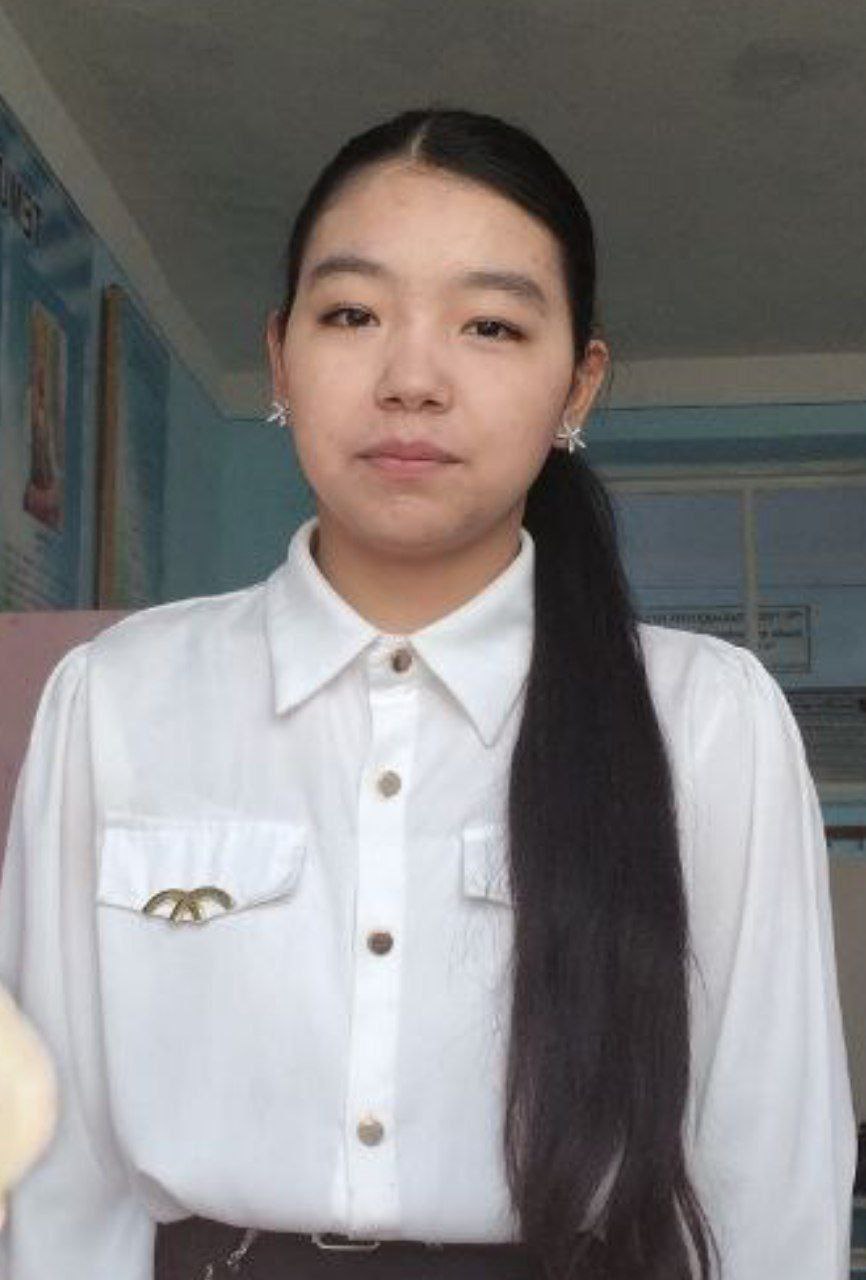
O‘rozboyeva Shodiya Shonazar qizi was born on December 21, 2007, in Eshimjiron village, Gurlan district, Khorezm region, Republic of Uzbekistan. She is a first-year student at Urgench Innovative University, Faculty of Philology and Language Teaching: Uzbek Language.