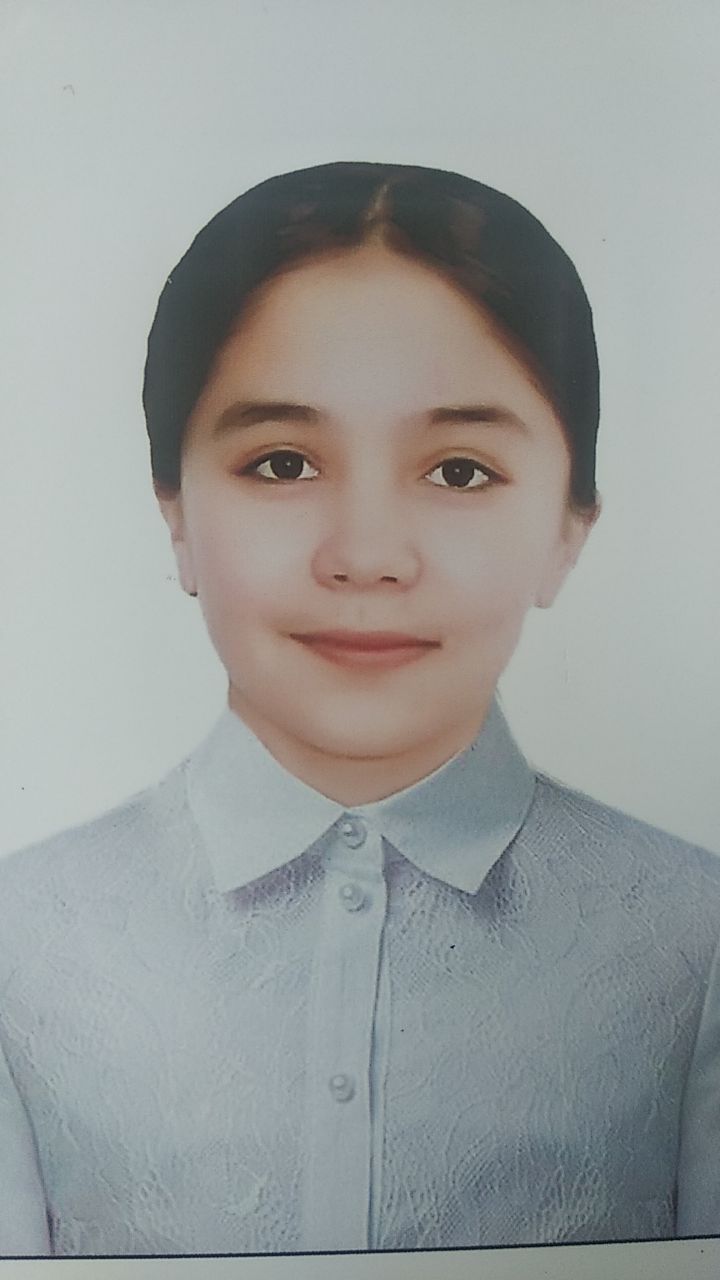
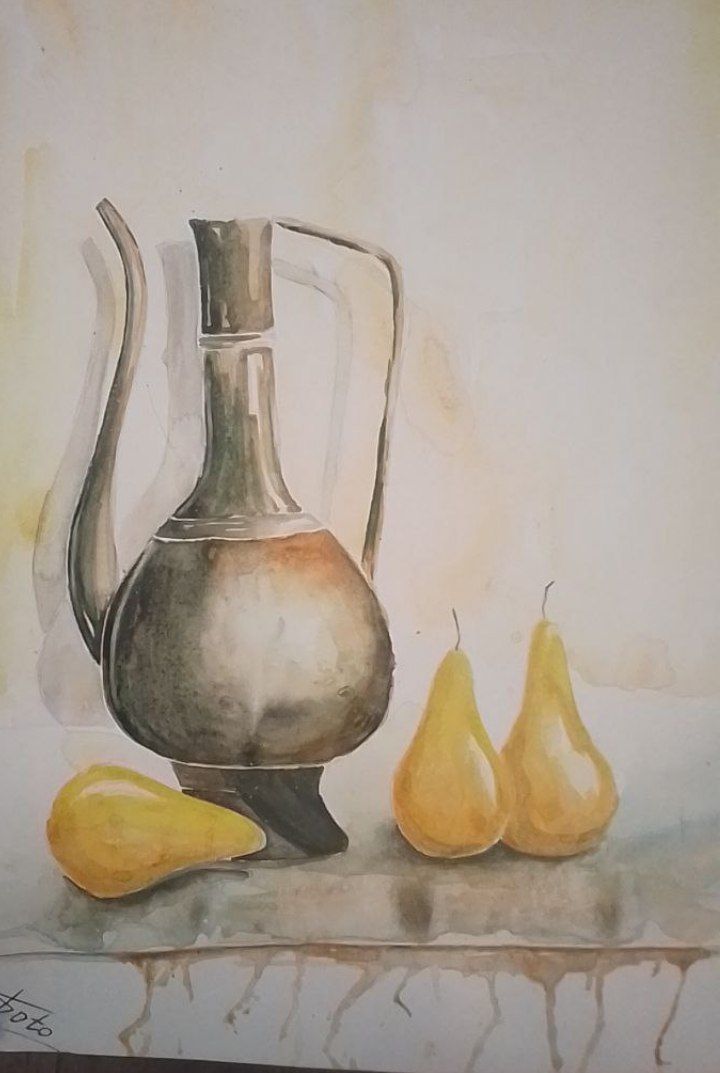
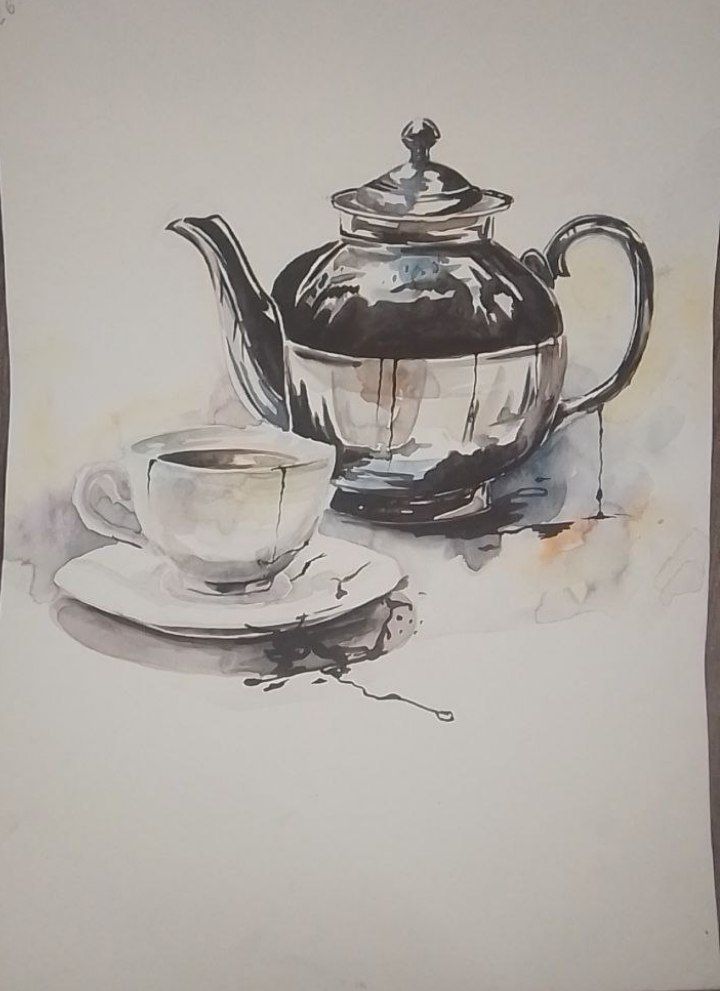
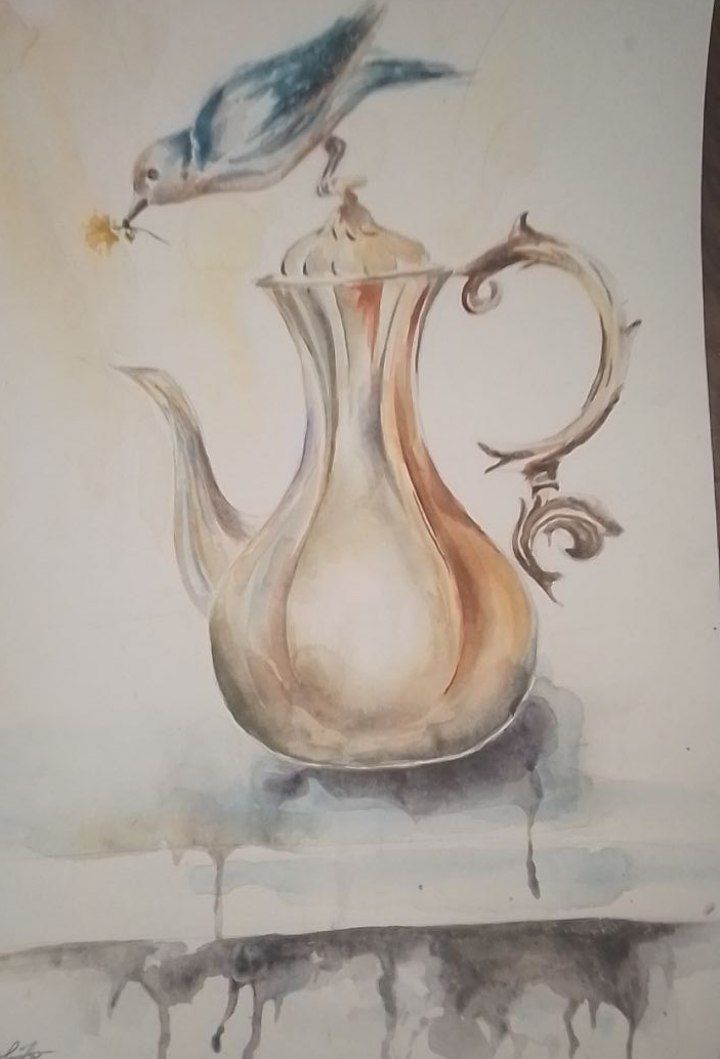
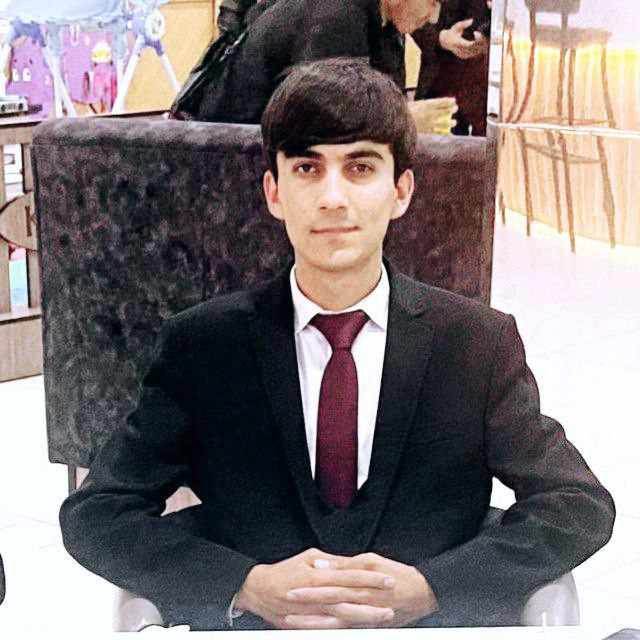
Safarova Charos was born on September 23, 2008, in Shahrisabz district, Qashqadaryo region. Despite her young age, she stands out among her peers. Charos is passionate about literature and art and has achieved numerous prestigious awards to date. In 2023, she won a medal and certificate in an art competition held in the Republic of Kazakhstan. In November 2023, her poetry and story collection titled “Atirgul” (“The Rose”) was published in the field of literature. Additionally, her poems were featured in the 2024 poetry and story collection titled “Sparks of Hope.”
weather wind white woman magic snow squall winter fields
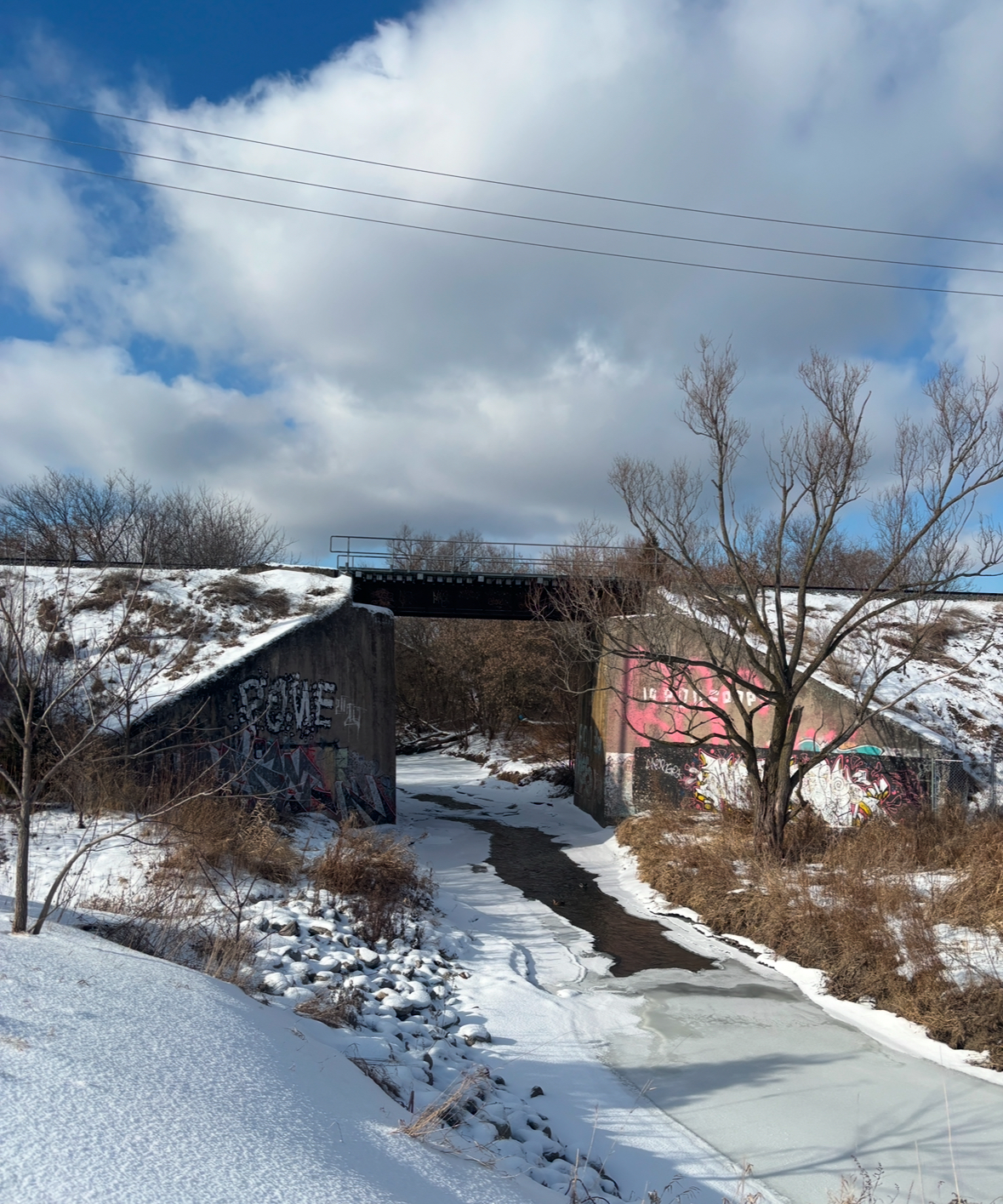
it’s cold by the window. I should move from it. but it’s nice, the view, w/the white earth for the snow and the blue sky yes, a stand of evergreens watching the entire world out there also. white, green, blue. nature wins. even when it’s a bit plain. it has more than the current fashion and gossip. it’s not a surface -level type. the snow rests on the ever faithful wild sumac, the branches of trees reaching out to one another, some awaiting and then assisting and others asking for help. or, is it that the two main ones there are trying to rise fully and together for a painter, a landscape artist w/an easel, to paint their picture? could be. could be. we don’t know everything, you know? the power ceases. probably do to the wind storms wild and furious. I told the white lady. she follows the weather. ‘Hopefully it will go back on,’ she says. and just then it clicks on. I ask her if she has magic, if she performed magic. she says no, but like the sumac trees, I say one never knows,- even if she didn’t know. other levels of existence. maybe in one she is a white witch, who helps people and problems, a healer. white girl magic.
instead she says, ‘On the country roads, because there are long places with no buildings and just fields, the snow gets carried by the wind sometimes and so much, you can hardly see.’ I can see it. in the mind’s eye and also memory, for I’d seen it before several times. wild. maybe just somewhere in the distance a wooden barn on old concrete form. In one place there was a river down the way that followed the road for a bit, and not much else, not much else but that river. what would it have been like to live around those parts? in the summer, and on road trips, people would idealize the areas…and that’s a natural tendency when the birds are singing and a green field pastoral stretches out like a welcoming blanket made by God. but the winter. that would be another story. ice. isolation. and when hills are there somewhere, how to navigate them before the snow ploughs?- and there is less light,- oh many I would think take all our series of electric light for granted. the winter can be bleak. one would have to think of happy things, however silly.
yes happy colourful things. a can of sliced peaches. those things are good but must be loaded with sugar. the sign from a long time ago of two flowers, that spirit showed me, one saying, ‘Swap a smile, trade some cheer,’ and the other continuing, ‘let’s be happy, while we’re here.’ or good sweaters and cotton blankets. novels read that brought the reader into the good and right world of characters and climates. candles. scented candles. music. what else?- what artifacts and cloths, what phenomena and practices to fight off winter and it’s force? maybe the white woman that didn’t practice magic but inadvertently had magic about her, knew. field barn sky. cold long earth. snow squalls. power outages. the deep red of the twelve-month sumac. dreams of the sea, salted and warm, its meandering waves kissing the sands, rolling in with a forever way. that’s a long term relationship certainly, the sand and the sea, the sea and the sand. longer than ‘long,’ but actually ancient. even might as well call such a thing, ‘eternal.’
bubblewrap innuendo


prime delivery

my latent desires listed

on the gift receipt


Heidi McIver/Kelly Sauvage Moyer


~


paperclip mudbath


just-finished manuscript

wine stains

camouflage the tears


Heidi McIver/Kelly Sauvage Moyer


~


fate donation


chronic illness

i gift my suffering

to the allopaths


Heidi McIver/Kelly Sauvage Moyer


~


soapstone


tattered loofah

the jagged edges

of my heart


Heidi McIver/Kelly Sauvage Moyer


~


pheromone subsistence


third anniversary

he expresses

the cat’s anal glands


Heidi McIver/Kelly Sauvage Moyer


~


every separate pine needle


collective fate

we form a tattered tapestry

atop the forest floor


Heidi McIver/Kelly Sauvage Moyer
G E M B U N [1-3 or 1-4] [pronounced Gem-Boon]
A Gembun is made up of either a one-word first link or anything up to one sentence, to be capped by a haiku of up to four lines.
The Gembun has to include an element of suggestion in either the opening sentence, the haiku or in both. It was created by ai li on the 12th of June 1997, inspired by Larry Kimmel’s TIBUN.
I often think about my faith and where it comes from in my life. It’s God’s grace that has been given to me.
We all have a place in God’s heart. I discovered my place at an early age. It was not only the circumstances of the inner city that led me to seek Him. It was something internal. There was a longing to be with Him. This was manifested by my experience of my foster mother Dee always speaking about God and Jesus. I only knew that God existed to me.
Now, 60-plus years later, my seeking is over. God is present in me. He was always there, and His Holy Son Jesus Christ and the Holy Spirit. Finally, all the decades of knowing that I had been spared. Now, I have devotion to living fully in Him. The world no longer has me captured.
I turned to second Timothy 2-3, which gives me comfort knowing that I’m in Him and not the world of man. There’s a place and confidence of being saved to live in the Lord. Therefore, my faith and devotion have been sealed in my being. Each moment, I turn to Him because it’s always been natural to seek Him, and now I’m with Him here on earth.
May He be given glory for eternity.
To Everyone In My Life
As I reflect on God’s Mercy, there’s great gratitude and comfort, knowing that God’s Presence has always been with me. Now, knowing that my kidney function is declining, dialysis is a gift from God to extend my life. There’s nothing more for me than to be grateful.
I’m experiencing a renewed relationship with Christ Jesus as in childhood. It’s of great comfort to recognize that my purpose is to serve God.
I’m writing this while having treatment. The world is fading, leaving me to experience the greatness of creating. So, it is a blessing to have dialysis because it’s God’s gift of life to live.
Literature has played a significant role throughout human history. It has been not only a powerful vehicle shaping culture and art but also capable of transforming the human spirit and society itself. Just as atomic energy possesses the power to alter the physical world, literature has the power to change the human heart, its emotions, and thoughts. In this article, we examine the strength and influence of literature from both scientific and literary perspectives.
Spiritual Power of Literature
Literature is a powerful means of deeply affecting the human heart. The eminent representative of Uzbek literature, Abdulla Qodiriy, said, “Literature is the mirror of life” Through literature, we explore the inner world of human beings, their experiences, and emotions through various heroes and events.
“Spring opened the flower of the heart,
It forgot sorrow, companion, the moon”.
These verses speak of the spring season resembling a new life filled with hope, happiness, and prosperity. The spring season indeed awakens new feelings in the heart and helps forget sorrows. Such examples demonstrate how deeply literature can affect the human spirit.
Literature and Science
The connection between literature and science is profound. Literature plays a crucial role in popularizing and disseminating scientific achievements and breakthroughs to a wide audience. Scientific ideas and achievements often reach a broader audience through literature, making them easier to understand and accept. Scientific luminary Albert Einstein once said, “Imagination is more important than knowledge. Imagination is the foundation of literature.” This idea illustrates the deep connection between literature and science.
Literature’s Impact on Society
Literature contributes to the education of society, participating in its spiritual and cultural development. Uzbek writer Abdulla Qahhor emphasized the influence of literature on society, stating, “Through literature, we change society, we contribute to its progress”. The power of literature lies in shaping the moral aspect of society and showing the direction of its development.
Poetry’s Stronger Power than Atom
Poetry expresses human emotions in the most delicate and sincere manner. The works of great poets often have a strong impact on human spirituality. For example, Muhammad Yusuf’s verses deeply touch the heart:
“Forgetting yourself is fortune,
Forgetting my words in your heart is fortune”.
These lines depict the place of love in human life and how it affects the heart. Completely forgetting love is described as fortune, illustrating how deeply poetry affects the human spirit.
Knowledge and Literature
To better understand the relationship between literature and science, we can compare it to atomic energy and its impact. Atomic energy possesses strong physical power through nuclear reactions, producing large amounts of energy. Similarly, literature affects the human spirit and shapes its thinking style and moral values. The power of literature is stronger than atomic energy because it has the ability to change the inner world of humans.
Conclusion
Literature is a spiritual and moral power stronger than atomic energy. It changes the human heart, educates society, and brings scientific achievements to a wider audience. Literature reveals the inner world of humans, clarifies the essence of life, and facilitates better understanding. Scholars and writers perceive this power and continue to serve society through literature.
“SORRY, I KNOW I’M NEW AT THIS, BUT ISN’T THAT CANNIBALISM?” I ask Carol through the mouth opening of my black latex bondage hood as I turn my head around to look up at her. Before she can answer, I add, “And if it is cannibalism, how does that fall into any of the BDSM categories?”
I’m lying on my stomach on a crumpled bed in a cheap dingy Motel 6 suite while Carol sits comfortably on the back of my bare upper thighs with her bent legs firmly straddling my hips. She wears shiny black thigh-high faux leather boots attached by garter straps to a tightly-laced black vinyl corset. In her right hand she grips the shaft of a braided black leather flogger, now rested at her side after our light warm-up session, while holding silver metal nail clippers in her left hand. After I turn my head around, she thrusts the nail clippers into my face and snarls at me.
I joined this BDSM dating website just a week ago after a long spell of unsuccessful online dating through more mainstream sites in the two years since my divorce. Though I’d never tried BDSM, or anything too kinky, I’ve always been drawn to pushy domineering women (and vice versa) so I figured BDSM may be my bag. After a little internet research, I registered on the site as a “sub” (submissive) seeking a relationship with a “dom” (dominant), hoping for a match. Carol is my first date.
Carol is angry now and glares down at me through the small eye openings of her face mask. “Do you even know what BDSM stands for, you submissive little bitch?” she asks me harshly while raising her right hand and flicking her wrist so that the leather tails of her flogger fly back behind its neck.
“Yes,” I reply eagerly. I’m exhilarated and energized by the threat of another flogging. “I googled ‘BDSM’ last week before I registered on the website; it’s an acronym for bondage, discipline, sadism and masochism.” My heart rate picks up in excitement and anticipation as I watch Carol brandish her flogger.
“You forgot domination and submission, you fucking imbecile,” Carol barks at me while cocking her right arm and readying the flogger for another downward attack.
I acknowledge her with a quick nod. “I understand, but domination and submission are redundant of other letters already in the BDSM acronym so they’re included under the D and S letters for discipline and sadism. It’s just cleaner that way instead of having duplicate letters.”
Carol rolls her eyes at me with an exasperated smirk while lowering the flogger to her side. “OK, Wordsworth, so which of those BDSM letters are you?”
I think about this for a moment, then reply, “Well, like I said, I’m new to this so I’m still trying to figure out which BDSM subgenre suits me best,” then add, “But under any conceivable definition of the BDSM categories, I really don’t think that cannibalism qualifies.”
Carol purses her shiny black glossed lips then nods in agreement. “OK,” she responds hesitantly, “But it isn’t really cannibalism per se if I just want you to eat my toenails and not any actual body part.”
I flash Carol an empathetic smile, then try my best to ease her obvious discomfort without being patronizing. “Well,” I explain patiently, “I never took an anatomy class but I do think that toenails are considered a body part. I mean, think about it, they may not have nerve endings or sensitivity but they couldn’t exist without a human to attach to – right?”
Carol nods coolly, reluctantly acknowledging my sound logic. “OK, but going back to the BDSM categories, if the point is to inflict pain on me when you remove my toenails, then I think that’s either sadism or masochism even if the eating part is technically cannibalism.”
I nod politely then ask as diplomatically as possible, “Well, if you want me to inflict pain on you, then why are you handing me nail clippers? Aren’t those supposed to clip your nails painlessly instead of just ripping them off your toes, and thereby inflicting pain? I don’t mean to be difficult, Carol, but it just seems like me using nail clippers on you is antithetical to the whole BDSM routine.” I pause then add, “And also, if you’re the ‘dom’ and I’m the ‘sub’ in this scenario, then aren’t you the one supposed to be inflicting pain and not me?”
Carol looks down at me silently. Her large brown eyes – so fierce and confident just moments ago – now look sad and doleful like a puppy lost outside in the rain.
Unable to restrain myself after sensing Carol’s vulnerability (and smelling weakness), I pounce like a jungle predator: “Carol, I don’t mean to be rude – and I’m sorry to be so forward – but have you ever done this before?”
Carol blushes deeply and turns her head to avert her eyes from mine.
I feel Carol squirm uneasily on top of me and sense her embarrassment like a sharp pang in my chest. I feel horrible knowing that I’ve humiliated and disrespected Carol in her “dom” role, and I can tell that I’ve violated some cardinal rule of BDSM etiquette. Maybe this isn’t my game after all.
Thinking quickly, I do my best to backtrack and rehabilitate myself with Carol. “I’m so sorry, Carol, I don’t mean to be a prick, I’m just new to this – it’s literally my first date since I joined the BDSM website – so I’m still not really sure how it works. If you’re still feeling your way along here too, that’s totally cool – we’re both taking this journey together, like exploring a new city that we’ve never visited before.”
Carol relaxes and I can feel the tension drain from her body. She pulls off her face mask and looks at me with a shy grin. “Actually, yeah, I am new to this. It’s only my third BDSM date. The first guy made me slap him with a hog crop then peg him with this silicone strap-on that he brought to the hotel in his backpack, and the second guy cut himself on his ankle spreader bar then just ran out of the room.”
She sighs deeply then continues, “But they both felt so sure about what they wanted that I didn’t feel comfortable asking them to do my toenail thing,” and adds, “With you I just felt so much more relaxed and confident, like I could ask you for anything and you wouldn’t judge me.”
Tears begin to well up in Carol’s eyes. She ungrips her leather flogger, which falls lightly onto the bedspread, then raises her right hand to her face and wipes the budding tears from her eyes before they can cascade down her flushed cheeks.
I turn over on the bed then pull off my bondage hood and lay it beside me on the bedspread so that Carol and I are facing each other. I reach my right hand to her face and gently stroke her cheek with the back of my fingers. “I get it, Carol, I really do – and I’m sorry to make you feel so self-conscious and uncomfortable. That’s really not my intent.”
Carol lowers her face and gazes down at my bare chest while nodding slowly. She reaches her hands out and removes the small metal clamps that she’d fastened to my nipples during our warm-up session. I feel a warm tear drop from her face to my solar plexus and watch it trickle down over my side, gaining speed as it passes over my rib cage then onto the bedspread. “Most guys I meet just aren’t into my toenail thing, so that’s why I joined the BDSM site. I just thought maybe I’d meet someone who’s more open to it.”
I take a deep breath then say, “I thought we really hit it off at dinner – we both love sushi thai and had so much to talk about with our careers and goals and hobbies and everything – but the whole BDSM part of this date is kind of going off the rails and not how I expected.” I add, “Honestly, I don’t even know what to expect, this being my first time and all, but I don’t want this to ruin our date. I really do like you and I hope that you like me. Maybe we can just hit the rewind button and start this part over?”
Carol nods her head vigorously in agreement while wiping her eyes again. She looks relieved and refreshed. “I feel the same way, I really like you and don’t want to screw this up over my toenail thing.”
I smile up at her, pleased with myself for reviving her spirits.
Carol raises her eyebrows then asks with renewed spirit, “Wanna go back to my condo to watch a movie?”
“Sounds awesome,” I reply with a reassuring grin, “Any specific movie in mind?”
“Of course,” Carol replies with a suggestive smile, “Edward Scissorhands … I really like him.”
A few hours later, we’re at Carol’s condo after stopping on the way for gelato. Dressed back in our civilian clothes, we’re nestled together on her living room sofa watching the final scene of Edward Scissorhands, which Carol is thoroughly enjoying. She turns toward me and lifts her far leg over my lap then begins to grind her crotch against my thigh.
“I love this part,” Carol whispers into my ear as she begins to grind harder, “The way that Edward uses his scissors to save Winona Ryder is so fucking hot.”
“Right!” I agree enthusiastically.
The movie ends after Edward stabs and kills that what’s-his-name nerd kid from Breakfast Club (and Sixteen Candles and Weird Science). As the credits begin to roll, Carol purrs into my ear while continuing to grind my thigh, “Wanna play Edward Scissorhands?”
“Sounds great,” I reply. Though I’m not quite sure what this game entails, I don’t want to be a buzzkill again after our date was barely rescued earlier at the Motel 6. Everything is going well now, but I know that can change on a dime with Carol if I say the wrong thing.
Carol beams at me then jumps up from the sofa. “Cool!” she exclaims, “Just stay here while I go put on my dominatrix outfit and get my scissors!”
“Carol, that’s OK,” I say before she runs off to her bedroom. “You don’t have to bother changing your clothes—,”
But before I can finish my sentence, Carol quickly pivots then strikes me with a hard open-handed slap across my face, which immediately stings while my face burns hot. “I’m the one giving the orders, you fucking slave! Now you’ll sit there, keep your goddamn mouth shut and wait for me like mommy’s little boy-whore!”
I curl up on the sofa and nod to her dutifully with my best sad-eyed Edward Scissorhands face, reminding myself to stick to my submissive role in Carol’s exciting new game.
A few minutes later, Carol exits her bedroom decked out in a skintight full-body black vinyl catwoman suit and a new face mask with feline ears protruding from the sides. She struts into the kitchen on black stiletto heels and opens a drawer beneath the marble countertop next to the refrigerator. She looks and then rifles furiously through the drawer with both hands. After about a minute of searching through all her kitchen drawers, she pounds her fist against the countertop and bellows, “Goddamnit! I can’t find my scissors. I must’ve taken them to work and left them there!”
Carol enters the living room, looks at me sternly with the nail clippers that she now holds firmly in her right hand, then points them at me. “I guess these’ll just have to do. Now sit up and take your shirt off!” she commands me.
“Wait a minute, I’m confused,” I say, “Aren’t I supposed to be Edward? And even if you’re Edward, he never used nail clippers.”
Carol nods silently to herself, walks back to the kitchen then returns holding a large carving knife in her right hand with the nail clippers in her left.
“A kitchen knife?” I ask, barely able to conceal my surprise.
Carol clearly is frustrated and looks at me impatiently for a moment before responding. “It’s a knife, why does it matter what it’s supposed to be used for?” Her voice quivers when she shouts out her next command, “Now just shut the fuck up and strip!”
I’m unable to subdue the laughter that escapes my throat. “But Carol,” I explain in between laughs, “There are special BDSM knives and daggers. Nobody uses kitchen knives. I thought you just wanted to poke around, not carve me up like a pot roast!”
Once again, I push too far and let my mouth get the best of me. “And you still have the nail clippers! Carol, is this whole Edward Scissorhands game just a ploy to get me to eat your toenails again?”
Carol’s face reddens like an electric stovetop while she looks up to the ceiling and screams something unintelligible, then flings her knife and nail clippers across the room at the wall. She drops to the floor with her hands pressed to her face, then turns on her side and begins to weep uncontrollably in front of the sofa.
I hop up and lift her onto the sofa, where she lies down then hugs her knees to her chest and curls up into a ball. She rocks back and forth in this fetal positon while her weeping intensifies.
I wrap my arms around Carol’s shoulders and feel her shaking like a poodle while her violent sobs continue. I try to calm her down with quiet soothing shhh whispers.
After a minute or two, Carol’s sobbing slows down and she looks up at me with tear-stained cheeks. “I’m sorry. I’m just so fucking bad at this. I’ve never used a knife on anyone before, but watching Edward just gave me the idea and got me in the mood.”
“It’s OK, it’s OK,” I whisper softly into her ear while gently caressing her hair.
Carol’s sobs subside while I massage her arms and shoulders to loosen her tension. After a few moments, she looks up at me in embarrassment and says, “Sorry I’m such a hot mess tonight. I’m trying too hard to fit into this dominatrix role and it’s just not happening for me.”
I smile back at her while giving her upper arm a gentle squeeze. “Tell you what, why don’t we just shelve the BDSM play for tonight and take a bottle of wine out onto the balcony? It’s a beautiful night.” I nod my head toward the balcony with a wink.
Carol sits up on the sofa and looks out the sliding glass door to the balcony, then turns back to me with a smile. “Sounds perfect,” she says with a quiet sniffle. She stands up from the sofa and walks to the kitchen where she pulls a bottle of wine from the refrigerator and takes two wine glasses from a wood cabinet above the countertop. She walks over to the balcony door, looks over at me with a grin and nods her head toward the balcony. “C’mon, let’s go outside.”
I walk over to Carol and take the wine bottle from her so that she can use her free hand to open the sliding glass door to the balcony while holding the wine glasses in her other hand. We walk out onto the balcony then sit on cushioned chairs on either side of a small patio table where Carol sets down the wine glasses, take the bottle from my hand and pours us each a half glass.
I raise my glass and nod to Carol to do the same. I look out over the balcony rail into the starry black night sky then turn back to Carol with a soft smile. I extend my glass toward hers and toast, “Here’s to our first date, and to your toenail thing.”
Carol giggles as we clink glasses and says, “To our first date, and the end of my toenail thing. I’m over it”
We both turn our heads to look out past the balcony and sip from our wine glasses. I move my hand across the patio table and place it atop hers on the armrest of her chair. We sit quietly and enjoy the comfortable silence while taking in the beautiful night.
My heartbeat slows down and I close my eyes. I feel perfectly calm and at ease. I open my eyes when I feel Carol’s soft warm lips gently kiss my cheek. I look over at her with a smile.
Carol leans up in her chair and moves the patio table forward so that she can pull her chair next to mine. She rests her head against my shoulder. “I’m so glad I met you,” she says as she raises her soft brown eyes to mine.
I squeeze her hand as we drink our wine and gaze out into the serene night sky.
Mehran Hashemi: A Poet’s Journey from Silence to Words
I was born and raised in Iran, in a neighborhood where dreams often felt out of reach. Financial struggles shaped my childhood, and from an early age, I learned what it meant to fight—not with fists, but with resilience.
“”blowing bubbles
takes me back to my childhood
when i was immersed
in sweet reveries
dreaming of blooming hope
when the world’s vastness
could be grasped by my little hands
and i wasn’t burdened
by the sun that never sets””
As a student, I excelled academically, but beneath my achievements lay an unbearable weight of stress and anxiety. Something inside me whispered that I was different, that I was meant for something greater, yet the world outside wasn’t so kind. Bullying was a constant in my life—first as a child, then as a teenager in high school. My body felt weak, not just because of the torment I endured but also because of my fragile health. Chronic sinusitis and severe allergies kept me in and out of hospitals, making antibiotics a staple in my life. I was a slender, self-conscious boy, struggling with deep insecurities. I attended therapy for over a decade to navigate stress, social anxiety, and panic attacks. But no matter how hard I tried, I felt like I was drowning in a world that refused to understand me.
“”depression is like a dark umbrella
that doesn’t let me
face the rain””
Then, in 2019, everything changed.
Scrolling through Instagram, I came across a short, powerful poem. Just a few words, yet they carried an entire universe of meaning. Something about it resonated deeply with me, sparking a desire to create something just as meaningful. I started writing poetry—simple, short verses that captured my emotions, struggles, and hopes. At first, I hesitated to share them, but when I did, people connected with my words in ways I never imagined.
“”if i am a poet today
it’s because i once gazed at the moon
and she reminded me
that i carry a sun within””
For the first time, I felt seen. Writing became my sanctuary, a place where my thoughts—homeless for so long—finally found a home. The love and support I received encouraged me to keep writing, first on Instagram and then on other platforms. The more I wrote, the more my audience grew.
“”when nobody was there
to listen to me
i noticed the ears of a paper
silently wanted to hear
so i talked
then the world listened””
In 2023, I took the leap and published my first poetry book, Light Needs Darkness to Shine. The response was overwhelming. After that, I published Drinking Ink (2024), Caged Hope (2024), and Homeless Thoughts (2025).
My poetry was also featured in Poets Straight from the Notes App (2024) and Musing Around at Midnight (2024). I later collaborated on My Sad is Sadder Than Yours (2023), an art-graphic poetry book, and Thunderstroke (2025), a poetical memoir.
After publishing Light Needs Darkness to Shine, I began receiving significant recognition. I was featured in a paperback magazine, interviewed by several online platforms, and had articles written about my journey and my work. The attention and appreciation from readers and fellow creatives fueled my desire to keep writing and sharing my voice.
Today, I continue to write, not just for myself but for those who feel unseen, unheard. I write for the child who, like me, felt too small for the world, for the dreamer who just needed one sentence to remind them they mattered.
“”i know life can be ugly
but remember
everything has a reason
like when you’re hopeless
and your head is down
you see a beautiful flower
on the ground that you couldn’t find
through the sky”
Because sometimes, all it takes is a single poem to change a life.