The Snow
Snow has
Really hit DC
For the first time
This winter
His London
Would have hated
This weather.
Taylor Dibbert is a writer, journalist, and poet in Washington, DC. He’s author of, most recently, the poetry collection “Takoma.”

The Snow
Snow has
Really hit DC
For the first time
This winter
His London
Would have hated
This weather.
Taylor Dibbert is a writer, journalist, and poet in Washington, DC. He’s author of, most recently, the poetry collection “Takoma.”
4 Poems on
Iconic Writers’ Habitats
Chateau Marmont
(1929-present)
a Gothic French princess on a hill
overlooking the Sunset Strip
a white stone beauty with
a casual toss of gray
head of slate roofing
earthquake proof, turreted
the castle still stands
almost a hundred
years of tread and wear
parties, scandals, affairs
of musicians and actors
of writers making history.
They came under cover
of darkness entered silently
through the garage, no need
for anyone to spot them
no bright-lit lobby
their shame, their value
in the critical eyes of a culture
where privacy not guaranteed
but at the castle they could
mourn, drink, create
inspired and protected
by the knowing kindly staff.
A glamorous shabby-chic
version of the Loire Valley’s
Chateau d’Amboise
opened as apartments
on the teeter edge
of the stock market crash
cheap rooms with cachet.
The movie studios funded
Chateau suites for cheats
to preserve their stars’ gleam
the new owner made it safe
for Hollywood royalty
the hunchback manager
the in-house phone operator
the Garage Boys valets
and maids always silent
on the misfits, iconoclasts,
outcasts, deviants, gays
after the drunken fights
trashed rooms, broken hearts
the news had no clue.
The New York writers came
uncomfortable in LA
at home in the Chateau
Hollywood-on-the-Hudson
and they wrote scripts
Rebel without a Cause,
Sunset Boulevard,
Music Man, Ben-Hur
articles by Dominick Dunne
on the infamous O.J. trial
and so much more.
Run by eccentrics for eccentrics
the castle fell to careless hands
holding companies, banks
threatened foreclosure
the downslide of the aging belle
at the seedy top of the hill
shag rugs patched with tape
peeling paint in shreds, must
furnishings broken fixtures
shabby-genteel, a place
outside of time.
The new owner updated
an elegant conversion
with old-world charm
a historic cultural monument
where hijinks could continue:
Jim Morrison fell off the roof
a lyricist shot himself
John Belushi overdosed
the hideout hit the papers
the Chateau an open secret
of legendary, fashionable funk.
A new era, a new owner
New York nightclub magnate
full restoration upgrade
to a chic upscale loftiness
a buzzy bar scene, swanky
showbiz party exclusives
splashy bashes for the stars
their premieres and awards.
So now the old girl
looks down a long nose
from her perch on the hill
over the new Hollywood
still classic, still historic
with a modern LA brand.
The Chelsea
(1884-present)
“You’ve got a great future behind you.”
—old billboard in Times Square
New York’s most illustrious
third-rate hotel the place
Leonard Cohen made love
to an unforgiving Janis Joplin
and Thomas Wolfe wrote
You Can’t Go Home Again
and Arthur C. Clarke
2001: A Space Odyssey
Arthur Miller the play
on his iconic ex-wife
Bob Dylan the lyrics
for Blonde on Blonde
and Dylan Thomas drank
until he died young.
The largest, longest lasting
creative community
in the world designed
as a haven for artists
in the old theater district
a cooperative building
twelve stories of red brick
in Queen Anne Revival style
with wrought iron balconies
a homey atmosphere
in-room fireplaces
a rooftop terrace
a basement kitchen
with dumbwaiters
private dining rooms
and a public café.
Attracting a cross-section
of all social classes
the rent affordable
the rooms soundproofed
for musicians and writers
north-facing windows
in studios for painters
short-term or long-term
a friendly residence
an experiment in living
in harmony with others.
By 1905 the co-op failing
financially forcing subdivision
from 125 rooms to 300
smaller spaces
then bankruptcy
after the Depression
and Hungarian émigrés
purchased and protected
the hotel and the artists
for 75 more years.
The theater district gone
meant a downhill slide
a rundown neighborhood
seedy offices, tawdry bars
and gradual hotel decay
clanging heating pipes
shabby rooms, dirty rugs
with further subdivisions
to 400 dingy rooms
still popular, still housing
knowns and unknowns
long-distance truckers
pensioners, burlesque dancers
novelists, crackpots, drunks.
A miniature Ellis Island
of the odd and avant-garde
through the ’40s and ’50s
the bohemians, the beatniks
Kerouac and Ginsberg
and the drug-fueled ’60s
Christo and Warhol
Pop artists, rock bands
Jefferson Airplane, Janis
slugging Southern Comfort
Alice Cooper with a python
wrapped around his neck.
Marijuana smoke wafting
tattered halls, tattered tenants
paying overdue rent in art
displayed on lobby walls
and hiding from hustlers
pushers, hookers, pimps
holdups, gunfire, junkies
room fires, overdoses, leaps
from the roof or out windows.
A city no longer doable
for artists, the young or old
the hotel sold, closed down
the power of the creative
community forgotten
as history made way
for the fortunate few
rooftop gardens torn up
the wall art torn down
rooms gutted and enlarged
into 155 elite suites
a lobby full of new art
a lobby bar full of chic.
In the city of ashes
the city of gold, the Chelsea
on the Register of Historic Places
the icon casts a glitter sheen
for influencer appeal.
Key West
The southernmost isle
once called Cayo Hueso
the island of bones—
bones from a battle
or Indian burial ground
so there was always this
legacy of lawlessness:
pirates, wreckers, smugglers
drugs, drinking, wilderness
only reachable by boat
the glistening white sand
water jade green and aqua
where ocean and Gulf met.
Pirates hunted for booty
until the Navy arrived
built a base, a busy port
for Greek sponge divers
for Cuban cigar makers
treasure hunters seeking
shipwrecks and sunken gold
then the hotels and shops
cottage homes and bars
the Conch Republic born
of Caribbean and Cuban influx
and escapees from elsewhere
creating a rough culture.
Henry Flagler linked the chain
Palm Beach to the Keys
the East Coast Railway
and a hotel for visitors
escaping winter storms
Prohibition’s restrictions
to where liquor flowed
the Conchs smuggling in
fat boatloads of booze
after a deadly hurricane
blew down the railroad
the Overseas Highway
the route to Key West
the tropical oasis
otherworldly, exotic
a seaside sanctuary
where art could flourish.
Hemingway in residence
fishing, drinking, writing
his most significant works
he nicknamed his island
the St. Tropez of the poor
and Tennessee Williams
bought a bungalow refuge
brought gay friends to stay
in the laissez faire outpost
of the next literary star
Thomas McGuane filming
his rock ‘n’ roll novel
Ninety-Two in the Shade
his pal Jimmy Buffett
on the soundtrack
with no real music scene
in the eclectic bars where
everyone gathered, all types:
politicians and criminals
hippies and rednecks
artists and bums and
he sang for free drinks
began to write story-songs
on the laidback island life.
When “Margaritaville” hit
the charts and the tourists
flocked to the happy hours
cheeseburgers in paradise
cruise ships, mad crowds
crime, trash and trinkets
new rents and home prices
nobody could afford
so the writers left
the millionaires, developers
vacationers and wannabes
an alcohol-fueled theme park
the old island of bones
the legacy of pirates
seeking others’ treasure
blind to it themselves.
Provincetown
A finger of land at the very tip
a sandbar to mainland Mass
a salty spit of gray isolation
after the Mayflower anchored
the women washed, their men
stole Indian corn, skirmished
before moving on to Plymouth
and Portuguese whalers arrived
harpooning thick pods to sell
whale oil, bones, baleen, the cod
catch plush so they sent for family
the railroad down from Boston and
the Cape Cod School of Art
in the diverse community
of immigrants, artists, outsiders.
Ensconced in a lunar dunescape
in the old Life-Saving Station
young Eugene O’Neill penned
19 short plays, 7 long, his first
performed in a decrepit fish shed
Bound East for Cardiff giving birth
to modern American drama
Anna Christie about the fishermen
on the island: a grand place
to be alone and undisturbed.
John Dos Passos down the street
on Commercial faced the harbor and
Norman Mailer’s house where he wrote
the majority of his books in summers
and spent his final years in:
the freest town in America
that was naturally spooky off-season
a place for murderers and suicides
with cold sea air with a bottomless chill.
Painters came for the crystal purity
of the aquatic light, translucent
fleets of squid, flocks of white
gulls drafting faded scallop boats
squawking terns chasing scarlet crabs
red-faced men on creaky piers
inhaling deep the briny scent
the slap of foamy waves
against the rocky shore.
Mary Oliver wrote for decades
lush poems on the beauty
of the island she called home
the skittish skunk, rusty fox
glistening sand and scrubby pines
the endless surf, the unending call
of the foghorn’s haunting note
winters windswept and desolate
and summer’s blast of blues
sunset orange on the salt flats
soft music in the misty dawn
of inspiration and retreat.



Synchronized Chaos Magazine expresses our sorrow for the lives and property lost in the Los Angeles wildfires. We invite people to visit here to learn about how to send cards of encouragement to fire crews and to donate books to replace school library collections that have burned.
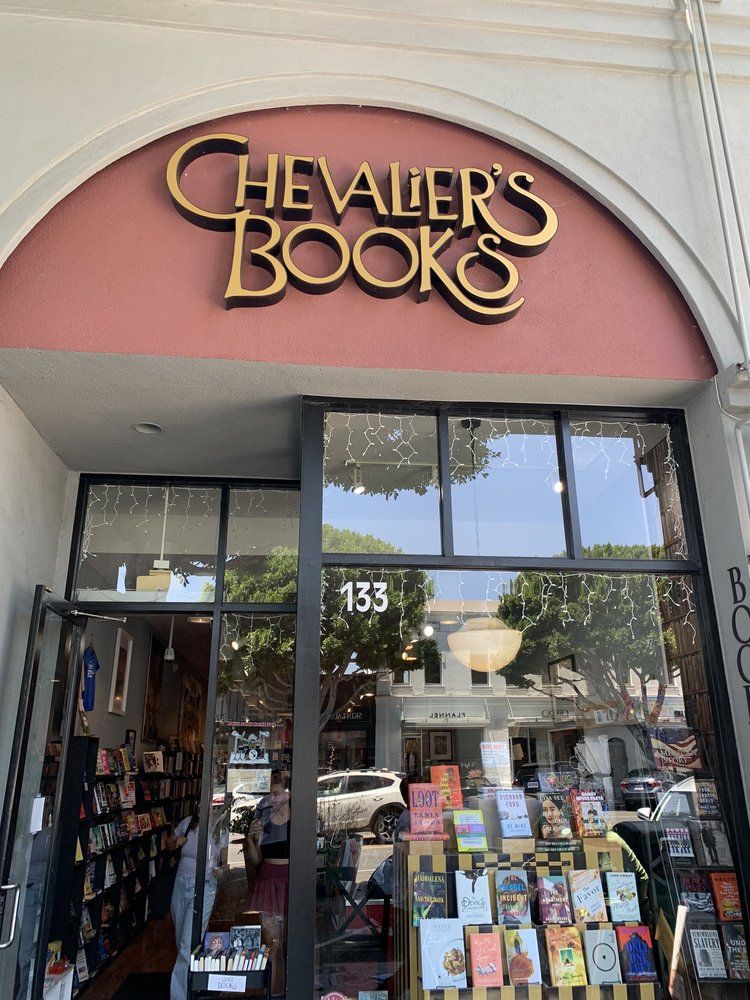
In March we will have a presence at the Association of Writing Programs conference in L.A. which will include an offsite reading at Chevalier’s Books on Friday, March 28th at 6pm. All are welcome to attend!
Contributor Eva Petropoulou Lianou shares the Caesurae Collective Society’s call for submissions of poetry about consciousness.
The anthology seeks to weave a fabric of poetic expressions that resonate with the theme of consciousness—exploring the mind, the self, and the infinite cosmos—weaving together poetic voices that reflect on what it means to be aware, alive, and interconnected. Submissions due February 10th, 2025, information here.
Also, World Wide Writer Web invites submissions of short stories for their annual contest. Information here.
Finally, contributor Chimezie Ihekuna seeks a publisher for his children’s story collection Family Time. Family Time! Is a series that is aimed at educating, entertaining and inspiring children between the ages of two and seven years of age. It is intended to engage parents, teachers and children with stories that bring a healthy learning relationship among them.

This issue explores how we see and interpret our world through pieces that draw our attention to various focal points and take a closeup or wider angle view.
Some people zoom in on a particular place or image, using that as a meditation to begin deeper thoughts.
Sayani Mukherjee evokes an island’s lost grandeur through describing historical ruins while acknowledging the destination’s current reality. Student group 2123, from Uzbekistan, contributes a group reflection on their trip to Samarkand.
Dario creates a musical combination inspired by the complex culture of New Orleans. Kylian Cubilla Gomez’ photography focuses in on bits of play and whimsy in toys and in daily life.
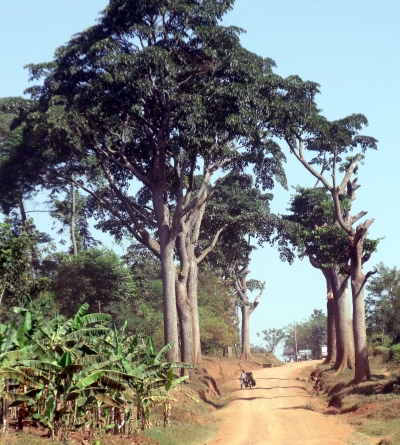
Precious Moses draws on the West African iroko tree as a symbol of maturity and strength in hard times. Rahmat A. Muhammad expresses hope through the birth of a young sister in a world touched by darkness and pain.
Mashhura Usmonova expresses gratitude for her teacher and for education, which has allowed her to write as a container for her emotions.
Dr. Jernail Singh offers thoughts on poetry: how he appreciates cohesion and meaning as well as pretty language. Noah Berlatsky gives a dramatic take on the excision needed for the creative process. Daniel De Culla offers up a satirical and humorous take on writing generated through artificial intelligence as Texas Fontanella blasts the firehose of words and letters in our general direction. Jerome Berglund and Shane Coppage’s collaborative haiku include humor and clever twists of phrase.
Jacques Fleury poetizes about how knowing vital history can protect you from being erased by others’ fear or hatred.
Maria Miraglia, as interviewed by Eva Petropoulou Lianou, speaks to the importance of literacy and education in world peacemaking efforts.

Ashok Kumar reviews a poem by Eva Lianou Petropoulou expressing her hopes for peace in the world. Eva Petropoulou Lianou reviews a poetic plea for peace by Yatti Sadeli. Victor Ogan offers up a call for tolerance and equality among people of different races and cultures.
Loki Nounou calls out a culture of sexism in which violating women’s rights and their bodies becomes normalized. Narzulloyeva Munisa Bakhromovna highlights the critical need to stamp out global corruption.
Mahbub Alam laments the killing in Gaza and hopes that everyone who dies makes it into a better place. Graciela Noemi Villaverde also mourns the destruction in Gaza, personifying the land and culture into a living being to highlight its pain and beauty. Lidia Popa speaks directly to the heart and conscience of the world in her call for peace in Gaza. Maja Milojkovic revels in the beauty of peace, for Gaza and everywhere. Wazed Abdullah honors the quiet and dignified resilience of Gazans as Don Bormon affirms that the place will recover and heal.
Laurette Tanner charts and maps her journeys, hoping this wisdom will carry over into developing ways to lessen the suffering of the homeless.
Shoxijahon Urunov inspires us to protect the tenderness of our hearts. Nilufar Anvarova’s piece encourages us to follow our hearts and show kindness to each other. Eva Petropoulou Lianou expresses her human vulnerability and desire for understanding and healing. Mesfakus Salahin’s poem speaks to love but also to mystery: how complex we all are and whether we can truly know another.
Stephen Jarrell Williams crafts haiku vignettes on the search for bits of hope and connection in a large modern cityscape.

Mashhura Usmonova expresses gratitude for her teacher and for education, which has allowed her writing as a container for her emotions. Raxmonova Durdona offers up a tender tribute for a caring and deceased uncle.
Maria Teresa Liuzzo’s poetry illuminates deep feeling: passionate love and the inevitability of human suffering. Mykyta Ryzhykh digs deep for meaning in a world littered with death as Orzigul Sherova urges readers to make the best use of their limited time. Lilian Dipasupil Kunimasa also encourages making the most of life, holding onto faith and hope in a confusing world.
Scott C. Holstad explores themes of disillusionment, introspection, and the search for love and meaning in life. Tagrid Bou Merhi’s elegant words wander through a quest for identity and meaning in a seemingly empty world. In a semicomic short story, Bill Tope fears losing memory and mental capacity. J.J. Campbell writes of numbness, aging, and loss. He connects with others, but even these interactions are tinged with sadness, longing, and thoughts of mortality.
Audrija Paul tells the story of a heart broken when a person reads more into a relationship than is there. Taylor Dibbert describes a relationship that ended as impulsively as it began. Z.I. Mahmud explores generational family dysfunction in his essay on Henrik Ibsen’s Ghosts.
Chris Butler’s short poems probe themes of identity and love and our relationships to nature and technology.

Alex S. Johnson proffers a mythic tale where a hero foils the unholy plots of power-hungry gods and wild natural forces.
Rustamova Muqaddas relates twists of fate on a hiking trip, the uneasy balance of humans and wild nature.
Joseph Ogbonna writes of the majestic richness of the Himalayas as Gadoyboyeva Gulsanam describes the power and transience of a rainstorm. Ilhomova Mohichehra conveys the joy of children playing outside on a snowy day. John Brantingham’s short story shows a couple re-evaluating how much they have in common while watching muskrats go about their business.
Mark Young’s surreal poetry touches on climate change, politics, nature, and job hunting, as Su Yun’s work explores time, nature, identity, and memory.
Duane Vorhees’ work addresses life, death, and the physical and sensual aspects of our existence with wit and humor. Marjona Jo’rayeva Baxtiyorovna offers blessings for weddings as Nate Mancuso’s tough and ironic gangster tale takes place in the world of calm seniors and pickleball. Alan Catlin presents sets of poems in three parts, each looking at aspects of aging, nature, and art.
Tom McDade braids vignettes and images from life together with artworks from different eras. Peter Cherches’ vignettes present character sketches of people on journeys, literal or emotional.
Reading this issue is a journey of its own, and we invite you to savor these contributions.
Touch

A mahogany of lost leaden high
The namesake kept its promise
The turbulence of sea horse runner
The silver disk is a little low tonight
For Baroque's touch of medias res
The high strung of novelty
The joyous currents of sea beds
Leaves me open stranded
In an Island of Mediterranean blue
I sing and hum the national green
The olive touch of Texas to Britain
Ghettos land in the islands of poverty
I skimmed a solistic touch.

Time
“If you love life, don’t waste your time, because time creates life,” said one of the philosophers. The most valuable thing in this world for a person is time. Time is the amount of time we have the energy to do any work or activity. A person who knows how to take advantage of this opportunity is a person who is able to use his time effectively. Because it cannot be stopped or reversed. A baby born just yesterday will go to kindergarten tomorrow, then to school, then to study and, you see, he will start an independent life. In the meantime, he doesn’t even notice that time has flown by. Time doesn’t wait for anyone, or you can’t worry about tomorrow. It should be considered and managed as luck. Only then a person will not feel sorry for the past time and life. A person who knows the value of time has the right to be great.
Time is like a great luck. It is necessary not to lose this luck, but to make good use of it. After all, a person comes to this world only once, and no one but Allah knows how much life and how much time there is in it. Neither his parents, nor doctors, nor others. Every moment can be the last for a person. Therefore, it is necessary to value time, use it wisely and manage it without wasting it.
So how do we manage time? Isn’t it a controlled object?
That’s right, time is not a controlled thing, it’s not even a thing. But time is managed, how do you say? We have often heard expressions like time allocation, time planning, and time sharing. Why do we use these expressions if time is not controlled?
We are always
– tomorrow I will do that work, today I will go to this place, and now I will do these lessons – we manage our time, that is, we allocate it to our important work. With this, we will make good use of our time. We will manage it properly.
But what if it’s the other way around? What if we can’t share it? Or what if we spend it only planning and not actually doing anything?
Then we will be defeated, that is, time will control us, not us. We are wasting our precious time given to us by God. As a result, we cannot leave a good name or good memories in this world. Instead of regretting wasting our time tomorrow, we should learn to plan, allocate, and manage it right now. We should appreciate time when we have time, not when we don’t have time. After all, time is a priceless blessing. Therefore, every person should make good use of the time given to him, he should never stop learning and learning a craft. We can earn back the money we spent, but we can’t get back the time we lost. Let’s appreciate God by thanking him for every breath and every day. Because this time is a deposit for all of us!
May your weddings be blessed!
May your life be filled with light,
May your dreams come true.
On your most beautiful and joyful day,
May your weddings be blessed.
May the groom have honor and devotion,
May the bride have a beautiful smile.
May no one cast an evil eye on your happiness,
May your weddings be blessed!
Today, relatives and friends gather,
May your faces always be bright.
May everyone envy you,
May your weddings be blessed!