This month’s issue journeys through Landscapes of the Soul, mapping our inner geographies.
The human soul is a landscape shaped by countless forces: the wounds we inherit, the loves we experience, the places we remember, the losses we endure, and the dreams that carry us forward. Like a physical landscape, the inner world contains mountains and valleys, storms and seasons, deserts of loneliness and gardens of renewal. The works in this collection explore these inner terrains, revealing the many ways people search for meaning, connection, healing, and transcendence.
First, some announcements. Contributor Peter Dellolio has a new poetry collection coming out from New Meridian Arts, Catch Of The Day.
CATCH OF THE DAY is a collection of surreal poems based on the concept of irrational collage or juxtaposition so often found in Surrealism, where totally unrelated and disconnected elements are combined. Each poem is a stanza of lines that are self-contained and bear no logical connection to one another. My hope is that this brings out some of the magical, incantatory powers of language.
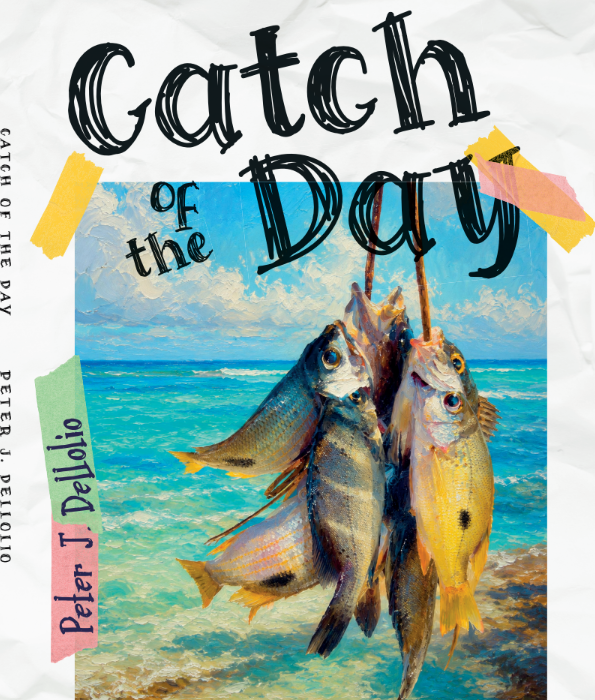
If you’d like to order a copy, New Meridian Press invites you to contact them at newmeridianarts1@gmail.com for a discount.
Also, our regular contributor Rui Carvalho invites readers and contributors to submit poetry to the next annual Nature Writing Contest.
Our contest, Nature 2025-2026, is a new opportunity that we, as organizers, create to reach the rest of the world. Every Contest is a challenge for authors participating and to people that make it happen. This year we invite all authors to write poetry about:
(i) Flowers;
(ii) Trees and wind;
(iii) Water;
(iv) Nature Conservation;
(v) Turtles;
(vi) Love for people and nature;
(vii) Hope and Happiness.
Rules and submission information here.
Now for our second July issue, Landscapes of the Soul.
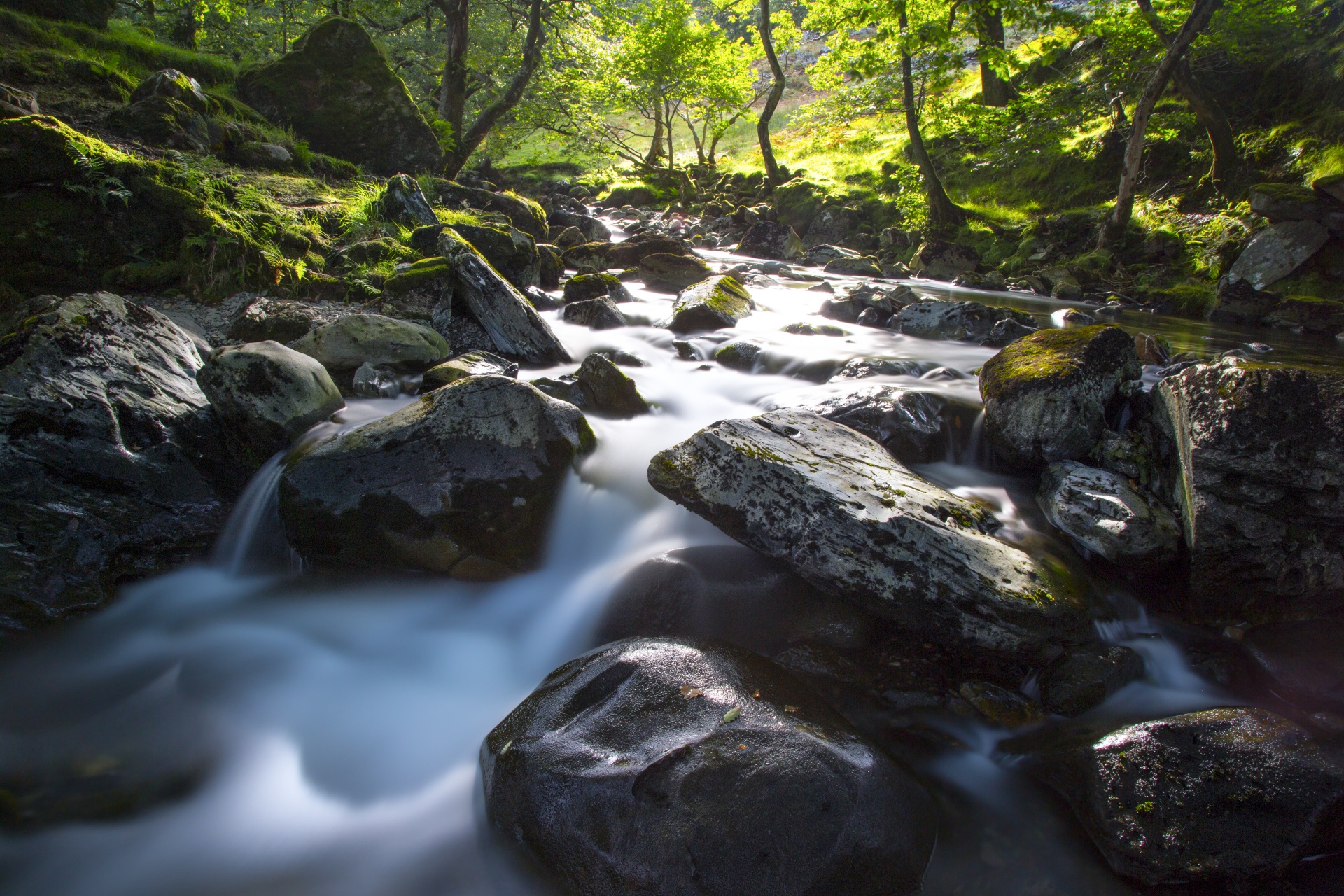
Every soul carries traces of the past, and several contributors look at the wounds we carry from the histories that have shaped us. Srijani Dutta’s poetry reminds us that struggle is an inescapable part of the human existence. Abigail George speaks to the inherited language of addiction, a shared, familial dialect of suffering. Adamu Muhammad Ja’agi suggests that forgiveness can be a powerful act of liberation, allowing a person who has been hurt to reclaim their identity beyond inherited pain. In Aleksandra Soltysiak’s poetry, translated by Olga Smolnytska, memory becomes a haunted and unreliable mirror where love, loss, and truth shimmer between revelation and illusion.
In Naim Al-Musafir’s Voices from There, translated from Arabic into English by Faleeha Hassan, landscapes themselves become keepers of memory. Through magic realism and social history, the story reveals how places preserve the stories of those who have suffered, departed, and returned. Cyril Erchev’s piece reflects the experience of diaspora: a woman out of place in her present world but spiritually still walking the fjords of her ancestors. Sayani Mukherjee explores the emotional geography of homeland, where beauty and trauma exist side by side. Mahesh Paudyal enters the darker regions of memory, examining how disturbing experiences linger within the human mind. Abigail George’s long meditative poem asks how a person survives when love, home, peace, and certainty disappear.
Within the landscapes of the soul, the gardens of love provide shelter and transformation. Türkan Ergör points out that love is an active choice, not just a state of being or a feeling. Chidimma Ewelukwa shows how daily acts of motherly care become expressions of profound emotional connection. David Kokoette similarly honors motherhood as a vocation, emphasizing the devotion, responsibility, and meaning found in nurturing another life. Berdinazarova Jasmina Mirshod qizi celebrates the continued love and care of her father. Bill Tope explores the uncertain landscape of adolescence, capturing the vulnerability of discovering oneself through relationships. The poetry of Barbaros İrdelmen travels through different seasons of human experience, reflecting on mortality, romantic love, and the dynamics of long-term relationships. Hassan Musa Dakasku reflects on the possibilities and responsibilities of friendship.
Eva Lianou Petropoulou celebrates love as essential to both self-understanding and connection with others, while Dr. Prasanna Kumar Dalai expands love into a force capable of reshaping identity, time, and existence itself. Graciela Noemi Villaverde reframes “saving” not as a onetime heroic act, but as a quiet, steady, loving presence that transforms what was dead or broken into something that can still grow. Reema Hamza’s poem highlights how love can transform longing, exile, and devastation into a sacred, defiant act of remaking the world. Kang Young-eun discovers holiness in everyday experiences, transforming bread, wine, evening light, loneliness, and memory into symbols of human connection and spiritual awareness.
The soul is also a place of questioning, conflict, and spiritual discovery. Duane Vorhees explores the self as an internal battlefield where instinct, conscience, and reason compete for control. Elmaya Jabbarova reminds us of the need to choose love and moral behavior and the ultimate folly of cruelty. Mesfakus Salahin presents existence as a pilgrimage guided by love, personal choice, and the search for ultimate truth. Wan Yilong presents a spiritual journey through combined metaphors from ancient Buddhist Pure Land teachings and modern cosmic space opera. Jack Phillips Lowe’s short story presents an everyday vignette in the life of a person who takes medicine for a mental health condition. Mark Young’s poetry explores how we assemble ourselves from the bricolage of our surroundings. Joe Couture’s pieces highlight selfhood built through physical work and wear and tear on the body over time. Sumana Bhattacharjee’s poetry points out how we can find meaning in life’s struggles when we follow our own consciences and trust our inner strength.
The internal battlefield metaphor applies to nations and political entities as much as to individuals, as they also struggle with identity and conscience. Jacques Fleury presents America as a nation continually struggling between its highest ideals and its darkest realities. Aminu Femi Jamiu mourns and marks the loss of young Esther Harrison, a schoolgirl murdered in Nigeria. Yeon Myung-ji’s poetry, narrated by the ancient Chinese emperor Qin Shi Huang (creator of the terracotta army found in his grave) highlights how even a person who held absolute power was humbled by death and the limits of his human knowledge. Alan Catlin’s poetic series depicts the waking nightmares of a civilization in decline, where the only honest witness knows they’re floating away from shore and still can’t stop watching. Bilal Al-Masri interviews author Dr. Jernail Singh about a variety of topics, including the moral and social responsibilities of authors in times of institutional injustice and suffering. Stephen Jarrell Williams points to a hinge moment in a civilization, when a society reaches a necessary collapse that leads to a more just rebirth.
Dr. Jernail S. Anand reflects on human weakness and limitation, arguing that imperfection is not something to overcome but something that gives life its depth and meaning. In conversation, Dr. Jernail Singh and Dr. Annie John describe poetry as a spiritual and ethical journey. The poet becomes both witness and seeker, exploring human suffering while reaching toward universal wisdom. J.J. Campbell becomes an observer in his own life, as apathy with wry humor is safer than grief. Priyanka Neogi points out that each of us have different layers and dimensions to our personalities. Nidia Amelia Garcia speculates on the life and wisdom of an old man by observing his photograph. Teresa de Lujan Safar’s piece celebrates the grace, strength, self-possession, and inner dignity of an older woman. With another human response, Thi Lan Anh Tran and Musharraf Hussain celebrate perseverance and inner strength, showing how resilience allows individuals to rise beyond adversity.
As we are part of nature, outdoor landscapes can mirror the landscapes of the soul. Shah Jehan Ashrafi views autumn as a profound metaphor for death, surrender, transformation, and rebirth. The falling leaves become symbols of necessary endings that make new beginnings possible. Mahbub Alam speaks to the cleansing and renewing energy of the Bangladeshi monsoon rains. O’ktamova Sabrina Mahmud qizi describes an ecological analysis of the health of Uzbek humus and soil. Dessy Tsvetskova’s Tree of Life portrays women as a source of creation, memory, resilience, and renewal. Rooted in the earth yet reaching toward the heavens, the tree represents continuity across generations.
Ananya Guha celebrates the beauty of dancing peacocks, offering a moment of wonder and connection with the natural world. Timothee Bordenave explores ideas that benefit both humanity and the environment, suggesting that the health of the planet is connected to the health of the human spirit. Brian Barbeito captures the quiet landscape of winter, reminding readers of the shared rhythms of nature and the reflective stillness that accompanies seasonal change. Dianne Reeves Angel reminisces about long stretches of teen summer fun in the pool and with friends.

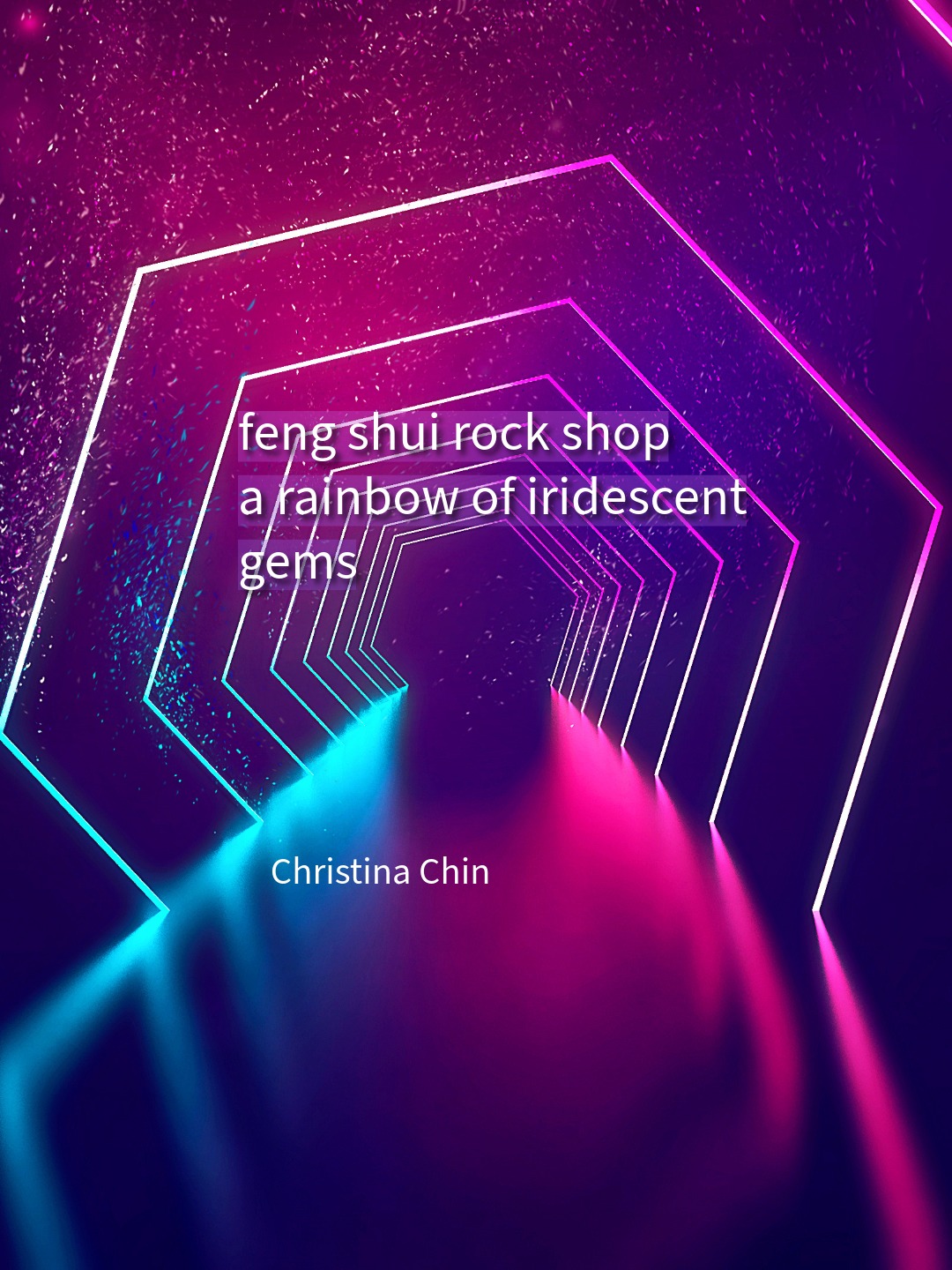
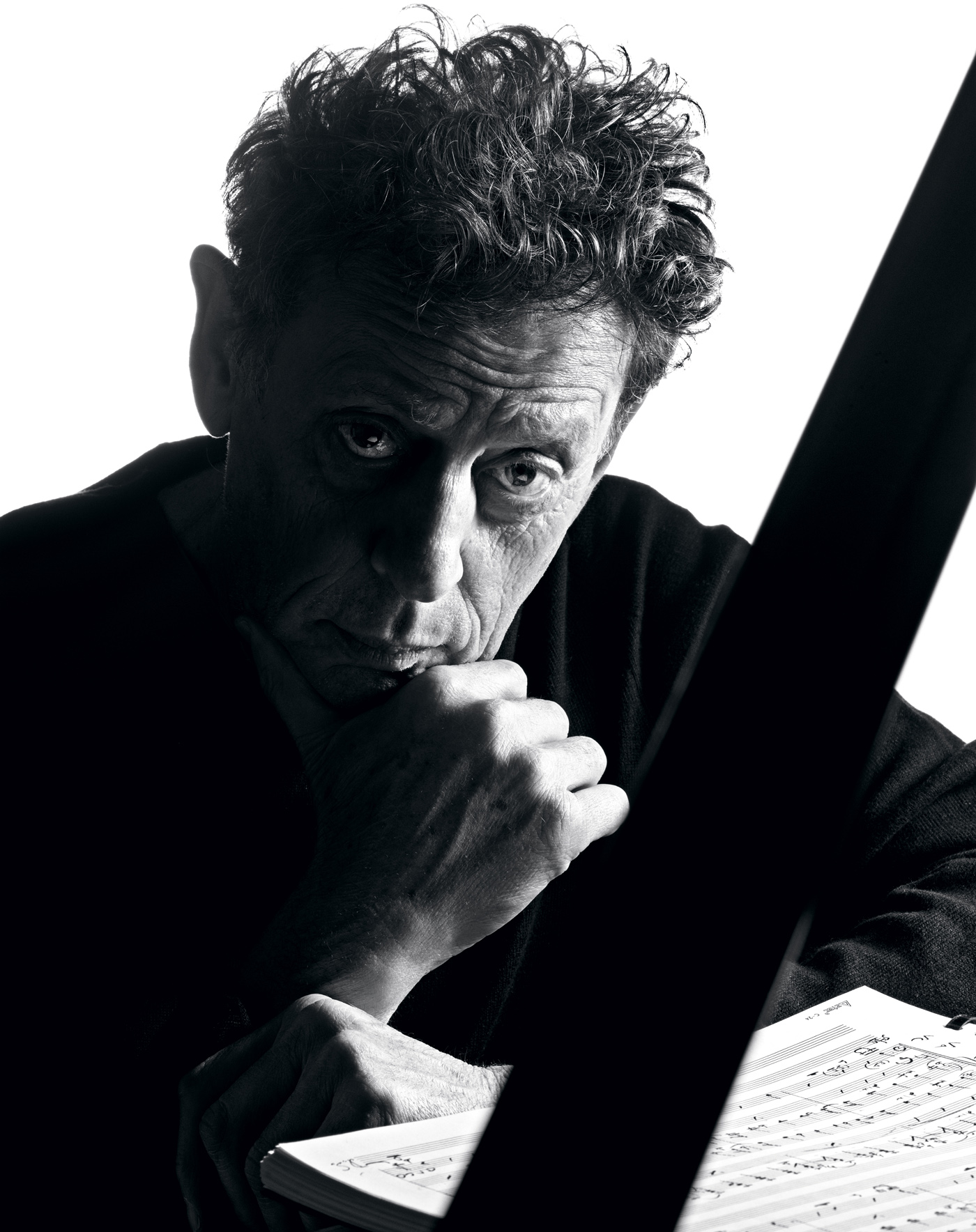
Art is one way humanity can join nature in the process of creation. Federico Wardal’s article notes the Egyptian government’s commitment to promoting and showcasing current and historical arts and culture. Andrena Zawinksi explores the artist’s search to create, be recognized, and remain alive through creative expression. Alex Johnson reflects on the relationship between life and art through his encounter with a publicist representing Philip Glass, revealing the irony that reality itself can sometimes imitate artistic structures. Tanja Ajtic’s poem threads watercolor’s quiet disciplines of washes, shades, making use of empty white space, into a metaphor for a life lived in silence, holding back opinions, feeling the world’s eruptions but never speaking of them. Christina Chin’s haiga and illustration create a unified moment of beauty, demonstrating how words and images can combine to form a single imaginative landscape. Cri8or’s vibrant digital artworks add splashes of color and intriguing shapes to the issue. Fhen M. uses ekphrastic poetry inspired by Priamo della Quercia’s Circle of the Falsifiers to explore the destruction caused by dishonesty and the moral landscapes created by truth and deception. Maria Barnes journeys into a darker psychological landscape, using unsettling imagery and music to symbolize the struggle between the conscious self and hidden fears.
The soul also grows through learning and discovery. Ismatova Dilnura emphasizes the importance of books in children’s education, illustrating reading as a gateway to imagination, knowledge, and possibility. Omonova Dinora Anvarjon qizi celebrates the many ideas and life lessons found within books. Navbaxar Mahmudjanovna Karimova points to ways to encourage the creation of new educational knowledge. Amonboyeva Shahnoza examines the changing landscape of education in the age of artificial intelligence. While technology may assist learning, she argues that creativity, imagination, and human connection remain uniquely human qualities. Although, as Ibroximova Hayitxon Mirzoxidjon qizi points out, artificial intelligence may take over in other human endeavors, including accounting. Maxliyo Alijonova highlights the educational work of Uzbekistan’s Ashurali Legacy Academy, demonstrating how institutions preserve knowledge, culture, and intellectual heritage. Akhmetova Nodira Po’lat qizi underscores the importance of digital literacy for modern Uzbek students. Jasmina Ismatullayeva relates the value of study-abroad experiences for students and why she wishes to travel.
Finally, a few works in this collection highlight the depths of truth within ordinary experiences. Travis Park’s brief, image-driven poems transform familiar places into reflections on uncertainty, memory, and human connection. Mykyta Ryzhykh uses the sea and the house as symbols of existence, showing humanity surrounded by immense forces while often feeling isolated and forgotten. Shlok Pandey’s coming-of-age story addresses loneliness, compassion, observation, and the discovery of beauty in everyday life. Naeem Aziz reminds readers that true value often exists beneath appearances, encouraging a deeper understanding of the gifts each person carries.
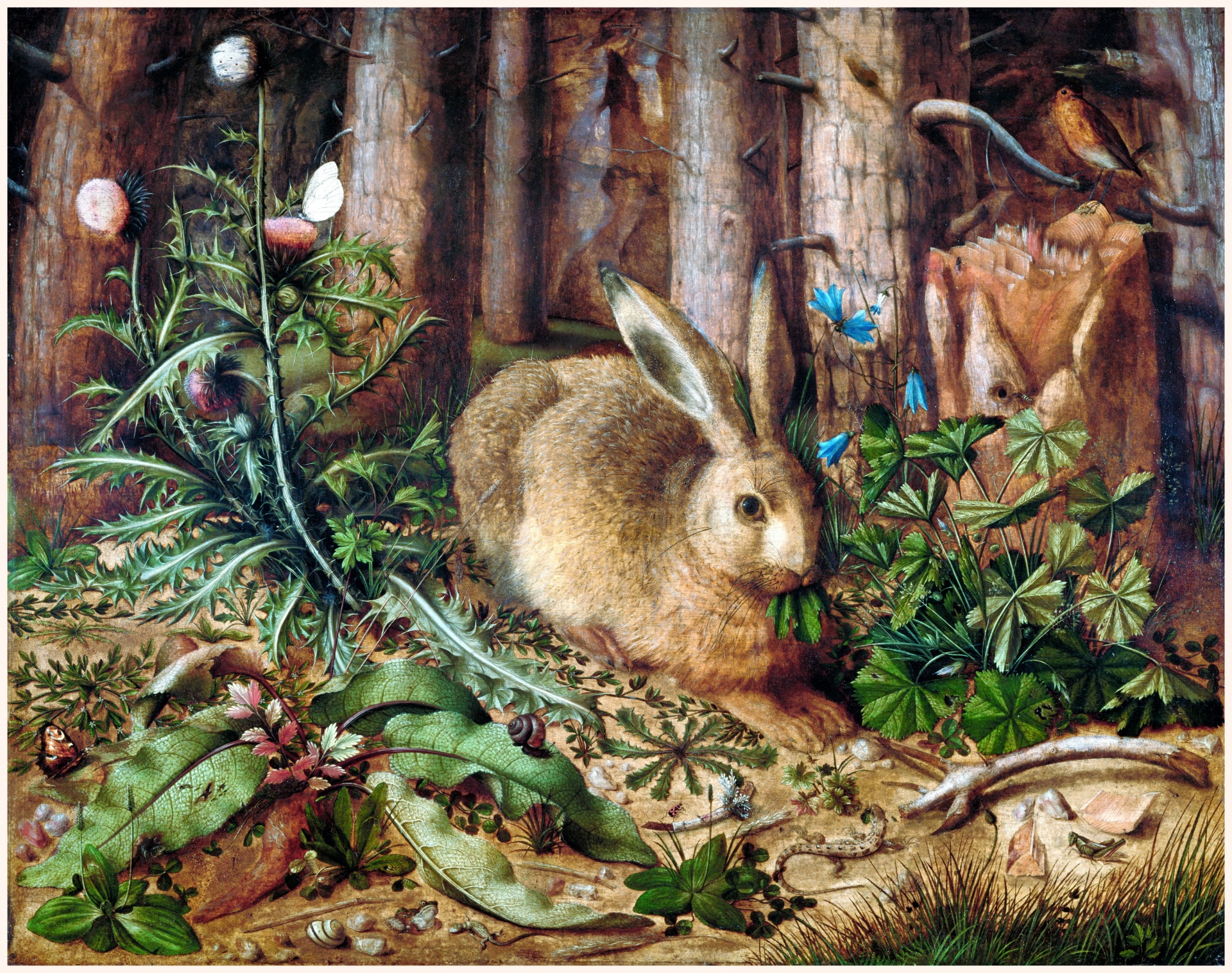
Together, these works create a map of the human soul. They travel through valleys of suffering, gardens of love, mountains of reflection, and seasons of transformation. They show that every person carries an inner landscape shaped by memory, relationships, struggles, dreams, and hopes.
“Landscapes of the Soul” reveals that humanity is defined not by avoiding hardship, but by transforming experience into wisdom, compassion, creativity, and renewal. Across cultures and voices, these writers remind us that the journey inward is also a journey toward one another. We hope that you enjoy hearing from each other throughout this issue!