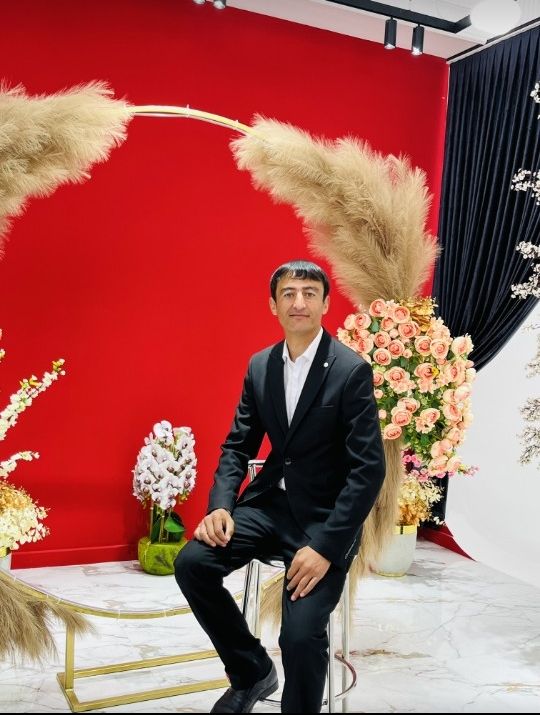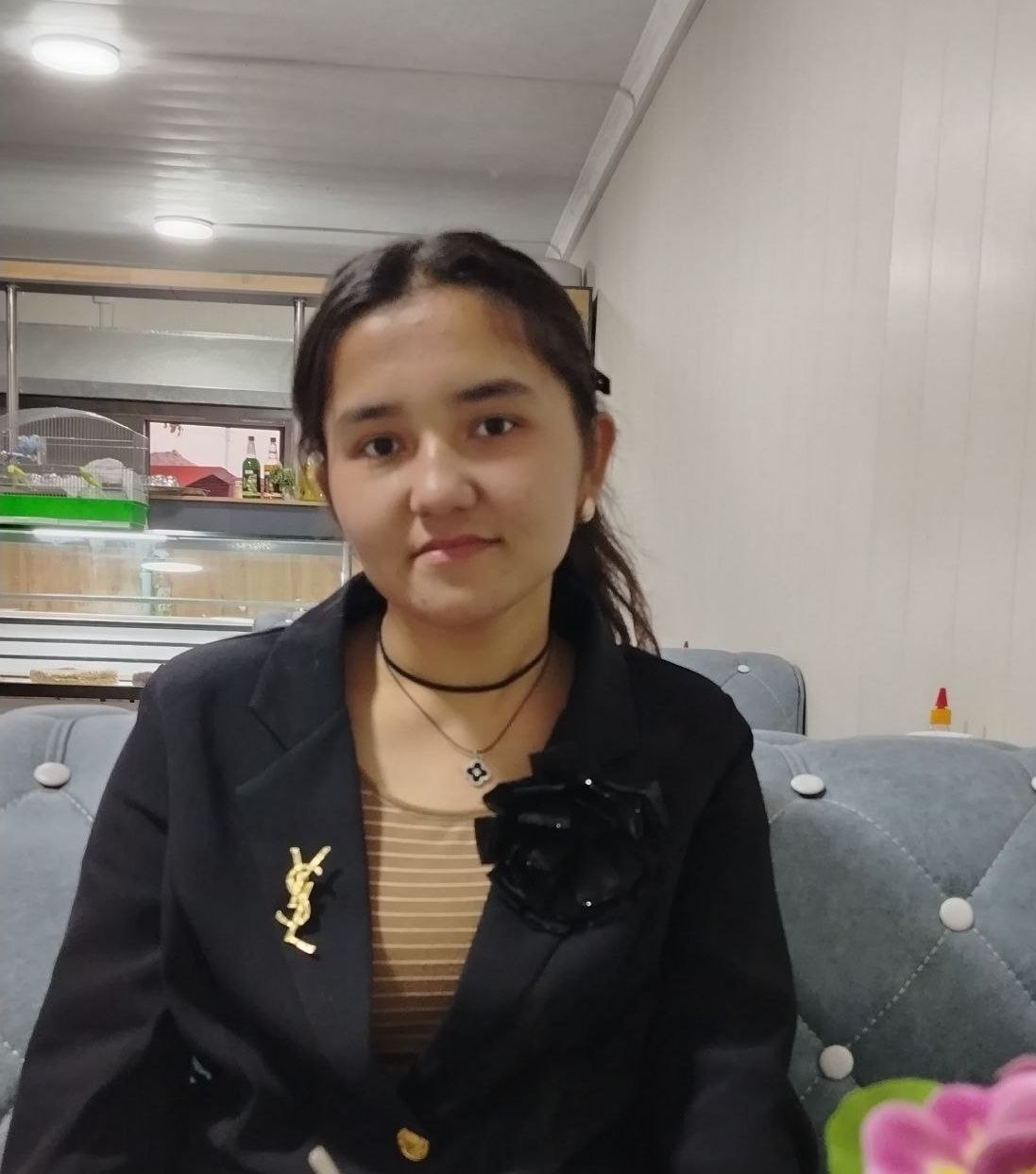
Essay from Jasmina Ismatullayeva

STUDYING ABROAD  – A DOOR OPENED TOWARD DREAMS 

«The future begins today», and this wisdom carries a deep meaning. The goals a person sets today determine the results they achieve tomorrow. I am also one of the young people who have set a great goal for their future. I have recently successfully completed the 9th grade at School No.16 “ JASORAT” in Kasbi district, Kashkadarya region, and I am stepping forward into the 10th grade with confidence. During this important period of my life, I have started thinking more seriously about my future and the path I want to follow. I believe that every person has a moment or an encounter that changes the way they see life. I experienced such a moment as well.

A foreign teacher who came to our school to teach us became one of the main reasons why my interest in studying abroad grew stronger. This teacher not only shared knowledge about their subject but also introduced us to their country’s education system, culture, traditions and way of thinking. Through their lessons, I realized that the true purpose of education is not only to receive good grades, but also to learn how to think independently, explore new ideas, create innovations, and become connected with the world. From that moment, studying abroad became one of my greatest dreams and goals.

The people who have given me the greatest support on this journey are my parents. When I shared my dream of studying abroad with them, they welcomed my idea, believe in me, and encouraged me to work hard. I deeply understand that the trust and support of parents are among the greatest sources of strength for a child. Their prayers and encouragement motivate me to move forward toward my goals every day.

Today, studying abroad is not only an opportunity for the children of wealthy families, as some people may think. If a person has a thirst for knowledge, dedication, and determination, may universities around the world can open their doors to them. Various scholarships, grants and international education programs are helping thousands of young people achieve their dreams. However, to take advantage of these opportunities, it is necessary to improve English exams such as IELTS and SAT, study school subjects deeply, and continuously work on personal development.

There are many advantages to studying abroad. First of all, students have the opportunity to study with modern laboratories, experienced professors, and advanced educational methods. They can combine theoretical knowledge with practical experience. By studying together with students from different countries, they can discover new cultures, lifestyles, and prespectives. This experience broadens their worldview, helps them enhance foreign language skills, and allows them to build international friendships.

Another important benefit of studying abroad is that it prepares a person for independent life. Managing time effectively, taking responsibility, solves issues freely, and adapting to different environments are valuable qualities that develop through such experiences. These skills become a strong foundation for future success.

Many people think that entering a foreign university is extremely difficult. However, the hardest step is often the first one – starting!. Reading one page of a book today, learning a new English word, or solving one mathematical problems may seem like a small achievement. But these small steps can lead you towards the world’s most prestigious universities in the future. Great achievements always begin with small actions.

I am also following this path today. I am sorting out improving my English skills and preparing to achieve international certificates such as IELTS, SAT, and other qualifications. I know that many challenges are waiting ahead, but I believe that every challenges will bring me closer to my goal. I am not working only for myself, but also to justify my family’s trust, appreciate the efforts of my teachers, and contribute to the development of my homeland in the future.

Dear friends and fellow students! If you also dream of studying abroad, do not postpone your dreams. Start working from TODAY.  Learn languages, read books, participate in competitions, and never stop searching for new knowledge. Believe in yourself despite nobody do not believe to you. Because success do not come overnight, but daily efforts always bring results.

As the saying goes, «Knowledge is the greatest wealth that elevates a person». Dreams become reality only in the hands of those who believe in them and continue working toward them. I want to be one of those people. I strongly believe that my efforts today will become the foundation of my achievements tomorrow, and one day I will study at one of the world’s leading universities and use the knowledge and experience I gain to make a contribution to the progress of my homeland.

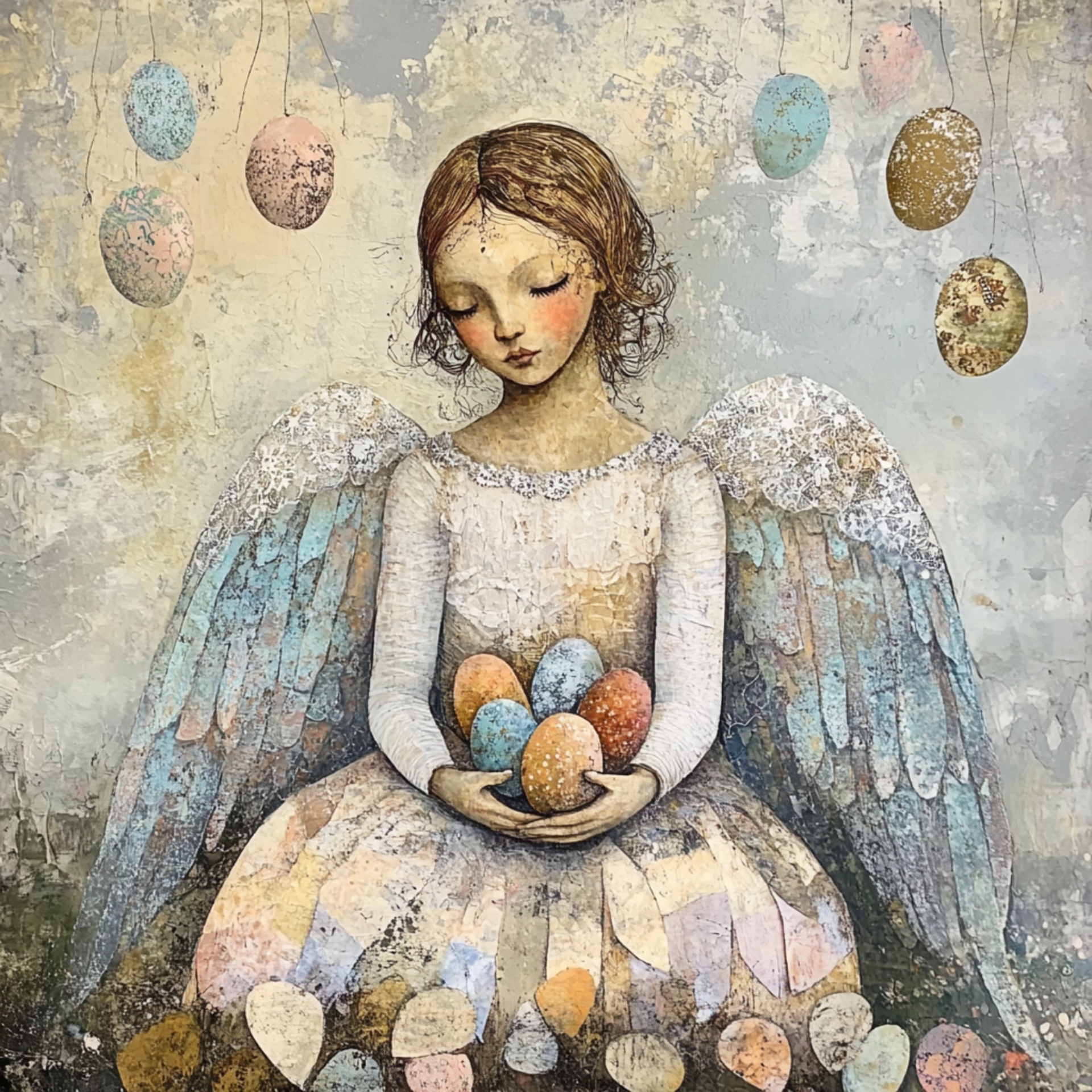
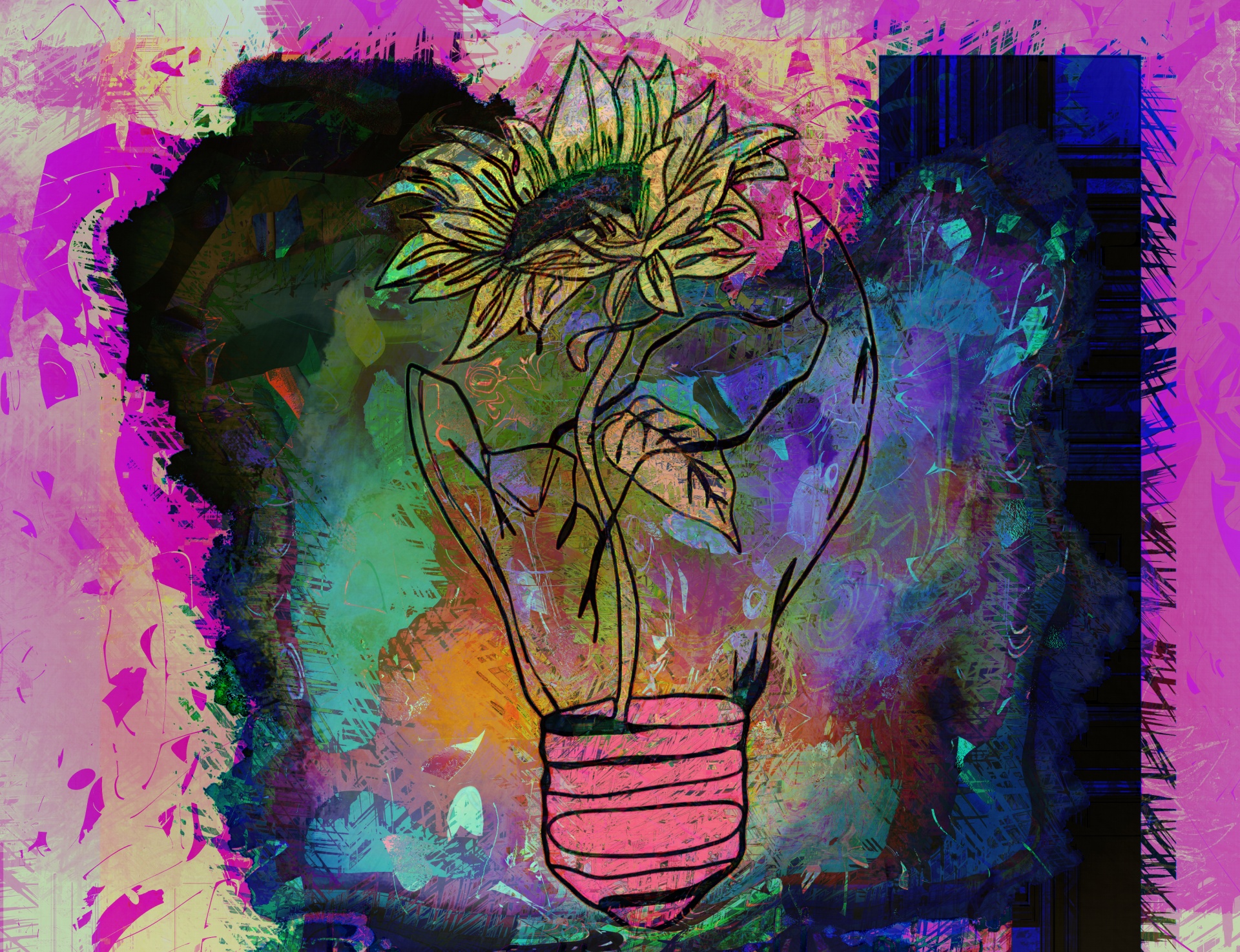
Synchronized Chaos’ First July 2026 Issue: Questing for Renewal

Image c/o Omar Sahel

Our regular contributor Rui Carvalho invites readers and contributors to submit poetry to the next annual Nature Writing Contest.

Our contest, Nature 2025-2026, is a new opportunity that we, as organizers, create to reach the rest of the world. Every Contest is a challenge for authors participating and to people that make it happen. This year we invite all authors to write poetry about:
(i) Flowers;
(ii) Trees and wind;
(iii) Water;
(iv) Nature Conservation;
(v) Turtles;
(vi) Love for people and nature;
(vii) Hope and Happiness.

Rules and submission information here.

Synchronized Chaos’ new issue, Questing for Renewal, explores how people navigate a world marked by impermanence, injustice, loss, and change while continuing to seek meaning, compassion, and growth. Across poetry, fiction, essays, and criticism, the contributors examine life, always asking how individuals can respond with courage, creativity, and hope.

Christopher Bernard’s fourth installment of Otherwise argues that even in times when evil appears triumphant, humanity must continue imagining and building a better future. David and Emile Sapp offer complementary poetic and prose reflections on a natural scene with egrets and herons, while Elmaya Jabbarova envisions a fairer society grounded in ethics and spirituality. Sumana Bhattacharjee calls on individuals to improve the world through personal action, and Nidia Garcia presents a peaceful meadow that reminds readers of nature’s restorative power.

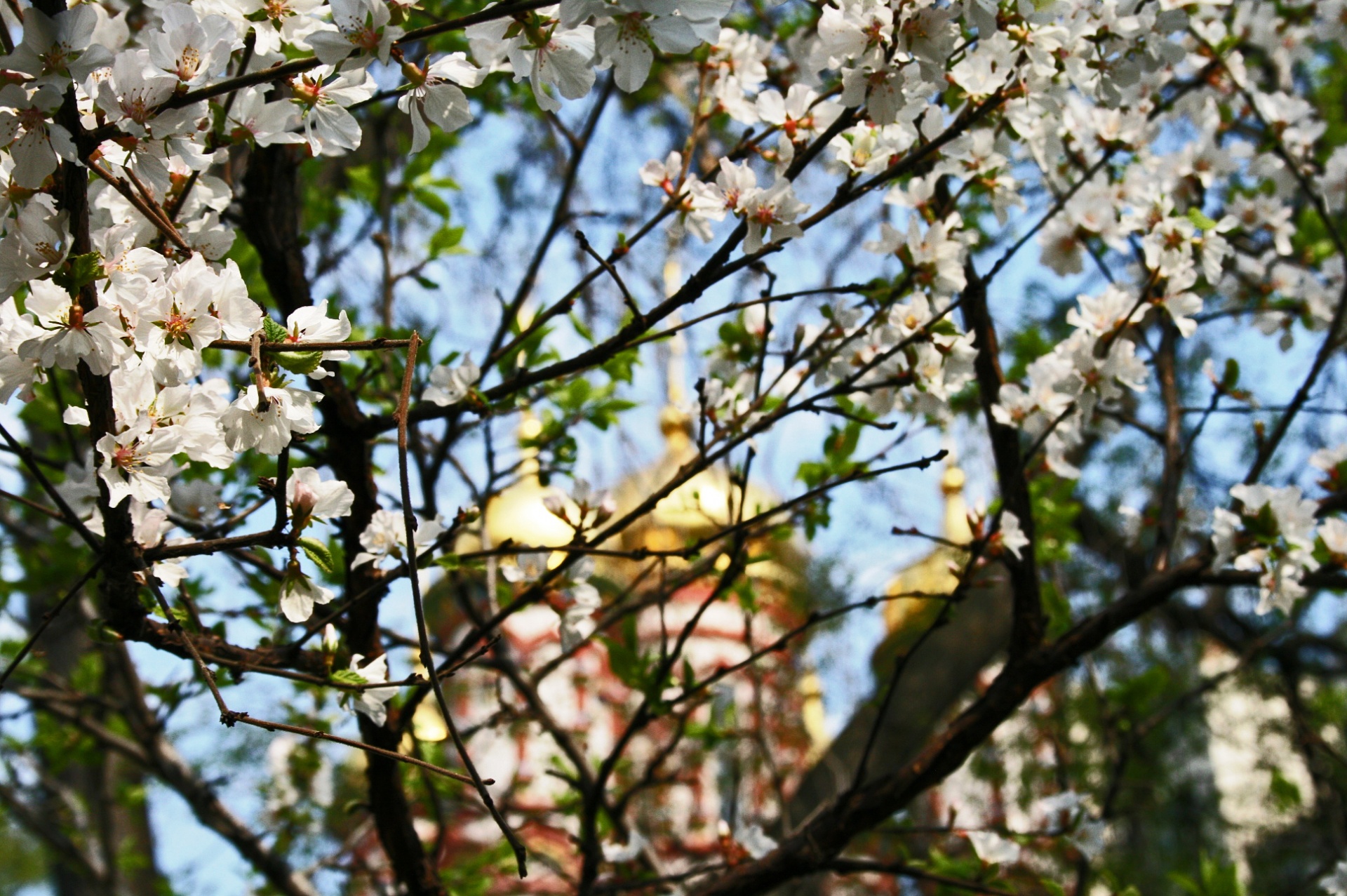
Image c/o Linnaea Mallette

Family, love, and remembrance emerge as recurring themes. Priyanka Neogi and Maftuna Rustamova celebrate fathers through tributes to their wisdom, care, and everyday acts of devotion. Mirta Liliana Ramirez honors relationships which have ended yet still enrich her memories, while Graciela Noemi Villaverde reflects on a love that brings serenity and emotional balance. Jasmila Talić-Kujundžić speaks to the inner life of a mother: identity, spirituality, and love. Mesfakus Salahin contributes a piece of understated tenderness. Tursunqulova Sabina Muzrob qizi’s short adventure story celebrates friendship, respect, and community in a small village. Danijela Ćuk portrays steadfast loyalty amid life’s uncertainties, and Eva Lianou Petropoulou contributes both a call for peace and mutual respect and a celebration of enduring romantic tenderness.

Many contributors confront mortality and the passage of time. Mahbub Alam reflects on life’s transience and the need for gentleness; Kumushbibi Hamidova surveys contemporary longevity research; Alan Hardy meditates on aging, creativity, humility, and nature; Nurbek Norchayev examines impermanence and human experience; and Nad Raf offers visceral poems on grief, aging, and mortality. Royal Rhodes’ three poems deepen these concerns through explorations of vision, madness, embodiment, spiritual longing, and the tension between earthly existence and transcendence.

Image c/o Linnaea Mallette

Several works address social realities and cultural history. Kahlil Crawford depicts cultural and ecological regeneration amid disruption while Shlok Pandey reveals the suffering war inflicts on ordinary lives. Alan Catlin’s work explores the ways writers, photographers, and other artists have borne witness to war, loss, and suffering and refused to abandon even the lives they could not save to oblivion. Joseph C. Ogbonna’s work is a politically charged, spiritually framed lament that draws on William Blake’s “Jerusalem” to reinterpret Nigeria’s national crisis through religious longing and moral urgency. Stephen Jarrell Williams’ work contains a spiritual element as well, urging readers to help make the present-day world more humane and just while holding to an eternal hope through faith. Bill Tope’s story recalls the discrimination faced by LGBTQ communities and Jacques Fleury’s darkly comic narrative uncovers the lingering struggles of abuse survivors. Hassan Musa Dakasku advocates fearless self-expression, Alex S. Johnson profiles artist and activist Nina Hartley, who advocated body autonomy, Patricia Doyne satirizes federal monuments mismanagement, and Dr. Jernail Anand Singh reflects on how societies create heroes and what heroism means today. Dr. Kathleen Bryson’s poetry recollects the U.S. 1969 moon landing and how it captured people’s imagination even as reality descended. Thi Lan Anh Tran and Musharraf Hussain examine the US-Iran conflict through the metaphor of a troubled relationship as Sardor Raximov outlines potential solutions to modern-day challenges to effective United Nations global leadership.

The collection also highlights cultural inquiry and intellectual growth. Shermamatova Charos celebrates a young lifetime spent reading a variety of material. Abdukarimova Qadriya Istat qizi documents the Timurid renaissance, Safarova Sabrina Fazliddin qizi poetically honors and celebrates her Uzbek heritage, and Orifjonova Imrona Ulugbek qizi investigates metamorphosis as a theme in contemporary Central Asian literature. Fhen M. contributes both a critique of reductive approaches to Philippine literary criticism and a metaphorical reflection on institutional decay through the image of a rotting ship. Next, Rukshona Abdulatipova discusses the educational and professional value of English-language learning, and Erkin Shaymardanov advocates cycling and physical activity as social goods. A survey of the works of Eldar Akhadov, Ashraf Abu al-Yazid, Shirani Rajapakse, Eden Soriano Trinidad, Adel Khozam, Ayo Ayoola-Amale, Luis Carlos Prestes Jr., Nia Amira Osman, and Margarita Al opens a window onto contemporary international literature as Richard C. Bower, Mansfield, UK’s poet laureate, expresses the value of poetry to help people slow down and think, in his interview with poet Eva Petropoulou Lianou.

Image c/o Lynn Greyling

Spiritual, ecological, and existential questions weave throughout the issue. Lan Xin calls for a global awakening from ignorance into higher consciousness. Shermamatova Dilnura Shavkat qizi describes personal reflections on what kind of person she wishes to become. Duane Vorhees combines myth, humor, tenderness, and everyday experience to show how people sustain one another through life. Mykyta Ryzhykh’s surreal and unsettling work explores homelessness, trauma, alienation, and fractured identity. J.J. Campbell’s poetry evokes disappointment, bodily exhaustion, failed idealism, and the slow erosion of meaning in everyday life, as Patrick Sweeney sketches out everyday life tipping into absurdity. Taryn Allan speaks to existential crisis, melancholy, and the human condition. Zunaira Rehman captures the ordinary heartbreak of life’s many farewells, while Elaine Murray finds resilience in rivers, mist, and starlight even as she mourns environmental degradation. Charos Ismoilova urges the ecological restoration of the Aral Sea as Ananya S. Guha suggests that continuing to love a natural place that has been degraded over time is itself an act of hopeful rebellion. Christina Chin celebrates peaceful moments with birds as Su Yun’s middle grade students revel in the mysteries and beauty of their environment. Brian Barbeito offers up a nostalgic and introspective reflection on his childhood and adolescence as Mark Young collaborates with nature on a fresh and vibrant set of his altered geographies. Sayani Mukherjee journeys through memory, history, and consciousness toward an affirmation of identity and selfhood. Finally, in his new collection tombboy, reviewed by Cristina Deptula, poet Mykyta Ryzhykh reaches out in an alienating, violent world for a fragile affirmation of love.

Together, these works form a rich tapestry of voices united by a common conviction: that despite loss, conflict, mortality, and uncertainty, human beings continue to seek understanding, preserve memory, nurture connection, and imagine renewal.

Poetry from Nurbek Norchayev

I am a spark of fortune, a flame of bliss,

A rare and singular find of destiny.

is it careless? The eyes don’t notice.

Bearing the weighty stones of time,

Human lives, testing the strength to endure.

The swift steed of time still never halts.

One wall divides the darkness and light,

One wall divides the two eternal worlds.

This world even does not resemble paradise.

The author of the poem is the poet Nurbek Norchayev from Kason District, Kashkadarya Region, Republic of Uzbekistan. Translator Nodira Ibrahimova is a laureate of the international award named after Muhammad Reza Ogahi

Essay from Rukshona Abdulatipova

ANNOTATION

English has now become not only the main tool of global communication, but also one of the most important conditions for studying abroad. Opportunities for students to study abroad given, it is not only about acquiring new knowledge and skills, but also about interacting with different cultures.

It is also a great opportunity to make acquaintances and create professional opportunities. To fully benefit from such education, it is necessary to know English, because English is the most widely used scientific and business language around the world. In this article, we will discuss the advantages of English and the importance of studying abroad and the opportunities it creates for students.

KEYWORDS

Education, English, study abroad, culture, scientific articles, science, technology, IT, programming, grants, scholarships, business, professional development, success, science and innovation, foreign universities, international language.

ENTRANCE

Nowadays, the world is becoming more globalized and everyone needs to improve their knowledge to adapt to the modern education system. In this regard, foreign languages,

In particular, knowing English is becoming one of the necessary skills for every young generation. English is not only a means of international communication, but also a key scientific and academic language. Therefore, every student who wants to study abroad must have excellent knowledge of this language. Knowledge of English is a prerequisite for admission to foreign universities. It creates opportunities to win international grants and scholarships, write scientific articles, and participate in international conferences.

Uzbekistan’s education system is also striving for international standards, and today many schools and universities offer intensive English language training. This serves as an important basis for young people to gain knowledge in the international arena and further improve their future. In developed countries of the world, education is mainly conducted in English, and most international universities set good knowledge of English as an important requirement for admitting students. For example, prestigious universities in the UK, USA, Canada, Australia, Singapore and European countries require international test results such as IELTS or TOEFL. Such certificates are accepted in foreign higher education institutions and this is one of the main factors that opens the door to learning.

In addition, knowledge of English is very important not only for entering a university, but also for understanding the educational process and conducting scientific activities. The world’s most advanced scientific publications and textbooks are mainly written in English. Also, many international scientific conferences, seminars and forums are also held in this language. If students want to participate in these events and express their opinions freely, they must master English.

Another important aspect of studying abroad is getting to know different cultures and developing the ability to think globally. When a student studies in a foreign country, they are exposed to people of different nationalities and will have the opportunity to communicate with them. This will contribute to his or her personal development and broadens their worldview and improves their social skills. Many young people around the world are enriching their knowledge by studying in foreign countries and preparing for the future are achieving success. For example, Uzbek youth who studied in the United States and Europe are currently working in various fields in our country, implementing international experience.

In addition, English is also a key tool for young people who want to work in international organizations today. The United Nations, which operates globally,

Good English skills are essential for working in organizations such as the United Nations (UN), the World Health Organization (WHO), the World Bank, and the International Monetary Fund (IMF). Professionals working in these organizations communicate with colleagues from all over the world.

They communicate in English and present their scientific work in this language.

Today, with the development of the Internet and technology, the importance of the English language is increasing. The majority of global Internet resources are in English, including scientific articles, online courses and various educational materials are hosted in this language. For example, international educational platforms such as Coursera, EdX, Udemy, FutureLearn have free and paid courses offered by the world’s leading universities. Through these platforms, you can get education in various disciplines, including medicine, engineering, business, psychology, IT and many other areas. If a student does not know English, he may miss out on the opportunity to use such invaluable sources of knowledge.

English is also an indispensable language in the international job market. Today, major international companies, including Google, Microsoft, Apple, Amazon, Tesla, Facebook, Samsung, and many other global corporations require their employees to have excellent English skills. Young people who aim to study abroad and work in international companies should start learning this language thoroughly from now on. Knowing English is not only important for studying at foreign universities, but also for finding a well-paid job and competing in the international arena.

It also creates the opportunity to become a successful professional.

In conclusion, the role of English in today’s society is very important. Anyone who wants to study abroad should have a perfect command of this language, because it is not only useful for education, but also it plays an important role in future professional development and personal growth. Learning English is not only about entering foreign universities, but also gaining international experience, conducting scientific research, traveling, developing cultural communication and succeeding in the job market. Therefore, young people should start speaking, writing and understanding this language fluently from now on.

They need to focus on developing their skills, which will provide a solid foundation for their future success.

Strategies for learning English for studying abroad:

The following strategies are recommended for effective English learning:

  • 1. Create a daily language environment – ​​Read books in English, watch movies and documentaries, listen to podcasts and audiobooks in English.
  • 2. Use online learning platforms – study free and paid courses on platforms such as Coursera, EdX, Udemy, Duolingo.
  • 3. Preparing for international tests – preparing for exams such as IELTS, TOEFL, SAT, GRE, as these test results are required for admission to foreign universities.
  • 4. Developing practical communication skills – having conversations in English, participating in international forums and groups, writing essays and articles in English.
  • 5. Study English by field – Each profession and scientific field has its own terminology. Students who intend to study at foreign universities are advised to study the specific terminology in their field.

The role of English in cultural integration and global communication

Knowledge of English is important not only for education and scientific activities, but also for global communication and cultural integration. Students studying abroad get to know different cultures firsthand, communicate with international experts in their field, and have the opportunity to learn from world experience. In this process, knowledge of foreign languages, especially English, makes it easier to adapt to a new environment.

Today, the world’s largest international organizations and companies – the United Nations, the World Bank, UNESCO, the World Health Organization (WHO),

English is the official working language of Google, Microsoft, Tesla, Amazon, and other major global institutions. Working in these organizations, participating in international projects, and becoming a professional in a foreign country also requires a good command of English.

In addition, English is also very important for traveling, participating in various international conferences and seminars. If people studying or working abroad can communicate freely in English, they will not face various problems and will quickly learn new things.

They can adapt to society. For example, students studying at foreign universities can effectively conduct their studies if they can communicate freely with their teachers and classmates. They can also learn about different cultures around the world by participating in international events.

Opportunities to make friends with people from all corners of the world and to establish new business and scientific collaborations will increase.

Reform and rise of English in the education system

In many countries around the world, there are efforts to integrate English into the education system.

Reforms are being implemented. Including:

In the Finnish education system, English is taught as one of the core subjects, and students are taught to conduct academic activities in English from a young age.

South Korea and Japan are placing great emphasis on training international-level specialists, making English an important part of their education programs.

Germany has widely introduced English-language master’s and doctoral programs at many universities.

In the Malaysian and Singaporean education systems, English is taught as a core subject, producing internationally competitive professionals.

Uzbekistan is also carrying out major reforms in this regard. Much attention is being paid to in-depth study of the English language in schools and higher educational institutions. In particular, the demand for obtaining international certificates in English such as IELTS and TOEFL is increasing. This encourages our youth to actively participate in the international scientific and professional arena.

CONCLUSION

Knowledge of English is essential for anyone who wants to study abroad. Learning English helps you study abroad, develop academically and professionally, make foreign friends, and better understand the world. Also, by knowing English well, you can participate in international competitions.

The chances of entering universities, receiving grants and scholarships, and finding a good job in the future will increase.

Therefore, young people should take learning English seriously, because this language is one of the most important tools not only for studying abroad, but also for a successful future.

REFERENCES

1. Crystal, D. (2003). English as a Global Language. Cambridge University Press.

2. Graddol, D. (2006). English Next: Why Global English May Mean the End of ‘English as a

Foreign Language’. British Council.

3. Phillipson, R. (1992). Linguistic Imperialism. Oxford University Press.

4. Kaplan, RB, & Baldauf, RB (2005). Language Planning and Policy in Europe: The Czech

Republic, The European Union and Northern Ireland. Multilingual Matters.

5. Harmer, J. (2007). The Practice of English Language Teaching. Pearson Longman.

6. President of the Republic of Uzbekistan. (2021). “Improving the English language learning system

“On measures”, May 19.

7. Official website of the Ministry of Higher and Secondary Specialized Education of the Republic of Uzbekistan. (nd). www.edu.uz

8. British Council. (2020). The Future of English: Global Perspectives. British Council Publications.

9. Cambridge English. (2021). English Proficiency and Economic Growth Report. Cambridge

University Press.

10. Educational Testing Service (ETS). (n.d.). TOEFL Official Website. www.ets.org/toefl

11. IELTS Official Website. (n.d.). International English Language Testing System (IELTS).

www.ielts.org

Rukhshona Abdulatipova

Bakhodir’s daughter

Syrdarya region, Mirzaabad district

10th grade student at school 25

Poetry from David and Emile Sapp

The Egret

This singular morning

Begins as any other

Three vivid apparitions

Pale nearly transparent

Two habitual and one

Ephemeral contradiction

Cross my way

The usual roiling white

Clouds rushing from

Or gathering for a storm

Just beyond either horizon

The usual moon a flimsy

Remnant a shift mislaid

In the night

Pallid in sunlight

Sheer against blue

And the egret more

Elusive strayed inland

From the Erie estuary

Feathers the complexion 

Of a drift of new snow

A miniature iceberg wandering

Up from Antarctica

Striking an elegant pose

Exotic 50s haute couture

Striding at the edge 

Of the pond patient for 

Delicious frog hors d’oeuvres

Takes flight its wings

As graceful and fluid as a doe 

Leaping through wheat – a thin

Model fleeing the runway

David Sapp

When I Want a Great Blue Heron

I peer at the river from the parallel trail. Crane my head to the left only to see great egret after great egret—massive white birds with necks like S’s. One will lift up effortlessly, take off with the wind, its yellow beak held high, its legs tucked in. With no pomp, no circumstance, they are suddenly in the air and in motion. Outstretched in time. I try to count, seven, eight, nine—there have to be more than ten trailing ovals along the river, mating after each other, white feather after white feather. The box turtles line up on logs, snuggled up to thirteen. Heads and tails indistinguishable from each other as they watch the dance unfold. Two Canadian geese fall from the sky with an obnoxious splash and a horrible honking. My heart skips a beat as I spot a flash of blue—the torso of the great blue heron stands stiller than a tree. Its long legs creep in the shallows, wading stoically through the muck and the algae. From the body of the great bird, a plop of yellow shoots into the water. The rushing current churns and mixes it in the muddy waters, and I remember all of the times that I have touched this river in wonder. The great bird, like a princess in a ballgown, is shitting on the dance floor. Yet it remains regal even in its own excrement. It notices me watching, but it does not care. Mallard ducks, their heads nestled into their own bodies, sleep on the log beside it. The electricity snaps in the heron’s brain, and in a single blink it has lunged down—caught a shining fish in its long black beak before swallowing it whole. I see the shape of the fish as it slides down its gullet. It inches closer on the log, waking the ducks, who fall awkwardly into the water below. My binoculars hang limply from my neck. I am still just the birdwatcher. Staring from afar, searching for some meaning in the air and the shit.

Emile River Sapp

Poetry by Mesfakus Salahin

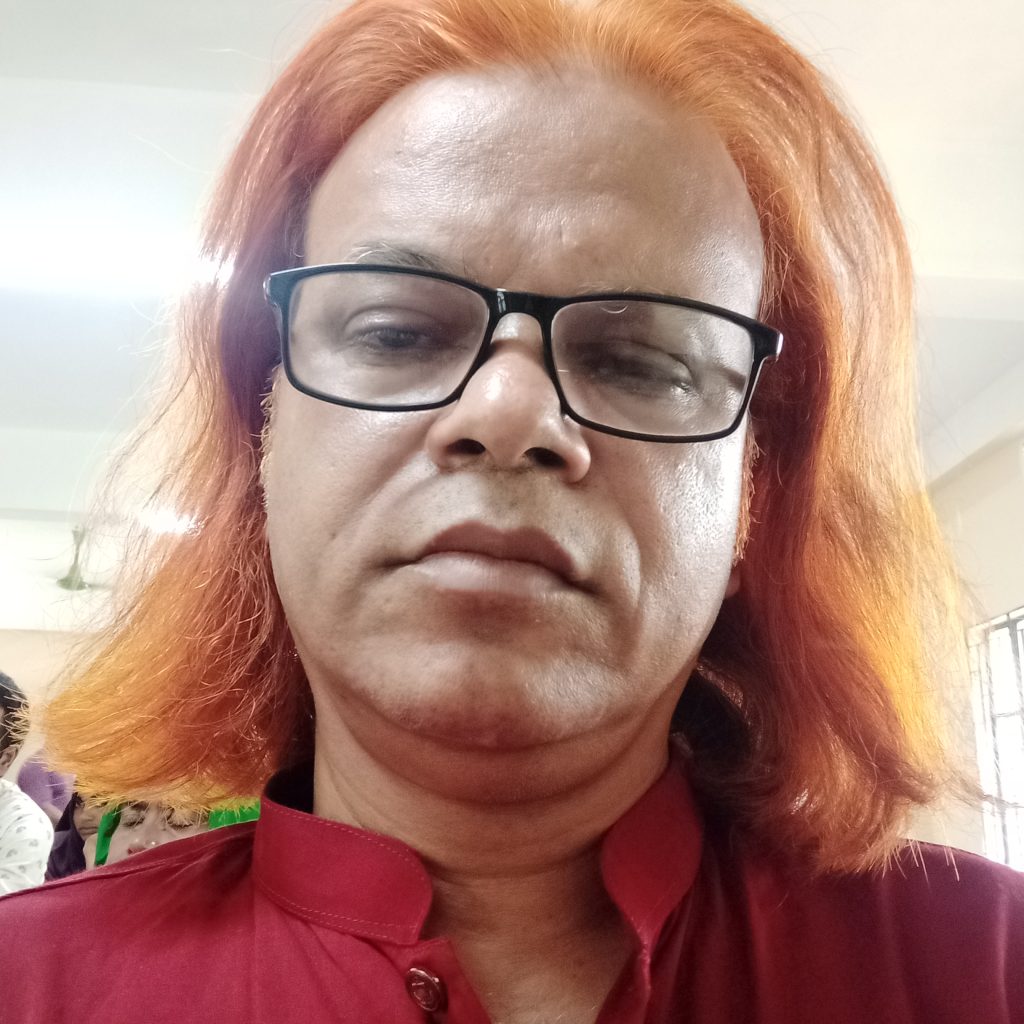
South Asian man with reading glasses and red shoulder length hair. He's got a red collared shirt on.
Mesfakus Salahin

Morning Dew Drop

Morning dew drop 

Stop,

Stay 

Give me time 

Let me see 

You,

Your heart 

Where I breath my love

Your eyes

Where I reflect myself

Your soul

Where I fly

Your dream

Where my image floats

Your trust

My pure love.

Time is limited

 My love is unlimited

Poetry from Thi Lan Anh Tran and Musharraf Hussain

WHEN TWO HEARTS BECOME A BATTLEFIELD

By Thị Lan Anh Tran (Aschaffenburg, Germany) & Musharraf Hussain (Assam, India)

This poem employs the conflict between the United States and Iran as an extended metaphor for modern romantic relationships, where retaliation, infidelity, and cycles of emotional warfare leave behind only barren landscapes within the soul. Through the imagery of conflict and reconciliation, it suggests that forgiveness, healing, and the patient rebuilding of trust are the only foundations upon which enduring love can survive and flourish. Ultimately, the poem reflects on the human cost of both war and broken relationships, reminding us that true victory lies not in defeating one another, but in choosing understanding over vengeance and renewal over ruin.

I

You and I were like two nations,

Standing on opposite shores of pride,

Between us drifted the smoke of accusations

And the missiles of old wounds.

II

I launched a cold silence toward you,

You answered with words sharp as steel.

I built fortresses of wounded ego,

You sent armies of resentment across the border.

And somehow,

People still called it love.

III

Yet what kind of love survives

When every sunrise sounds like an air-raid siren?

The messages that once flew

Like swallows of summer

Turned into drones of suspicion,

Circling endlessly above our skies.

The midnight calls

Became alarms.

IV

Neither side would surrender.

I hid memories of another.

You sought comfort in another embrace.

One betrayal answered another,

One wound demanded repayment.

V

We mistook revenge for justice,

And pain for power.

But every scar carved into your heart

Appeared again upon my own.

For war has never known a victor.

VI

Like cities shattered by bombardment,

Roofs collapsed upon children’s dreams.

Old parents sat in silence

Before empty doorways.

Friends divided into camps.

Family tables lost their laughter.

VII

A broken love affair

Is never only the story of two people.

It echoes through generations.

It shakes the faith of children.

It teaches fearful hearts

To lock their doors against tenderness.

VIII

And beyond us,

Beyond our private ruins,

Every human war steals light from the world.

A city burns from ambition.

A nation weeps beneath hatred.

The earth grows heavier

With walls instead of bridges.

The future loses another hand

That might have reached for peace.

IX

Then came the day

When exhaustion conquered pride.

I stood among the wreckage I had created.

You wandered through gardens

Reduced to ash.

X

The new faces arrived,

And disappeared.

The forbidden passions faded

Like smoke in the wind.

For no lasting palace

Has ever been built

Upon the ruins of a burning home.

XI

Many doors opened.

Yet none carried

The familiar fragrance

Of the soul once called home.

XII

And so,

After countless seasons of conflict,

The flags of hostility were lowered.

Not because every wrong was forgotten,

But because love proved more precious

Than victory.

XIII

I learned the courage of apology.

You discovered the strength of forgiveness.

The final missiles were dismantled.

The final barricades came down.

XIV

We returned to one another

As a strait reopens after a storm,

Allowing ships to cross again.

No winners.

No losers.

Only two weathered hands

Patiently rebuilding what had been lost.

XV

And beneath the golden evening sky,

I held you

As one might hold a homeland

Returned at last from war.

XVI

For in the end,

The greatest triumph

Is not defeating one another.

It is standing amid the ruins of the world

And still choosing

To love again.

KHI HAI TRÁI TIM THÀNH CHIẾN TRƯỜNG

Tác giả: Thị Lan Anh Tran (Aschaffenburg, Germany) & Musharraf Hussain (Assam, India)

I

Em và anh giống hai quốc gia

Đứng ở hai bờ kiêu hãnh,

Giữa làn khói của những lời trách móc

Và những quả tên lửa mang tên tổn thương.

II

Anh ném sang em một câu nói lạnh lùng,

Em đáp trả bằng sự im lặng sắc như dao.

Anh dựng lên những hàng rào tự ái,

Em kéo quân của nỗi hờn ghen tiến vào.

Người ta gọi đó là yêu.

III

Nhưng tình yêu nào lại bình yên

Khi mỗi ngày đều là một cuộc không kích?

Những tin nhắn từng là cánh chim mùa hạ

Bỗng hóa UAV dò xét lẫn nhau.

Những cuộc gọi đêm khuya

Trở thành tiếng còi báo động.

IV

Không ai chịu thua.

Anh nhớ người cũ rồi giấu em.

Em tìm một bờ vai khác để trả đũa.

Ông ăn chả, bà ăn nem,

Hai trái tim cùng ký vào bản tuyên chiến.

V

Chúng ta tưởng mình chiến thắng

Mỗi khi làm người kia đau hơn một chút.

Nhưng nào biết đâu,

Mỗi vết thương của đối phương

Đều in dấu lên chính ngực mình.

Chiến tranh chưa bao giờ có người thắng.

VI

Như những thành phố sau bom đạn,

Mái nhà đổ xuống trên tiếng khóc trẻ thơ.

Cha mẹ già ngồi trước hiên nhà trống vắng.

Bạn bè chia phe.

Những bữa cơm mất đi tiếng cười.

VII

Một cuộc tình đổ vỡ

Chưa bao giờ chỉ là chuyện của hai người.

Nó làm tan nát một gia đình.

Làm niềm tin của con trẻ lung lay.

Làm những người từng tin vào tình yêu

Bỗng sợ phải mở lòng thêm lần nữa.

VIII

Và rộng hơn thế nữa,

Mỗi cuộc chiến của con người

Đều khiến thế giới mất đi một phần ánh sáng.

Một thành phố cháy lên từ lòng tham.

Một dân tộc khóc vì hận thù.

Một hành tinh nặng thêm những hàng rào.

Một tương lai bớt đi những cái nắm tay.

IX

Rồi đến ngày tất cả mệt mỏi.

Anh nhìn quanh những đổ nát mình gây ra.

Em nhìn lại khu vườn đầy tro bụi.

X

Người mới đến rồi đi.

Những cuộc vui ngoài luồng hóa thành hư ảnh.

Bởi chẳng có lâu đài nào được xây vững vàng

Trên nền móng của một mái nhà đang cháy.

XI

Những cánh cửa khác mở ra,

Nhưng chẳng nơi nào mang mùi quen thuộc

Của người đã từng thuộc về mình.

XII

Và thế là,

Sau bao mùa chiến sự,

Hai quốc gia trong tim hạ lá cờ thù địch.

Không phải vì quên hết lỗi lầm,

Mà vì nhận ra tình yêu quý hơn chiến thắng.

XIII

Anh học cách xin lỗi.

Em học cách tha thứ.

Những tên lửa cuối cùng được tháo ngòi.

Những hàng rào cuối cùng được dỡ bỏ.

XIV

Ta trở về bên nhau

Như eo biển sau bão tố lại mở đường cho tàu thuyền qua lại.

Không còn ai thắng.

Không còn ai thua.

Chỉ còn hai bàn tay chai sần

Lặng lẽ xây lại những gì đã mất.

XV

Và trong hoàng hôn của một ngày yên tiếng súng,

Anh ôm em

Như ôm cả quê hương

Vừa trở về sau chiến tranh.

XVI

Bởi cuối cùng,

Điều đẹp nhất không phải là đánh bại nhau,

Mà là sau tất cả những đổ nát của thế gian,

Ta vẫn chọn ở lại,

Để yêu nhau thêm một lần nữa.

© 2026 Thị Lan Anh Tran (Aschaffenburg, Germany) & Musharraf Hussain (Assam, India)

Mọi quyền được bảo lưu.