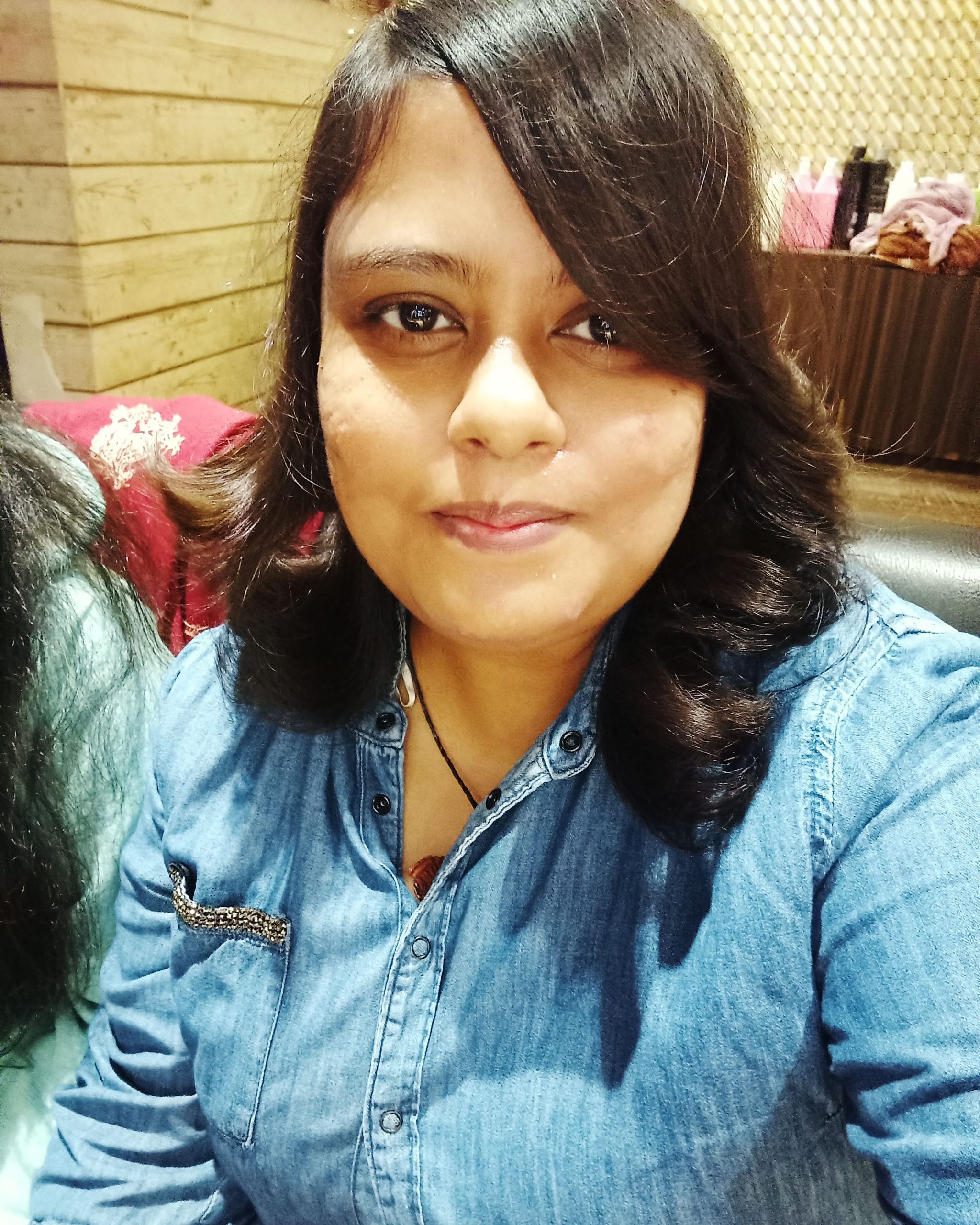
Essay from Feruza Axmadjonova

Teaching English in kindergarten

As the world becomes increasingly interconnected, the ability to communicate in English is becoming more and more important. Many parents want their children to start learning English as early as possible. This is where teaching English in kindergarten comes in. Teaching English in kindergarten can be a rewarding experience for both teachers and students. It is a great opportunity to introduce children to a new language and help them develop their language skills at an early age. As for the benefits of teaching English in kindergarten are numerous. First and foremost, young children have a natural ability to learn languages. Their brains are wired to absorb new information quickly and easily. This means that if they are exposed to English at a younger age, they are more likely to become proficient in the language later in life. Additionally, learning English in kindergarten can help children develop important cognitive skills. Learning a new language requires children to use their memory, attention, and problem-solving skills. These skills can then be applied to other areas of their lives, such as math and science. Furthermore, teaching English in kindergarten can help children develop social skills. Learning a new language requires children to communicate with others and work together to understand new concepts. This can help children develop empathy and self-confidence.

Despite these benefits, teaching English in kindergarten also comes with its challenges. One of the biggest challenges is teaching young children requires a different approach than teaching older children or adults. Teachers must be patient, creative, and able to engage  children in fun and interactive activities. Another challenge is ensuring that children are not overwhelmed by the new language. Young children have limited attention spans and may become frustrated if they are expected to learn too much too quickly. Teachers must strike a balance between challenging children and keeping them motivated and engaged.

With the right approach and resources, it can be easier to teach foreign languages in the early ages. There are numerous tips to teach English for young children. Firstly, using visual aids. Visual aids are an essential tool for teaching English to young learners. Children learn best when they can see and touch things. Using flashcards, pictures, and other visual aids helps children to understand new vocabulary and concepts. Secondly, play games can be a great way. Games are a fun and effective way to teach English. If the games involve movement and interaction, such as Simon Says or Duck, Duck, Goose, it will be easy children to recognize new theme with fun way. Board games and puzzles in teaching vocabulary and grammar structures are also great tip. Moreover, storytelling, song singing are also considered effective ways.

Poetry from John Culp


+


Even on a  Bad Day
          Good process teaches 
                    the Heart the way 

 for  none  evaporate 
             the Broth of  Gift's 
                                 Comforts 

  Bring  me  my Love 
              I know  I AM worthy 

Even on  a Sad Stray
         the  Left Behind  are Lifted
                                      in sight

the  Merits of Life 

      Trust
                 My Eyes 
                     touch 
                          Fresh 
                            Glances 
           of Light

for me   touch 
           that  I may   know
         I AM  not  Separated 

Divine   Trust 
           invisible 
                  Yet  still   on the way

                        ♡     
                                                               ............


by   John Edward Culp 
    Morning of August 17, 2023


Poetry from Ekpenisi Nwajesu

MIRACLE REDEEMS A MAN, LIKE A BLOOMING FLOWER IN A DESERT

(for Charles)


i. 
my grandmother, before her death, said: surviving a war is the greatest miracle. 
& i paint a portrait of war as a ravenous beast, that slakes its thirst with blood, leaving trails of shattered bodies in its wake. 

ii.
she fed me with anecdotes of how she survived the civil war, how she rolled into her skin at the sound of deafening blast of grenades.

iii. 
to survive an explosion, you must not bunch up with the crowd. take cover after a bomb has fallen & lie flat on your belly. let your hands bury your fears between the clip of your teeth.

iv. 
what if the war is not without, but within? how then would i escape the battlefield of my mind? 
& she replied: pray & wait for a miracle. 

v. 
a man’s greatest battle is not that of grenades and ammunition, but the mêlée that comes from within, a struggle that lurks in his mind & plagues his thoughts, filling him with uncertainties. by this i mean, the war within is a parasite. 

vi. 
but miracle redeems a man, like a blooming flower in a desert. 

vii.
& the greatest miracle is to survive a war—within or without. so, i choose to confront my chaos & navigate this battle. if i’m lost in this sphere, let it be known that i faced my cacodemon with intrepidness, but if i emerge with my head up high & my victory flag flapping, call me a miracle. 


Poetry from Don Bormon

South Asian preteen boy with short brown hair, brown eyes, and a white collared school uniform shirt.
Don Bormon
Bangabandhu

In a land where hope was draped in despair,
A voice emerged, bold and rare,
Bangabandhu, the harbinger of light,
Guiding his nation through the darkest night.

His words resonated with a fiery passion,
Igniting flames of freedom in every heart and emotion.
With his unwavering determination,
He fought for justice and liberation.

Through trials and tribulations, he stood tall,
A beacon of courage, inspiring us all.
Bangabandhu, the father of our land,
Led us towards prosperity, hand in hand.

He dreamed of a nation, free from chains,
Where equality and progress would reign.
He fought for the rights of the oppressed,
In his vision, humanity was blessed.

His conviction and sacrifices were profound,
As he built a nation on solid ground.
With love and unity, he bridged divides,
A symbol of strength, where hope resides.

We remember Bangabandhu, a true leader,
Whose legacy echoes, making us stronger.
His spirit guides us, even today,
To strive for a better world, come what may.

Let his words echo in each generation,
Inspiring us with unwavering dedication.
Bangabandhu, the hero of our land,
Forever cherished, we proudly stand.


Chapainawabganj

Chapainawabganj, a place where rivers flow 
A land of beauty, where stories grow.
With fertile fields and green landscapes wide,
This place fills my heart with joy and pride.

The Padma River gracefully winds its way,
Through the heart of this town, day by day.
Its gentle ripples and soothing sound,
Echo the charm of this sacred ground.

Golden paddy fields stretch far and wide,
Underneath the sun's warm and golden tide.
As farmers toil with sweat on their brow,
Nature's blessings surely doth endow.

The mango groves fill the air with sweet perfume,
As spring arrives, casting away all gloom.
Here, amidst orchards, nature's melody plays,
With birdsongs that brighten all our days.

Chapainawabganj, a tapestry divine,
With history etched in every ancient shrine.
The Rajbari's regal presence reminds,
Of the grandeur from a bygone time.

The people, hearty and kind, greet with a smile,
Their warmth and hospitality, never dial.
With folk songs and dances, their culture thrives,
A celebration of life, that forever survives.

In every corner, the tales of the past,
Whispered by ruins that have come to last.
They remind us of heritage, strong and true,
And our duty to preserve, for me and you.

Chapainawabganj, a land so dear,
Forever etched in memory, crystal clear.
May it prosper and flourish, as the years unfold,
A treasure trove of wonders, a beauty untold.

Don Bormon is a student of grade 8 in Harimohan Government High School, Chapainawabganj, Bangladesh.

Essay from Sardor Tukhtaev

Central Asian man in a suit and blue tie standing by a flag and a whiteboard in a classroom
Sardor Tukhtaev, Uzbek student of world economy and diplomacy

My family is the most important thing in my life. They are my source of motivation and inspiration. They have been there for me through thick and thin, and I am so grateful for their unconditional love and support.

My parents have always been my biggest cheerleaders. They have always encouraged me to pursue my dreams and to never give up. They have always been there to pick me up when I fall and to push me to do better. They have always been my biggest fans and have always believed in me, even when I didn’t believe in myself.

My siblings have also been a great source of motivation. They have always been there to lend an ear when I needed to talk, and to offer advice when I needed it. They have always been there to cheer me on and to celebrate my successes with me. They have always been my biggest supporters and have always been there to lift me up when I was feeling down.

My friends have also been a great source of motivation. They have always been there to listen to my ideas and to offer their support. They have always been there to encourage me to take risks and to try new things. They have always been there to celebrate my successes and to help me through my failures.

My teachers have also been a great source of motivation. They have always been there to challenge me and to push me to do better. They have always been there to offer guidance and to help me reach my goals. They have always been there to encourage me to strive for excellence and to never give up.

My mentors have also been a great source of motivation. They have always been there to offer advice and to help me stay on track. They have always been there to provide guidance and to help me reach my goals. They have always been there to encourage me to take risks and to never give up.

My family, friends, teachers, and mentors have all been a great source of motivation for me. They have all been there to support me and to help me reach my goals. They have all been there to encourage me to never give up and to always strive for excellence. They have all been there to remind me that I can do anything I set my mind to.

My motivation is my family. They have always been there for me, and I am so grateful for their unconditional love and support. They have always been my biggest cheerleaders and have always believed in me, even when I didn’t believe in myself. They have always been there to pick me up when I fall and to push me to do better. They have always been my biggest fans and have always been there to celebrate my successes with me.

My family is my motivation. They have always been there for me, and I am so thankful for their love and support. They have always been there to encourage me to pursue my dreams and to never give up. They have always been there to remind me that I can do anything I set my mind to. They have always been my biggest cheerleaders and have always believed in me, even when I didn’t believe in myself.

Poetry from Gustavo Galliano

Latino middle aged man with short brown hair and a black tee shirt standing in front of a painting of a red and orange desert scene.
Gustavo M. Galliano
ALGUIEN OBSERVANDO 

Te he observado espiar tras las cortinas,
con la mirada perdida en algún horizonte,
devorando a otras gentes  tan indiferentes
que machacan veredas sólo por costumbre.
He notado la inquietud de tus pupilas,
con manos crispadas por tanta impotencia,
y un suspiro profundo empaño los cristales,
sin poder destruirlos como hubieras deseado.
Te he visto observar desde tu fortaleza,
con frente sudorosa y aspecto cansino,
bebiendo la brisa que obsequia la noche,
sin penas ni glorias, solo por destino.
He descifrado de pronto tus dudas y temores,
náufrago del llanto que abraza la impaciencia,
soñando una isla sin tesoros ni puertos,
y miles de gaviotas de incesante vuelo.
Te he visto observar hacia mi ventana,
papel y lápiz en mano, escribiéndome  algo,
y dudé entonces si en verdad existías
o un gigantesco espejo pendía del cielo.—

-----------

SOMEONE WATCHING

I've watched you peek behind the curtains
with the gaze lost in some horizon,
devouring other people so indifferent
who crush sidewalks just out of habit.
I have noticed the restlessness of your pupils,
with hands clenched by so much impotence,
and a deep sigh fogged the windows,
without being able to destroy them as you would have wished.
I have seen you watch from your fortress,
With a sweaty brow and a weary look,
drinking the breeze that gives the night,
Without sorrows or glories, only by destiny.
I have suddenly deciphered your doubts and fears,
castaway of tears that embraces impatience,
dreaming of an island without treasures or ports,
and thousands of seagulls of incessant flight.
I have seen you look towards my window,
paper and pencil in hand, writing something to me,
And then I doubted if you really existed
or a gigantic mirror hung from the sky.—
BREVE BIOGRAFÍA de:
Prof. Gustavo Marcelo GALLIANO

	Nacido en Gödeken, Santa Fe, República Argentina. Escritor, poeta, Jurado en certámenes literarios Internacionales. Periodismo digital. Docente Universitario de la Facultad de Derecho de la UNR, en la asignatura Historia Constitucional Argentina. Miembro del CICSO (Centro de investigaciones en Ciencias Sociales). Secretario Técnico de REDIM.	
 	Se ha desempeñado como Corresponsal Especial en diversas revistas internacionales de Arte y Literatura (Cañ@santa, Sinalefa, ViceVersa, Long Island al Día, RosannaMúsica, etc). 
	Integra la Red de Escritores en Español (REMES), Poetas de Mundo, Unión Hispano-Mundial de Escritores (UHE), la Fundación César Égido Serrano, Naciones Unidas de las Letras (Ave Viajera y Proyecto Mundial Semillas de Juventud), entre otras. Actualmente es colaborador especial de Revista Poética AZAHAR (España), Revista Literaria-artístico PLUMA y TINTERO (España), Revista Literaria KENAVÒ (Italia) y Revista OFRANDA LITERARA (Rumania) donde también integra el Colegio Editorial.
	Ha obtenido distinciones y premios en certámenes y concursos internacionales de cuentos, narrativa, micro relato y poesía. Publicó libros (LA CITA, 5 AUTORES) y participe  de antologías y revistas publicadas y traducidas en más de 100 países. 
	Ha sido designado como Embajador de la Palabra y la Paz por diversas instituciones: WWPO (USA), Círculo de Embajadores Universales de la Paz (Francia / Suiza), Fundación César Égido Serrano y Museo de la Palabra (España).
 	Reside en Rosario, Santa Fe, República Argentina.


BRIEF BIOGRAPHY of:
Prof. Gustavo Marcelo GALLIANO

Born in Gödeken, Santa Fe, Argentine Republic. Writer, poet, jury in international literary contests. Digital journalism. University Professor at the Faculty of Law of the UNR, in the subject Argentine Constitutional History. Member of CICSO (Social Sciences Research Center). REDIM Technical Secretary.
  He has worked as a Special Correspondent for various international Art and Literature magazines (Cañ @ santa, Sinalefa, ViceVersa, Long Island al Día, RosannaMúsica, etc).
She is a member of the Red de Escritores en Español (REMES), Poetas de Mundo, Union Hispano-Mundial de Escritores (UHE), the César Égido Serrano Foundation, the United Nations of Letters (Ave Viajera and the World Seeds of Youth Project), among others. Currently he is a special contributor to AZAHAR Poetic Magazine (Spain), PLUMA and TINTERO Literary-artistic Magazine (Spain), KENAVÒ Literary Magazine (Italy) and OFRANDA LITERARA Magazine (Romania) where he is also a member of the Editorial College.
He has obtained distinctions and prizes in international contests and contests for short stories, narrative, short story and poetry. He published books (LA CITA, 5 AUTORES) and participated in anthologies and magazines published and translated in more than 100 countries.
He has been designated as Ambassador of the Word and Peace by various institutions: WWPO (USA), Circle of Universal Ambassadors of Peace (France / Switzerland), César Égido Serrano Foundation and Museum of the Word (Spain).
  He resides in Rosario, Santa Fe, Argentine Republic.


Cristina Deptula reviews David Estringel’s poetry collection Blue

Blue-tinted image of an older man in a tank top smoking a cigarette
Savor the thick sweet juice of David Estringel's sensual poetry collection Blue. 

This volume melds luscious food and drink (Red Raspberries) with sacred and religious images (Coda-Switch) to describe unions between lovers. Some pieces incorporate both gustatory and spiritual references (Gimme Some Sweet). Estringel also stirs together Catholic and indigenous spiritualities throughout the book, at times in the same poem. 

Most unions are consummated, yet a few pieces reflect curious "meet-cute' imagination (Coffee House Romance) while others convey loss and longing (Blue Room). Due to the power of the human mind, even the pieces that aren't about an immediate moment of consummation convey intense bodily sensation. 

Some pieces mix both intimacy and the awareness that it cannot last forever (Duende). This book's motifs surfeit us with the sensual joy of nature in summer and autumn, which reminds us of our physical glory and mortality. We enjoy the harvests we share with each other, even if only for a few seasons. 

David Estringel’s collection Blue will be available from Back Room Press in September 2023.