
The Real Bird Who Was

I am not a real bird, says the bird that is,
His coiled intestines heavy in his soft belly.
He gathers bark flakes and wooly hair for his nest,
Gathering with wings that should fly.
If I were a real bird, says the bird,
I would do what they do. The bird
watches a trigon of his feather-kin in the sky,
And presses his pinioned wingtips into the wet ground.

The bird plops heavy onto the earth,
Swallowing a worm as he saturates in nutrient packed dirt.
The worm sticks, glued to his tonsils,
And he develops a smell as he rolls over, crushing his wings beneath him.

He gazes with an ache at the seasonally disappearing flocks,
Claws at himself from the inside.
Real birds fly, says the bird who doesn’t,
As he pushes his head in the water and remains just a second too long.

On a branch, he lifts a wing, raises a leg.
He tilts slowly off and the world seems to spin,
But it spins until it doesn't, until the bird recoils,
Nosediving into his breast and imagining what the others would say
If they saw him.

I’m not a real bird, thinks the bird,
I can't be seen if it is like this.
He feels a phantom pain at the gone tip of his wing,
And quietly sheds both tear and feather.
Category Archives: CHAOS
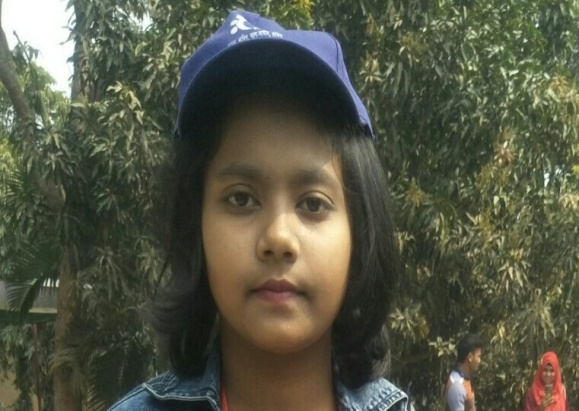
Poetry from Monira Mahbub
My Wish

Wish to hear
Wish to say
Wish to travel
Wish to read and write
Wish to sleep
Wish to go through the book
Wish to talk like the birds
Wish to fly in the sky with the wishes.

12 July, 2019.
Monira Mahbub is a student of grade 6 in Nawabganj Government Girls' High School, Chapainawabganj, Bangladesh.
Essay from Muhammad Ehsan
Empathy: The Last Refuge of Human Suffering
ehsankgp@hotmail.com
In a world where divisions and disputes often characterize our interactions, empathy is one of humanity’s most fundamental and defining characteristics. It is a massive force, a sort of refuge, that crosses boundaries and provides comfort to people in need. Empathy or the ability to understand and share the emotions and feelings of others, is undeniably important in easing human suffering, making it not only an appealing but also a deeply essential topic for discussion.
Empathy is a universal language that transcends beyond linguistic, cultural, and geographical barriers. It acts as a link between people, enabling us to see how our common human experiences tie us all together. It is the thread that runs through the fabric of our shared existence.
At its core, it brings comfort during times of personal disturbance and suffering. When we feel understood and supported by others, our suffering becomes more manageable. It’s the soothing knowing that we are not alone in our troubles, a reminder that our pain is a part of the human experience shared by many others.
Empathy is a bridge builder, uniting people who would otherwise be isolated. It promotes connection, building relationships of understanding and compassion. We can reach across racial, religious, and ideological barriers with empathy, finding common ground even in the most difficult of circumstances. It serves as a reminder that we are all human beings with our own worries, goals, and dreams.
In the face of trauma and unfortunate circumstances, empathy is critical to the healing process. It gives survivors the affirmation and support they need to process their experiences and move ahead. Therapists and counselors acknowledge the transforming potential of empathy and use it as an integral component of recovery, providing a safe space for people to address their pain.
However, empathy is not a passive force; it has the potential to generate substantial change. We are driven to act when we empathize with the suffering of others. It motivates us to give our time, donate to humanitarian causes, and fight for policy reforms that reduce human suffering on a greater scale. It is a positive change catalyst, motivating us to make the world a better place.
Empathy serves as a reminder of our shared humanity. It reinforces the idea that, at our core, we are all vulnerable imperfect humans going through the complex landscape of existence in a world that frequently highlights differences. Recognizing our common vulnerability fosters empathy, compassion, and a shared commitment to alleviating suffering.
Finally, empathy is the last refuge of human suffering. It is a guiding light for us as we face challenges in life, providing a means to connect, heal, and make the world a better place. It is the ultimate refuge for human suffering, reminding us that even in the face of hardship, we have the ability to inspire and encourage one another. Let us celebrate empathy as the power that brings us together and allows us to rise beyond our collective difficulties.
Bio of Muhammad Ehsan

Muhammad Ehsan, a dedicated Pakistani educator and researcher, wields a profound influence in education and empathy. With extensive teaching experience in secondary education and a research-focused mindset, he molds young minds and contributes as Freelance Venue Staff at the British Council, excelling as a Fiverr content writer.

Currently pursuing a Ph.D. in Education at the International Islamic University Islamabad, Ehsan's research delves into the integration of microcredentials into degree programs in Pakistan, building upon his M. Phil research exploring the impact of teacher's classroom behavior on students' learning at the secondary school level. His scholarly achievements shine through six published research papers in reputable journals.

Additionally, Ehsan's international exposure includes participation in the prestigious Teaching Excellence and Achievement (TEA) program at Virginia Tech, as well as completing an Online Certificate in Advanced Writing from the University of California, Irvine. He has expanded his knowledge through various online courses in higher education and governance, financial education, marketing, and AI tool utilization.

Beyond academia, Ehsan serves as a co-founder of the Pakistani American Teachers of English Network (PATEN) and holds the position of Director of Outreach and Accessibility in PATEN, where he fosters collaboration and mentorship among educators and professionals, underlining his unwavering commitment to fostering positive change in education and society.
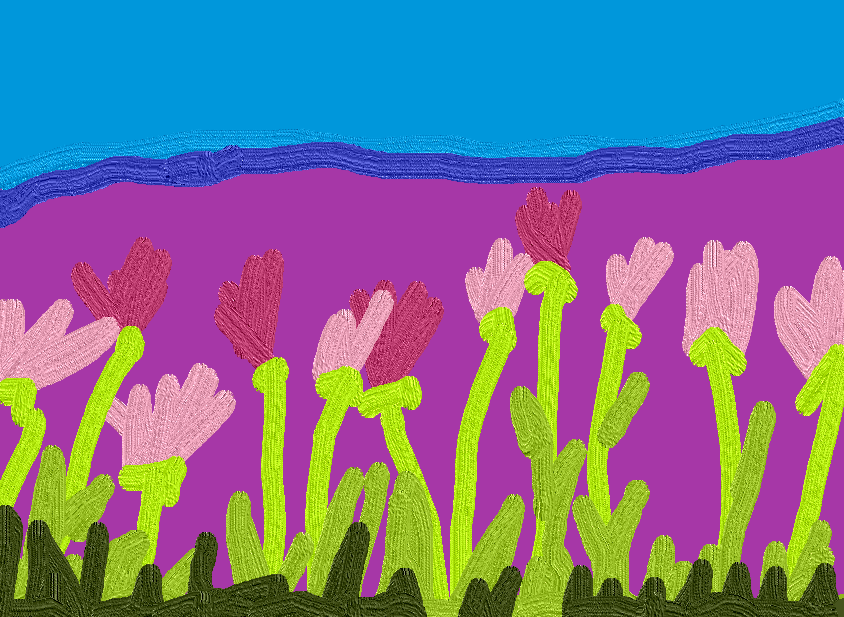
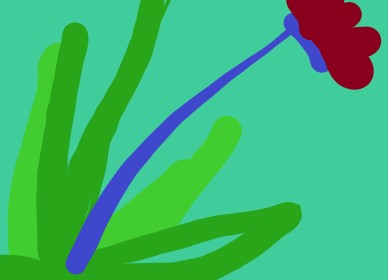
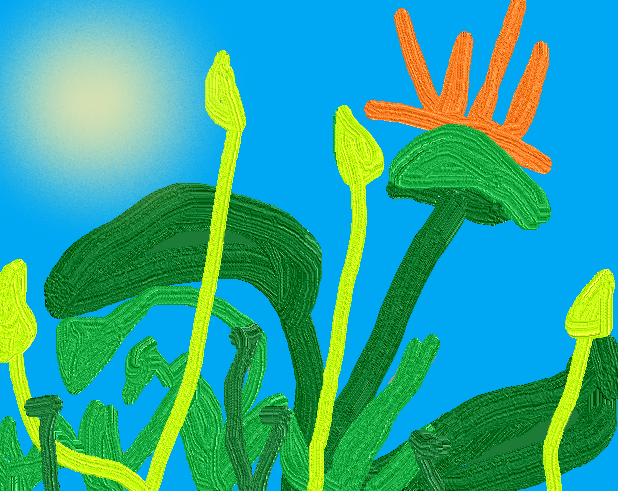
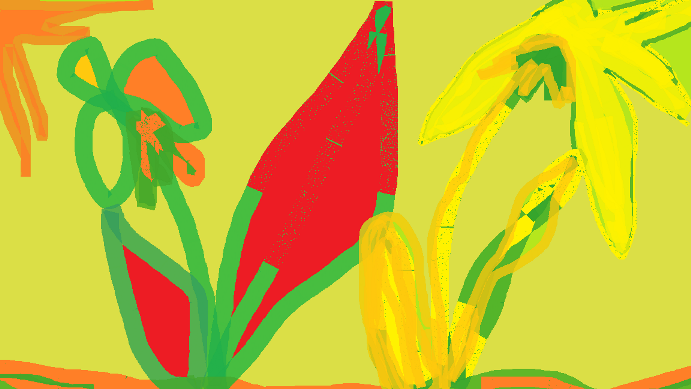
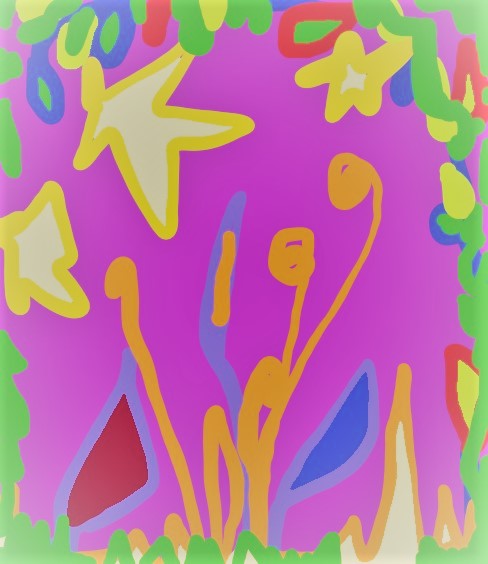
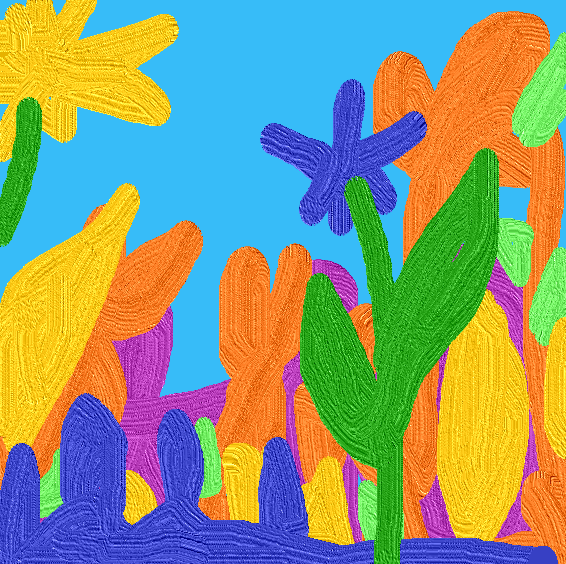
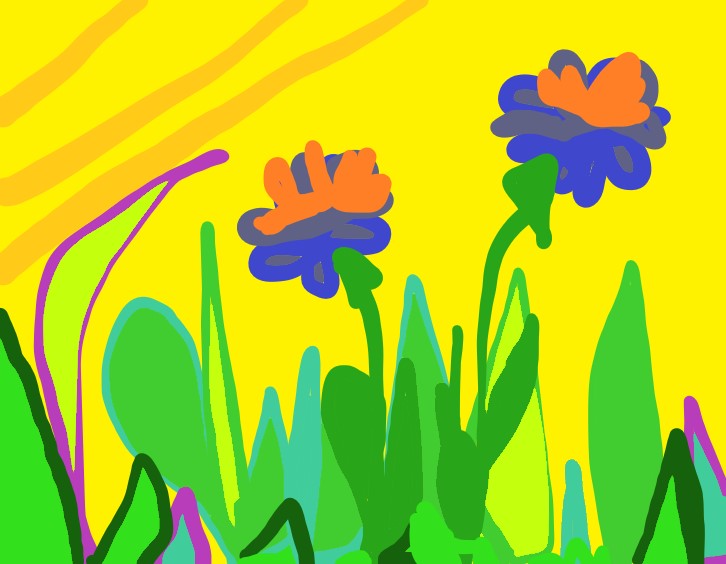
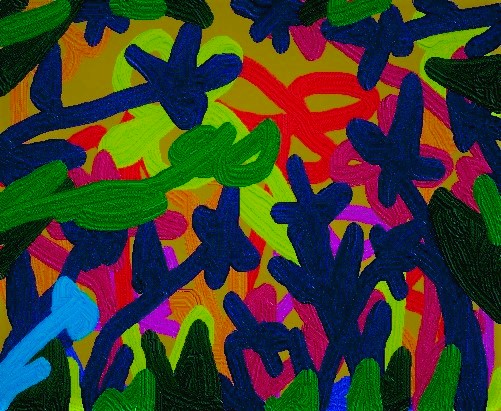
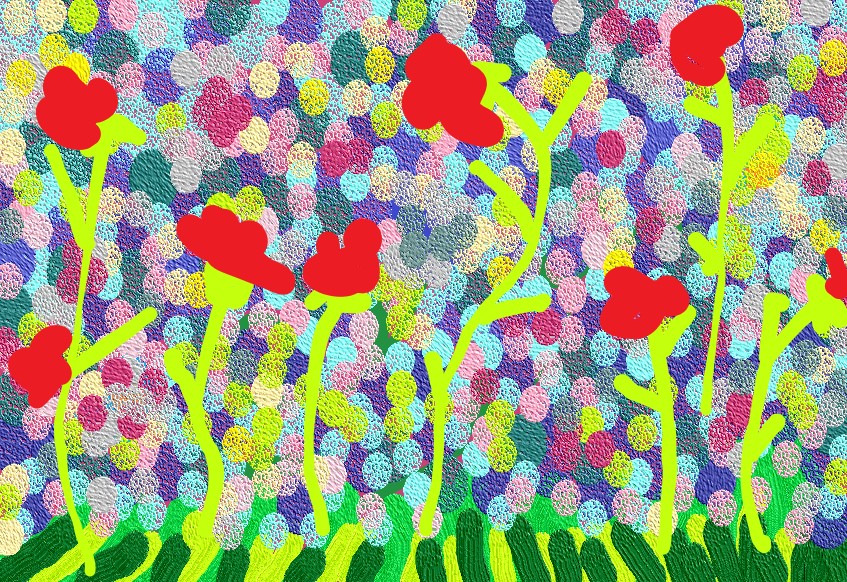
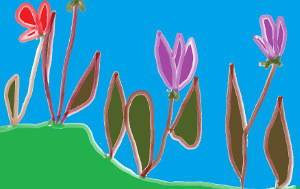
Artwork from Channie Greenberg
Story from Jim Meirose
It’s Time for your Operation


Now, which ache, pain, or disorder led to Peter and Pat being at the hospital checking in for Pat’s major surgery, doesn’t matter at all. All that matters, is that her day had come at last. So now they sat, in a bare beige box of a waiting room. Peter sat idly thumbing through magazines. Pat nervously studied the otherwise empty bland, silent, room.
After some minutes, Peter said, I need to use the men’s room. You okay here alone?
Yes, sure.

So, Peter left Pat alone. As she idly picked up something to read, a man entered, and took a seat across. Pat glanced up from the page. Oh—blank face he has—tiny eyes. He is looking away. He is quiet; good. So. And, at last, an interesting article to read—thank God.
But—
Miss. Miss.
The man. Look up.
Yes?

The man said quietly, Are you here for surgery today?
Yes, I am. Why?
Are you nervous at all—about your surgery today?
A bit, I suppose.
I bet you don’t know the real reason you’re here.
Squint, but—what’s this—
Ma’am. I’m really sorry for this, but—you got to know. They told you you need this. But that’s a lie.
His eyes—what—
You’re not sick like they told you. No—you’re not.

His eyes—somehow—turned different, now.
—where the hell’s Peter—
Leaning slightly toward her, the man went on, saying, Have you really pictured what’s going to happen after they take you back there? You’re about to go back there to be slowly and methodically wounded. Really badly wounded—you know? Then, after today, it might take months or years for you to recover—if ever. It’s all an experiment, you know. They say you need this, that it’s to help you—but that’s a lie.  You don’t need to be here, Ma’am.

She stared—motionless, afraid—don’t move—Peter, come back, Peter—her hands clenched hard as if holding on for life above a great drop.
Heh, he said, shifting in his chair—heh. Heh. They call it—an “operation”. Heh. Not hardly strong enough of a word for what they plan to do to you. They’ll use this blade, that blade, this drill, those saws, each tool designed to inflict a very particular type of injury. Heh. Heh.
Peter. Where’s Peter—

You’ll be knocked out lying there, with them shouting over you things like, scalpel! Forceps! Yes, heh! You won’t know, but they’ll be yelling scalpel forceps sponge sponge forceps scalpel hollering, and cutting. Cutting, and hollering—

—no—no—let go—let him go on. Breathe, calm—Peter’ll be back—this is just—nothing. Don’t look at him. Don’t look. Like—yes like you did way back driving to work in that stopped dead traffic by that red light waiting by that scary big teenage preacher, always there on that same curb you passed every day; scary, in his black suit and wide tie, holding his big black bible-book parted open, bellowing the word of God at the top of his lungs, staring at you, staring—always there every day—even in that blinding hard downpour that day—just don’t look over—these’re all just crazy. Just harmless. Just—don’t look. Just don’t look at th’ miserable drenching downpour soaking him to his skin, sluicing ice-cold to the gutter, or his book, or his yelling down, out, ’n away—no! It’s just sad. It’s just miserable. These kind are just miserable. Feel sorry. Just feel sorry.

These can’t be saying the true words of God; no, these just shout loud-n’-long, all nonsense, all deluded, all ignored—‘n every time over’s just thank God, ah, the green light. Green at last—but where’s Peter—

The man went on speaking into the side of her face, saying—and when its all over, they’ll roll you into what they’ll call a recovery room. They’ll bring you around. You’ll think it’s nearly over. But the real torment’s just begun. They’ll surround you laughing loud down in your face as you waken to a world of pain—pain so horrible, that you’ll immediately regret having let them do this to you. You’ll hurt so much, you ‘ll wish yourself dead; maybe even wish you’d never been born. How fun! How fun! Then—and get this—for the next few days, they’ll toy with you. When your pain is most terrible, they will sedate you, and—and all will sink to gone, but, heh, you’ll slowly come around again, rising into torment, then, sedation, again—down, then up, back into torment—cranked tighter, harder, worse and worse every time—until they tire of you. They’ll cut you loose and send you home.

But—ha! Ha! Your old life will be gone. Your new life will be—pain. So much pain, that you’ll cry inside, Why did I do this to myself? What was the reason? Was there ever any reason at all? You’ll struggle for hope. And sure, in time, things will calm a bit. But the pain will nag you. So you’ll go back. For more scans, examinations, tests—then they’ll tell you, hey, listen, Just one more small procedure will cure you. Oh yes, yes, don’t worry. It’ll be very small. Another minor operation’s definitely required, but—it’ll pay off. You’ll be totally well again. In your desperation, you’ll have no choice but to agree; bad memories slather’d o’er in the turned back to time, so, back here again! He. Hee. Te’heeeeeee! Yah, back here, for their pleasure, again—and again and again and again, as many times as they see fit! Because, you know—because your world’s not your world anymore, it is theirs!

So now—tell me. Do you still feel good sitting here waiting for them today? Hey, listen. Enjoy these last moments you’ve left in your old world, because they’re about to blast it away after they take you back through that door—there’s a reason we’re the only species who cut each other apart for fun, and put each other back together again! There’s a reason and you—you are part of the very sick reason ah ah sick yes very sick sick sick sick reason—

Blam!
Blam?
Whut?

Hup, flinch, and duck! A blast of red engulfs the world, earsplittingly loud; the horrible crazy yelling man disappears, gone, transformed into a hot red boiling mist expanding out,  dissipating away from what’s left, which collapses, tangled, torn, red-soaked and sodden, onto the floor, a steaming bag of rags, and there, stands—the drenched crazed boy preacher, shotgun lowered, muzzle smoking, face pushed in your car window—why the hell’d y’ roll down your window, in this pouring rain—You, he shouts—you passed by every day, even now where I stood freezing in the rain, suffering to bring you God’s word, yes, God’s word—to save you! To save! But; look at me, soaked and suffering; why did you not help me? Why did you not help! He reaches in, grasping, yelling, You need punishment!

Punishment! Punishment scalpel forceps punishment sponge sponge punish forceps scalpel punish’ no! No, no—you’re yelling, No, I didn’t mean it, I didn’t—dear God, let the light turn! Let the light turn—now please, dear God—
Green!
Thank God! Bu—
Blam!

A final blast of red engulfs the world, earsplittingly loud; the miserably drenched raving holy boy yelling at you disappears, gone, transformed into a red roiling mist expanding out dissipating away from what’s left, which collapses, tangled, torn, red-soaked and sodden, onto the floor, a steaming bag of rags, and there, stands—Peter, leaning, shotgun lowered, muzzle smoking, standing where all the crazies had been, but now, thank God, all’s gone.
Peter! My God, my God!

It’s all right now, Pat. Come on. It’s time to go in the back.
Uh—thank God, but—why’re you all in white? Those gloves, that mask, the—are you really Peter? Why do you look that way? Why those clothes? Why—my God.
What?

Where did you get that gun? You don’t do guns. You’ve never done guns.
Peter waved her face into silence.

Never mind. You are safe now. The only important thing now is—your operation. Come in to the back, they’re waiting.
Hear them? They’re calling.
It’s time for your operation.
Poetry from Zofia Mosur
This Calls for an Exorcism!

I wanted to belt one of those nasty
guttural screams, like a long-dead
hollywood actress in a movie I’m too
afraid to watch. “I hate gore” I tell
people, but how poetic it must feel to be
covered in the innards of a pig. Pretty,
done-up face splattered in thick blood and
smeared in sweat, ink and bile, perfume.
I’m logical. But sometimes I’m clawing.
At my eyes, and neck. Like a possessed.
A panic, conceived and birthed in the manic of
self-loathing.

“‘I’m not a real poet’ says the poet”
Said a poet,
now says I.

On the bathroom floor, in the dark,
I shake with rage and lust
for violence. Force my nails into my palms: I need to lap up the blood, that I swear pools in the basin of my fist like tears once did in the crease on either side of my nose. I’m not wailing out of pain, but
the satisfaction of tearing
my warming skin from my frailing
bones. I have to tell my mother to
hide the scissors: my gut feels awfully pierce-able. Take the towel from my
long, strong fingers; I’m trying to suffocate myself. Every tendon in this body is trying to bend the wrong way. I’ve convinced my parents to order the
priest, hold me down and chant a
prayer. Pull the Devil out of this growing chest. Rip me open and carve me out. Unravel my intestines like a roll of film. My restless arms need the authorities to strap me to a bed and shriek in my face ‘till
I come to my senses. End me, infect
me, declare me brain-dead, I’d rather be numb than curling in my bed. I’m gasping
and grasping at the door.
I’m scared that I like it,
this spirit in my veins, it never controlled me until today. So, I heard the voices
over the phone, all I want is for Mama to listen. My eyes are screaming and trying their best “this calls for an exorcism!”
Roaring (Screaming) 20s

It is the Roaring (Screaming) 20s.
Everyone is in their own world
we all think we deserve one.
We are all at war, we are rotting,
twisted,
mentally ill.

We all hate,
worship,
envy one another.
I am grinning on the sidelines,
like a Goddess
above them all!

Can't decipher,
who is playing the game?
who is manipulating the referee?

I am busy admiring myself
watching my shapely reflection on this mirrored ceiling
as I float through the water.

Gaining self awareness at ten
watching grown men have revelations
I had at eleven.

Tell me my generation is all narcissistic teens
I’d love to hear it,
happy to be a part of it!
Happy to watch us be blamed
for destroying a planet we were labored into
a mere minute ago (we are infants in this timeline)

Happy to be called lazy,
spoiled,
incomparable to the God-like generations before us.
We are going to raise children

who watch the world collapse
on (Apple) VR headsets.

Irony tastes like my grandmother's cooking
when she tells me
my Peers will be the downfall!

When she drove Volkswagens
smoked a pack a day
showered for an hour every time

She and I both think its laughable
how we fight the people
we are inevitably intertwined with.
Going down together
blaming the people
we pull with us (Our elders are the weighted leeches on our ankles)

I am no god
no savior.
Just laughing at our silly flailing arms trying to resist gravity.

Oh well, I suppose we are in too deep
I suggest we keep kicking
our bodies will surface eventually.
The aliens can find our fucked up palaces.
Poetry from Nurujjaman
Character

How can we lead a proper life?
Without swimming we can’t dive.
Even that, character is the light.
It drives out human blight.

Character shows the conception of conduct.
It becomes pronoun if we plod.
It is not prospective thing-
But it is the part of human beings.

Character must be Serviceable
Without it, anybody can be imbecile.
It is human's highest site.
So that, it should not be depredated.

Character is the crown of a man.
But it is very herculean.
It means the combination of some good qualities.
That is why people must acquiesce it.

29/08/2023

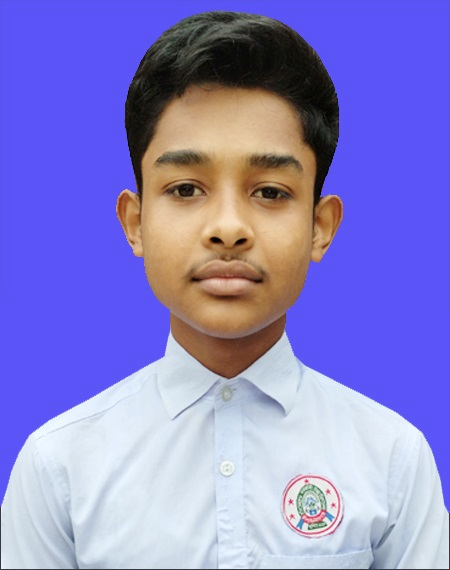
Nurujjaman is a student of grade 9 in Harimohan Government High School, Chapainawabganj, Bangladesh.